The best walks and hikes around Pomarance
4.3
(508)
2,734
hikers
33
hikes
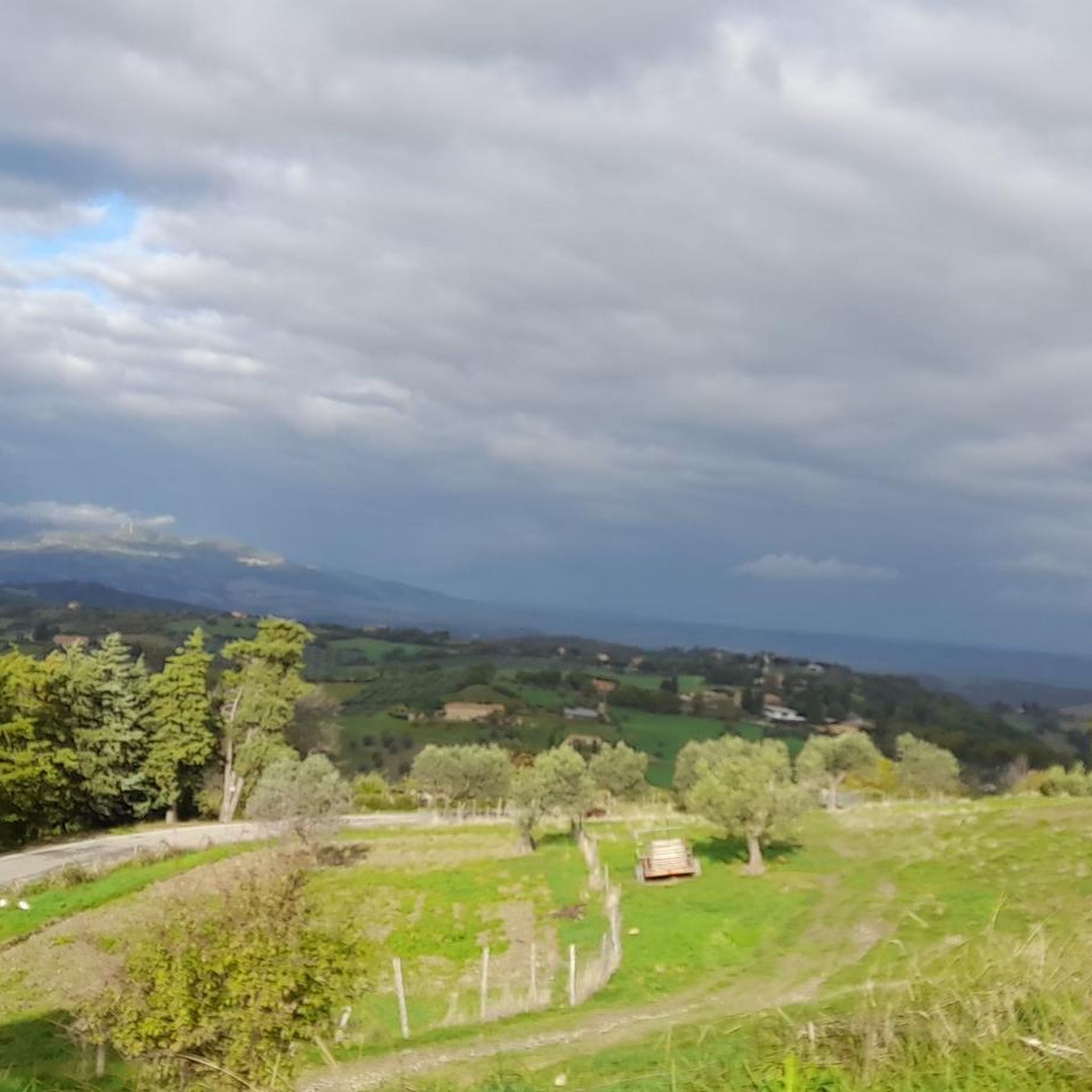
Hiking around Pomarance offers exploration of diverse landscapes in the heart of Tuscany's Val di Cecina. The region features rolling hills, dense forests of holm oaks, and Mediterranean vegetation. A distinctive characteristic is the Valle del Diavolo, showcasing geothermal phenomena like fumaroles and thermal springs. Natural reserves such as the Riserva Naturale della Foresta di Berignone and the Riserva Naturale della Foresta di Monterufoli-Caselli provide extensive trail networks.
Best hiking trails around Pomarance
- The most popular hiking route is Masso delle Fanciulle – Masso degli Specchi loop from Agriturismo Poggiamonti, a 7.3 miles (11.7 km) trail that takes 3 hours 24 minutes to complete. This route explores the unique geothermal landscape of the area.
- Another top favourite among local hikers is Masso delle Fanciulle – Masso degli Specchi loop from Puretta, a moderate 4.8 miles (7.8 km) path. This trail winds through forests and past natural features.
- Local hikers also love the San Dalmazio Village loop from San Dalmazio, a 5.8 miles (9.3 km) trail leading through charming medieval villages, often completed in about 2 hours 56 minutes.
- Hiking around Pomarance is defined by rolling hills, geothermal valleys, and dense forests, with historical sites integrated into the landscape. The network offers options for different ability levels, from easy walks to more challenging routes.
- The routes in Pomarance are highly rated by the komoot community with an average score of 4.2 stars from over 400 reviews. More than 2,400 hikers have used komoot to explore Pomarance's varied terrain.
Last updated: June 25, 2026
4.6
(32)
99
hikers
Moderate hike. Good fitness required. Mostly accessible paths. Sure-footedness required.
4.8
(11)
26
hikers
9.45km
02:58
360m
370m
Moderate hike. Good fitness required. Easily-accessible paths. Suitable for all skill levels.

Sign up for free
4.5
(15)
79
hikers
4.10km
01:07
20m
20m
Moderate hike. Great for any fitness level. Mostly accessible paths. Sure-footedness required.
3.8
(5)
20
hikers
14.7km
04:41
400m
400m
Moderate hike. Good fitness required. Mostly accessible paths. Sure-footedness required.
4.0
(7)
24
hikers
Hard hike. Very good fitness required. Mostly accessible paths. Sure-footedness required.
Get access to more routes and recommendations from other explorers.
Sign up for free
Already have an account?
Our route recommendations are based on thousands of hikes, rides, and runs completed by other people on komoot.
Start today with a free account
Your next adventure awaits.
Login or Signup

Other adventures around Pomarance

Tips from the Community

Great spot for a nice refreshment in the Cecina River
0
0

Perched on a rocky spur in the Cecina valley, the Rocca di Berignone, also known as the Bishops' Castle or Torraccia, is a place that smells of history and legend. Already mentioned in 896, it was a bastion of the episcopal power of Volterra, a refuge and symbol of resistance in the struggles against the Municipality. Besieged, rebellious, conquered by the Sienese in 1399, it then began its slow decline. Today, its imposing ruins emerge among the woods of Berignone, silent witnesses of a tumultuous past, framed by a landscape that still retains a wild and fascinating aura.
4
0

unfortunately a tour we started enthusiastic but we came back disheartened. first we had to take a long detour because of Maremma sheepdogs and then a closed road that entered right into their property. then found the path along the river blocked due to recent flooding we had to go back and take another route a lot on asphalt. then the maximum disappointment you can't get to Rocca Sillana by bike there is a path to go only on foot of about 15 minutes uphill with wooden steps and dirt. well anyway it was a beautiful day with my bike friend Marco.
0
0

If the partially closed path is too dangerous, you can walk along the riverbed.
0
0

Castello dei Vesovi or Torraccia a stupendous place that takes you back to the past. The castle known as Rocca di Berignone (from the name of the forest where it is located, a large forest complex that still today presents itself to the eyes of the visitor in its suggestive natural beauty), Castello dei Vescovi or simply Torraccia, is an important fortified site located south of Volterra, on a rocky spur at the confluence of the Botro al Rio with the Sellate torrent, in the upper Cecina valley. Traces of the castle emerge as early as 896, when it was donated by Adalberto, Marquis of Tuscany, to Alboino, Bishop of Volterra. Since then it was a stronghold and residence of the bishops of Volterra (hence the name), used to administer justice, to mint coins but above all as a refuge during their long struggle against the Commune. The bishops retreated there several times to avoid reprisals, such as in 1266, after the Guelph victory of Benevento, to escape the assault of the Ghibellines. In 1361 Berignone rebelled against the municipality of Volterra, but was easily reconquered. In 1381, the inhabitants of Berignone themselves wanted to place the defense of the castle, occupied by the relatives of Simone dei Fagani of Reggio, bishop of Volterra, under the protection of the municipality. Numerous other disputes ensued until the peace stipulated on February 5, 1382. In 1399, the castle was occupied by the Sienese and from that moment its definitive decline began. Today, only the ruins remain, dominating vast woods populated by ungulates and birds of prey, but even from these one can intuit the strength and severe elegance of the architectural structures of the past.
1
1

Frequently Asked Questions
What kind of landscapes can I expect to see while hiking around Pomarance?
Hiking around Pomarance offers a diverse experience, from lush rolling hills and dense forests of holm oaks to vibrant Mediterranean vegetation. A unique feature is the Valle del Diavolo (Devil's Valley), where you can witness geothermal phenomena like fumaroles, geysers, and thermal springs, creating an otherworldly, moon-like scenery. The Cecina River also flows through the area, providing refreshing spots.
Are there any easy hiking trails suitable for beginners or families in Pomarance?
Yes, Pomarance offers a good selection of easier trails. Out of over 30 routes available, about 10 are classified as easy, making them suitable for beginners or families. These trails often wind through forests and past natural features, providing a pleasant outdoor experience.
Can I find circular hiking routes in the Pomarance area?
Yes, many of the hiking routes around Pomarance are circular, allowing you to start and end at the same point. For example, the Masso delle Fanciulle – Masso degli Specchi loop from Agriturismo Poggiamonti is a popular circular option, exploring the unique geothermal landscape.
What historical sites or landmarks can I explore on a hike in Pomarance?
The region is rich in history. You can hike to the imposing Rocca Sillana fortress, a 12th-century structure offering breathtaking panoramic views. The San Dalmazio Village loop from San Dalmazio leads through charming medieval villages like San Dalmazio itself. Within the Riserva Naturale della Foresta di Berignone, you can also visit the Bishops' Castle of Berignone. For more attractions, consider exploring the Bolgheri Village or the Historic Village of Sassetta.
Are there any natural reserves or protected areas to hike through?
Absolutely. Pomarance is home to significant natural reserves. The Riserva Naturale della Foresta di Berignone offers vast forests and brush with numerous paths. Another major area is the Riserva Naturale della Foresta di Monterufoli-Caselli, known for its luxuriant woodlands and historical mining sites. These reserves provide extensive networks of trails for exploration.
What do other hikers say about the trails in Pomarance?
The hiking trails in Pomarance are highly regarded by the komoot community, with an average rating of 4.2 stars from over 400 reviews. Hikers often praise the varied terrain, from rolling hills to unique geothermal areas, and the integration of historical sites into the natural landscape.
Are there any challenging or difficult hikes in the area for experienced hikers?
Yes, for those seeking a more strenuous experience, Pomarance offers a few challenging routes. There are 3 trails classified as difficult, providing longer distances and more significant elevation changes. An example is the Masso delle Fanciulle – Masso degli Specchi loop from Agriturismo Sant'Elisa, which covers nearly 19 km.
Can I find places for wild swimming or thermal springs along the hiking routes?
Yes, the Cecina River flows through the area and offers opportunities for a refreshing swim after a long walk. Additionally, the region is known for its geothermal activity, and you might encounter thermal springs. The ancient Terme di Bagnone in Sasso Pisano, with Etruscan origins, is another interesting destination for those exploring the area's water features.
What is the best time of year to go hiking in Pomarance?
While specific recommendations vary, Tuscany generally offers pleasant hiking conditions in spring (April-May) and autumn (September-October) when temperatures are milder and the landscapes are particularly vibrant. Summer can be hot, especially in the geothermal areas, so early mornings or late afternoons are preferable if hiking during that season.
Are there any specific attractions related to the geothermal activity in Pomarance?
Beyond the natural geothermal phenomena in the Valle del Diavolo, you can visit the Museum of Geothermal Energy in Larderello, which is part of Pomarance's municipality. This museum offers insights into the region's geothermal history and its role as the world's first point of geothermal energy exploitation. You can also explore the Le Biancane Geothermal Park.
Are the hiking trails in Pomarance suitable for dogs?
Many natural areas and trails in Tuscany, including those around Pomarance, are generally dog-friendly, especially within the natural reserves. However, it's always advisable to keep dogs on a leash, especially in protected areas or near wildlife, and to check local regulations for specific trails or attractions you plan to visit.
Are there good viewpoints along the hiking trails in Pomarance?
Yes, several trails lead to excellent viewpoints. The hike to the Rocca Sillana fortress is particularly rewarding, offering panoramic views of the surrounding Tuscan landscape, including the provinces of Siena, Pisa, and Grosseto. The rolling hills and diverse terrain naturally provide many scenic vistas throughout the region.
Most popular routes around Pomarance
Most popular attractions around Pomarance

Get inspired with the komoot mobile app


Explore more
Browse the best Hikes in other regions.
