Attractions and Places To See around Santa Fiora - Top 20
Best attractions and places to see around Santa Fiora are found in this medieval village located on the southern slopes of Mount Amiata in Tuscany. The area is characterized by its historical landmarks, natural beauty, and cultural heritage, including the Fiora River springs. Santa Fiora offers a blend of preserved history, architectural marvels, and serene natural settings for exploration.
Best attractions and places to see around Santa Fiora
- The most popular attractions is Monumental Cross on Monte Amiata, a…
Last updated: August 29, 2026
Monumental Cross on Monte Amiata
Highlight • Monument
Translated by Google •
Tip by

The White Whale (Bagni San Filippo)
Highlight • Natural Monument
Translated by Google •
Tip by

Sign up now to discover places like this
Get recommendations on the best single tracks, peaks, & plenty of other exciting outdoor places.
Sign up for free
Macinaie Meadow
Highlight • Rest Area
Translated by Google •
Tip by

Abbadia San Salvatore
Highlight • Settlement
Translated by Google •
Tip by

Sanctuary of Madonna Val di Prata
Highlight • Religious Site
Translated by Google •
Tip by

Sign up for free to discover even more attractions around Santa Fiora.
Sign up for free
Already have an account?
Start today with a free account
Your next adventure awaits.
Login or Signup
Popular around Santa Fiora
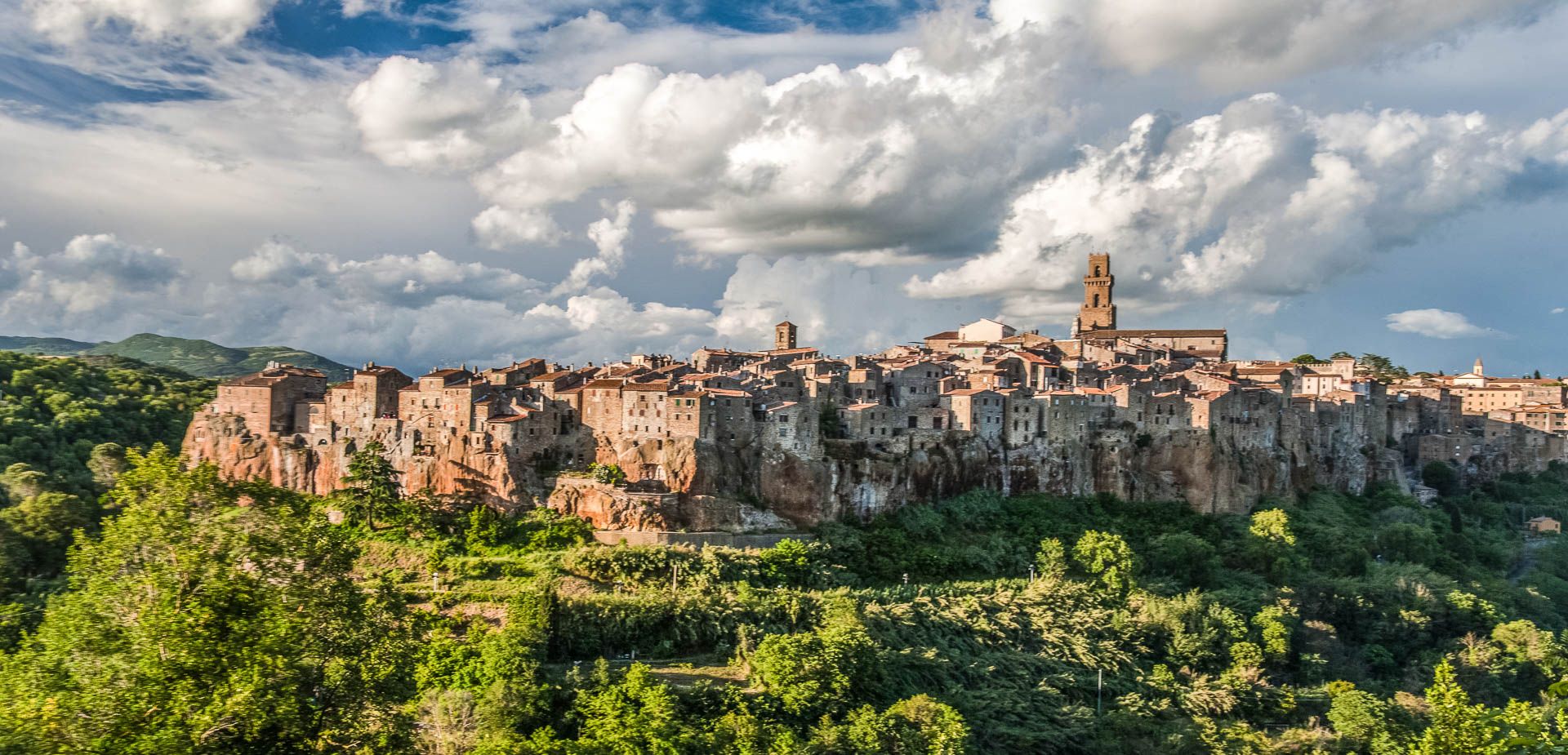
Quarries, Etruscan cuts and hanging villages – the Tufa area by bicycle
Discover a hidden side of Tuscany – Grand Tour of the Maremma
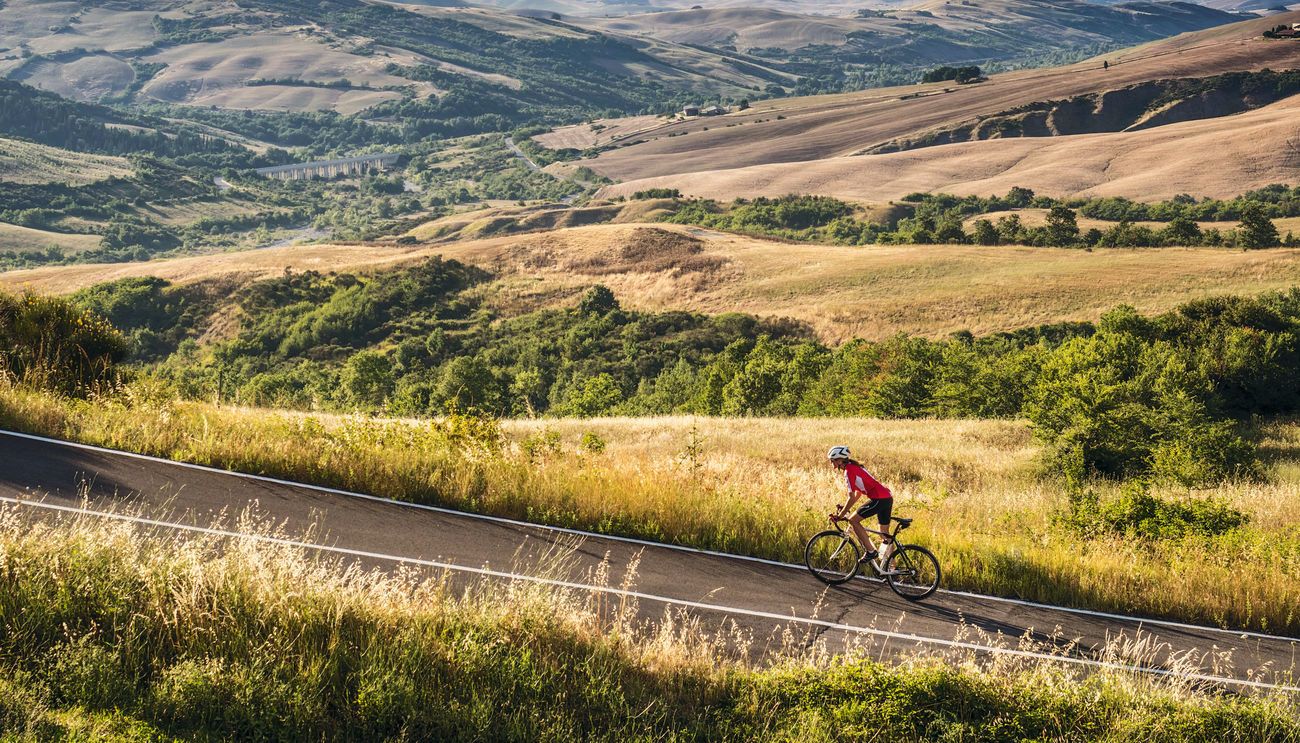
Southern Tuscany: Dream Tours around the mountain giant Monte Amiata
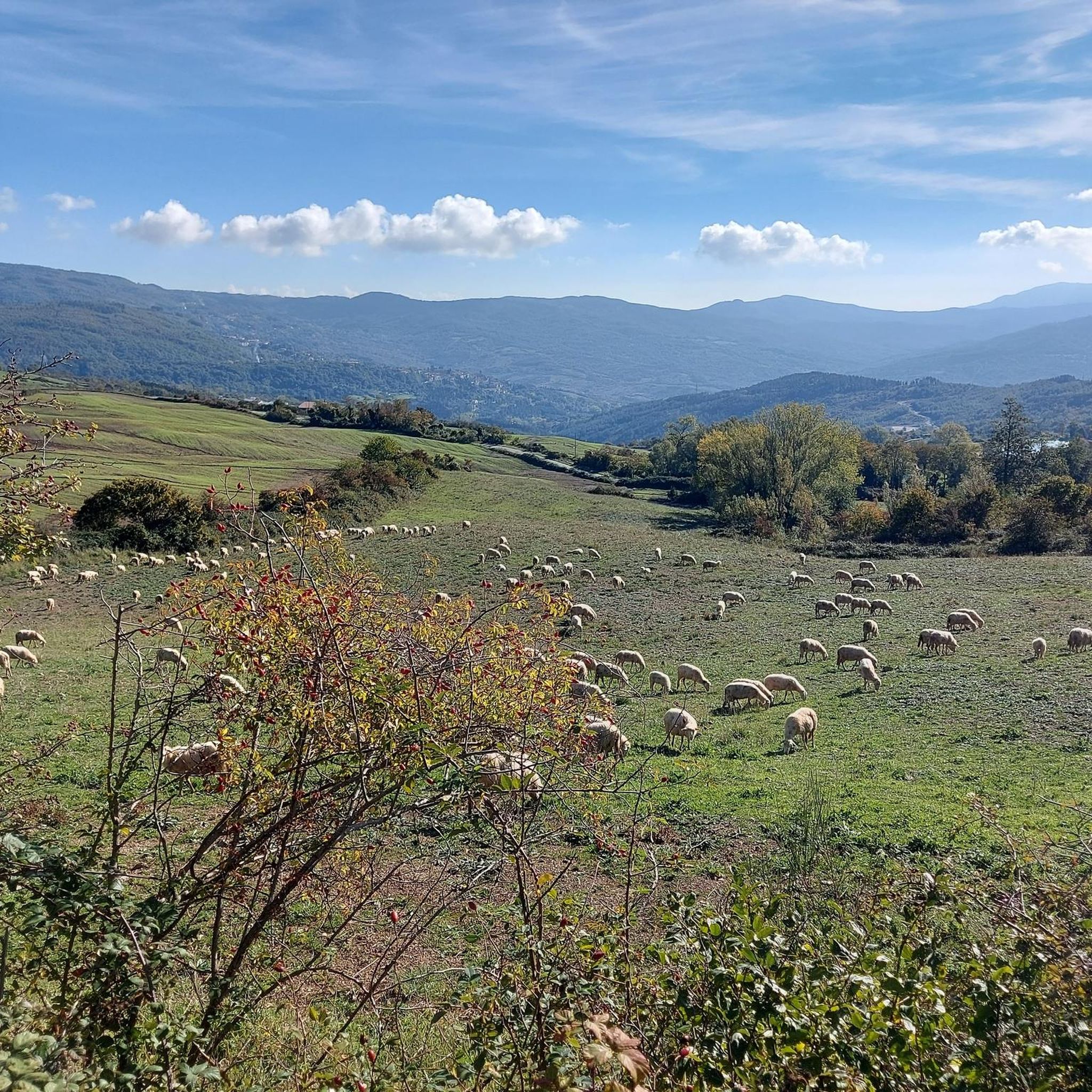
Road Cycling Routes around Santa Fiora
Hiking around Santa Fiora
Cycling around Santa Fiora
Running Trails around Santa Fiora
Gravel biking around Santa Fiora
MTB Trails around Santa Fiora
Other adventures around Santa Fiora


Tips from the Community

La Balena Bianca is the most imposing limestone formation in the free thermal baths of Bagni San Filippo. It is a monumental waterfall of white limestone created by the deposit of thermal waters that spring up at 48°C a little further upstream. The place is truly fascinating, but there are also some negative aspects that, for fairness, I want to mention to avoid the surprise effect and to know what you are getting into: The first is certainly accessibility, the path to reach this natural wonder is decidedly muddy, there is no real path, if it has rained recently, you will find yourself having to walk in the mud. So if you want to come, I advise you to bring high waterproof boots to put on in case you find mud (very likely). The second sore point is the carelessness of people, the entire area is devoid of regulation and controls, left to the mercy of the crowd, so you can imagine the situation that arises on weekends or holidays. If you want to come and swim here, my advice is to come on a weekday early in the morning, or also late in the evening, not on weekends.
1
0

Spectacular route through a beech forest
0
0

The origin of the term "Macinaie" has no certain scientific explanation. In 2012, however, dozens of millstones made of trachytic stone, probably dating back to the Middle Ages, were found in the highest part of the mountain, about three kilometers from the town; with a diameter of about 70/80 centimeters. They were perhaps used to grind wheat, cereals and dried chestnuts. The area, therefore, could have been a rudimentary millstone laboratory, made with peperino stone from Amiata. The discovery would provide an explanation for the birth of the toponym "Macinaie", as a place where millstones were built.
0
0

At present (March 2025) there is no water flowing here.
2
0

Starting and finishing point where you can take the chairlift to reach the summit and the trail area, we also find bars, restaurants and snack bars.
0
0

Also a place to escape the summer heat. It is much cooler up here.
0
0

The crossing and starting point for the last section on Monte Amiata.
1
0

Abbadia San Salvatore, in Tuscany, known for its ancient monastery, experienced mining prosperity in the 20th century. With the closure of the mines, tourism became predominant, making it a landmark of Monte Amiata.
2
0
Frequently Asked Questions
What historical landmarks can I explore in Santa Fiora?
Santa Fiora is rich in history. You can visit the impressive Palazzo Sforza Cesarini, which now houses the town hall and a museum. The Pieve delle Sante Flora e Lucilla is the principal church, known for its frescoes and Della Robbia glazed terracottas. Don't miss the Chiesa della Madonna della Neve, unique for its glass floor revealing the Fiora River flowing beneath. The historic center, divided into Castello, Borgo, and Montecatino, offers narrow, winding alleys to explore.
Are there any natural attractions or viewpoints around Santa Fiora?
Absolutely. The iconic Peschiera di Santa Fiora is a spring-fed lake and park-garden, originally a medieval trout farm, fed by the Fiora River's springs. You can also visit the Monumental Cross on Monte Amiata, which offers expansive views from the summit. Another unique natural spot is The White Whale (Bagni San Filippo), featuring warm thermal springs, sinter terraces, and small waterfalls where you can bathe.
What outdoor activities can I do near Santa Fiora?
The area around Santa Fiora, particularly Monte Amiata, is excellent for outdoor activities. You can find numerous routes for hiking, cycling, and running. For example, there are challenging cycling routes like the "Clock Tower of Arcidosso – Summit Cross on Monte Amiata loop" and hiking trails such as the "Monte Amiata Loop from Santa Fiora." You can explore more options on the Hiking around Santa Fiora, Cycling around Santa Fiora, and Running Trails around Santa Fiora guide pages.
Are there family-friendly attractions in Santa Fiora?
Yes, Santa Fiora offers options for families. The Peschiera di Santa Fiora, with its beautiful park-garden and spring-fed lake, is a pleasant spot for all ages. Macinaie Meadow is a facilities area with bars and restaurants, serving as a refreshment point and a starting location for various trails, making it a good base for family outings. The nearby town of Abbadia San Salvatore is also considered family-friendly.
Where can I find places to eat or refresh myself while exploring?
The vibrant Piazza Garibaldi in Santa Fiora's heart offers picturesque views and is a good place to find local establishments. For those exploring Monte Amiata, Macinaie Meadow is a convenient refreshment point with bars and restaurants, and it's also a starting point for many trails.
What is the best time of year to visit Santa Fiora?
Santa Fiora is charming year-round. For hiking and enjoying the natural beauty of Monte Amiata, spring and autumn offer pleasant temperatures. Summer is also popular, with the mountain air providing a refreshing escape. In winter, the area around Monte Amiata, including nearby Abbadia San Salvatore, can be a ski destination.
What cultural sites are unique to Santa Fiora?
Beyond its historic buildings, Santa Fiora is known for its Della Robbia Terracottas, an extraordinary collection housed in the Pieve delle Sante Flora e Lucilla. The Museum of Mercury Mines of Mount Amiata, located within the Palazzo Sforza Cesarini, delves into the region's significant mining history. The village also maintains lively traditions, including the "La Fiaccolata" festival in December and a Palio event in July.
Are there any religious sites of particular interest?
Yes, Santa Fiora has several significant religious sites. The Pieve delle Sante Flora e Lucilla is the main parish church. The Chiesa della Madonna della Neve is notable for its unique glass floor. Other churches include the Chiesa di Sant'Agostino, the Ex-Convento delle Cappuccine, and the Church of Suffragio. The Sanctuary of Madonna Val di Prata, with over 800 years of history, is also nearby.
What makes Santa Fiora known as a 'water village'?
Santa Fiora is often called a 'water village' due to the abundance of water from the Fiora River springs. This is most evident at the Peschiera di Santa Fiora, a beautiful park-garden fed directly by these springs, and the Chiesa della Madonna della Neve, which sits directly above the Fiora River springs, allowing visitors to see the river flowing beneath a glass floor.
What is the significance of Monte Amiata to Santa Fiora?
Monte Amiata, an extinct volcano, forms a stunning natural backdrop to Santa Fiora. It provides rich vegetation and numerous opportunities for excursions and walks. The Monumental Cross on Monte Amiata is a prominent landmark on its summit, offering panoramic views. The mountain is central to the region's natural beauty and outdoor activities.
Are there any protected natural areas nearby?
Yes, the Provincial Nature Reserve Bosco della SS. Trinità is located on the slopes of Mount Calvo, near Santa Fiora. This protected area boasts luxuriant vegetation, including white fir and chestnut trees, offering a serene environment for nature lovers.
Most popular routes around Santa Fiora
Most popular attractions around Santa Fiora

Get inspired with the komoot mobile app


Explore more
Still not found the Highlight you’re looking for? See guides of the top attractions in other regions:
