Attractions and Places To See around Greccio - Top 20
Best attractions and places to see around Greccio. This medieval village, nestled in the Rieti Valley on the slopes of Monte Lacerone, offers views of the Rieti plain. It holds historical and spiritual significance, particularly due to its connection with Saint Francis of Assisi. The area features a blend of religious sites, cultural attractions, and natural landscapes, including forests and hiking trails.
Best attractions and places to see around Greccio
- The most popular attractions is Sanctuary of Greccio, a…
Last updated: August 16, 2026
Sanctuary of Greccio
Highlight • Religious Site
Translated by Google •
Tip by

Lake Piediluco
Highlight • Lake
Located in the southeastern foothills of Umbria, with a tributary bordering Lazio, Lake Piediluco, although 1.85 km² wide, is the largest natural lake basin …
Translated by Google •
Tip by

Sign up now to discover places like this
Get recommendations on the best single tracks, peaks, & plenty of other exciting outdoor places.
Sign up for free
Sanctuary of Saint Mary of the Forest
Highlight • Religious Site
In the summer of 1225, at the invitation of Cardinal Ugolino (future Pope Gregory …
Translated by Google •
Tip by

Franciscan Sanctuary of Poggio Bustone
Highlight • Religious Site
Translated by Google •
Tip by

Hermitage of San Cataldo
Highlight • Religious Site
Translated by Google •
Tip by

Sign up for free to discover even more attractions around Greccio.
Sign up for free
Already have an account?
Start today with a free account
Your next adventure awaits.
Login or Signup
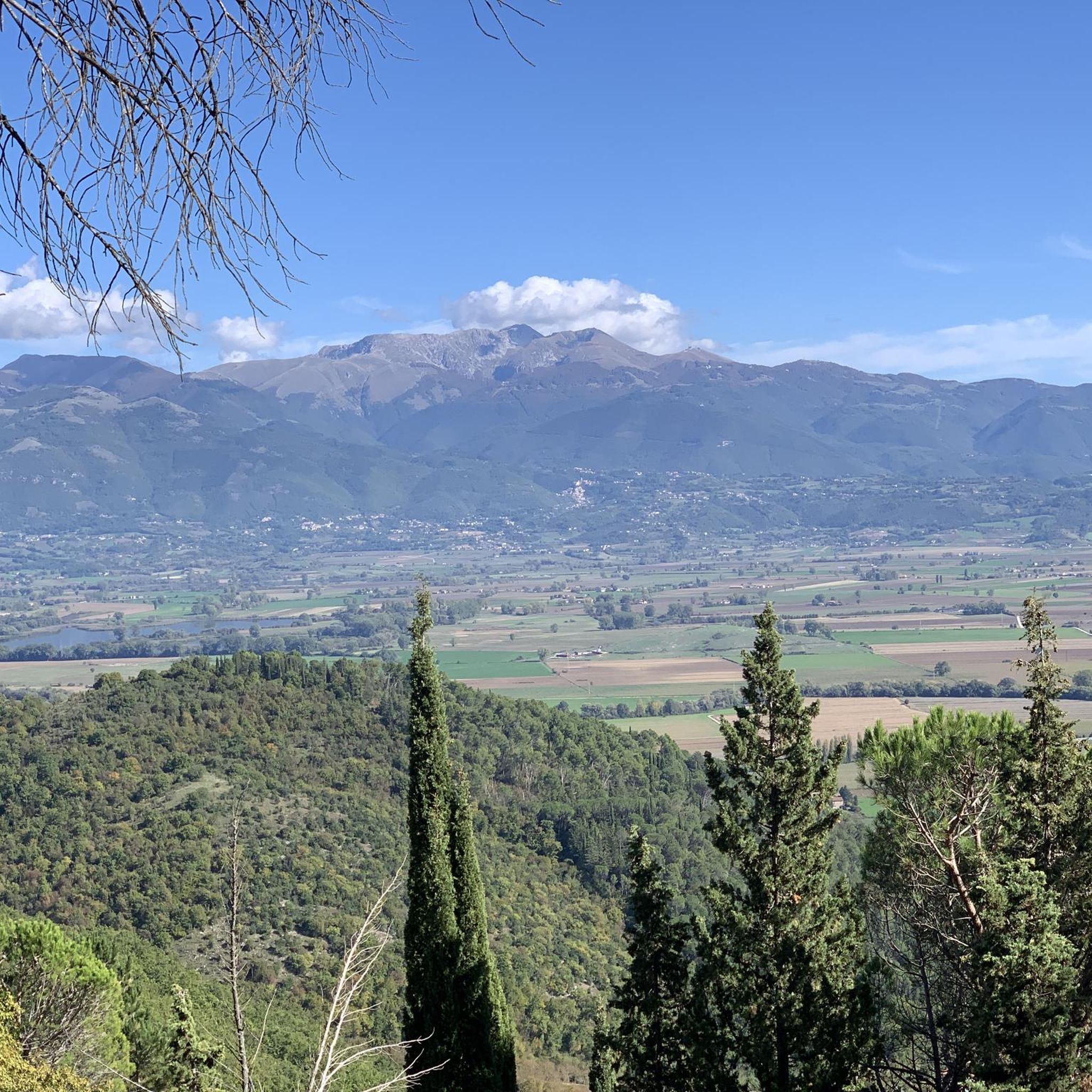
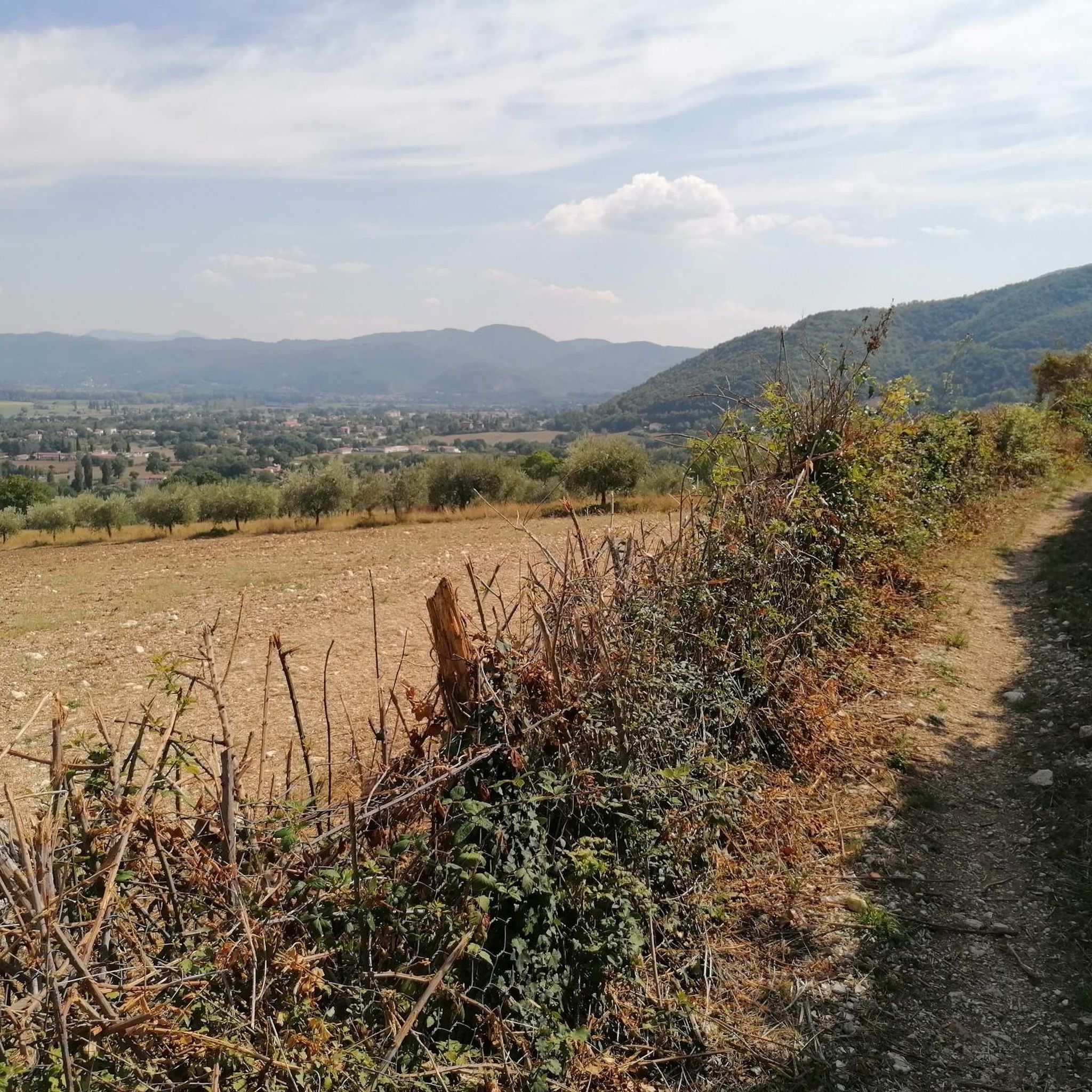

Other adventures around Greccio

Tips from the Community

A stop at Piediluco Lake is highly recommended!
1
0

Sanctuary of Grecchio, one of the four shrines of St. Francis around Rieti Valley. Here, Francis depicted the Christmas story with living figures to help the local farmers understand it. Since then, setting up a nativity scene at Christmas has been a custom throughout most of the Christian world. Grecchio is a very special place
2
0

Lago di Piediluco / Lake Piediluco Located in the southeastern foothills of Umbria, with a tributary bordering Lazio, Lake Piediluco, although 1.85 km² wide, is the largest natural lake basin in the region after Lake Trasimeno. Its name seems to be interpreted as "at the foot of the sacred grove." Together with Lakes Lungo, Ripasottile, and Ventina, located in the province of Rieti, it represents one of the remains of the ancient Lacus Velinus, a large basin of alluvial origin formed starting in the Quaternary period. The irregularly shaped lake, with a circumference of approximately 13 kilometers, is located at an altitude of 375 meters and has a maximum depth of approximately 19 meters. Its natural tributary is the Fuscello stream; the other two tributaries are represented by artificial canals. One connects it to the Velino River, while the other, 42 kilometers long, consists almost entirely of tunnels and diverts part of the waters of the Nera River into the lake. The inflow and outflow of water is entirely tailored to the energy needs of the industry in nearby Terni. The emissary, the Velino River, is diverted towards Marmoré, where it flows into the Nera River to form the Marmore Waterfall. Text / Source: wikipedia.org https://it.wikipedia.org/wiki/Lago_di_Piediluco
14
0

A hamlet of a thousand inhabitants in the municipality of Terni, Piediluco is known for the lake of the same name and is frequented by those visiting the nearby Marmore waterfalls. Of particular charm here is also the Rocca Albornoz, which stands on Monte Luco, abandoned since the end of the 18th century.
0
0

The sanctuary of Santa Maria della Foresta is one of the four sanctuaries that celebrate the passage of San Francesco in the Reatina valley. According to some, it was precisely here that the Saint composed the Canticle of the Creatures. In this place there originally stood a small church dedicated to San Fabiano flanked by the priest's house alone. Legend has it that, during the period in which Saint Francis stayed here, many people from Rieti went to visit him, often picking bunches of grapes from the priest's vineyard. When it was time to collect the fruits for the harvest, the priest realized that there was very little left, nevertheless, encouraged by Saint Francis, he collected and harvested what little there was, however obtaining much more wine than in previous years. Of this episode, remembered as the "miracle of wine", traces can still be found inside the sanctuary: in fact, inside the domus there are the remains of a tank for pressing wine dating back to the period of the Saint's life.
2
0

It's nice to take a walk along the lakeside, well equipped with areas where you can relax, bars and benches
0
0

The sanctuary of Santa Maria della Foresta is one of the four sanctuaries erected by Saint Francis, together with the sanctuary of Fonte Colombo, the sanctuary of Greccio, and the sanctuary of Poggio Bustone. Source: Wikipedia
0
0

This is the place where St. Francis created the first crib of the Christian tradition. The Sanctuary stands in an exceptional position, clinging to the rock and with a unique view of the Rieti plain, nearby Greccio and the Terminillo massif. It can be visited every day and is open from 09.00 to 18.00. Whether you are a believer or not, it is highly suggestive to visit this place, especially during the Christmas period.
6
2
Frequently Asked Questions
What historical and religious sites can I visit in Greccio?
Greccio is rich in historical and spiritual sites. The most prominent is the Sanctuary of Greccio, famously where Saint Francis of Assisi created the first living Nativity scene. You can also explore the ancient medieval village, which retains its charm with narrow streets and stone buildings, and the remains of its 11th-century castle. Other significant Franciscan sites nearby include the Franciscan Sanctuary of Poggio Bustone and the Sanctuary of Saint Mary of the Forest.
Beyond the main sanctuaries, what other cultural attractions does Greccio offer?
The historic center of Greccio is an open-air museum, featuring the 'Sentiero degli Artisti' (Artists' Path) with 26 works by international artists on the walls of older houses. You can also visit the Nativity Scenes Museum, which showcases nativity scenes from various cultures, and the MACS Museum (Museo Arte Contemporanea Sensorialismo) for contemporary art.
What is the significance of Greccio to Saint Francis of Assisi?
Greccio holds immense spiritual significance as the site where Saint Francis of Assisi created the first living Nativity scene in 1223 at the Sanctuary of Greccio. He also frequently retreated to La Cappelletta (The Little Chapel) on Mount Lacerone for prayer and meditation, making Greccio a key location in the Franciscan tradition.
Are there hiking opportunities around Greccio?
Yes, the area around Greccio, nestled on the slopes of Monte Lacerone and within the Rieti Valley, offers numerous hiking opportunities. You can explore sections of the 'Cammino di Francesco' (Saint Francis Walk), a spiritual pilgrimage route connecting the four Franciscan Sanctuaries. For specific routes, consider exploring the Hiking around Greccio guide, which includes trails like 'From Greccio to Macchia Lupara' or 'Monte Croci and the Sanctuary of San Francesco da Greccio'.
What natural features can I explore near Greccio?
Greccio is surrounded by exuberant nature. You can enjoy stunning views of the Rieti plain from Monte Lacerone. The Rieti Valley, also known as the 'Sacred Valley,' features forests and holm oak woods. Don't miss Fonte Lupetta (Wolf Spring), a natural spring known for its pure mineral water and associated with a legend about Saint Francis.
Are there cycling or gravel biking routes available?
Absolutely. The region offers various routes for cycling and gravel biking. You can find detailed tours in the Cycling around Greccio guide and the Gravel biking around Greccio guide. These guides feature routes like the 'Rieti Cycle Path' and tours exploring the Velino River and surrounding hills.
Are there family-friendly attractions in Greccio?
Yes, Greccio offers several family-friendly options. The Sanctuary of Saint Mary of the Forest is noted as family-friendly, as is Piediluco Village and Lake. The Nativity Scenes Museum and simply strolling through the charming historic center can also be enjoyable for families.
What is the best time of year to visit Greccio?
Greccio is beautiful year-round. For hiking and outdoor activities, spring and autumn offer pleasant weather. During the holiday season, Greccio is particularly special, as it hosts Christmas markets and historical re-enactments of the Nativity scene, celebrating its unique connection to the first crib.
Where can I find the geographical center of Italy?
The traditional geographical center of Italy, known as 'Umbilicus Italiae,' is located in Rieti, specifically in Piazza San Rufo. You can visit the Umbilicus Italiae — Geographic Center of Italy (Piazza San Rufo, Rieti) highlight to see the monument commemorating this spot.
What do visitors particularly enjoy about the Sanctuary of Greccio?
Visitors find the Sanctuary of Greccio highly suggestive, especially during the Christmas period, due to its historical significance as the site of the first Nativity scene. Its exceptional position, clinging to the rock, offers unique views of the Rieti plain and the Terminillo massif, making it a memorable experience for both believers and non-believers.
What is the 'miracle of wine' associated with one of the sanctuaries?
The 'miracle of wine' is a legend associated with the Sanctuary of Saint Mary of the Forest. During Saint Francis's stay, pilgrims consumed many grapes from the local vineyard. Despite the scarcity, Saint Francis encouraged the collection of the remaining grapes, which miraculously yielded more than double the usual amount of wine. Traces of the original wine-pressing tank are still visible at the sanctuary.
Is Greccio recognized for its beauty?
Yes, Greccio is officially recognized as one of 'The most beautiful villages in Italy' (I Borghi più belli d'Italia), highlighting its picturesque medieval charm and well-preserved historical character.
Most popular attractions around Greccio

Get inspired with the komoot mobile app


Explore more
Still not found the Highlight you’re looking for? See guides of the top attractions in other regions:
