The best cycling routes around Speinsharter Forst
4.6
(1526)
7,057
riders
537
rides
Touring cycling around Speinsharter Forst offers diverse landscapes in the northern Upper Palatinate of Germany. The region features picturesque hills and gentle valleys, providing varied routes for cyclists. Terrain includes rolling hills and riverbanks, with some routes offering more challenging climbs. The area is also characterized by its proximity to the Waldnaabtal nature reserve, which features clear waters and abundant wildlife.
Best touring cycling routes around Speinsharter Forst
- The most popular touring cycling route is Holzmühle Pond – Tauritz Mill…
Last updated: October 1, 2026
4.7
(6)
25
riders
48.4km
03:14
380m
380m
Moderate bike ride. Good fitness required. Mostly paved surfaces. Suitable for all skill levels.
3.7
(3)
14
riders
39.0km
02:46
350m
350m
Hard bike ride. Good fitness required. You may need to push your bike for some segments of this route.

5.0
(4)
25
riders
Easy bike ride. Great for any fitness level. Mostly paved surfaces. Suitable for all skill levels.
5.0
(2)
14
riders
Easy bike ride. Great for any fitness level. Mostly paved surfaces. Suitable for all skill levels.
4.7
(9)
33
riders
25.9km
01:58
150m
150m
Hard bike ride. Good fitness required. You may need to push your bike for some segments of this route.
Get access to more routes and recommendations from other explorers.
Already have an account?
Our route recommendations are based on thousands of hikes, rides, and runs completed by other people on komoot.
Start today with a free account
Your next adventure awaits.
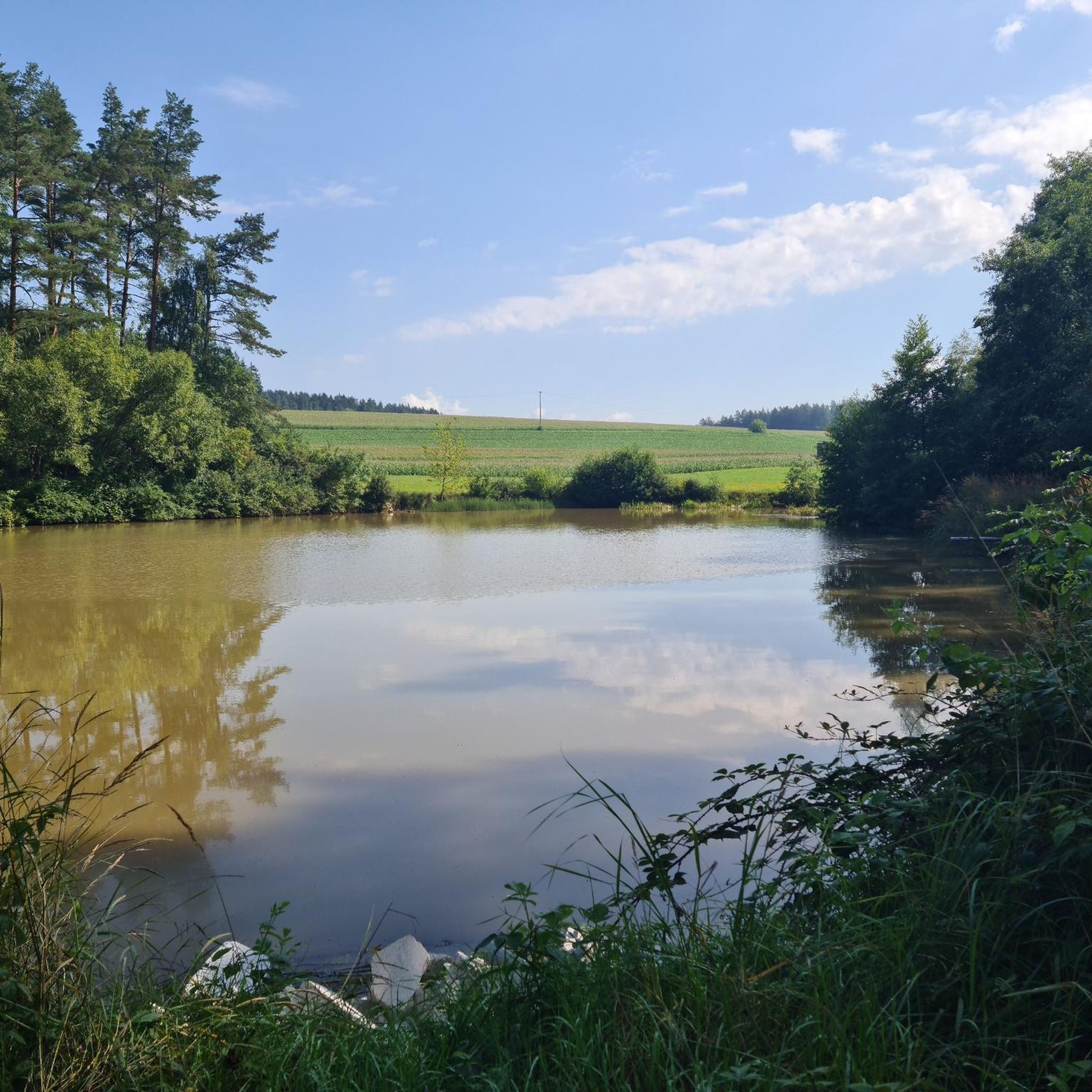
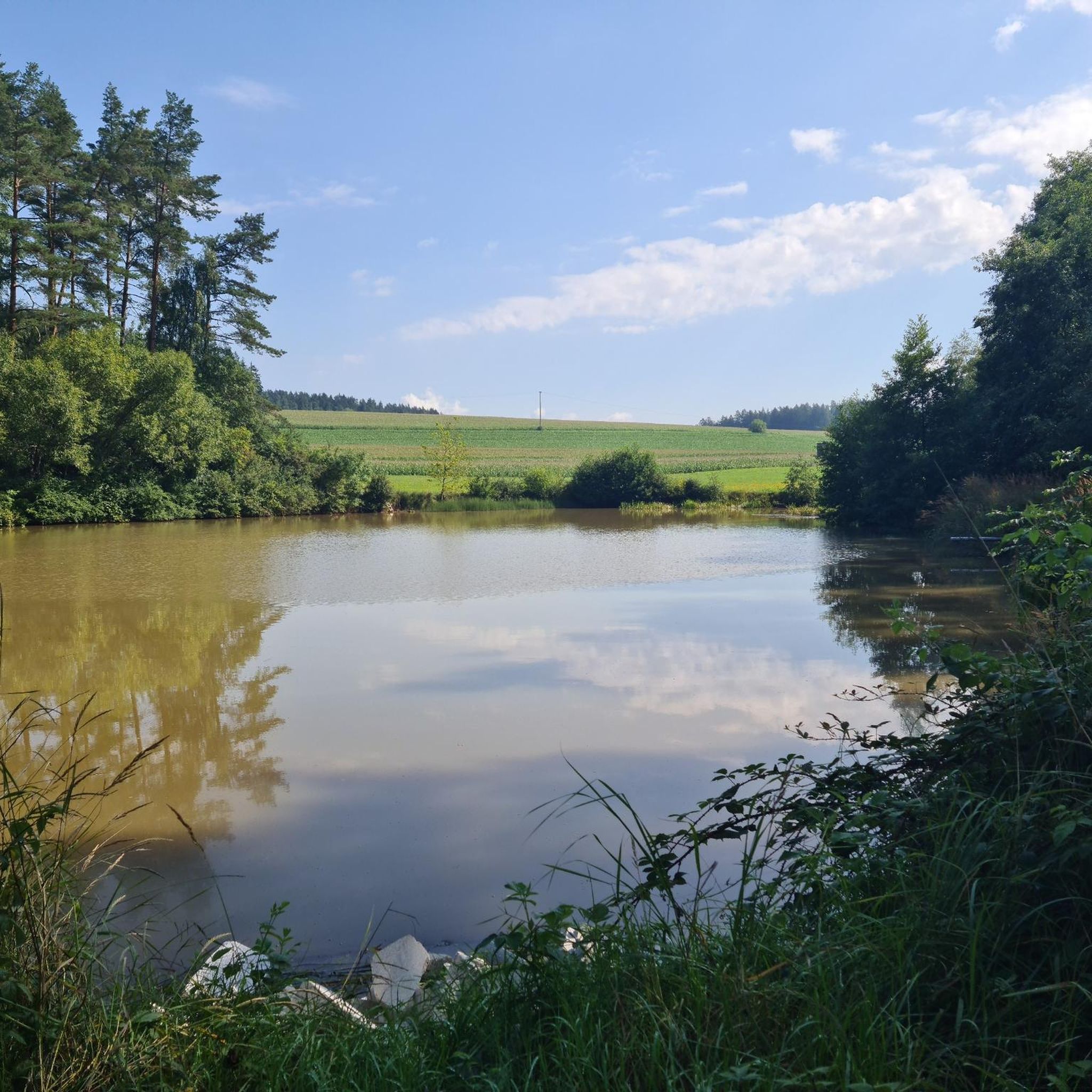
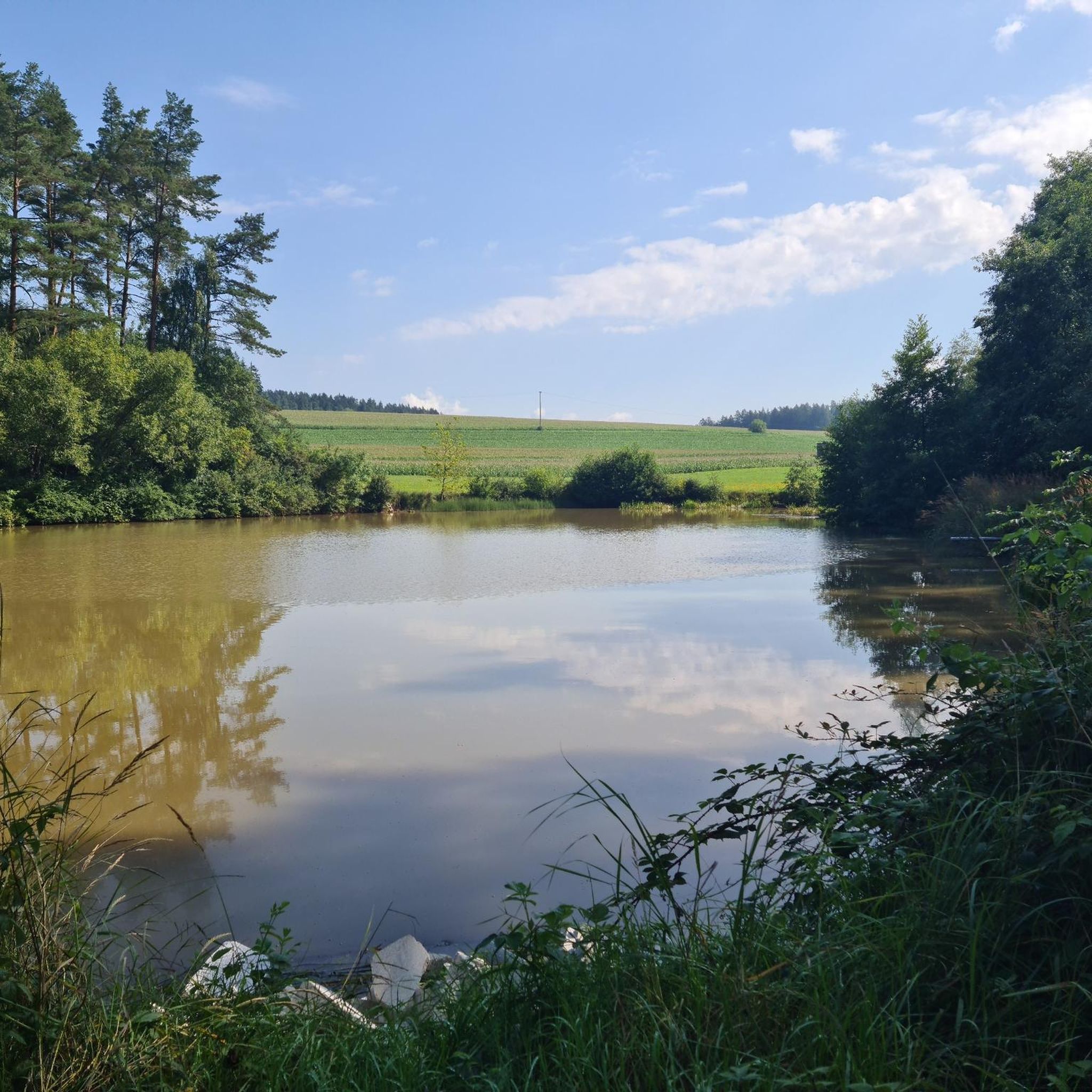
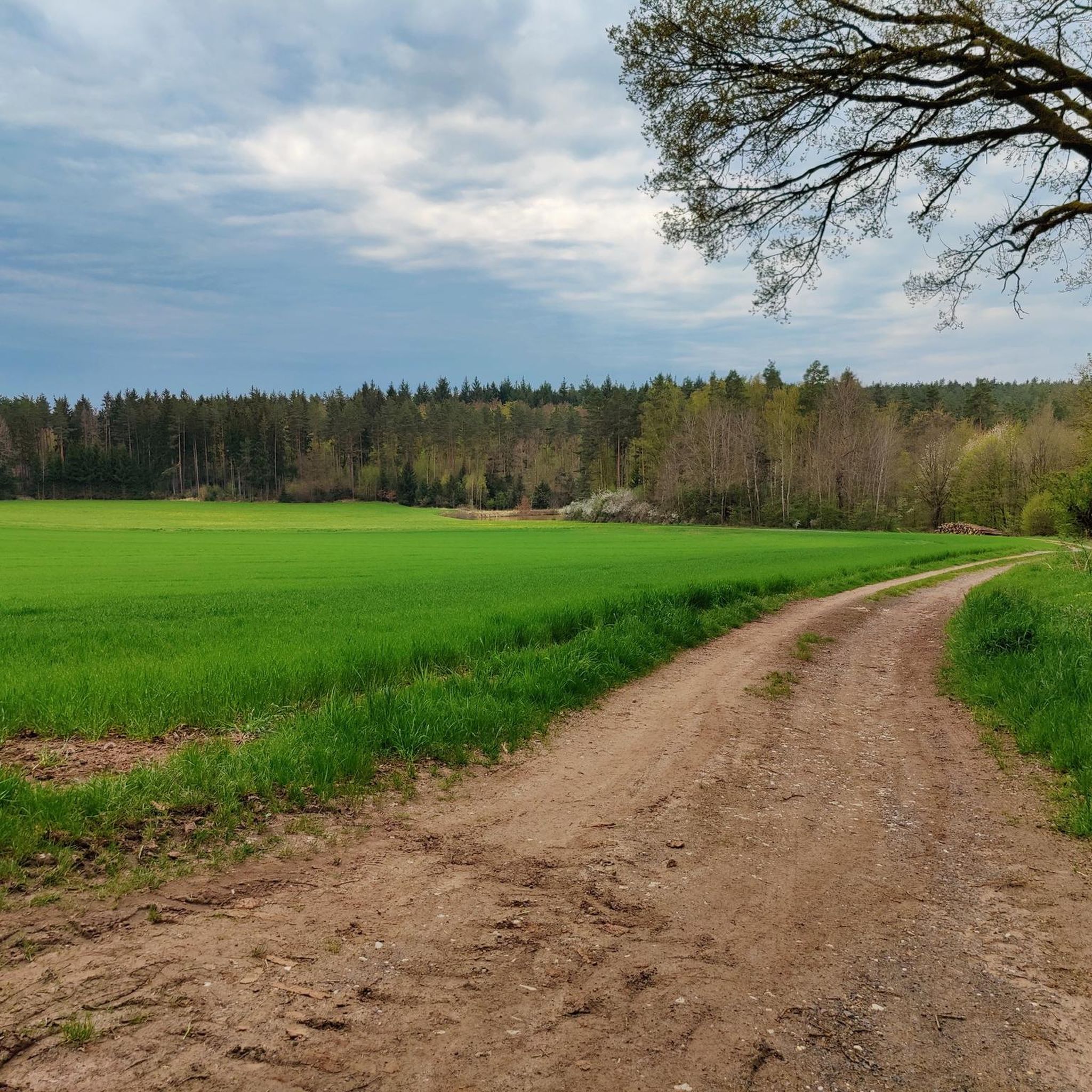

Tips from the Community

Klosterkirche „Zur unbefleckten Empfängnis“ Im späten 12. Jahrhundert wurden die Grundmauern für eine dreischiffige romanische Basilika gelegt, Teile dieser Grundmauern, nämlich die der Chorapsiden, konnten bei Grabungen im Klostergarten gefunden werden. Am Mauerwerk sind Spolien der romanischen Basilika zu erkennen. Als die alte romanische Klosterkirche 1691 abgebrochen war, begann der Neubau nach den Plänen von Wolfgang und Georg Dientzenhofer, der Rohbau wurde 1696 vollendet. Bei der Prämonstratenser-Klosterkirche zur Unbefleckten Empfängnis Mariä handelt es sich um eine Emporen-Wandpfeilerhalle mit eingezogenem Chor. Sowohl Kapellen wie Emporen sind mit Quertonnen gewölbt. Den Saalraum deckt eine abgeflachte Stichkappentonne. An den Stirnen der Wandpfeiler stehen Doppelpilaster. Diese tragen ein kräftiges Gebälk. Typisch für die Klosterkirche ist, daß die Kapellen deutlich höher sind als die darüber liegenden Emporen. Die Oberkante der Emporenbrüstung liegt oberhalb der Oberkante der Gebälkzone. Ein aus Doppelpilastern und einem gedrückten Bogen gebildeter Triumphbogen leitet als Würdeformel vom Saalraum zum Chor. Charakteristisch sind insbesondere die gedrückten, wuchtigen Raumproportionen. Für die Gestaltung und Ausstattung des Innenraums beauftragte Abt Gottfried Blum die italienischen Brüder Carlo Domenico (Stuckateur) und Bartolomeo (Maler) Lucchese. Sie gaben dem Raum mit der schweren barocken Ausgestaltung eine italienische Prägung. Die durch Pilaster und stark hervortretende Gesimse gegliederten Wände gehen scheinbar fließend in die mit schweren Frucht- und Blütengirlanden dekorierte Decke über. Kunstvoll umrahmt heben sich im Langhaus drei großformatige Deckenfresken hervor, die von kleinen, ebenfalls freskierten Medaillons umgeben sind. Im Chorraum ist die Deckendekoration noch dichter und enger zusammengefügt. Carlo Domenico Lucchese fertigte auch den Hochaltar aus Stuck, dieser wurde erst 1714 farbig gefaßt. Das Bild der Immaculata im Hochaltar stammt vermutlich von Antonio Triva, also ebenfalls von einem italienischen Künstler. Nach der Weihe des neuen Gotteshauses 1706 nahm der Innenraum erst nach einigen Jahren seine heutige Gestalt an. In der repräsentativen Vorhalle des eigentlichen Kirchenraums ist das Gründungsereignis des Klosters an der Decke in Szene gesetzt. Flankiert wird die Vorhalle links von der Nepomuk-Kapelle und rechts von der Tauf- oder Silvesterkapelle. Quelle: Auszüge aus www.wikipedia.de
2
0
Kloster Speinshart In the year 1145, the childless couple Adelvolk and Richenza von Reifenberg founded Speinshart Monastery. A confirmation document for the monastery was issued by Emperor Frederick Barbarossa in 1163. The first Premonstratensians came to Speinshart from the Premonstratensian monastery of Wilten near Innsbruck in Tyrol. In a protection letter from Pope Alexander II in 1181, the Premonstratensians in Speinshart were officially mentioned for the first time. Twice the monastery was severely damaged: in 1310, a royal army heavily damaged it, and in 1429, the Hussites plundered the monastery. The monastery experienced its first flourishing period in the 15th century under Provost Georg Ochs von Gunzendorf. At that time, Pope Pius II elevated the monastery to an abbey. For a time, Speinshart was the mother abbey for the Tepl Monastery in Bohemia. The Reformation period marked the first turning point in its history. Under Elector Ottheinrich, the Catholic doctrine was replaced by the new Lutheran doctrine throughout the Upper Palatinate in 1556; all Catholic rites and practices were forbidden. With the transfer of the Upper Palatinate to the Calvinist Elector Frederick III, the Speinshart Abbey collapsed, was eventually secularized, and became state property. In 1661, during the reign of Elector Ferdinand Maria of Bavaria, Premonstratensians returned to Speinshart from Steingaden Monastery. In the following decades, the new convent strove for the structural renewal of the collegiate church and the aging convent tract. In 1691, the monastery regained the status of an abbey. Around 1684, the canons of Speinshart responded to the general Baroque popular piety by reviving the medieval pilgrimage to Barbaraberg. In Speinshart, the veneration of the Flagellated Savior also began in the 18th century, as in the Wieskirche near Steingaden. Through secularization in 1803, the monastery and its possessions fell to secular power for the second time. In the following period, the monastery housed, among other things, the rectory, a school, and the forestry office. On September 30, 1921, the Premonstratensian Order bought the monastery complex back from the Bavarian state. On October 2, 1921, Premonstratensians from the Tepl Abbey in Egerland moved in. In 1923, the Apostolic See confirmed the monastery again as an abbey with all rights. Excerpts from www.wikipedia.de
2
0

Restaurant & Infocenter directly at the campsite by the small Rußweiher. The restaurant offers a beautiful view of the swimming lake when the weather is nice. It is particularly beautiful on the terrace. Good dishes are available here at fair prices. Below the restaurant, there is a well-maintained playground.
0
0

Very tasty and very friendly staff
2
0

Kloster Speinshart, good monastery beer, delicious schnitzel and a charging station for e-bikes.
0
0

Beautifully landscaped town pond in Grafenwöhr
0
0

A lovely restaurant at the foot of the Rauher Kulm.
0
0
View from the Rauher Kulm across to the Kleiner Kulm
0
0
Frequently Asked Questions
How many touring cycling routes are available in Speinsharter Forst?
Speinsharter Forst offers a wide selection of touring cycling routes, with over 550 options to explore. These routes cater to various skill levels, including easy, moderate, and difficult paths.
What is the best time of year for touring cycling in Speinsharter Forst?
The prime seasons for touring cycling in Speinsharter Forst are spring and summer. During these months, the weather is typically mild, and the natural surroundings are in full bloom, offering picturesque views and comfortable riding conditions.
What kind of terrain can I expect on touring cycling routes in Speinsharter Forst?
You can expect a diverse range of terrain, from rolling hills and gentle valleys to pleasant rides along riverbanks, such as the Waldnaab River. Some routes also feature more demanding climbs and descents, like those found near the Ossinger Pass, providing varied experiences for all cyclists.
Are there family-friendly touring cycling routes in Speinsharter Forst?
Yes, Speinsharter Forst has numerous family-friendly options. There are nearly 200 easy touring cycling routes. A great example is the Kleiner Rußweiher – Beautiful view of the Großer Rußweiher pond loop from Speinshart, which is an easy 13.6-mile path offering scenic views of the ponds and gentle valleys.
What natural sights can I explore while touring cycling in Speinsharter Forst?
The region is rich in natural beauty. You can discover highlights such as the Osprey and White-tailed Eagle Observation Point at Großer Rußweiher, or enjoy the serene waters of Between Großer Rußweiher and Rußloheweiher. The area is also close to the picturesque Waldnaabtal nature reserve.
Are there any historical castles or cultural sites to visit along the routes?
Absolutely. Speinsharter Forst and its surroundings offer several cultural and historical sites. You can visit the impressive 12th-century Speinshart Monastery, or explore nearby castles like Weihersberg Castle or Schloss Göppmansbühl. The Castle of the Waldeck Knights' League of Kemenatha is another notable historical site.
What do other touring cyclists say about the routes in Speinsharter Forst?
The touring cycling routes in Speinsharter Forst are highly regarded by the komoot community, holding an impressive average rating of 4.7 stars from over 1300 reviews. More than 6000 touring cyclists have used komoot to explore the region, often praising its varied terrain and scenic beauty.
Are there circular touring cycling routes available?
Yes, many touring cycling routes in Speinsharter Forst are designed as loops, allowing you to start and end at the same point. An example is the Dießfurt Gate – Kahrweiher Recreation Area loop from Seitenthal, a 23.7-mile trail through rolling hills and forests.
Can I bring my dog on touring cycling routes in Speinsharter Forst?
While many natural areas in Germany are dog-friendly, it's always best to check specific local regulations for each route or nature reserve. Generally, dogs are welcome on leashes on most public paths, but some protected areas might have restrictions. Ensure your dog is fit for the distance and terrain.
Where can I find parking for touring cycling routes in Speinsharter Forst?
Parking facilities are typically available near popular starting points for cycling routes, especially in or around towns and villages within the Speinsharter Forst region. Look for designated parking areas near trailheads or local attractions.
Is it possible to reach touring cycling routes in Speinsharter Forst by public transport?
Public transport options, such as regional buses or trains, may serve towns and villages surrounding Speinsharter Forst. It's advisable to check local public transport schedules and policies regarding bicycle carriage to plan your journey effectively.
Are there challenging touring cycling routes for experienced cyclists?
Yes, for those seeking a greater challenge, Speinsharter Forst offers over 120 difficult touring cycling routes. These often include more significant elevation gains and technical sections. The Holzmühle Pond – Tauritz Mill loop from Speinshart is a moderate route that navigates varied terrain with notable elevation gain, providing a good test for experienced riders.
Are there routes that offer views of Speinshart Monastery?
Yes, you can find routes that provide scenic views of the historic Speinshart Monastery. For instance, the View of Speinshart Monastery – Kleiner Rußweiher loop from Seitenthal is a moderate 27.9-mile route that incorporates this cultural landmark into your ride.
Most popular routes around Speinsharter Forst
Most popular attractions around Speinsharter Forst

Get inspired with the komoot mobile app


Explore more
Browse the best Cycling routes in other regions.
