The best MTB trails around Monte Castello Di Vibio
4.5
(104)
872
riders
124
rides
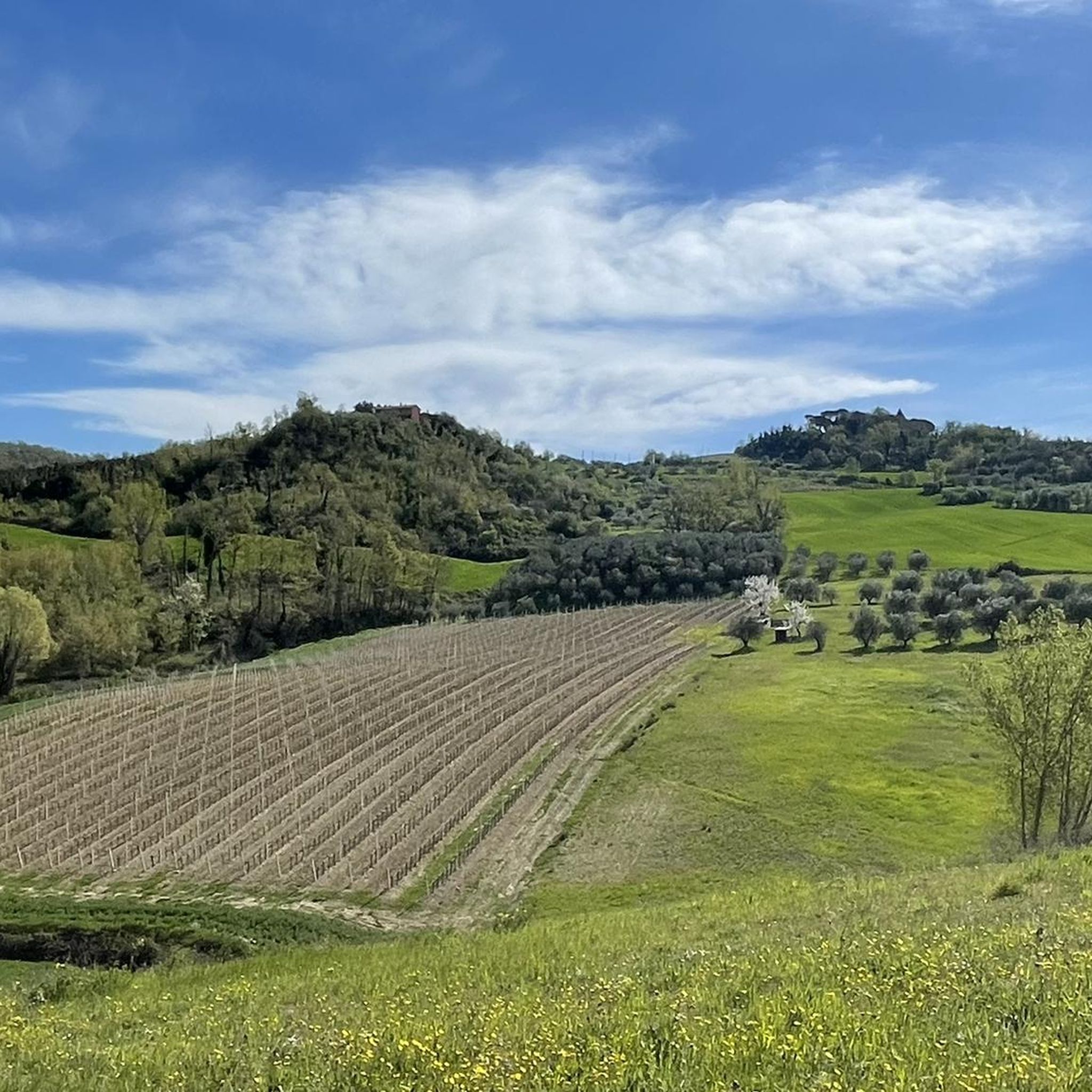
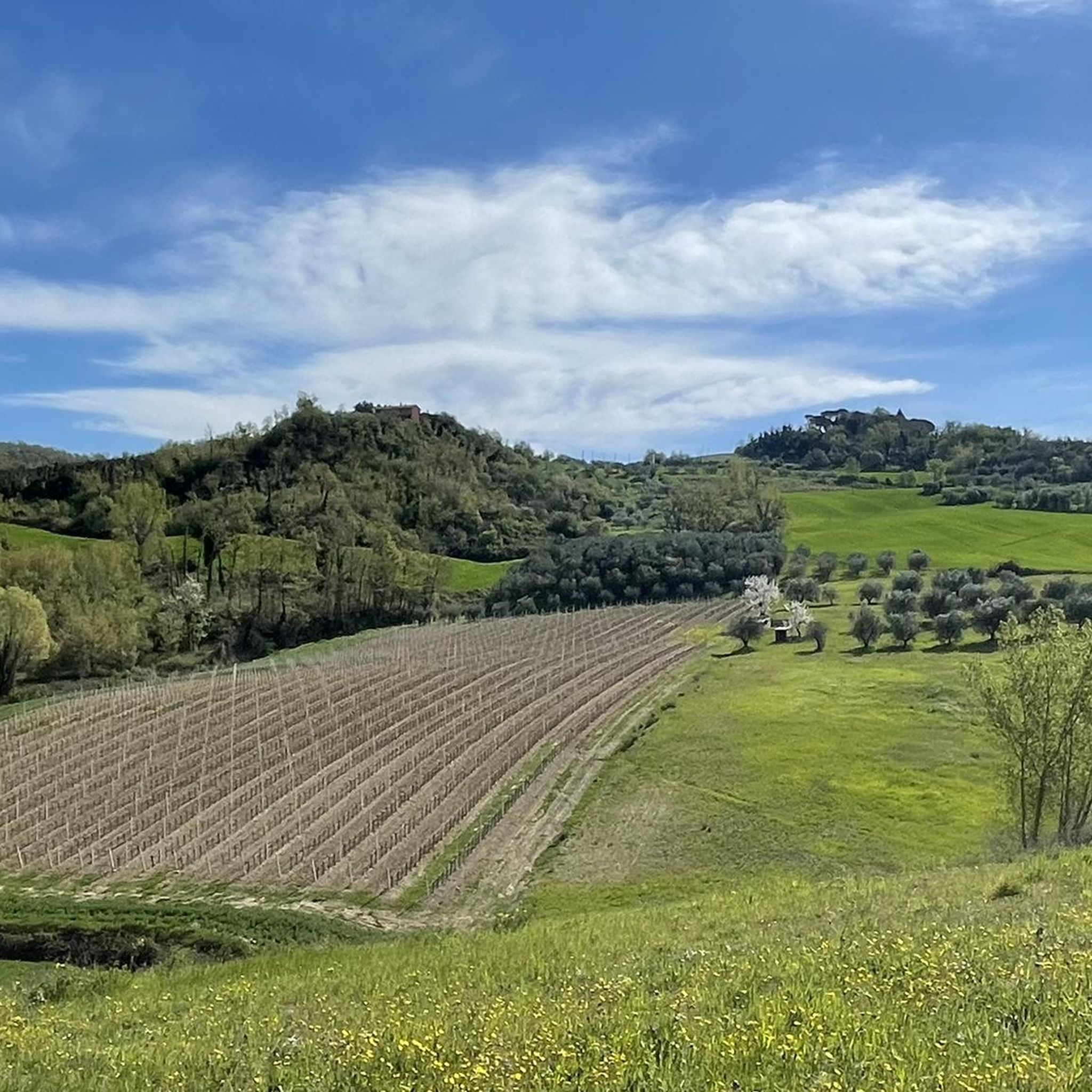
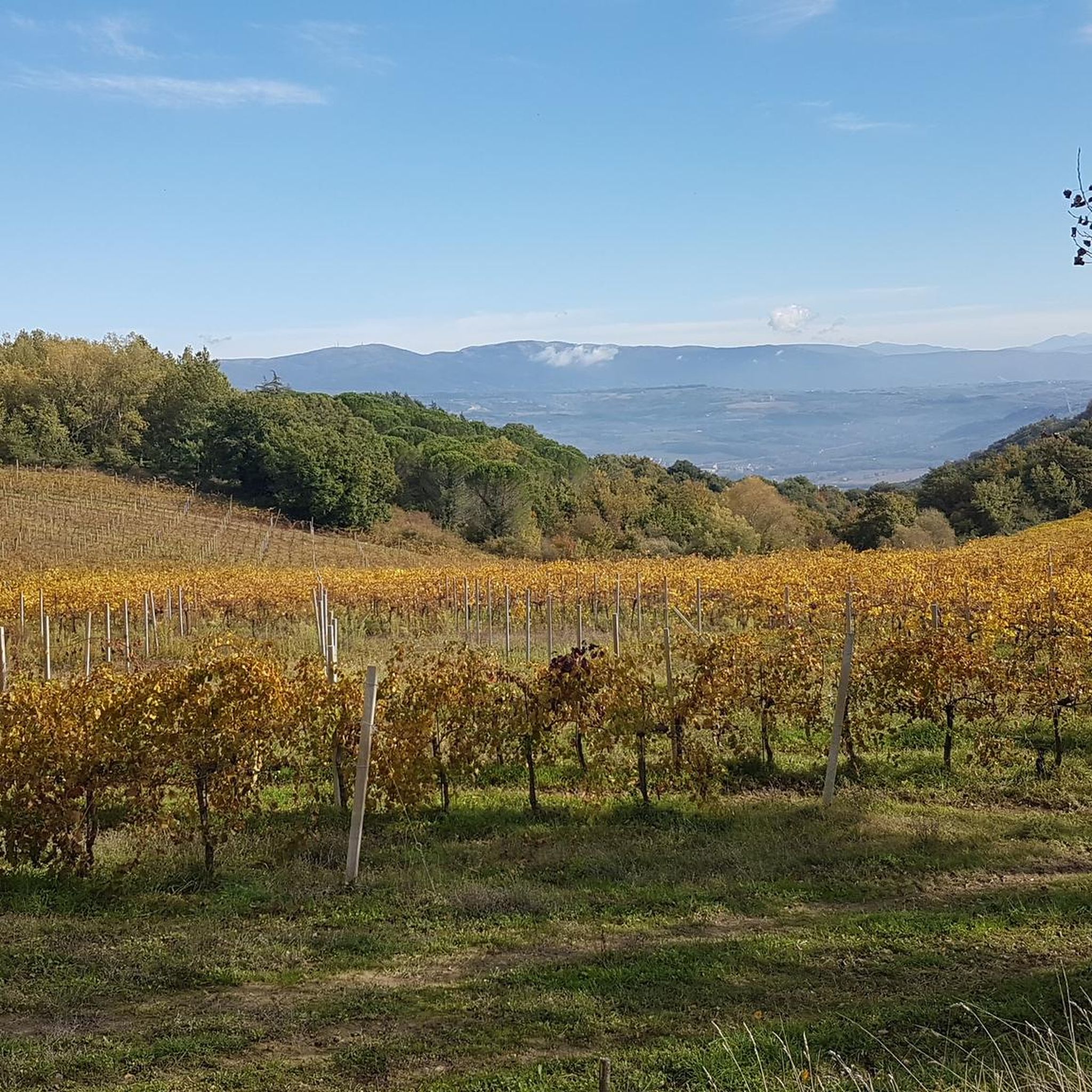
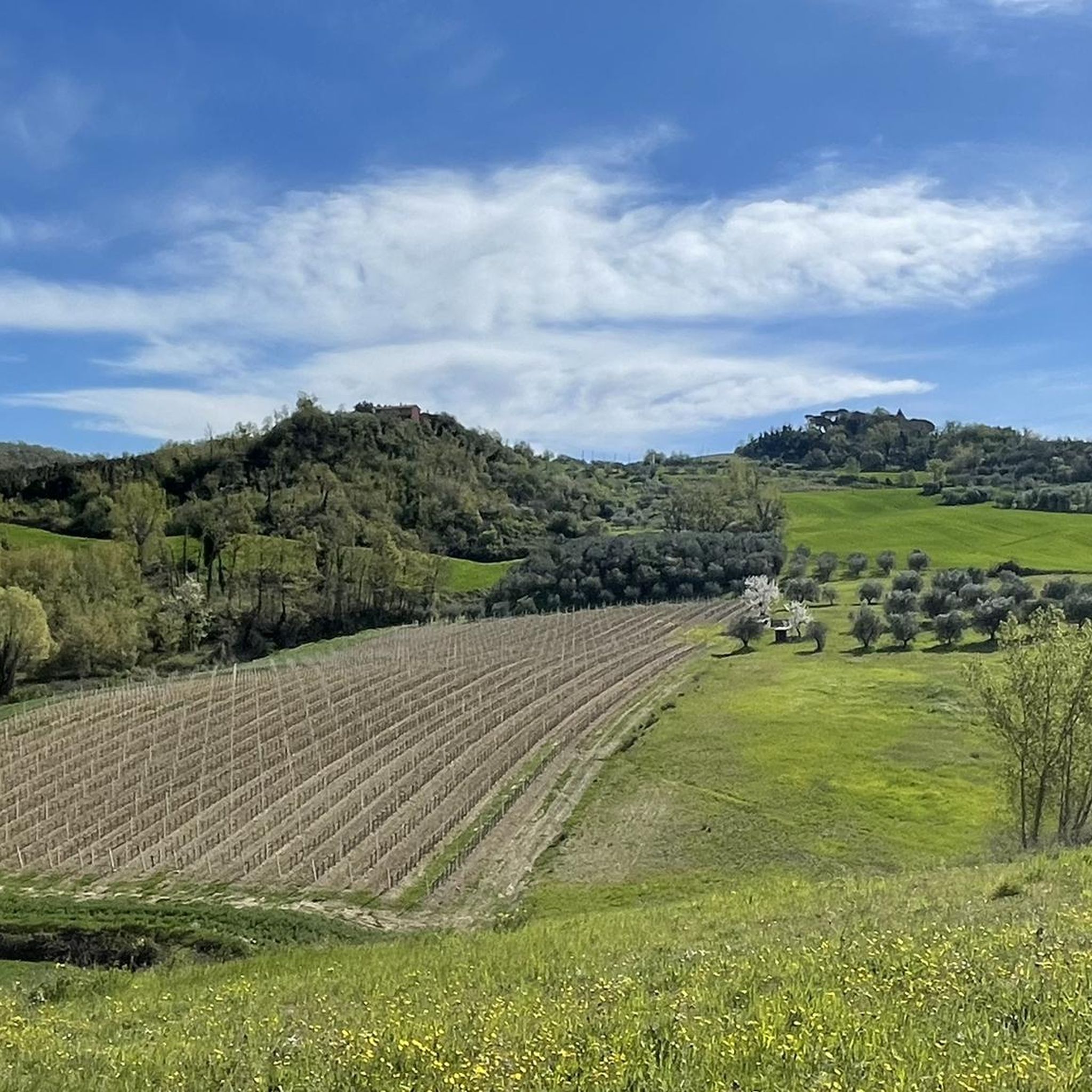
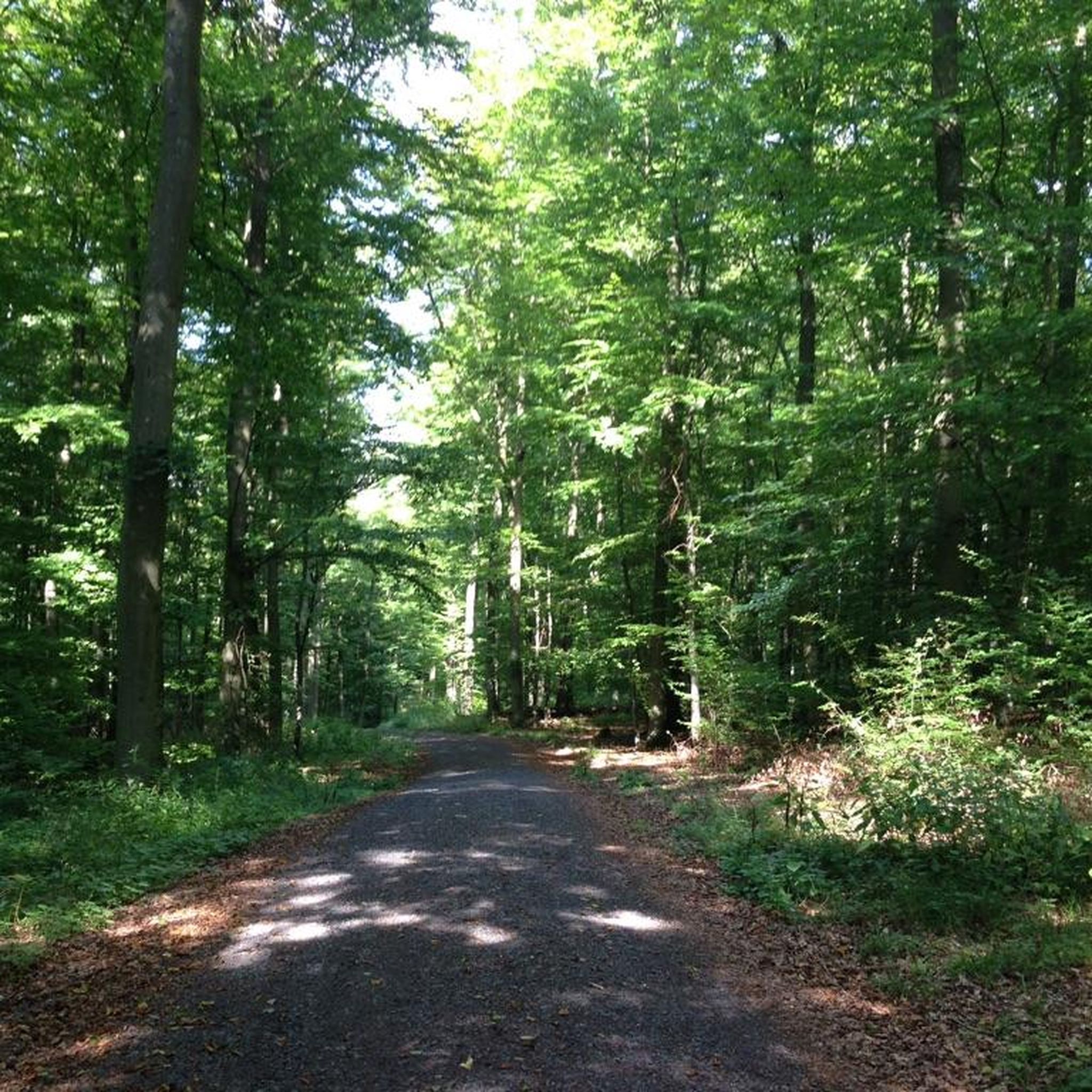
Mountain bike trails around Monte Castello di Vibio traverse a hilly landscape overlooking the Tiber Valley. The region features undulating terrain with challenging ascents and descents, offering panoramic views. Riders can explore diverse ecosystems along the river, as well as agricultural lands with vineyards, olive groves, and sunflower fields. Ancient woods provide varied scenery and different types of trails for mountain biking.
Best mountain bike trails around Monte Castello Di Vibio
- The most popular mountain bike trail is Singletrack –…
Last updated: July 8, 2026
5.0
(1)
16
riders
66.6km
05:32
1,230m
1,230m
Hard mountain bike ride. Very good fitness required. Advanced riding skills necessary.
14
riders
96.8km
07:53
2,200m
2,210m
Hard mountain bike ride. Very good fitness required. Advanced riding skills necessary. Some portions of the route may require you to push your bike.

Sign up for free
5.0
(2)
12
riders
57.3km
04:38
1,130m
1,130m
Hard mountain bike ride. Very good fitness required. Suitable for all skill levels.
4
riders
35.2km
03:13
690m
690m
Moderate mountain bike ride. Good fitness required. Suitable for all skill levels.
5.0
(1)
4
riders
40.1km
03:09
700m
700m
Moderate mountain bike ride. Good fitness required. Suitable for all skill levels.
Get access to more routes and recommendations from other explorers.
Sign up for free
Already have an account?
Our route recommendations are based on thousands of hikes, rides, and runs completed by other people on komoot.
Start today with a free account
Your next adventure awaits.
Login or Signup
Tips from the Community

Prodo Castle dominates the small village of the same name, a hamlet of Orvieto (TR). Built in 1222 by the Prodenzani family as a trapezoidal defensive stronghold with tuff walls, square and round towers, arrow slits, and a fortified gate, it was strengthened between the 13th and 15th centuries to control the Umbrian valleys. Garibaldi's refuge in 1849, it is now privately owned. Although the interior cannot be visited, the exterior offers panoramic views of the Fosso Campione, making it ideal for excursions near the Forello Gorges.
0
0

For the first time, Todi has been recognized as a virtuous municipality in terms of environmental sustainability and quality of life, having been awarded the 2020 "Spighe Verdi" (Green Ears of Wheat) flag by the FEE Italia Foundation for Environmental Education and Confagricoltura. Numerous indicators were taken into consideration, including education for sustainable development; sustainability and innovation in agriculture; the quality of tourism; the enhancement of natural areas and landscape; the maintenance of urban furnishings; and accessibility for all.
1
0
The Temple of Santa Maria della Consolazione is located just outside the thirteenth-century walls of the town, in the southwestern part of Todi, and is one of the finest examples of Renaissance art in Umbria.
1
0

Lake Corbara
0
0

The town of Todi in the province of Perugia in Umbria is known for its beautiful medieval town center. There are numerous historical buildings lined up around the central Piazza del Popolo. Antique and medieval finds prove that the hilltop town was founded in the 8th century BC by the Indo-European-Italian Umbrian tribe.
1
0

Protected by ramparts, on the top of a hill overlooking the Tiber, Todi is a city with ancient roots. A flourishing center of the Umbrians, it resisted Etruscan domination, accepting the supremacy of Rome in the 3rd century BC. In the Roman period, important communication routes were built, placing Todi at the center of a strategic road network. Its Roman heritage includes the theatre, the baths, the acropolis and temples scattered on the hill. After the fall of the Roman Empire, Todi came under the dominion of the Goths and the Byzantines, suffering the incursions of the Lombards. In the municipal age, Todi recovered, becoming one of the first free municipalities in Italy, with the construction of majestic public and religious buildings. In the sixteenth century, the city experienced a cultural and artistic renewal, culminating with the temple of Santa Maria della Consolazione. Piazza del Popolo, in the heart of the city, is considered one of the most beautiful in Italy, with the Duomo overlooking it. Traces of the Roman forum are still present under the flooring.
3
0

Prodo is a fraction of the municipality of Orvieto (TR), famous for having hosted Giuseppe Garibaldi on the run after the failed attempt to conquer Rome. Also known for the 14th century medieval castle which unfortunately has become private property and cannot be visited.
0
0

Montemolino Castle is located on a green hill not far from Todi. The structure dates back to medieval times: its construction is, in fact, dated around 1100.
1
0
Frequently Asked Questions
How many mountain bike trails are there in Monte Castello di Vibio?
There are over 100 mountain bike trails around Monte Castello di Vibio. These routes traverse a hilly landscape overlooking the Tiber Valley, offering a diverse range of experiences for riders.
What are the typical difficulty levels for mountain bike trails around Monte Castello di Vibio?
The trails around Monte Castello di Vibio cater to various skill levels. You'll find a few easy routes, but the majority are moderate (around 68 trails) and difficult (around 30 trails), featuring significant elevation changes and varied terrain.
When is the best time of year for mountain biking in Monte Castello di Vibio?
Monte Castello di Vibio, located in Umbria, offers pleasant conditions for mountain biking during spring and autumn. The weather is generally mild, and the landscapes of vineyards, olive groves, and sunflower fields are particularly vibrant. Summer can be hot, while winter might bring cooler temperatures and occasional rain.
What historical landmarks or attractions can I see while mountain biking around Monte Castello di Vibio?
Many routes offer glimpses of the region's rich history. You might pass by sites like Titignano Castle, the charming Acqualoreto Historic Village, or even the impressive Todi. The village of Monte Castello di Vibio itself, with its medieval charm, is a highlight.
Do mountain bike trails in Monte Castello di Vibio offer scenic viewpoints?
Yes, the elevated position of Monte Castello di Vibio and the undulating terrain mean many trails provide breathtaking panoramic views. For example, the Beautiful viewpoint – Great views over the countryside loop from Pian di Porto is specifically known for its expansive vistas over the Tiber Valley and the surrounding countryside.
What do other mountain bikers enjoy the most about mountain biking in Monte Castello di Vibio?
The komoot community highly rates mountain biking in Monte Castello di Vibio, with an average score of 4.4 stars from over 90 reviews. Riders often praise the diverse terrain, the challenging ascents and descents, and the stunning panoramic views of the Tiber Valley and the quilted countryside.
Are there family-friendly mountain bike trails suitable for all ages?
While many trails are moderate to difficult, there are a few easier routes (3 in total) that might be more suitable for families or those looking for a less strenuous ride. These often traverse agricultural lands or less steep sections of the Tiber Valley.
Are mountain bike trails around Monte Castello di Vibio dog-friendly?
Generally, trails in natural areas like those around Monte Castello di Vibio are dog-friendly, provided dogs are kept under control, especially near livestock or in protected areas. It's always advisable to check specific trail regulations or local signage, and ensure your dog is fit for the ride.
Can I rent a mountain bike in Monte Castello di Vibio?
While Monte Castello di Vibio is a small village, the wider Umbria region is well-regarded for cycling tourism. Some local tour operators and accommodations in the area explicitly offer mountain bike rentals or can arrange them. It's recommended to inquire with local tourism services or accommodations in advance.
Are guided mountain bike tours available in Monte Castello di Vibio?
Yes, some local tour operators and accommodations in the broader Monte Castello di Vibio and Umbria region offer guided mountain bike tours. These can be a great way to explore the best trails and discover hidden gems with local expertise.
Where can I park when mountain biking in Monte Castello di Vibio?
Parking is typically available in the village of Monte Castello di Vibio itself, or at designated trailheads for specific routes. As it's a rural area, many starting points for trails will have informal parking options, but it's always best to check maps or local information for specific recommendations.
Are there many loop trails for mountain biking in Monte Castello di Vibio?
Yes, many mountain bike routes in the area are designed as loops, allowing you to start and finish in the same location. Examples include the Singletrack – Cannella Downhill loop from Ponterio-Pian di Porto and the Temple of Saint Fortunato – Todi loop from Pian di Porto.
Most popular routes around Monte Castello Di Vibio
Most popular attractions around Monte Castello Di Vibio

Get inspired with the komoot mobile app


Explore more
Browse the best MTB trails in other regions.
