Attractions and Places To See around Massa Martana - Top 20
Best attractions and places to see around Massa Martana include a blend of Roman history, medieval architecture, and natural landscapes. This historic town, located at the foot of the Martani mountains in Umbria, Italy, offers cultural sites and natural beauty. The area features well-preserved castle walls, ancient Roman structures, and numerous churches. Visitors can explore historical landmarks and enjoy the natural environment of the Monti Martani.
Best attractions and places to see around Massa Martana
- The most popular attractions is Todi, a settlement protected by ramparts on a hill overlooking the Tiber. This city has ancient roots, founded by the Umbrians, and its Piazza del Popolo is considered one of Italy's most beautiful.
- Another must-see spot is Piazza del Popolo, Todi, a historical site. This medieval square is notable for the Duomo, Palazzo del Capitano, and Palazzo dei Priori overlooking it, and it was once the Roman Forum.
- Visitors also love Temple of Santa Maria della Consolazione, a religious building and an example of Renaissance architecture. Built outside the medieval city walls, it is clearly visible from afar and is one of the most studied Renaissance architectures globally.
- Massa Martana is known for historical sites, religious buildings, and natural features. The region offers a variety of attractions to see and explore, from ancient Roman bridges and catacombs to medieval castles and mountain trails.
- The attractions around Massa Martana are appreciated by the komoot community. There are 4 highlights with 46 photos and 33 upvotes, indicating popular spots for exploration.
Last updated: August 16, 2026
Todi
Highlight • Settlement
A flourishing center of the Umbrians, it resisted Etruscan domination, accepting the supremacy of Rome in the 3rd century BC. In the Roman period, important communication routes were built, placing Todi at the center of a strategic road network. Its Roman heritage includes the theatre, the baths, the acropolis and temples scattered on the hill. After the fall of the Roman Empire, Todi came under the dominion of the Goths and the Byzantines, suffering the incursions of the Lombards. In the municipal age, Todi recovered, becoming one of the first free municipalities in Italy, with the construction of majestic public and religious buildings. In the sixteenth century, the city experienced a cultural and artistic renewal, culminating with the temple of Santa Maria della Consolazione.
Piazza del Popolo, in the heart of the city, is considered one of the most beautiful in Italy, with the Duomo overlooking it. Traces of the Roman forum are still present under the flooring.
Translated by Google •
Tip by

Temple of Santa Maria della Consolazione
Highlight • Religious Site
Legend has it that a miracle of healing took place connected to the image of the Madonna. The temple was built as a place of pilgrimage and as a testimony of the greatness of the city of Todi. Attributed to Bramante, it was actually built over a hundred years with the contribution of numerous famous architects such as Peruzzi, Vignola and Antonio da Sangallo the younger. Clearly visible from afar, both coming from Orvieto and Terni, it is one of the most studied and well-known Renaissance architectures in the world.
Translated by Google •
Tip by

Sign up now to discover places like this
Get recommendations on the best single tracks, peaks, & plenty of other exciting outdoor places.
Sign up for free
Castel Ritaldi Castle
Highlight • Castle
Translated by Google •
Tip by

Piazza del Popolo, Todi
Highlight • Historical Site
Translated by Google •
Tip by
Gualdo Cattaneo: Historic Village and Fortress
Highlight • Settlement
Located between the Umbrian and Tiber valleys, on the foothills of the Martani mountains, this village has roots that date back to 975. The Sonoran fortress is its most significant monument. The church of Saints Anthony and Antoninus, dating back to 1260, houses the relics of the two holy martyrs and of Blessed Ugolino in its crypt. The church of Sant'Agostino, founded in 1136, originally Benedictine, features a notable crucifix from 1482.
Despite the steep but short climbs, a visit to this village is absolutely unmissable.
Translated by Google •
Tip by
Sign up for free to discover even more attractions around Massa Martana.
Sign up for free
Already have an account?
Start today with a free account
Your next adventure awaits.
Login or Signup

Tips from the Community

For the first time, Todi has been recognized as a virtuous municipality in terms of environmental sustainability and quality of life, having been awarded the 2020 "Spighe Verdi" (Green Ears of Wheat) flag by the FEE Italia Foundation for Environmental Education and Confagricoltura. Numerous indicators were taken into consideration, including education for sustainable development; sustainability and innovation in agriculture; the quality of tourism; the enhancement of natural areas and landscape; the maintenance of urban furnishings; and accessibility for all.
1
0
The Temple of Santa Maria della Consolazione is located just outside the thirteenth-century walls of the town, in the southwestern part of Todi, and is one of the finest examples of Renaissance art in Umbria.
1
0

Gualdo Cattaneo is a small medieval village perched on the slopes of the Martani Mountains in a particularly suggestive position. The first historical information about the town dates back to the time of Emperor Otto II, who founded the castle in 975, entrusting it as a fief to the Germanic count Edoardo Cattaneo. Its perched position was militarily strategic and very often at the center of bitter disputes and domination between Foligno and Spoleto. In the main square of the village stands the mighty fortress from 1494, triangular in shape with three towers communicating with each other. The 13th century parish church is interesting. with a beautiful thirteenth-century crypt inside; the church of Sant'Agostino built in 1136 with frescoes from the Foligno school and the church of Sant'Andrea.
0
0

The town of Todi in the province of Perugia in Umbria is known for its beautiful medieval town center. There are numerous historical buildings lined up around the central Piazza del Popolo. Antique and medieval finds prove that the hilltop town was founded in the 8th century BC by the Indo-European-Italian Umbrian tribe.
1
0
Castle of medieval origin with towers and walls in excellent condition Here in the 11th century a viscount normally resided with administrative powers over the territory which included numerous castles, some of which are still inhabited and others partially in ruins. Together with Colle del Marchese it was part of a territory called "Normandy", a small autonomous province within the territories of the Church. Towards the end of the 12th century the Castle was destroyed due to the wars that saw imperial and papal power pitted against each other, but at the beginning of the 13th century it was entirely rebuilt. In the second half of the 14th century, the Castle was equipped with strong walls, those that still remain almost intact, with external towers, loopholes and bomb holes.
0
0

Protected by ramparts, on the top of a hill overlooking the Tiber, Todi is a city with ancient roots. A flourishing center of the Umbrians, it resisted Etruscan domination, accepting the supremacy of Rome in the 3rd century BC. In the Roman period, important communication routes were built, placing Todi at the center of a strategic road network. Its Roman heritage includes the theatre, the baths, the acropolis and temples scattered on the hill. After the fall of the Roman Empire, Todi came under the dominion of the Goths and the Byzantines, suffering the incursions of the Lombards. In the municipal age, Todi recovered, becoming one of the first free municipalities in Italy, with the construction of majestic public and religious buildings. In the sixteenth century, the city experienced a cultural and artistic renewal, culminating with the temple of Santa Maria della Consolazione. Piazza del Popolo, in the heart of the city, is considered one of the most beautiful in Italy, with the Duomo overlooking it. Traces of the Roman forum are still present under the flooring.
3
0
Gualdo Cattaneo, a picturesque Umbrian village that stands on a rock, offers astonishing views of vineyards, olive groves and the majestic Sibillini mountains. Located between the Umbrian and Tiber valleys, on the foothills of the Martani mountains, this village has roots that date back to 975. The Sonoran fortress is its most significant monument. The church of Saints Anthony and Antoninus, dating back to 1260, houses the relics of the two holy martyrs and of Blessed Ugolino in its crypt. The church of Sant'Agostino, founded in 1136, originally Benedictine, features a notable crucifix from 1482. Despite the steep but short climbs, a visit to this village is absolutely unmissable.
2
0

The construction of the Temple of Santa Maria della Consolazione began in 1508 and was completed after a hundred years. It is considered one of the symbolic buildings of Renaissance architecture.
1
0
Frequently Asked Questions
What historical landmarks can I explore in Massa Martana?
Massa Martana offers a rich history. You can visit the impressive Ponte Fonnaia, an ancient Roman bridge from 220 BC on the Flaminian Way. Nearby, explore the unique Christian Catacombs, the only ones in Umbria. The town's historic center is enclosed by well-preserved medieval castle walls, and the Castel Ritaldi Castle is another significant medieval fortification in the area.
Are there significant religious sites to visit around Massa Martana?
Yes, the region is rich in religious heritage. Key sites include the Church of San Felice and the Church of San Sebastiano within the historic center. Just outside, you'll find the Church of Santa Maria delle Grazie and the architecturally notable Church of Santa Maria della Pace. Don't miss the ancient Church of Santa Maria in Pantano, built on Roman foundations, and the well-preserved Romanesque Abbey of Santa Maria in Viepri. The Abbey of San Faustino, built over a Roman villa, and the Abbey of SS. Fidenzio e Terenzio with its fascinating crypt, also offer deep historical insights.
What natural attractions are there around Massa Martana?
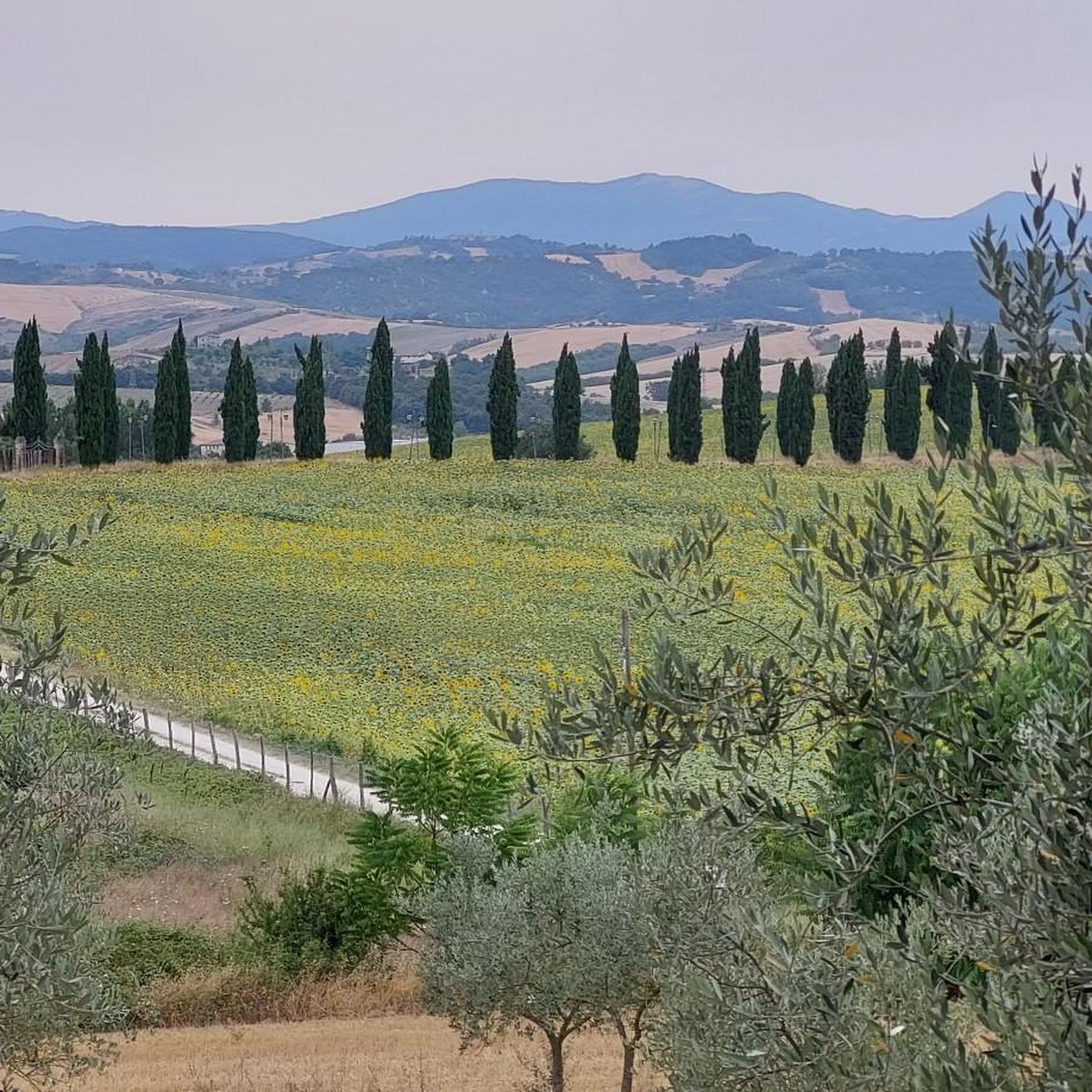
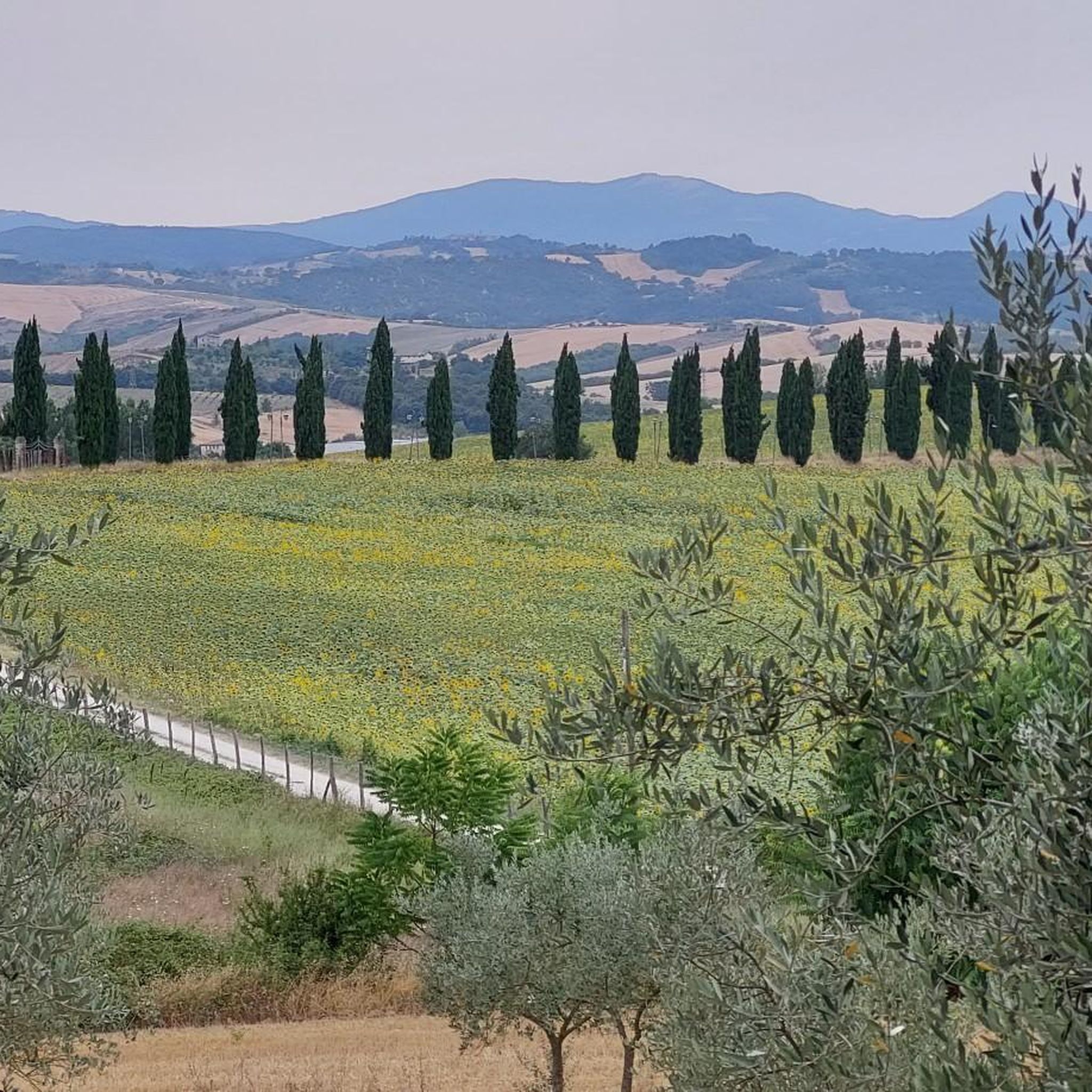
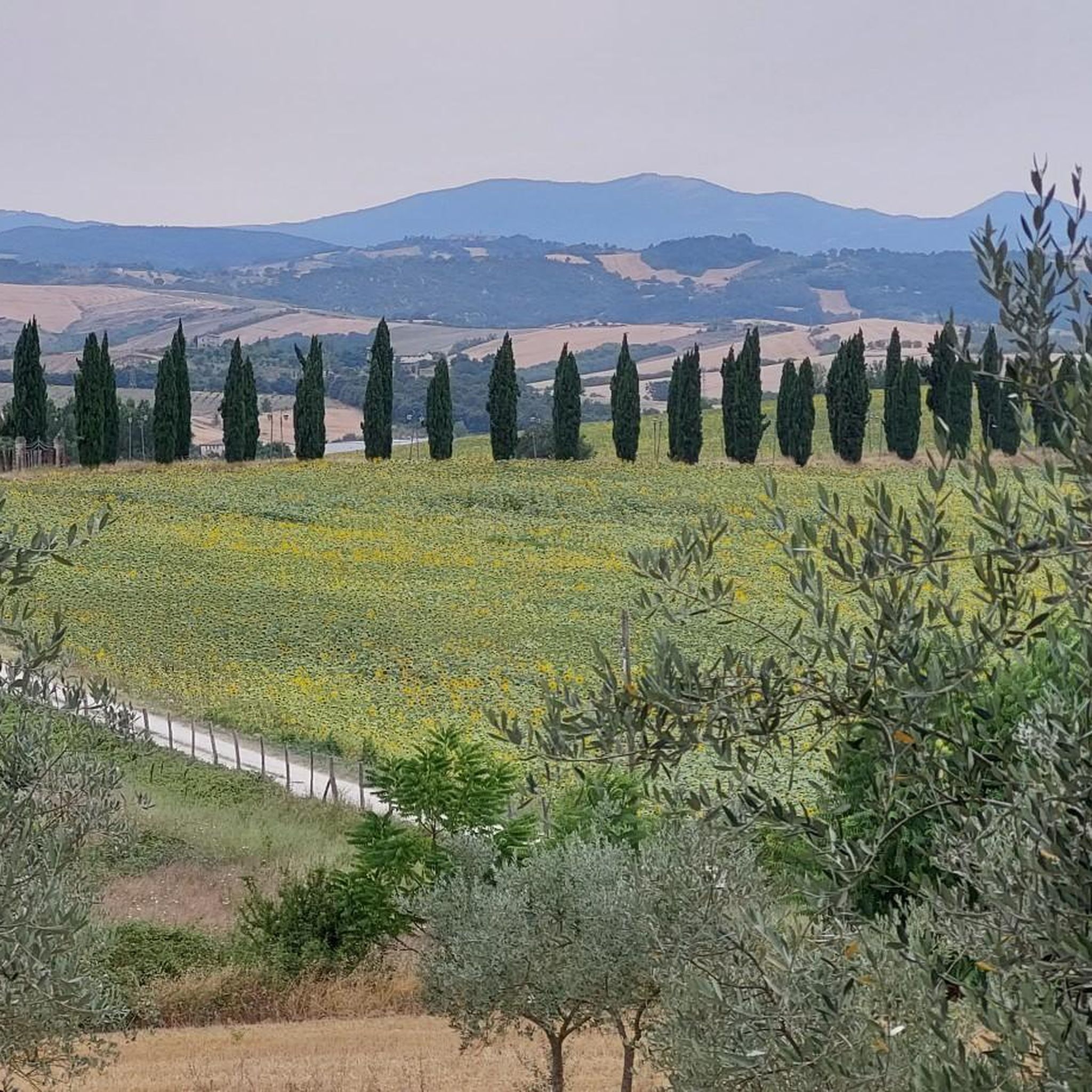
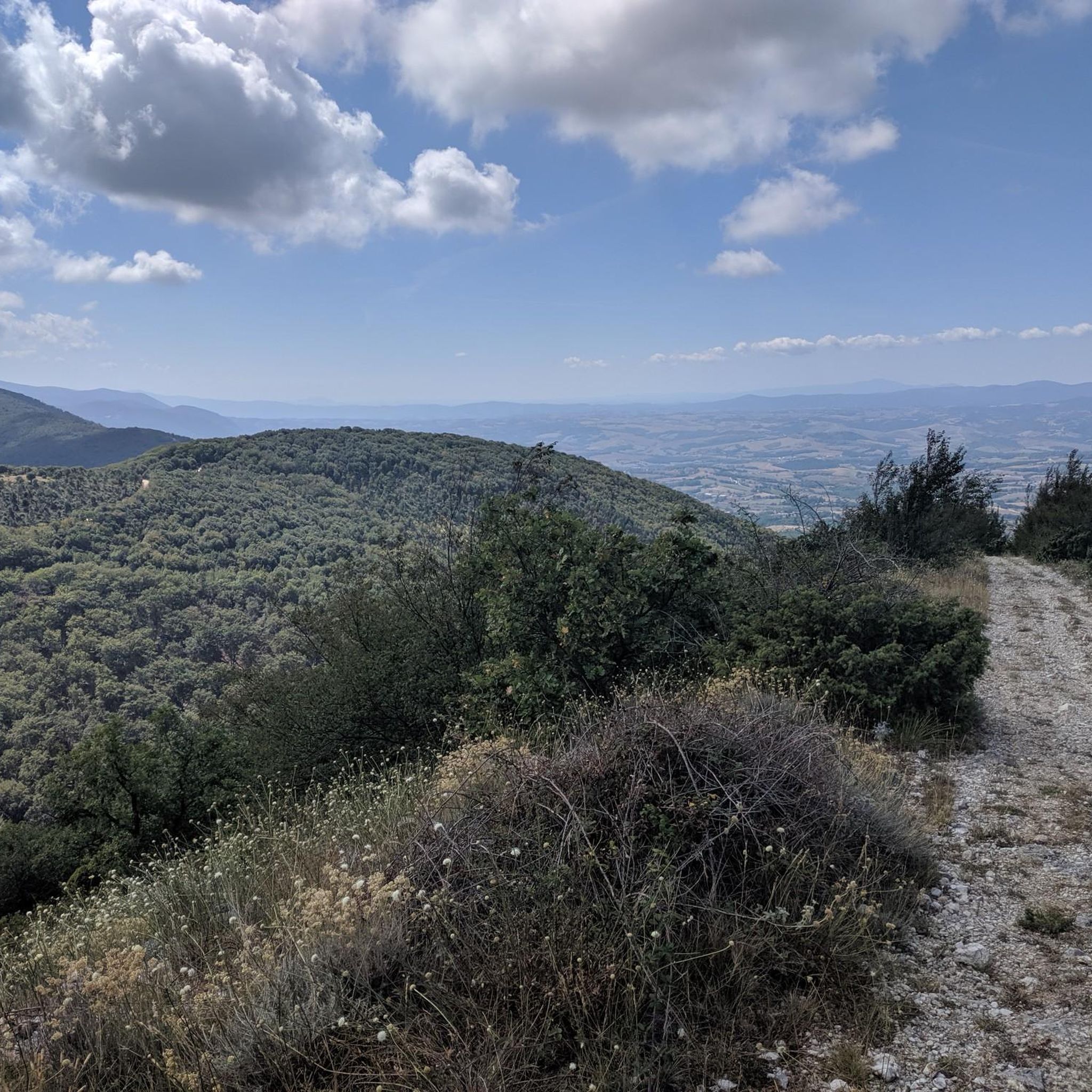
The stunning Monti Martani (Martani Mountains) form a beautiful backdrop to the village, offering breathtaking natural scenery. For relaxation, the San Faustino Spa provides waters with excellent therapeutic properties. The surrounding landscape features pristine environments, evergreen forests, olive groves, vineyards, and fields of wheat and sunflowers, perfect for nature lovers.
What outdoor activities can I do in the Monti Martani area?
The Monti Martani area is ideal for outdoor enthusiasts. The Martani Trekking Paths provide excellent opportunities for hiking, cycling, and horseback riding through diverse natural environments. These trails allow you to immerse yourself in the region's natural beauty.
Are there cycling routes available near Massa Martana?
Absolutely! Massa Martana is a great base for cycling. You can find various road cycling routes, such as the 'Santa Maria in Pantano – Sangemini Hilltop Village loop' or the 'Acquasparta – Montecastrilli loop'. For touring cyclists, options like the 'Todi – Piazza del Popolo, Todi loop' are available. Explore more routes on the Road Cycling Routes around Massa Martana and Cycling around Massa Martana guide pages.
Can I find mountain biking trails around Massa Martana?
Yes, there are challenging mountain biking trails in the area. Options include the 'Massa Martana Historic Center – Massa Martana loop' and the 'Massa Martana Historic Center – Santa Maria in Pantano loop'. These trails offer a great way to experience the local terrain. You can discover more on the MTB Trails around Massa Martana guide page.
What is special about the <a href="https://www.komoot.com/highlight/1815126" target="_blank" rel="noopener">Temple of Santa Maria della Consolazione</a>?
The Temple of Santa Maria della Consolazione is a remarkable example of Renaissance architecture, located just outside the medieval walls of Todi. It's considered one of the most studied and well-known Renaissance architectures globally, attributed to architects like Bramante, Peruzzi, and Vignola. Its classical layout beautifully contrasts with the medieval city, making it a must-see.
What local products is Massa Martana known for?
Massa Martana is celebrated for its delicious local products. These include the highly-regarded extra virgin olive oil 'DOP Colli Martani' and DOC wines 'Colli Martani'. You can also savor typical delicacies such as Nociata, various sausages, hams, and truffles, reflecting the rich culinary traditions of the Umbrian region.
What do visitors particularly enjoy about the attractions near Massa Martana?
Visitors frequently praise the blend of history and natural beauty. Many appreciate the ancient roots and stunning views from places like Todi, especially its Piazza del Popolo, considered one of Italy's most beautiful medieval squares. The well-preserved medieval castles and the impressive Renaissance architecture of the Temple of Santa Maria della Consolazione also receive high acclaim.
Are there family-friendly attractions around Massa Martana?
Yes, many attractions in the area are suitable for families. The historic centers of Massa Martana and Todi, including its Piazza del Popolo, offer engaging historical exploration. The Temple of Santa Maria della Consolazione and Castel Ritaldi Castle are also considered family-friendly. Additionally, the natural environment of the Monti Martani provides opportunities for family walks and outdoor activities.
What is the <a href="https://www.komoot.com/highlight/6353345" target="_blank" rel="noopener">Bailey Bridge of Todi</a>?
The Bailey Bridge of Todi is a historic structure over the Tiber river, originally built during the Second World War. After being closed for 40 years, it was restored in 2023 and is now exclusively for cycle and pedestrian use. It serves as a symbolic connection, linking recent history with the area's ancient past and promoting cultural and social connections.
What is the best time to visit Massa Martana for outdoor activities?
While specific seasonal data isn't provided, Umbria generally enjoys pleasant weather for outdoor activities in spring (April-May) and autumn (September-October). During these months, temperatures are mild, and the landscape is particularly beautiful, making it ideal for hiking, cycling, and exploring the natural and historical sites without the peak summer heat.
Most popular routes around Massa Martana
Most popular attractions around Massa Martana

Get inspired with the komoot mobile app


Explore more
Still not found the Highlight you’re looking for? See guides of the top attractions in other regions:
