Attractions and Places To See around Bìroro/Birori - Top 20
Attractions and places to see around Bìroro/Birori are concentrated in a region rich in history and natural beauty, nestled at the foot of the Marghine mountain in Sardinia. The area has been continuously inhabited since prehistoric times, evident in numerous archaeological sites. Visitors can explore ancient megalithic structures, dolmens, and Giants' tombs that showcase the region's deep historical roots. The landscape also features green areas with woodlands, offering opportunities to experience the natural environment.
Best attractions and places to see…
Last updated: July 16, 2026
Macomer
Highlight • Settlement
Translated by Google •
Tip by

Bortigali Village
Highlight • Settlement
Translated by Google •
Tip by

Sign up now to discover places like this
Get recommendations on the best single tracks, peaks, & plenty of other exciting outdoor places.
Sign up for free
Nuraghe Ponte
Highlight • Historical Site
The nuraghe …
Translated by Google •
Tip by

Filigosa Necropolis and Nuraghe Ruju
Highlight • Historical Site
The necropolis of Filigosa is located on the northern outskirts of Macomer, in the province of Nuoro, Sardinia. It was not eponymous for any of the Abealzu-Filigosa …
Translated by Google •
Tip by

Tamuli Archaeological Site
Highlight • Historical Site
Translated by Google •
Tip by
Sign up for free to discover even more attractions around Bìroro/Birori.
Sign up for free
Already have an account?
Start today with a free account
Your next adventure awaits.
Login or Signup
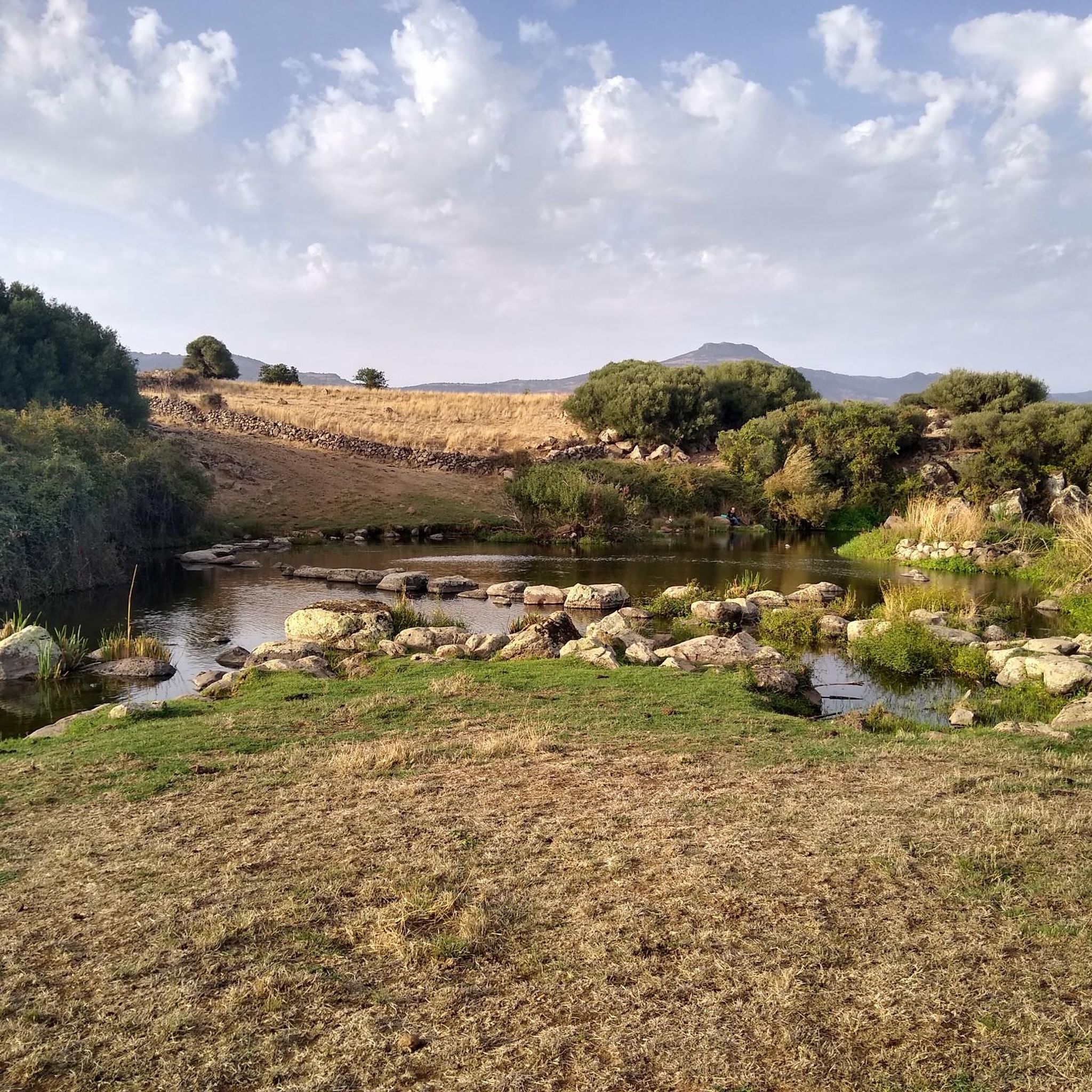
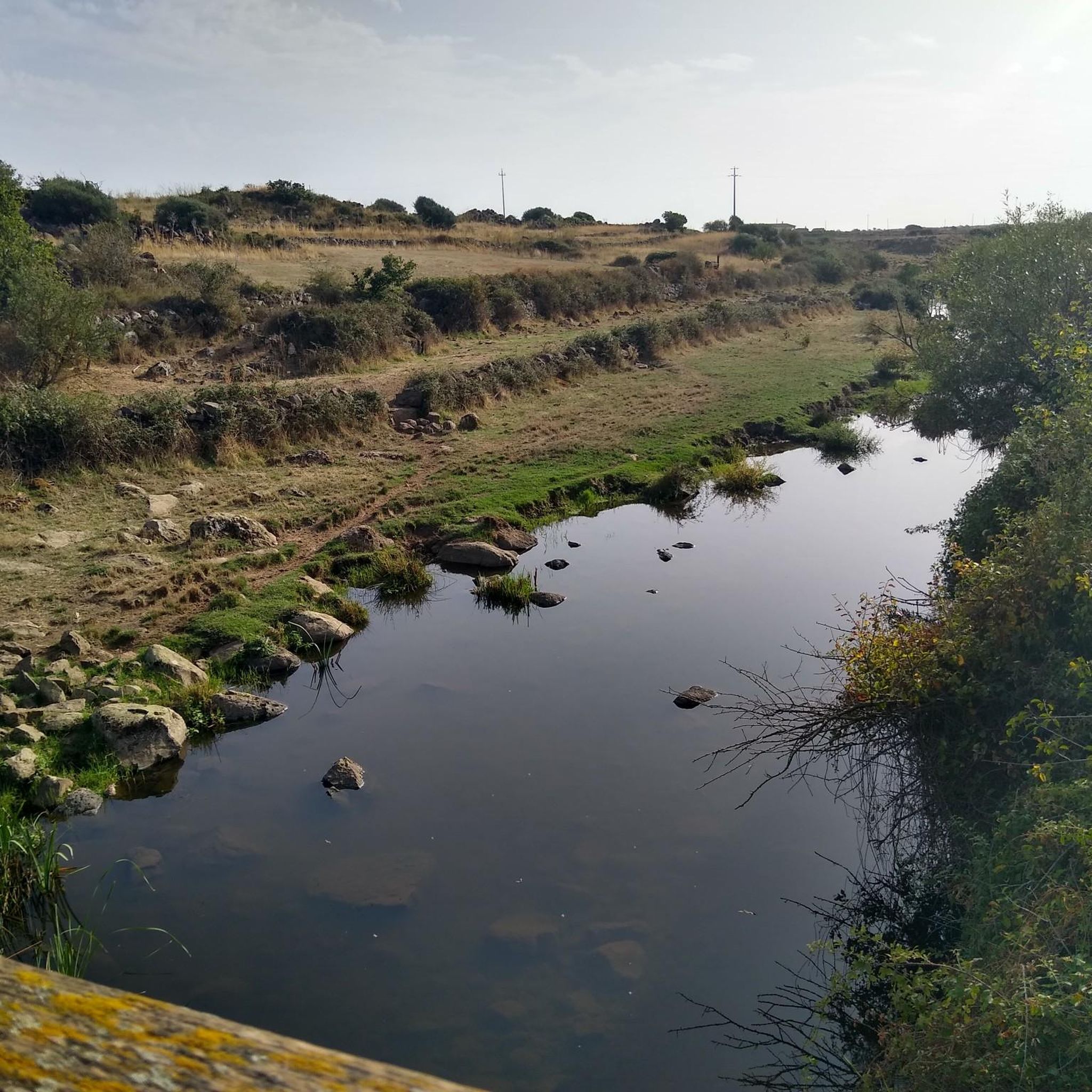
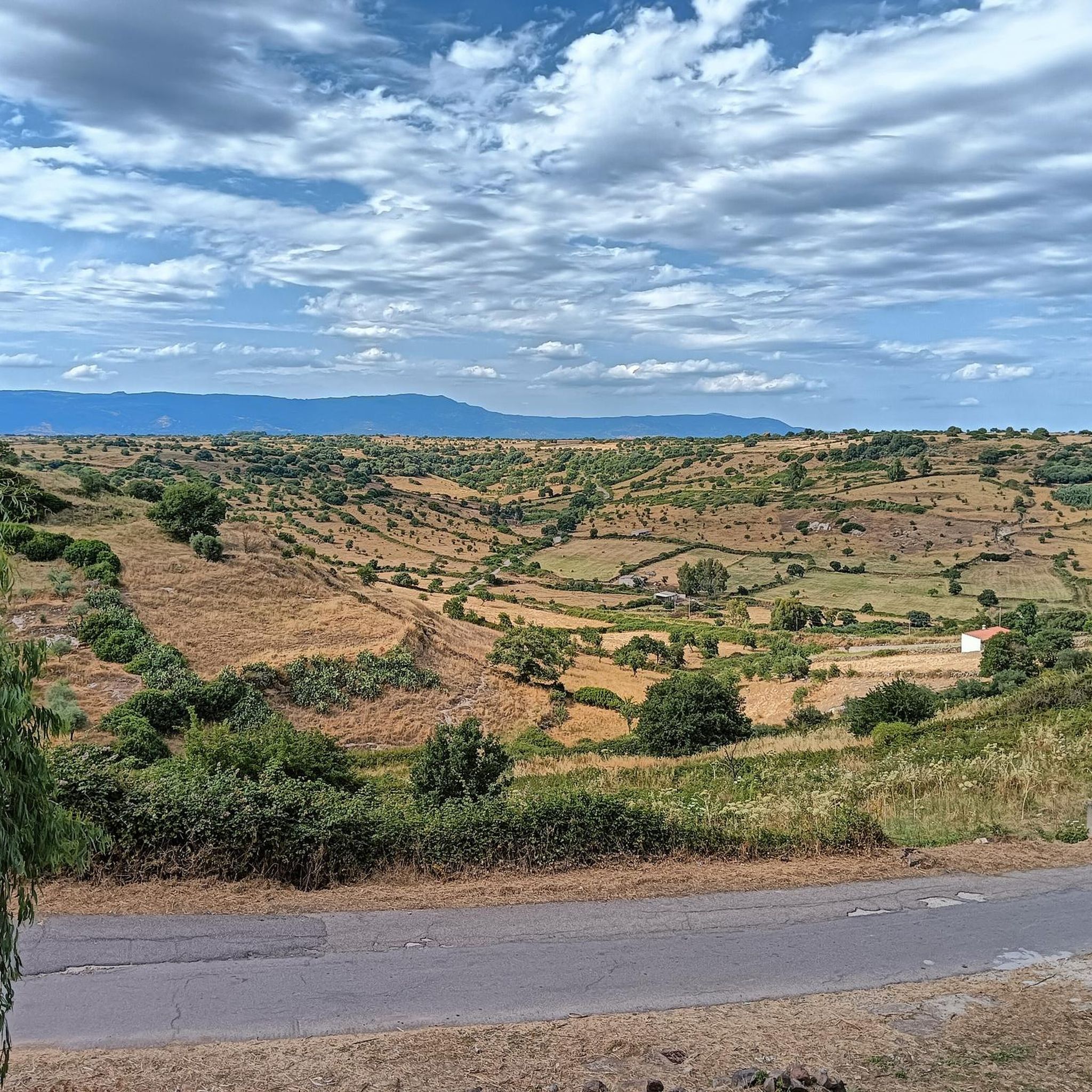

Tips from the Community

Great Little gem hiddenn below the valley. you'll find nice bars, a beautiful church and refuel stops
0
0

Small village surrounded by beautiful mountains
1
0

The German-language television series “Treasures of the World – Heritage of Humanity” – which I fully recommend in my opinion – devotes a quarter of an hour to the UNESCO world cultural heritage of the “NURAGHI” in Sardinia and the traditional shepherd’s song there, known as “Canto a Tenore”. The text accompanying the program says “Over seven thousand round towers made of stone pieces weighing tons are scattered all over Sardinia. Often only the stumps of these megalithic buildings, called nuraghi, remain. The first were around 1400 BC. Built. Small stones were placed between the mighty blocks, a construction method that made the stone towers collapse-proof.” This article (episode 413 of the series) is available in the ARD media library under the following link: https://www.ardmediathek.de/video/schaetze-der-welt/sardinien/3sat/Y3JpZDovL3N3ci5kZS8xNTg4MzM5MA
3
0

Necropolis of Filigosa The necropolis of Filigosa is located on the northern outskirts of Macomer, in the province of Nuoro, Sardinia. It was not eponymous for any of the Abealzu-Filigosa cultures. The necropolis consists of four Domus de Janas, which were carved into the tuff slope below the Nuraghe Ruju (also Ruggiu) with about 10 m long dromoi. Here in 1965, during the excavation by E. Contu, traces of the Copper Age Filigosa culture, which dates back to 2900 to 2700 BC, were found in rock tombs that were otherwise created by the Ozieri culture (from 3500 BC). is dated. A second excavation, carried out by Alba Foschi, took place in the 1980s. The existing finds from the necropolis, consisting of simple, rarely decorated pottery and almost exclusively excarnated bones, have contributed to the understanding of the brief transitional phase in Sardinian prehistory. Three plants are parallel on the middle slope, while the fourth is slightly higher. The large chambers have front access to two (Tomb III) to eight (Tomb I) side chambers. On the floor, centrally located, there is a raised ring (0.97 m in diameter) that marks a fireplace. There are usually two entrances to the side chambers on the rear wall. Nuraghe Ruju The half-collapsed Nuraghe Ruggiu (or Ruju), as it were cut in half, shows the corbelled vault construction as in an elevation model, which gives an insight into the construction of the tholos. Source: https://de.wikipedia.org/wiki/Necropolis_of_Filigosa
2
0

The nuragic complex of Tamùli is an important archaeological site dating back to the Middle Bronze Age. It is located at a height of 720 m, on the slope of Mount Sant'Antonio, where the Marghine chain joins the Montiferru and is part of the municipality of Macomer, in the province of Nuoro, which is about 5 km away. Source: https://it.wikipedia.org/wiki/Comlesso_archeologico_di_Tamuli
2
1
Also in the area of the Pranu Ozzastru plateau, where the Murtazzolu stream receives the waters of the Cuguttu and Ardalazzu streams, is the Ponte e Frenugarzu nuraghe. The nuraghe Ponte a tholos looks like a single tower where the circular chamber on the ground floor is intact, the cell on the upper floor can be accessed via the staircase. Despite the collapses suffered, the Frenugarzu nuraghe of the corridor type still appears as an imposing structure, around it there are sections of wall partly covered by vegetation, these suggest a barricade; a wall extends from the vicinity of the frenegarzu nuraghe which proceeds southwards for a long stretch to then open up with an entrance which is dominated by a large architrave, in this clearing there are no relief structures and the wall again borders with the nuraghe. Source: https://comune.dualchi.nu.it/contenuti/40809/complesso-archeologico-nuraghe-ponte-frenegarzu
3
0

Macomer is the cheese capital of Sardinia. At the Lacesa cheese factory, you can buy a wide variety of cheeses directly from the producer. Mon - Fri 8.30 a.m. - 1 p.m. & 4 p.m. - 7 p.m. Sat 8.30 a.m. - 1 p.m.
0
0

Frequently Asked Questions
What archaeological sites can I visit around Bìroro/Birori?
The Bìroro/Birori area is rich in prehistoric sites. You can explore the Tamuli Archaeological Site, known for its Nuragic complex and unique betyls. Other significant sites include the Nuraghi of Arbu and Miuddu, Nuraghe Santa Sabina, Nuraghe Losa, and Nuraghe Santa Barbara. Don't miss the Filigosa Necropolis and Nuraghe Ruju, which offers insight into ancient burial practices and Nuraghe construction.
Are there Nuraghi to explore near Bìroro/Birori?
Yes, the region is particularly rich in Nuragic structures. You can visit the Nuraghi of Arbu and Miuddu right on the edge of the village. Further afield, explore the well-known Nuraghe Santa Sabina, Nuraghe Losa, and Nuraghe Santa Barbara. The Nuraghe Ponte is another impressive single-tower structure with an intact circular chamber.
Where can I find dolmens and Giants' tombs in the Bìroro/Birori area?
The prehistoric past of Bìroro/Birori is evident in its dolmens and Giants' tombs. Notable dolmens include those at Sas Bogadas and Sa Perda e s'Altare. For Giants' tombs, you can find Su Palatu in the village center and Lassia near the railway station. The Tamuli Archaeological Site also features ancient burial structures.
What cultural or historical buildings are there in Bìroro/Birori?
In Bìroro/Birori, you can visit the Parish Church of Sant'Andrea, around which the oldest part of the village developed. The main square also features the 17th-century Church of Santo Stefano. These churches are central to local traditions and celebrations.
What local cuisine or traditional foods can I experience in Bìroro/Birori?
Bìroro/Birori is known for its authentic Sardinian gastronomy. You can savor dishes like boiled bread, broad beans with lard, pasta with sun-dried tomatoes, onion stew (cipollata), and various meat dishes such as boiled sheep, lamb cordula with peas, and stewed wild boar. Classic roast suckling pig and spit-roasted lamb are also local specialties. For desserts, try *casadinas*, *sapa papassini*, *seadas*, *pirichittos*, and *origliettas*. These flavors are often highlighted during events like 'Fuochi di Sant'Antonio Abate' in January and 'Primavera nel Marghine' in June.
What natural features or green spaces can I explore around Bìroro/Birori?
Bìroro/Birori is nestled at the foot of the scenic Marghine mountain. The village is surrounded by the green areas of Funtana Idda and Funtana Maggiore, which are cloaked in woodland. These areas provide opportunities to enjoy the natural environment and offer a beautiful backdrop to the historical sites.
Are there family-friendly attractions around Bìroro/Birori?
Yes, several attractions in the area are suitable for families. The village of Bortigali Village is considered family-friendly, offering a pleasant environment. The historical settlement of Macomer, with its murals and status as the cheese capital of Sardinia, can also be an engaging visit for families.
What outdoor activities can I do near these attractions?
The Bìroro/Birori area offers various outdoor activities. You can find numerous routes for mountain biking, road cycling, and hiking. For example, there are MTB trails like the 'Park – Monte Sant'Antonio loop from Macomer' and road cycling routes such as the 'Ring tour in the subregion of Màrghine from Macomer'. Hikers can explore trails like the 'Nuraghe Ponte and Riu Murtazzolu Loop' or the 'Archaeological Area of Tamuli' route. You can find more details on these activities in the respective guides: MTB Trails around Bìroro/Birori, Road Cycling Routes around Bìroro/Birori, and Hiking around Bìroro/Birori.
Are there hiking trails near Bìroro/Birori?
Absolutely. The region around Bìroro/Birori provides several hiking opportunities. Popular routes include the 'Nuraghe Ponte and Riu Murtazzolu Loop' (moderate, 15.9 km) and a trail exploring the 'Archaeological Area of Tamuli' (moderate, 9.8 km). For easier options, consider the 'Cork Oak Tree – Legal Cannabis Field loop from Duarche/Dualchi' (easy, 6.2 km) or the 'Monte Sant'Antonio loop from Su Cantareddu' (easy, 6.5 km). Discover more hiking trails in the Hiking around Bìroro/Birori guide.
What do visitors enjoy the most about Bìroro/Birori and its surroundings?
Visitors particularly appreciate the rich history and archaeological significance of the area, with its numerous Nuraghi, dolmens, and Giants' tombs. The authentic local culture and traditional gastronomy are also highly valued. The scenic natural backdrop of the Marghine mountain and green woodlands provide a pleasant environment for exploration. The komoot community has upvoted attractions like Bortigali Village for its charming setting and Macomer for its history and unique murals.
Is there accommodation available in Bìroro/Birori?
While Bìroro/Birori is a small village, it serves as a good base for exploring the central Sardinian region. Accommodation options, including guesthouses or agriturismos, can typically be found within the village or in nearby towns like Macomer or Bortigali, offering a chance to experience local hospitality.
What is the best time to visit Bìroro/Birori for outdoor activities?
The best time to visit Bìroro/Birori for outdoor activities generally depends on the specific activity. Spring (April-May) and autumn (September-October) offer pleasant temperatures ideal for hiking and cycling, avoiding the intense heat of summer. During these seasons, the landscape is also particularly beautiful. Winter can be mild, but some trails might be wet. Summer (June-August) is suitable for exploring archaeological sites, but outdoor activities might be best enjoyed in the early mornings or late afternoons.
Most popular routes around Bìroro/Birori
Most popular attractions around Bìroro/Birori

Get inspired with the komoot mobile app


Explore more
Still not found the Highlight you’re looking for? See guides of the top attractions in other regions:
