Attractions and Places To See around Silanos/Silanus - Top 20
Best attractions and places to see around Silanos/Silanus, a village in Sardinia's Marghine region, offer a journey through ancient history and cultural heritage. The area is characterized by its fertile lands and position within the Marghine mountain range, providing a naturally rich environment. Silanos/Silanus is recognized for its well-preserved historical monuments and traditional character.
Best attractions and places to see around Silanos/Silanus
- The most popular attractions is Punta Palai, a summit that offers great views. A hike to Punta…
Last updated: July 7, 2026
Punta Palai
Highlight • Summit
Translated by Google •
Tip by

Rebeccu Medieval Village
Highlight • Settlement
Translated by Google •
Tip by

Sign up now to discover places like this
Get recommendations on the best single tracks, peaks, & plenty of other exciting outdoor places.
Sign up for free
Macomer
Highlight • Settlement
Translated by Google •
Tip by

Sacred Spring of Su Lumarzu
Highlight • Historical Site
The paved rectangular atrium …
Translated by Google •
Tip by
Riu Ilde Waterfall
Highlight • Waterfall
Translated by Google •
Tip by

Sign up for free to discover even more attractions around Silanos/Silanus.
Sign up for free
Already have an account?
Start today with a free account
Your next adventure awaits.
Login or Signup

Tips from the Community

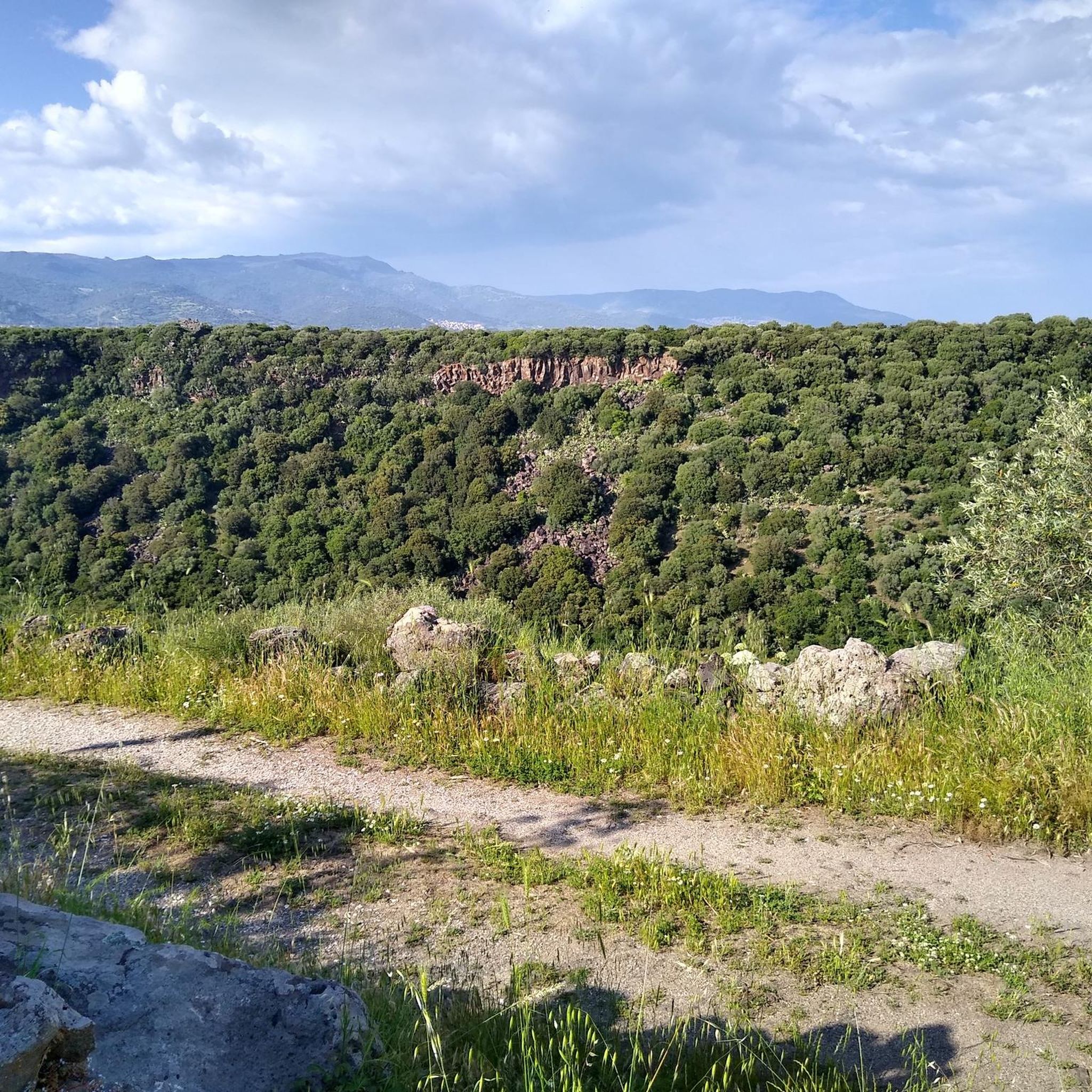
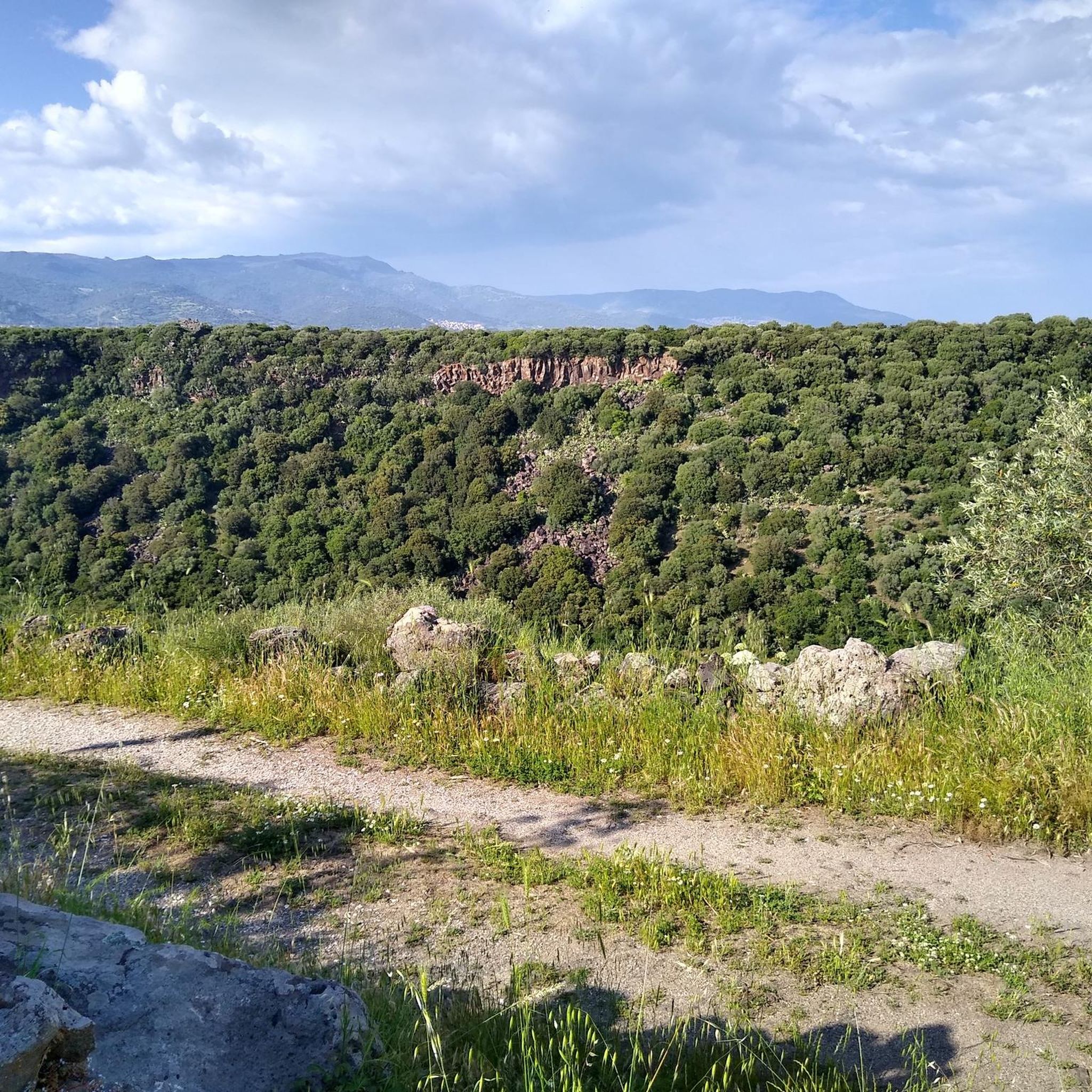
Here the Riu Ilde rushes and gurgles wonderfully.
1
0
A short walk through the wonderfully green forest leads to this pretty waterfall. It gurgles and splashes wonderfully. The Riu Ilde is relatively easy to cross at a slightly higher elevation, allowing you to get even closer to the waterfall.
1
0
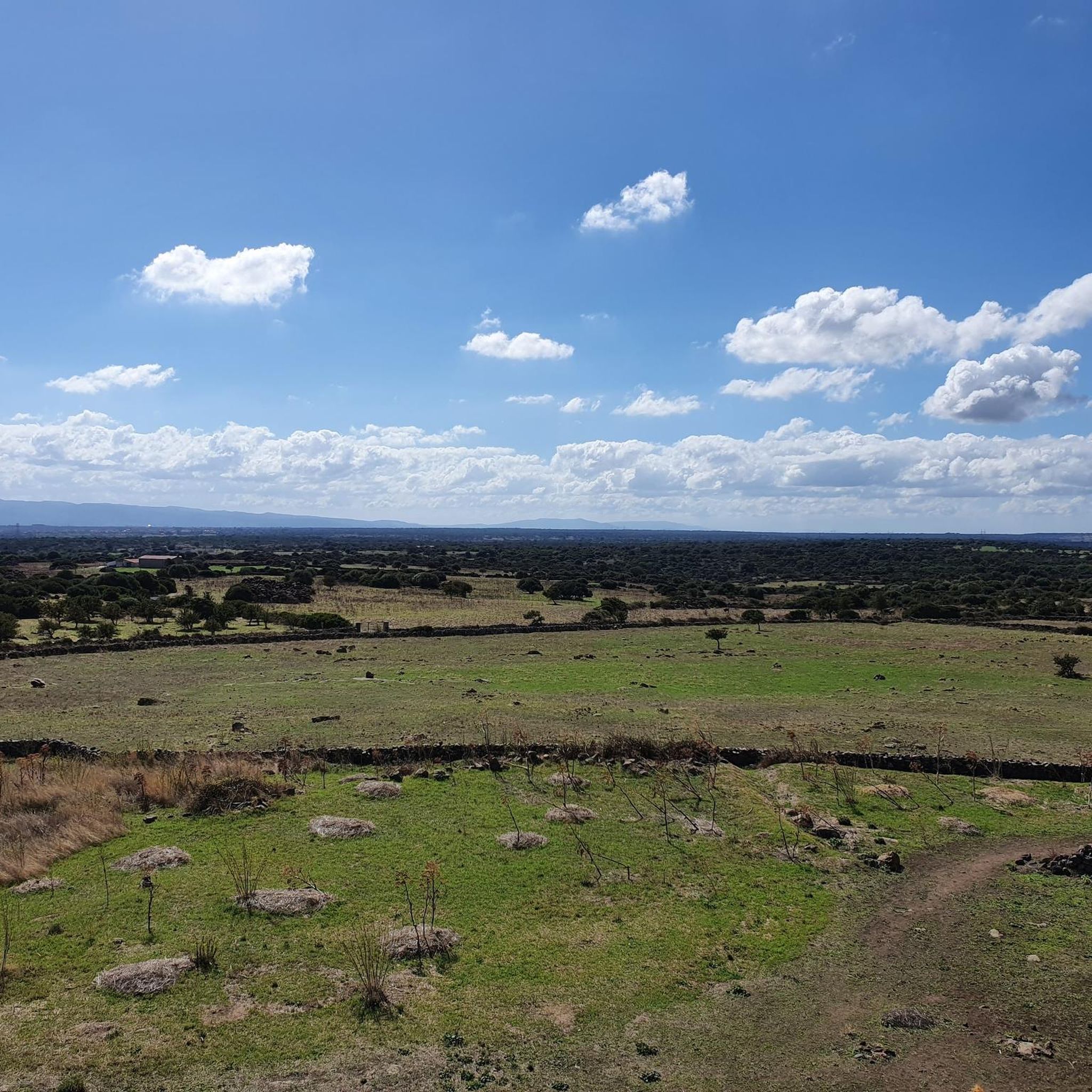
A hike to Punta Palai is highly worthwhile. In good weather, the views are spectacular.
1
0


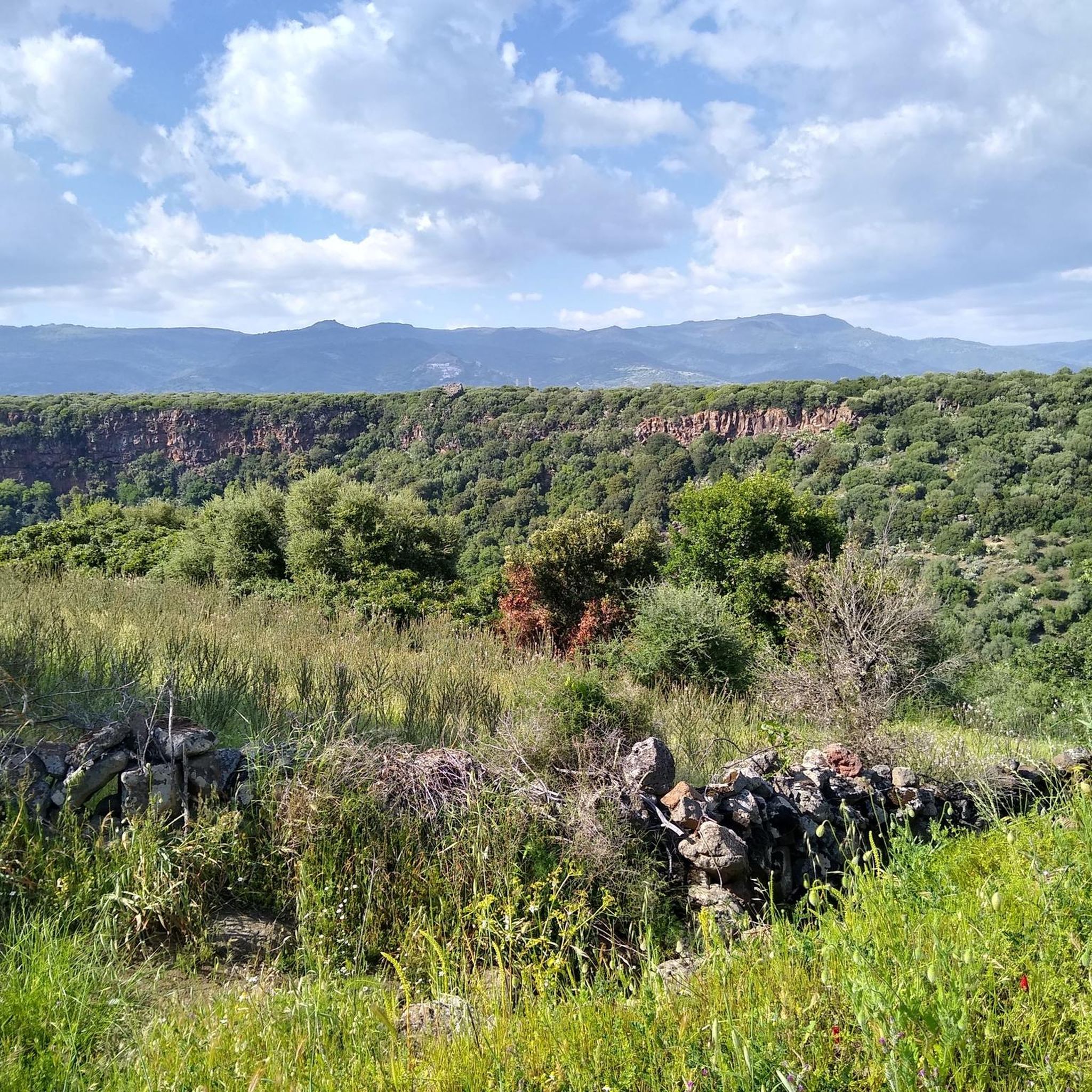
Very nice little walk with the reward of a pretty waterfall and a park with table and barbecue
1
0
Standing on a rocky ridge of Meilogu, Rebeccu dominates the plain of Santa Lucia, six kilometers from Bonorva, isolated and populated only by the legends that made it famous. Rebeccu is a medieval village with a prestigious past, almost uninhabited today, once the capital of the Curatoria of Costavalle and a strategic point on the border between the Giudicati of Arborea and Torres. A few stone houses, some restored, a small church and a desecrated graveyard make it both unsettling and evocative, especially in light of the stories surrounding it. The most famous concerns King Beccu, feudal lord of the village, and his daughter, Princess Donoria: believed to be a witch who was expelled from the village while her house was being destroyed by fire. Leaving it tied to a mule, he unleashed the “curse of the thirty houses”: Rebeccu would never have had more than thirty houses. According to some versions, even the father started his anathema, poisoning the numerous water sources in the area. During the Judgment period, the center had 400 inhabitants, then it began to depopulate from the 15th century. According to legend, the survivors of the curse founded Bonorva, while some of them, the boldest, tried to rebuild the village, being careful not to exceed thirty houses. However, history says that a Catalan detachment, arriving from Alghero in 1353, exterminated the population and burned the village, only to provoke the reaction of the Arborea Judicate. A few decades later, a peace treaty was signed between Eleonora d'Arborea and the King of Aragon in the church of Rebeccu. The importance that the center had in the Middle Ages has also given rise to another legend: it is here, in a castle that has now disappeared, that the marriage between the judge and Brancaleone Doria was said to have taken place. Between the cobbled streets and the houses, you will walk in absolute silence, breathing in a constantly evocative and mysterious atmosphere. It's no coincidence that the village has become a backdrop for movies and photo sets, and has hosted a film festival for decades. Source: https://www.sardegnaturismo.it/it/esplora/rebeccu
0
0
The monument, a small cult spring from the Nuragic period, consists of an atrium and a small cell where the vein of the spring is collected. The paved rectangular atrium (5.15 x 1.80 m) has seating along the walls (height 0.30 m; width 0.40 m) and a small alcove. The masonry (height 2 m; width 3 m) consists of regular rows of carefully squared basalt blocks. From the atrium one enters the small cell through an entrance with a trapezoidal light (0.65 m wide; 0.64 m high) obtained in a monolithic slab. The small room (diameter 0.97 m; height 1.60 m), built of roughly worked but carefully joined blocks of basalt, has a "tholos" roof closed by a large horizontal slab. In Christian times, a Latin cross was engraved on the underside of the end plate. The water flows through a channel carved into the sill of the entrance to the spring to a drainage channel built under the floor of the atrium itself. The settlement of the place lasted until late antiquity, as evidenced by coins from the fourth century. AD Found in the time of Taramelli while clearing the porch. Source: http://www.sardegnacultura.it/j/v/253?v=2&c=2488&t=1&s=21393
0
0

Macomer is the cheese capital of Sardinia. At the Lacesa cheese factory, you can buy a wide variety of cheeses directly from the producer. Mon - Fri 8.30 a.m. - 1 p.m. & 4 p.m. - 7 p.m. Sat 8.30 a.m. - 1 p.m.
0
0
Frequently Asked Questions
What historical sites can I explore in Silanus?
Silanus is rich in ancient history. You can visit the impressive Santa Sabina Complex, which includes a well-preserved Nuraghe, a sacred well, a Tomb of Giants, and an 11th-century church. Other significant sites include the Romanesque Church of San Lorenzo with its 13th-century frescoes, and numerous other Nuraghi like Corbos and Orolio. Don't miss the Sacred Spring of Su Lumarzu, a unique Nuragic cult spring.
Are there any medieval villages near Silanus worth visiting?
Yes, the Rebeccu Medieval Village is a captivating site near Silanus. Steeped in legend, this almost uninhabited village offers an evocative and mysterious atmosphere with its few stone houses and small church. It once served as a strategic point and capital of the Curatoria of Costavalle.
Where can I find the best views around Silanus?
For panoramic views, a hike to Punta Palai is highly recommended. In good weather, the summit offers spectacular vistas of the surrounding Marghine mountain range and fertile lands.
What natural attractions are there in the Silanus area?
Beyond the scenic landscapes of the Marghine mountain range, you can discover the beautiful Riu Ilde Waterfall. This natural feature is accessible via a short, pleasant walk through a green forest, offering a tranquil spot for relaxation.
Are there family-friendly attractions in Silanus?
Yes, the Riu Ilde Waterfall is considered family-friendly, offering a nice short walk and a pleasant natural setting. The nearby town of Macomer also has family-friendly aspects, including murals and local cheese factories.
What kind of outdoor activities can I do near Silanus?
The area around Silanus is excellent for outdoor enthusiasts. You can find various routes for hiking, mountain biking, and road cycling. For detailed routes and maps, explore the dedicated guides for Hiking around Silanos/Silanus, MTB Trails around Silanos/Silanus, and Cycling around Silanos/Silanus.
Are there hiking trails suitable for beginners around Silanus?
Yes, there are hiking options for various skill levels. For example, the 'Mularza Noa Waterfall – Riu Ilde Waterfall loop' is an easy route, perfect for beginners. You can find more hiking trails, including moderate options like the 'Punta Palai – Riu Ilde Waterfall loop', in the Hiking around Silanos/Silanus guide.
What is the best time to visit Silanus for outdoor activities?
Silanus, located in the Marghine mountain range, offers pleasant conditions for outdoor activities during spring and autumn when temperatures are milder. Summers can be warm, but the higher elevation provides some relief. Always check the weather forecast before heading out.
What are Nuraghi and where can I see them in Silanus?
Nuraghi are ancient megalithic stone structures unique to Sardinia, dating back to the Nuragic civilization. Silanus is dotted with many impressive examples, including the well-preserved Nuraghe Santa Sabina within the Santa Sabina Complex. Other notable Nuraghi in the area include Corbos, Orolio (also known as Madrone), and s'Ulivera.
What are Tombs of Giants and are there any near Silanus?
Tombs of Giants are ancient Sardinian burial chambers from the Nuragic period, characterized by their distinctive stele and large stone slabs. Several are found near Silanus, such as sa Pedra Longa, Pedras Doladas, Zanchia, and Murartu, offering further insight into the region's ancient past.
What do visitors enjoy most about the attractions in Silanus?
Visitors particularly appreciate the rich historical and archaeological heritage, often describing Silanus as an 'open-air archaeological museum.' The stunning views from summits like Punta Palai and the serene beauty of natural spots like the Riu Ilde Waterfall are also highly praised. The evocative atmosphere of the Rebeccu Medieval Village is another highlight.
Are there any specific churches of historical interest in Silanus?
Beyond the church within the Santa Sabina Complex, the Romanesque Church of San Lorenzo, built around 1150, is a significant historical site. It features a single nave and traces of 13th-century frescoes. Additionally, the 17th-century Churches of Nostra Signora d'Itria and Santa Croce are also worth visiting for their architectural and cultural value.
Most popular attractions around Silanos/Silanus

Get inspired with the komoot mobile app


Explore more
Still not found the Highlight you’re looking for? See guides of the top attractions in other regions:
