Attractions and Places To See around Bultiggjata/Bortigiadas - Top 20
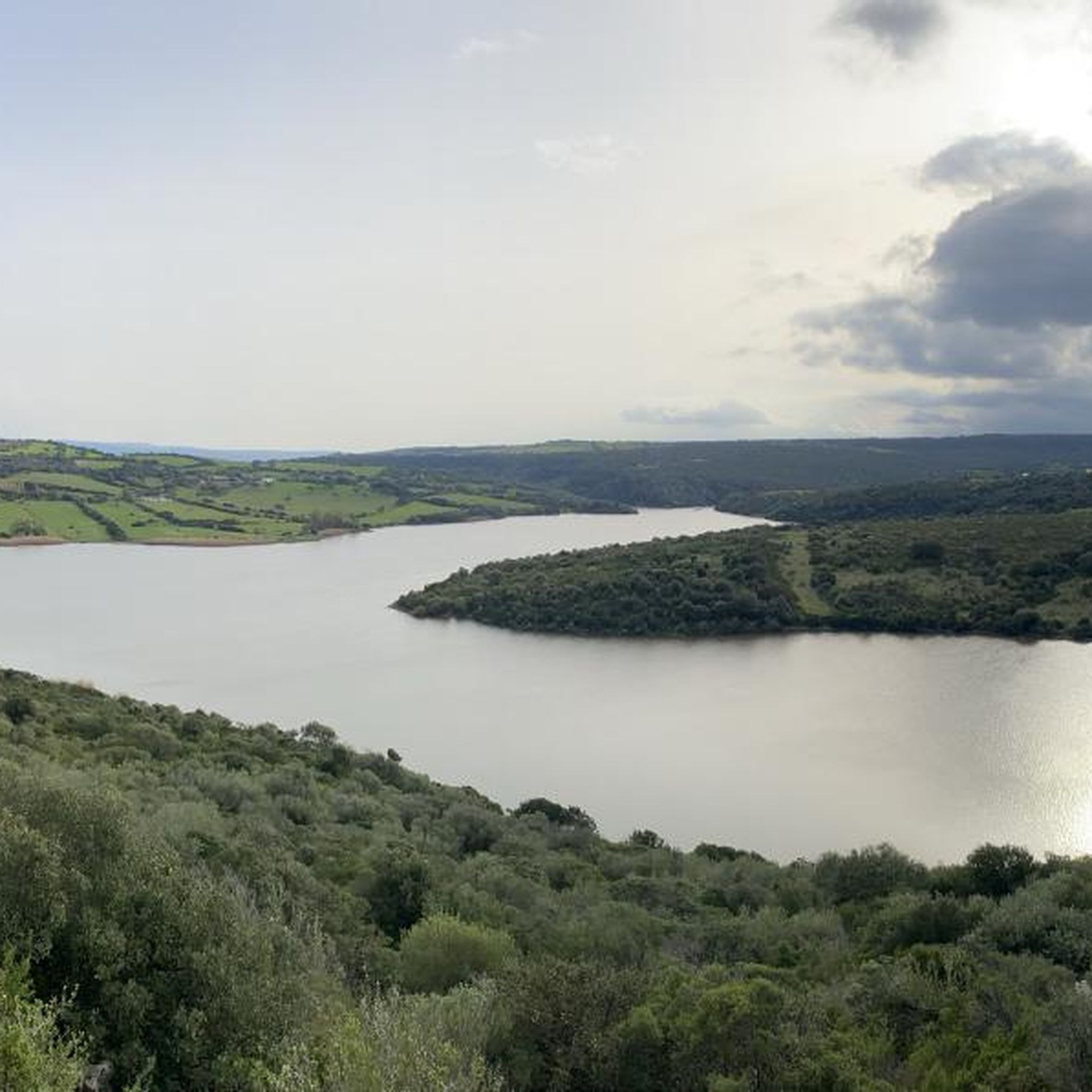
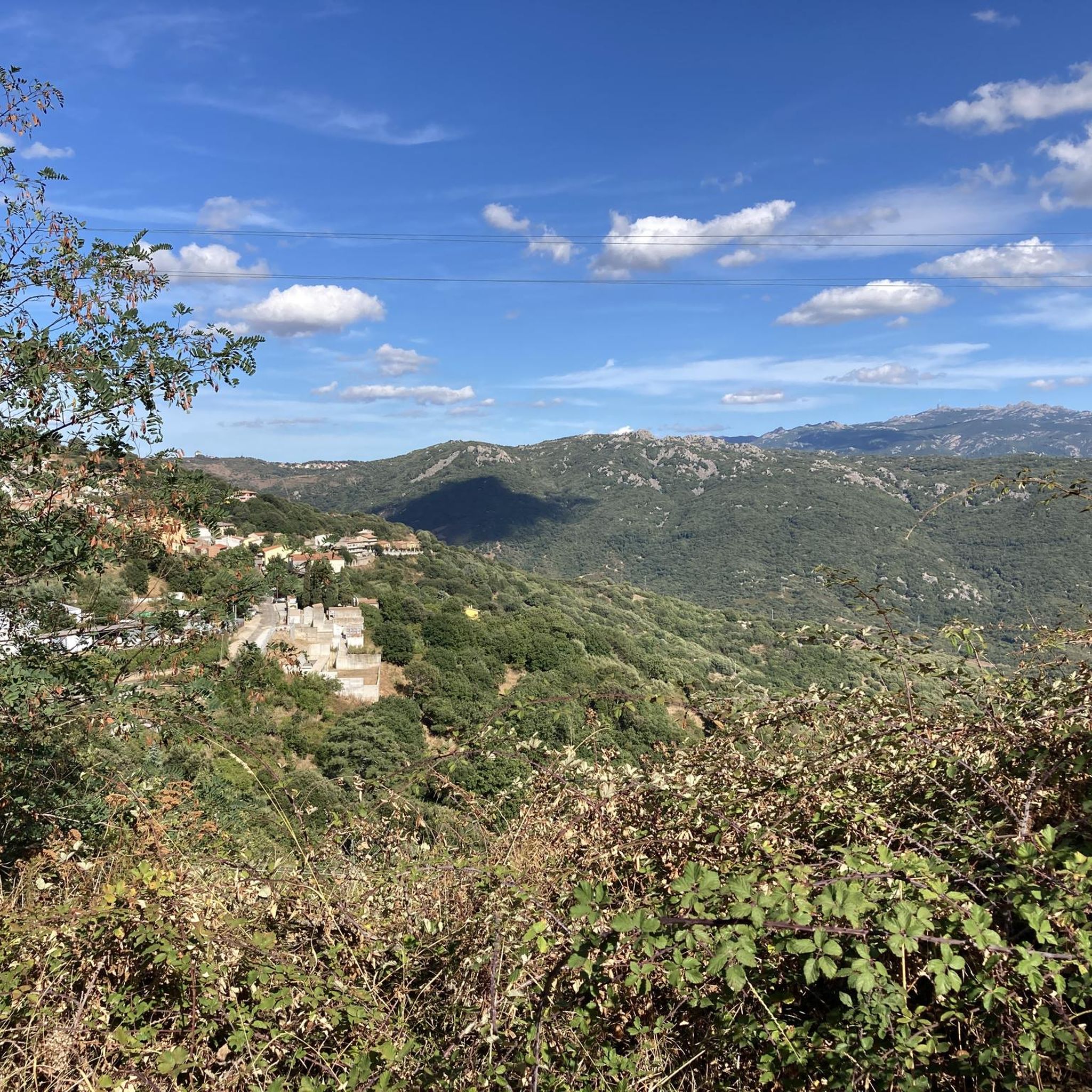
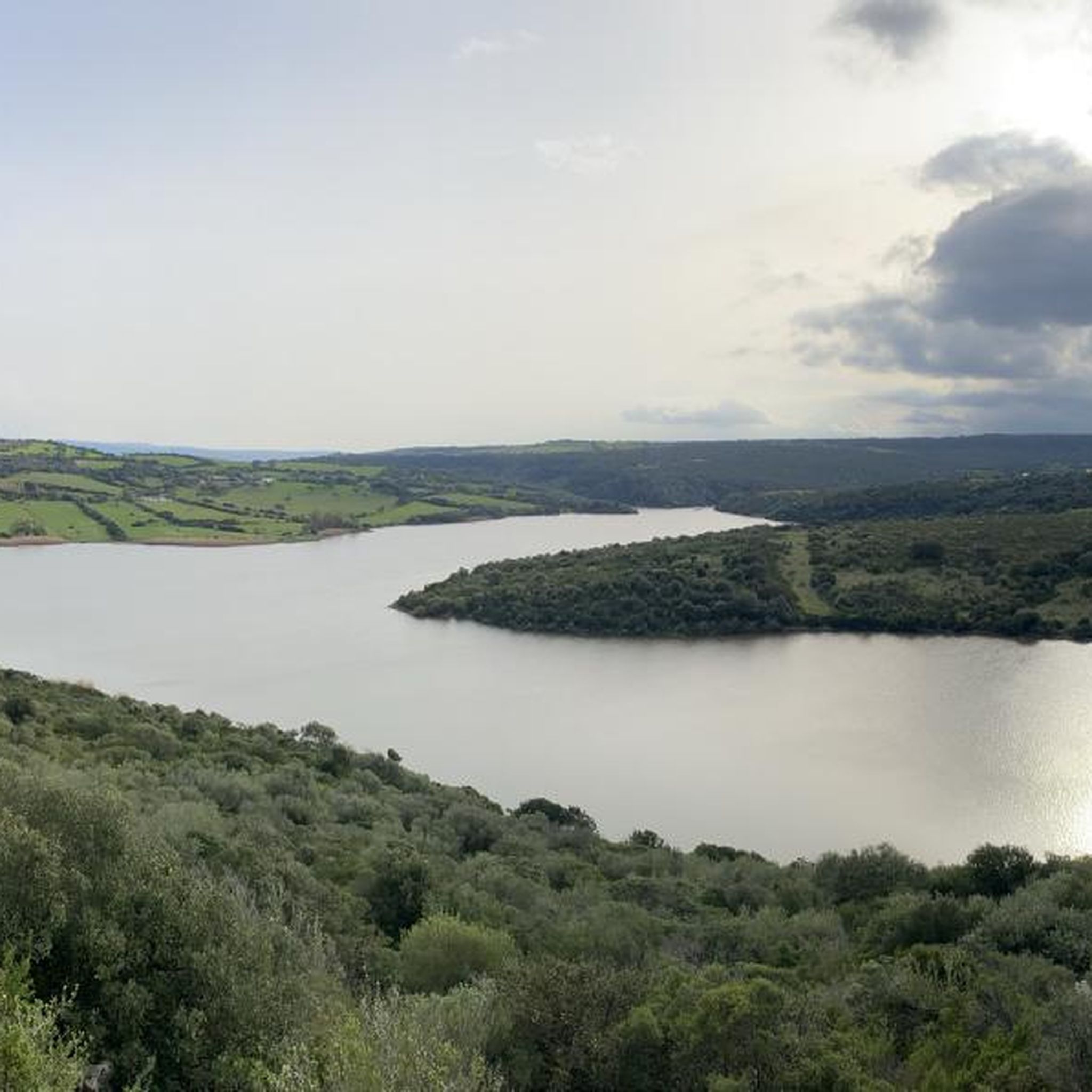
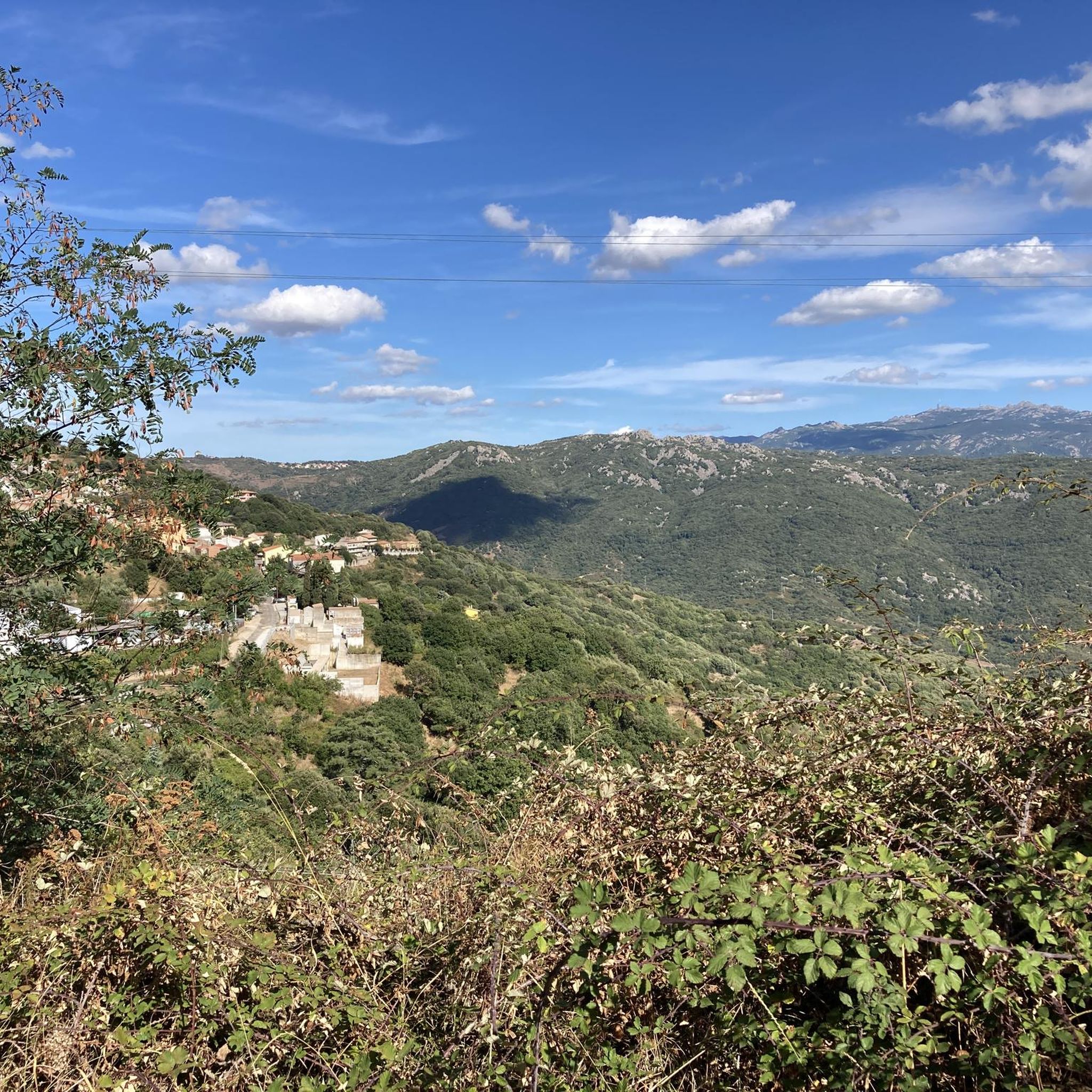
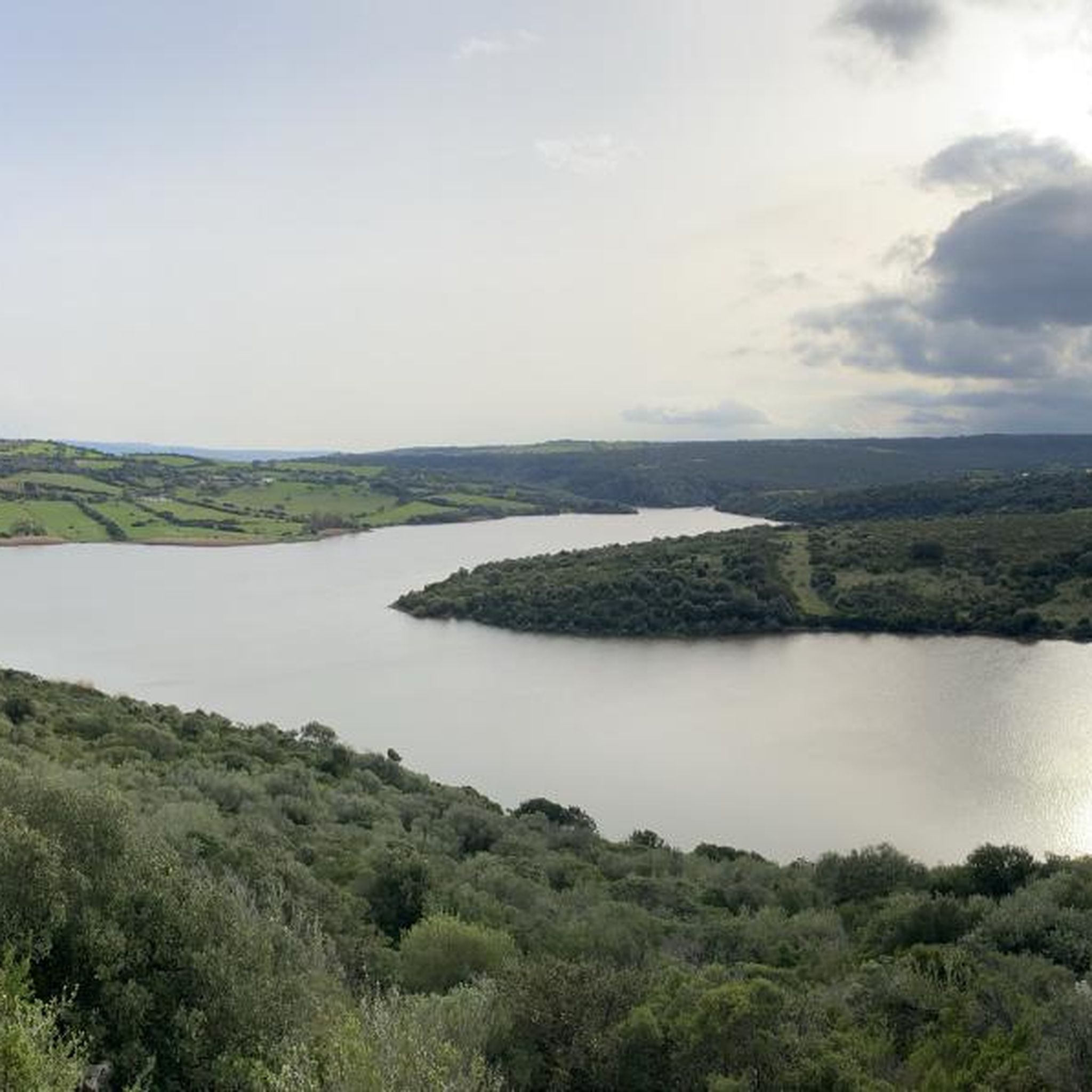
Best attractions and places to see around Bultiggjata/Bortigiadas include a blend of cultural, historical, and natural sites in northeastern Sardinia. This small town in the Gallura region is characterized by picturesque landscapes, green mountains, and distinctive granite formations. Visitors can explore ancient human artifacts, historic churches, and traditional rural settlements. The area also offers natural features such as the Coghinas River and panoramic viewpoints like Punta Salizi.
Best attractions and places to see around Bultiggjata/Bortigiadas
- The most popular attractions is Tempio Pausania (Sardinia), a historical settlement known for its granite architecture. Its historical center features medieval streets and granite buildings, earning it the name 'city of stone'.
- Another must-see spot is San Pietro Beach and the Coghinas Lagoon, a beach and natural area. This location offers a contrast of white sand with the blue waters of the river and the sea, providing opportunities for swimming and watersports.
- Visitors also love St. Peter's Cathedral, a Roman Catholic church in Tempio Pausania. Built starting in the 13th century, it features a baroque style interior with a single nave and four chapels.
- Bultiggjata/Bortigiadas is known for its historical sites, religious buildings, and natural landscapes. The region offers a variety of attractions to see and explore, from ancient relics to scenic viewpoints.
- The attractions around Bultiggjata/Bortigiadas are appreciated by the komoot community, with 5 highlights and 44 photos shared by users. These spots have received 30 upvotes, indicating their appeal to outdoor enthusiasts.
Last updated: May 9, 2026
Tempio Pausania (Sardinia)
Highlight • Settlement
Source: de.wikipedia.org/wiki/Tempio_Pausania
Translated by Google •
Tip by

San Pietro Beach and the Coghinas Lagoon
Highlight • Beach
It's great to swim alternating between the sea and the river.
Translated by Google •
Tip by

Sign up now to discover places like this
Get recommendations on the best single tracks, peaks, & plenty of other exciting outdoor places.
Sign up for free
St. Peter's Cathedral
Highlight • Religious Site
Translated by Google •
Tip by
Church of Santa Croce
Highlight • Religious Site
It is very ancient, perhaps older than the cathedral itself, and certainly contemporary with the Church of the Rosary. This is evidenced by the rock left after the recent restoration, which bears the carved Greek letter Y (gamma), representing the number 3, the three persons of the Holy Trinity. This rock was the altar stone, reminiscent of Christ Rock Corner Head, on which the church was founded.
It was built in the Romanesque style and renovated in the 16th century with a terracotta barrel vault. On the façade, you can admire a marble plaque from 1830 depicting the Confraternity of Santa Croce, which was housed in this church. It was an important, economically independent church. The brothers wore a white, hooded cloak that they pulled over their faces. They were affiliated to the Archconfraternity of the Gonfalone, founded in Rome, and as such enjoyed privileges granted to them by Pope Gregory, including religious week, religious theater, processions, popular festivals in city centers and rural churches, as well as aid to the poor, the sick, prisoners, and the settlement of disputes between rival families. The members of the confraternity played a very important role in the civic and religious community of Tempi. The confraternity's distinctive feature was to revive a symbolism and a cultural and religious activity that already belonged to the Templars and, like the Templar Order, was suppressed by the authority of the Church. In fact, on December 21, 1813, Bishop Monsignor Paradiso suppressed the Confraternity of the SS. Crucified for the excessive autonomy it displayed with regard to the provisions of the Church. From this point on, the church slowly declined, was practically abandoned, and gradually degraded to an oratory, a religious building with an ancillary function to the cathedral. In this church, the largest of the churches, the nobles of Tempio met with the clergy on April 29, 1679, to decide on the construction of the Capuchin Poor Clares Convent.
Source: comuneditetempiopausania.it/chiesa-di-santa-croce
Translated by Google •
Tip by

Oratory of the Rosary
Highlight • Religious Site
The building's plan consists of a single nave with a gabled wooden roof interrupted by granite ribs that form large pointed arches under the roof. The presbytery area is covered by a barrel vault. The interior walls of the church are plastered. A marked heterogeneity of styles can be seen on the façade: the 15th-century portal (placed along the axis of symmetry) and the elegantly curved crown. The building is made of exposed masonry made of granite blocks.
Source: it.wikipedia.org/wiki/Oratorio_del_Rosario_(Tempio_Pausania) catalogo.beniculturali.it/detail/ArchitecturalOrLandscapeHeritage/2000047684
Translated by Google •
Tip by
Sign up for free to discover even more attractions around Bultiggjata/Bortigiadas.
Sign up for free
Already have an account?
Start today with a free account
Your next adventure awaits.
Login or Signup

Tips from the Community

This church, dedicated to the Holy Cross (Latin: "Santa Croce"), derives its patronage from the cross on which Jesus Christ died. The veneration of the Holy Cross largely originates from Saint Helena, the mother of Emperor Constantine the Great (who, after his victory at the Milvian Bridge in front of Rome, recognized Christianity as a religion and ended the long period of persecution with the Edict of Toleration of Milan in 312). She made a pilgrimage to the Holy Land (Israel/Palestine) in the early fourth century and brought numerous relics back to Europe, including the "True Cross," on which Jesus Christ was crucified. Therefore, Helena is often depicted with a cross as an attribute. The Church celebrates the Feast of the Discovery, public presentation, and veneration of the Holy Cross—called the "Exaltation of the Holy Cross"—on September 14th.
0
0
This church is not simply dedicated to the Blessed Virgin Mary, but its patronage bears a special suffix. Marian churches are often dedicated to her "Immaculate Conception," Nativity, or Assumption, but this church is dedicated to a prayer that was very popular in popular piety in earlier times and is still practiced today in many parishes and private households (at least among the older generation): the Rosary. According to ancient tradition, there were three versions that were meditated on: + the Joyful Mysteries + the Sorrowful Mysteries + the Glorious Mysteries Pope John Paul II (Karol Wojtyla) added + the Luminous Mysteries.
0
0

A walk through the pretty and quiet Tempio Pausania is highly recommended.
1
0
The church dedicated to San Pietro Apostolo, cathedral of the diocese of Tempio-Ampurias, stands in the heart of the historic center. Built starting from 1200, the medieval granite building underwent various changes over the centuries, from the construction of the bell tower in the 16th century to the expansion works completed in 1827. The inauguration and consecration took place on June 2, 1839 by the bishop Monsignor Capece, who commissioned many of the marble furnishings of San Pietro. The church presents itself 2 St. Peter's Basilica in baroque style. It consists of a single nave with four chapels on each side. The very simple façade, slightly enlivened by the splayed portal and the two round-arched windows of the upper part, is deprived of its function by the much more complex side on the right side. with pediment openings, oculi decorated with mosaics and the articulation of the surface by pairs of strongly raised pilasters. The interior, in the nave, covered by a grooved barrel vault, has four chapels on each side and a semicircular apse where the wooden "choir" is located, the individual columns are deeper, forming almost a transept, to which the large raised and apsidal area of the presbytery is attached. The last restoration works date back to 2007: thanks to them, the vault has regained its ancient colors, with bright green tones that highlight the nineteenth-century marble furnishings in baroque-Genoese style, including the main altar, the pulpit, the baptismal font and some statues. The cathedral is equipped with a beautiful organ by Paolo Ciresa, dating from 1980, consisting of 25 registers and 1726 pipes. Source: https://comuneditempiopausania.it/cattedrale-san-pietro/
0
0
The Church of Santa Croce stands next to the cathedral. The bell tower of the cathedral itself, built between the end of the 15th and the beginning of the following century, forms a single body with Santa Croce. From the cathedral, you can access it through a small door to the left of the presbytery. It is very ancient, perhaps older than the cathedral itself, and certainly contemporary with the Church of the Rosary. This is evidenced by the rock left after the recent restoration, which bears the carved Greek letter Y (gamma), representing the number 3, the three persons of the Holy Trinity. This rock was the altar stone, reminiscent of Christ Rock Corner Head, on which the church was founded. It was built in the Romanesque style and renovated in the 16th century with a terracotta barrel vault. On the façade, you can admire a marble plaque from 1830 depicting the Confraternity of Santa Croce, which was housed in this church. It was an important, economically independent church. The brothers wore a white, hooded cloak that they pulled over their faces. They were affiliated to the Archconfraternity of the Gonfalone, founded in Rome, and as such enjoyed privileges granted to them by Pope Gregory, including religious week, religious theater, processions, popular festivals in city centers and rural churches, as well as aid to the poor, the sick, prisoners, and the settlement of disputes between rival families. The members of the confraternity played a very important role in the civic and religious community of Tempi. The confraternity's distinctive feature was to revive a symbolism and a cultural and religious activity that already belonged to the Templars and, like the Templar Order, was suppressed by the authority of the Church. In fact, on December 21, 1813, Bishop Monsignor Paradiso suppressed the Confraternity of the SS. Crucified for the excessive autonomy it displayed with regard to the provisions of the Church. From this point on, the church slowly declined, was practically abandoned, and gradually degraded to an oratory, a religious building with an ancillary function to the cathedral. In this church, the largest of the churches, the nobles of Tempio met with the clergy on April 29, 1679, to decide on the construction of the Capuchin Poor Clares Convent. Source: https://comuneditetempiopausania.it/chiesa-di-santa-croce/
2
0
The Rosary Oratory stands in Piazza San Pietro, in front of the Cattedrale di San Pietro. Built in the 15th century, the oratory houses an 18th-century sculptural retable with a frontal dating from 1621 and a 17th-century marble basin. The building's plan consists of a single nave with a gabled wooden roof interrupted by granite ribs that form large pointed arches under the roof. The presbytery area is covered by a barrel vault. The interior walls of the church are plastered. A marked heterogeneity of styles can be seen on the façade: the 15th-century portal (placed along the axis of symmetry) and the elegantly curved crown. The building is made of exposed masonry made of granite blocks. Source: https://it.wikipedia.org/wiki/Oratorio_del_Rosario_(Tempio_Pausania) https://catalogo.beniculturali.it/detail/ArchitecturalOrLandscapeHeritage/2000047684
1
0

The view is simply stunning, thanks to the contrast of colors between the very white sand and the two extensions of blue, that of the river and the sea. San Pietro beach is a long and wide stretch of soft, golden sand, which extends from the west, from La Ciaccia, to the mouth of the Coghinas river in the east, passing near the small church and settlement of San Pietro a Mare. It's great to swim alternating between the sea and the river.
4
0

Tempio Pausania (Gallurese: Tempiu) is one of the capitals of the province of Nord-Est Sardegna in north-eastern Sardinia. The city is the seat of the bishop and the court. Source: https://de.wikipedia.org/wiki/Tempio_Pausania
4
0
Frequently Asked Questions
What historical and cultural sites can I explore in Bultiggjata/Bortigiadas?
Bultiggjata/Bortigiadas offers a rich array of historical and cultural sites. You can visit the Tempio Pausania (Sardinia), known for its granite architecture and medieval streets. Other notable sites include the St. Peter's Cathedral, the Church of Santa Croce, and the Oratory of the Rosary. The area also features ancient human artifacts like the Domus de Janas of Tisiennari and the Open-Air Museum of the 'Stazzi' Civilisation, dedicated to traditional rural settlements.
What natural features can I explore around Bultiggjata/Bortigiadas?
The region boasts diverse natural beauty. You can visit San Pietro Beach and the Coghinas Lagoon, offering a stunning contrast of white sand and blue waters. The territory extends to the Coghinas River, and you can find distinctive granite formations and forests throughout the landscape. Punta Salizi (Monte Salizi) is famous for its wind-sculpted rocks and panoramic views amidst Mediterranean scrub and cork oak woods.
Are there opportunities for hiking near Bultiggjata/Bortigiadas?
Yes, the mountainous terrain around Bultiggjata/Bortigiadas, including areas like Punta Salizi and Monte Limbara, provides excellent opportunities for hiking. You can find various trails, including loops around unique rock formations like Lu Frati e La Monza. For detailed routes, explore the Hiking around Bultiggjata/Bortigiadas guide, which includes easy options like the Lake Santa Degna loop and moderate trails such as the Rock Formations Hiking Trail.
What about cycling or mountain biking in the area?
Bultiggjata/Bortigiadas offers routes for both cycling and gravel biking. The region's diverse landscape provides challenging and scenic rides. You can find routes like the 'At the foot of Monte La Trona' for gravel biking or the 'Coghinas River Delta loop' for cycling. Discover more options in the Gravel biking around Bultiggjata/Bortigiadas guide and the Cycling around Bultiggjata/Bortigiadas guide.
Are there any museums in Bultiggjata/Bortigiadas?
Yes, Bultiggjata/Bortigiadas is home to the Mineralogical Museum (Museo Mineralogico). Established in 1984, it houses an impressive collection of 800 mineral samples, many of which are unique to Sardinia and sourced locally. The museum focuses on Sardinian minerals, particularly those from the Gallura region.
What kind of views can I expect in Bultiggjata/Bortigiadas?
Bultiggjata/Bortigiadas offers stunning panoramic views. From the town square, you can enjoy vistas of the surrounding green mountains. Belvedere Square also provides a wonderful view of Mount Limbara. Additionally, Punta Salizi offers splendid panoramic views over the Mediterranean scrub and cork oak woods.
Are there family-friendly attractions around Bultiggjata/Bortigiadas?
Many attractions in the area are suitable for families. Tempio Pausania (Sardinia), with its historical center, and San Pietro Beach and the Coghinas Lagoon, perfect for swimming and watersports, are both considered family-friendly. Historic churches like St. Peter's Cathedral and the Church of Santa Croce also welcome families.
What is the best time to visit Bultiggjata/Bortigiadas for outdoor activities?
The region's Mediterranean climate makes spring and autumn ideal for outdoor activities like hiking and cycling. During these seasons, the weather is typically mild and pleasant, perfect for exploring the natural landscapes and historical sites without the intense heat of summer.
Can I experience local culture or traditions in Bultiggjata/Bortigiadas?
Absolutely. You can explore the village's narrow streets in the Old Town (Centro Storico) to meet locals and experience an authentic atmosphere. The Open-Air Museum of the 'Stazzi' Civilisation provides insight into the region's traditional rural settlements and culture. The local economy also has a strong focus on viticulture, producing the renowned Vermentino di Gallura wine, offering a taste of local tradition.
What are some unique natural formations to see?
Punta Salizi (Monte Salizi) is particularly notable for its rocks, which have been sculpted into marvelous natural forms by centuries of wind erosion. These unique granite formations are set within beautiful Mediterranean scrub and cork oak woods, offering a distinctive natural spectacle.
What do visitors enjoy most about Bultiggjata/Bortigiadas?
Visitors appreciate the blend of cultural, historical, and natural sites. The picturesque landscapes, green mountains, and distinctive granite formations are highly valued. The komoot community has shared 44 photos and given 30 upvotes to the attractions, highlighting their appeal to outdoor enthusiasts and those seeking authentic experiences.
Most popular routes around Bultiggjata/Bortigiadas
Most popular attractions around Bultiggjata/Bortigiadas

Get inspired with the komoot mobile app


Explore more
Still not found the Highlight you’re looking for? See guides of the top attractions in other regions:
