Attractions and Places To See around Telti - Top 20
Best attractions and places to see around Telti, a traditional agro-pastoral town in Gallura, Sardinia, offers a blend of natural beauty and historical sites. Located 15 kilometers from Olbia, the area is characterized by granite formations and lush vegetation. Evidence of human presence dates back to the Neolithic period, with numerous pre-Nuragic and Nuragic settlements. The region is abundant with springs and streams, supporting impressive forests of holm and cork oaks.
Best attractions and places to see around Telti
- The most popular attractions is Elephant Rock of Telti, a natural monument that resembles an elephant. It is a striking natural landmark, particularly when viewed towards Monte Pino.
- Another must-see spot is Church of Saint Paul the Apostle, Olbia, an 18th-century Catholic church in Olbia's historic center. Built entirely of granite, it features a sober bell tower and a polychrome dome.
- Visitors also love Olbia Archaeological Museum, a modern historical site located on the harbor. It showcases artifacts from Nuragic culture, Greek, and Roman finds, including well-preserved shipwrecks during summer months.
- Telti is known for historical sites, natural monuments, and cultural insights. Visitors can explore ancient settlements, unique rock formations, and significant religious buildings.
- The attractions around Telti are appreciated by the komoot community, with over 100 upvotes and 70 photos shared.
Last updated: May 9, 2026
Church of Saint Paul the Apostle, Olbia
Highlight • Religious Site
Parish Church of St. Paul the Apostle
The Church of St. Paul is a Catholic Christian church dating back to the eighteenth century and is located in the historic center of the city. Built at the highest point of Olbia, in that part which, according to some scholars, could have been the area of the Punic and Roman acropolis, considering the finds of a temple construction dating back to the mid-fourth century BC, identified with the sanctuary of Melqart - Hercules. A piece of wall that must have surrounded the temple structure was also found, as well as fragments of archaic Greek ceramics. Inside there are panels in which the translation of the Latin writings on the phases of the life and conversion of St. Paul is given. The church, made entirely of granite, has a sober bell tower to which a polychrome dome has been added, giving it an evocative appearance. Originally it had a rectangular hall with an apse and three side chapels. However, many details of this church were lost during the expansion work.
Text / Source: Portodiolbia.it
portodiolbia.info/it/directory/chiesa-parrocchiale-di-san-paolo-apostolo
Translated by Google •
Tip by

Olbia Archaeological Museum
Highlight • Historical Site
National Archaeological Museum - Museo Archeologico di Olbia
The modern building of the National Archaeological Museum (Museo Archeologico di Olbia) is located right on the harbor. Distributed across several thematically organized rooms, interested visitors will find not only relics of the Nuragic culture from the Bronze Age, but also finds from the Greeks and Romans from antiquity. The range of exhibits extends to the 19th century. In addition to interesting excavation finds, two well-preserved shipwrecks are also on display, although these can only be viewed in the summer months. Admission to the museum is free!
Text / Source: Ufficio Informazioni Turistiche Olbia, Piazza Terranova Pausania, 1 - 07026 Olbia
helloolbia.com/museo-archeologico-olbia
Translated by Google •
Tip by
Sign up now to discover places like this
Get recommendations on the best single tracks, peaks, & plenty of other exciting outdoor places.
Sign up for free
Pedres Castle
Highlight • Castle
Until 1296, Nino Visconti was judge of Gallura (he was also the last), who used it for military purposes. His daughter Giovanna, who was unable to succeed him, took over his real estate assets, including this castle.
The fortress's main role was to defend Civita and the borders with the Judicate of Torres.
Originally the castle was equipped with four towers and was characterized by two squares, an upper and a lower one, surrounded by polygonal walls, accessible by stairs made of large granite blocks. In the upper square two ruined rooms are still visible, one of them with a groin vault, a cistern to collect rainwater and the keep, originally divided into four floors and allowing control of the area up to the Gulf of Olbia. Access to the tower was about 6 meters high and was via extendable wooden ladders.
In 1339 the castle was entrusted to the Hospitallers of Saint John of Jerusalem. From the second half of the 14th century it was occupied by the Aragonese and then by the Judicate of Arborea. At the beginning of the 15th century there was a final abandonment, which was accompanied by the decline and depopulation of Civita (later Terranova Pausania).
Most of the damage the fortress has suffered is due to neglect and neglect over the past few decades, but some is also due to the bombing of the last war.
In the years following the conflict, it was also used as a functional structure for the administration of the nearby Olbia-Venafiorita airport.
Source: it.wikipedia.org/wiki/Castello_di_Pedres
Translated by Google •
Tip by

Elephant Rock of Telti
Highlight • Natural Monument
Translated by Google •
Tip by

Museo del Sughero (Cork Museum) Calangianus
Highlight • Monument
How is it possible that Calangianus, a remote town in the Gallura hinterland, was included in the last century among the 100 most industrialized municipalities in Italy? The answer is very simple: cork. The process, which officially began in 1851, soon made Calangianus a fortune: in a short time, workshops were built that employed hundreds of people from the surrounding villages. Finally, this resource, which had always been so widespread in the region, was exploited on a large scale. In fact, in 1906, cork was successfully presented at the International Exhibition in Milan. The first edition of the Cork Fair dates back to 1978.
Text / Source: Ministro del Turismo Republica Italiana
italia.it/it/sardegna/museo-del-sughero
Translated by Google •
Tip by
Sign up for free to discover even more attractions around Telti.
Sign up for free
Already have an account?
Start today with a free account
Your next adventure awaits.
Login or Signup

Tips from the Community

This church in Olbia is dedicated to Saint Paul. He was initially an opponent of the Christian movement and, unlike the other apostles, was not called to the apostleship by Jesus Christ during his lifetime, but was converted later by the famous "Damascus Road experience" (see Acts, chapter 9). His attribute, with which he is almost always depicted in paintings or as a statue, is the sword he holds in one hand, with which he was executed for his confession of faith in Jesus Christ. Such a sentence was, according to the law of the time, a "privilege" reserved only for those with Roman citizenship (because it guaranteed a swift death and was not, like other forms of execution, associated with a long and agonizing death struggle). Peter and Paul (Santi Pietro e Paolo) are also known together as the "Princes of the Apostles," and their joint feast day in the liturgical calendar is June 29.
0
0

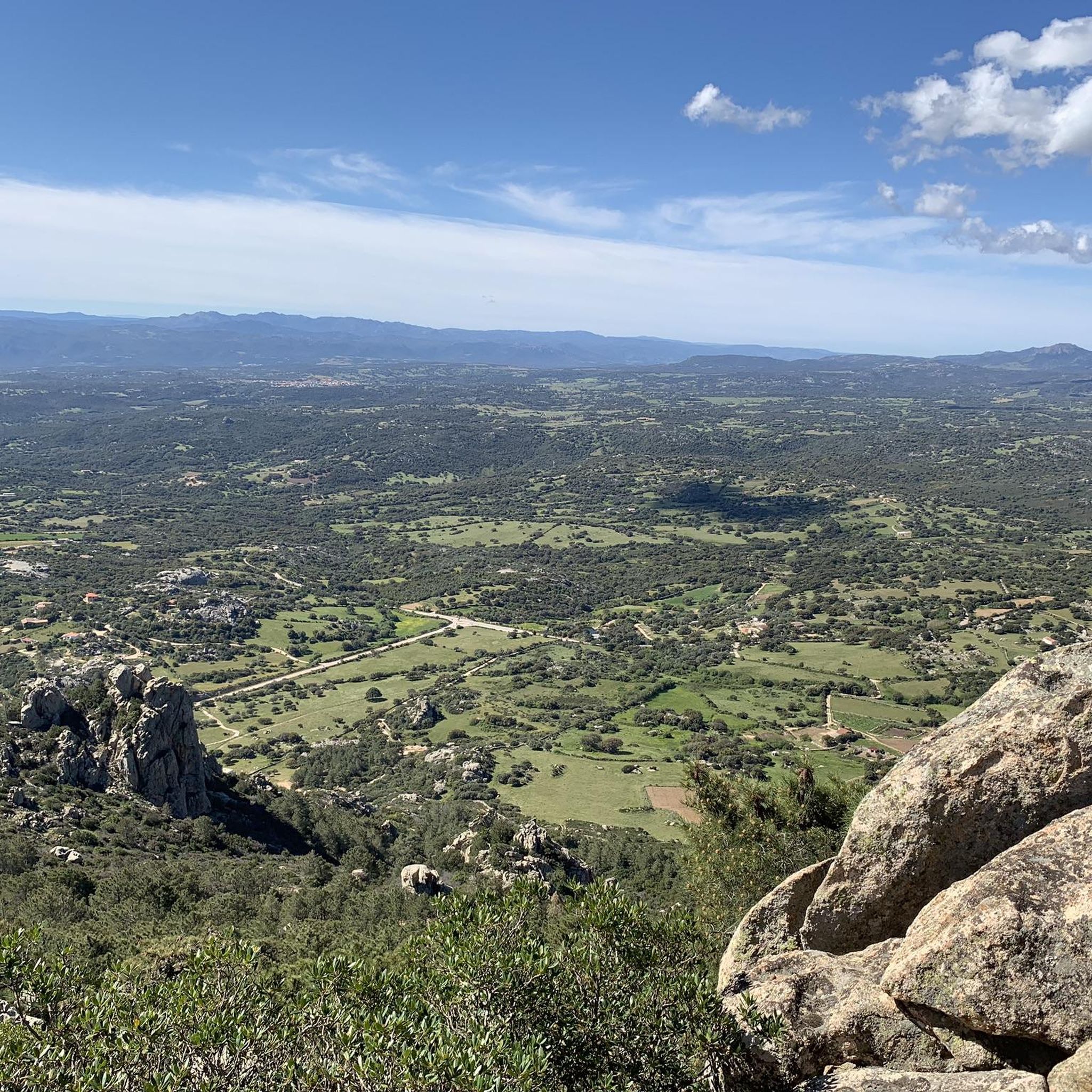
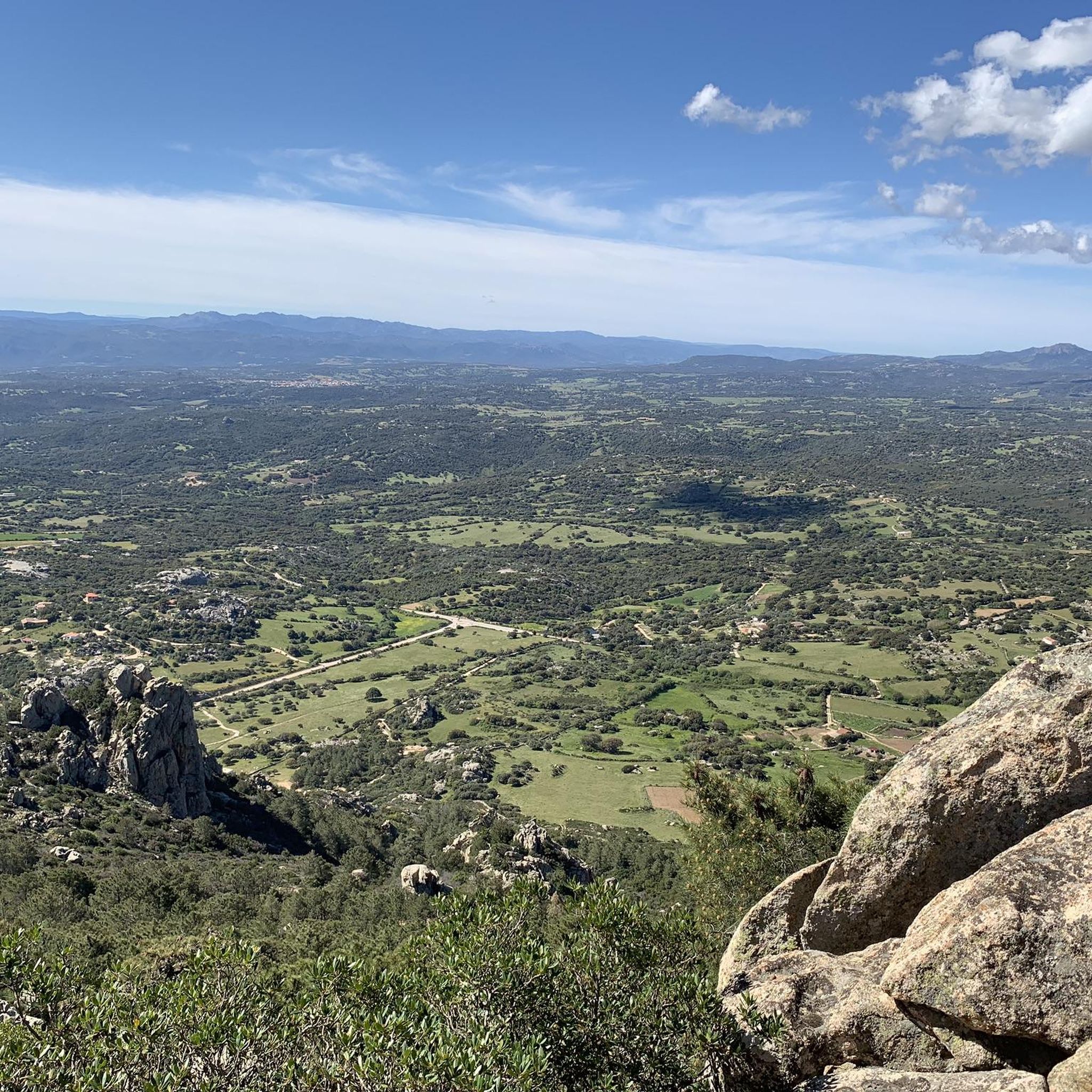
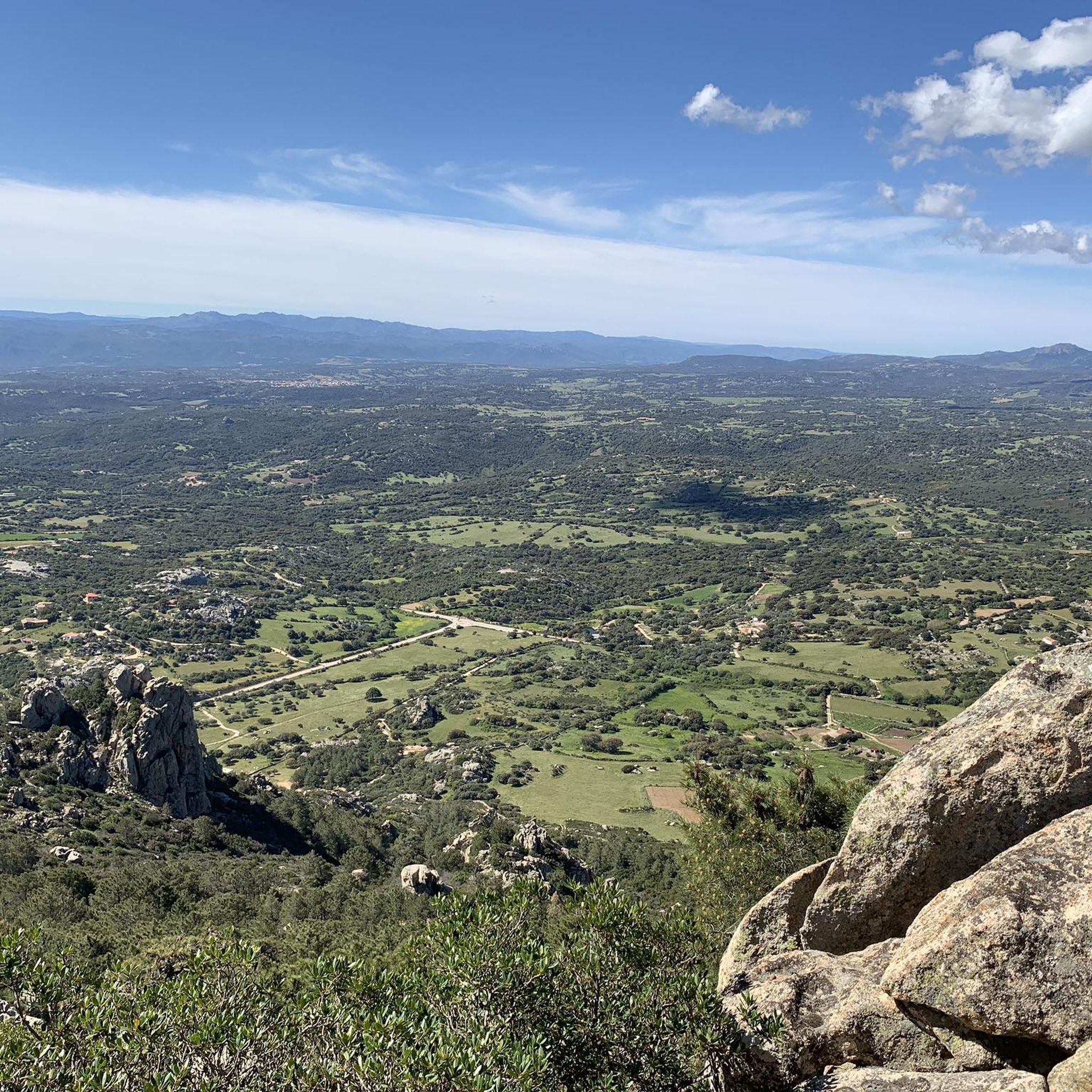
The short climb is worth it - you have a great view of the surrounding area and over Olbia.
0
0

The top is covered with colored tiles and looks great... it's a beautiful church ⛪️
0
0

Museo del Sughero / Cork Museum, Calangianus How is it possible that Calangianus, a remote town in the Gallura hinterland, was included in the last century among the 100 most industrialized municipalities in Italy? The answer is very simple: cork. The process, which officially began in 1851, soon made Calangianus a fortune: in a short time, workshops were built that employed hundreds of people from the surrounding villages. Finally, this resource, which had always been so widespread in the region, was exploited on a large scale. In fact, in 1906, cork was successfully presented at the International Exhibition in Milan. The first edition of the Cork Fair dates back to 1978. Text / Source: Ministro del Turismo Republica Italiana https://www.italia.it/it/sardegna/museo-del-sughero
14
0
Chiesa Parrocchiale di S.Paolo Apostolo di Olbia Parish Church of St. Paul the Apostle The Church of St. Paul is a Catholic Christian church dating back to the eighteenth century and is located in the historic center of the city. Built at the highest point of Olbia, in that part which, according to some scholars, could have been the area of the Punic and Roman acropolis, considering the finds of a temple construction dating back to the mid-fourth century BC, identified with the sanctuary of Melqart - Hercules. A piece of wall that must have surrounded the temple structure was also found, as well as fragments of archaic Greek ceramics. Inside there are panels in which the translation of the Latin writings on the phases of the life and conversion of St. Paul is given. The church, made entirely of granite, has a sober bell tower to which a polychrome dome has been added, giving it an evocative appearance. Originally it had a rectangular hall with an apse and three side chapels. However, many details of this church were lost during the expansion work. Text / Source: Portodiolbia.it https://www.portodiolbia.info/it/directory/chiesa-parrocchiale-di-san-paolo-apostolo
14
0
Museo Archeologico di Olbia National Archaeological Museum - Museo Archeologico di Olbia The modern building of the National Archaeological Museum (Museo Archeologico di Olbia) is located right on the harbor. Distributed across several thematically organized rooms, interested visitors will find not only relics of the Nuragic culture from the Bronze Age, but also finds from the Greeks and Romans from antiquity. The range of exhibits extends to the 19th century. In addition to interesting excavation finds, two well-preserved shipwrecks are also on display, although these can only be viewed in the summer months. Admission to the museum is free! Text / Source: Ufficio Informazioni Turistiche Olbia, Piazza Terranova Pausania, 1 - 07026 Olbia https://www.helloolbia.com/museo-archeologico-olbia/
15
0

The most important exhibits are the remains of several Roman wrecks that were found in the old harbor. I was very impressed by the size of these ships.
1
0

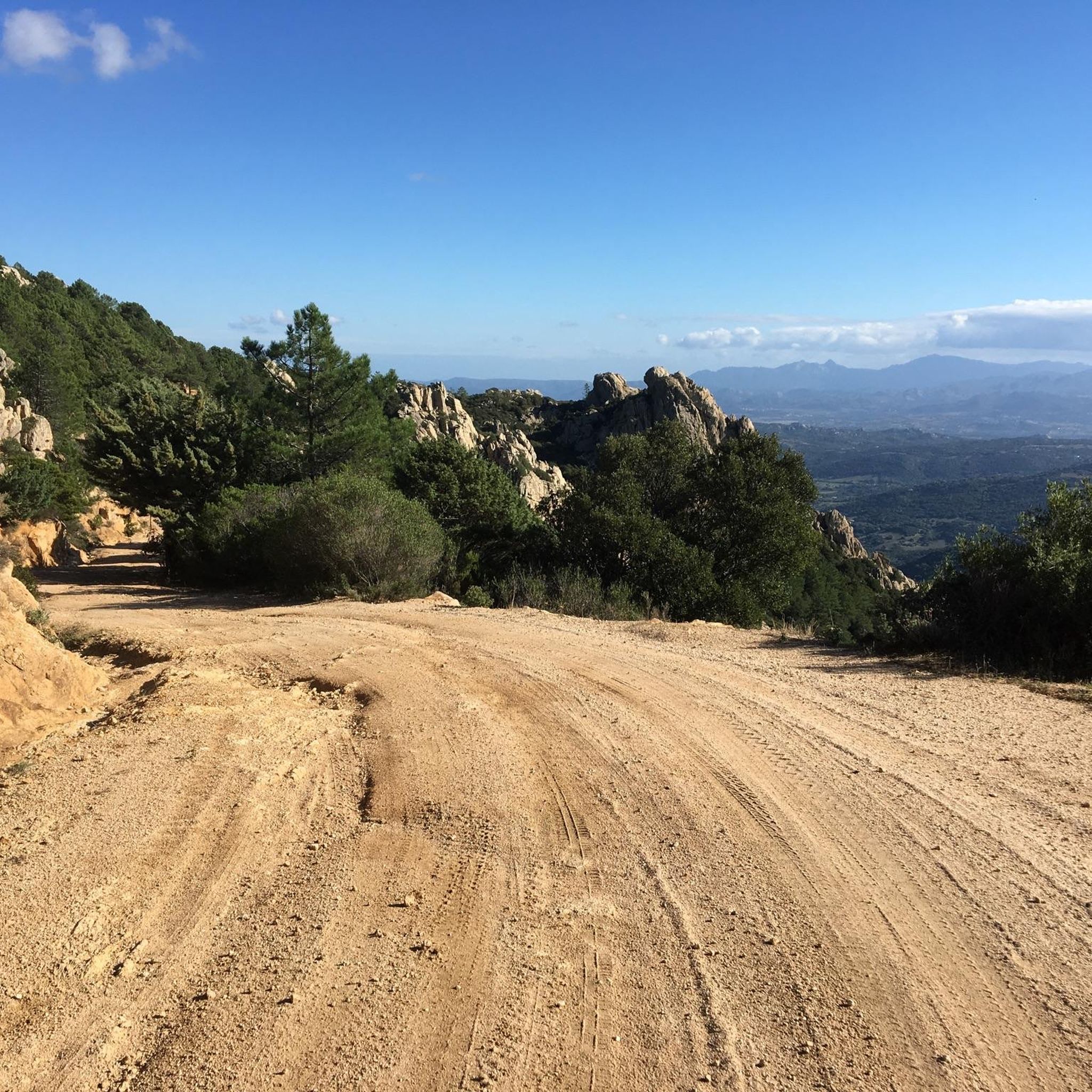
In Telti, near Monte Pino, you can see this fascinating rock immersed in a beautiful landscape. It has the shape of an elephant, at least that's what it looks like when you look at it from afar.
1
0
Frequently Asked Questions
What historical sites can I explore in and around Telti?
The Telti area is rich in history, with evidence of human presence dating back to the Neolithic period. You can find Pre-Nuragic and Nuragic settlements, including burials in granite formations and "domus de janas." Notable historical sites include the 17th-century Rural Church of San Bachisio and the Pedres Castle, a medieval fortress near Olbia. In Olbia, the Church of Saint Paul the Apostle and the Olbia Archaeological Museum also offer deep dives into the region's past.
Are there any museums in the Telti area?
Yes, Telti offers cultural insights through its museums. The Cultural and Natural Museum of Sardinia, located opposite the Church of Santa Vittoria in Telti, showcases local daily life, including traditional domestic spaces, animal life, botany, and minerals. Additionally, the Olbia Archaeological Museum, situated on the harbor in nearby Olbia, features artifacts from Nuragic culture, Greek, and Roman finds, including well-preserved shipwrecks during the summer months. Admission to the Olbia Archaeological Museum is free.
What natural landmarks are there to see near Telti?
Telti is surrounded by striking natural beauty. A must-see is the Elephant Rock of Telti, a fascinating rock formation that resembles an elephant, especially when viewed towards Monte Pino. The region is also characterized by evocative granite formations, lush vegetation, and an abundance of springs and streams, supporting impressive forests of holm and cork oaks, wild olives, and Mediterranean shrubs.
Are there opportunities for hiking near Telti?
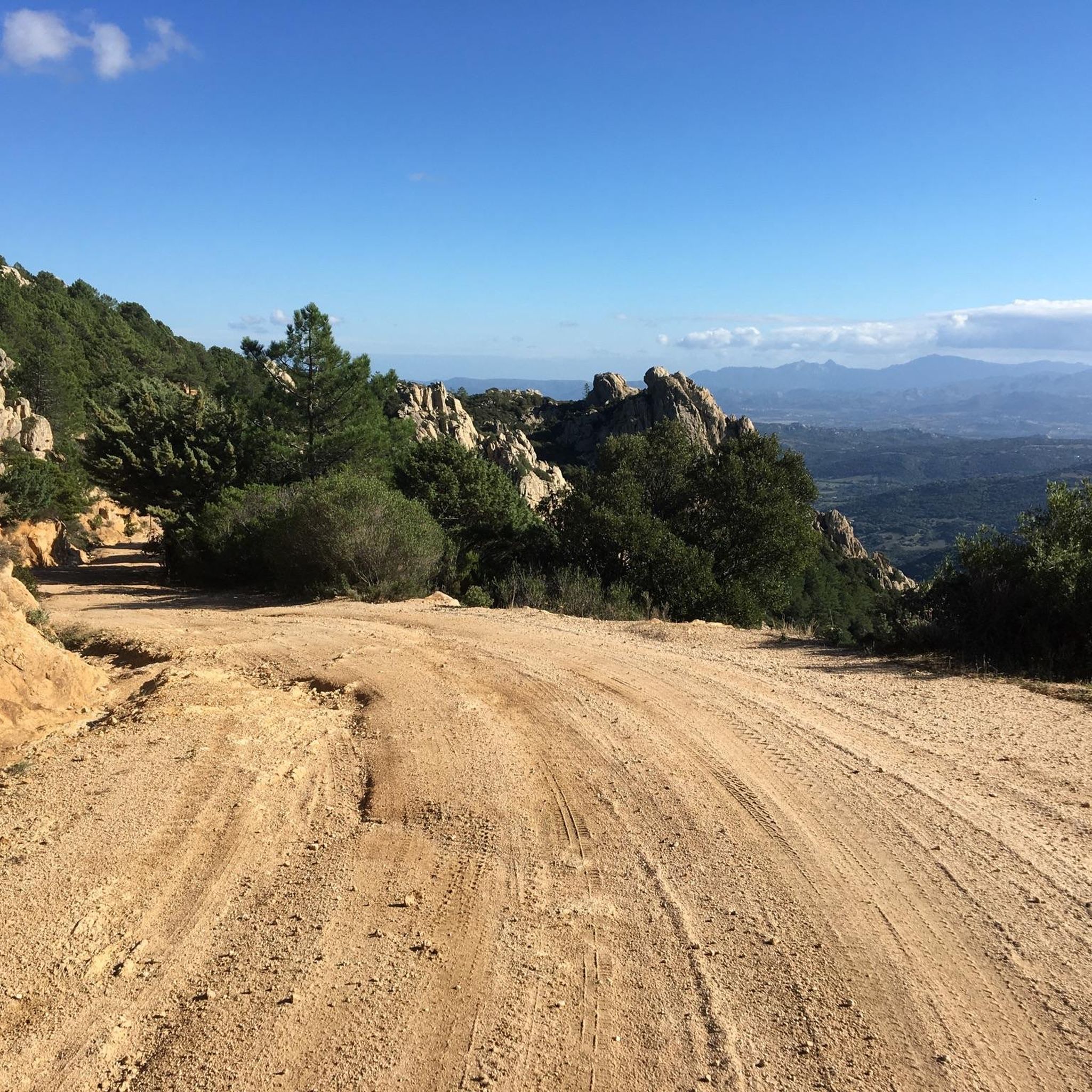
Absolutely! The area around Telti offers several hiking opportunities, particularly towards Monte Pino. You can find routes like the "Mount Pino – Elephant Rock of Telti loop" which is a moderate 9.5 km hike. Other options include the "View of the Valley – View of Olbia from Monte Pino loop." For more detailed information and a variety of trails, you can explore the Hiking around Telti guide.
What about cycling routes around Telti?
For cycling enthusiasts, Telti and its surroundings provide excellent gravel biking routes. Options include longer, more challenging rides like "Golfo Aranci and Porto Rotondo" (63.5 km) or "Monte Pino and the Roman aqueduct" (53.8 km). These routes often feature diverse terrain and scenic views. You can find more details on these and other cycling adventures in the Gravel biking around Telti guide.
Where can I find scenic viewpoints in the Telti area?
For panoramic views, the Pedres Castle offers a great vantage point of the surrounding area and Olbia after a short climb. The Elephant Rock of Telti itself is a striking natural landmark that provides a unique observation point, especially when walking towards Monte Pino, which also offers various scenic overlooks.
Are there family-friendly attractions in Telti?
Yes, several attractions around Telti are suitable for families. The Elephant Rock of Telti is a fascinating natural sight that children often enjoy. The Olbia Archaeological Museum offers engaging exhibits for various ages, and the Olbia Old Town is a pleasant place for a family stroll with many small restaurants and ice cream parlors.
What is the best time of year to visit Telti for outdoor activities?
The best time to visit Telti for outdoor activities like hiking and cycling is typically during the spring (April-May) and autumn (September-October) months. During these periods, the weather is generally mild and pleasant, making it ideal for exploring the natural landscapes and historical sites without the intense heat of summer. The lush vegetation is also particularly vibrant in spring.
Are there any easy walking trails suitable for beginners around Telti?
While many trails around Telti, especially those near Monte Pino, are rated as moderate, there are often shorter, less strenuous paths suitable for beginners or those looking for a leisurely walk. The area's natural beauty, with its springs and forests, provides a pleasant backdrop for easy strolls. For specific easy routes, it's recommended to check local trail maps or inquire at a tourist information center upon arrival.
What kind of vegetation and natural environment can I expect around Telti?
Telti is nestled in an area abundant with springs and streams, which contributes to its particularly thick and luxuriant vegetation. You can expect to see impressive forests of holm and cork oaks, wild olives, and a rich variety of Mediterranean shrubs. The landscape is also characterized by unique granite formations, adding to its distinctive natural charm.
Where can I find local food and drink in Telti?
Telti, as a traditional agro-pastoral town, offers opportunities to experience local Sardinian cuisine. While specific establishments are not detailed, the Olbia Old Town, just a short distance away, is known for its many small restaurants, cafes, and ice cream parlors, providing a wide range of dining options. Exploring the town centers of Telti and nearby communities will likely reveal authentic local eateries.
What religious sites are notable in Telti itself?
The historic center of Telti is built around the beautiful Church of Santa Vittoria, constructed entirely with exposed granite ashlars. The modern town also grew around the Churches of Sant'Anatolia and Santa Vittoria. Just outside the village, towards Calangianus, you can find the 17th-century Rural Church of San Bachisio, which is particularly known for its celebration in May with a community lunch.

Get inspired with the komoot mobile app


Explore more
Still not found the Highlight you’re looking for? See guides of the top attractions in other regions:
