Attractions and Places To See around Loiri-Poltu Santu Paolu/Loiri Porto San Paolo - Top 20
Best attractions and places to see around Loiri-Poltu Santu Paolu/Loiri Porto San Paolo offers a diverse range of natural landscapes and cultural sites in northeastern Sardinia, Italy. This municipality, formed by the merger of Loiri and Porto San Paolo, features both an inland village and a coastal area. Visitors can explore significant natural features like islands and beaches, alongside historical and cultural landmarks. The region is characterized by its Mediterranean scrub, granite outcrops, and ancient roots, including Nuragic period ruins.
Best attractions and places to see around Loiri-Poltu Santu Paolu/Loiri Porto San Paolo
- The most popular attractions is Rio Pitrisconi Natural Pools and Waterfalls, a waterfall that features a gorge with natural pools and a spectacular waterfall. This area is formed by the erosion of water on granite, creating a unique natural landscape.
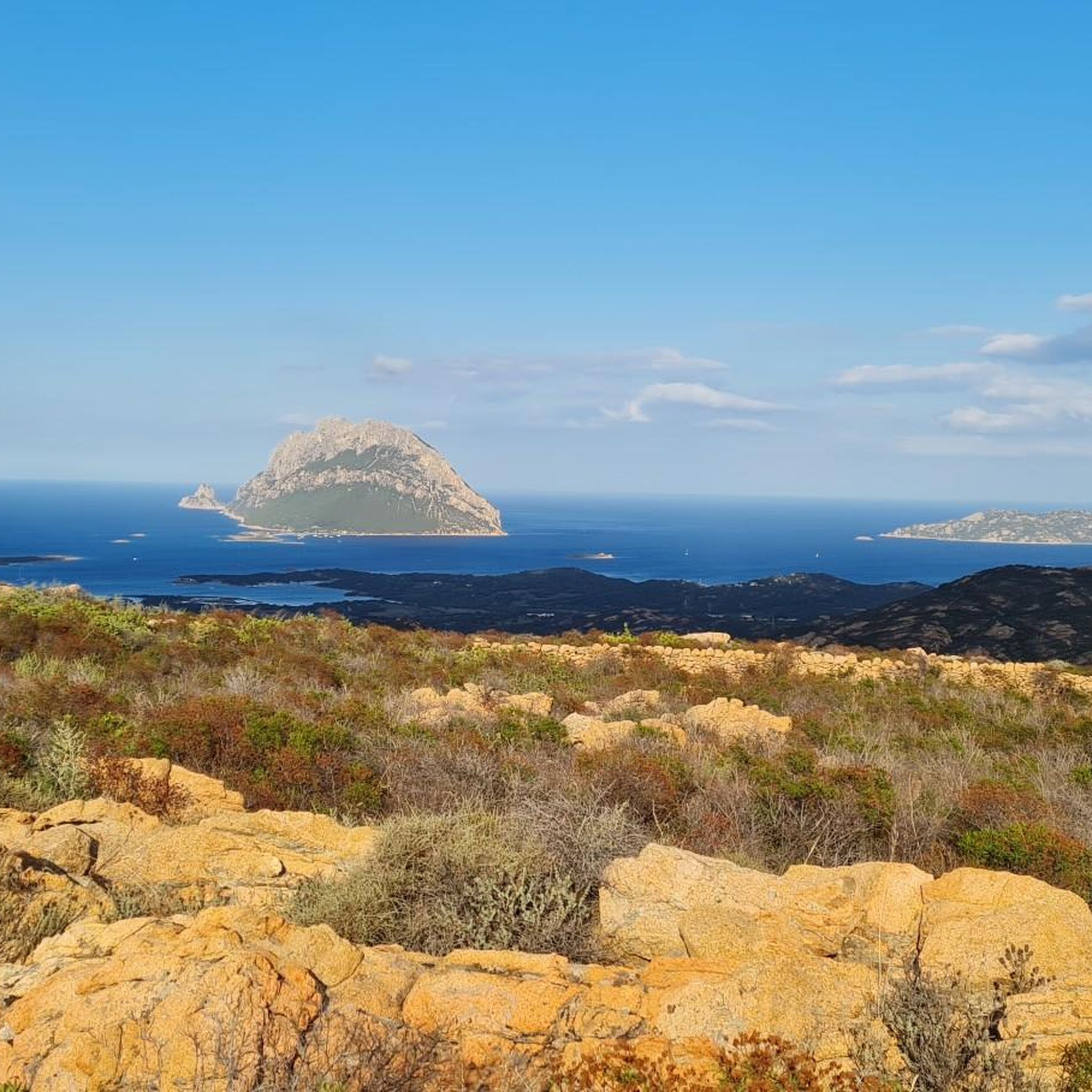
- Another must-see spot is Tavolara Island, an other_natural feature dominating the seascape. This island is accessible by boat and offers beaches, hiking trails, and a historic cemetery.
- Visitors also love La Cinta Beach and the San Teodoro Lagoon, a beach known for its length and the adjacent lagoon. It is a popular spot for its clear waters and natural surroundings.
- Loiri-Poltu Santu Paolu/Loiri Porto San Paolo is known for its diverse beaches, significant islands, and historical sites. The area offers a variety of attractions to see and explore, from coastal environments to inland cultural landmarks.
- The attractions around Loiri-Poltu Santu Paolu/Loiri Porto San Paolo are appreciated by the komoot community, with 156 upvotes and 133 photos shared across 10 highlights.
Last updated: May 9, 2026
Rio Pitrisconi Natural Pools and Waterfalls
Highlight • Waterfall
Translated by Google •
Tip by

Church of Saint Paul the Apostle, Olbia
Highlight • Religious Site
Parish Church of St. Paul the Apostle
The Church of St. Paul is a Catholic Christian church dating back to the eighteenth century and is located in the historic center of the city. Built at the highest point of Olbia, in that part which, according to some scholars, could have been the area of the Punic and Roman acropolis, considering the finds of a temple construction dating back to the mid-fourth century BC, identified with the sanctuary of Melqart - Hercules. A piece of wall that must have surrounded the temple structure was also found, as well as fragments of archaic Greek ceramics. Inside there are panels in which the translation of the Latin writings on the phases of the life and conversion of St. Paul is given. The church, made entirely of granite, has a sober bell tower to which a polychrome dome has been added, giving it an evocative appearance. Originally it had a rectangular hall with an apse and three side chapels. However, many details of this church were lost during the expansion work.
Text / Source: Portodiolbia.it
portodiolbia.info/it/directory/chiesa-parrocchiale-di-san-paolo-apostolo
Translated by Google •
Tip by

Sign up now to discover places like this
Get recommendations on the best single tracks, peaks, & plenty of other exciting outdoor places.
Sign up for free
La Cinta Beach and the San Teodoro Lagoon
Highlight • Beach
Translated by Google •
Tip by

Tavolara Island
Highlight • Natural
The first inhabitants on the coast about five kilometers offshore were Stone Age fishermen around 4000 BC. Chr.
At the beginning of the 19th century, the Corsican Giuseppe Bertoleoni and his family came to Sardinia and settled on the uninhabited island of Tavolara. When King Carlo Alberto of Sardinia landed on Tavolara in 1836, Giuseppe's son Paolo approached him and proclaimed: "The king of Tavolara welcomes the King of Sardinia and wishes him a pleasant stay in his kingdom."
Carlo Alberto found the joke amusing and gave him the island. This donation was confirmed by Bertoleoni in writing. [1] [2] The smallest kingdom of Europe was born. The descendants called themselves Karl I., Paul I. etc. Today the descendants of the "King Paolo" work as innkeepers and skippers.
On the island Tavorala lies since 1962 a half-island comprehensive military restricted area of NATO, on which a telecommunications and interception center is operated with long-wave transmitter.
Today, 15 to 20 people live on the island, all belonging to the Bertoleoni family. The small island cemetery, where you can find the tombs of the kings and their family, is located approximately in the middle of the shallow headland.
Source: de.wikipedia.org/wiki/Tavolara
Translated by Google •
Tip by

Brandinchi Beach
Highlight • Beach
The beach extends between Punta Sabbatino and Capo Coda Cavallo, a strip of granite land jutting out into the sea, almost in front of the imposing mass of Tavolara, a limestone mountain that emerges from the water and acts as the backdrop to a unique landscape. A long and narrow strip of white sand, fine and compact, plunges into clear, crystalline waters. The seabed is extremely shallow for several metres, creating a pool-like effect, ideal for swimming and children.
Translated by Google •
Tip by

Sign up for free to discover even more attractions around Loiri-Poltu Santu Paolu/Loiri Porto San Paolo.
Sign up for free
Already have an account?
Start today with a free account
Your next adventure awaits.
Login or Signup
Popular around Loiri-Poltu Santu Paolu/Loiri Porto San Paolo
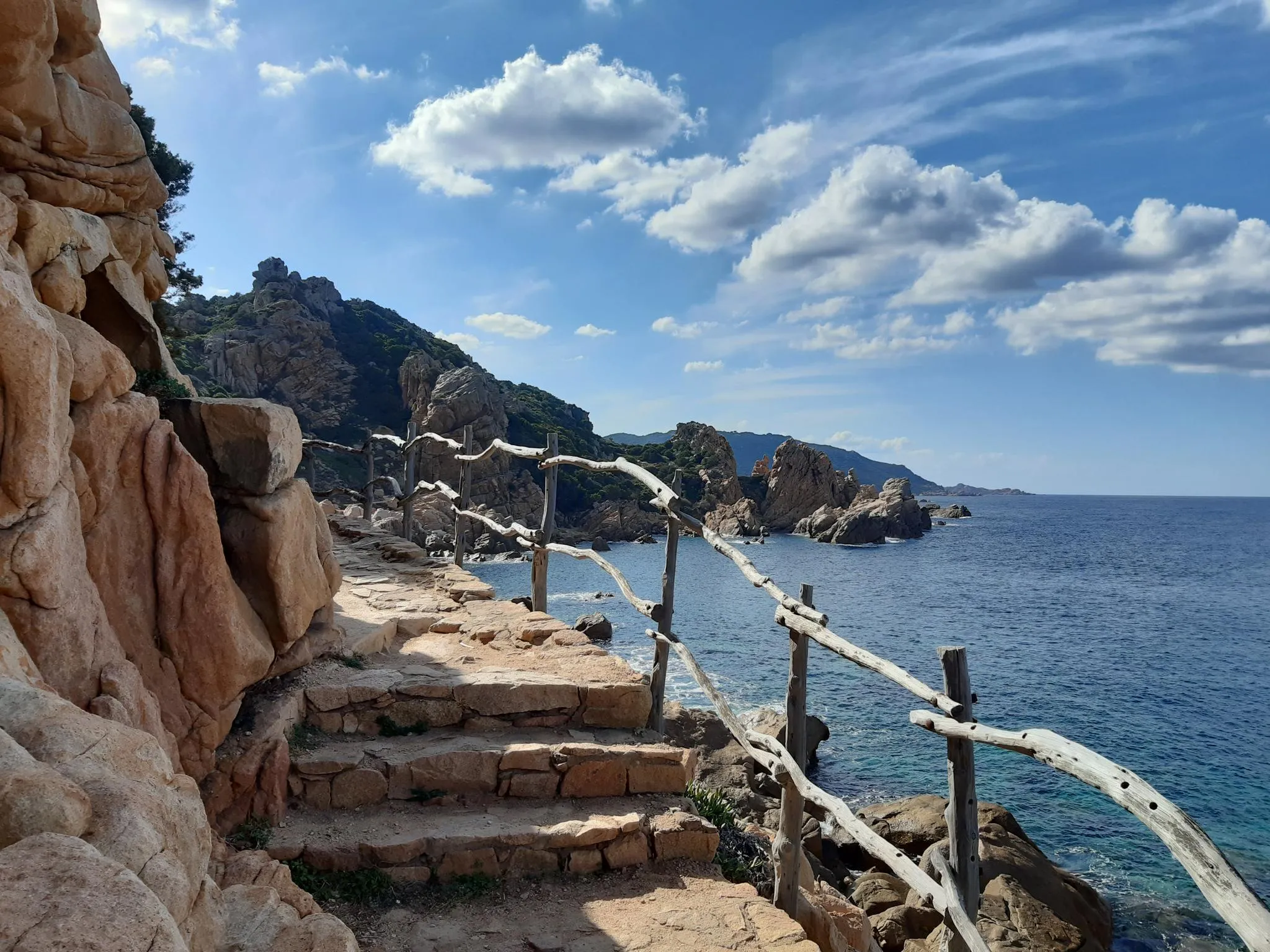
Budoni to Castelsardo on Italy's Via Gallura – Cammino 100 Torri
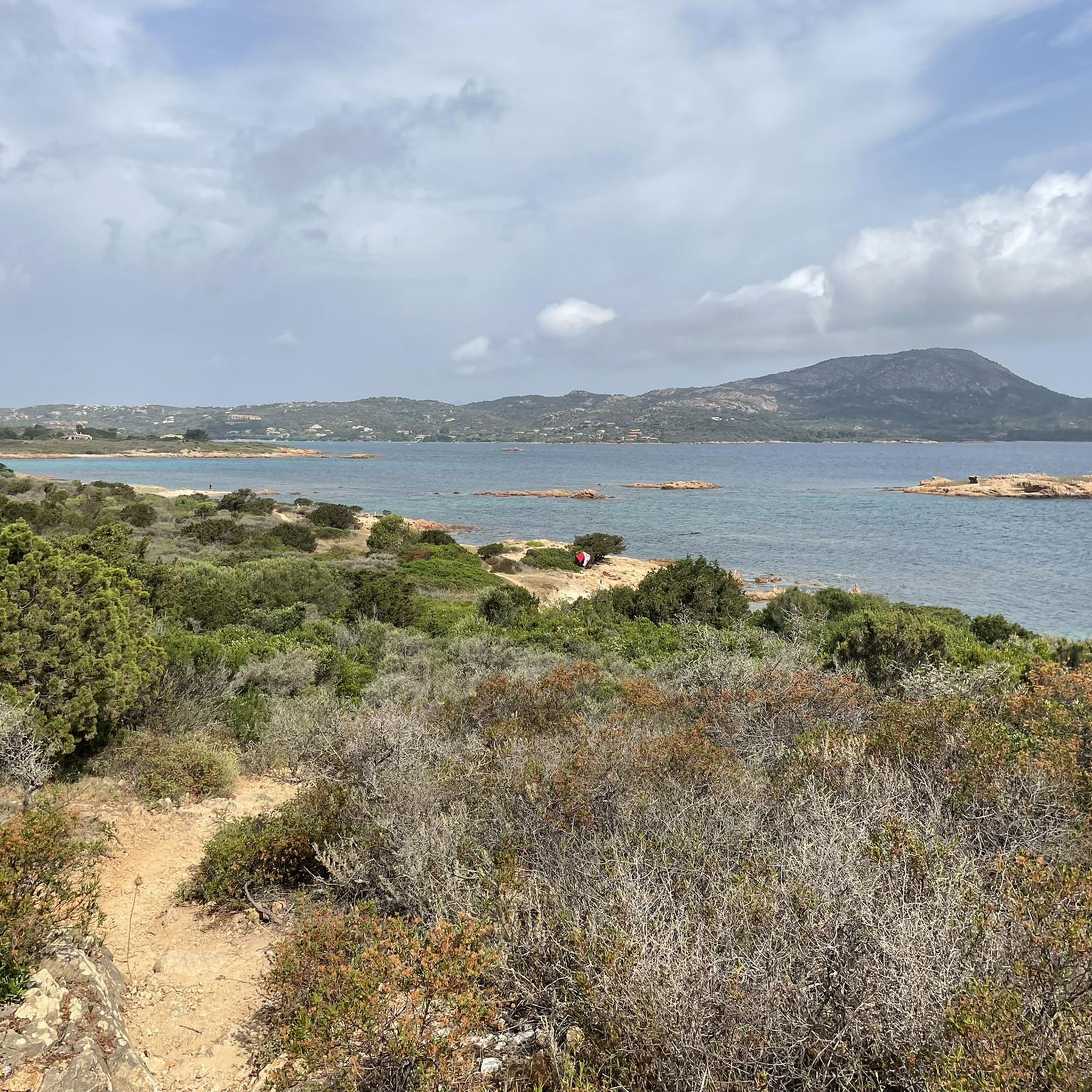
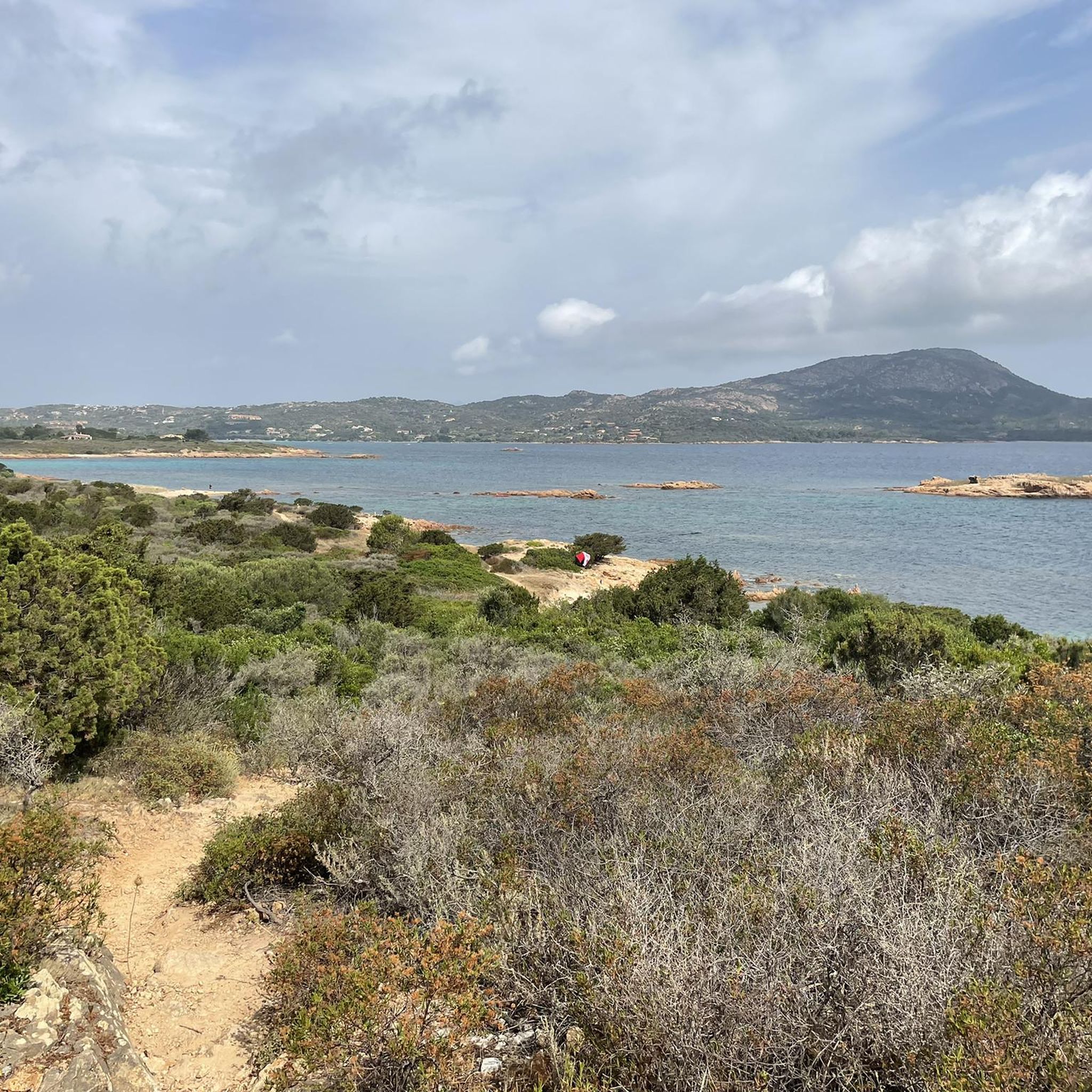
Hiking around Loiri-Poltu Santu Paolu/Loiri Porto San Paolo
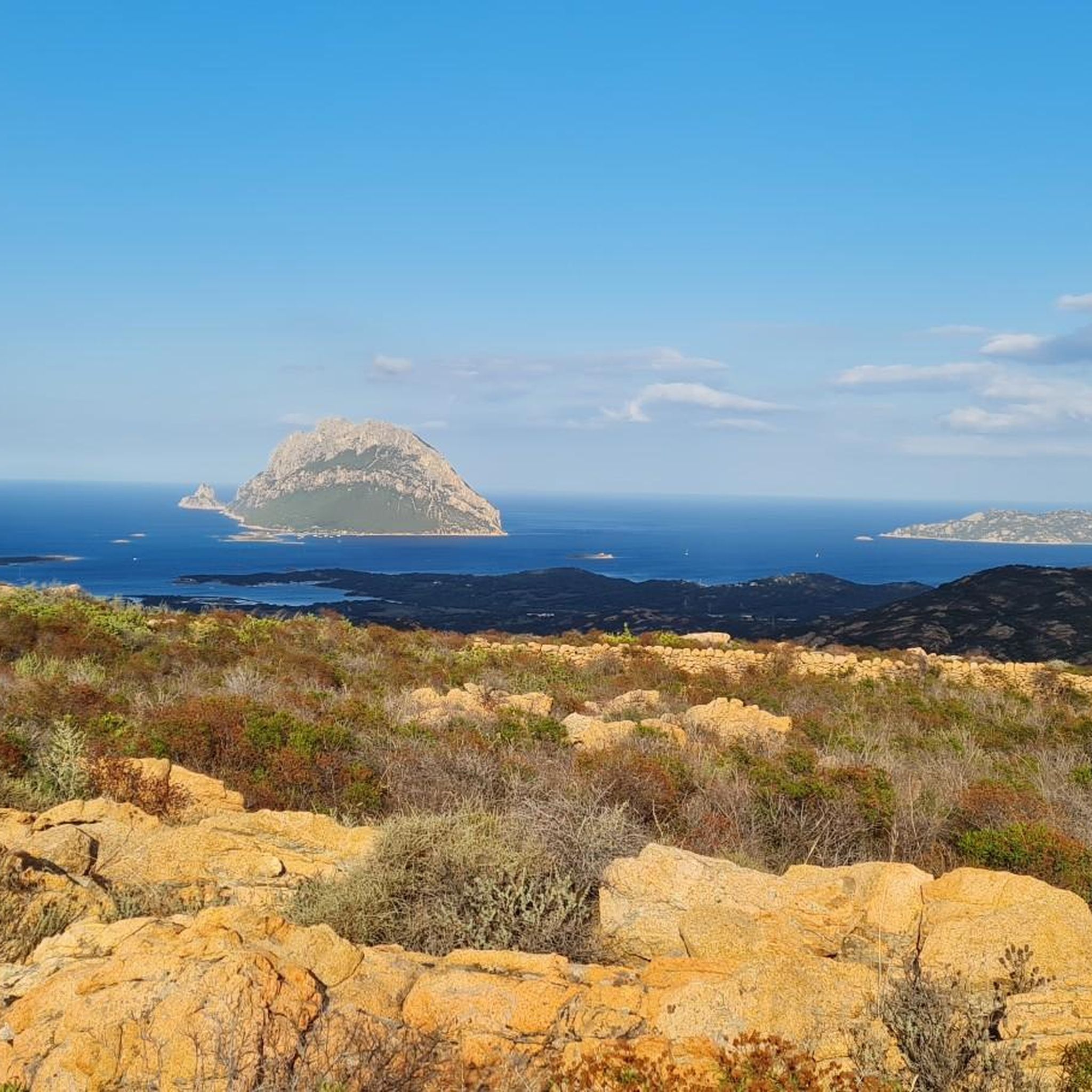
MTB Trails around Loiri-Poltu Santu Paolu/Loiri Porto San Paolo
Cycling around Loiri-Poltu Santu Paolu/Loiri Porto San Paolo
Running Trails around Loiri-Poltu Santu Paolu/Loiri Porto San Paolo

Gravel biking around Loiri-Poltu Santu Paolu/Loiri Porto San Paolo
Road Cycling Routes around Loiri-Poltu Santu Paolu/Loiri Porto San Paolo
Other adventures around Loiri-Poltu Santu Paolu/Loiri Porto San Paolo

Tips from the Community

This church in Olbia is dedicated to Saint Paul. He was initially an opponent of the Christian movement and, unlike the other apostles, was not called to the apostleship by Jesus Christ during his lifetime, but was converted later by the famous "Damascus Road experience" (see Acts, chapter 9). His attribute, with which he is almost always depicted in paintings or as a statue, is the sword he holds in one hand, with which he was executed for his confession of faith in Jesus Christ. Such a sentence was, according to the law of the time, a "privilege" reserved only for those with Roman citizenship (because it guaranteed a swift death and was not, like other forms of execution, associated with a long and agonizing death struggle). Peter and Paul (Santi Pietro e Paolo) are also known together as the "Princes of the Apostles," and their joint feast day in the liturgical calendar is June 29.
0
0

The beach is beautiful, but at the end of April and the end of October it is completely crowded compared to other beautiful beaches.
0
0

The top is covered with colored tiles and looks great... it's a beautiful church ⛪️
0
0
A beautiful beach with a wonderful sea, but unfortunately totally crowded.
2
0

Very beautiful beach, but very crowded in the summer months. Until the end of September, the daily number of visitors is regulated and an entrance fee is charged.
2
0

Chiesa Parrocchiale di S.Paolo Apostolo di Olbia Parish Church of St. Paul the Apostle The Church of St. Paul is a Catholic Christian church dating back to the eighteenth century and is located in the historic center of the city. Built at the highest point of Olbia, in that part which, according to some scholars, could have been the area of the Punic and Roman acropolis, considering the finds of a temple construction dating back to the mid-fourth century BC, identified with the sanctuary of Melqart - Hercules. A piece of wall that must have surrounded the temple structure was also found, as well as fragments of archaic Greek ceramics. Inside there are panels in which the translation of the Latin writings on the phases of the life and conversion of St. Paul is given. The church, made entirely of granite, has a sober bell tower to which a polychrome dome has been added, giving it an evocative appearance. Originally it had a rectangular hall with an apse and three side chapels. However, many details of this church were lost during the expansion work. Text / Source: Portodiolbia.it https://www.portodiolbia.info/it/directory/chiesa-parrocchiale-di-san-paolo-apostolo
14
0

Hike through beautiful nature. Unfortunately, the GPS often breaks down. The path is still easy to see. But the round trip is much longer than it is recorded. Depending on your pace, it takes 3.5 to 4 hours. The path is very rocky in places and can only be mastered with a few climbing sections. Good shoes and poles are recommended. Avoid it when it's wet! Great view of the coastal landscape, the pools of water also have their charm. The descent to the waterfall is tough. A worthwhile hike! The journey by car to the parking lot is doable, but it is a challenge. Lots of potholes and stones, only a few parts are concrete. There is a shuttle from the base station, but only early in the morning and in the afternoon.
6
2

Cala Brandinchi is one of the most famous beaches in Gallura, in north-eastern Sardinia. This corner of San Teodoro will make you feel like you are in Polynesia or the Caribbean; for this reason, it is often called 'little Tahiti'. The beach extends between Punta Sabbatino and Capo Coda Cavallo, a strip of granite land jutting out into the sea, almost in front of the imposing mass of Tavolara, a limestone mountain that emerges from the water and acts as the backdrop to a unique landscape. A long and narrow strip of white sand, fine and compact, plunges into clear, crystalline waters. The seabed is extremely shallow for several metres, creating a pool-like effect, ideal for swimming and children.
3
1
Frequently Asked Questions
What are the must-see natural attractions in Loiri-Poltu Santu Paolu?
The region boasts several stunning natural attractions. Don't miss the Rio Pitrisconi Natural Pools and Waterfalls, a unique gorge with natural pools and a spectacular waterfall formed by water erosion on granite. Another highlight is Tavolara Island, which dominates the seascape and offers beaches, hiking trails, and a historic cemetery. The Tavolara – Punta Coda Cavallo Marine Protected Area is also excellent for boat tours and exploring hidden coves.
Which beaches are best for families with children in Loiri-Poltu Santu Paolu?
For families, Brandinchi Beach, often called 'little Tahiti,' is perfect with its long, narrow strip of white sand and crystal-clear, shallow waters. Spiaggia di Porto Taverna is another popular choice, offering calm, shallow waters and views of Tavolara. La Cinta Beach also features clear waters and is known for its natural surroundings, though it can get busy.
What historical and cultural sites can I explore in the area?
Loiri-Poltu Santu Paolu has ancient roots. You can visit the modest Church of Saint Paul the Apostle in Olbia, an 18th-century granite church with a distinctive polychrome dome. In Loiri, the Chiesa di San Nicola reflects rural traditions, and the Chiesa di Santa Giusta is an important medieval religious center. Evidence of Nuragic period ruins can also be found on a hill near Loiri, showcasing the territory's ancient past.
Are there opportunities for hiking or trekking near the attractions?
Yes, the inland area around Loiri features rolling hills, lush Mediterranean scrub, and granite outcrops, providing excellent opportunities for hiking and exploring wild landscapes. You can also find hiking trails on Tavolara Island. For more detailed routes, explore the MTB Trails around Loiri-Poltu Santu Paolu guide, which includes trails suitable for walking.
What kind of outdoor activities can I do in Loiri-Poltu Santu Paolu?
Beyond hiking, the coastal areas offer fantastic water sports like snorkeling, diving, paddleboarding, and kayaking in the clear waters. Boat tours to the Tavolara – Punta Coda Cavallo Marine Protected Area are a must-do. For cycling enthusiasts, there are various routes, including those for cycling, MTB, and gravel biking.
What is the best time of year to visit Loiri-Poltu Santu Paolu?
The best time to visit is generally during the spring (April-May) and early autumn (September-October) when the weather is pleasant for outdoor activities and the crowds are smaller. The summer months (June-August) are popular for beach activities, but attractions like Brandinchi Beach can be very crowded, with regulated entry and fees.
Where can I find unique natural rock formations or viewpoints?
The area is known for its granite formations. Cala Girgolu is famous for its intense turquoise sea and golden sand, as well as a natural granite sculpture shaped by erosion. Many coastal viewpoints offer stunning panoramas of the islands, especially Tavolara Island.
What do visitors enjoy most about the natural pools and waterfalls at Rio Pitrisconi?
Visitors describe the experience at Rio Pitrisconi Natural Pools and Waterfalls as fantastic and refreshing. The unique natural landscape, with pools reflecting the green Mediterranean vegetation and a spectacular waterfall, is highly appreciated. It's noted that while the descent can be challenging, the beauty of the area makes it worthwhile.
Can I take a boat tour to the islands from Loiri-Poltu Santu Paolu?
Yes, Porto San Paolo Harbor serves as a main departure point for boat excursions. You can take boat tours to explore Tavolara Island and the Tavolara – Punta Coda Cavallo Marine Protected Area, offering opportunities for snorkeling and diving in the pristine waters.
Are there any traditional Sardinian experiences to be had in the inland areas?
The inland area around Loiri preserves traditional houses and 'stazzi' (agro-pastoral farmhouses), reflecting the historical rural customs of Gallura. Many of these have been preserved, and some are open to visitors, offering a chance to experience traditional Sardinian cuisine and culture.
What makes Cala Brandinchi a popular beach destination?
Cala Brandinchi is highly popular due to its resemblance to Polynesian or Caribbean beaches, earning it the nickname 'little Tahiti.' It features a long, narrow strip of fine white sand and exceptionally clear, shallow waters, making it ideal for swimming and children. The stunning colors and pool-like effect of the sea are major draws.
What is special about Tavolara Island?
Tavolara Island is a majestic limestone mountain emerging from the sea, known for its steep cliffs and the shallow headland of Spalmatore di Terra. It has a unique history, once proclaimed the 'smallest kingdom of Europe,' and visitors can explore its beaches, hiking trails, and a small historic cemetery. It's also part of a marine protected area, offering excellent snorkeling and diving.
Most popular routes around Loiri-Poltu Santu Paolu/Loiri Porto San Paolo
Most popular attractions around Loiri-Poltu Santu Paolu/Loiri Porto San Paolo

Get inspired with the komoot mobile app


Explore more
Still not found the Highlight you’re looking for? See guides of the top attractions in other regions:
