The 20 Most Amazing Peaks around Fénis
Best mountain peaks around Fénis are found in the Aosta Valley, Italy, a region characterized by its dramatic Alpine landscapes. Fénis offers access to various mountain peaks and passes, providing diverse hiking opportunities. The area is known for its high-altitude terrain, including prominent summits and strategic mountain passes. These natural features contribute to the region's appeal for outdoor exploration.
Best mountain peaks around Fénis
- The most popular mountain peaks is Becca d'Aver summit, a summit that offers expansive views.…
Last updated: July 7, 2026
Passo Invergneux
Highlight • Mountain Pass
Translated by Google •
Tip by

Cima Longhede summit and Bisaone Cross
Highlight • Summit
Translated by Google •
Tip by

Sign up now to discover places like this
Get recommendations on the best single tracks, peaks, & plenty of other exciting outdoor places.
Sign up for free
Fenêtre de Champorcher
Highlight • Mountain Pass
Translated by Google •
Tip by

Monte Emilius Summit and Statue
Highlight • Summit
Translated by Google •
Tip by

Becca d'Aver summit
Highlight • Summit
Translated by Google •
Tip by
Sign up for free to discover even more peaks around Fénis.
Sign up for free
Already have an account?
Start today with a free account
Your next adventure awaits.
Login or Signup
Popular around Fénis
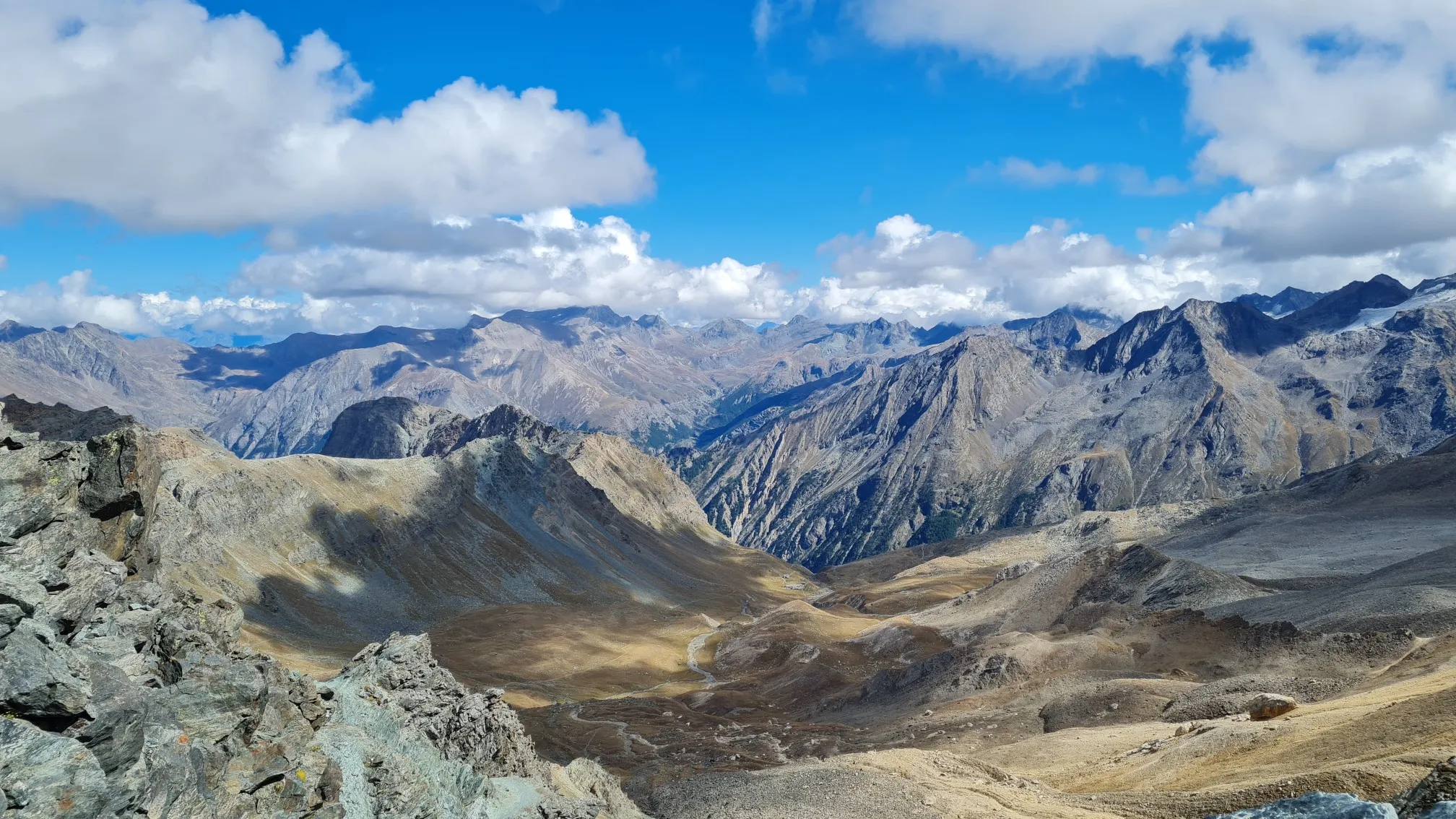
Giro del Gran Paradiso – A trail running adventure in the Italian Alps
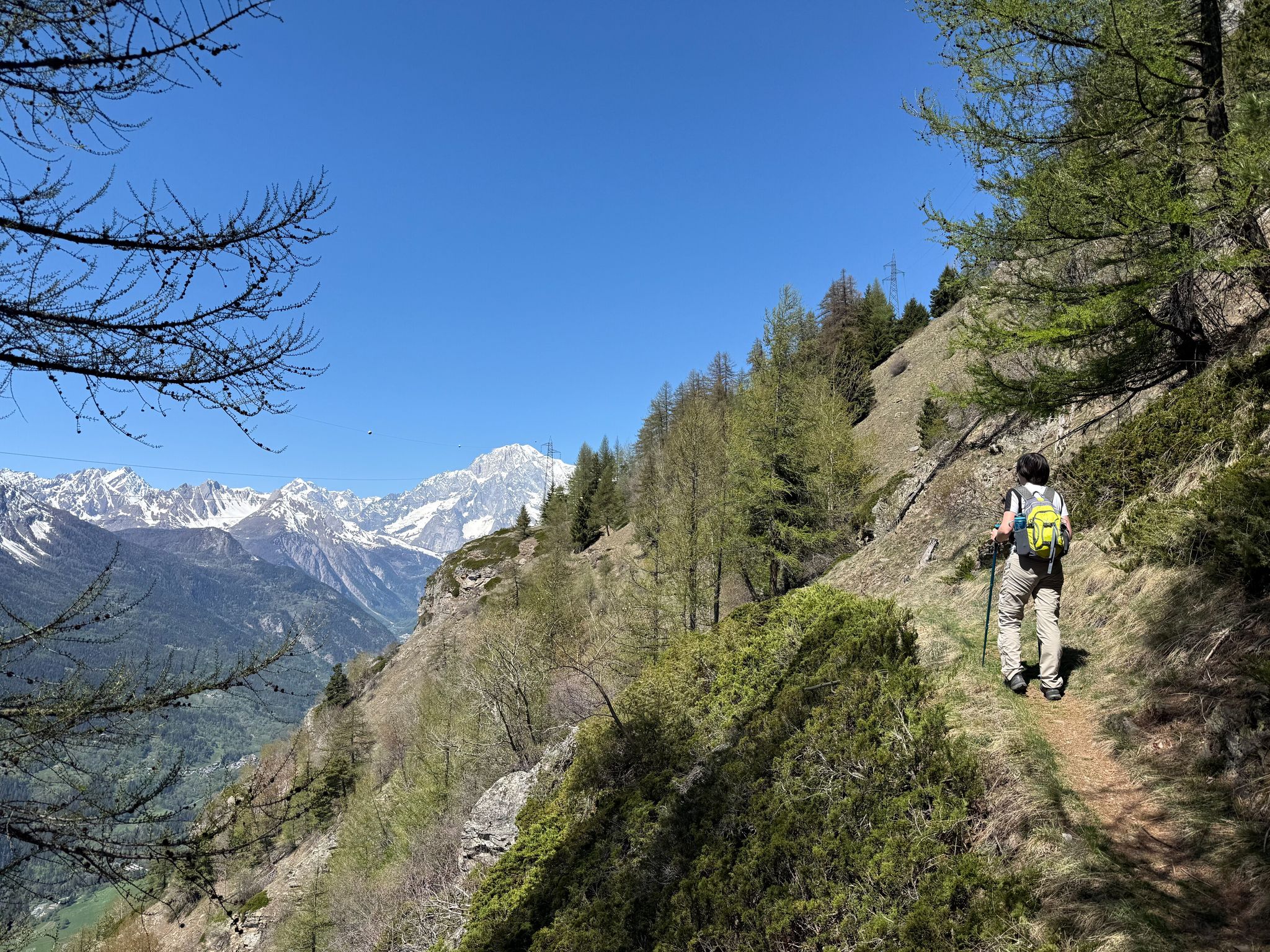
Cammino Balteo – castles, vineyards and trails of the Aosta Valley
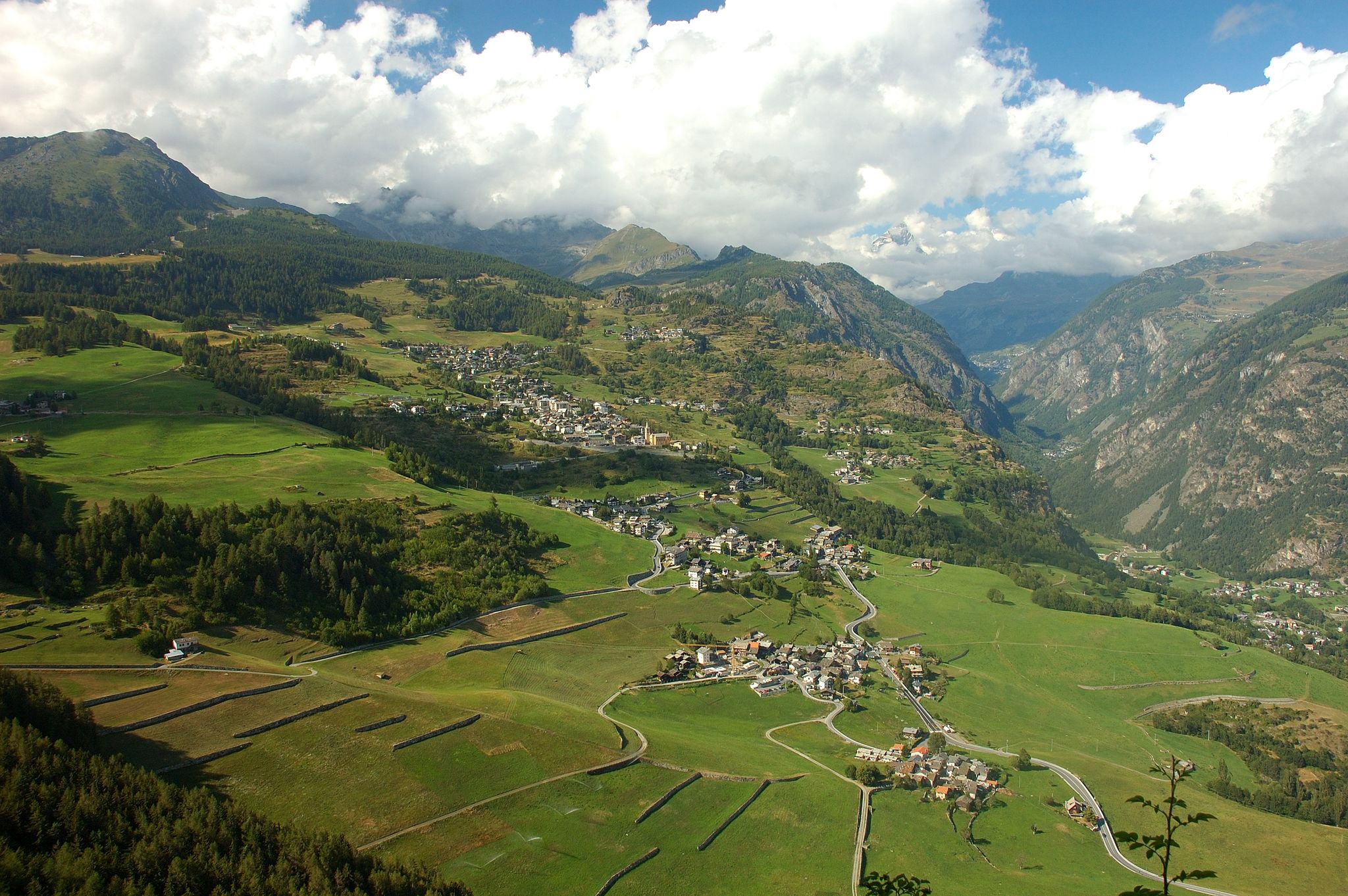
Paths, castles and views of Italy’s Aosta Valley – Cammino Balteo
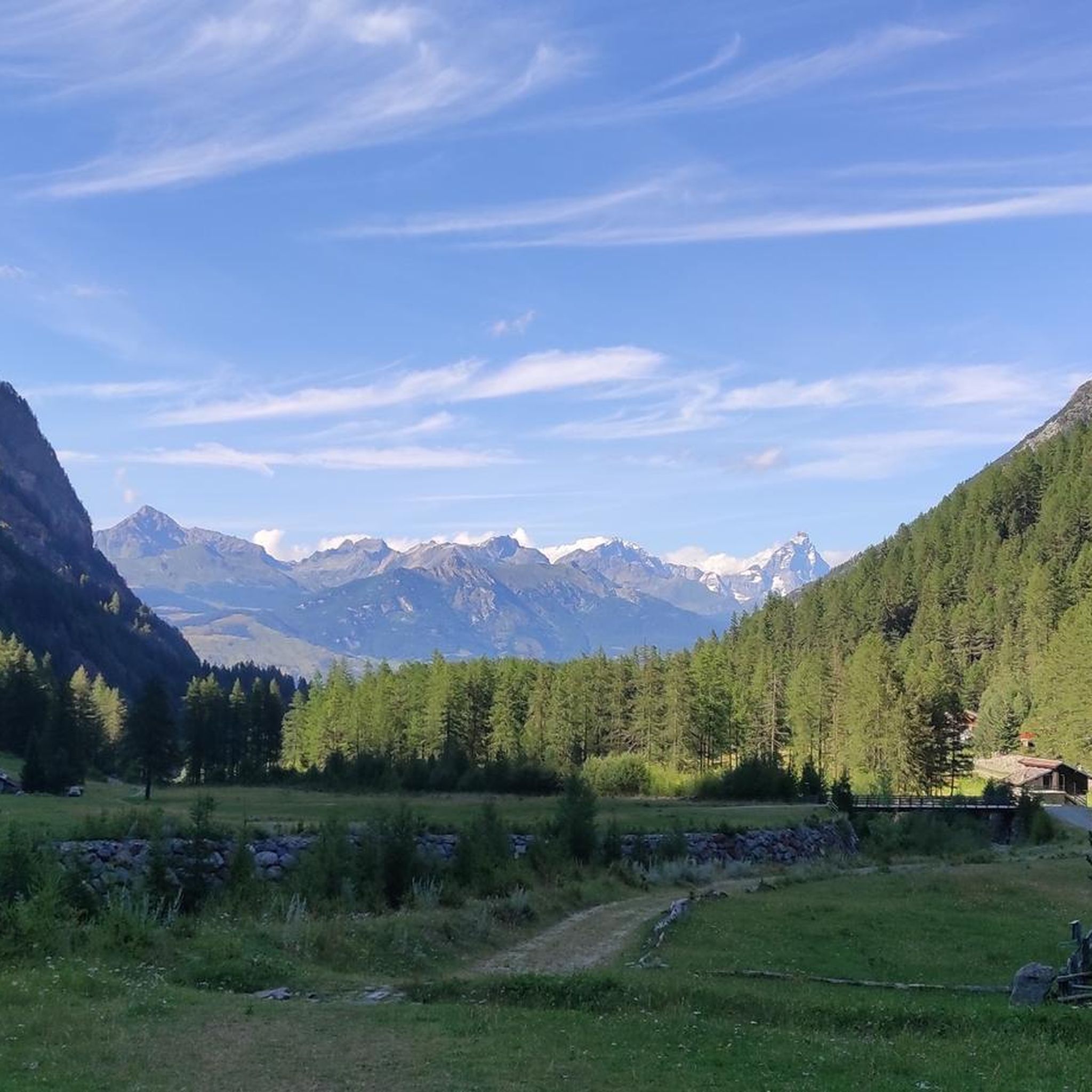
Hiking around Fénis
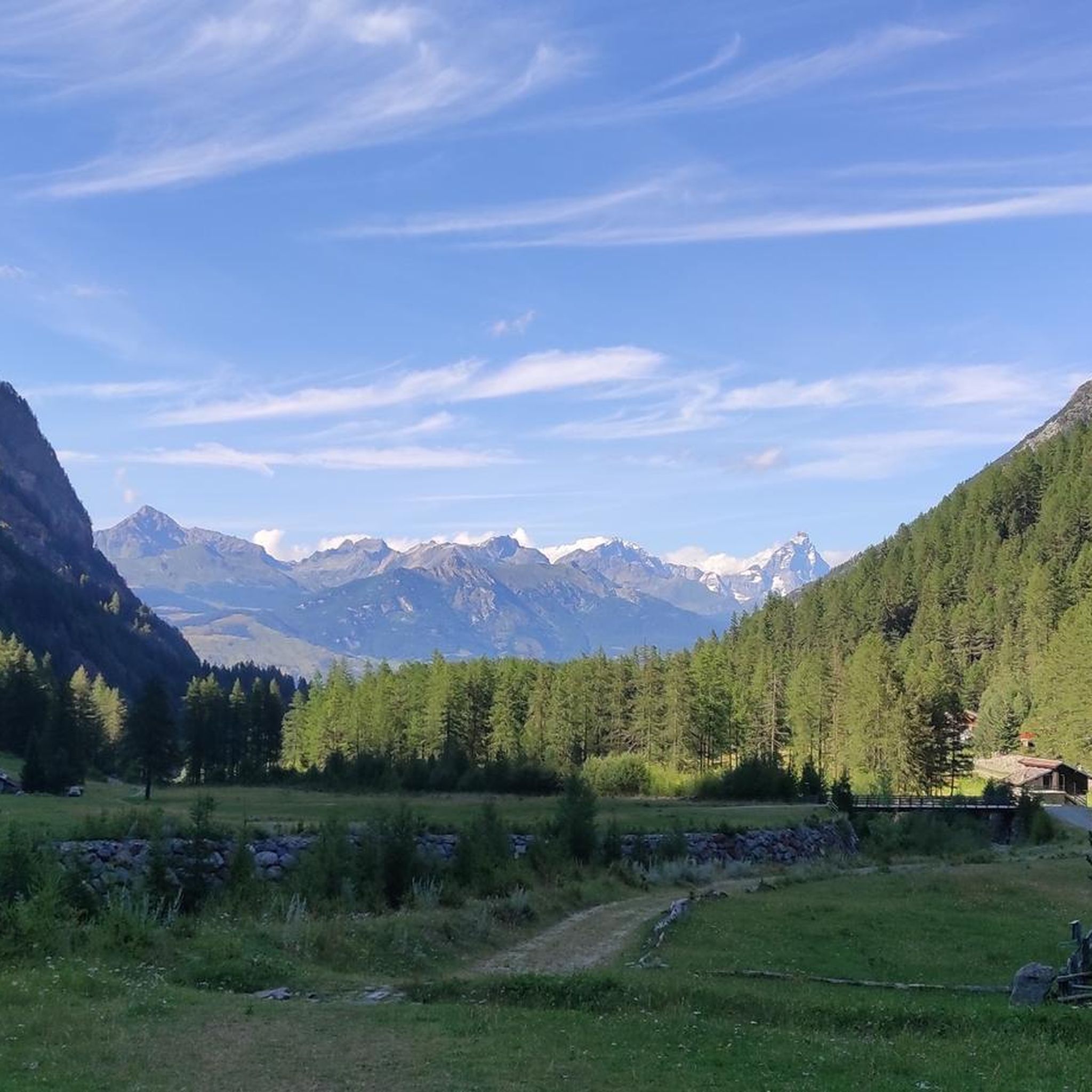
Road Cycling Routes around Fénis
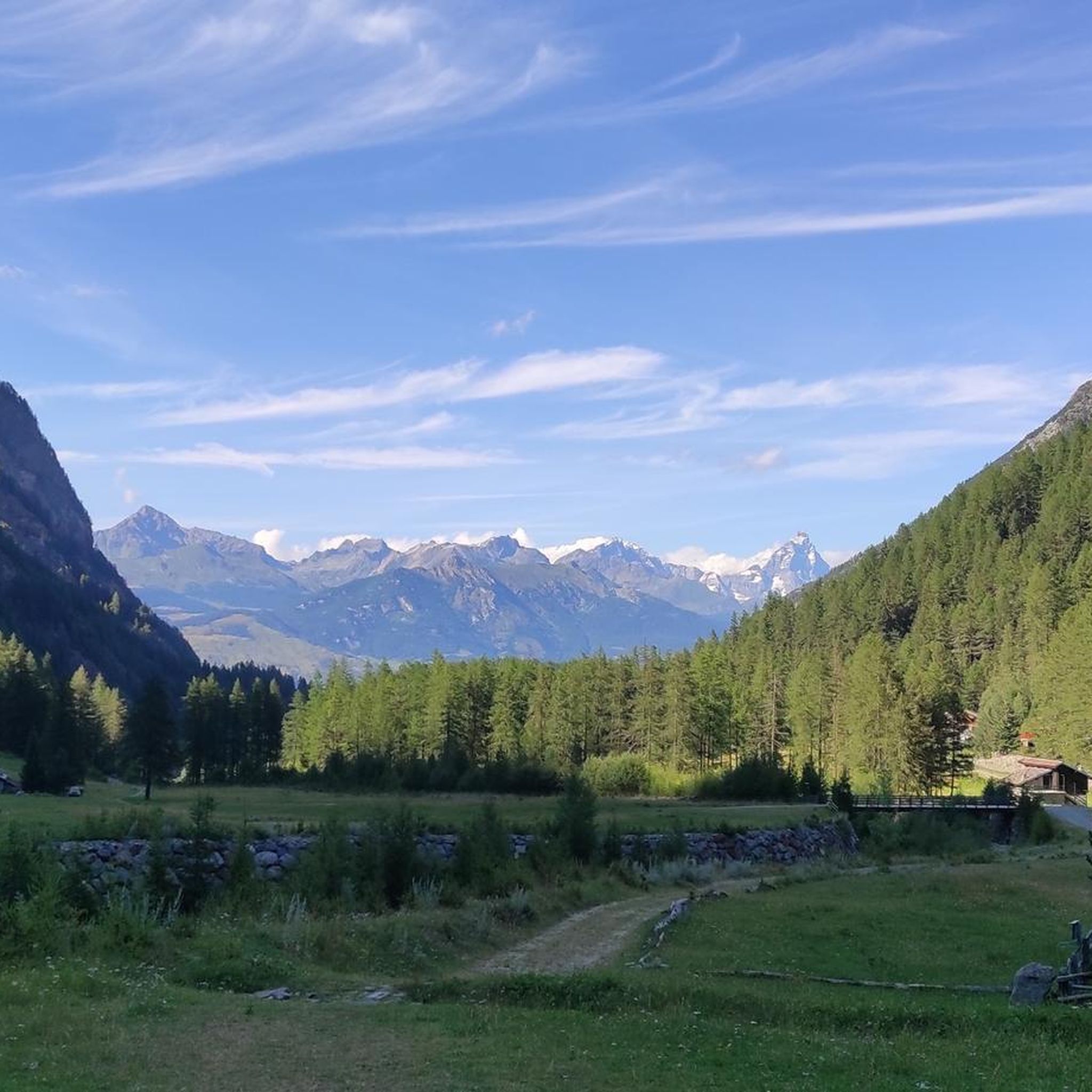
Cycling around Fénis
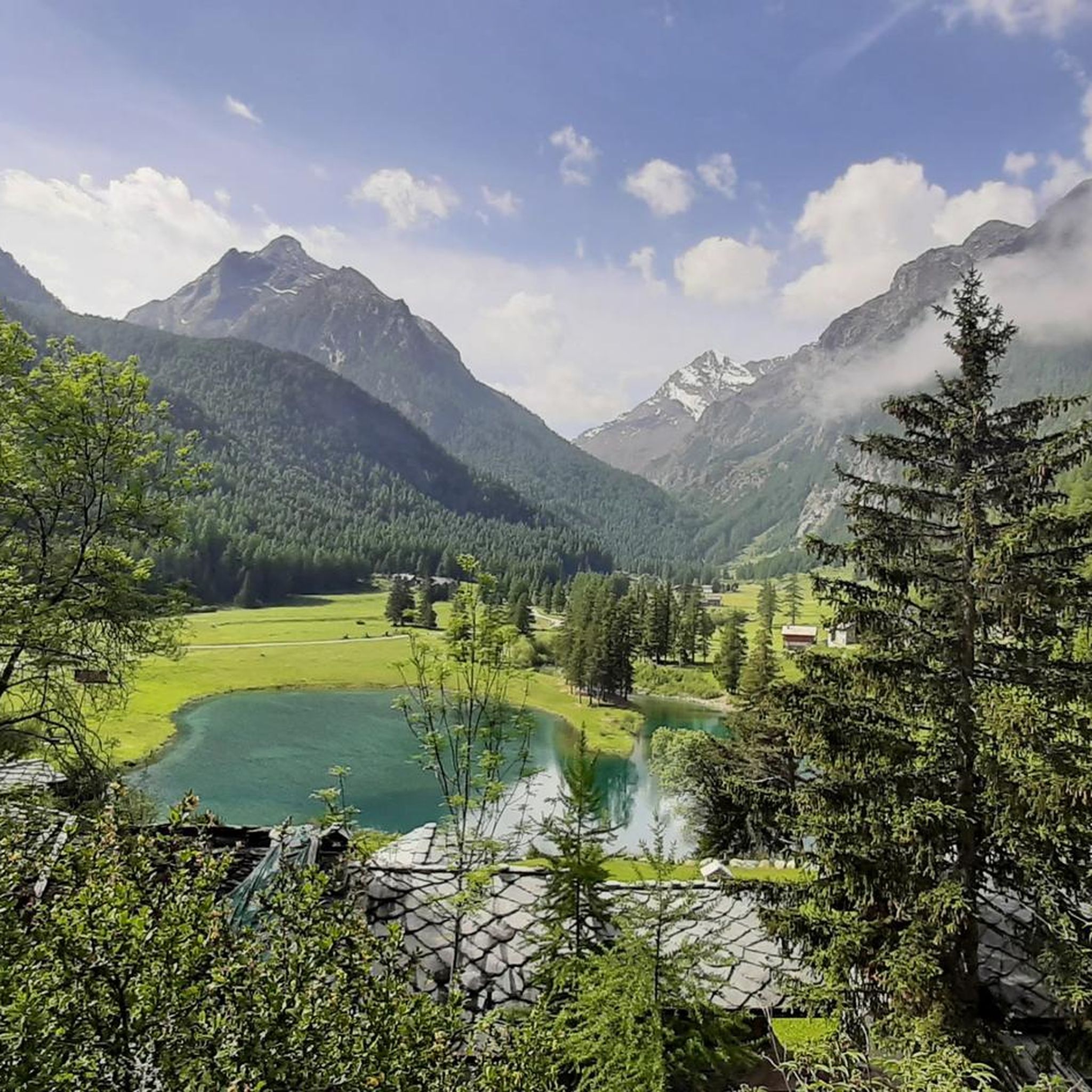
MTB Trails around Fénis
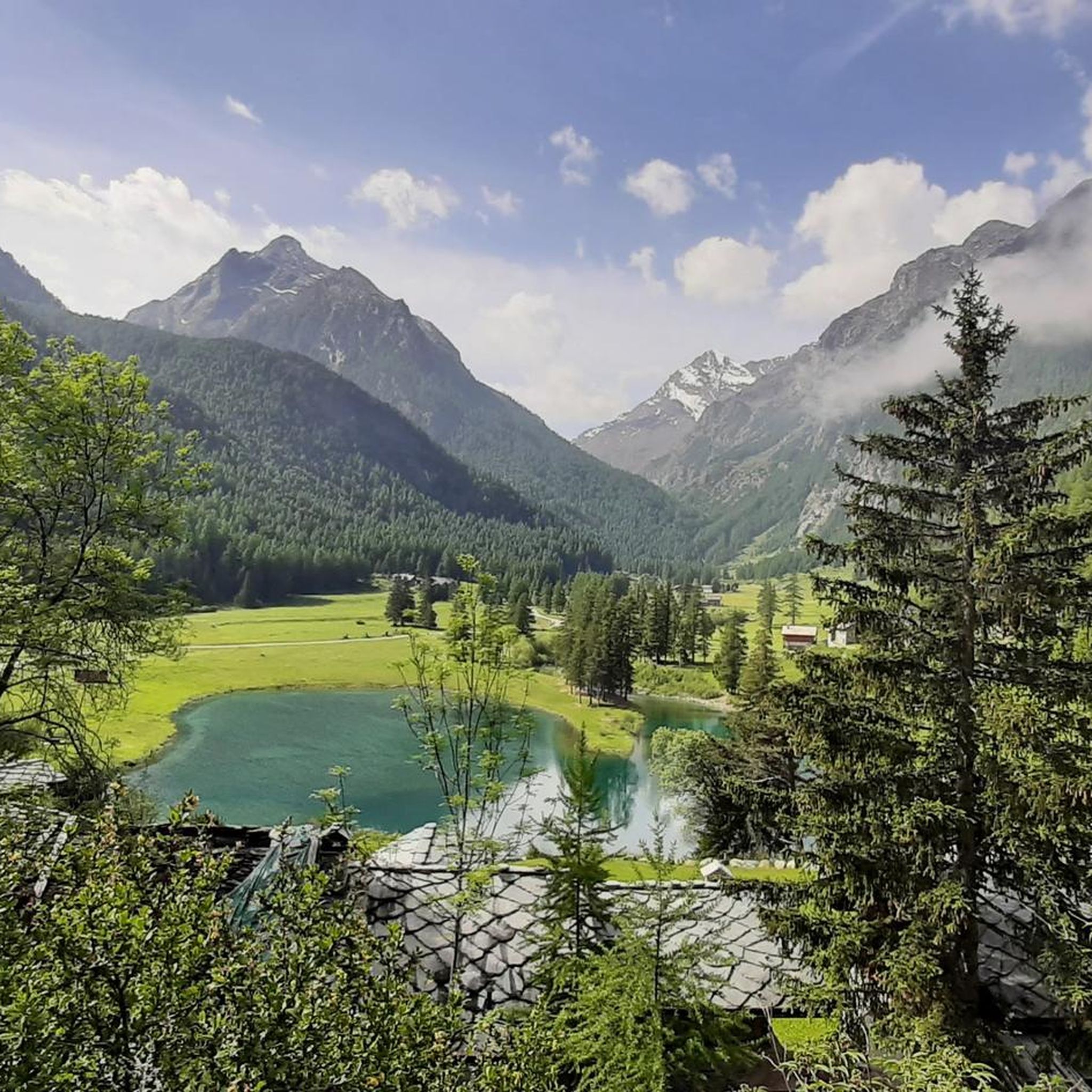
Running Trails around Fénis
Gravel biking around Fénis
Mountain Hikes around Fénis
Other adventures around Fénis


Tips from the Community

Ascent passable from the Chemin du Roi and descent from the path on Lake Miserin, with intermittent and difficult cyclability for the first half.
0
0

https://youtu.be/KdsaBL0twzY?si=-LI75WFE57aHMvCE It's not very difficult to reach, but you'll have to push the last few meters. The descent is easy. The landscape doesn't feel high alpine, but since it's all green, rolling hills, it's like being in Scotland or Ireland.
0
0

The Becca d'Aver, located at 2,469 meters, can be reached via a very easy climb over the Col d'Aver. The route to the Col de Fenêtre is more technically challenging, but definitely doable. Those who can should plan the easy ridge hike to Cima Longhede. This is not technically demanding.
1
0

A large white cross symbolizes this peak. It is often joined to Becca d'Aver, connected by an easy ridge path. There is not much space at the summit, and on summer weekends it is crowded. Here, after a short break to admire the view, it is worth descending and having a lunch break on the plains below.
0
0
This peak is usually reached from Champlong, and is connected to the Longhede peak by an easy ridge line, so they both touch. Usually the first to be reached is the Becca d'Aver
0
0

The push is definitely worth it! Start driving straight from the top of the pass!
0
0

Mount Emilius, m. 3,559 s.l.m., is a mountain of the Graian Alps located in the Aosta Valley. Before 1839, it was known as Pic de dix heures, Pic Chamosser or Pic Chamoisier, later the peak was therefore named in honor of the fourteen-year-old Émilie Argentier who climbed it that year.
4
0

From the Federigo camp, follow the green signs and start climbing up along a stony ground, keep to the left at the beginning (north side) and then reach the ridge where the via ferrata starts. The track starts amid some rocks on the left side of the ridge and reaches the top, where there is a protruding rocky turret, linked to the following peak by a spectacular Tibetan bridge. The via ferrata continues along a vertical rock track and reaches Mont Ross de Comboé (3,285 m), located at the western side of Monte Emilius. At the beginning, you will be fascinated by the imposing and dark north side of Monte Emilius, while now you will have the whole of Aosta Valley and its mountains in full view, in the pleasant sunlight: the Gran Paradiso chain and Grivola to the south, Rutor and the whole Mont Blanc massif to the west, Gran Combin and the Alpine ridge of Valpelline to the north and Matterhorn, the Swiss Alps and Monte Rosa to the east. This gorgeous landscape will follow you until you reach the top. The via ferrata continues along the ridge, going from west to east following a long, almost horizontal trail, up to a sign indicating a possible downslope to the right (south side). This downslope follows a trail, which is not always visible, and reaches Lago Gelato (2,955 m), along a comfortable track going down to the Arbolle refuge (normal route of Emilius). Such a downslope represents an alternative for anyone wishing to abandon the via ferrata which reaches Piccolo Monte Emilius (3,342 m) and goes up the rugged and steep ridge, which you can overcome on the right, by following some huge red and compact rocky steps. If you keep to the south side, you reach a gap where the rock is lighter in colour and slightly more friable. You will have to take some careful steps and continue up a rocky slope until you come to the side where the equipped route ends. From there, you will reach the top (3,559 m) in about ten minutes. On the way down, follow the clearly indicated path along the normal route (south ridge) leading to Colle dei tre Cappuccini (3,222 m), where you need to be careful along a short exposed track. Follow the signs and keep to the right, going down the Arbolle deep valley, past Lago Gelato, up to the Arbolle refuge and, from there, you will reach the arrival station of the Chamolé chair-lift, after walking up the small Col Chamolé (2,641 m) along a comfortable path. (https://pila.it/en/track/the-via-ferrata-of-monte-emilius/)
3
0
Frequently Asked Questions
Which mountain peaks around Fénis offer the most rewarding panoramic views?
For truly exceptional panoramic views, consider Cima Longhede summit and Bisaone Cross, which provides expansive vistas over much of the Aosta Valley, including major peaks like the Matterhorn, Monte Rosa, Gran Paradiso, and Mont Blanc. Becca d'Aver summit also offers a 'crazy view' from its 2,469-meter elevation. Additionally, Punta Tersiva (3,515 meters) is renowned for reportedly offering one of the most interesting panoramas of the entire Alpine arc of Valle d'Aosta, potentially even reaching the Po Valley and Ligurian Sea on clear days.
Are there any challenging mountain peaks for experienced hikers near Fénis?
Yes, several peaks offer a significant challenge. Punta Tersiva (3,515 meters) is a prominent, pyramid-shaped peak offering a challenging but rewarding experience for experienced hikers and mountaineers, often undertaken as a two-day route. Monte Emilius Summit and Statue, at 3,559 meters, is another demanding climb, accessible via a challenging trail and even a via ferrata, providing incredible panoramas. Mont Corquet (2,510 meters) is also described as a 'hard hike' requiring very good fitness.
What are some notable mountain passes in the Fénis area?
The region features several significant mountain passes. Passo Invergneux is a popular mountain pass offering breathtaking panoramic views of the valleys below. Another notable pass is Fenêtre de Champorcher, located at 2,827 meters between Cogne and Champorcher, from where you can clearly admire the Gran Paradiso.
Can I find any historical or cultural landmarks on the mountain peaks around Fénis?
Yes, some peaks feature historical or cultural landmarks. The Cima Longhede summit is home to the Bisaone Cross, a significant man-made monument standing 10 meters high, built in 1969. On Monte Emilius, you'll find a statue at its 3,559-meter summit, and the peak itself was renamed in honor of Émilie Argentier, who climbed it in 1839.
What kind of natural features can I expect to see on these mountain peaks?
The mountain peaks around Fénis offer diverse natural features. Punta Tersiva, for example, features the small Tessonnet glacier on its north-west wall. The broader Aosta Valley, where Fénis is located, is characterized by dramatic Alpine landscapes, high-altitude terrain, and stunning views of major Alpine peaks like Mont Blanc, the Matterhorn, and the Gran Paradiso Massif. You'll also encounter rocky terrain, alpine meadows, and potentially high-altitude lakes like Lago Gelato near Monte Emilius.
What is the best time of year to visit the mountain peaks around Fénis?
The best time to visit the mountain peaks around Fénis for hiking and mountaineering is generally during the warmer months, from late spring to early autumn (June to September), when trails are more accessible and weather conditions are more stable. During this period, you'll experience pleasant temperatures and clearer views. Some areas, like Val Clavalité, also offer opportunities for snowshoeing in winter for those seeking snow-covered landscapes.
Are there family-friendly or easier mountain walks available near Fénis?
While many peaks in the region are challenging, there are options for less strenuous walks. The route to Becca d'Aver summit via the Col d'Aver is described as a 'very easy climb.' The Cima Longhede summit is also noted as a 'beautiful and easy summit' from which to enjoy an exceptional panorama. For specific easy mountain hikes, you can explore the Mountain Hikes around Fénis guide, which includes routes of varying difficulties.
What other outdoor activities can I do near the mountain peaks of Fénis?
Beyond peak bagging, the Fénis area offers a variety of outdoor activities. You can find numerous hiking trails, including those for mountaineering, as detailed in the Mountain Hikes around Fénis guide. For cyclists, there are dedicated MTB Trails around Fénis, some of which offer scenic singletrack descents, and Road Cycling Routes around Fénis for those preferring paved roads.
How accessible are the mountain peaks around Fénis by public transport or car?
Fénis itself is a charming comune in the Aosta Valley, and while specific public transport details to each trailhead are not provided, the Val Clavalité, accessible from Fénis, serves as a key starting point for many mountain experiences. This valley has a paved road network, suggesting car access to certain points. For detailed information on parking and public transport for specific trails, it's advisable to check local resources or the starting points of individual routes.
Are there any less-known or 'hidden gem' mountain peaks worth exploring near Fénis?
Punta Tersiva, despite its significant height and spectacular views, is noted as being 'less known than some other peaks,' offering a sense of isolation for those seeking a more secluded mountaineering experience. Mont Corquet is also described as a less popular but scenic option for both hiking and mountain biking, providing expansive views away from the busiest trails.
What kind of accommodation or amenities are available near the mountain trails?
The region offers various options for accommodation and amenities. For high-altitude adventures, the Gilles Borroz Bivouac, located at 2,150 meters in Val Clavalité, serves as a strategic base for ascents to peaks like Punta Tersiva and Mont Glacier. Near Monte Emilius, the Arbolle refuge provides a stopping point for hikers. The town of Fénis and surrounding villages in the Aosta Valley would offer broader accommodation choices, cafes, and pubs.
What are the typical difficulty levels for hiking trails to these peaks?
Hiking trails to the peaks around Fénis range from intermediate to challenging. Peaks like Punta Tersiva and Monte Emilius are considered challenging, requiring good fitness and mountaineering experience. Mont Corquet is also described as a 'hard hike.' However, easier options exist, such as the 'very easy climb' to Becca d'Aver summit via Col d'Aver, and the 'beautiful and easy summit' of Cima Longhede.
Most popular routes around Fénis
Most popular attractions around Fénis

Get inspired with the komoot mobile app


Explore more
See even more amazing summits around Fénis with these guides:
