Top 20 Lakes around La Salle
Best lakes around La Salle are primarily alpine lakes, characterized by their high-altitude settings and glacial origins. The region features numerous natural water bodies nestled within valleys and at the foot of glaciers. These lakes offer diverse natural landscapes, from serene shores to dramatic geological formations. The area provides opportunities for exploring unique ecosystems and historical sites.
Best lakes around La Salle
- The most popular lakes is Lake Arpy, a lake located at 2,066 meters above sea level. It…
Last updated: July 1, 2026
Lake Arpy
Highlight • Lake
Translated by Google •
Tip by

Alberto Deffeyes Hut
Highlight • Mountain Hut
Translated by Google •
Tip by

Sign up now to discover places like this
Get recommendations on the best single tracks, peaks, & plenty of other exciting outdoor places.
Sign up for free
Lac du Verney
Highlight • Lake
Translated by Google •
Tip by

Great St Bernard Hospice
Highlight • Mountain Pass
Translated by Google •
Tip by

Lago dei Seracchi
Highlight • Lake
Translated by Google •
Tip by
Sign up for free to discover even more lakes around La Salle.
Sign up for free
Already have an account?
Start today with a free account
Your next adventure awaits.
Login or Signup
Popular around La Salle
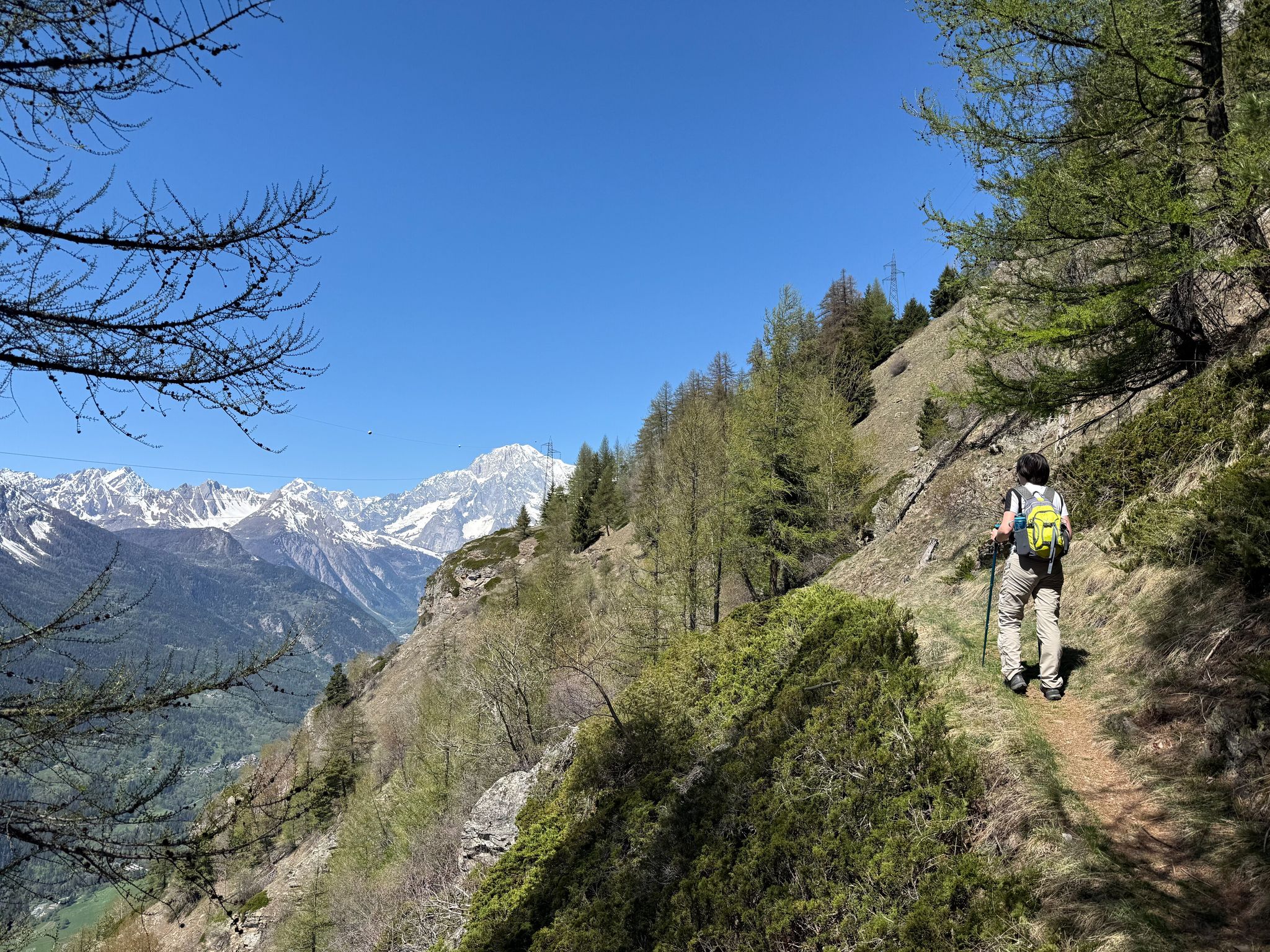
Cammino Balteo – castles, vineyards and trails of the Aosta Valley
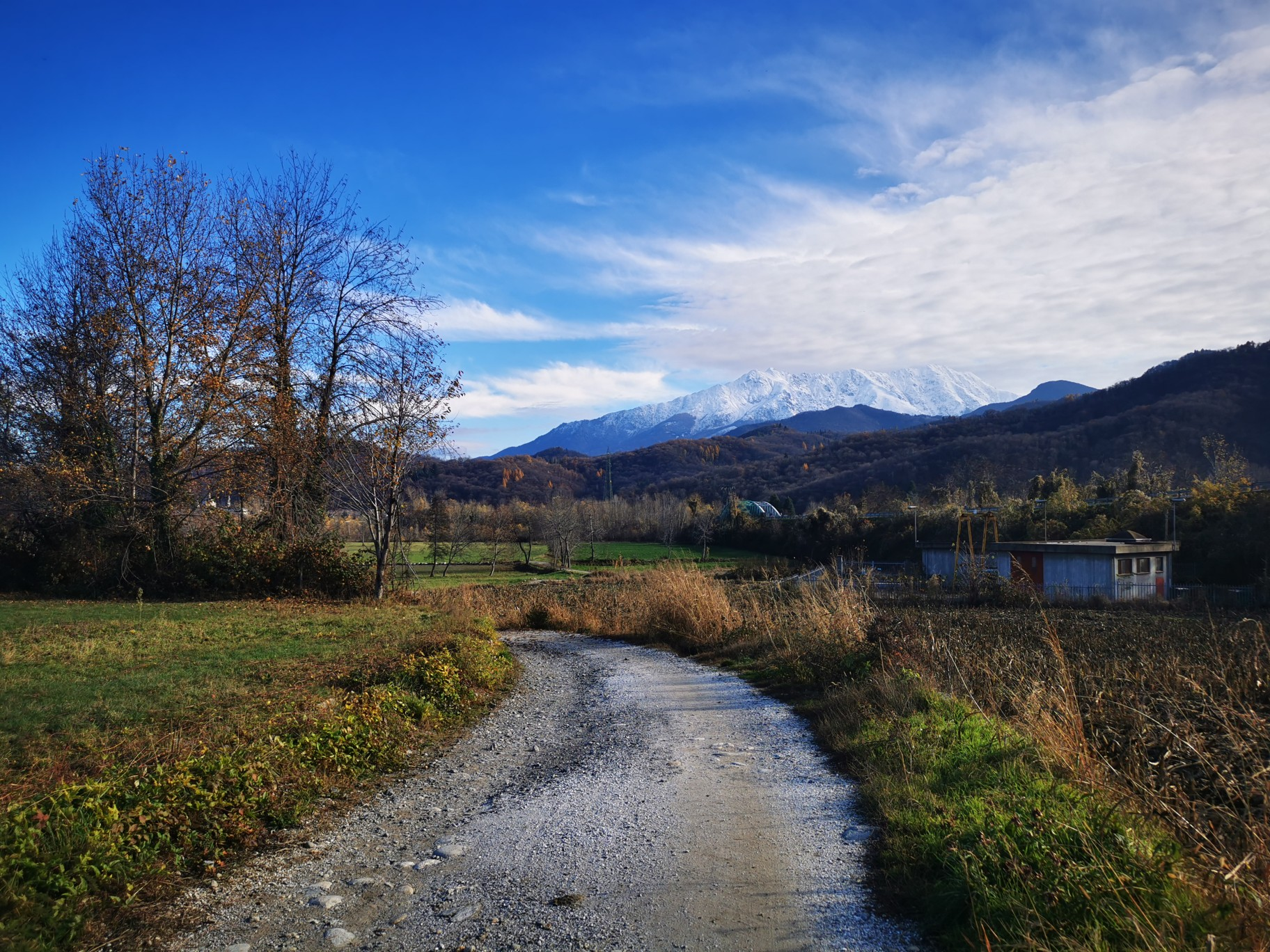
The alpine northwest – mountain gravel between Piedmont and the Aosta Valley
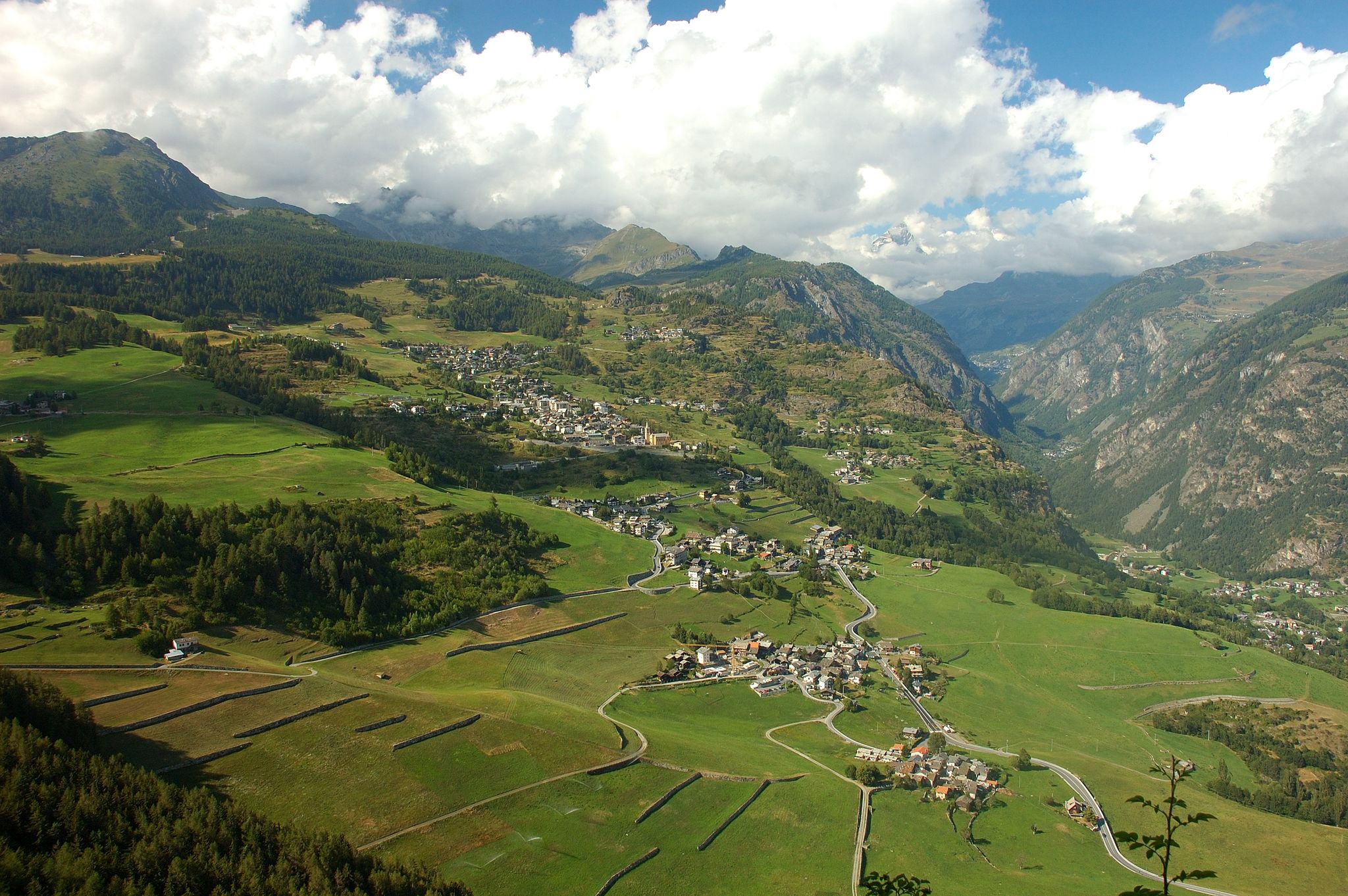
Paths, castles and views of Italy’s Aosta Valley – Cammino Balteo
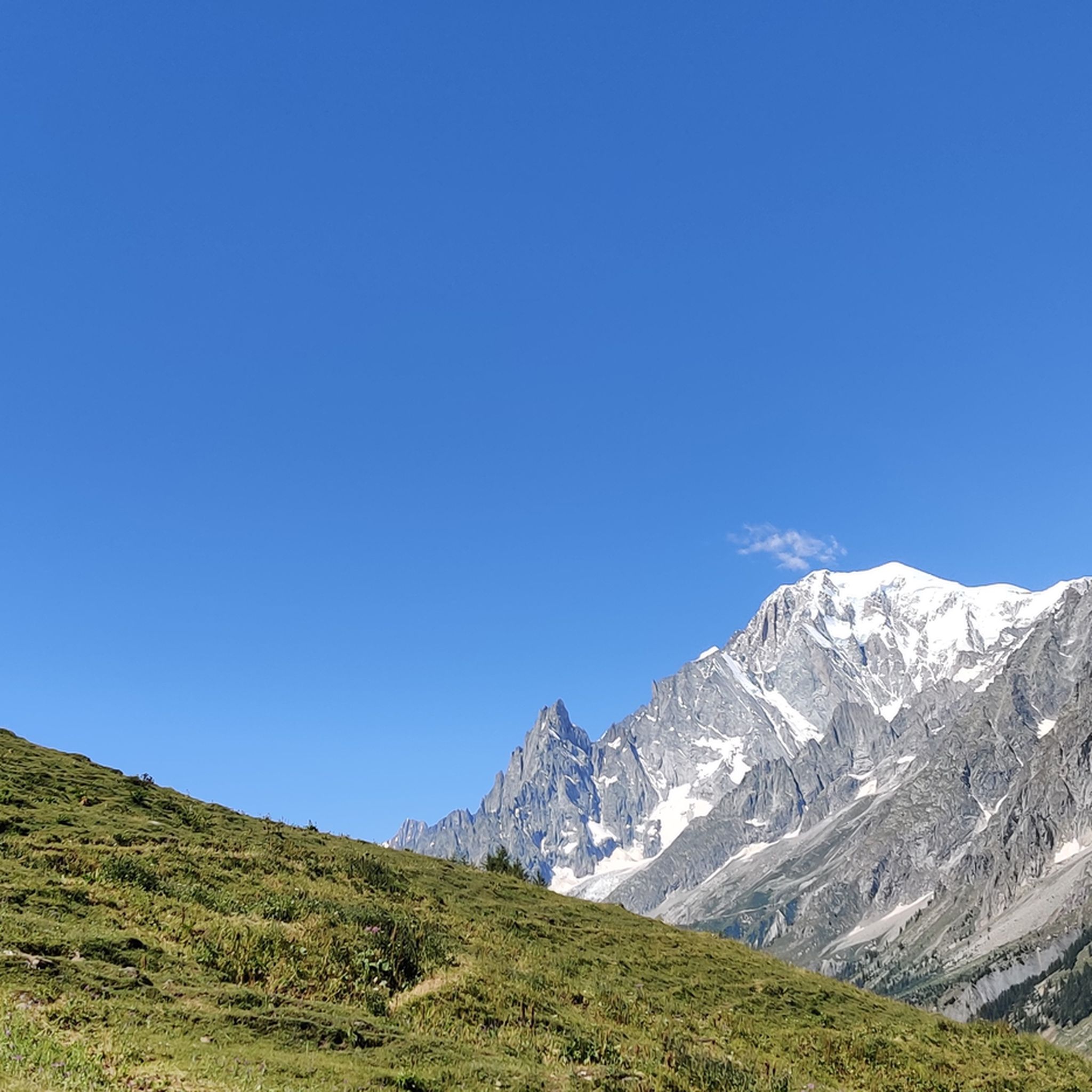
Hiking around La Salle
Road Cycling Routes around La Salle
MTB Trails around La Salle
Cycling around La Salle
Running Trails around La Salle

Gravel biking around La Salle
Mountain Hikes around La Salle
Other adventures around La Salle


Tips from the Community

Hotel Italia is highly recommended
0
0

The austere buildings of the Hospice of Great St. Bernard are situated in a rocky pass through which an icy wind almost always blows, on the edge of a lake that is frozen for an average of 265 days a year and where winter lasts almost eight months. For nine centuries, the Canons Regular of the Order of St. Augustine, who settled here at the instigation of St. Bernard of Menthon, have maintained a tradition of helpfulness and hospitality. Travellers who wish to relax for a while in this peaceful place are welcome all year round.
6
0


Very simple and relaxing route through the woods to this splendid lake. If you want to visit it in peace, avoid midday hours, especially in summer
1
0

There is a legend that hovers around the Rutor glacier which tells that the place now occupied by the glacier was once a large green meadow where the cows of a rich farmer grazed. One day God wanted to test his goodness and sent him a beggar to ask for some milk to feed his family. The rich farmer, instead of giving him some of his milk, mocked the beggar and, out of insult, ordered his workers to pour the buckets of fresh milk on the lawn. The beggar reacted by casting a curse on him that made it snow for days on end. Accompanying the snow was also a very cold wind which caused the green pastures to turn into ice. Thus the Rutor glacier was born.
4
0
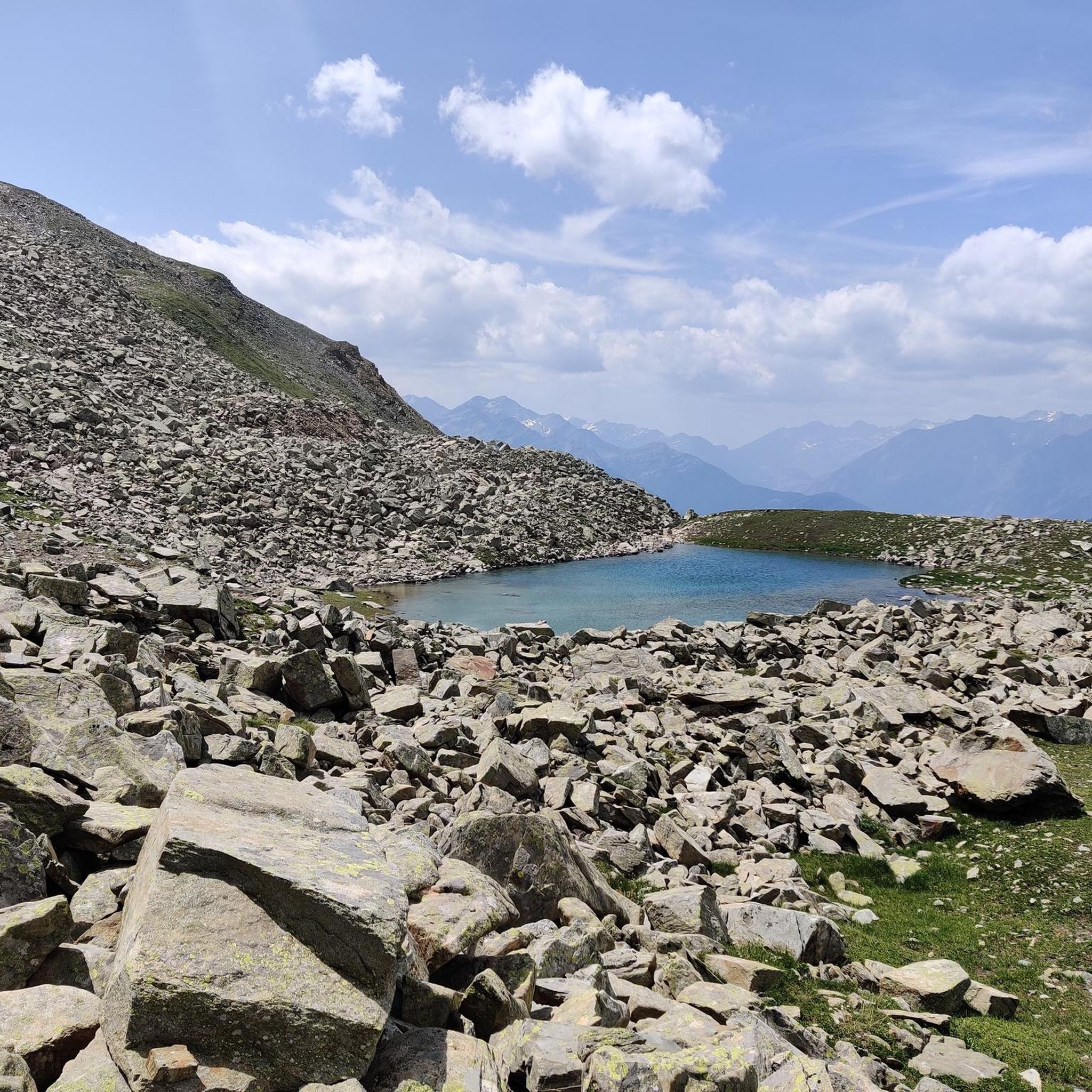
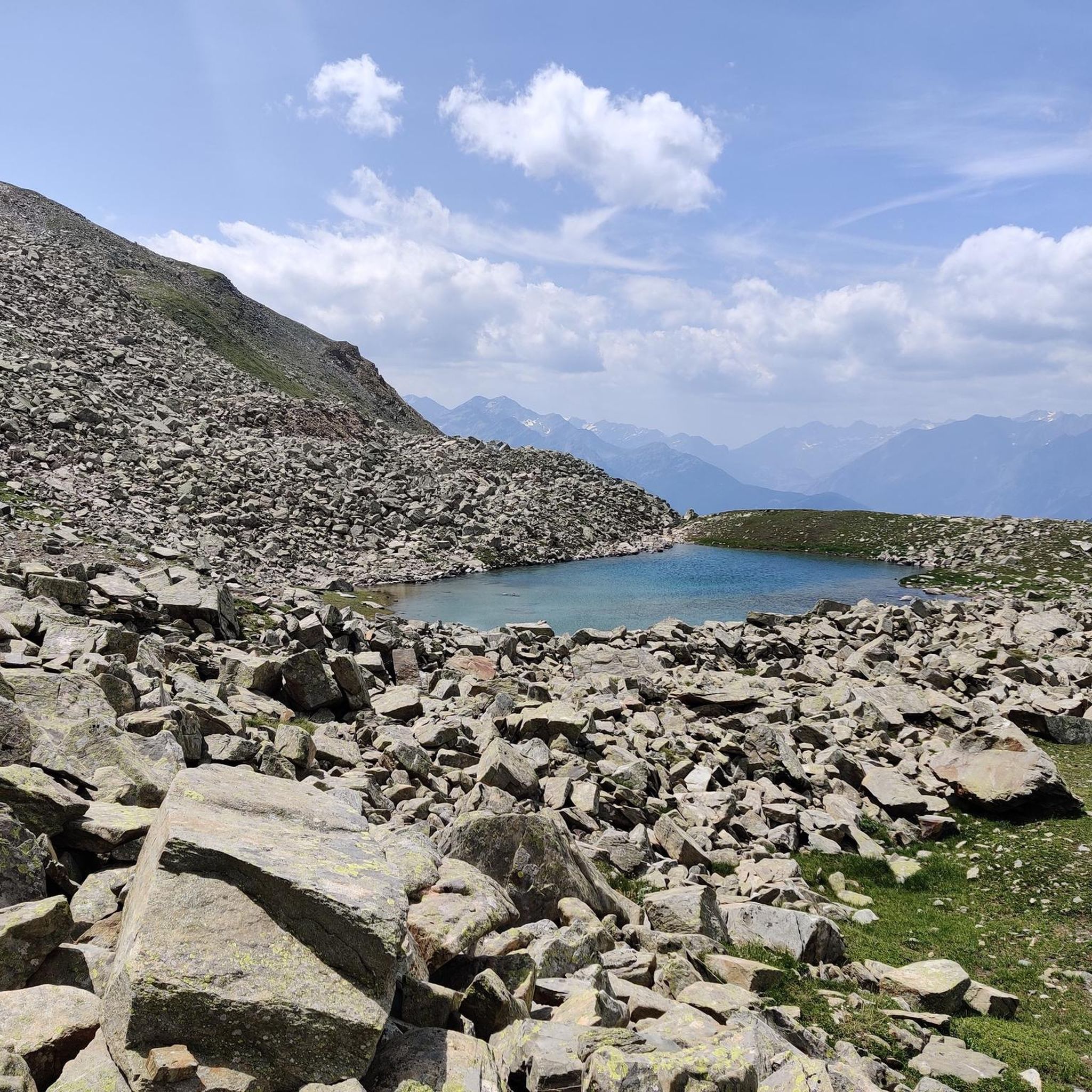
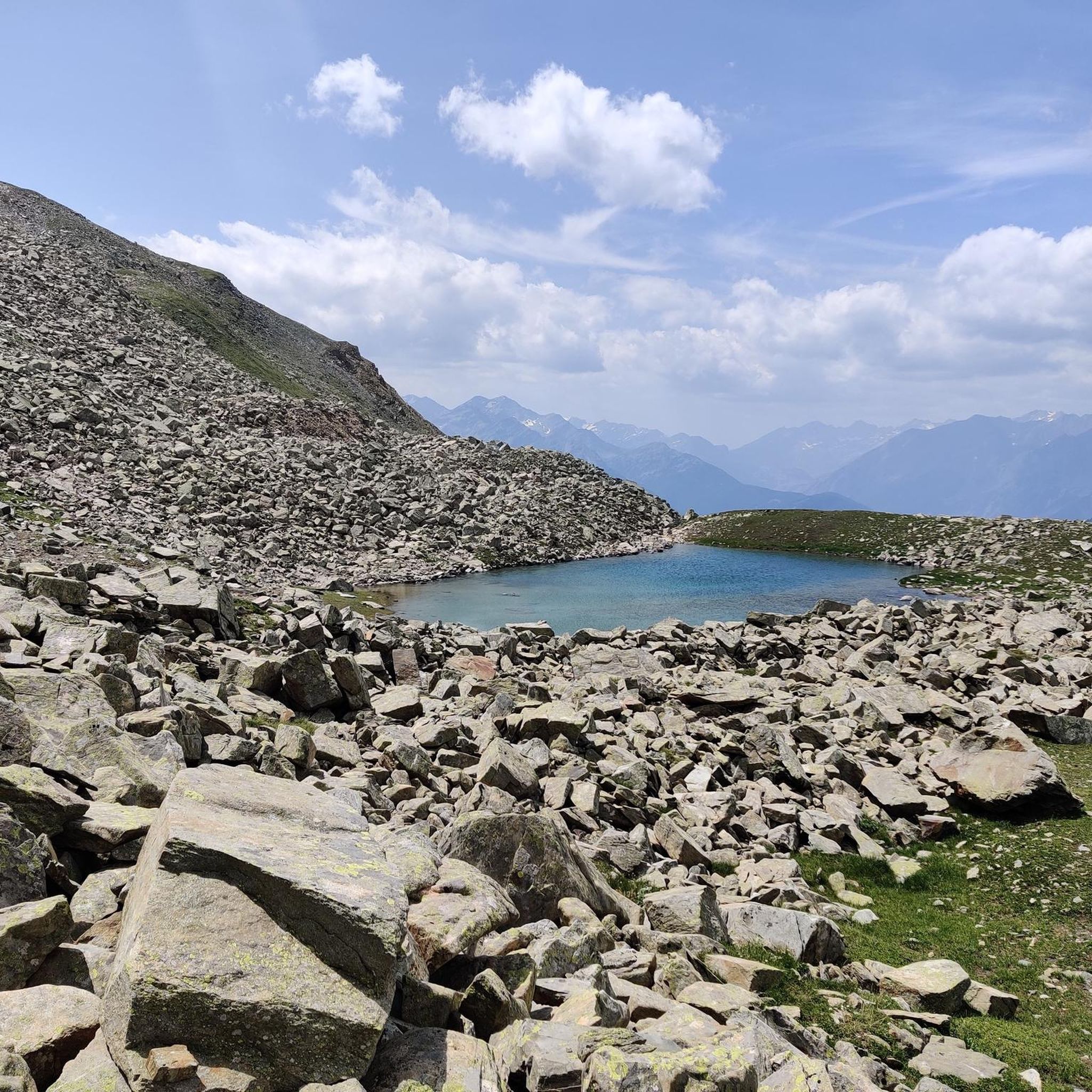
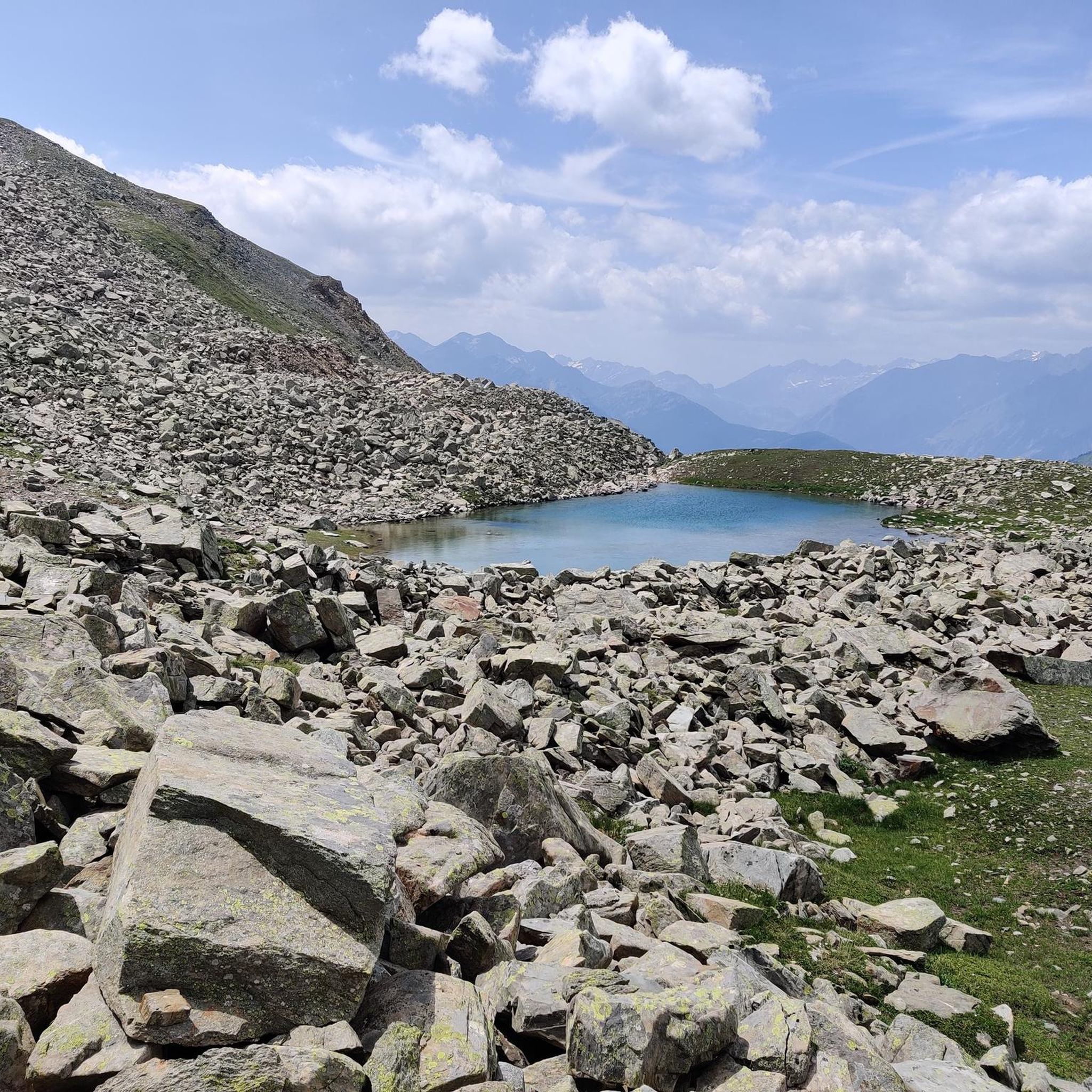
Lake Arpy is located at 2,066 meters above sea level. It is located in a splendid valley and enclosed between Mount Charvel and Becca Pouegnenta to the left of Mount Colmet. The lake has shades of color ranging from brown to light blue to green. In its waters there are trout and a rare species of amphibian, the Alpine newt.
5
0
On this link you will find all the information on the Deffeyes Refuge http://www.rifugiodeffeyes.it/
0
0
The Alberto Deffeyes refuge is a refuge located in the municipality of La Thuile (AO), in the La Thuile valley, in the Graian Alps, at 2,500 meters above sea level. It was built in 1953 and dedicated to Albert Deffeyes. It is located at the foot of the Testa del Rutor peak and the Rutor glacier in a basin particularly rich in alpine lakes. It is a stopping point of the Alta Via della Valle d'Aosta n. 2. It also offers the possibility of climbing almost overlooking the adjacent lake with various routes from grade 5c to 7a. For info: http://www.rifugiodeffeyes.it
0
1
Frequently Asked Questions
What are some of the most beautiful lakes to visit around La Salle?
Among the most appreciated lakes are Lake Arpy, known for its stunning colors and accessibility, and Lac du Verney, one of the largest natural alpine lakes in the Aosta Valley. Visitors also enjoy Lago dei Seracchi, a small lake fed by the majestic Rutor glacier.
Are there family-friendly lakes or walks suitable for children?
Yes, Lake Arpy is particularly suitable for families. It offers a simple walk that is within everyone's reach, including children, and stays cool in summer thanks to the shade of the surrounding forest.
What kind of hiking opportunities are available near these lakes?
The region offers diverse hiking. For an easy, family-friendly walk, the path to Lake Arpy is highly recommended. More challenging alpine routes are accessible from places like the Alberto Deffeyes Hut, which is a stopping point for the Alta Via della Valle d'Aosta n. 2. You can find various hiking routes in the area by exploring the Mountain Hikes around La Salle guide.
What unique natural features can I expect to see around the lakes?
The lakes around La Salle are primarily alpine and glacial in origin, offering dramatic landscapes. You'll encounter stunning glacial formations, high-altitude valleys, and diverse ecosystems. For example, Lago dei Seracchi is directly fed by the Rutor glacier, and Lac du Verney features hygrophilous vegetation and morainic deposits.
Are there any historical or cultural sites near the lakes?
Yes, the Great St Bernard Hospice, located near a high-altitude lake, is a significant historical site. For nine centuries, the Canons Regular of the Order of St. Augustine have maintained a tradition of hospitality there. Additionally, Lac du Verney holds historical significance, as the ancient Salassi people considered its waters sacred over 2,000 years ago.
What activities can I do besides hiking near the lakes?
Beyond hiking, the area around La Salle offers various outdoor activities. You can explore cycling routes, including challenging road cycling and touring bicycle options. The Cycling around La Salle guide and Road Cycling Routes around La Salle guide provide details on routes like the 'Colle San Carlo loop' or 'Cycling along the Dora Baltea river'.
What is the best time to visit the lakes around La Salle?
The alpine lakes are best visited during the warmer months, typically from late spring to early autumn, when trails are clear of snow and the weather is more favorable for outdoor activities. During winter, high-altitude areas, such as the lake near the Great St Bernard Hospice, can be frozen for extended periods.
Can I swim in any of the lakes?
While some lakes might be technically swimmable, the water in these high-altitude, glacial lakes is typically very cold. For instance, the tips for Lac du Verney mention that 'only the bravest swim there!'
Are there places to stay overnight near the lakes?
Yes, alpine huts provide accommodation in the high mountains. The Alberto Deffeyes Hut, located at 2,500 meters above sea level and surrounded by alpine lakes, offers facilities for overnight stays. The Great St Bernard Hospice also welcomes travelers year-round.
What kind of wildlife can be found around the lakes?
The alpine environment supports various species. In the waters of Lake Arpy, you can find trout and a rare species of amphibian, the Alpine newt. The shores of Lac du Verney are home to prized botanical varieties like eriophilous grasses, sedges, rushes, and sphagnum.
What do visitors enjoy most about the lakes around La Salle?
Visitors frequently praise the stunning natural beauty, the serene high-altitude settings, and the diverse opportunities for outdoor activities. The accessibility of some lakes, like Lake Arpy, for families is also a highlight, as is the unique geological and historical significance of sites like Lac du Verney and the Great St Bernard Hospice.
Most popular routes around La Salle
Most popular attractions around La Salle

Get inspired with the komoot mobile app


Explore more
Still not found your perfect lake around La Salle? Check out the guides of these regions to see even more beautiful places.
