Top 17 Castles around Roisan
Best castles around Roisan offer insights into the rich history of the Aosta Valley. This picturesque town is situated within a region known for its mountainous landscape and historical fortifications. The area provides a blend of cultural heritage and natural beauty, with many castles nestled amidst valleys and vineyards. These structures reflect centuries of architectural evolution and strategic importance in the region.
Best castles around Roisan
- The most popular castles is Quart Castle, a castle that stands on a…
Last updated: October 4, 2026
Aymavilles Castle
Highlight • Castle
Translated by Google •
Tip by

Quart Castle
Highlight • Castle
Translated by Google •
Tip by

Sign up now to discover places like this
Get recommendations on the best single tracks, peaks, & plenty of other exciting outdoor places.
Torre dei Balivi
Highlight • Historical Site
The tower, also known as Tour Cornière in French, was mentioned as early …
Translated by Google •
Tip by

Saint-Pierre Church and Castle
Highlight • Castle
11010 Saint-pierre AO
Translated by Google •
Tip by

Sarre Castle
Highlight • Castle
The castle stands in the Lalex area, on a promontory overlooking the Aosta plain above the state road to Mont Blanc, just beyond the crossroads for Cogne.
Translated by Google •
Tip by

Sign up for free to discover even more castles around Roisan.
Already have an account?
Start today with a free account
Your next adventure awaits.
Popular around Roisan
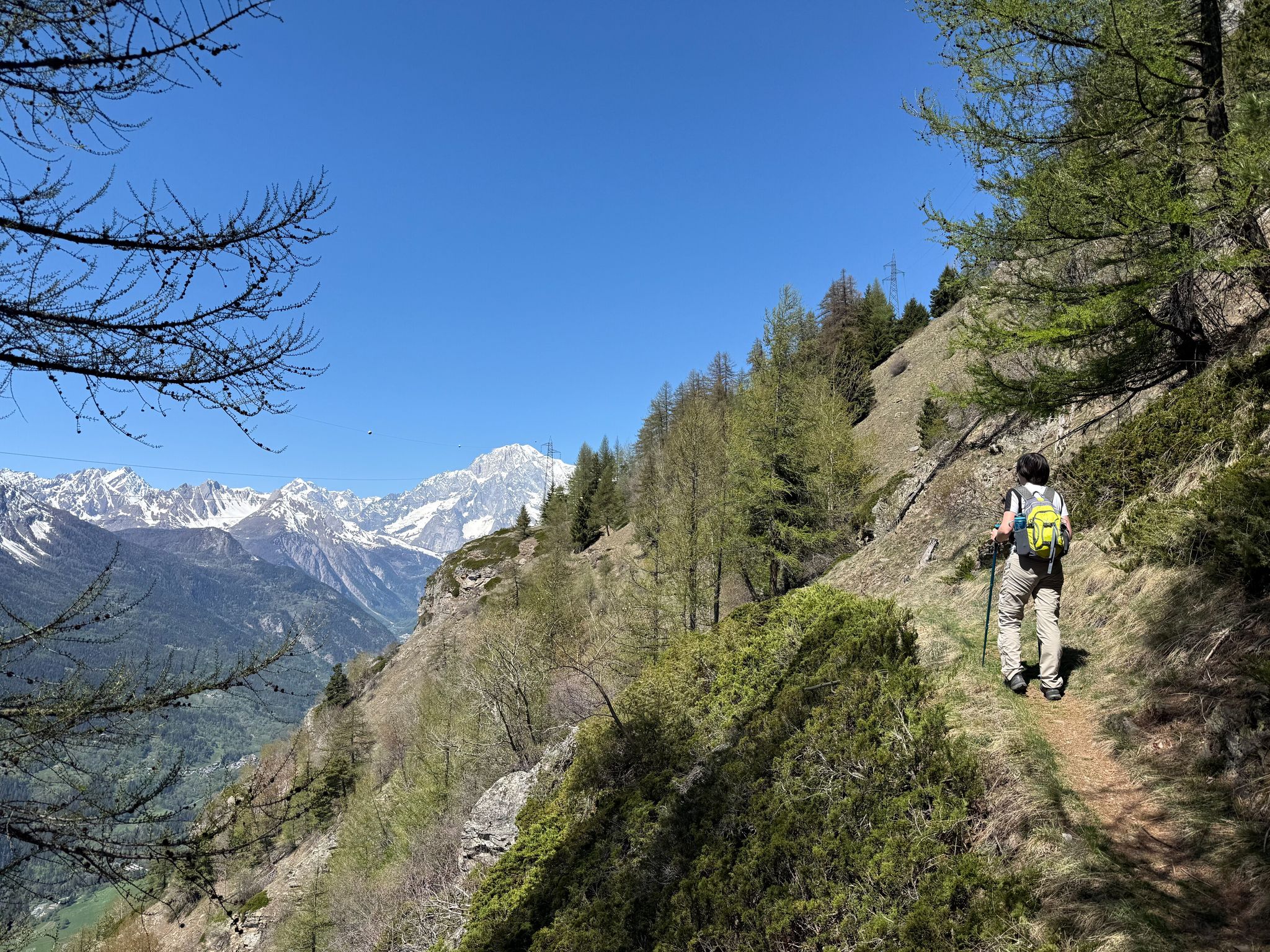
Cammino Balteo – castles, vineyards and trails of the Aosta Valley
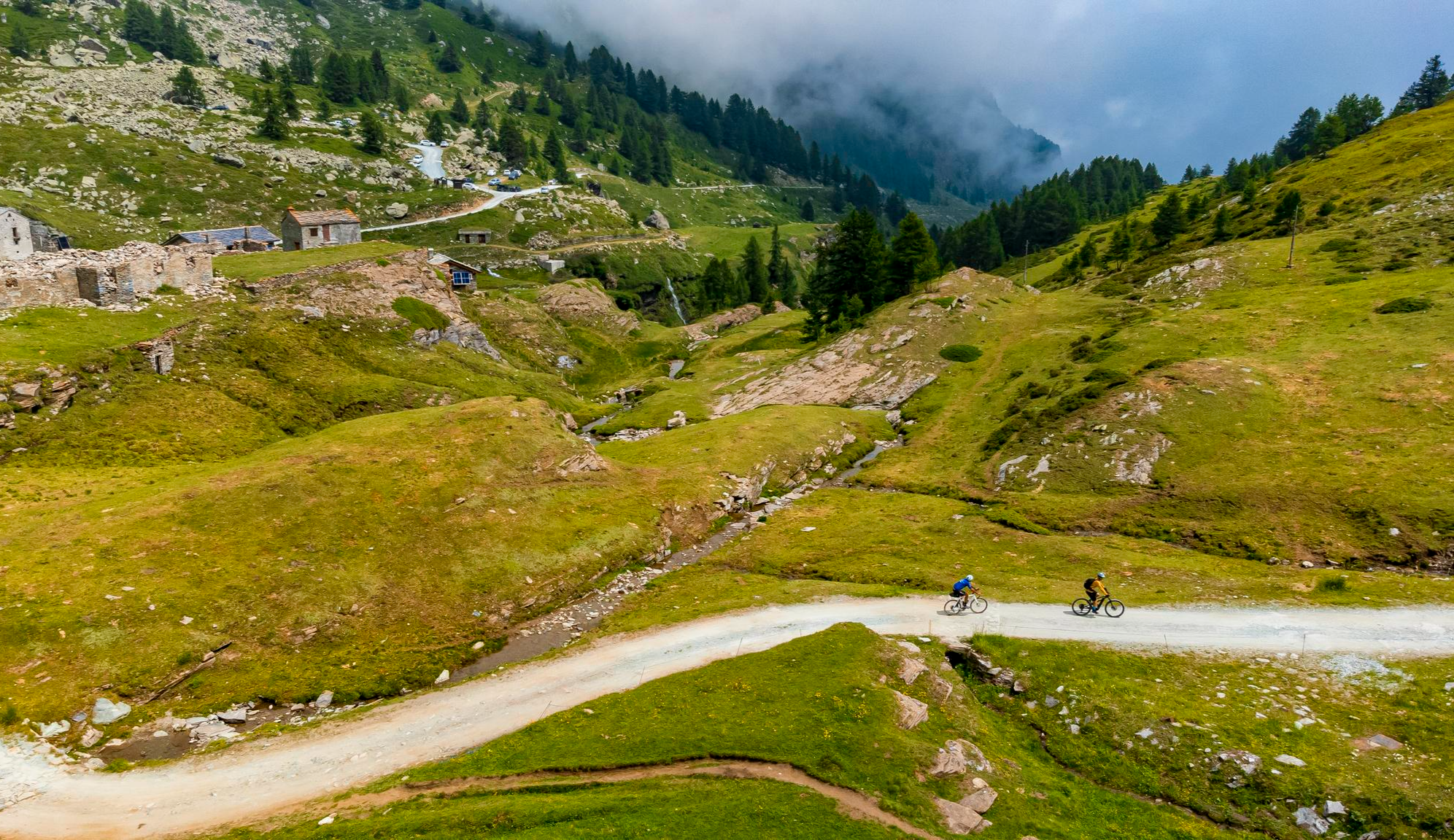
Must-do gravel routes in the Aosta Valley – the heart of the Italian Alps
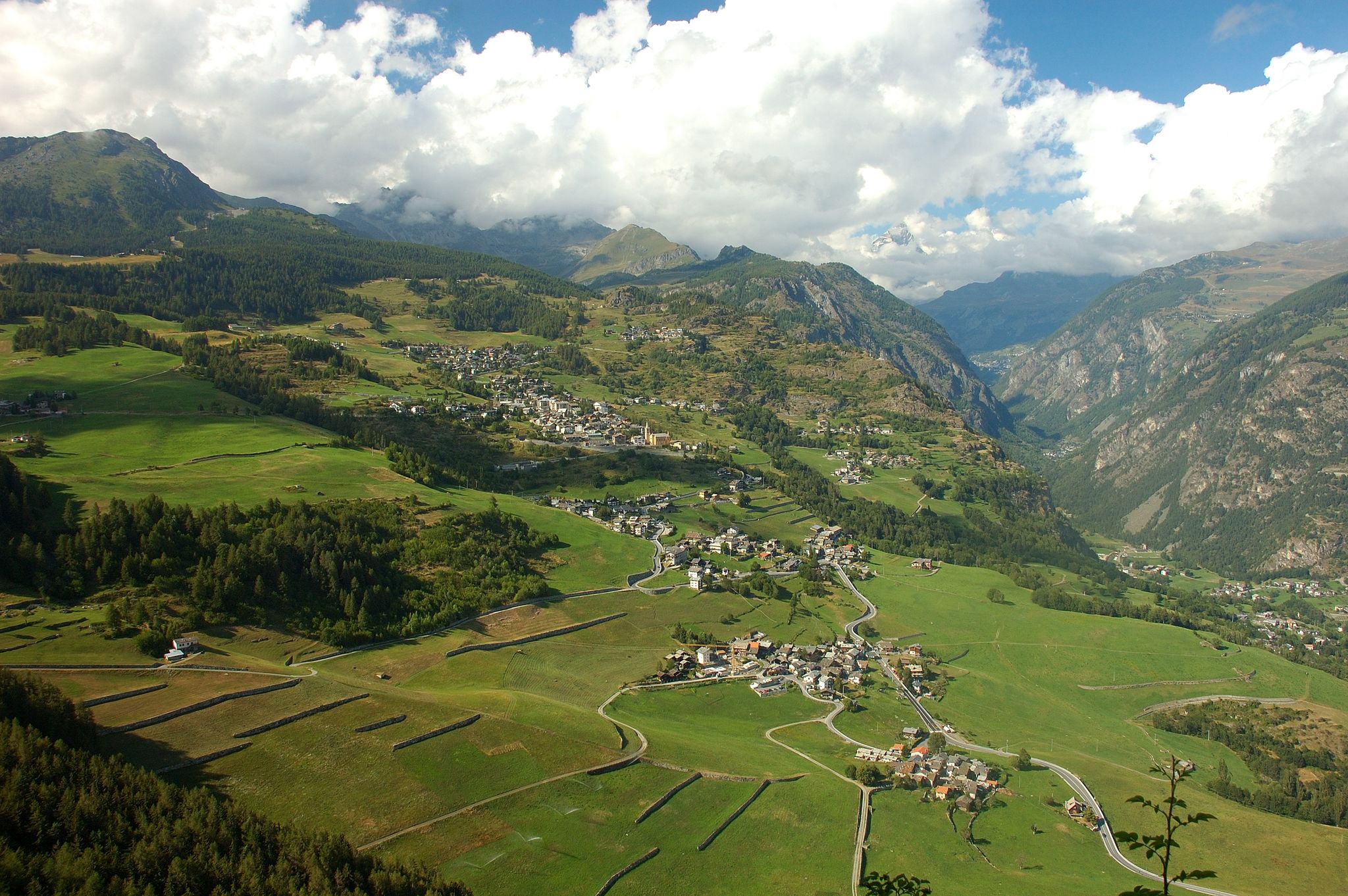
Paths, castles and views of Italy’s Aosta Valley – Cammino Balteo
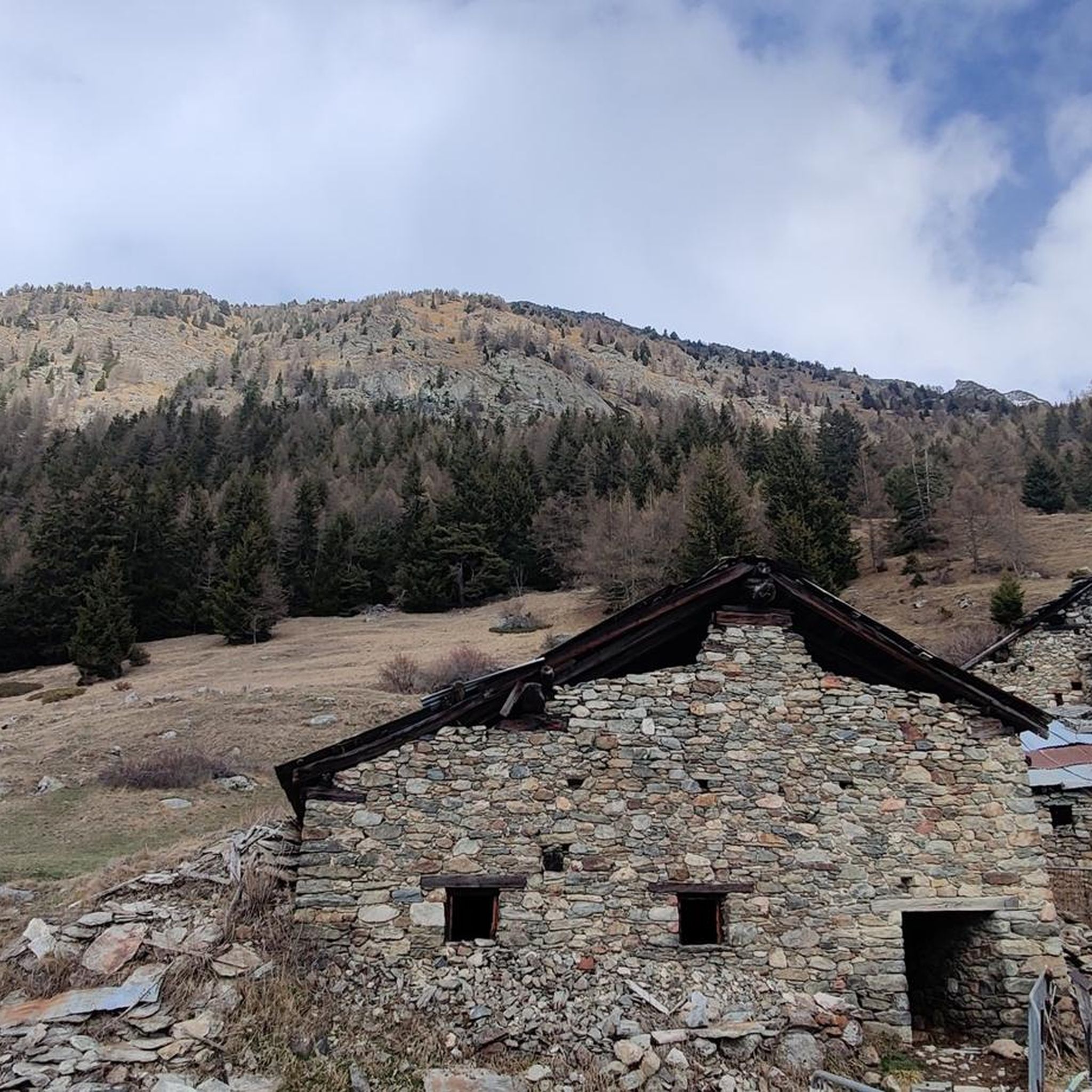
Road Cycling Routes around Roisan
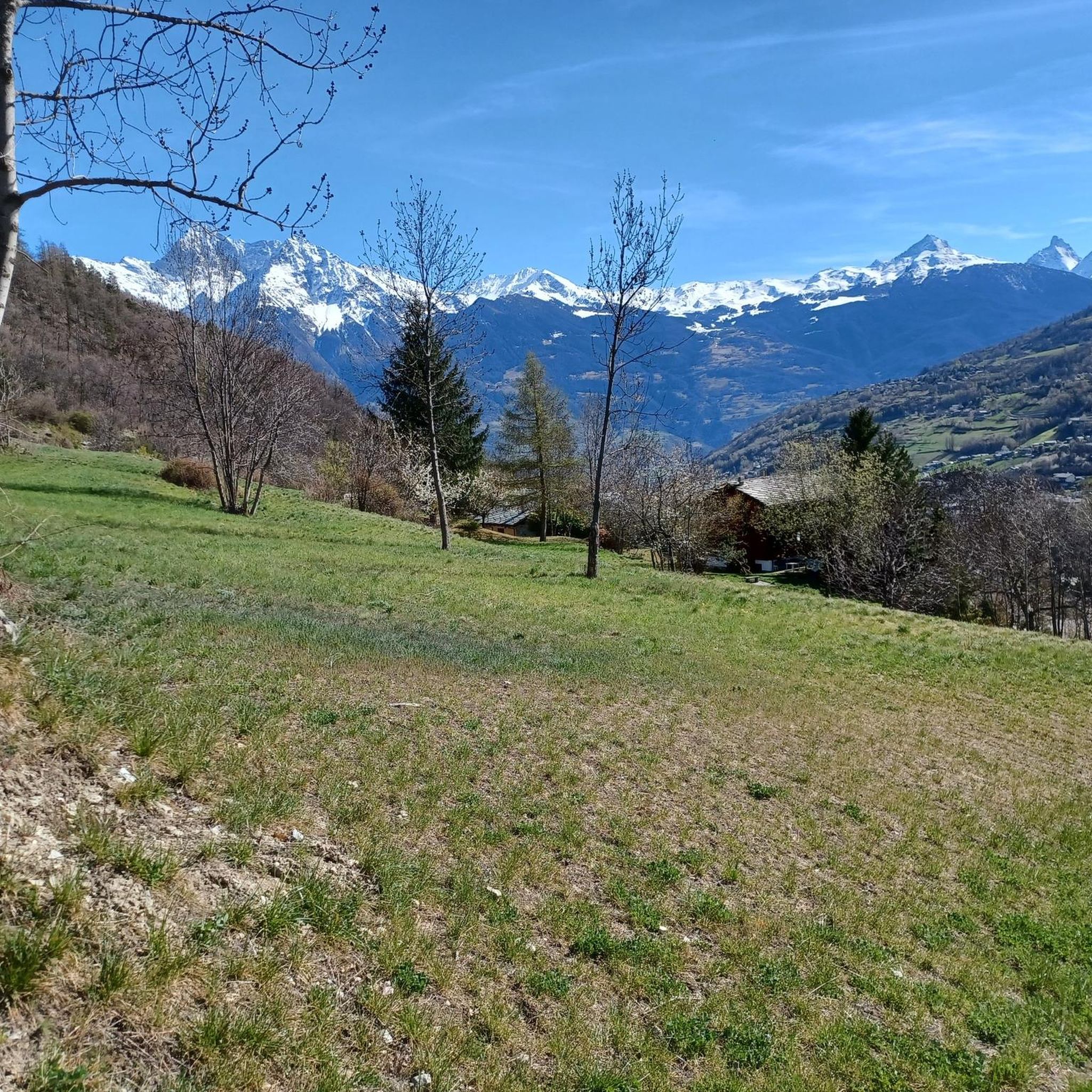
MTB Trails around Roisan
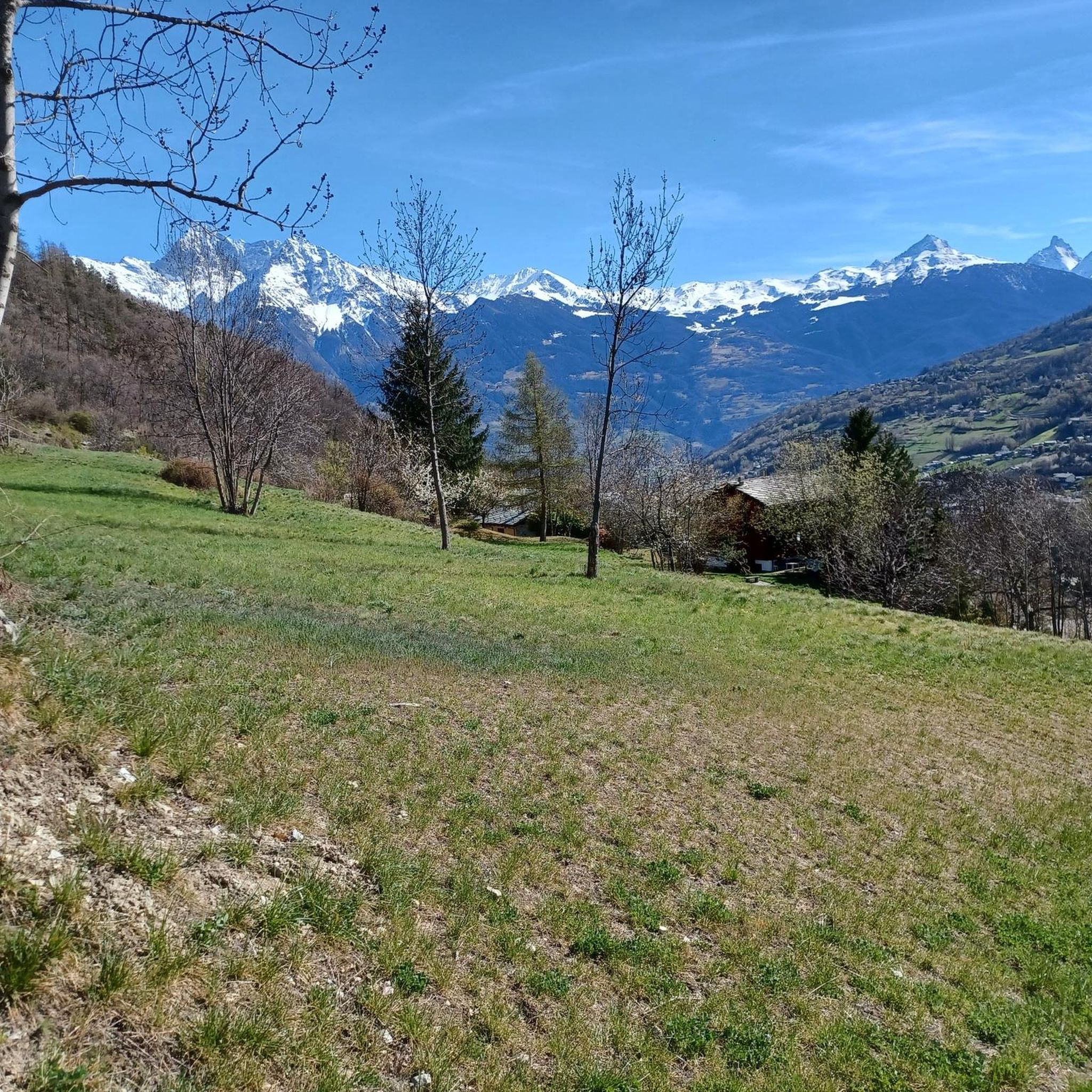
Cycling around Roisan
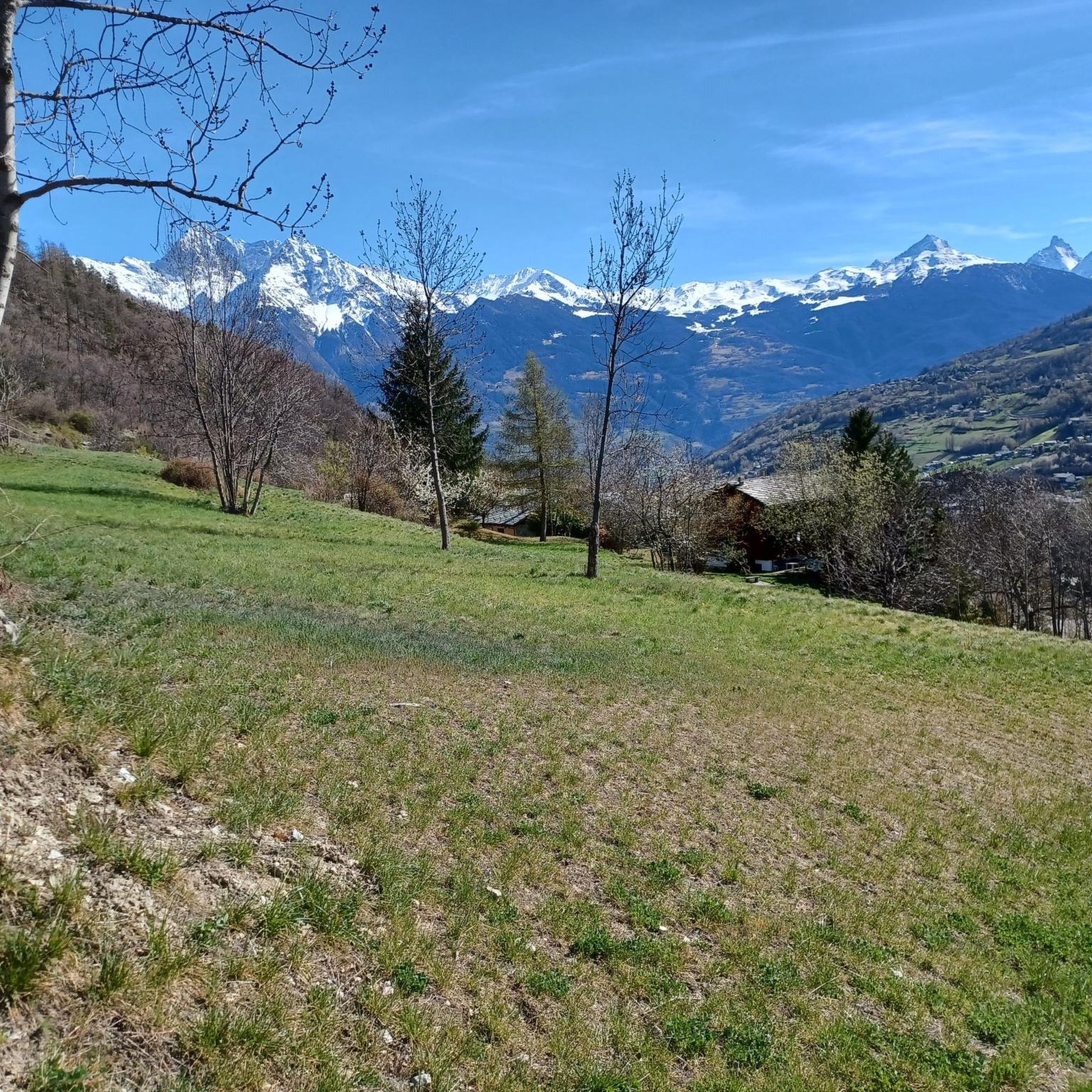
Hiking around Roisan
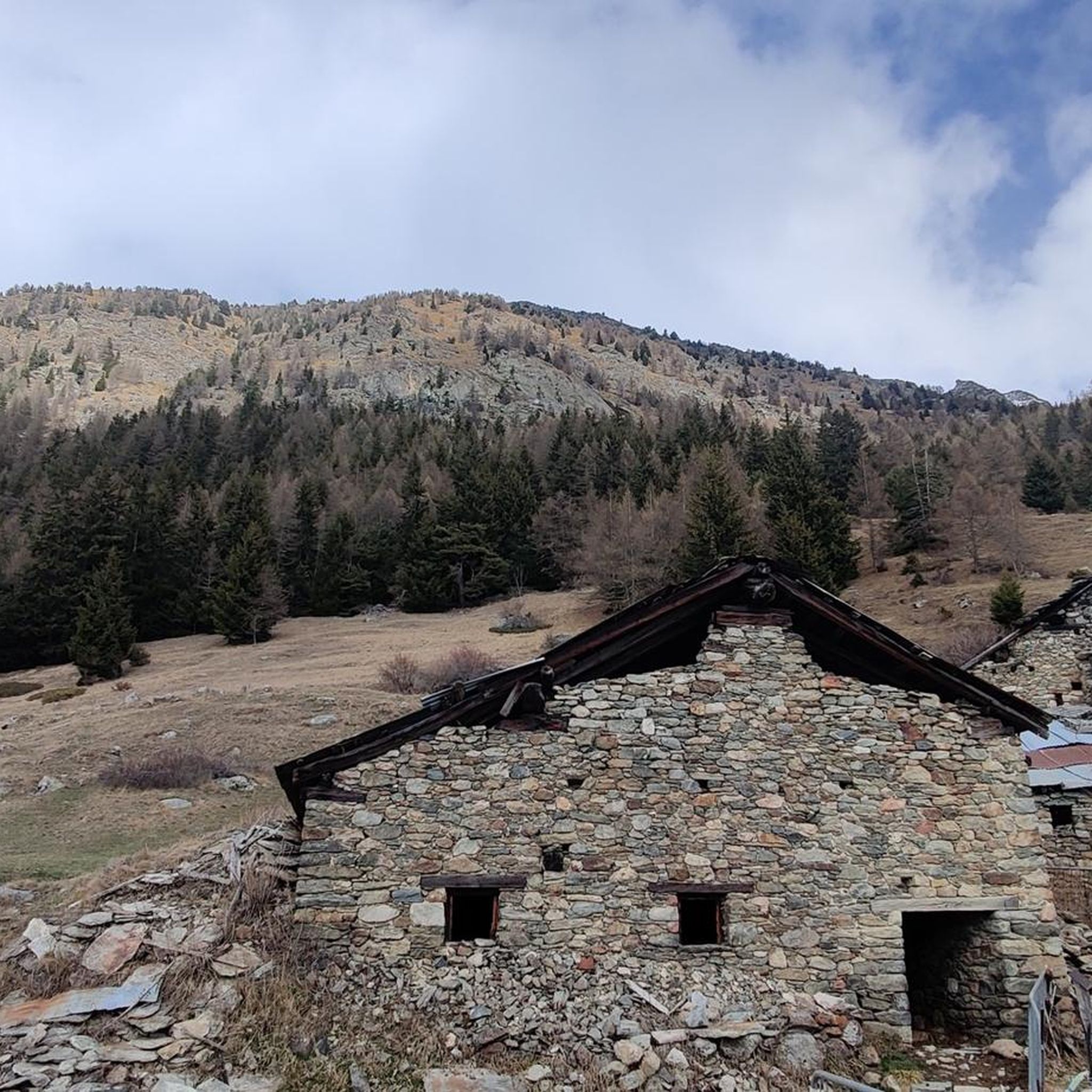
Running Trails around Roisan

Gravel biking around Roisan

Mountain Hikes around Roisan
Other adventures around Roisan


Tips from the Community

Seen only from the outside, very very beautiful!
0
0

Quart Castle is currently (January 2025) undergoing conservation work. The work should be completed by summer 2025.
0
0

Travelling along the Via Francigena from Aosta to Nus, just before Quart you come across this Castle built on a hill, an enchanting and solitary place.
0
0

The Torre dei Balivi, also known as Tour du bailliage, is one of Aosta's medieval architectural treasures. The tower, also known as Tour Cornière in French, was mentioned as early as 1192. In the 12th century it became the property of the local noble family De Palais (or De Palacio), who used it for their own purposes. Later, in the 13th century, it was transferred to the Count of Savoy and served as the seat of the bailiff (in old French, Bailly). The tower was expanded and remodeled in the 15th and 16th centuries, with new parts added to meet growing needs. In the 17th century it was used as a prison and courthouse. Since 2014, the tower has housed the Istituto Musicale Pareggiato della Valle d'Aosta.
8
0

The Aymavilles castle, located on a moraine hill and surrounded by meadows and vineyards, dominates the course of the Dora Baltea and the strategic and commercial route that led to the Alpine passes including the Piccolo San Bernardo. Its history is very ancient, in a papal bull of 1207 it appears as a simple tower or stronghold belonging to the assets of the canons of Saint Gilles. This fortification subsequently underwent numerous transformations thanks to the illustrious owners who followed one another over time, starting from 1360, when the Savoys enfeoffed the jurisdiction to Aimone di Challant. The castle is easily recognizable for its original but elegant structure characterized by eighteenth-century stuccoes, loggias and coats of arms. The exterior is refined by the presence of a vast park with a fountain, from which you can enjoy a spectacular view of the entire valley floor.
0
0

A unique castle, its exterior reflects medieval and Baroque periods, the result of the architectural initiatives of various members of the Challant family, who over the centuries adapted the building to the needs and tastes of the time. Aymavilles Castle is located in the municipality of the same name in the Aosta Valley, on a hill surrounded by vineyards along the road to Cogne. The castle underwent a long and complex restoration project, beginning in 2000, involving a wide range of professionals in the design, historical studies and research, archaeological investigations, and restoration. The restoration involved both the architectural structure and the interior decorations, highlighting the unique features of the various construction campaigns and numerous alterations that occurred over the centuries. Numerous anecdotes, surprises, and curiosities emerged from the past during archival research and the ongoing restoration, all of which are now visible during the tour. History The first mention of the castle dates back to May 1207. The castle began to undergo significant transformations starting in the 14th century, with the passage of the Challants, an important noble family from the Aosta Valley. During the 15th century, the castle was enriched with four corner towers, a double wall, and the construction of the top floor. A major construction campaign dates back to the time of Joseph-Félix de Challant when, between 1713 and 1728, the spaces between the four corner towers were embellished with loggias, decorated with elegant stucco elements, while the interior of the residence was significantly transformed and made more comfortable. The creation of the terraced park helped give the castle the appearance of a modern stately residence surrounded by greenery, completely losing that of a medieval defensive fortress. Throughout the 19th and 20th centuries, following several changes of ownership, the castle underwent numerous internal renovations, initially as a museum by Vittorio Cacherano della Rocca, the last descendant of the Challant family, and later as a summer residence for Piedmontese and Ligurian families. In 1970, the castle became part of the property of the Autonomous Region of Aosta Valley. The castle's green space extends over terraces sloping down towards the village and, with its circular promontory shape, flanks the surrounding hills used for vineyards. In spring and summer, it hosts events and concerts. The castle also includes the outbuildings, once used for agricultural purposes, and the stables, the latter now used as a ticket office. The Visit The Museum Tour The guided tour and multimedia installations allow visitors to discover the castle's history through the key phases of its transformation, linked to the various families who have lived there. The museum tour unfolds over four levels: Level I – The history of the families who have lived in the castle: on the ground floor, the rooms illustrate the events of the Challant and Bombrini families, the last owners of the castle before it was purchased by the Autonomous Region of Valle d'Aosta. Level II – Nineteenth-century collecting, from Vittorio Cacherano della Rocca Challant to the collection of the Accademia di Sant'Anselmo: on the first floor, the large hall represents the junction between the castle's history and the birth of the collection of the Aosta Valley cultural association in the 19th century, to which all the rooms in this section are dedicated. Level III – The rooms of Madama Giovane and the collection of the Accademia di Sant'Anselmo: the exhibition coexists with testimonies of daily life in the castle in the 19th century. Level IV – The evolutionary phases of the castle and the 15th-century wooden ceiling: the attic, integrated with the still visible architectural remains, illustrates the building's transformations over the course of its history. of the centuries with the support of multimedia technologies.
0
0
History The castle stands in the Lalex area, on a promontory overlooking the Aosta plain above the state road to Mont Blanc, just beyond the crossroads for Cogne. Built in 1710 by Giovanni Francesco Ferrod of Arvier on the remains of a strong house from 1242, after various changes of ownership it was purchased in 1869 by the King of Italy Vittorio Emanuele II, who renovated it and used it as a residence during his hunting trips in the Aosta Valley. The royal castle of Sarre, which became part of His Majesty's private heritage, then became the headquarters used by the king of Italy for his expeditions in the valleys of Cogne, Rhêmes and Valsavarenche. To host the first king of Italy, the residence underwent some modifications, including the raising of the tower and the construction of a new stable. Inside, the rooms were completely renovated and modernized. The conservator of the Royal Palace of Milan was specifically entrusted with the furnishings, which he arranged by transferring the furnishings from other royal residences. Vittorio Emanuele's successor, Umberto I (1844-1900), also assigned the Alpine castle to uses linked to hunting. In the last years of his reign, Umberto I paid particular attention to the residence of Sarre, whose internal renovation he promoted. The works carried out on that occasion include the important decorative campaigns of the monumental environments, decorated with ibex and chamois trophies. The castle was inhabited as a holiday by Queen Maria José even in the years following the monarchy. In 1989 the Valle d´Aosta Region purchased the complex to restore it. The castle, which appears as a longitudinal body with a square tower in the centre, can be considered a museum of the Savoy presence in the Aosta Valley. Visit The visit itinerary unfolds on three floors: the ground floor is set up as a museum and introduces a guided tour of the upper floors; some rooms are dedicated to the hunting theme and illustrate the territory, the management methods and the technical specificities of real hunts. the first floor, which still retains the furnishings and the appearance it took on in the second half of the 19th century, recalls the residential dimension of the Umbertine phase of the castle; the rooms are presented, with some exceptions, with the furniture documented by the 1890 inventory and with the textile furnishings described by the same inventory and reproduced on the basis of some original samples preserved in the State Archives of Turin. on the second floor, the exhibition presents a chronological setting linked to the members of the Savoy dynasty who lived in the castle from the beginning of the twentieth century to the post-World War II period.
1
0

It looks like the fairy castle. Always particular...
0
0
Frequently Asked Questions
What historical castles can I visit directly in Roisan?
While the Aosta Valley is rich in castles, Roisan itself is home to the Château de Rhins, also known as Rhins Castle or Maison forte de Rhins. This medieval tower-fortress served as the seat of the bishop's jurisdiction and offers a glimpse into the town's cultural heritage. Adjacent to it is a 17th-century chapel dedicated to Saint Michael.
Are there other notable castles near Roisan that are worth visiting?
Yes, several impressive castles are located a short distance from Roisan. These include Quart Castle, which stands on a high rocky cliff offering remarkable landscape views, and Aymavilles Castle, a 13th-century structure surrounded by meadows and vineyards, known for its medieval and Baroque architecture.
What kind of architecture can I expect to see in the castles around Roisan?
The castles around Roisan showcase a range of architectural styles, reflecting centuries of evolution. You'll find medieval tower-fortresses like the Château de Rhins, structures with Baroque embellishments as seen at Aymavilles Castle, and 'monobloc castles' with dominant towers and turrets, such as Saint-Marcel Castle.
Are there family-friendly castles to visit near Roisan?
Yes, several castles in the vicinity are considered family-friendly. Quart Castle, Aymavilles Castle, and Saint-Marcel Castle are all listed as suitable for families, offering historical exploration in engaging settings.
Can I combine a castle visit with outdoor activities like hiking?
Absolutely. The region around Roisan offers a blend of cultural heritage and natural beauty. Many castles are nestled amidst valleys, making them ideal starting points or destinations for walks. You can find various hiking trails in the area, some of which pass by or offer views of these historical sites. Explore options in the Hiking around Roisan guide.
What are some popular hiking trails near the castles around Roisan?
For those looking to hike, trails like the 'Bike rest area with lookout – Roisan loop' or the 'View of the Aosta Valley loop' offer scenic routes. While not directly at every castle, these trails provide opportunities to experience the natural landscape surrounding the historical sites. More details can be found in the Hiking around Roisan guide.
Are there any cycling routes that pass by castles near Roisan?
Yes, the area is suitable for cycling. For mountain biking enthusiasts, routes like the 'Roisan Village and Church – Blavy Church and Viewpoint loop' offer a chance to explore the region's beauty, potentially passing by viewpoints of castles. Check the MTB Trails around Roisan guide for more options.
What is the historical significance of Torre dei Balivi?
The Torre dei Balivi, located in Aosta, is a medieval architectural treasure dating back to the 12th century. It served as the seat of the bailiff for the Count of Savoy and later as a prison and courthouse. Today, it houses the Istituto Musicale Pareggiato della Valle d'Aosta, preserving its historical and artistic importance.
What do visitors particularly enjoy about the castles in the Roisan region?
Visitors appreciate the rich history and the stunning natural settings of the castles. For instance, Quart Castle is loved for its remarkable landscape views from its high rocky cliff, while Aymavilles Castle is noted for its unique architecture and being surrounded by meadows and vineyards. The blend of cultural heritage and natural beauty is a common highlight.
Is there a castle that also includes a religious site nearby?
Yes, the Saint-Pierre Church and Castle offers both historical and religious interest. The Château de Rhins in Roisan also has a 17th-century chapel dedicated to Saint Michael adjacent to it, providing a combined experience of history and spirituality.
What is the best time of year to visit the castles around Roisan?
The Aosta Valley, where Roisan is located, offers beautiful scenery year-round. Spring and autumn provide pleasant temperatures for exploring both the castles and the surrounding natural landscapes. Summer is also popular, though it can be warmer. Winter visits can be picturesque, especially with snow, but some access might be limited due to weather conditions.
Are there any castles near Roisan that are part of a historical route?
Yes, Quart Castle is located along the Via Francigena, a historic pilgrimage route. This allows visitors to experience both the castle's history and a significant cultural pathway.
Most popular routes around Roisan
Most popular attractions around Roisan

Get inspired with the komoot mobile app


Explore more
Looking for the best castles somewhere else? Discover other guides around Roisan:
