Attractions and Places To See around Challand-Saint-Anselme - Top 20
Best attractions and places to see around Challand-Saint-Anselme include a blend of historical sites, natural beauty, and cultural experiences in Italy's Aosta Valley. Situated at an altitude of 1036 meters, the commune's landscape features vast chestnut forests, alpine meadows, and high peaks. Its history is connected to the influential Challant family and ancient gold mining. The area offers varied excursions for nature and history enthusiasts.
Best attractions and places to see around Challand-Saint-Anselme
- The most popular attractions is Col de…
Last updated: May 9, 2026
Virgin Mary statue on Monte Zerbion
Highlight • Monument
Translated by Google •
Tip by

Alpenzu Grande Village
Highlight • Settlement
Translated by Google •
Tip by

Sign up now to discover places like this
Get recommendations on the best single tracks, peaks, & plenty of other exciting outdoor places.
Sign up for free
Col de Joux
Highlight • Mountain Pass
Translated by Google •
Tip by

Fort Bard
Highlight • Castle
Translated by Google •
Tip by
Lake Ville
Highlight • Lake
Translated by Google •
Tip by

Sign up for free to discover even more attractions around Challand-Saint-Anselme.
Sign up for free
Already have an account?
Start today with a free account
Your next adventure awaits.
Login or Signup
Popular around Challand-Saint-Anselme


Tips from the Community

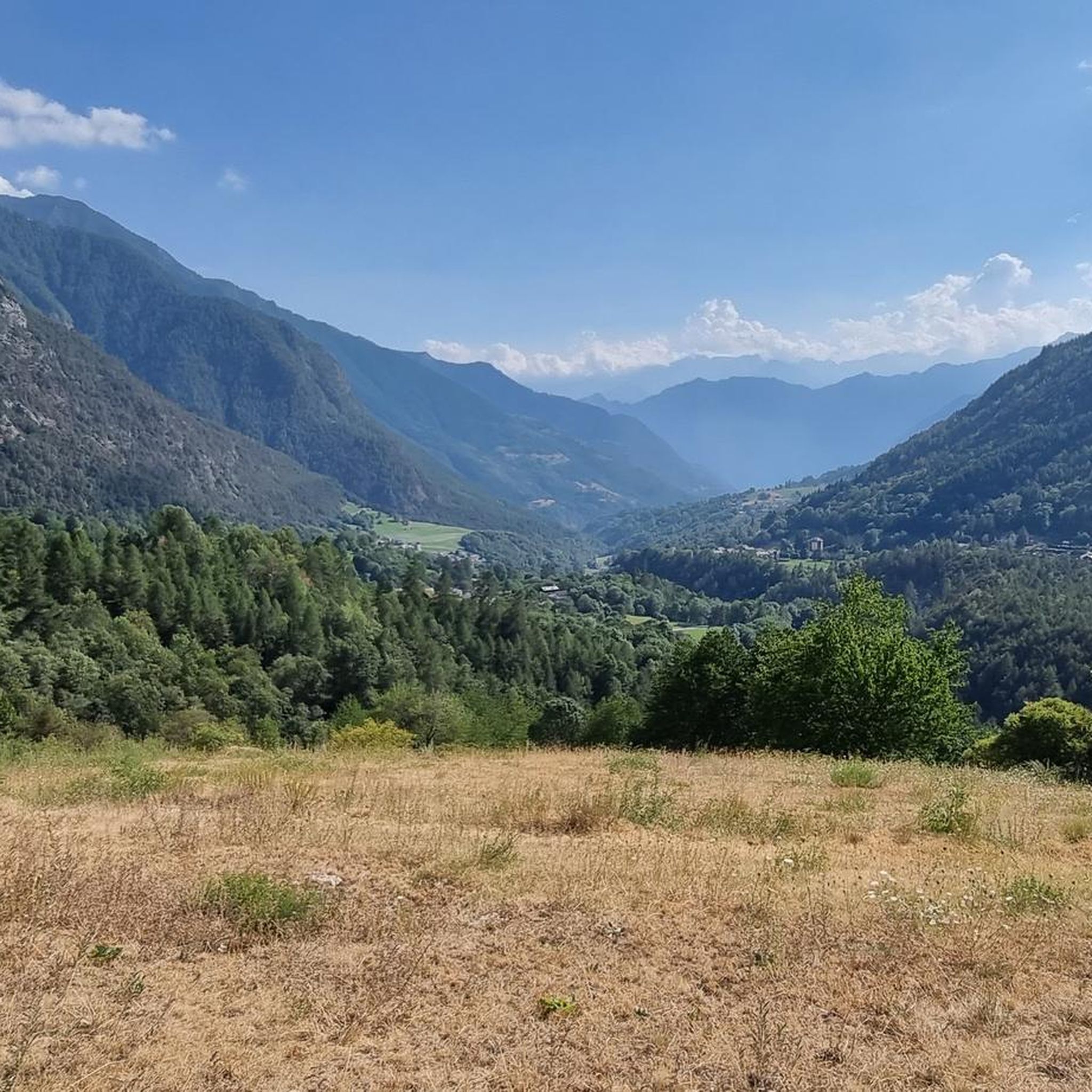
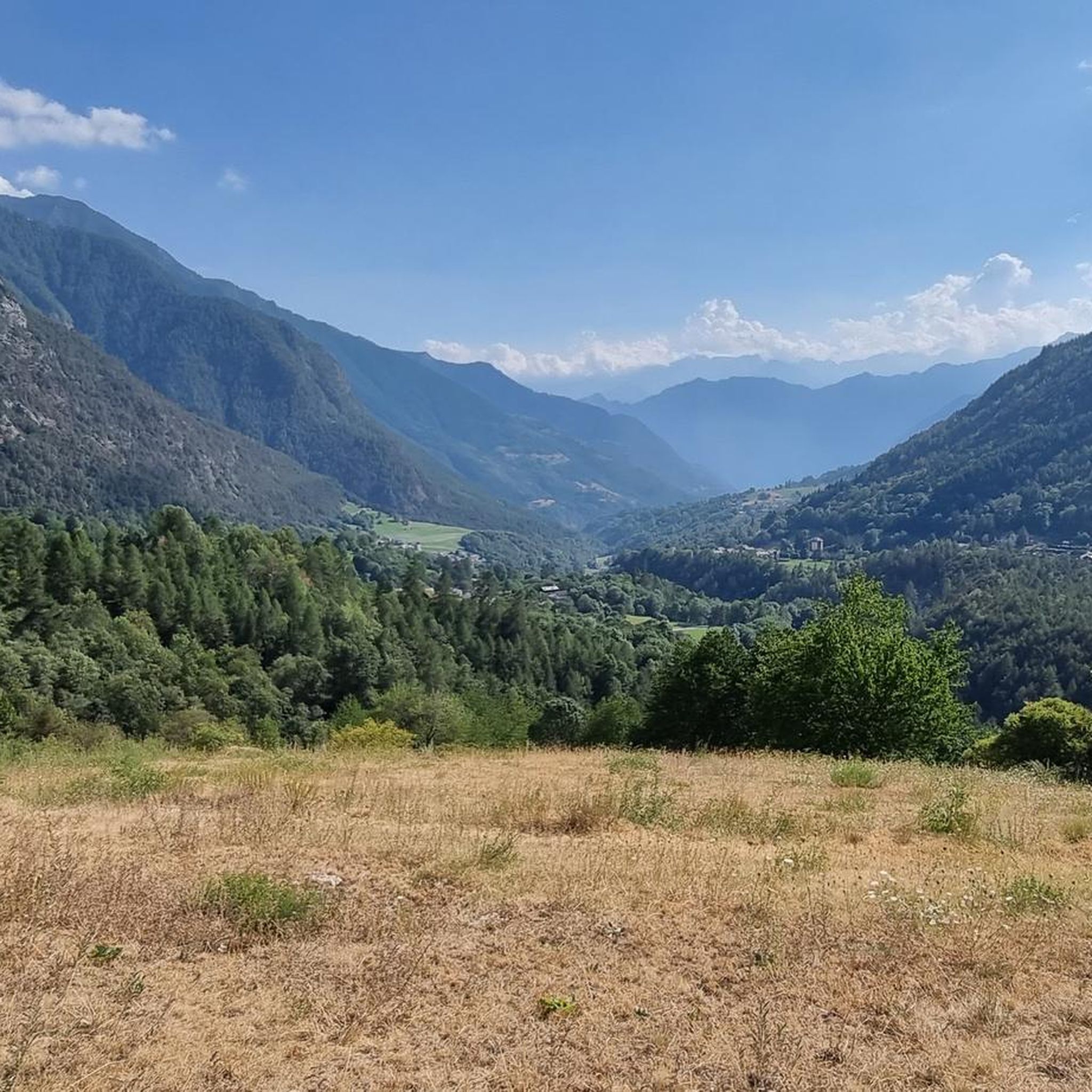
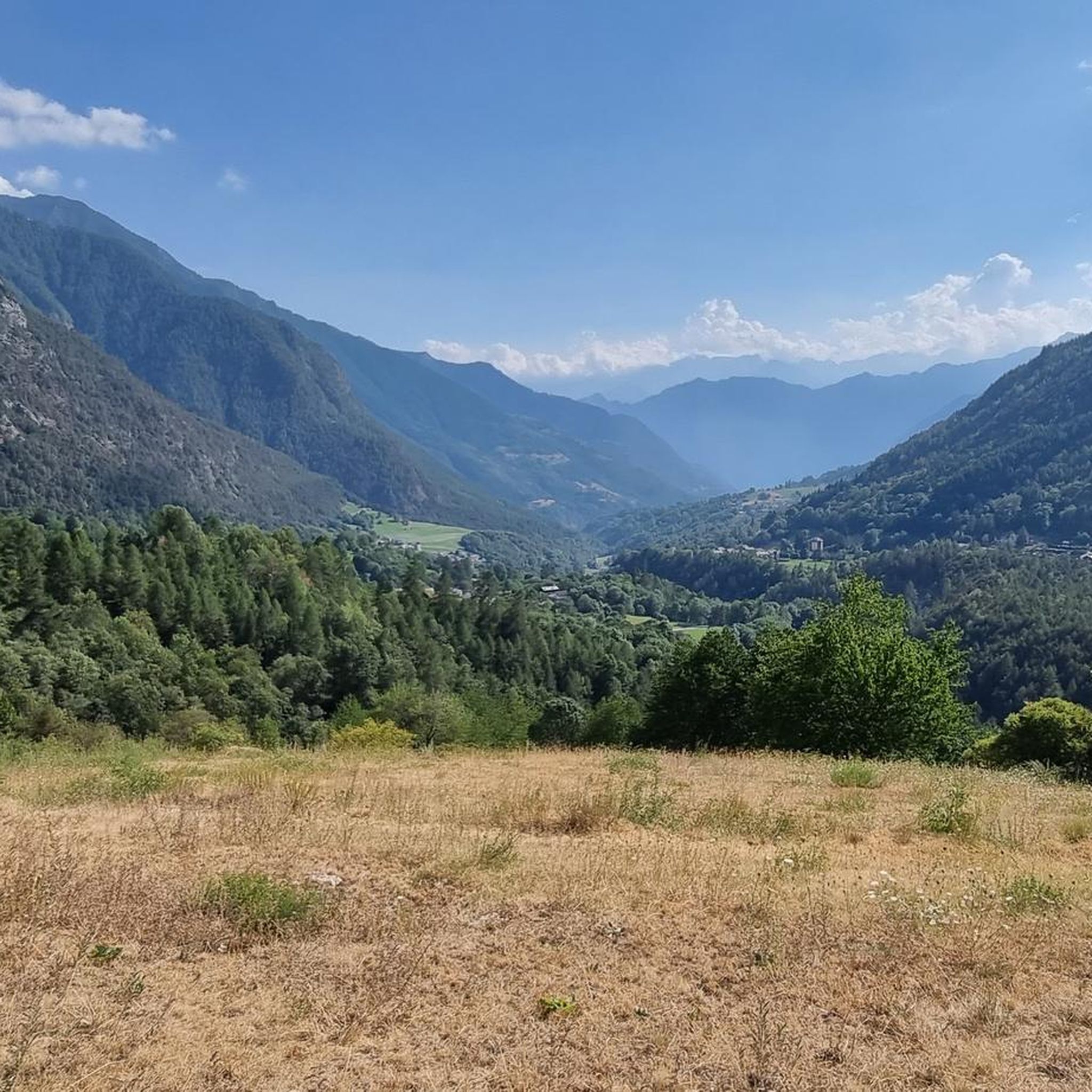
Impressive view in good weather
0
0

A welcoming Walser refuge located in the historic village of Gròssò Albezò, with stone and wood buildings dating back to the 17th century. Renovated in 1992, it offers 20–24 beds in shared rooms for six and double rooms, with modern bathrooms in the adjacent stadel. Easy access via a trail (trail signpost no. 6 or "W"), about 1 hour from Chemonal (1,407 m) through larch forests and pastures, also ideal for families. Perfect as a stopover on the AV1 (between Gressoney and Vieux Crest) or as a base for hikes to Testa Grigia (3,315 m).
1
0
A welcoming Walser refuge located in the historic village of Gròssò Albezò, with stone and wood buildings dating back to the 17th century. Renovated in 1992, it offers 20–24 beds in shared rooms for six and double rooms, with modern bathrooms in the adjacent stadel. Accessible via an easy trail (trail signpost no. 6 or "W"), about 1 hour from Chemonal (1,407 m) through larch forests and pastures, also ideal for families. Perfect as a stopover on the AV1 (between Gressoney and Vieux Crest) or as a base for hikes to Testa Grigia (3,315 m).
0
0


finding peace like this place elsewhere, if you go there during the week, is very difficult
0
0

The Lago di Villa Nature Reserve was established in 1982 and extends over 25 hectares, at an altitude of between 810 and 980 meters, between the municipalities of Challand-Saint-Victor and Montjovet. An oasis of peace and tranquility where you can listen to the sounds of nature and observe the surrounding mountains. It is interesting to visit in every season, to admire the colors of the changing leaves, as well as the plant and animal species that populate it. Here are some technical data on the natural area: Environment: low mountain peaty lake basin, characterized by a clear contrast between the marshy environment of the lake and the surrounding arid environment. Fauna: the nature reserve represents the main regional reproductive station for the common toad. Among the reptiles there are the maraou lizard and the whip snake, while the fish fauna consists of cyprinids and eels. Flora: the lake waters are home to two very rare floating plants in the Aosta Valley, the white water lily (if you want to enjoy its bloom, the recommended months are June and July) and the amphibian polygon. The reed bed is mainly made up of common reed; the arboreal vegetation is made up of hygrophilous thickets near the banks and thickets of Scots pine and downy oak on the surrounding sunny slopes.
0
0

In addition to many temporary exhibitions, often aimed at promoting and learning about the culture and territory of the Aosta Valley and the Alps, the Forte di Bard includes three permanent museums. 1.) On the top floor is the Museum of the Alps. Here the secrets of the mountain have been presented through a multimedia path and interactive installations. A truly worthwhile and informative museum!!! 2.) A second museum room is dedicated to the prisons of the fort, twenty-four narrow cells (1.3 x 2 meters) distributed in four areas and accessed from a gallery decorated with historical prints and paintings that tell the story of the building. 3.) Finally, the Fortress and Border Museum of the Opera Ferdinando offers a journey through the history of the Bard through a parade of historical and plastic weapons, including scale models of defensive structures and miniature armies. Source: https://www.visititaly.eu/it/luoghi-e-itinerari/cosa-vedere-a-bard-borgo-in-valle-aosta
42
0
Frequently Asked Questions
What kind of outdoor activities can I do in Challand-Saint-Anselme?
The region offers diverse outdoor activities. You can explore numerous trails for hiking and mountain biking, with routes reaching over 2000 meters in altitude. For specific routes, you can find detailed hiking guides and MTB trail guides. In winter, Challand-Saint-Anselme provides easy access to cross-country skiing in Brusson and downhill skiing in Champoluc, part of the vast Monterosa Ski area.
Are there any historical sites or cultural landmarks to explore?
Yes, Challand-Saint-Anselme is rich in history. You can visit the Fort Bard, a medieval village and fort dominating the valley. Other notable sites include the Parish Church of Saint Anselme in Quinçod, consecrated in 1762, and the Shrine of Saint Anne in Châtillonet, rebuilt in neo-Gothic style. The area also has a history of gold mining, with sites like the Bechaz mine, and the restored Ruvère Mill, historically used for grinding cereals.
Where can I find the best panoramic views in the area?
For breathtaking views, consider visiting the Virgin Mary statue on Monte Zerbion, which offers a priceless panoramic view over the entire Ayas valley. Another excellent spot is Alpenzu Grande Village, where you can enjoy views of glaciers, surrounding mountains, and Gressoney. The Col de Joux also provides panoramic vistas on the Saint-Vincent side.
Are there family-friendly attractions or activities suitable for children?
Many attractions in Challand-Saint-Anselme are suitable for families. The path along the Ru d'Arlaz, an ancient irrigation canal, is mostly flat and 11 km long, perfect for walks and mountain biking with children. The Col de Joux offers simple and non-technical trails. Additionally, Lake Ville is noted for its accessibility and surrounding trails suitable for everyone, including those with wheelchairs.
What natural features are prominent around Challand-Saint-Anselme?
Challand-Saint-Anselme is characterized by its natural beauty, transitioning from vast chestnut forests to alpine meadows and high peaks. The village is dominated by Corno Bussola and surrounded by mountains like Becca Torché. The Ru d'Arlaz features a spectacular waterfall, and Lake Ville is a beautiful natural lake with accessible surroundings.
What do visitors enjoy most about Challand-Saint-Anselme?
Visitors particularly appreciate the stunning panoramic views, especially from spots like Monte Zerbion and Alpenzu Grande Village. The diverse hiking opportunities, from easy walks to challenging mountain excursions, are also highly rated. The blend of historical sites, like Fort Bard, and the tranquil natural landscapes, such as Lake Ville, contribute to a rich and enjoyable experience.
Are there any accessible trails or attractions for people with limited mobility?
Yes, Lake Ville is particularly noted for its accessibility, featuring parking right next to the lake and a walkway designed for wheelchairs, allowing everyone to enjoy the beautiful scenery.
What is the best time of year to visit Challand-Saint-Anselme?
The best time to visit depends on your interests. For hiking and outdoor activities, late spring to early autumn (May to October) offers pleasant weather. If you're interested in winter sports, the season typically runs from December to March, with easy access to nearby ski areas. The region also hosts traditional festivals throughout the year, so checking a local event calendar might help you plan your visit.
Can I find challenging hiking trails in the area?
Absolutely. The region provides numerous opportunities for hiking with trails of varying difficulty, including routes that reach over 2000 meters in altitude. The imposing presence of Corno Bussola and Becca Torché suggests more demanding excursions for experienced hikers. You can explore various challenging routes in the hiking guide for Challand-Saint-Anselme.
Are there any local festivals or traditions I should know about?
Challand-Saint-Anselme hosts several traditional events that revive ancient crafts and recipes. These include the Wood Fair, the Black Bread Festival, and the 'Fehta da tchivra' (Goat Festival). The Shrine of Saint Anne also holds an annual religious celebration, including the blessing of children, on July 26th.
Where can I go for a leisurely walk or easy hike?
For a leisurely walk, the 11 km path along the Ru d'Arlaz is an excellent choice. It's mostly flat and passes through old villages, pastures, and forests. The trails leading to Col de Joux are also described as simple and non-technical, offering an easy way to enjoy panoramic views and wooded passages.
Most popular routes around Challand-Saint-Anselme
Most popular attractions around Challand-Saint-Anselme

Get inspired with the komoot mobile app


Explore more
Still not found the Highlight you’re looking for? See guides of the top attractions in other regions:
