Attractions and Places To See around Aosta - Top 20
Best attractions and places to see around Aosta include a diverse range of historical, cultural, and natural sites. The city, often called the "Rome of the Alps," is known for its well-preserved Roman ruins and medieval castles. The surrounding Aosta Valley features alpine landscapes with high peaks and natural parks. This region offers a blend of historical grandeur and natural beauty.
Best attractions and places to see around Aosta
- The most popular attractions is Mont Fallère Refuge, a hut…
Last updated: October 9, 2026
Mont Fallère Refuge
Highlight • Mountain Hut
Translated by Google •
Tip by

Lake Chamolé
Highlight • Lake
As you approach the lake you have a wonderful view of Mont Blanc, the valley of the Great Saint Bernard and the Gran Combin.
Translated by Google •
Tip by

Sign up now to discover places like this
Get recommendations on the best single tracks, peaks, & plenty of other exciting outdoor places.
Arbolle Hut
Highlight • Mountain Hut
Showing Translation
Tip by

Piazza Émile Chanoux
Highlight • Historical Site
Showing Translation
Tip by

Vetan
Highlight • Settlement
Showing Translation
Tip by

Sign up for free to discover even more attractions around Aosta.
Already have an account?
Start today with a free account
Your next adventure awaits.
Popular around Aosta
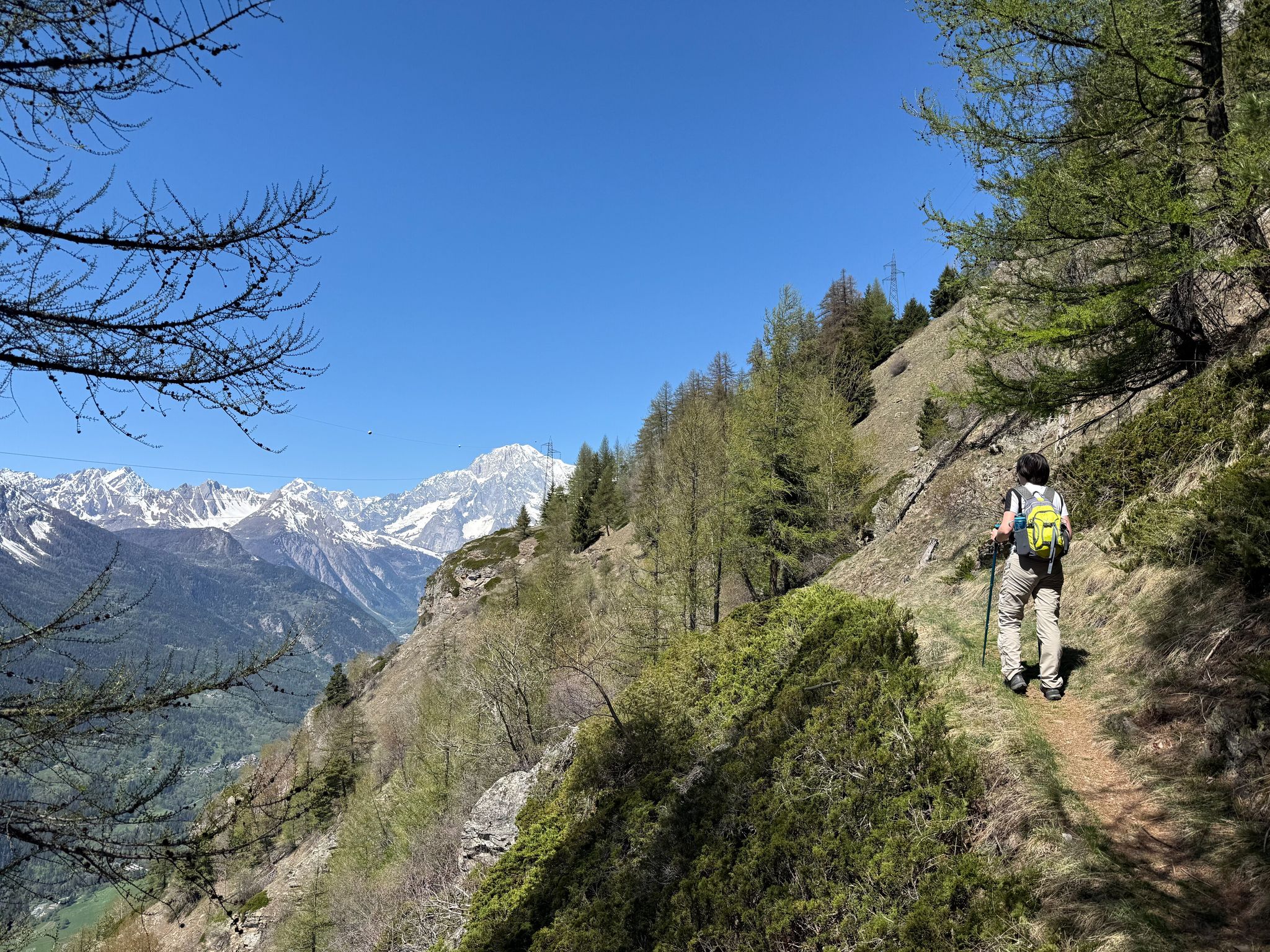
Cammino Balteo – castles, vineyards and trails of the Aosta Valley
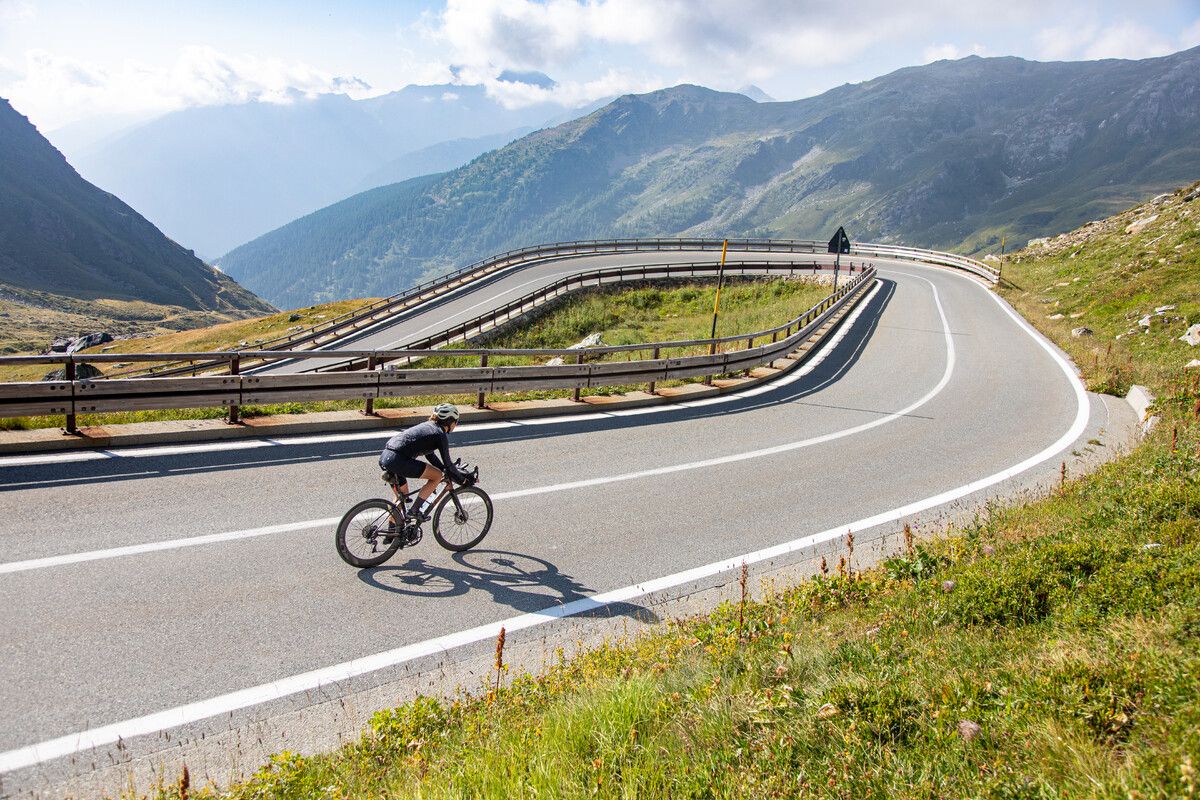
Road cycling in the Aosta Valley – major climbs and alpine routes
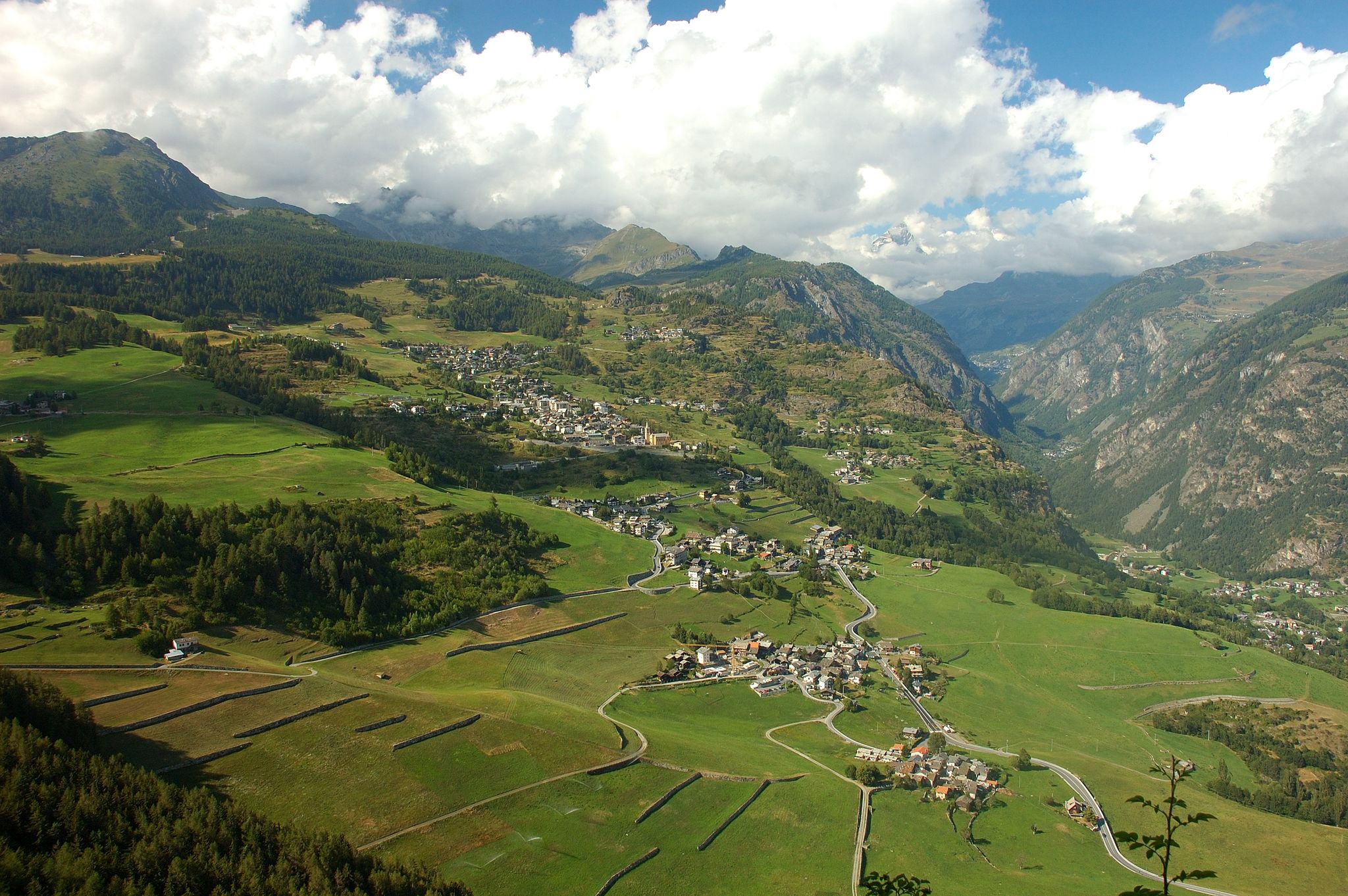
Paths, castles and views of Italy’s Aosta Valley – Cammino Balteo
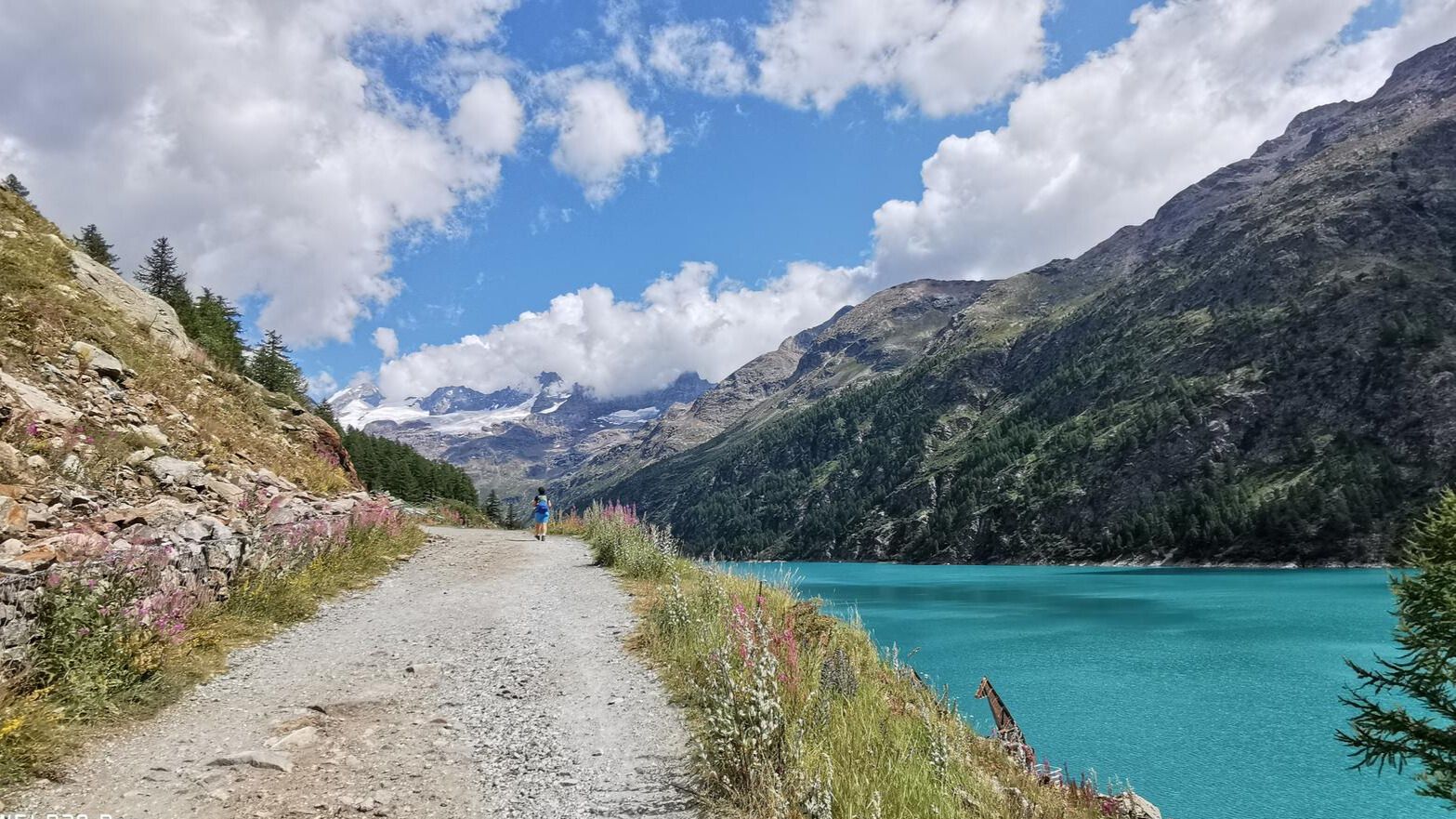
In the footsteps of the first mountaineers – Valpelline Trek
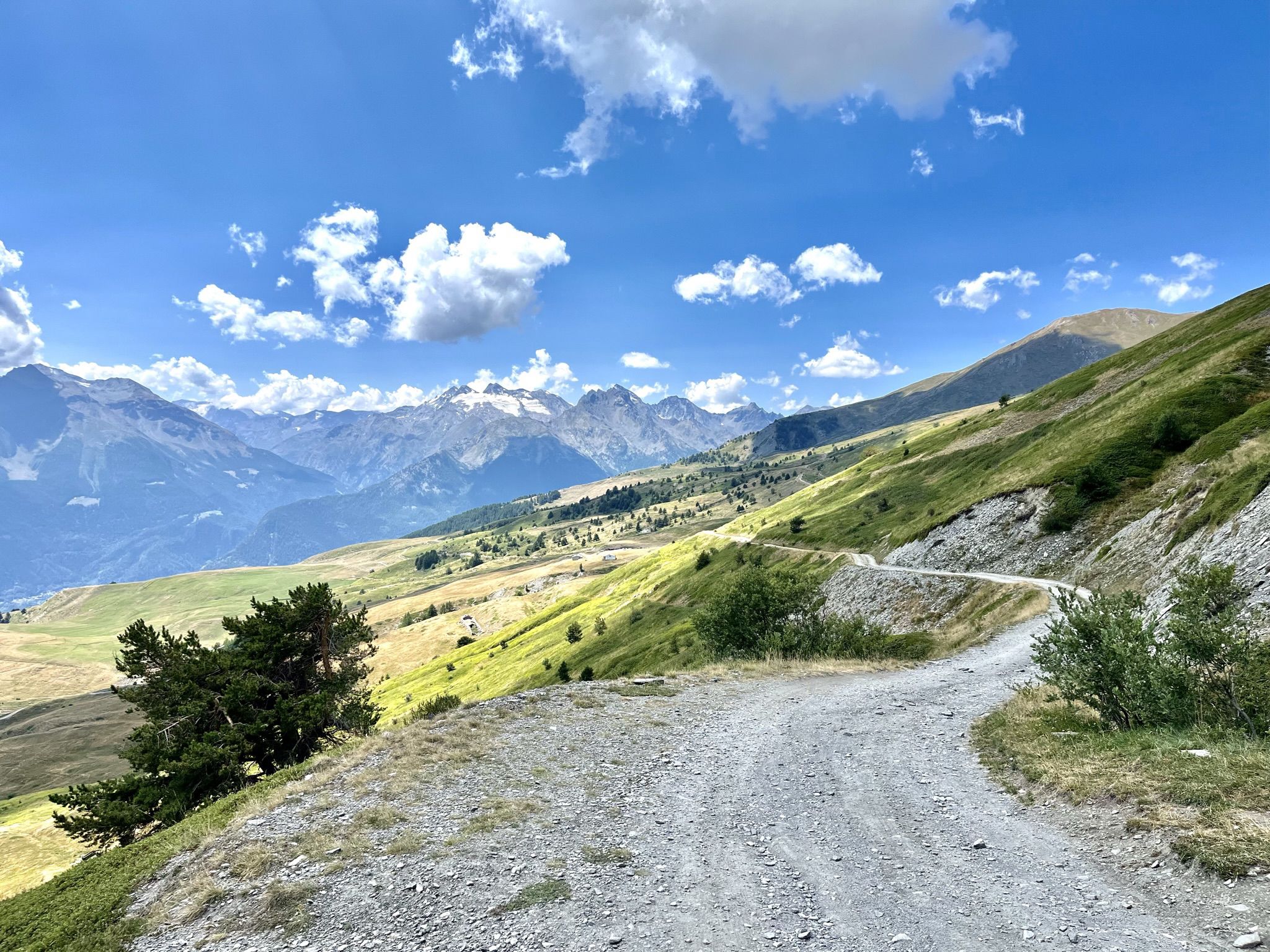
Mountain biking with a glacier backdrop – rides in Italy’s Aosta Valley
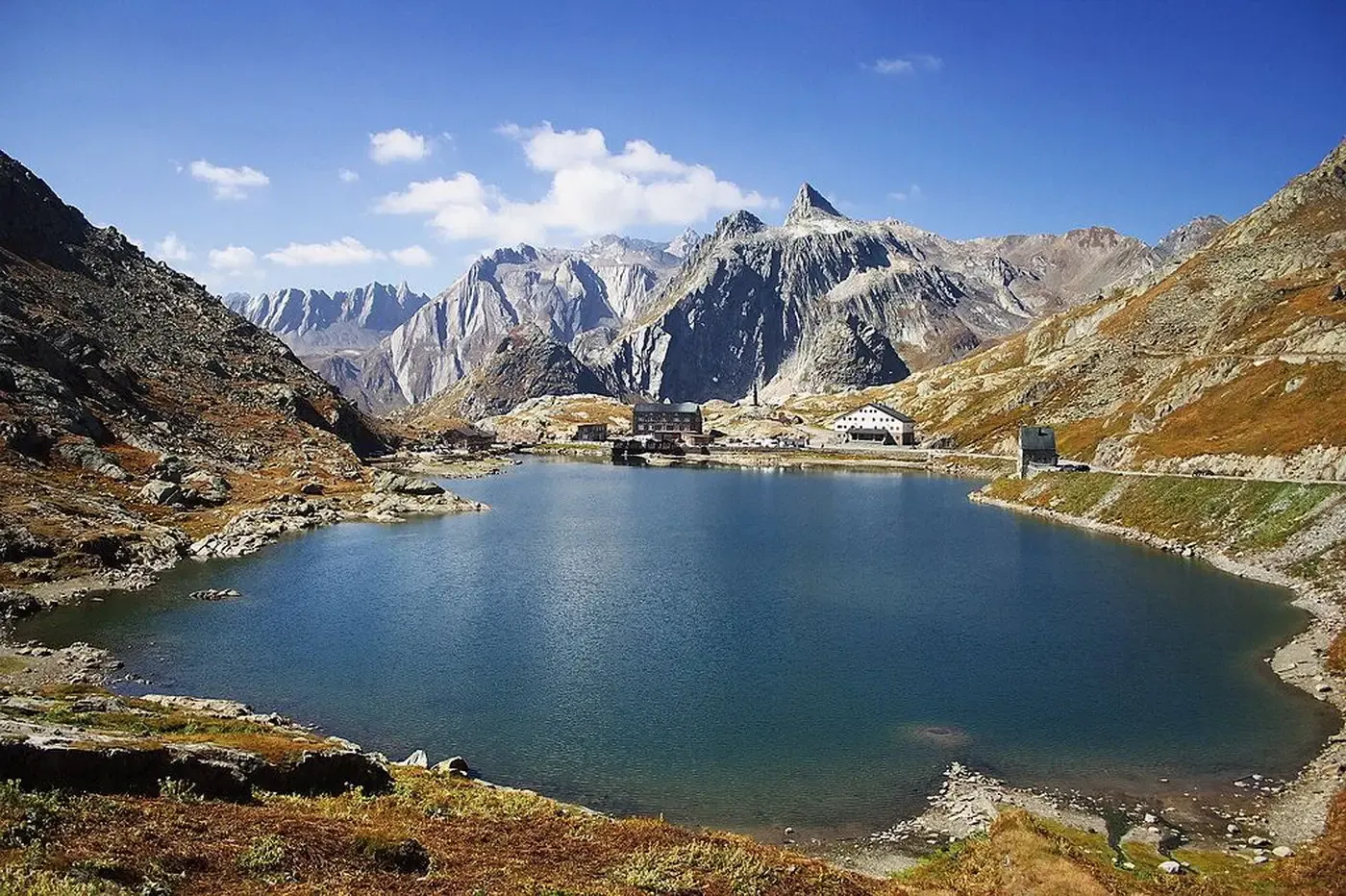
A cycling pilgrimage — history and nature on Italy’s Via Francigena
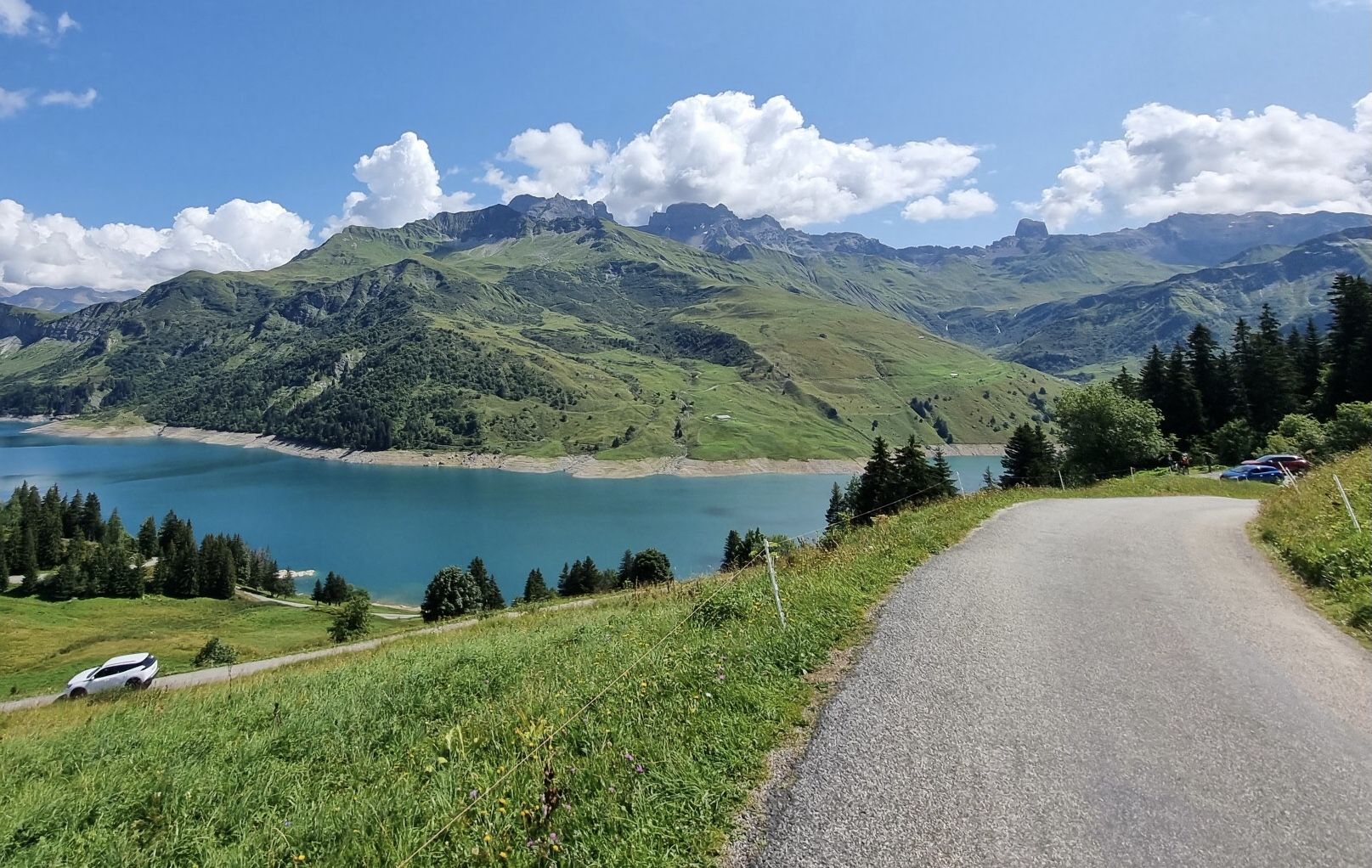
The magical Tour du Mont-Blanc by bike
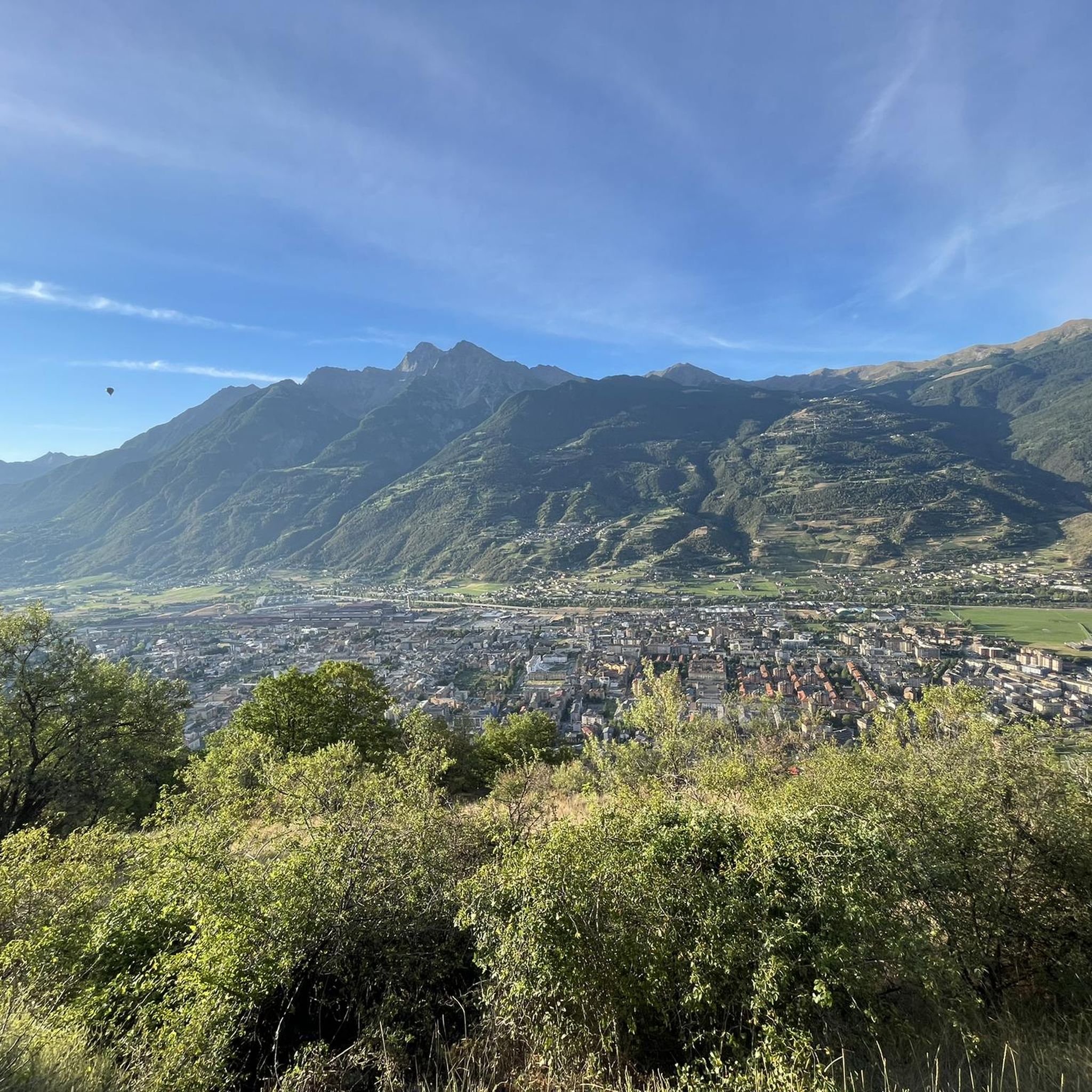
Road Cycling Routes around Aosta
Cycling around Aosta
Hiking around Aosta
Other adventures around Aosta


Tips from the Community

Often used as a base for Emilius, a large, cozy refuge with excellent cuisine. For overnight stays, it offers several rooms, including dormitories with bunk beds, floor beds, and more comfortable and private rooms. The refuge has two showers.
0
0

Vtan is the starting point for reaching Mount Fallere and the refuge of the same name, but not only that, because from this small village some beautiful white roads branch off, very suitable for MTB, as well as other minor excursions, but always rewarding for the grandiose panoramas. Very suggestive, in the pine forest, is the "meditation trail", a path that invites "meditative walking", a practice that combines yoga, breathing, self-control... more information about it can be found at the nearby Hotel, which also provides a map of possible excursions.
0
0

Mountain tour through woods and spectacular panoramas
0
0

Located in the municipality of Charvensod, the Rifugio Arbolle welcomes hikers in a warm and professional environment, offering 66 beds divided between four-bed rooms and a classic dormitory. The structure features a bar area and a restaurant serving typical Aosta Valley cuisine, ensuring a relaxing stop before embarking on spectacular hikes towards Becca di Nona or Monte Emilius.
1
0

Very well kept refuge, great cleanliness, splendid cuisine and great welcome
1
0

The Mont Fallère Refuge, at 2,385 m, is located in the valley between Mont Fallère and Monte Rosso di Vertosan. It offers 50 beds in rooms with bathrooms, and has a restaurant with typical cuisine. Open in summer, it can be reached on foot or by mountain bike.
1
1

The regional capital is located in the middle of the valley of the same name. The city still has the layout of the old Roman castrum, and in the car-free centre several monuments recall the Roman period. Aosta was a lively religious centre in the Middle Ages. St. Anselm, the later Archbishop of Canterbury who died in 1109, was born here. Today Aosta is a busy tourist hub at the crossroads of the roads to the Great St. Bernard Pass and Switzerland.
7
0
Piazza Émile Chanoux is the central square of Aosta, located in the Valle d’Aosta region of Italy. Named after the notary and resistance leader Émile Chanoux, the square is a rectangular square with its long sides facing north and south. The square is surrounded by elegant buildings, including the neoclassical Town Hall (Hôtel de Ville), which is richly decorated with frescoes and marquetry. In front of the Town Hall is a monument to the Soldier of the Aosta Valley, made by Pietro Canonica in 1924. The square serves as a meeting place and venue for festivals and markets, and is also home to the Hôtel des États, an important 18th-century building now used for temporary exhibitions.
5
0
Frequently Asked Questions
What Roman ruins can I explore in Aosta?
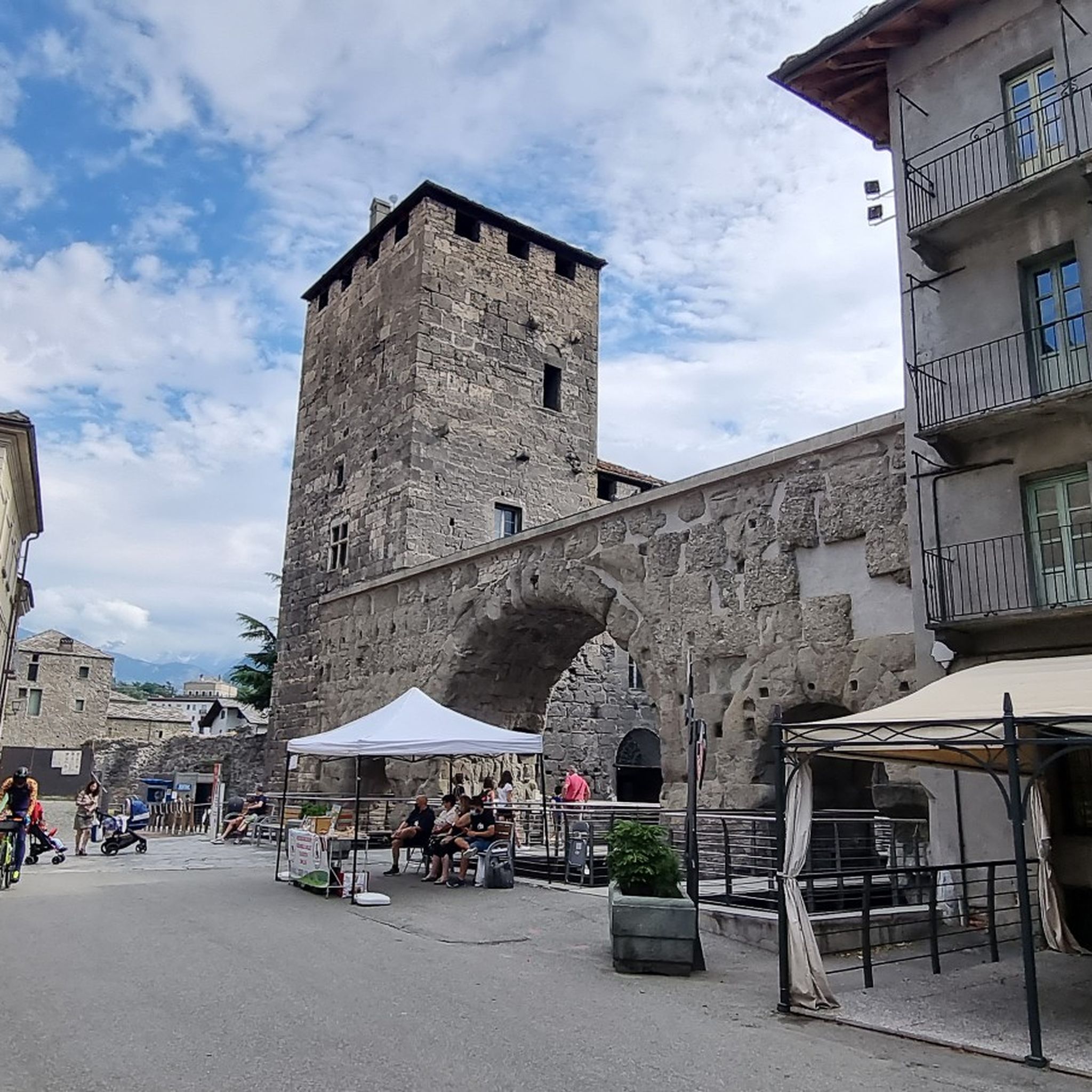
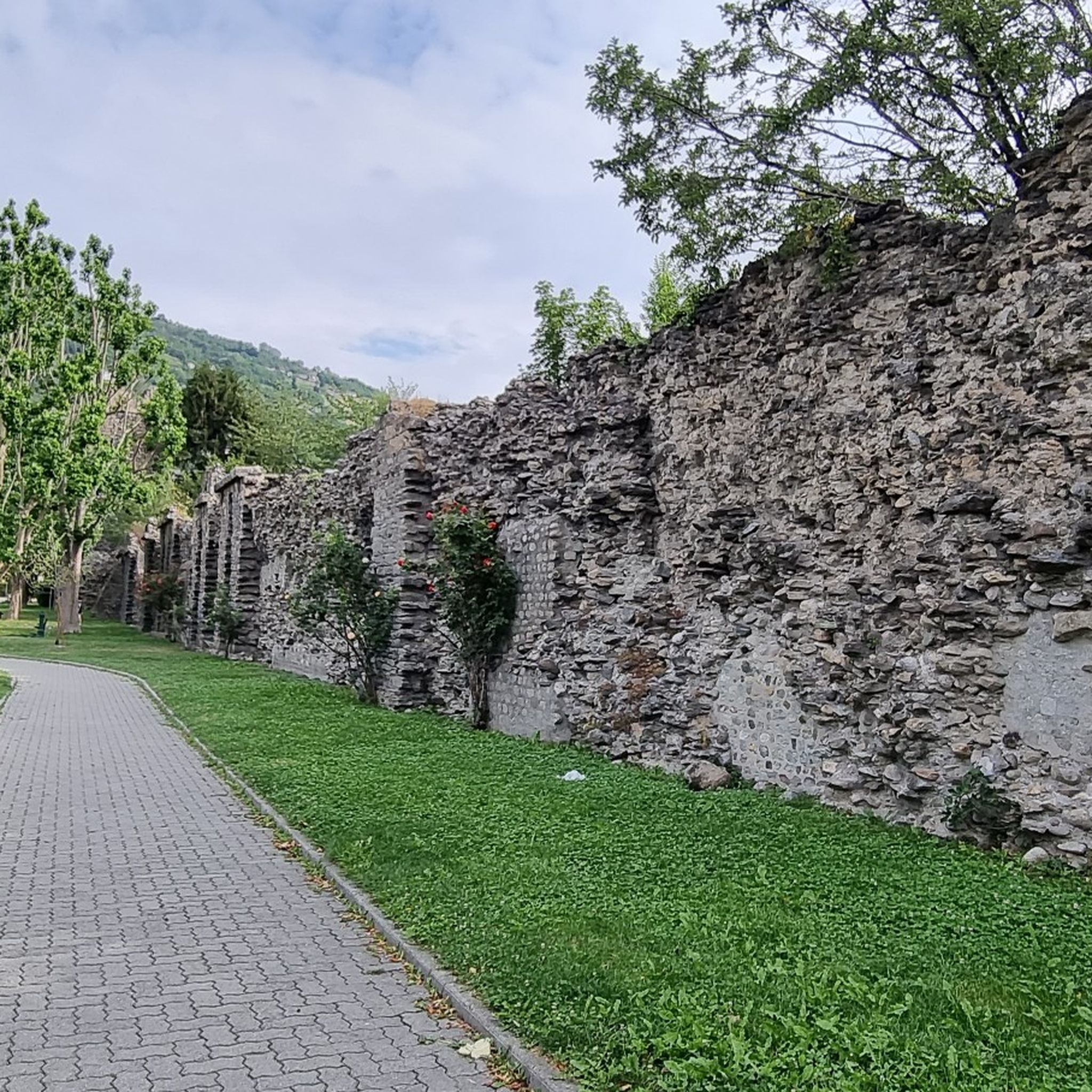
Aosta, often called the "Rome of the Alps," boasts extensive Roman heritage. You can visit the impressive Porta Praetoria, one of the main entrances to the ancient city. Other significant sites include the Roman Theater, the Arch of Augustus, and the Forensic Cryptoporticus. The city's Roman walls are also remarkably intact.
Are there any notable castles to visit near Aosta?
Yes, the Aosta Valley is rich in medieval castles. Among the most popular is Fénis Castle, known for its defensive layout and impressive frescoes. Other beautiful castles include Castello Reale di Sarre, a former hunting residence of the Savoy family, Castello di Aymavilles with its unique mix of medieval and baroque styles, and Castel Savoia, a fairy-tale-like dwelling of Queen Margherita.
Where can I find natural parks and alpine landscapes near Aosta?
The Aosta Valley is a paradise for nature lovers. You can explore Gran Paradiso National Park, Italy's oldest, offering stunning views and diverse wildlife. Mont Avic Natural Park is known for its pristine lakes and unique geological formations. For breathtaking alpine scenery, visit areas around Mont Blanc and the Matterhorn, or the picturesque Val Ferret.
What are some popular hiking destinations around Aosta?
For hikers, the region offers numerous options. You can hike to Lake Chamolé, a mountain lake at 2300 meters with views of Mont Blanc and Gran Combin. The Mont Fallère Refuge and Arbolle Hut are popular destinations, offering amenities and serving as starting points for higher peaks. The Cammino Balteo also provides superb hikes through vineyards and hamlets. For more detailed routes, check the Mountain Hikes around Aosta guide.
Are there any mountain huts or refuges for hikers in the Aosta Valley?
Absolutely. The Aosta Valley has several mountain huts that provide rest and accommodation for hikers. The Mont Fallère Refuge is highly rated, offering delicious food and even a sauna for overnight guests. Another excellent option is the Arbolle Hut, located at 2511 meters, which serves as a starting point for reaching peaks like Becca di Nona and Monte Emilius.
What cycling routes are available near Aosta?
Aosta offers a variety of cycling experiences. You can explore the Dora Baltea Cycle Path for an easy ride or challenge yourself with routes like the 'Castles of the Aosta Valley — Ring Tour' or 'Via Francigena: Aosta to Grand St. Bernard Pass'. For gravel biking, routes like 'Les Iles Nature Reserve – Arch of Augustus loop from Aosta' are popular. Find more options in the Cycling around Aosta guide and the Gravel biking around Aosta guide.
Are there family-friendly attractions in Aosta?
Yes, Aosta offers several attractions suitable for families. The Porta Praetoria, a well-preserved Roman gate, is an engaging historical site for all ages. Exploring the Roman Theater and Arch of Augustus can also be educational and fun. The Aosta-Pila Cable Car provides easy access to the Pila ski resort, which offers activities beyond skiing, and the nearby natural parks provide opportunities for easy walks and wildlife spotting.
Are there any wheelchair accessible viewpoints or attractions in Aosta?
Yes, Émile Chanoux Square, Aosta's main square, is wheelchair accessible and offers a lively hub with monuments. Many of the Roman ruins within the city center, such as the Arch of Augustus and parts of the Roman walls, are also generally accessible, though specific pathways might vary. The Aosta-Pila Cable Car can provide accessible panoramic views.
When is the best time to visit Aosta Valley attractions?
The best time to visit depends on your interests. For hiking and exploring natural parks, late spring (May-June) and early autumn (September-October) offer pleasant temperatures and stunning scenery, especially with autumn foliage. Summer (July-August) is ideal for high-altitude treks and enjoying the alpine lakes. Winter (December-March) is perfect for snow sports and experiencing the festive atmosphere in towns like Courmayeur, with some attractions like the thermal springs of Pré-Saint-Didier being enjoyable year-round.
What cultural sites are there in Aosta beyond Roman ruins?
Beyond its Roman past, Aosta has a rich cultural tapestry. The Aosta Cathedral showcases a blend of Romanesque and Gothic architecture with a medieval mosaic floor. The Collegiate Church of Saint Ursus is famous for its early medieval fresco cycle and cloister. You can also visit the Aosta Archaeological Museum (MAR) to delve deeper into the region's history or the Megalithic Area of Saint-Martin-de-Corléans, an extraordinary prehistoric site.
What are some unique experiences or 'hidden gems' near Aosta?
For unique experiences, consider a hot-air balloon ride for unparalleled aerial views of the Alps. The Valle d'Aosta Observatory offers a spectacular view of the starry sky. For a taste of local culture, visit La Maison de la Fontina, dedicated to the region's famous Fontina cheese. The Les Iles Nature Reserve is a peaceful wetland area, perfect for birdwatching and a quiet escape.
Most popular routes around Aosta
Most popular attractions around Aosta

Get inspired with the komoot mobile app


Explore more
Still not found the Highlight you’re looking for? See guides of the top attractions in other regions:
