Attractions and Places To See around Lillianes - Top 20
Best attractions and places to see around Lillianes include a blend of historical landmarks, natural features, and cultural sites within Italy's lower Lys Valley. The village is characterized by its traditional alpine architecture, with stone houses and narrow streets. The Lys River flows through the area, contributing to its natural beauty and providing a backdrop for outdoor activities. This region offers opportunities to explore historical structures and engage with the local heritage.
Best attractions and places to see around Lillianes
- The most popular attractions is Oropa Sanctuary, a religious building that is the largest Marian sanctuary in the Alps, housing the Black Madonna. It is also a UNESCO World Heritage Site, part of the 'Sacri Monti' in northern Italy.
- Another must-see spot is Bastia Tower, a man-made monument offering panoramic views. Built in 1296, it provides a historical viewpoint over the surrounding area.
- Visitors also love Fort Bard, a castle that dominates the valley floor. This medieval fortress houses three permanent museums, including the Museum of the Alps, and hosts temporary exhibitions.
- Lillianes is known for its historical landmarks, traditional alpine architecture, and natural features. Visitors can explore ancient bridges, churches, and museums, alongside numerous hiking trails.
- The attractions around Lillianes are appreciated by the komoot community, with 8 highlights receiving more than 260 upvotes and featuring over 300 photos.
Last updated: July 20, 2026
Oropa Sanctuary
Highlight • Religious Site
Translated by Google •
Tip by

Graglia Sanctuary
Highlight • Religious Site
Translated by Google •
Tip by
Sign up now to discover places like this
Get recommendations on the best single tracks, peaks, & plenty of other exciting outdoor places.
Sign up for free
Bastia Tower
Highlight • Monument
Go up the stairs of the tower to enjoy the view below (782m).
inalto.org/it/relazioni/escursionismo/torre_della_bastia_e_castello_rubino
Translated by Google •
Tip by

Fort Bard
Highlight • Castle
Translated by Google •
Tip by
View of Fort Bard from the bridge
Highlight • Viewpoint
Apart from its history, the bridge is a beautiful photo point of Fort Bard.
Showing Translation
Tip by

Sign up for free to discover even more attractions around Lillianes.
Sign up for free
Already have an account?
Start today with a free account
Your next adventure awaits.
Login or Signup
Popular around Lillianes
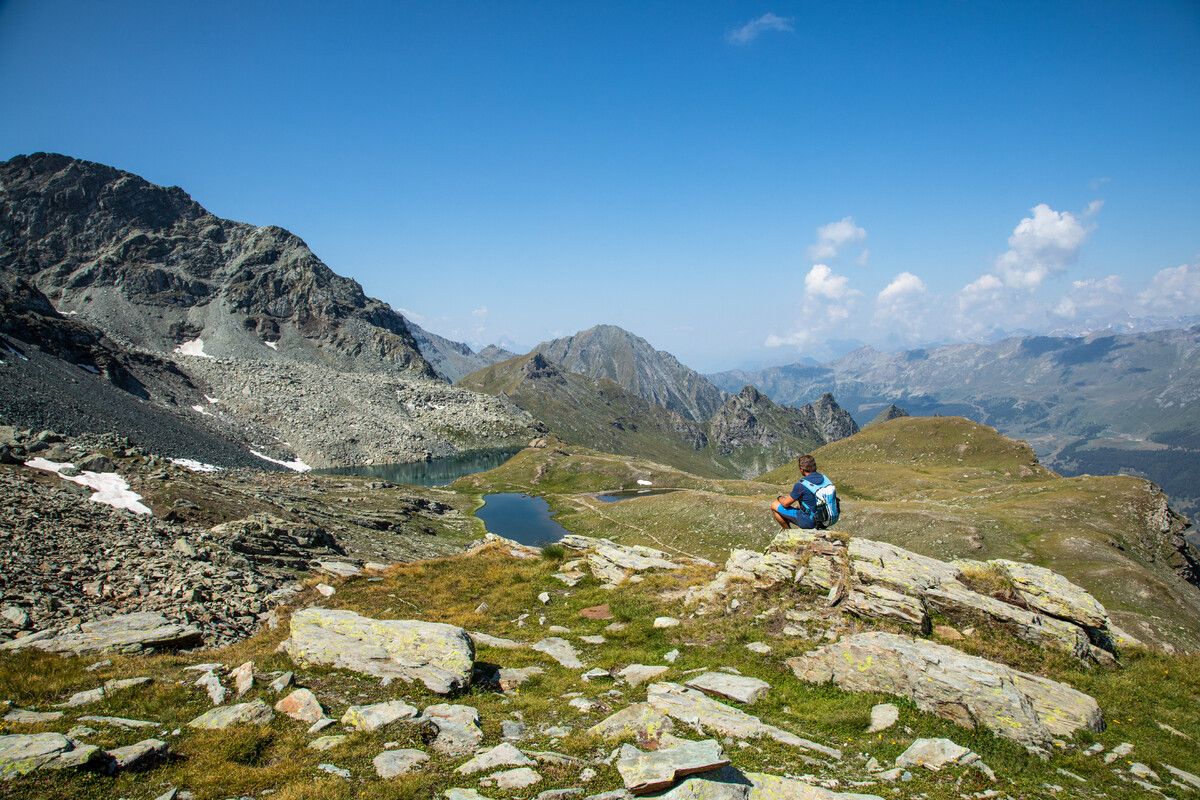
Alta Via n. 1 of the Aosta Valley — a walk among Italian giants
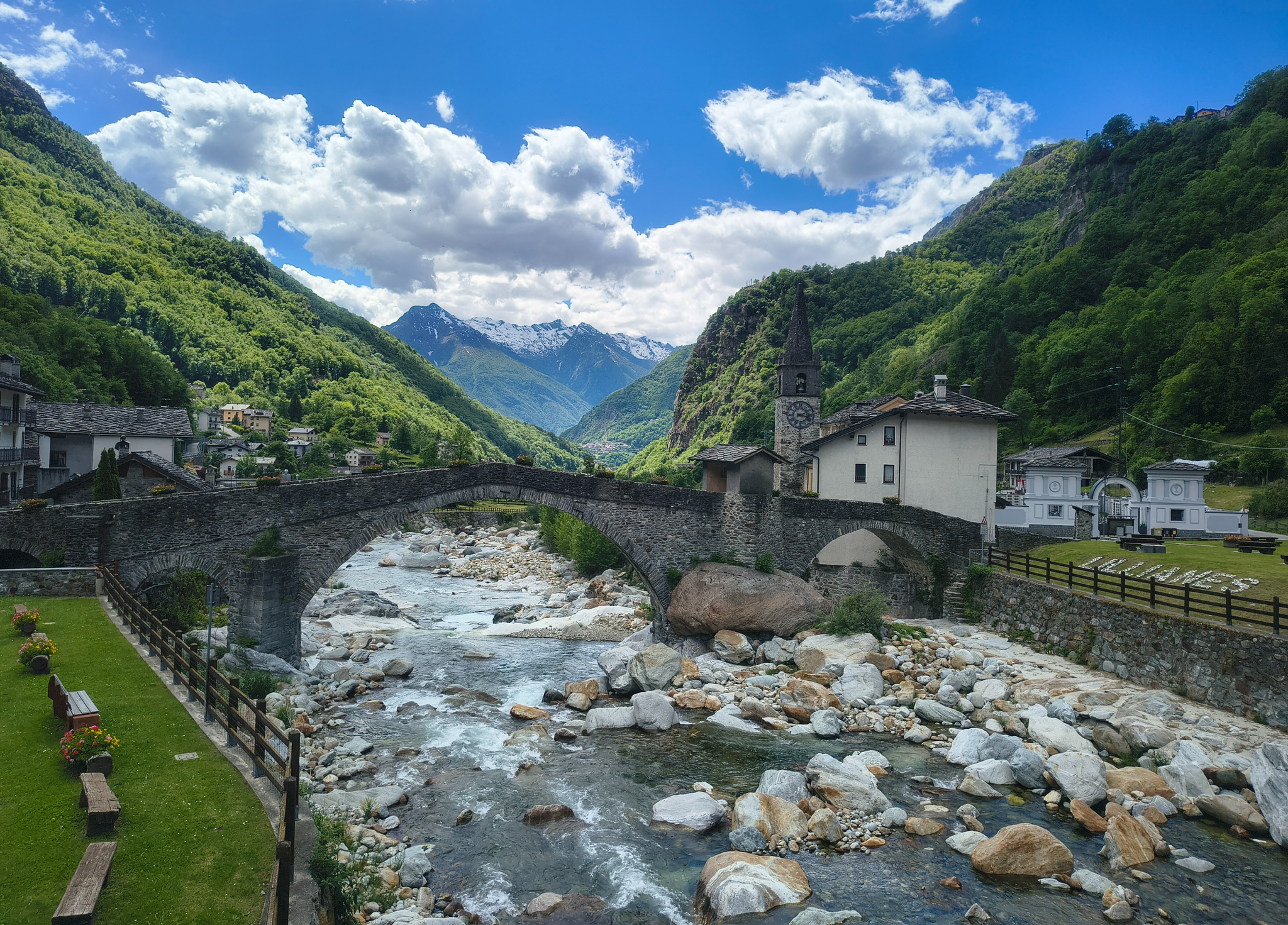
Three days on the Cammino Balteo – The historic Aosta Valley
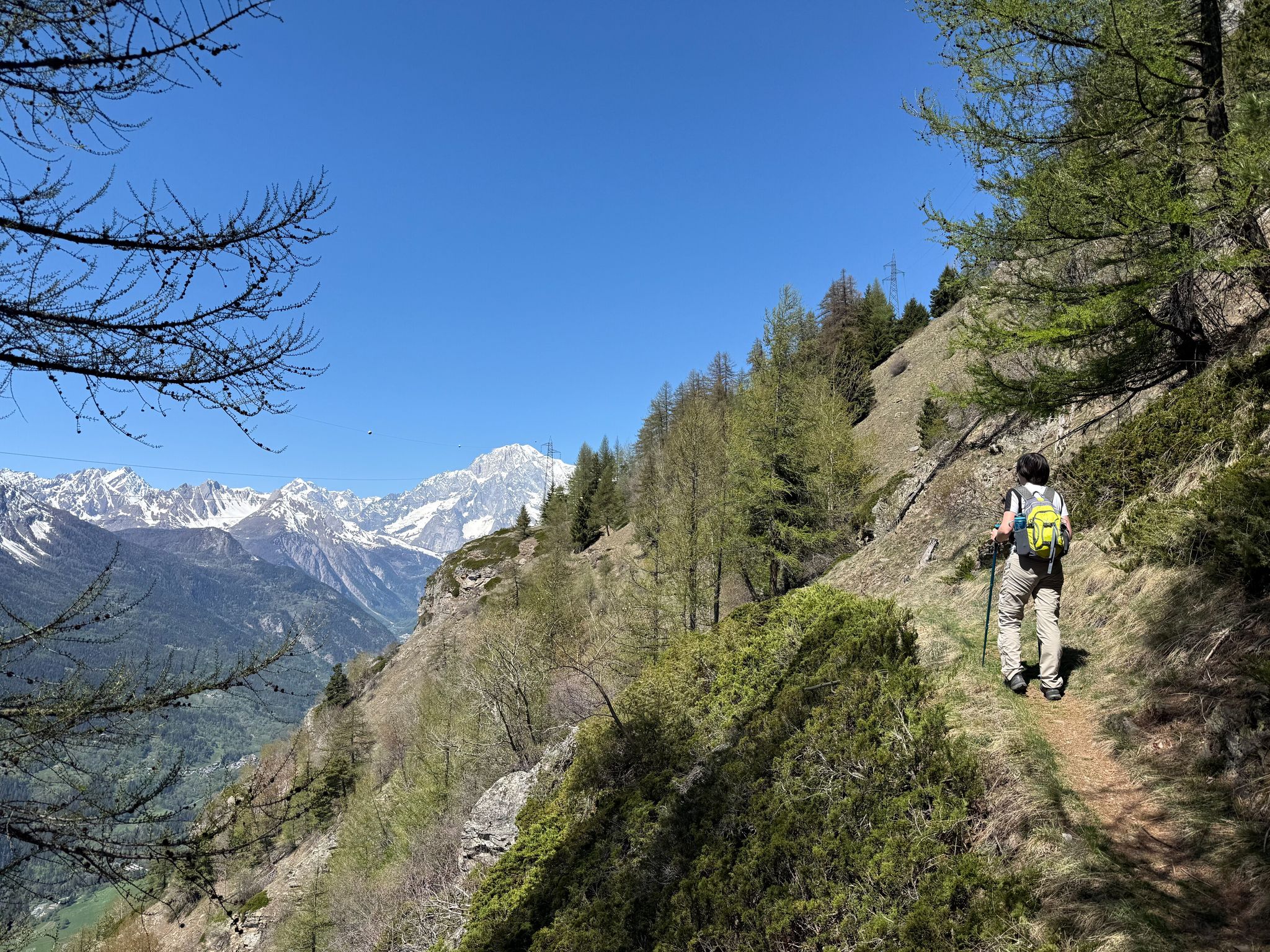
Cammino Balteo – castles, vineyards and trails of the Aosta Valley
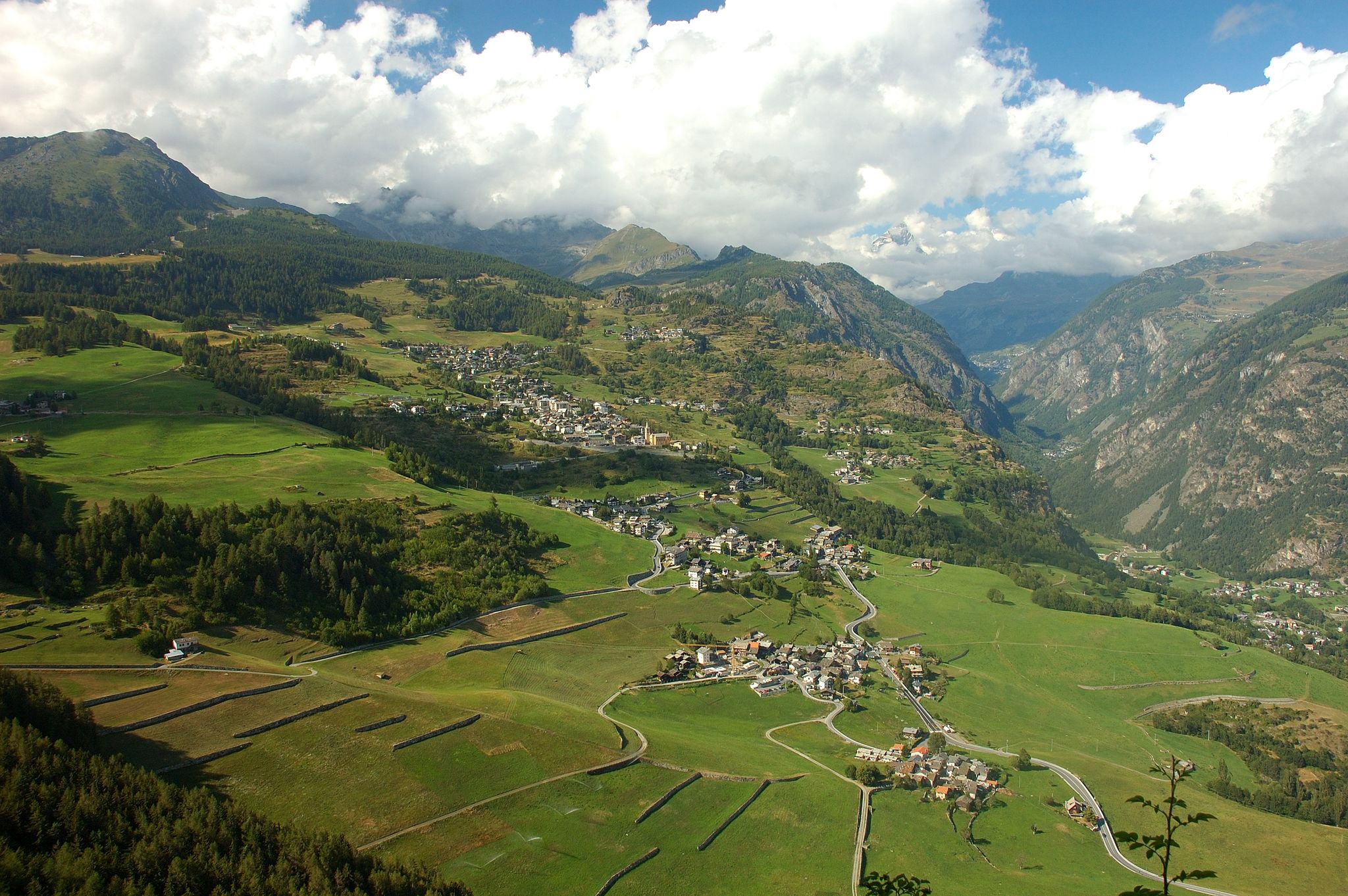
Paths, castles and views of Italy’s Aosta Valley – Cammino Balteo
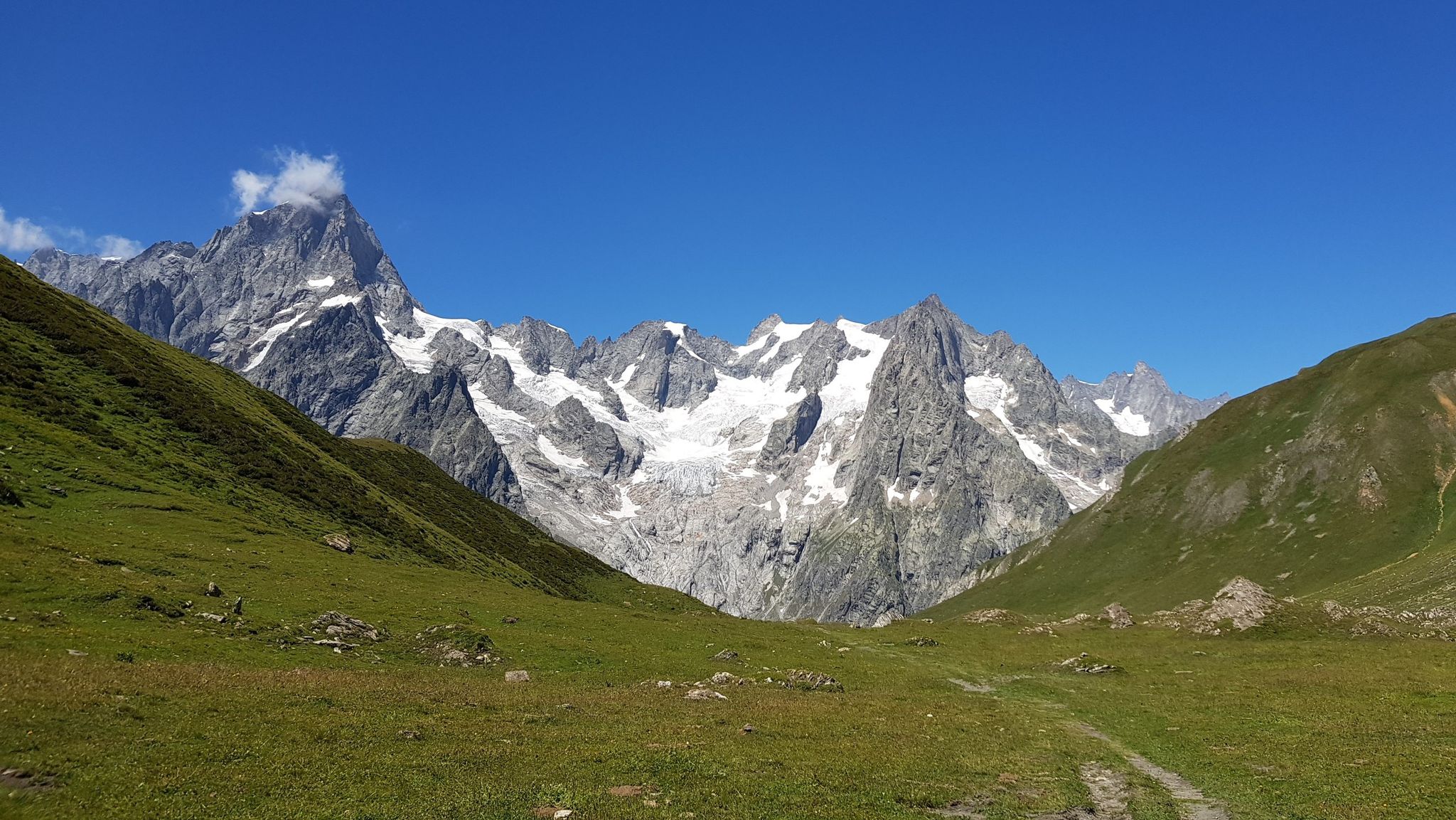
A walk among Italian giants — Aosta Valley High Route 1
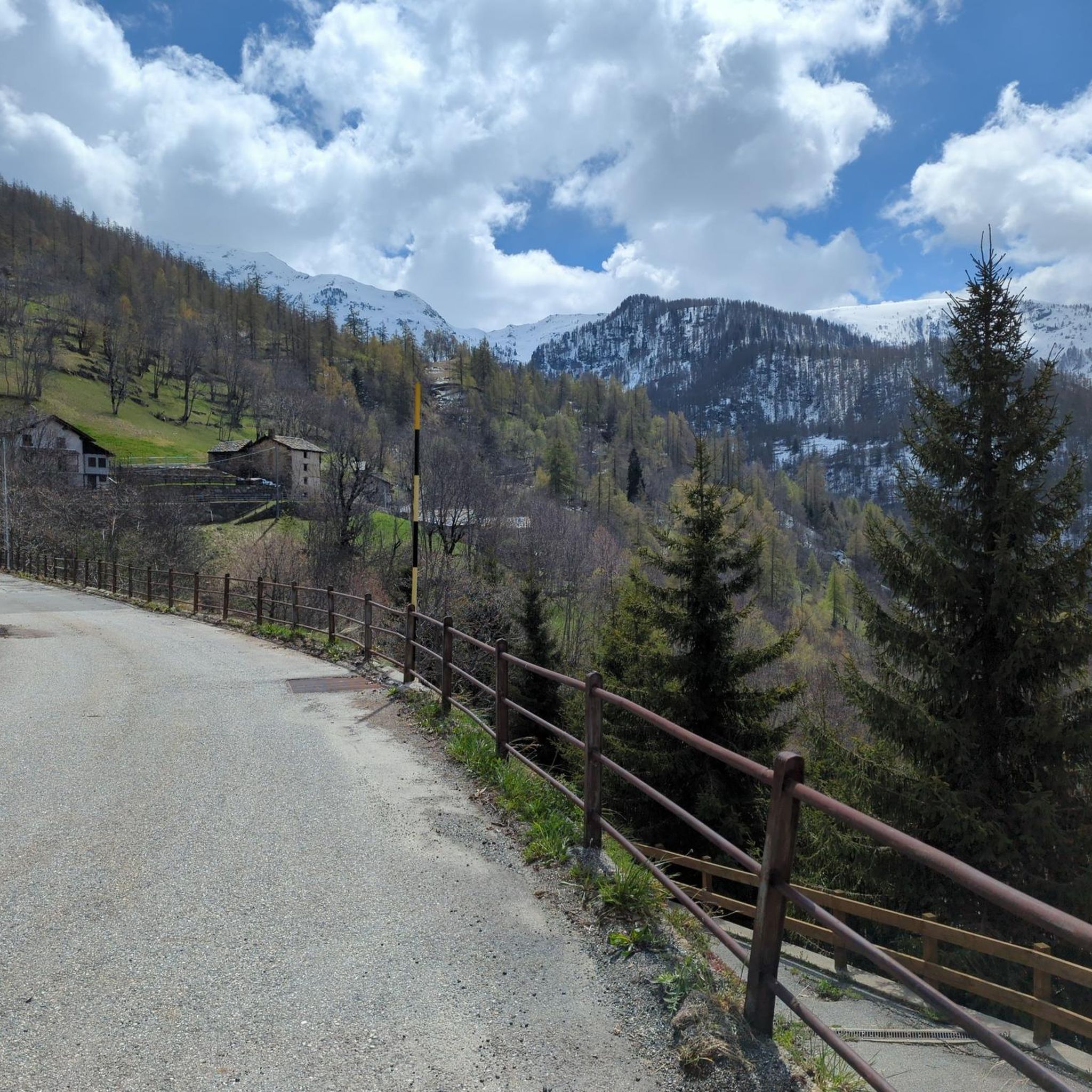
Hiking around Lillianes
Road Cycling Routes around Lillianes
MTB Trails around Lillianes
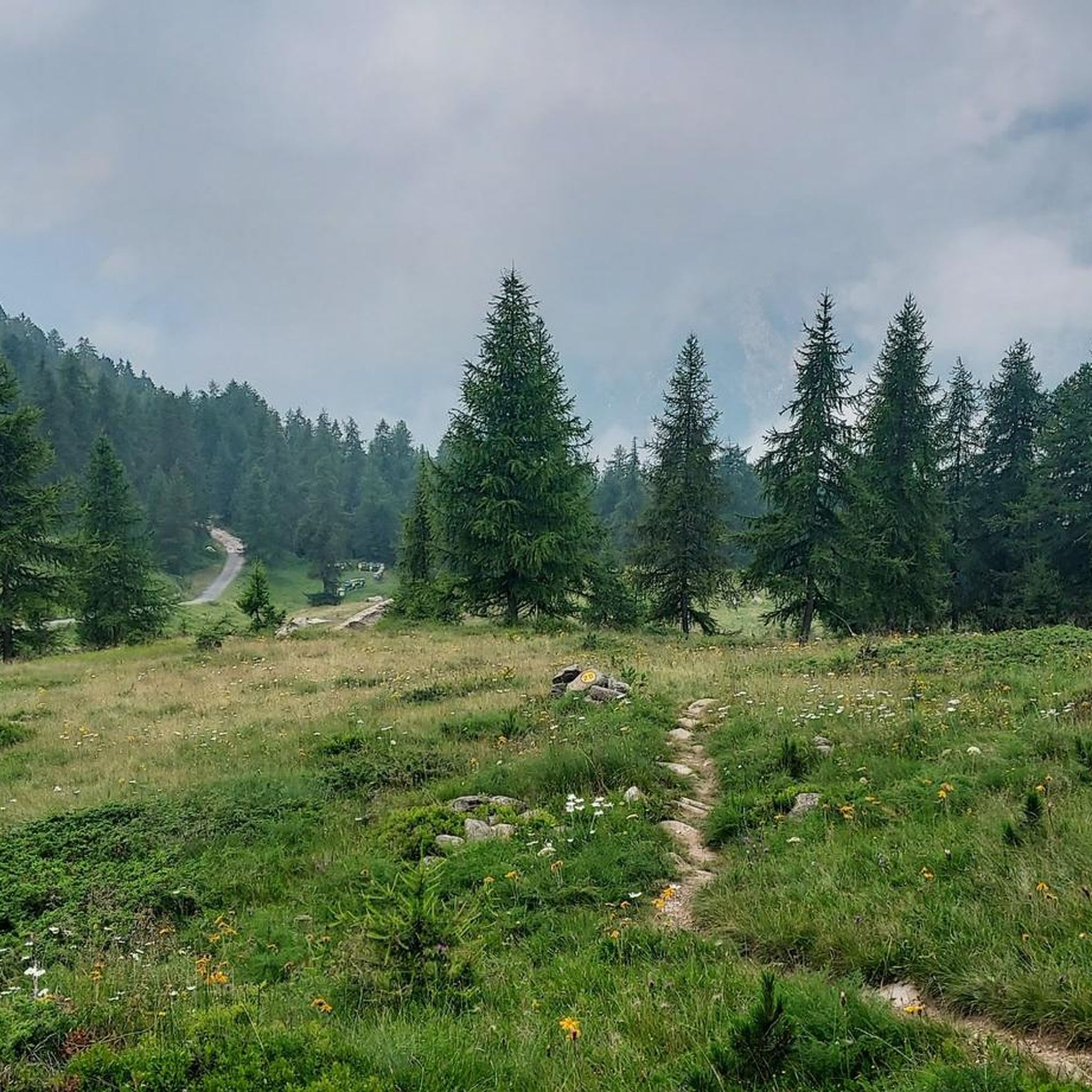
Running Trails around Lillianes
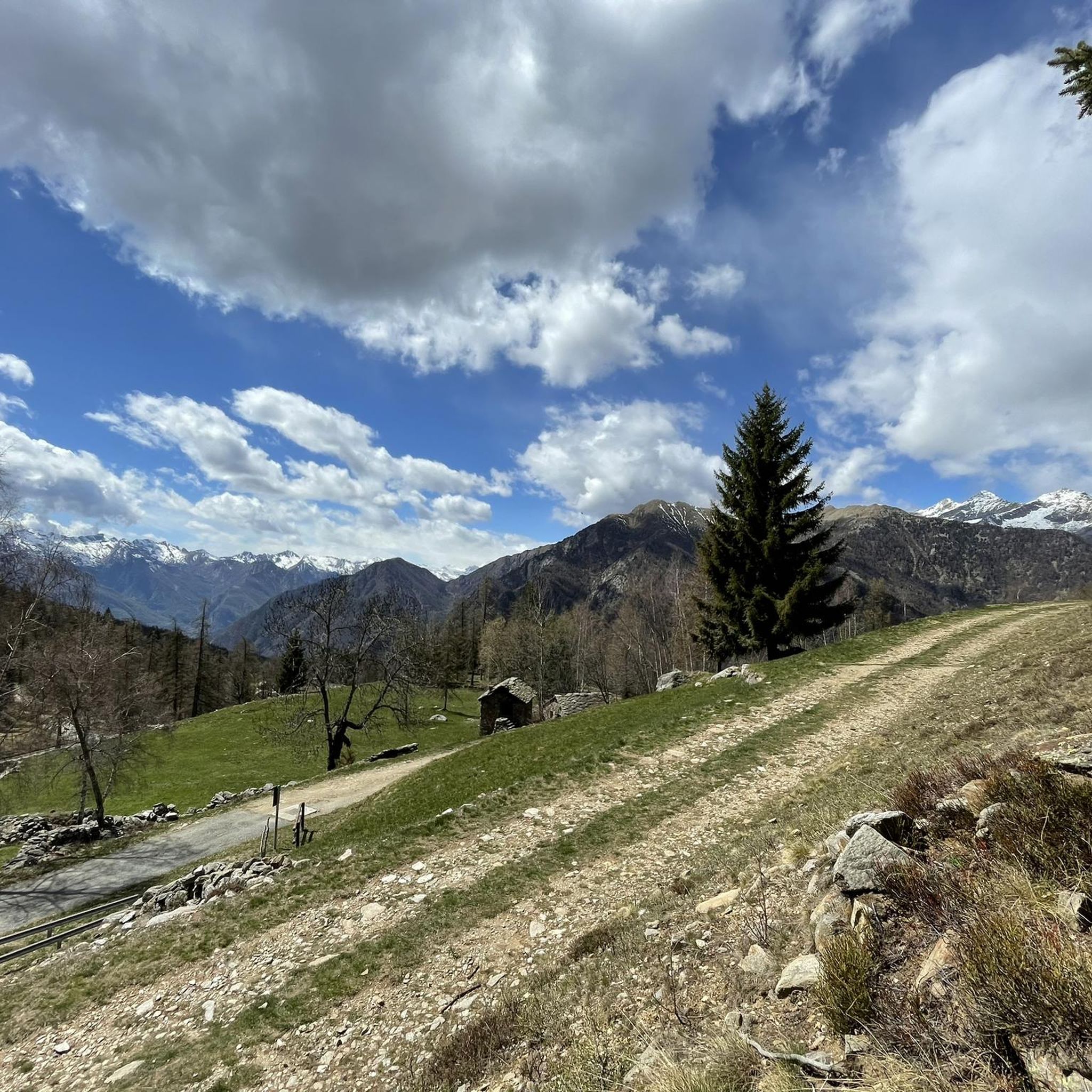
Cycling around Lillianes
Other adventures around Lillianes


Tips from the Community

The Forte di Bard seen from the bridge over the Dora Baltea river offers one of the most iconic and photographed views in the Aosta Valley. This spectacular perspective captures the imposing, craggy fortress that dominates the village below and the river waters.
0
0

Excellent hospitality for pilgrims
0
0

Language Follow Edit Il Sacro Monte di Graglia is a pre-Alpine locality situated in Graglia, in the province of Biella, in Piedmont, a few kilometers west of the provincial capital. It is located at the foot of the more majestic peak of Mombarone, almost on the border with the Aosta Valley; it mainly hosts the sanctuary of the same name (812 meters above sea level), dedicated to the Black Madonna and linked to the cult of Our Lady of Loreto, in the Marche. It is therefore part of that system of pre-Alpine devotional complexes that characterized a widespread popular Marian and Christian religiosity, which expressed itself between Piedmont and Lombardy starting from around the 16th century, such as, for example, the re-enactment of the Passion of Christ in the nearby town of Sordevolo, or other similar localities such as Sacro Monte di Arona, Sacro Monte di Oropa, Sacro Monte di Varallo, Sacro Monte di Ghiffa.
0
0
sanctuary about ten km above Biella, reachable by road bike along the only road from Biella, from Andrate, a town above Ivrea with the road called "Tracciolino" from Favaro, just above Biella by mountain bike along the route of the old train
1
0
The Torre della Bastia, located near Andrate, is one of the most beloved structures on the Alta Via dell'Anfiteatro Morenico (Morainic Amphitheater Trail). Built entirely of wood with iron details, it extends over three floors and offers breathtaking views of the Canavese area and, in particular, the Ivrea lakes. Easily accessible after a few kilometers of walking, it's an ideal place for a scenic stop, to take photos, or simply to enjoy a moment of contemplation at altitude.
1
0

The path to the Sanctuary of Oropa is a journey through nature, history, and spirituality: trails pass through ancient forests, hills, and charming villages, all the way up to the majestic Biella mountains. The itineraries, at times challenging, test your pace and endurance, but reward you with breathtaking views and the unique thrill of reaching one of Piedmont's most fascinating sacred sites.
2
2

Beautiful bridge connecting Hone to Bard. Magnificent view of the fort.
2
0

From the Bastia tower there is a beautiful view of Ivrea and the surrounding lakes
1
0
Frequently Asked Questions
What historical landmarks can I visit in Lillianes?
Lillianes is rich in history. You can explore the iconic Bastia Tower, a 13th-century monument offering panoramic views. Within the village, the Stone Bridge (Ponte di Lillianes), built in 1733, is a unique architectural masterpiece spanning the Lys River. The Parish Church of Saint Roch, with its 15th-century bell tower, and the Church of Saint Lawrence also showcase traditional alpine architecture.
What natural attractions are there to explore in Lillianes?
The natural beauty of Lillianes is centered around the Lys River, which flows through the village, and the surrounding green hills, wooded slopes, and mountain pastures. A notable natural feature is the Bouro Stream Waterfall, an enchanting spot with clear waters, accessible by car. The picturesque lower Lys Valley itself provides a stunning backdrop for exploration.
Are there any unique cultural sites or museums in Lillianes?
Yes, Lillianes offers several unique cultural insights. You can visit the Chestnut Museum, which displays tools for processing chestnuts and different local varieties. The Lillianes Ethnographic Museum provides a glimpse into the local community's past traditions. Additionally, the fascinating Plan des Sorcières (Plain of the Witches) is an archaeological-astronomical site dating back to 4500 BC, featuring boulders with cup-shaped wells.
What outdoor activities can I do around Lillianes?
Lillianes is a great base for outdoor activities. The area offers numerous hiking trails through the surrounding hills. For those interested in cycling, there are options for cycling and gravel biking. During summer, the 'Lillianes Beach' along the Lys stream provides a recreational area for relaxation and sports like beach volleyball. You can also find running trails nearby.
Are there family-friendly attractions in Lillianes?
Many attractions around Lillianes are suitable for families. The Oropa Sanctuary, Bastia Tower, and Fort Bard are all listed as family-friendly. Exploring the traditional alpine architecture of the village, visiting the Chestnut Museum, or enjoying the 'Lillianes Beach' in summer are also great options for families.
What is the famous Stone Bridge in Lillianes, and why is it significant?
The Stone Bridge (Ponte di Lillianes) is considered the heart of Lillianes. Built in 1733, it's the only bridge of its kind in the Aosta Valley, featuring four arches and spanning the Lys River. It's significant not only for its unique architecture but also as a symbol of the village's historical connection to trade and travel, and it's a popular spot for photography.
Can I find ancient Roman historical sites near Lillianes?
Yes, a significant Roman historical site near Lillianes is the Roman Arch and Road in Donnas. This impressive site features a section of the ancient Roman road, Via delle Gallie, carved directly into the living rock for over 200 meters, complete with an arch and visible cart tracks. It also includes a Roman milestone indicating the distance to Aosta.
What traditional events or festivals take place in Lillianes?
Lillianes hosts unique traditional events. The Rouotta Game is a very ancient and unique bowling-like game played only once a year on December 26th. The historic Chestnut Festival, one of Italy's oldest, takes place on the penultimate Sunday of October, celebrating chestnuts with tastings, traditional games, and dinners.
Are there opportunities for hiking near Lillianes?
Lillianes is an excellent starting point for hikers. The area boasts numerous trails winding through the surrounding hills, offering opportunities to observe local wildlife and explore the natural beauty of the Aosta Valley. You can find various running and hiking routes, ranging in difficulty, that allow you to discover the mountainous landscape and expansive vistas.
What is the Fort Bard, and what can I see there?
Fort Bard is a formidable medieval fortress that dominates the valley floor at the entrance to the Aosta Valley. It houses three permanent museums, including the Museum of the Alps, which offers a multimedia journey through mountain secrets. Visitors can also explore the fort's historic prisons and the Fortress and Border Museum, alongside various temporary exhibitions.
What is the Oropa Sanctuary, and why is it important?
The Oropa Sanctuary is the largest Marian sanctuary in the Alps and a UNESCO World Heritage Site, part of the 'Sacri Monti' in northern Italy. It is a significant religious building housing the Black Madonna and serves as a spiritual and cultural landmark. It's also a popular starting point for many excursions into the surrounding mountains.
Can I learn about local traditions related to chestnuts in Lillianes?
Absolutely. Lillianes has a strong connection to chestnuts. The Chestnut Museum showcases tools and varieties related to chestnut processing. In October, during the harvest season, visitors can even witness chestnut harvesting and processing. Additionally, the Path of the Grehe (or Gra) allows tourists to discover traditional places where chestnuts were dried, many of which are still present in the area.
Most popular routes around Lillianes
Most popular attractions around Lillianes

Get inspired with the komoot mobile app


Explore more
Still not found the Highlight you’re looking for? See guides of the top attractions in other regions:
