Top 20 Castles around Brixen - Bressanone
Best castles around Brixen - Bressanone are situated in South Tyrol, Italy, a region known for its rich history and diverse landscapes. The area features a collection of historical sites, from defensive fortresses to religious centers, set against a backdrop of valleys and mountains. These structures offer insights into the region's past, often repurposed as museums or cultural venues. Brixen - Bressanone provides a central point for exploring these historical landmarks.
Best castles around Brixen - Bressanone
- The most popular castles is Novacella Abbey (Neustift Monastery), a religious building that is one of the largest monasteries in Tyrol. It features a Gothic cloister, a Baroque church, and vineyards, offering a blend of history and culture.
- Another must-see spot is View of Forte di Fortezza, a viewpoint offering perspectives of the Franzens Festung. This highlight provides a scenic outlook over the Franzensfeste reservoir towards the fortress.
- Visitors also love Rodenegg Castle, a castle known for its well-preserved medieval character. It is considered one of the largest fortified castles in South Tyrol and offers guided tours.
- Brixen - Bressanone is known for its diverse historical structures, including fortresses, abbeys, palaces, and castle ruins. Visitors can explore a variety of sites that reflect different periods and functions in the region's history.
- The castles around Brixen - Bressanone are appreciated by the komoot community, with more than 1000 upvotes and over 250 photos shared by visitors.
Last updated: September 26, 2026
Mühlbacher Klause Castle
Highlight • Castle
Translated by Google •
Tip by

Novacella Abbey (Neustift Monastery)
Highlight • Religious Site
Source: de.wikipedia.org/wiki/Kloster_Neustift
Translated by Google •
Tip by

Sign up now to discover places like this
Get recommendations on the best single tracks, peaks, & plenty of other exciting outdoor places.
Fortezza Fortress (Franzensfeste)
Highlight • Historical Site
Translated by Google •
Tip by

Rodenegg Castle
Highlight • Castle
Translated by Google •
Tip by

View of Forte di Fortezza
Highlight • Viewpoint
Translated by Google •
Tip by

Sign up for free to discover even more castles around Brixen - Bressanone.
Already have an account?
Start today with a free account
Your next adventure awaits.
Popular around Brixen - Bressanone
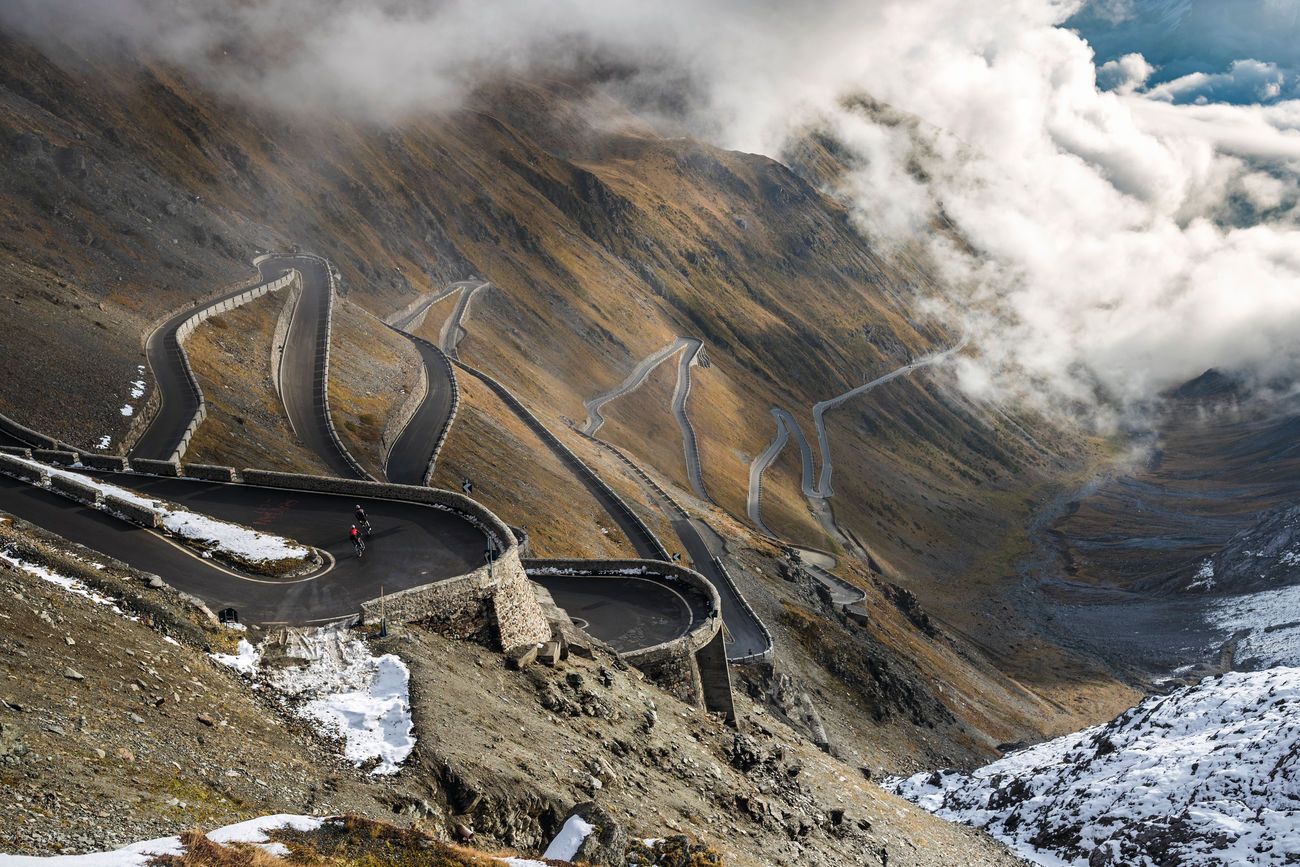
Transalp: Five Road Cycling Routes over the Alps
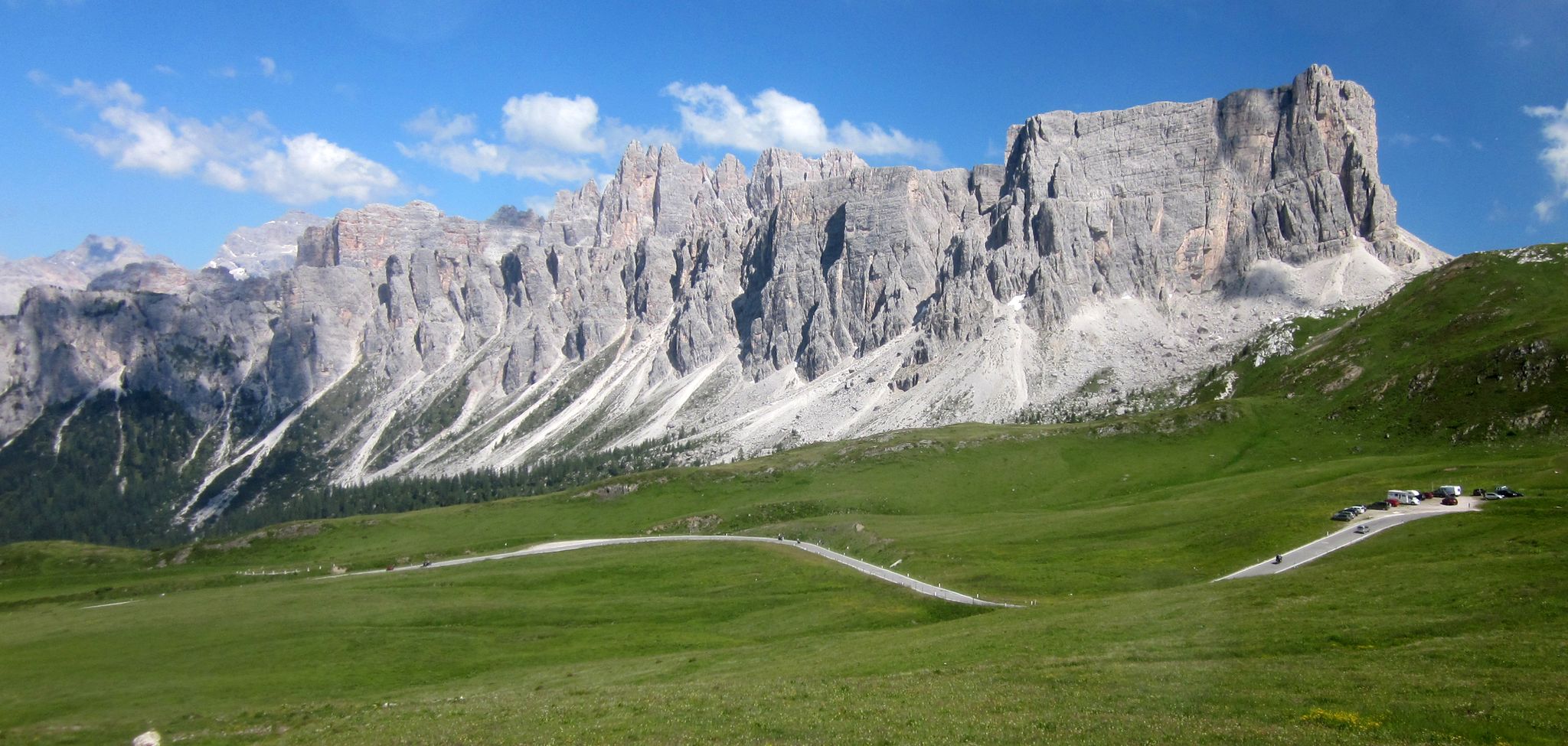
Traversing the Dolomites — the world's most beautiful mountain range
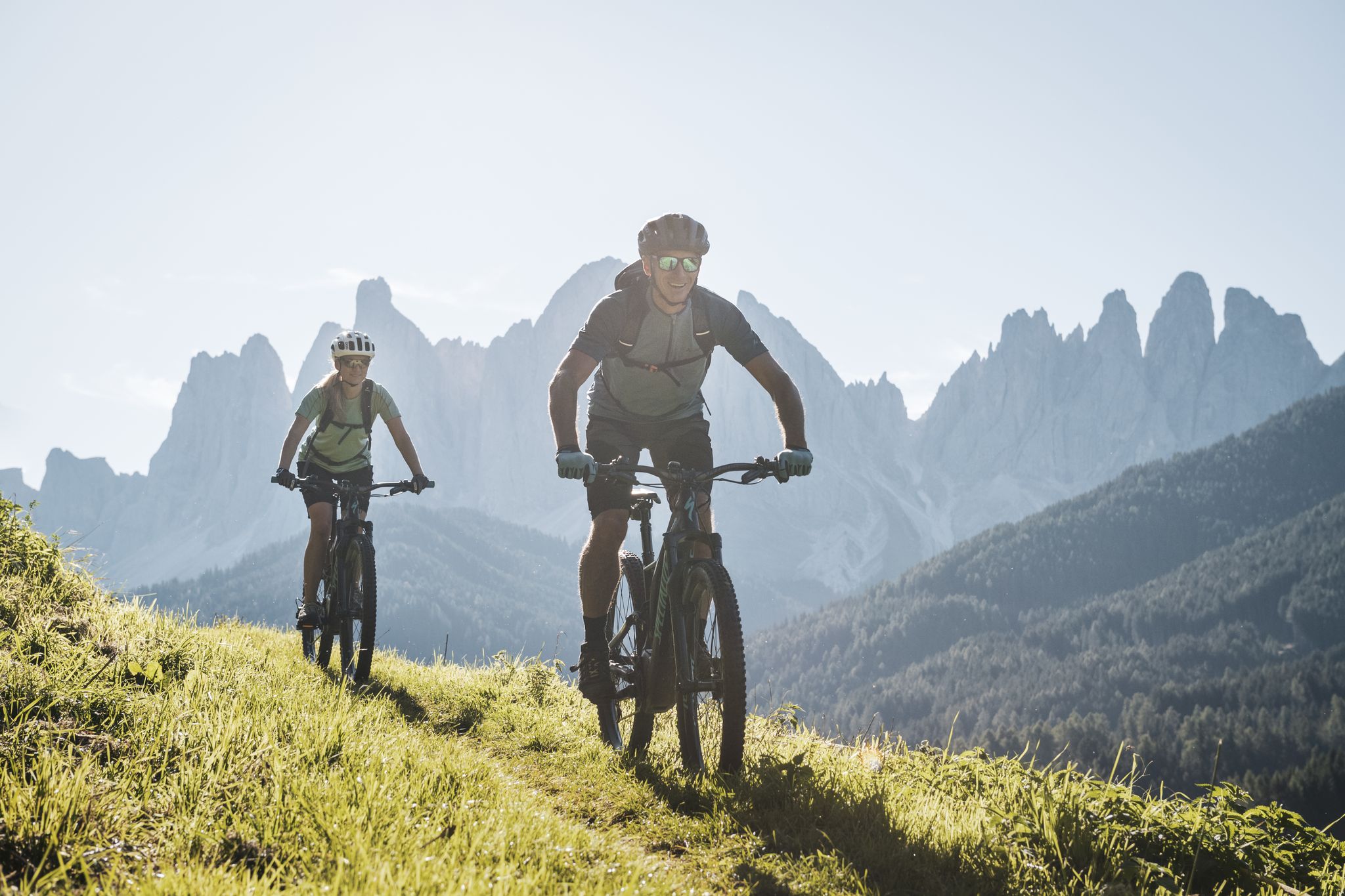
A Festival for Bike Lovers – bike festa Südtirol
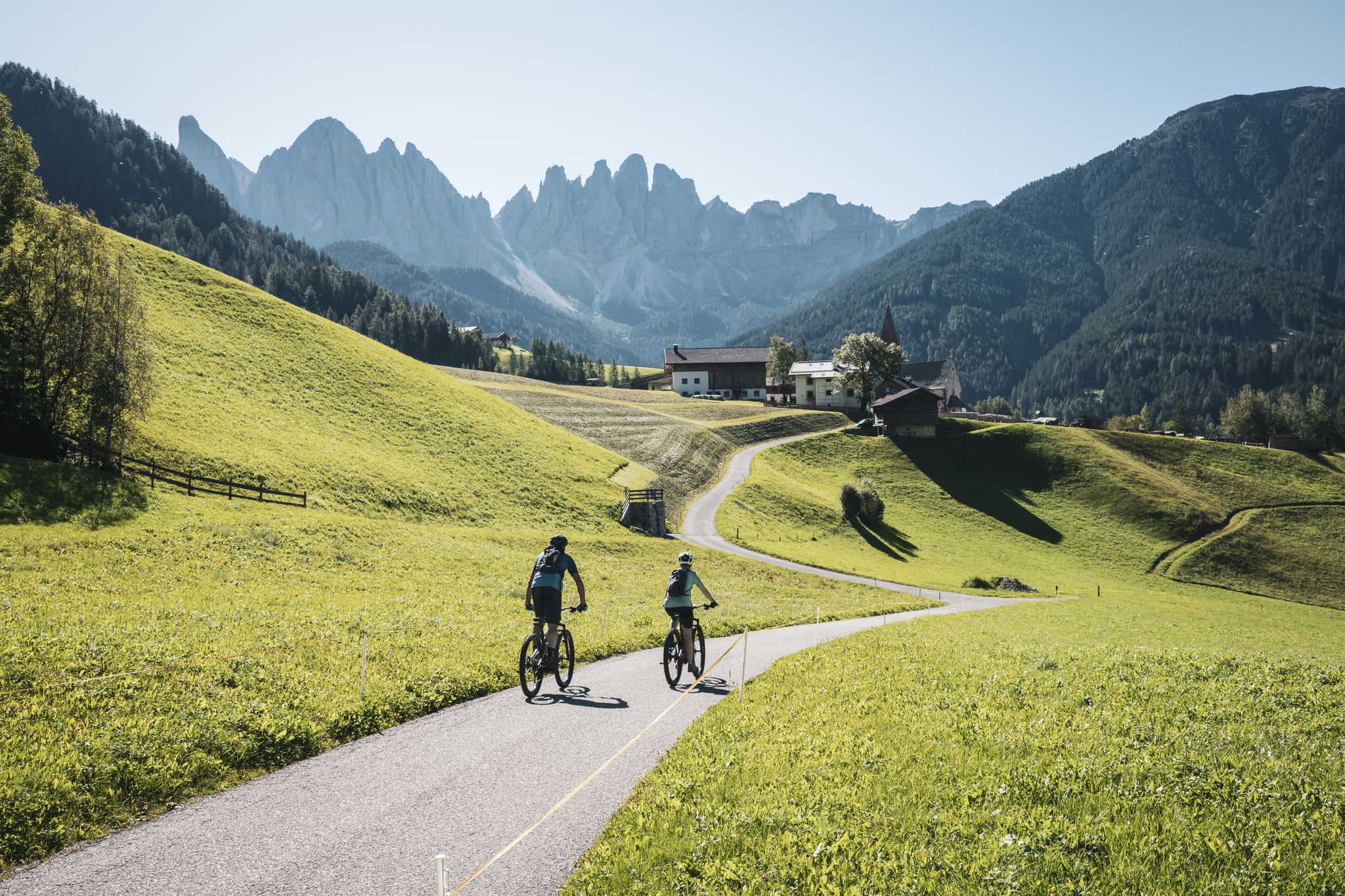
Unforgettable MTB routes through South Tyrol's quiet valleys
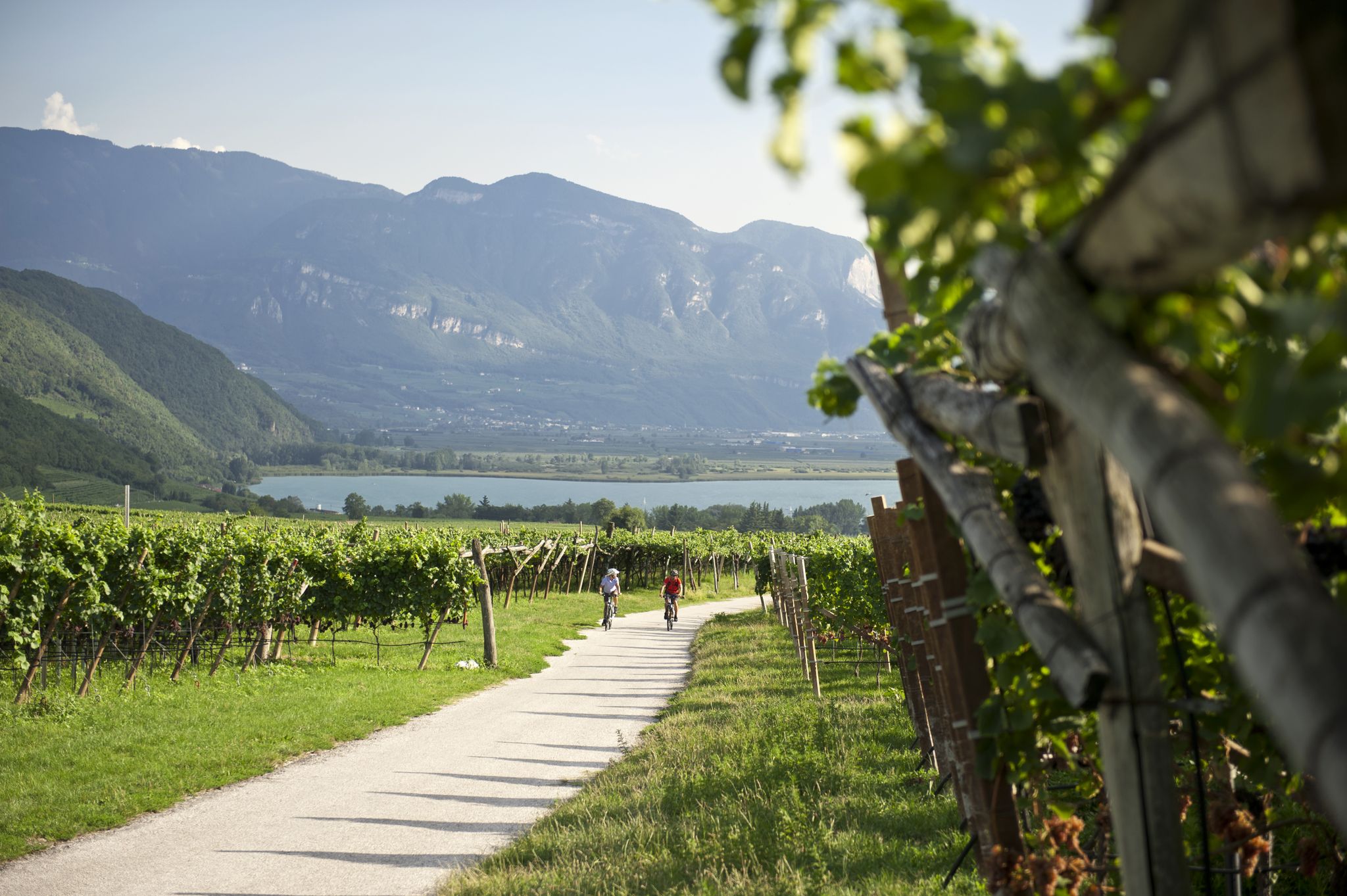
Road cycling through the vineyards of Alto Adige
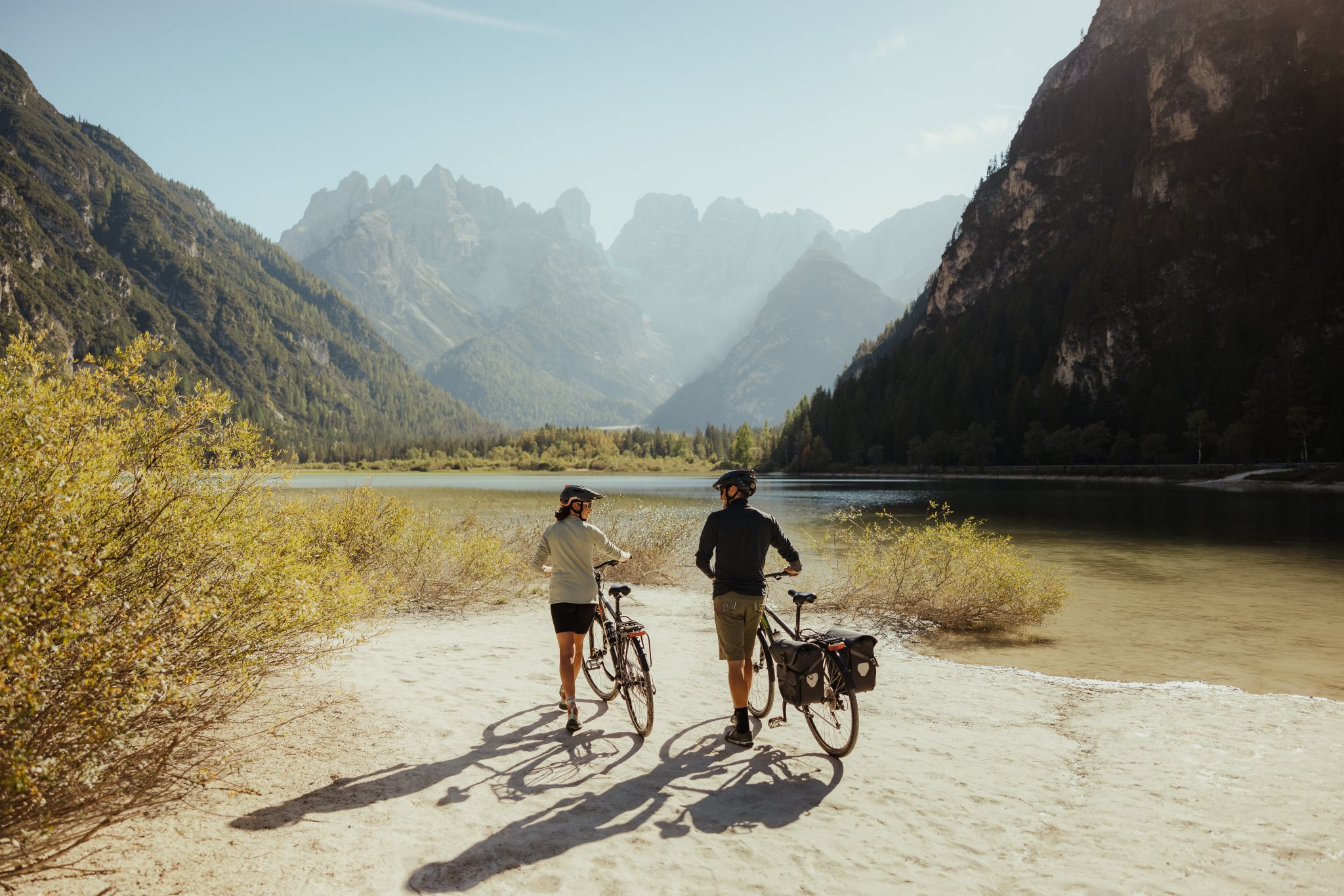
Wonderful bike Tours with views of the South Tyrolean Dolomites
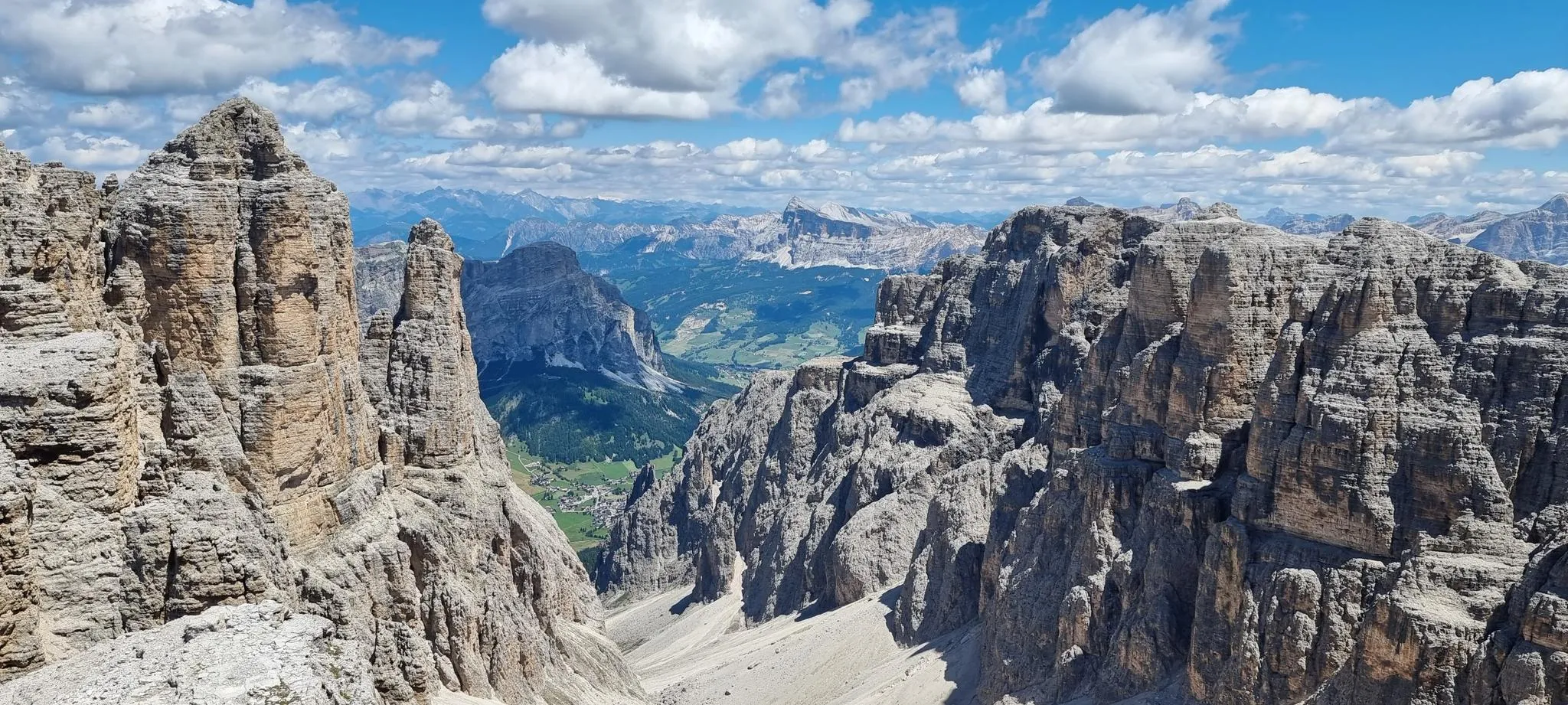
In the wake of legends – the Alta Via 2 of the Dolomites
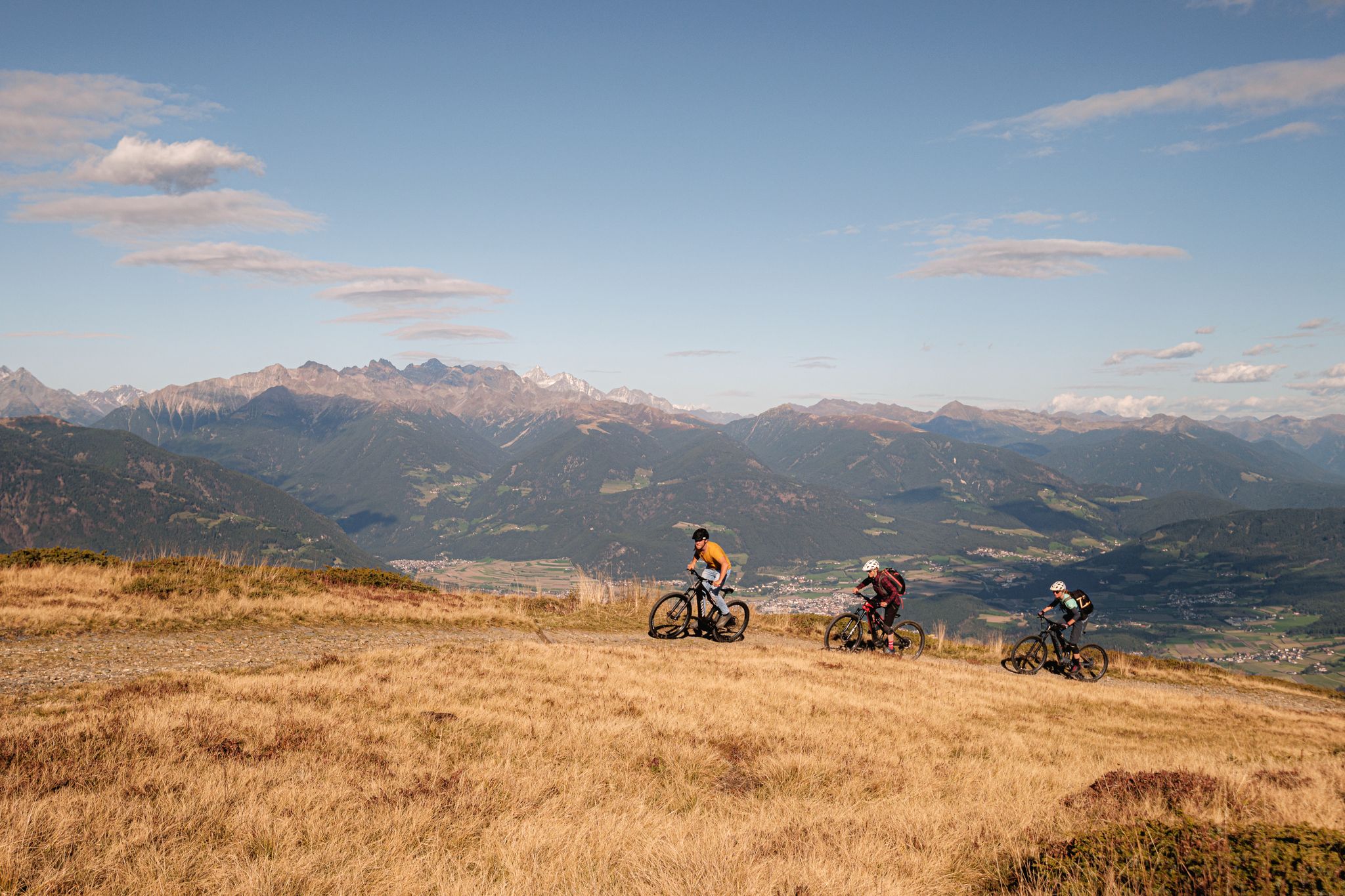
Glorious autumn – the coolest MTB Tours in South Tyrol
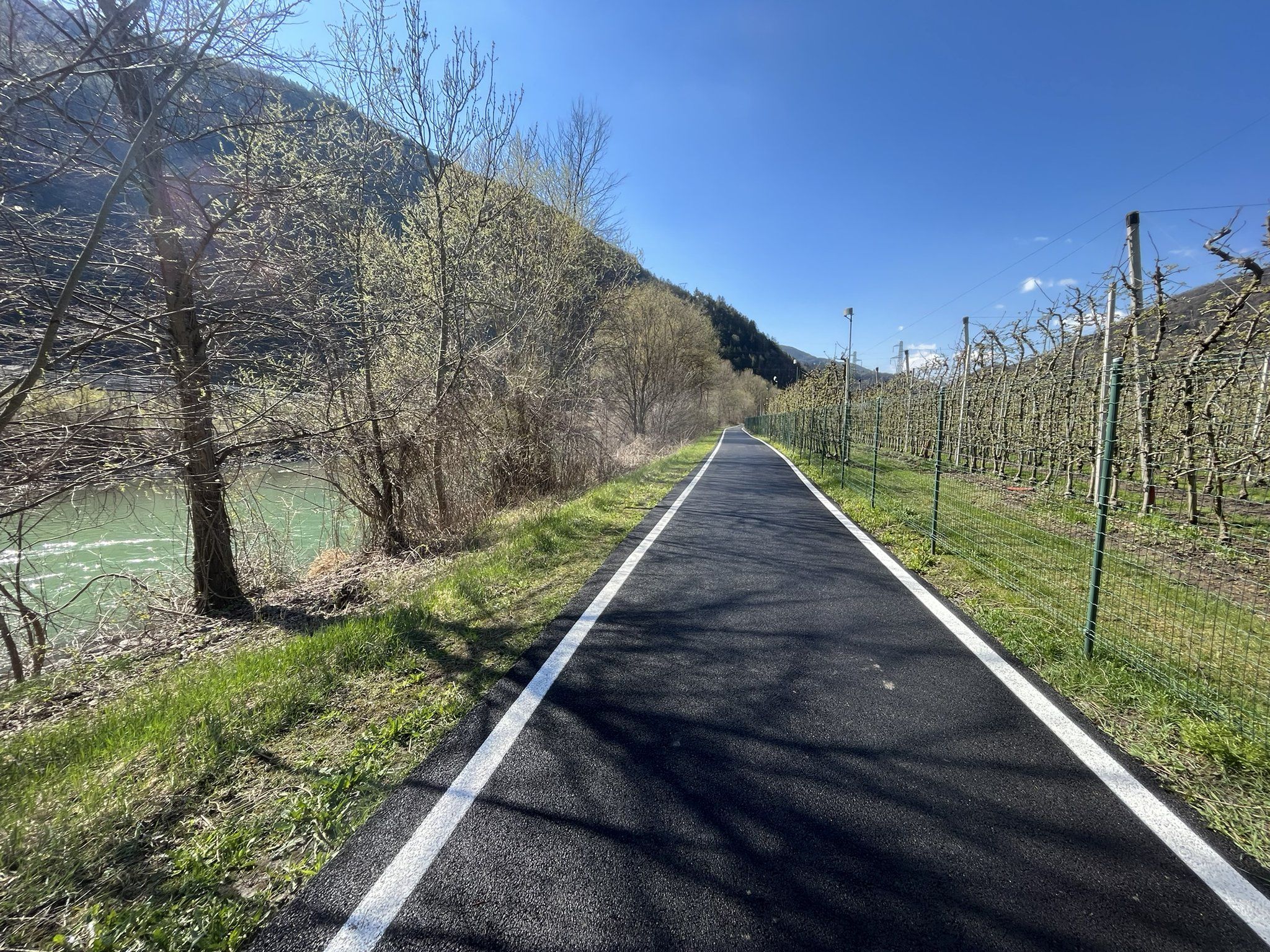
Brenner to Bolzano – Isarco Valley Bicycle Path
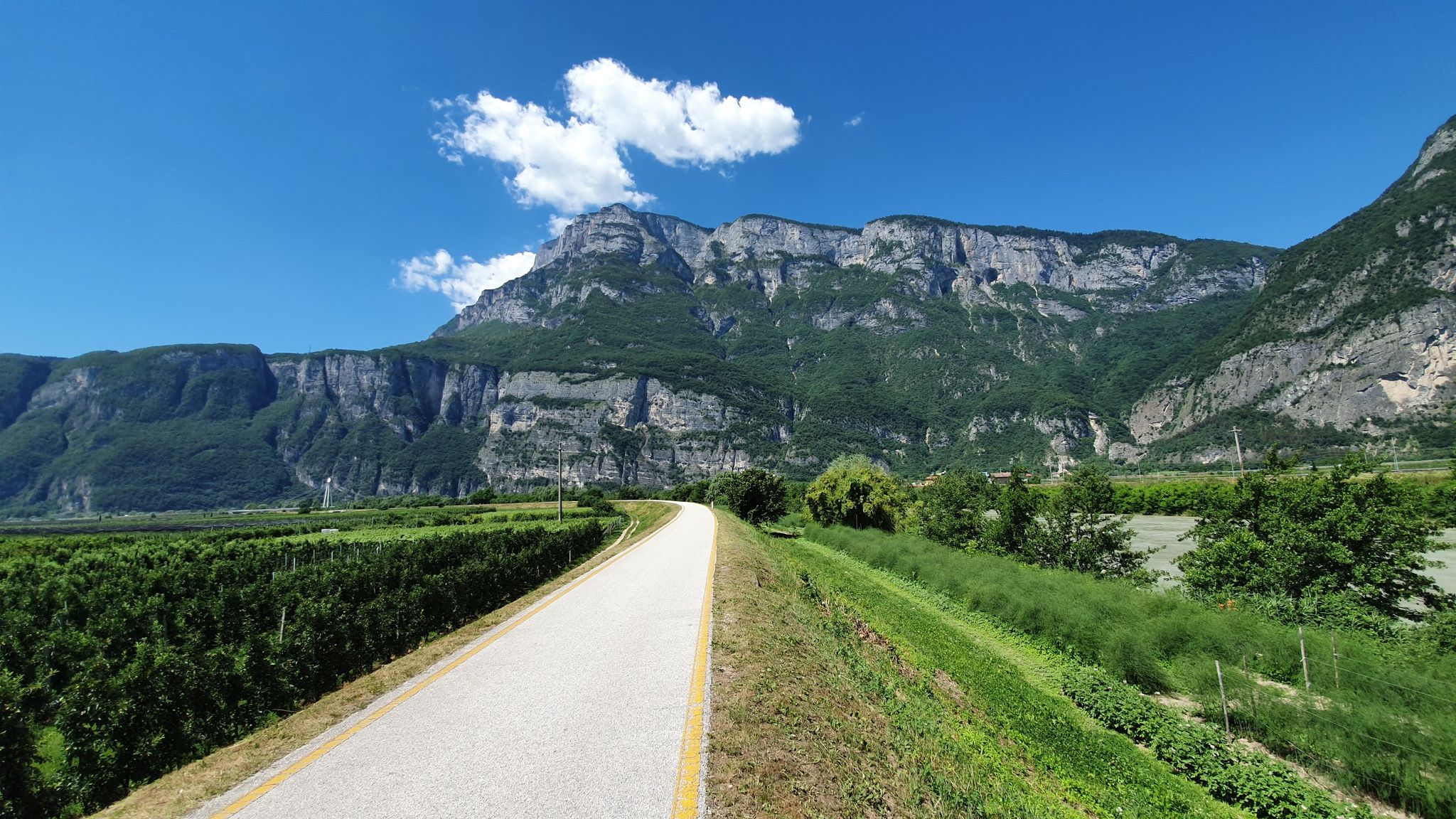
Ciclopista del Sole – Brenner Pass to Florence by bike
Other adventures around Brixen - Bressanone


Tips from the Community

Great view of the reservoir and fortress from the cycle path.
4
0

Unfortunately closed: no viewing
4
0
Built between 1833 and 1838 under Emperor Franz I of Austria, it was one of the safest fortresses in the Alpine region of its time - built for the purpose of securing the axis between southern Germany and northern Italy in the Habsburg Empire. 65,000 square meters of area make the Franzenfeste the largest historical complex in South Tyrol. In addition to an estimated 20 million bricks and 250,000 cubic meters of granite, many tons of wood, sand and lime were used. The adaptation to the terrain, the fire fronts, bomb-proof gun positions, a labyrinth of tunnels and passageways, speak for the planning masterpiece. The fortress had already lost its strategic importance by the time it was completed. There was never any confrontation with the enemy; now and again companies were quartered there, but they were only waiting for a deployment in the south. Ultimately, the fortress served mainly as a weapons and ammunition depot for the Italian military until 2003.
5
0
Beautiful building at the Neustift Monastery. It is said to be modeled on the Castel Sant'Angelo in Rome. This building is said to have been started in the 13th century.
3
0

Until a few years ago, anyone who wanted to spend a holiday in the Pusteria Valley from Brenner or Salorno was forced to drive through the ruins of the Klusa of Rio Pusteria. Today, traffic no longer flows directly through this fortress.
4
0

Great view over the lake and the Franzensfeste fortress.
4
0

The facility fits perfectly into the landscape. The route is very close to optimal. You have to drive it several times to take in all the impressions.
4
0

For the latest information, please visit https://www.rodenegg.it/
1
0
Frequently Asked Questions
Which castles are particularly family-friendly near Brixen - Bressanone?
For families, Rodenegg Castle is an excellent choice. It's known for its engaging guided tours that vividly bring history to life, captivating children with stories and anecdotes. Fortezza Fortress (Franzensfeste) and Novacella Abbey (Neustift Monastery) are also listed as family-friendly destinations, offering historical exploration and beautiful grounds.
What is the best time of year to visit the castles around Brixen - Bressanone?
The period from late spring to early autumn (May to October) is generally ideal for visiting the castles. During these months, the weather is pleasant for exploring the outdoor grounds and many sites, like Rodenegg Castle and Mühlbacher Klause Castle, offer guided tours and events.
How can I reach the castles near Brixen - Bressanone using public transport?
Many castles are accessible via local bus services from Brixen - Bressanone. For instance, Novacella Abbey is just a few kilometers from the center and can be reached by public transport or a short walk. For specific routes and schedules, it's best to check local transport information for the South Tyrol region.
Which castles offer the best views of the surrounding landscape?
Rodenegg Castle is celebrated for its breathtaking views, perched on a narrow rocky outcrop overlooking the Rienz Gorge. Additionally, the View of Forte di Fortezza offers scenic outlooks over the Franzensfeste reservoir towards the imposing fortress itself.
What kind of historical insights can I gain from visiting these castles?
The castles around Brixen - Bressanone offer a diverse historical journey. You can explore the military might of the 19th-century Fortezza Fortress, delve into medieval life at Rodenegg Castle with its original knights' hall and chapel, or experience the spiritual and artistic heritage of Novacella Abbey. The Hofburg Palace in Brixen showcases aristocratic grandeur with its extensive collections and imperial wing.
Are there hiking trails that incorporate castle visits?
Yes, the region offers several hiking opportunities that allow you to combine nature with historical exploration. For example, the 'Brixen to Neustift Monastery Trail (No. 16)' is an easy hike that leads directly to Novacella Abbey. You can find more hiking routes in the area by visiting the Hiking around Brixen - Bressanone guide.
Can I explore the castles by bike?
While direct cycling into castle grounds might be restricted, many castles are located along or near cycling paths, making them accessible by bike. For instance, the View of Forte di Fortezza is noted as being along a cycle way. You can discover various cycling routes in the region by checking the Cycling around Brixen - Bressanone guide.
What can I discover at Hofburg Palace in Brixen?
The Hofburg Palace in Brixen is a significant historical landmark featuring over 70 rooms. Visitors can explore a rich collection including the cathedral's treasure, artworks from the Middle Ages to modern times, an extensive crib collection, and an imperial wing adorned with period paintings, furniture, and china. Its classical entrance hall dates back to around 1783.
What is unique about Mühlbacher Klause Castle?
Mühlbacher Klause Castle is a beautiful ruined castle, first mentioned in 1269. It can be explored through guided tours, typically available from June to September. This site occasionally hosts cultural events, such as open-air theater performances, adding a unique dimension to its ancient stones.
Are the castles and their surroundings dog-friendly?
While specific castle interiors might have restrictions, the outdoor areas and surrounding trails are generally welcoming to dogs, especially if kept on a leash. It's always advisable to check individual castle policies before visiting, but many nearby hiking and walking paths are suitable for dog owners.
How much time should I allocate for visiting a castle?
The time needed can vary depending on the castle. For larger sites like Novacella Abbey or Hofburg Palace, you might want to allocate 2-3 hours to explore the grounds, museums, and specific collections. Smaller ruins or viewpoints might only require 30 minutes to an hour. Guided tours, such as those at Rodenegg Castle, typically last about an hour.
What can I expect to see at Novacella Abbey (Neustift Monastery)?
Novacella Abbey is one of Tyrol's largest monasteries, offering a blend of history, culture, and natural beauty. Visitors can explore its beautiful grounds, a Gothic cloister, the Baroque church of Santa Maria Assunta, and vineyards. The monastery also serves as a vibrant center for education and the arts, often hosting cultural events.
What is the historical significance of Fortezza Fortress (Franzensfeste)?
Built between 1833 and 1838 under Emperor Ferdinand I of Austria, Fortezza Fortress was designed to secure traffic along the Brenner road. Despite its massive construction, its strategic importance waned by the time of its completion. Today, this imposing fortress operates as a museum and a venue for contemporary art exhibitions, offering a captivating insight into the region's military past.
Most popular routes around Brixen - Bressanone
Most popular attractions around Brixen - Bressanone

Get inspired with the komoot mobile app


Explore more
Looking for the best castles somewhere else? Discover other guides around Brixen - Bressanone:
