Attractions and Places To See around Sant'Egidio Alla Vibrata - Top 20
Best attractions and places to see around Sant'Egidio Alla Vibrata include a blend of historical, cultural, and natural sites within the Abruzzo region of Italy. The town is nestled in the Val Vibrata, characterized by gentle hills and river valleys, and is conveniently located near the Gran Sasso and Monti della Laga National Park. Its rich history dates back to the Palaeolithic period, encompassing ancient Roman settlements and a medieval past shaped by Benedictine influence. This area offers diverse opportunities…
Last updated: July 6, 2026
Salinello Gorge
Highlight • Gorge
The Salinello river has created a deep gorge between the Twin Mountains.
Translated by Google •
Tip by

Piazza del Popolo, Ascoli Piceno
Highlight • Historical Site
Translated by Google •
Tip by

Sign up now to discover places like this
Get recommendations on the best single tracks, peaks, & plenty of other exciting outdoor places.
Sign up for free
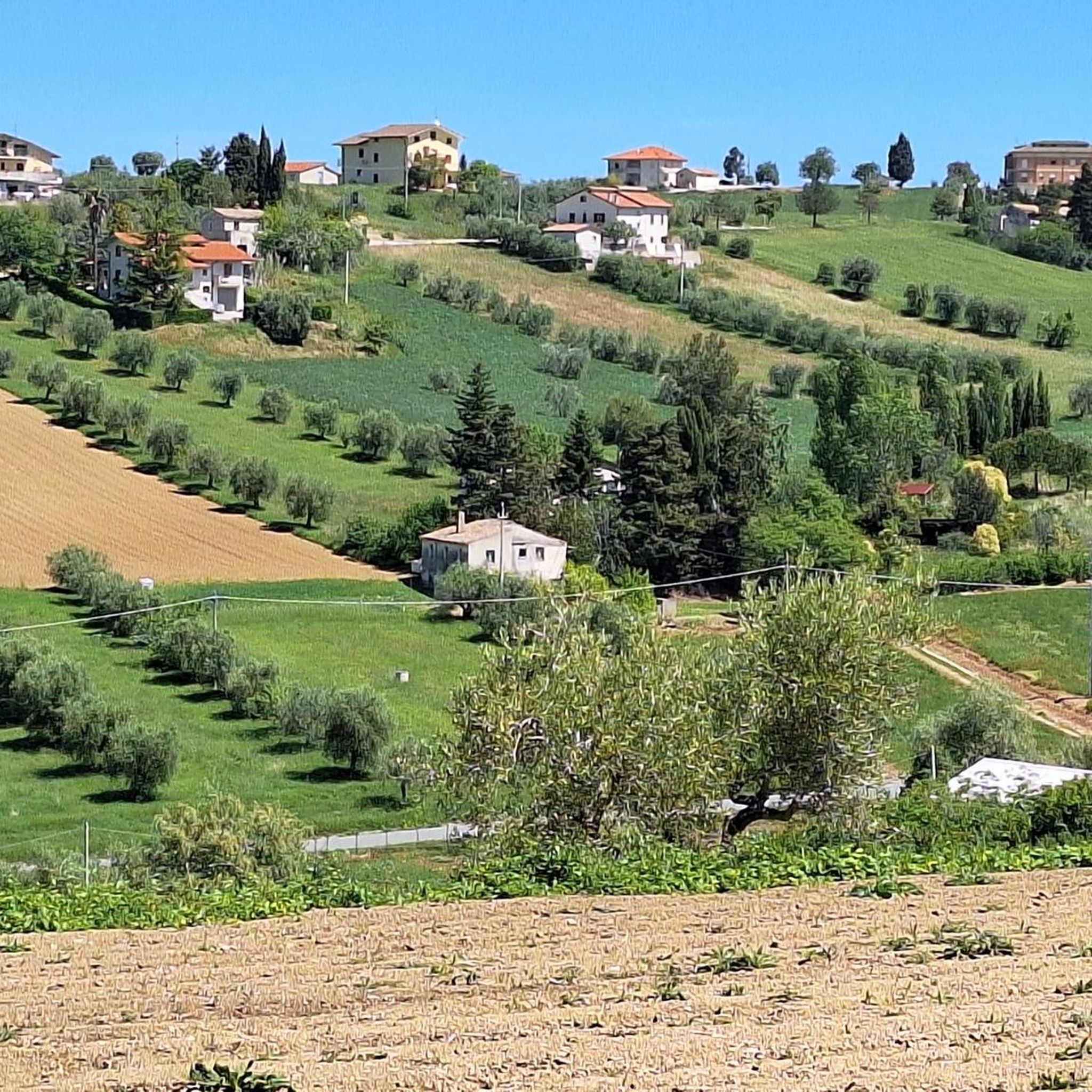
Controguerra — Village and Vineyards
Highlight • Settlement
Translated by Google •
Tip by

Cathedral of Saint Emygdius (Cattedrale di Sant'Emidio)
Highlight • Religious Site
Translated by Google •
Tip by
San Marco Hermitage (Eremo di San Marco)
Highlight • Religious Site
Translated by Google •
Tip by

Sign up for free to discover even more attractions around Sant'Egidio Alla Vibrata.
Sign up for free
Already have an account?
Start today with a free account
Your next adventure awaits.
Login or Signup
Popular around Sant'Egidio Alla Vibrata

Tips from the Community

Trekking that starts from the equipped area of Ripa Alta, with parking, water fountain, kiosk-bar and picnic tables. The path in the first part is very steep and without shade from the sun. You then enter the woods: the path follows the course of the river which, in the summer period, is completely dry (August 2025). In several places you can leave the path and enter the riverbed, thus skirting the rocky walls of the twin mountains. The path is marked as risky: in truth, in the summer period it is easily manageable even by children aged ten and over; in the period when the river is present, it may be riskier to venture there.
0
0

Ancient 13th-century monastery built in travertine and embedded in the rock. It is located on Colle San Marco, a few kilometers from Ascoli Piceno, and is reachable via a stone staircase that acts as a bridge over a deep moat. Usually open on weekends and holidays during the spring and summer months. The path to get there is also suitable for families.
1
0
The Cathedral of Sant'Emidio, located in the monumental Piazza Arringo, is the main place of worship in Ascoli Piceno. The building is a fascinating historical palimpsest that blends remains of a Roman civil basilica with Romanesque structures and a Renaissance facade designed by Nicola Filotesio. The real treasure, however, is hidden in its underground: the Crypt of Sant'Emidio. Built in the 11th century, it is one of the largest in Italy and houses the remains of the Patron Saint within a precious 4th-century Roman sarcophagus. The environment, a suggestive 'forest' of about 60 travertine and marble columns, is enriched by a cycle of modern mosaics that narrate the Saint's protection of the city during World War II. Recent restorations have also brought to light rare medieval frescoes and portions of an ancient 14th-century cemetery.
1
0
Piazza del Popolo in Ascoli is often called the 'Living Room of Italy'. It is a Renaissance masterpiece characterized by its travertine paving, which gives it a unique elegance. Its rectangular shape is framed by a loggia of 59 arches and crenellated palazzi. The historic heart of the city, it hosts the Palazzo dei Capitani, the Church of San Francesco, and the historic Caffè Meletti. It is considered one of the most beautiful squares in Italy.
0
0

short but steep path
0
0

From the imposing chestnut forest, the main path leads to a clearing located on a huge travertine spur, overlooking the forest. On the rock face, you can see, at the top right, the fascinating structure of the Hermitage of San Marco, a natural cavity closed by a church-shaped building with a bell tower and connected to the path by a stone staircase. The wall, in Romanesque style, is made of ashlar stones and has a single-lancet window and five double-lancet windows. In ancient times, the building housed a convent founded by Cistercian monks at the beginning of the 13th century and consists of two overlapping rooms, connected by a staircase resting on the rock. It is a very “poor” construction, which recalls the Benedictine monastic rule. Inside the Hermitage, it is still possible to find traces of the primitive frescoes painted by the monks on the walls and on the vault of the lower room. On the ceiling of the cave, the splendid “tapestry” of maidenhair fern is noteworthy. The Hermitage of San Marco has been restored and brought back to its maximum splendor. It retains its evocative power that attracts tourists and travelers, lovers of history and nature. (c) https://visitascoli.it/esperienze/colle-san-marco-meta-di-eremiti-nel-corso-dei-secoli/
2
0

Piazza del Popolo is the living room of the city of Ascoli. The square with its white travertine is surrounded by palaces, historic buildings, loggias and porticos. Among others the historic Meletti café, Palazzo dei Capitani and the church of San Francesco.
0
0

Known as the Salotto d'Italia, Piazza del Popolo is the heart of the historic center of Ascoli Piceno and is itself an open-air monument.
1
0
Frequently Asked Questions
What historical and cultural sites can I explore in Sant'Egidio alla Vibrata?
Sant'Egidio alla Vibrata boasts a rich history. You can explore the 12th-century Romanesque Church of Sant'Egidio Abate, wander through the quaint, narrow streets of the Historic Town Center, or visit the medieval hamlet of Faraone Antico with its ancient defensive walls and the Church of Santa Maria della Misericordia. Nearby, don't miss Piazza del Popolo, Ascoli Piceno, renowned for its Renaissance architecture, and the impressive Civitella del Tronto Historic Town and Fortress.
Are there any significant religious buildings to visit in the area?
Yes, the region is home to several notable religious sites. The Church of Sant'Egidio Abate is a 12th-century Romanesque church considered the main architectural monument of Sant'Egidio alla Vibrata. For a more modern example, the Church of the Sacred Heart of Jesus, designed in 1948, features a distinctive cylindrical body. Further afield, you can visit the Cathedral of Saint Emygdius (Cattedrale di Sant'Emidio) in Ascoli Piceno, known for its rich collection of artistic and historical works, and the fascinating San Marco Hermitage (Eremo di San Marco), a 13th-century monastic priory built into a rock face.
What natural attractions are there near Sant'Egidio alla Vibrata?
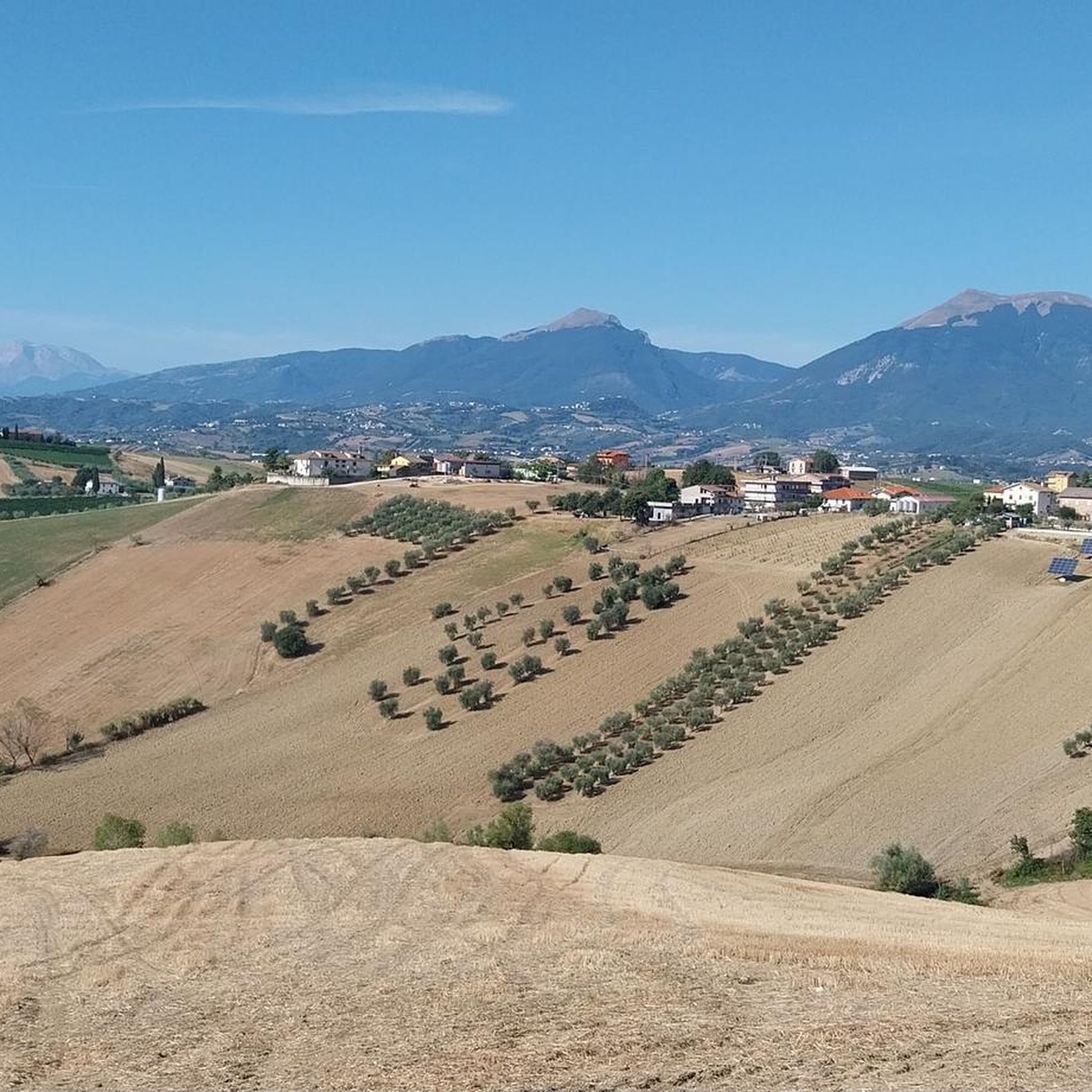
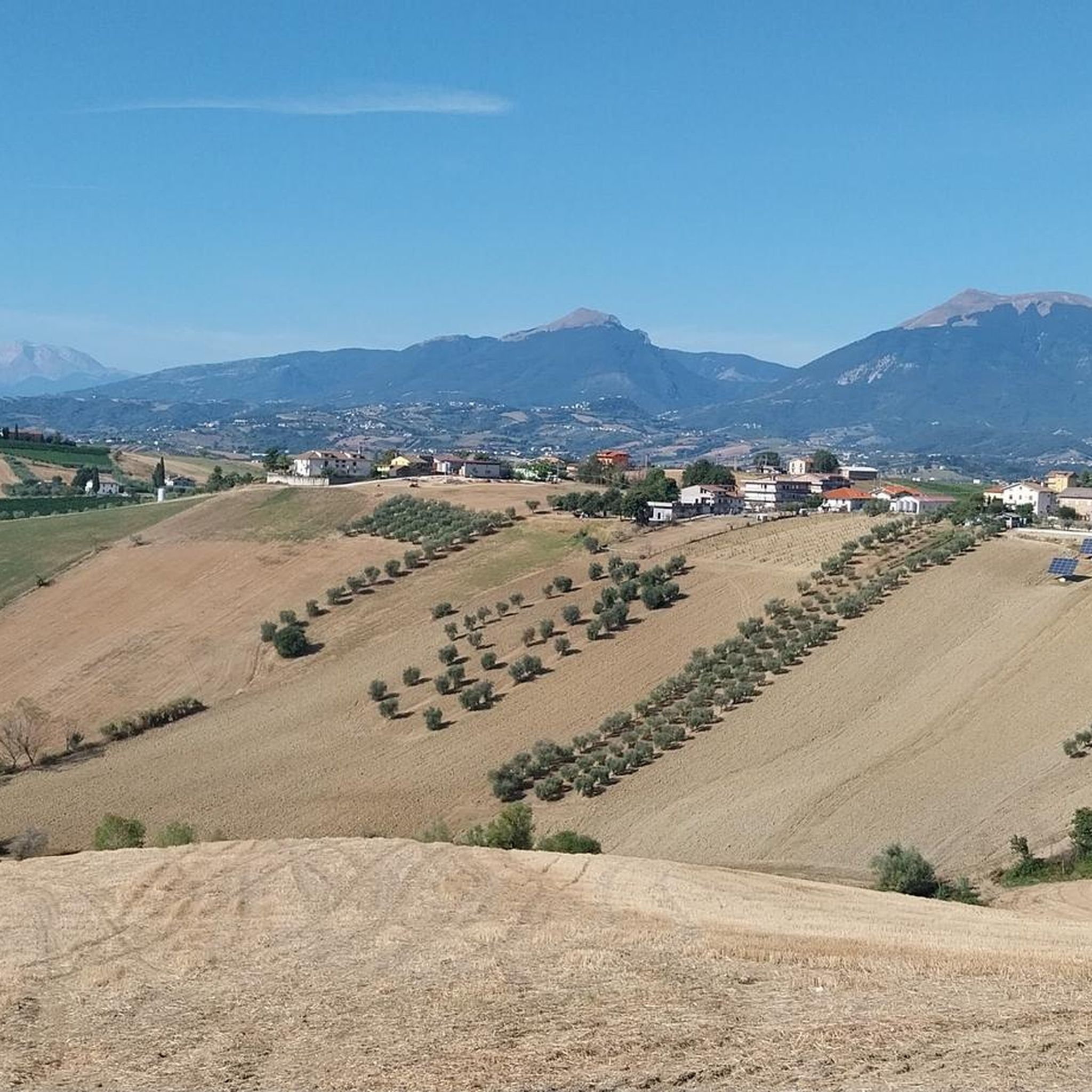
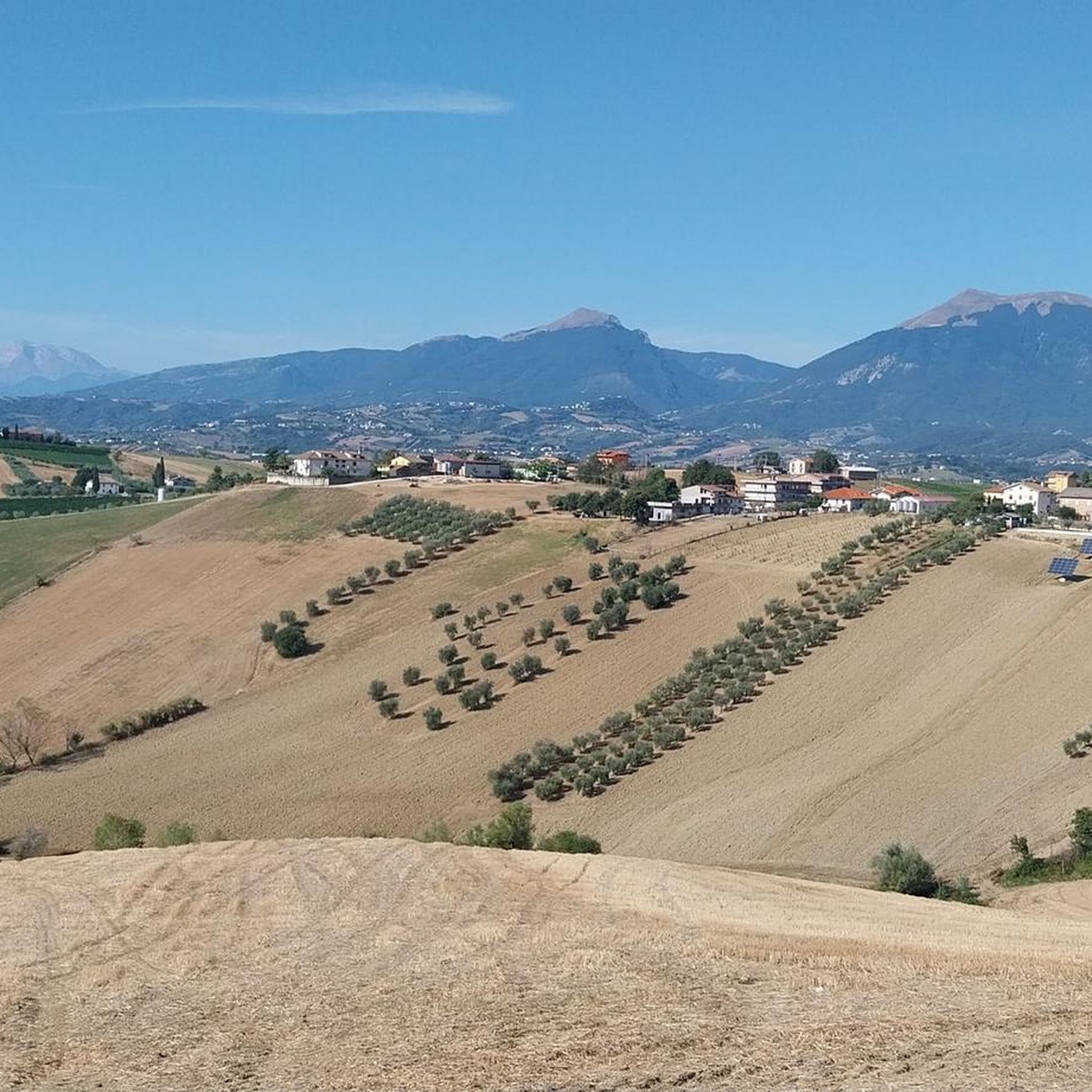
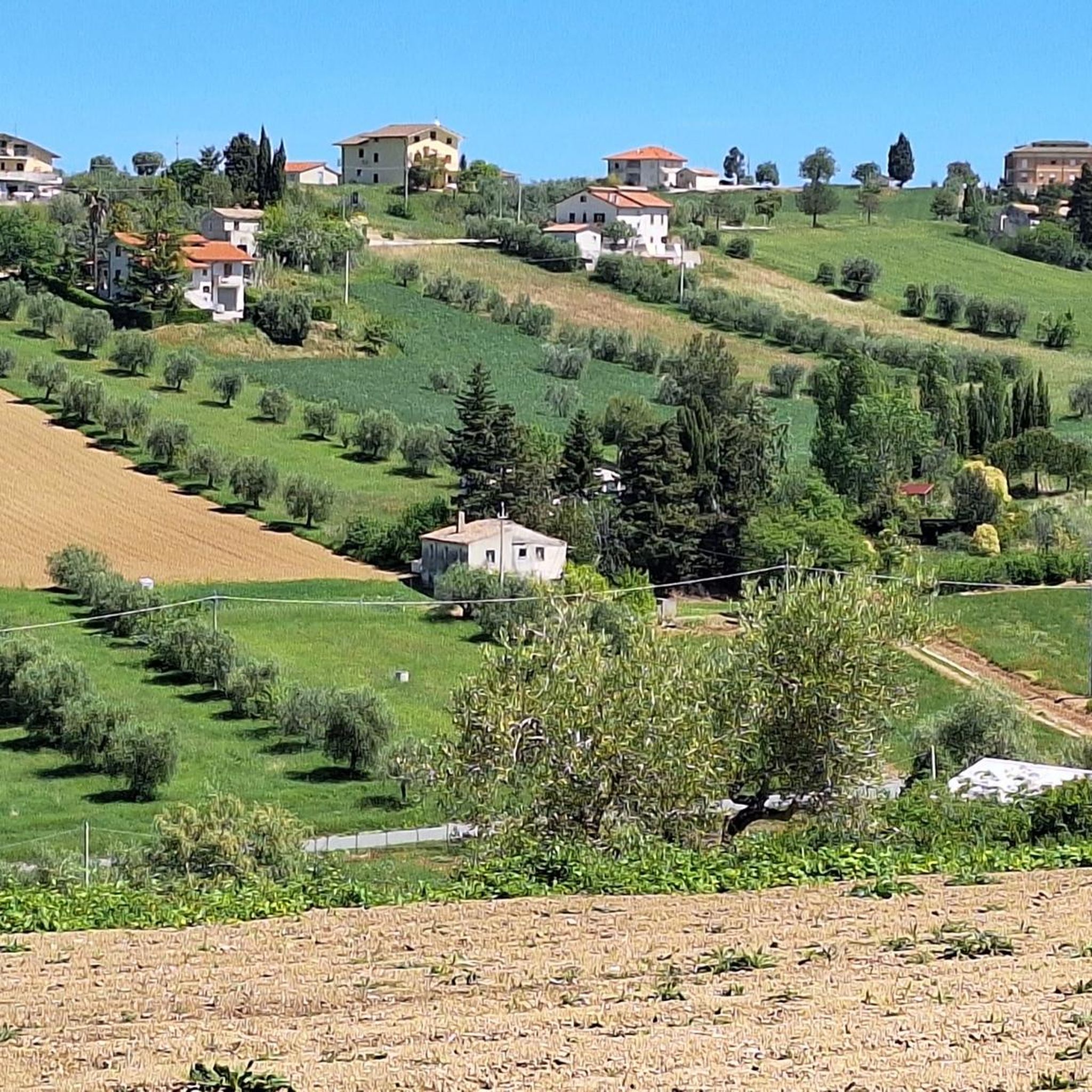
Sant'Egidio alla Vibrata is ideally situated for nature lovers. The town is nestled in the picturesque Val Vibrata, characterized by gentle hills and river valleys. It's also conveniently located near the vast Gran Sasso and Monti della Laga National Park, offering stunning landscapes. Another natural highlight in the Province of Teramo is the scenic Salinello Gorges. For more information on the natural beauty of the Vibrata Valley, you can visit visitceppo.it.
Can I find opportunities for hiking and cycling around Sant'Egidio alla Vibrata?
Absolutely! The area around Sant'Egidio alla Vibrata is excellent for outdoor activities like hiking and cycling. You can explore various trails, from easy walks along the Tronto River to more challenging routes. For hiking, consider routes like the 'Church of San Francesco – Civitella del Tronto loop' or the 'Tronto River loop'. Cyclists can enjoy routes such as the 'Singletrack in the Mini Jungle – Sentina Gravel Cycle Path loop' or the 'Salinello Riverside Trail loop'. You can find detailed information and more routes in the Hiking around Sant'Egidio Alla Vibrata and Cycling around Sant'Egidio Alla Vibrata guides.
Are there family-friendly attractions suitable for visitors with children?
Yes, several attractions in and around Sant'Egidio alla Vibrata are suitable for families. The historic town centers, including Sant'Egidio alla Vibrata itself and nearby Civitella del Tronto, offer engaging walks through medieval streets. Piazza del Popolo, Ascoli Piceno, is a beautiful open space where families can stroll and enjoy the atmosphere. Many of the natural areas, such as the Val Vibrata and parts of the Gran Sasso and Monti della Laga National Park, offer easy trails and scenic spots for family outings.
What is Faraone Antico, and is it worth visiting?
Faraone Antico is a small, now uninhabited, medieval hamlet of Lombard origins near Sant'Egidio alla Vibrata. It's a fascinating site where you can see the remains of defensive walls and the ancient entrance gate, which still retains a 'glorious beauty.' Within the hamlet, you'll also find the Church of Santa Maria della Misericordia, dating back to the mid-15th century. It offers a unique glimpse into the region's past and is definitely worth a visit for those interested in history and abandoned villages.
What kind of local cuisine and food events can I experience?
The region offers a delightful culinary experience. You can savor traditional dishes like arrosticini (grilled lamb skewers), maccheroni alla chitarra (a type of pasta), and various seafood dishes. Local wines, cheeses, ventricina (a type of salami), and sweets like confetti and sassi d'Abruzzo are also highly recommended. A notable local dish is 'Scrippelle 'mbusse,' crepes served in meat broth. If you visit in the second half of August, you might catch the popular Sagra degli Gnocchi, a food festival dedicated to gnocchi.
Are there any viewpoints offering scenic panoramas?
Yes, the hilly terrain and historical sites provide several excellent viewpoints. The medieval town of Civitella del Tronto, perched on a hilltop, offers expansive views of the surrounding Monti della Laga and the Tronto river valley. The San Marco Hermitage, built into a rock face, also provides a unique vantage point over the forest. Additionally, Controguerra — Village and Vineyards offers picturesque views of the winegrowing area.
What makes Piazza del Popolo in Ascoli Piceno a notable attraction?
Piazza del Popolo, Ascoli Piceno, is considered one of Italy's most beautiful piazzas. It's entirely paved with travertine and features stunning Renaissance architecture, including the 'Palazzo dei Capitani del Popolo' (today's town hall) and the 'Chiesa San Francesco'. The piazza is a central hub for local life, surrounded by restaurants, wine bars, and cafes, making it a perfect spot to relax and soak in the atmosphere.
What is the best time of year to visit Sant'Egidio alla Vibrata for outdoor activities?
The spring (April to June) and autumn (September to October) months are generally the best times to visit Sant'Egidio alla Vibrata for outdoor activities. During these periods, the weather is typically mild and pleasant, ideal for hiking, cycling, and exploring the natural parks and historical sites without the intense heat of summer. The landscapes are also particularly beautiful with spring blooms or autumn colors.
Are there any unique historical fortifications or castles nearby?
Yes, one of the most significant historical fortifications in the vicinity is the Fortress of Civitella del Tronto. Located strategically on a hilltop, it's one of the largest and most important military engineering works in Europe, with an elliptical shape extending over 500 meters. The medieval town of Civitella del Tronto itself, with its narrow, cobbled streets, adds to the historic charm.
Are there any attractions that are wheelchair accessible?
Yes, some attractions offer wheelchair accessibility. Piazza del Popolo, Ascoli Piceno, is noted as wheelchair accessible, providing an opportunity to experience one of Italy's most beautiful squares. When planning your visit to other sites, it's advisable to check specific accessibility details, especially for older historical buildings or natural trails, as terrain can vary.
What are some of the less-known but interesting places to discover?
Beyond the main highlights, consider exploring the medieval hamlet of Faraone Antico, which offers a unique glimpse into an abandoned village with historical significance. The Porta di Faraone, part of the hamlet's defensive structures, is also an interesting historical feature. For a different perspective, the Church of the Sacred Heart of Jesus, with its distinctive modern architecture from 1948, stands out from the more ancient religious sites.
Most popular routes around Sant'Egidio Alla Vibrata
Most popular attractions around Sant'Egidio Alla Vibrata

Get inspired with the komoot mobile app


Explore more
Still not found the Highlight you’re looking for? See guides of the top attractions in other regions:
