The best MTB trails around Steineberg
4.6
(2197)
7,500
riders
554
rides
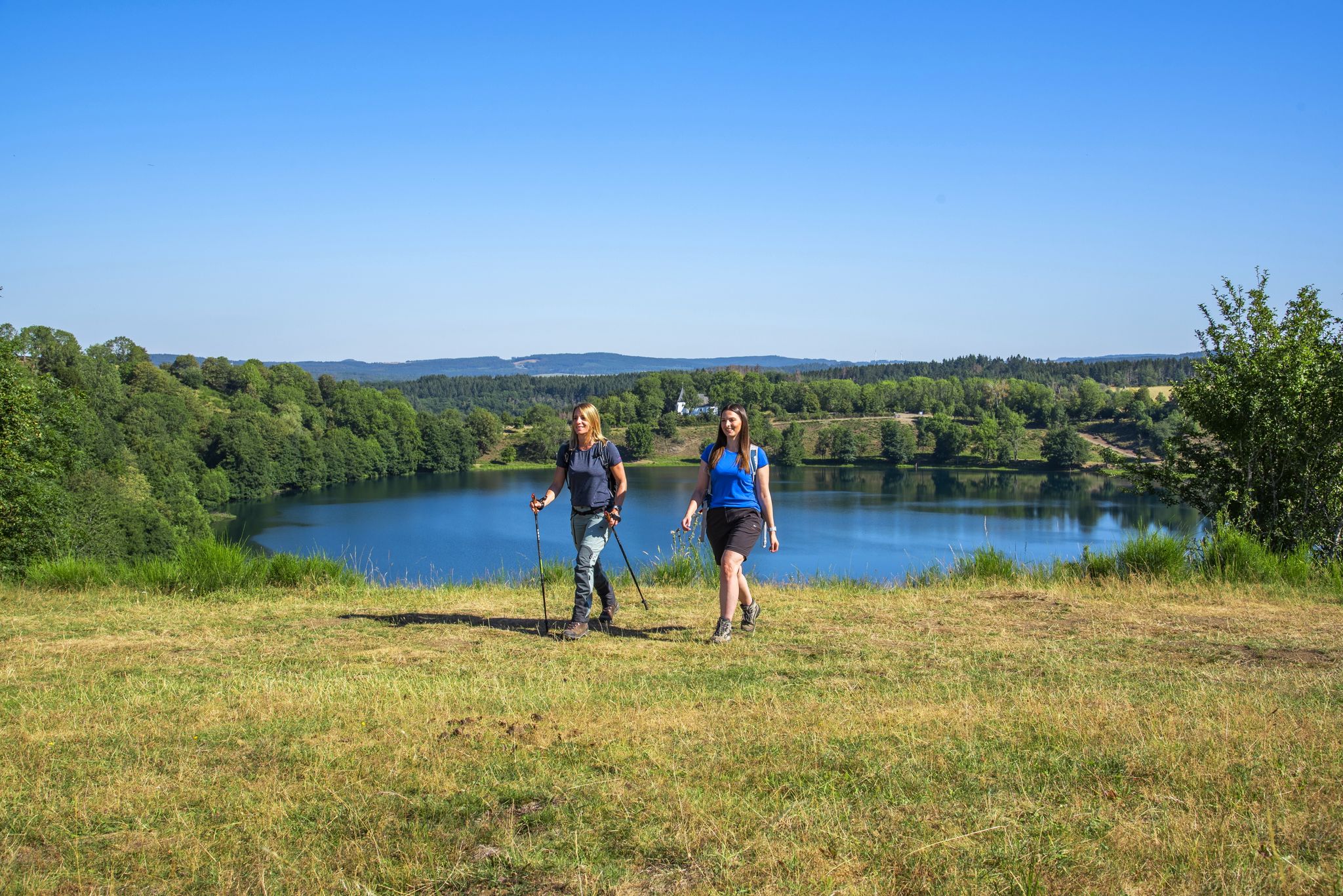
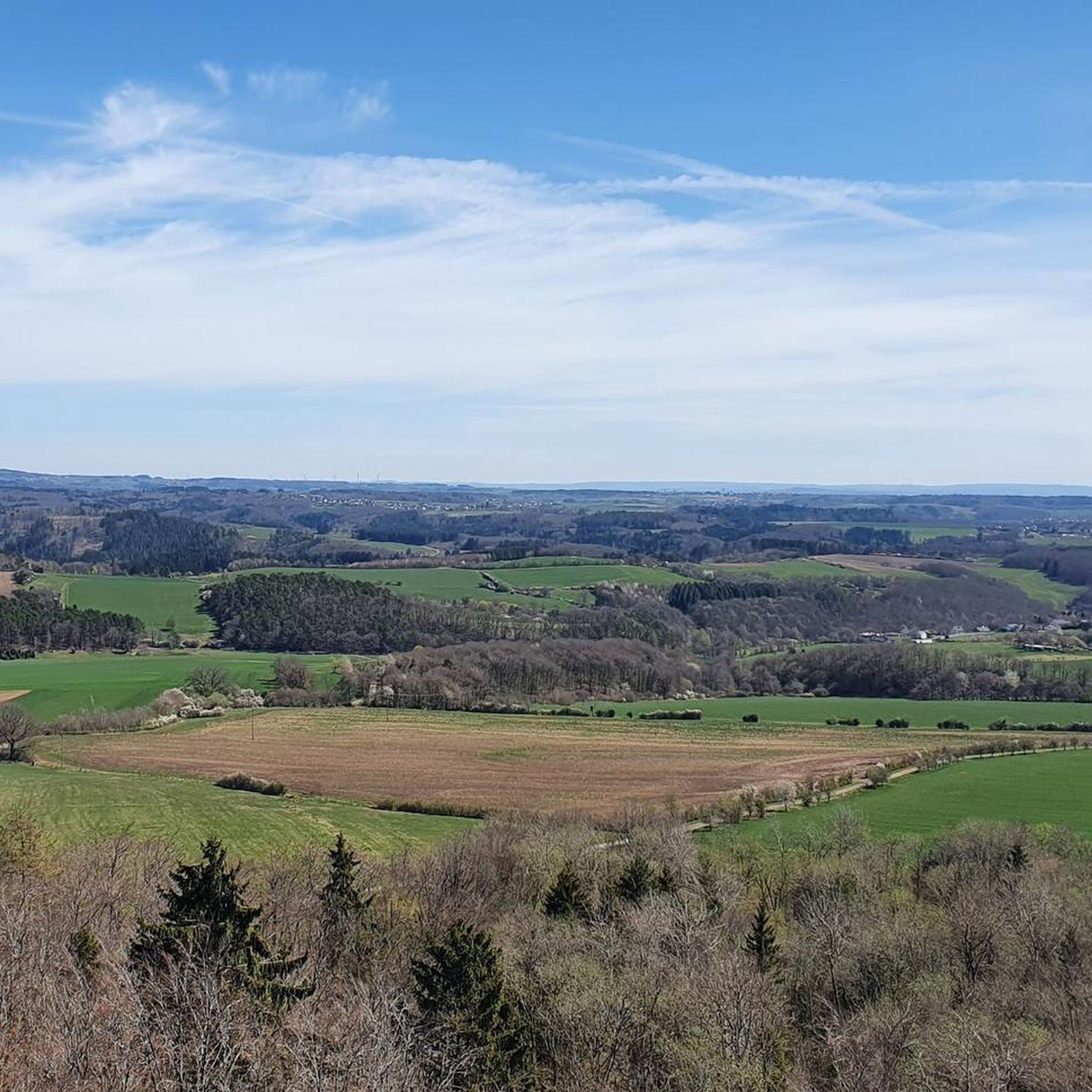
Mountain biking around Steineberg is primarily set within the Vulkaneifel region of Germany, an area shaped by its unique volcanic history. The terrain features ancient volcanic cones, known locally as maars, which are often filled with water, creating distinctive volcanic lakes. Riders can expect diverse landscapes, ranging from challenging trails through forested areas to more open sections offering views of the geological formations. The region's solid basalt bedrock contributes to varied trail surfaces.
Best mountain bike trails around Steineberg
- The…
Last updated: June 30, 2026
4.6
(30)
98
riders
34.1km
02:47
570m
570m
Hard mountain bike ride. Good fitness required. Advanced riding skills necessary. Some portions of the route may require you to push your bike.
4.4
(13)
57
riders
39.6km
03:24
720m
720m
Moderate mountain bike ride. Good fitness required. Advanced riding skills necessary.

Sign up for free
4.9
(99)
352
riders
91.5km
05:30
850m
850m
Hard mountain bike ride. Very good fitness required. Advanced riding skills necessary.
4.7
(6)
27
riders
32.5km
02:28
490m
490m
Moderate mountain bike ride. Good fitness required. Suitable for all skill levels.
4.9
(21)
33
riders
37.4km
02:44
500m
500m
Moderate mountain bike ride. Good fitness required. Suitable for all skill levels.
Get access to more routes and recommendations from other explorers.
Sign up for free
Already have an account?
Our route recommendations are based on thousands of hikes, rides, and runs completed by other people on komoot.
Start today with a free account
Your next adventure awaits.
Login or Signup
Other adventures around Steineberg

Tips from the Community

Very beautiful artificial lake created, for big and small, what
1
0


Sooo cozy, rustic, dreamlike beautiful
0
0

🏘️ Platten is an idyllic wine village that is often mentioned in connection with the Moselle, but strictly speaking lies in the picturesque side valley of the Lieser – only about 4 km from the mouth of the Moselle.
0
0

In summer, only e-bike egos are on the road – nasty situation! 😅
0
0

A true paradise stretches out on the edge of the village of Ulmen on a plateau beneath the Steimelskopf, where a volcano once erupted with a tremendous bang, forming a deep crater with a maar lake, which now serves as a renowned bird sanctuary. The exact age of the Jungferweiher lake cannot be determined, but its morphological shape suggests it is several hundred thousand years old. In early modern times, the Lords of Ulmen used the lake as a fishpond for carp breeding, until it gradually silted up over time, and the residents of Ulmen harvested peat from the former maar for heating purposes. However, in 1942, the decision was made to flood the area again by damming the Ulmener Bach to secure the drinking water supply for the Cochem-Zell district. Today, the Jungferweiher lake, located at an altitude of 428 meters above sea level, covers an area of approximately 170,000 square meters with a depth of 0.8 meters. The pond, along with the Ulmener Maar, is protected for its rare flora and fauna. Many endangered species, such as the snipe and the meadow pipit, breed in the reed-rich banks, while ospreys have been observed hunting. Migratory birds such as cranes, teals, and great grey shrikes roost in the meadows near the Ulmener Jungferweiher every year. Therefore, a walk along the approximately 3-kilometer loop is a must, especially during the migration periods in spring and autumn. At the bird observatory on the western bank, you can observe the birds in their natural habitat. Nowadays, a wide variety of fish species thrive in the shallow waters of the Ulmener Weiher, which can be fished from a fishing pier on the southern bank. Swimming and other water sports are prohibited, however. Fishing permits are issued by the local municipal administration in Ulmen. Since 2023, the Ulmener Maar Tunnel has connected the Jungferweiher underground to the Ulmener Maar. A visit to the 126-metre-long tunnel is highly recommended!
7
0
The Ulmen Maar lies 420 meters above sea level today, covers an area of 5.5 hectares, and is 36 meters deep. The bubbles at the maar's edge demonstrate that volcanism is still active. They bear witness to a turbulent past—but rest assured, there's no eruption in sight! A wall of various rocks and ash, up to 20 meters thick, surrounds the cone. For those interested, these testimonies to this explosive past are beautifully displayed in St. Matthias Church. This unique wall, with its different colored layers and rounded inclusions, is worth seeing for more than just geologists. The slopes of the maar basin are covered with a beautiful forest, which can be explored on a circular walk. A detour to the medieval castle ruins, from which the Crusaders once launched their campaigns, is recommended. The view from the crater rim over the maar and the Eifel beyond will take your breath away. Whether after a sweaty hike or a long drive, the blue of the Ulmer Eifel lake is all too tempting in summer. However, bathing in the maar is prohibited because it is designated as a nature and water protection area.
6
0

Beautiful circular path in the shade suitable for wheelchairs/strollers
0
0
Frequently Asked Questions
How many mountain bike trails are available around Steineberg?
The Steineberg area, located in the Vulkaneifel region, offers a wide variety of mountain bike trails. There are over 500 routes available, catering to different skill levels. You'll find approximately 100 easy trails, 360 moderate routes, and over 100 challenging options for experienced riders.
What kind of terrain can I expect on mountain bike trails near Steineberg?
Mountain biking around Steineberg is characterized by the unique volcanic landscape of the Vulkaneifel. You can expect diverse terrain, including ancient volcanic cones (maars), some of which are filled with water, creating distinctive volcanic lakes. Trails often lead through forested areas and open sections, with the region's solid basalt bedrock contributing to varied surfaces.
Are there mountain bike trails suitable for beginners or families around Steineberg?
Yes, the Vulkaneifel region around Steineberg offers a good selection of trails suitable for beginners and families. There are approximately 100 easy routes that provide a less strenuous experience, allowing riders to enjoy the scenic volcanic landscape without overly technical challenges. These trails are generally well-suited for a more relaxed pace.
What are some challenging mountain bike routes for experienced riders in Steineberg?
For experienced mountain bikers seeking a challenge, Steineberg offers over 100 difficult routes. A notable option is the Von Maar zu Maar - die Vulkanseen Tour, a 34.1 km difficult trail connecting several volcanic lakes. Another demanding route is the Jungfer Pond – The Rausch Waterfall loop from Ulmen, which covers 37.5 km through varied terrain.
What natural landmarks or viewpoints can I discover along the mountain bike trails?
The Vulkaneifel region is rich in natural landmarks. Many trails offer views of the distinctive maars, which are volcanic lakes. You can find stunning vistas such as the View of the Gemünden maar, the Schalkenmehrener Maar, and the View of the Weinfelder Maar (Totenmaar). The Steineberger Ley, a 560-meter-high volcanic cone, also offers panoramic views of the surrounding area.
Are there any circular mountain bike routes around Steineberg?
Yes, many mountain bike trails around Steineberg are designed as circular routes, allowing you to start and finish at the same point. For example, the Holzmaar – View of Schalkenmehrener Maar loop from Ulmen is a moderate 39.4 km loop offering expansive views. Another option is the Jungfer Pond – Sassen Observation Tower loop from Ulmen, a 32.5 km moderate route.
What do other mountain bikers enjoy most about the trails in Steineberg?
The mountain bike trails around Steineberg are highly rated by the komoot community, with an average score of 4.6 stars from over 2,100 reviews. Riders frequently praise the unique volcanic landscapes, the variety of trails catering to different skill levels, and the scenic beauty of the maars and forested paths.
Are there any historical sites or castles near the mountain bike routes?
Yes, the region around Steineberg also features historical sites. You can find castles such as the Upper Castle of Ulmen and the Romantik Castle Hotel Kurfürstliches Amthaus Daun. The Steineberger Ley, a volcanic cone, also features a Celtic ring wall at its peak, an ancient fortification built from basalt stones.
What is the best time of year for mountain biking in the Steineberg region?
The Vulkaneifel region generally offers good mountain biking conditions from spring through autumn. The diverse landscapes are particularly beautiful during these seasons. While specific weather conditions can vary, avoiding the peak heat of summer or the potentially icy conditions of winter will usually provide the most enjoyable riding experience.
Are there any trails that pass by waterfalls?
Yes, if you're looking for trails that include waterfalls, consider the Jungfer Pond – The Rausch Waterfall loop from Ulmen. This 37.5 km difficult route leads through varied terrain and features the Rausch Waterfall, offering a scenic point of interest during your ride.
How long are the mountain bike trails around Steineberg?
The length of mountain bike trails around Steineberg varies significantly. You can find shorter routes, but many popular trails are longer, offering extended rides through the volcanic landscape. For instance, the Von Maar zu Maar - die Vulkanseen Tour is 34.1 km, and the Holzmaar – View of Schalkenmehrener Maar loop from Ulmen is 39.4 km. There are also longer options like the Pleiner Tunnel – Pleiner Viaduct loop from Saxler, which spans over 90 km.
Most popular routes around Steineberg
Most popular attractions around Steineberg

Get inspired with the komoot mobile app


Explore more
Browse the best MTB trails in other regions.
