Attractions and Places To See around Villafranca Tirrena - Top 20
Best attractions and places to see around Villafranca Tirrena, a municipality in Sicily, include a mix of historical landmarks, cultural sites, and natural features. The area offers views of the Tyrrhenian Sea and the Aeolian Islands, with a landscape that transitions from coast to hills. Visitors can explore ancient fortresses, religious buildings, and museums, reflecting the region's history and local culture. The territory extends from sea level up to over 800 meters, providing diverse exploration opportunities.
Best attractions and places…
Last updated: May 11, 2026
Christ the King Shrine
Highlight • Monument
Translated by Google •
Tip by

Church of the Santissima Annunziata dei Catalani
Highlight • Religious Site
Tip by
Sign up now to discover places like this
Get recommendations on the best single tracks, peaks, & plenty of other exciting outdoor places.
Sign up for free
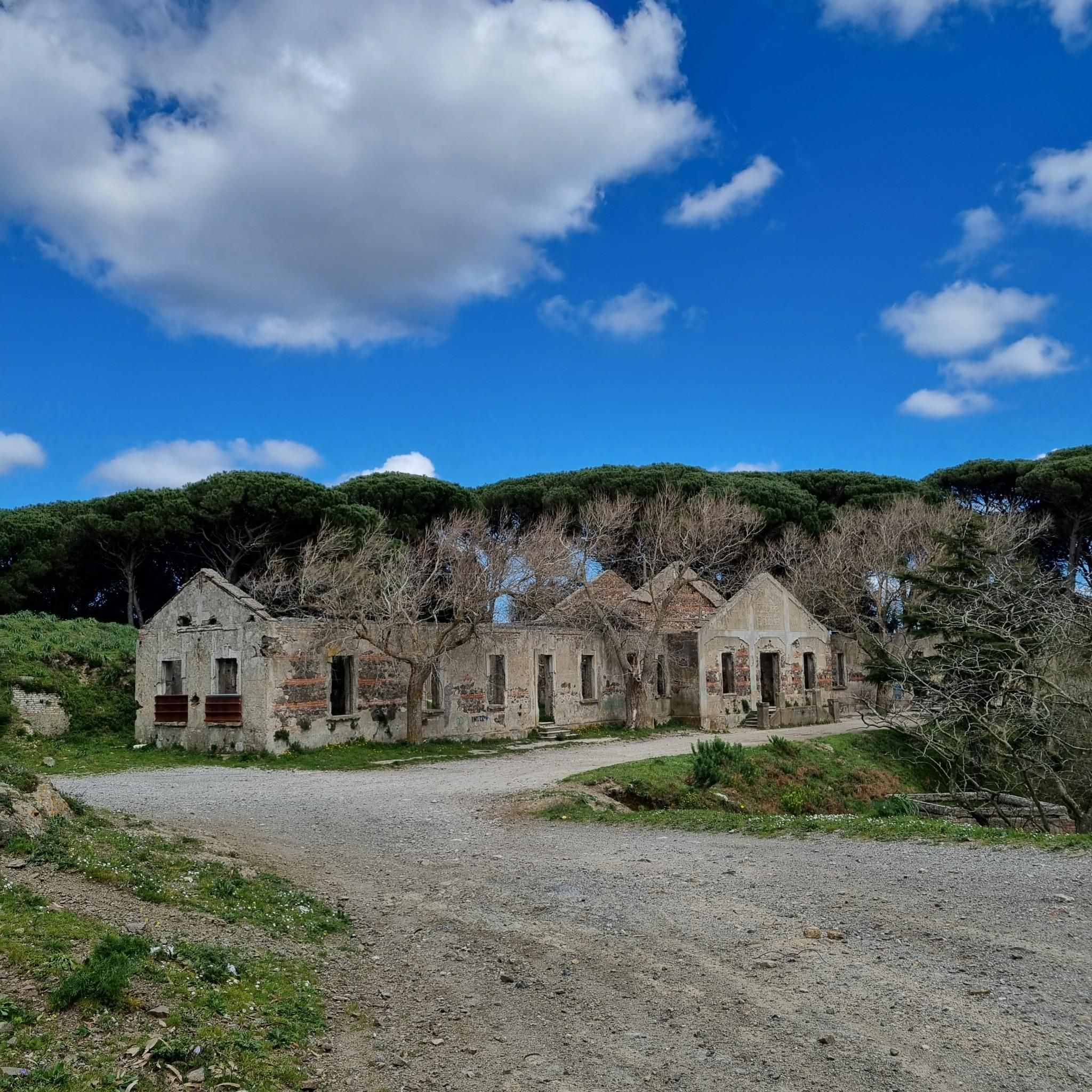
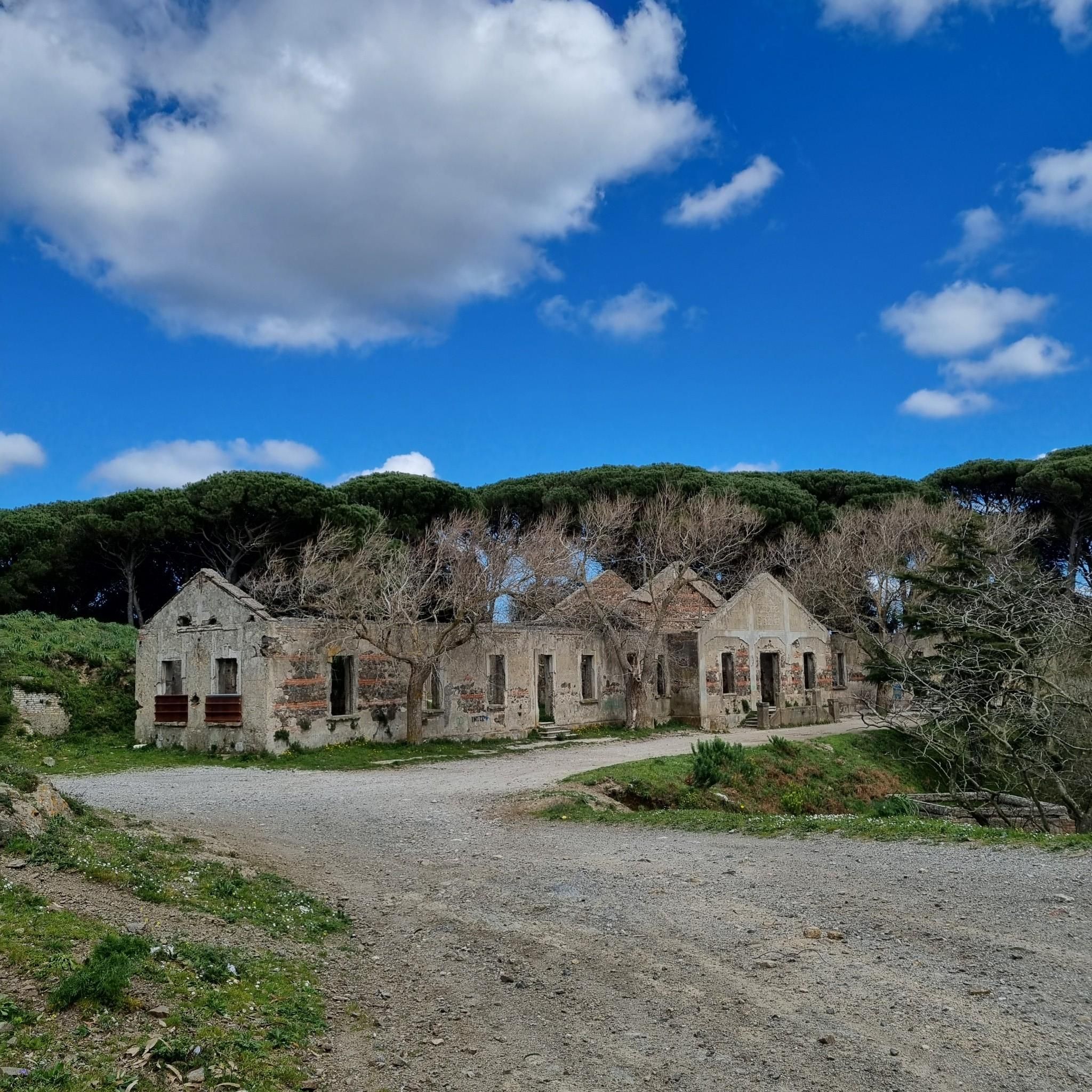
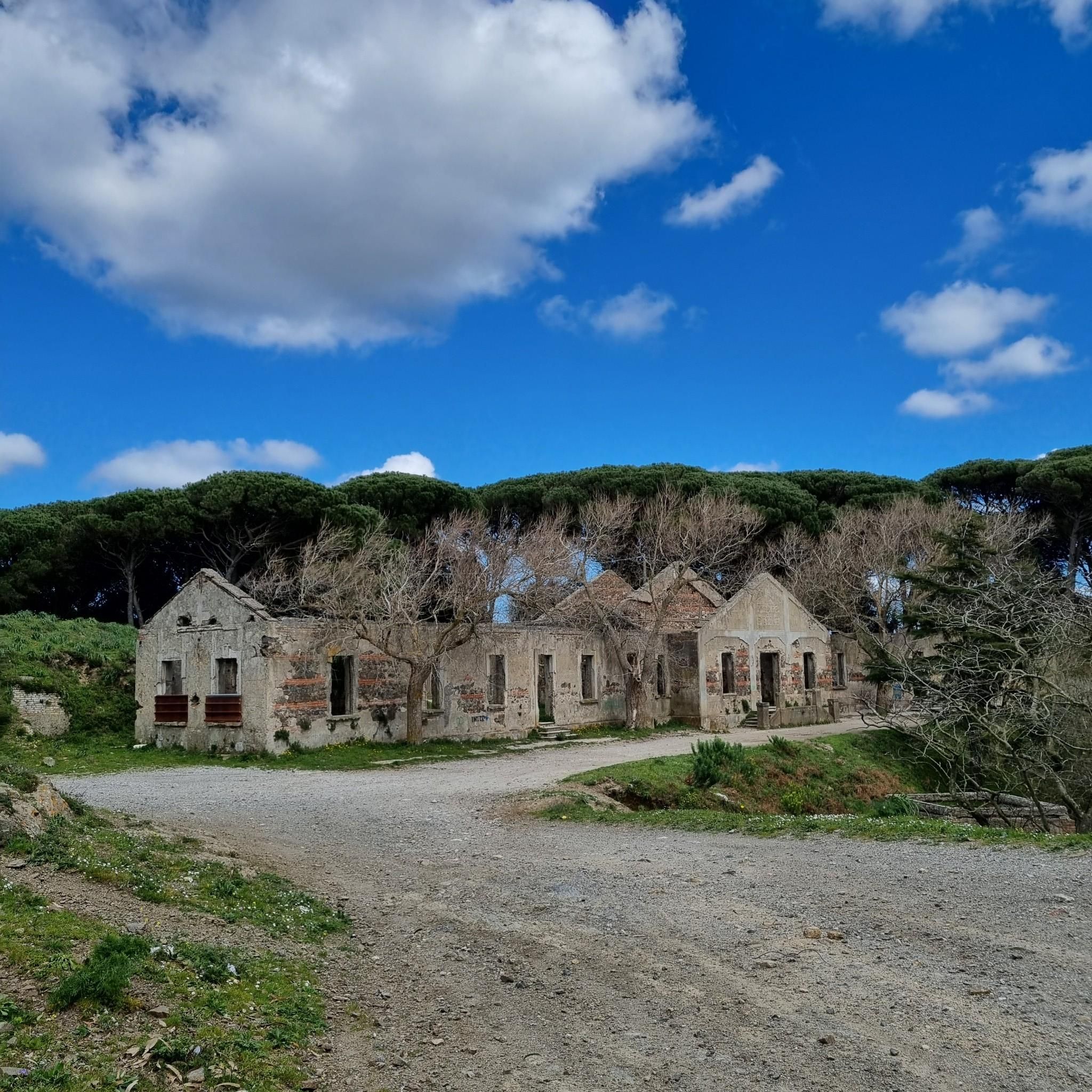
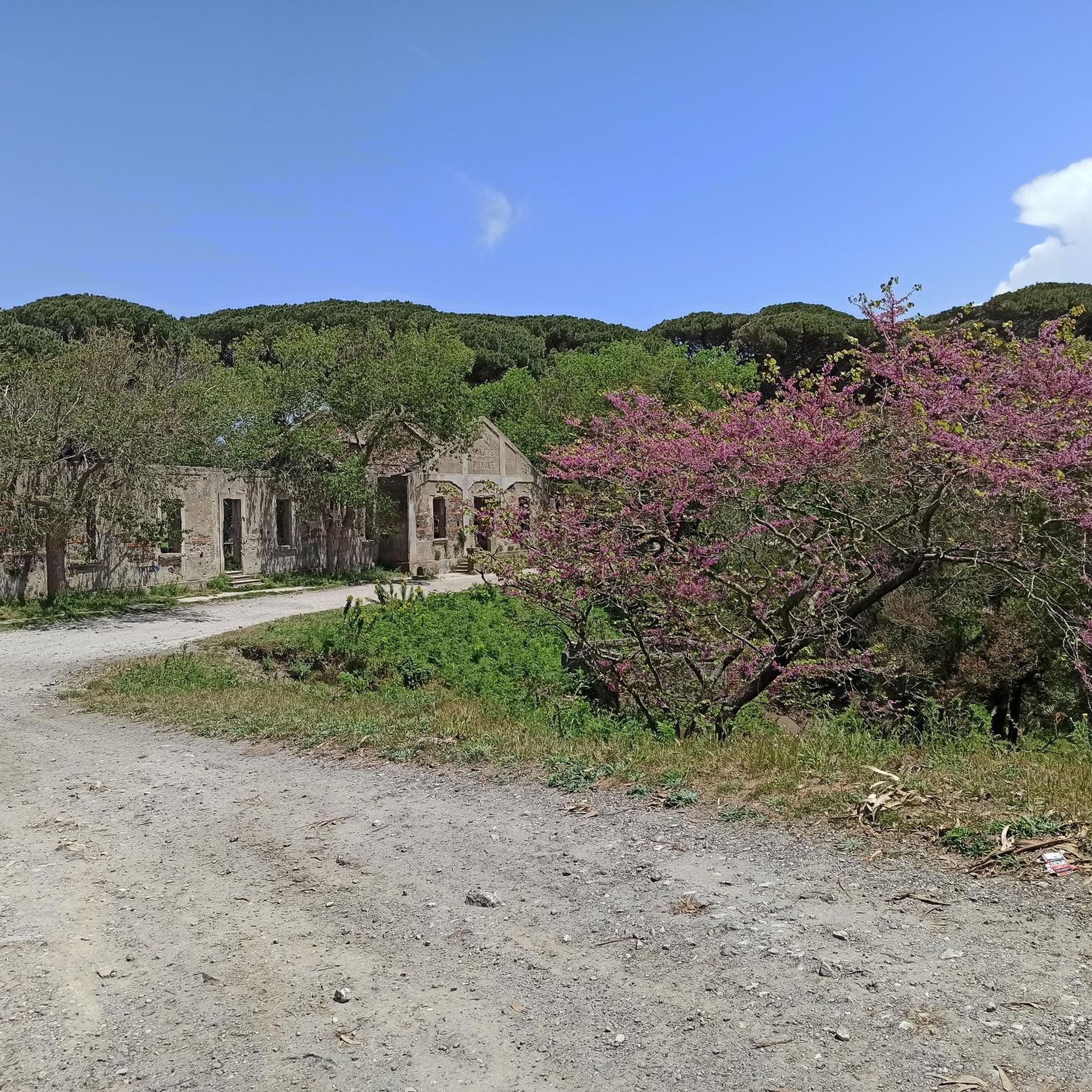
Forte Campone
Highlight • Historical Site
Translated by Google •
Tip by

Messina Cathedral and Bell Tower
Highlight (Segment) • Religious Site
Translated by Google •
Tip by
Puntale Bandiera Summit and Observation Tower
Highlight • Summit
Translated by Google •
Tip by

Sign up for free to discover even more attractions around Villafranca Tirrena.
Sign up for free
Already have an account?
Start today with a free account
Your next adventure awaits.
Login or Signup
Tips from the Community

Beautiful church
3
0

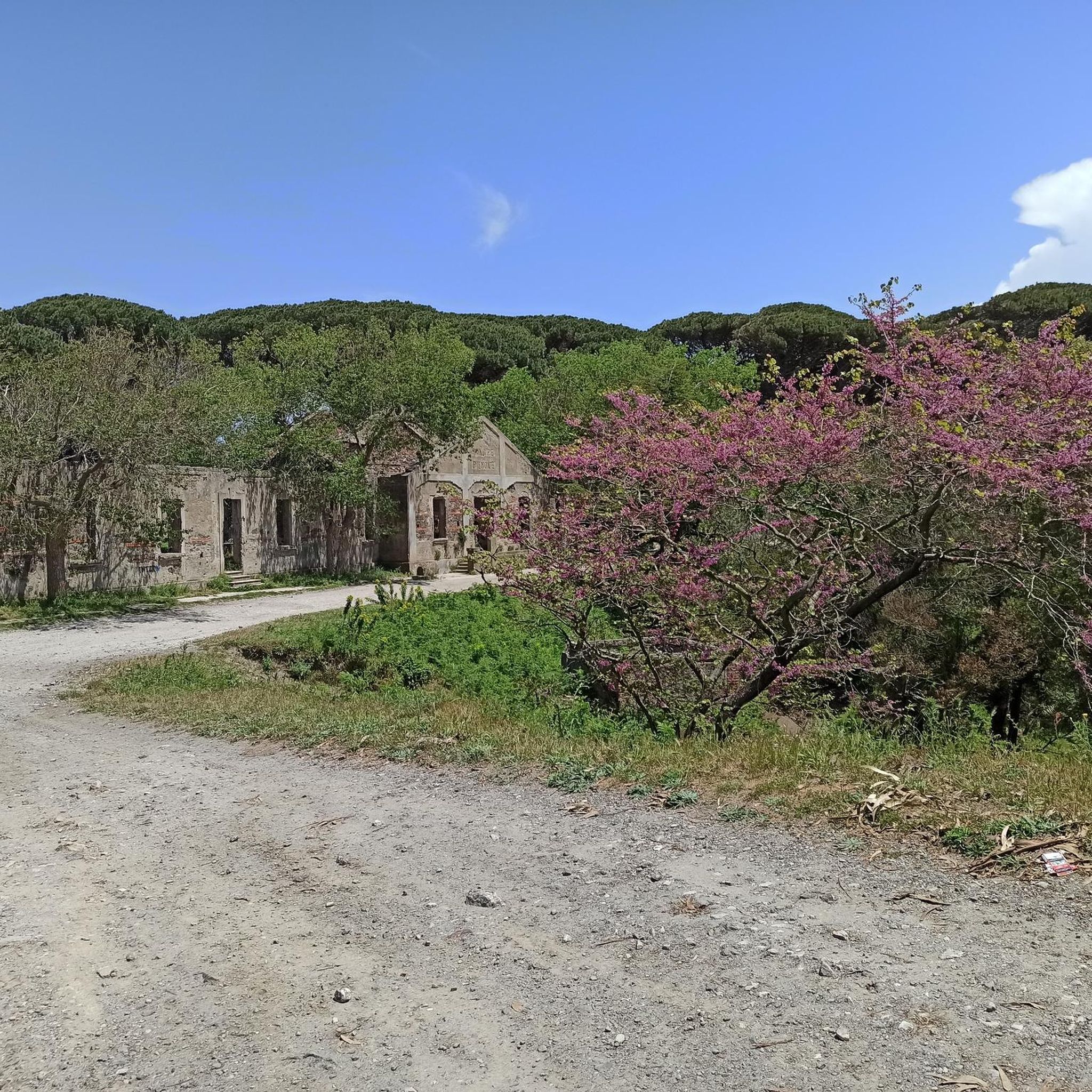
Just before arriving at the Fort you will find a small plaque with the name and photo of a young girl. It is Graziella Campagna, an innocent victim of the mafia, taken up there by deception and killed there for having discovered the true identity of a Cosa Nostra man who was hiding in Villafranca Tirrena, in the 80s. Leave her a thought, a prayer, a visit
1
0
Wonderful bivouacs overlooking the Strait of Messina. However, I advise you not to pitch tents on the plateau of the Forestry Watch Tower because (said by the forestry workers themselves) there is the danger of unexpected and very powerful lightning. For bivouacking there is, just below the Forest Tower, another smaller plateau, next to the access road to the plateau.
1
0

The Sacrario di Cristo Re in Messina is an imposing tomb that was built in 1937 for the remains of those who died in the two world wars. The Baroque architecture was inspired by the Basilica in Superga, designed by Messina architect Filippo Juvarra. The location of the sanctuary offers one of the most beautiful views of the Strait of Messina.
4
0
The Cathedral of Messina was opened on September 22, 1197 by Archbishop Berardo, in the presence of Emperor Henry VI. and his wife Constanze, daughter of the Norman King Roger II of Sicily. Over the course of history it was destroyed and rebuilt several times, so that hardly anything remains of the original structure. The original beamed ceiling was destroyed in a fire in 1254. The laid-out body of the recently deceased Hohenstaufen King Conrad IV fell victim to this fire. In the earthquakes of 1783 and 1908, the entire interior was destroyed by the collapsing walls. After the earthquake of 1783, the bell tower was demolished and two neo-Gothic towers were added to the two side apses next to the choir. After the earthquake of 1908, the cathedral was reconstructed in its medieval state from 1919 to 1923. In 1933 a free-standing bell tower was built next to the cathedral. On the night of June 13, 1943, Messina fell victim to a bombardment and the cathedral burned down completely again. However, the free-standing bell tower was spared. The cathedral was opened in August 1947 under Pope Pius XII. consecrated again and received the title of a minor basilica. Until the new consecration, the co-cathedral of Santissimo Salvatore served as a temporary cathedral.
4
0

A wonderful panoramic point on the Ionian and Tyrrhenian side, the peak is located at an altitude of 1065 m, the view from here repays all the effort made to get there.
1
0

Beautiful building, very characteristic
0
1
The church of the Santissima Annunziata was a church in the city of Messina. Built in 1607, it was embellished in 1660 by Guarino Guarini. It was destroyed, in part, by the earthquake of 1783. Restored and open to worship, in 1796, it was destroyed, along with the adjacent Teatini college since the 1908 earthquake.It occupied the current area of the Church of Sant'Antonio Abate on Corso Cavour.
8
0
Frequently Asked Questions
What historical landmarks can I explore in and around Villafranca Tirrena?
Villafranca Tirrena and its surroundings offer several historical landmarks. You can visit the medieval Bauso Castle (Castelnuovo), which dates back to 1590 and provides panoramic views of the Bay of Milazzo. Another notable site is Forte Campone, an Umbertine fortification located in Calvaruso, offering insights into military history. Additionally, the Church of the Santissima Annunziata dei Catalani in nearby Messina is a significant example of 12th-century Norman architecture.
Are there any significant religious sites to visit near Villafranca Tirrena?
Yes, the region is rich in religious heritage. In Villafranca Tirrena, you can find the Mother Church of San Nicolò di Bari, the Church of Our Lady of Lourdes, and the Church of San Gregorio Magno. The nearby *frazione* of Calvaruso hosts the Mother Church of Calvaruso and the Sanctuary of Ecce Homo, known for its 17th-century cypress wood sculpture. In Messina, the Christ the King Shrine is an imposing Baroque structure, and the Sanctuary of Saint Mary of Montalto offers beautiful views over the city.
Where can I find the best panoramic views around Villafranca Tirrena?
For breathtaking panoramic views, consider visiting the Bauso Castle, which overlooks the Bay of Milazzo and the Tyrrhenian Sea. The Christ the King Shrine in Messina also provides stunning vistas of the Strait of Messina. For a more challenging ascent, the Puntale Bandiera Summit and Observation Tower, at 1065 meters, offers a 360-degree view of both the Ionian and Tyrrhenian sides, including the Aeolian Islands on clear days.
What kind of natural features can I explore in the area?
Villafranca Tirrena is situated along the Tyrrhenian Sea Coast, offering beautiful sea views and glimpses of the Aeolian Islands. Inland, the landscape transitions to suggestive hills, with elevations reaching up to 828 meters. While not directly in Villafranca Tirrena, the Capo Milazzo Marine Protected Area, with its natural pool Piscina di Venere, is a popular nearby natural attraction.
Are there any museums or cultural sites to visit?
Yes, you can visit the Museo della Medicina Museo Badessa, dedicated to Doctor Ottavio Badessa, which showcases a collection of medical instruments. The region also offers opportunities for wine tasting at local vineyards, some with sea views, and hosts traditional local festivals, particularly during the summer, including an annual wine festival at Bauso Castle in September.
What outdoor activities can I do near these attractions?
The hilly landscape around Villafranca Tirrena is ideal for various outdoor activities. You can find numerous hiking trails, with options ranging from easy to moderate, such as the 'Waterfall and Spring – Portella Cumia Forest Trail loop'. For cyclists, there are challenging MTB trails like the 'View of La Falce di Messina – Bosco di Salice loop' and scenic road cycling routes, including a 'Tour to the north of the island'. You can find more details on these activities at Hiking around Villafranca Tirrena, MTB Trails around Villafranca Tirrena, and Road Cycling Routes around Villafranca Tirrena.
Are there family-friendly attractions around Villafranca Tirrena?
While specific children's attractions are not highlighted, many of the historical and natural sites can be enjoyed by families. The Church of the Santissima Annunziata dei Catalani and the Sanctuary of Saint Mary of Montalto are noted as family-friendly. Exploring the grounds of Bauso Castle or enjoying the coastal views can also be pleasant family outings. Easy hiking trails, such as the 'Picnic Area on Sentiero ABC – Madonnuzza Chapel loop', are suitable for families.
What is the best time to visit Villafranca Tirrena for attractions?
The summer months are popular, especially for enjoying the coastal areas and local festivals. However, for exploring historical sites and engaging in outdoor activities like hiking and cycling, the spring (April-May) and autumn (September-October) offer milder temperatures, which are more comfortable for extended exploration.
What local cuisine should I try in Villafranca Tirrena?
When visiting Villafranca Tirrena, you should definitely sample traditional Sicilian cuisine. Local specialties include sweet treats like *cannoli alla ricotta* and various savory *tavola calda* items, which are quick and delicious snacks or light meals.
What do visitors enjoy most about the attractions around Villafranca Tirrena?
Visitors particularly appreciate the stunning panoramic views offered by sites like the Christ the King Shrine and the Puntale Bandiera Summit. The historical significance of places like Forte Campone and the architectural beauty of religious buildings also receive high praise. The diverse landscape, transitioning from coast to hills, provides a variety of exploration opportunities, from cultural visits to active outdoor pursuits.
Are there any hidden gems or less-known attractions worth visiting?
Beyond the main highlights, the Church of the Madonna dei Cerei, located on the hill in the Serro village, offers a serene and picturesque visit. Exploring the smaller *frazioni* like Calvaruso can also reveal charming local churches and the historic Sanctuary of Ecce Homo, providing a deeper dive into the region's cultural fabric away from more crowded spots.
Most popular routes around Villafranca Tirrena
Most popular attractions around Villafranca Tirrena

Get inspired with the komoot mobile app


Explore more
Still not found the Highlight you’re looking for? See guides of the top attractions in other regions:
