Attractions and Places To See around Campo Ligure - Top 20
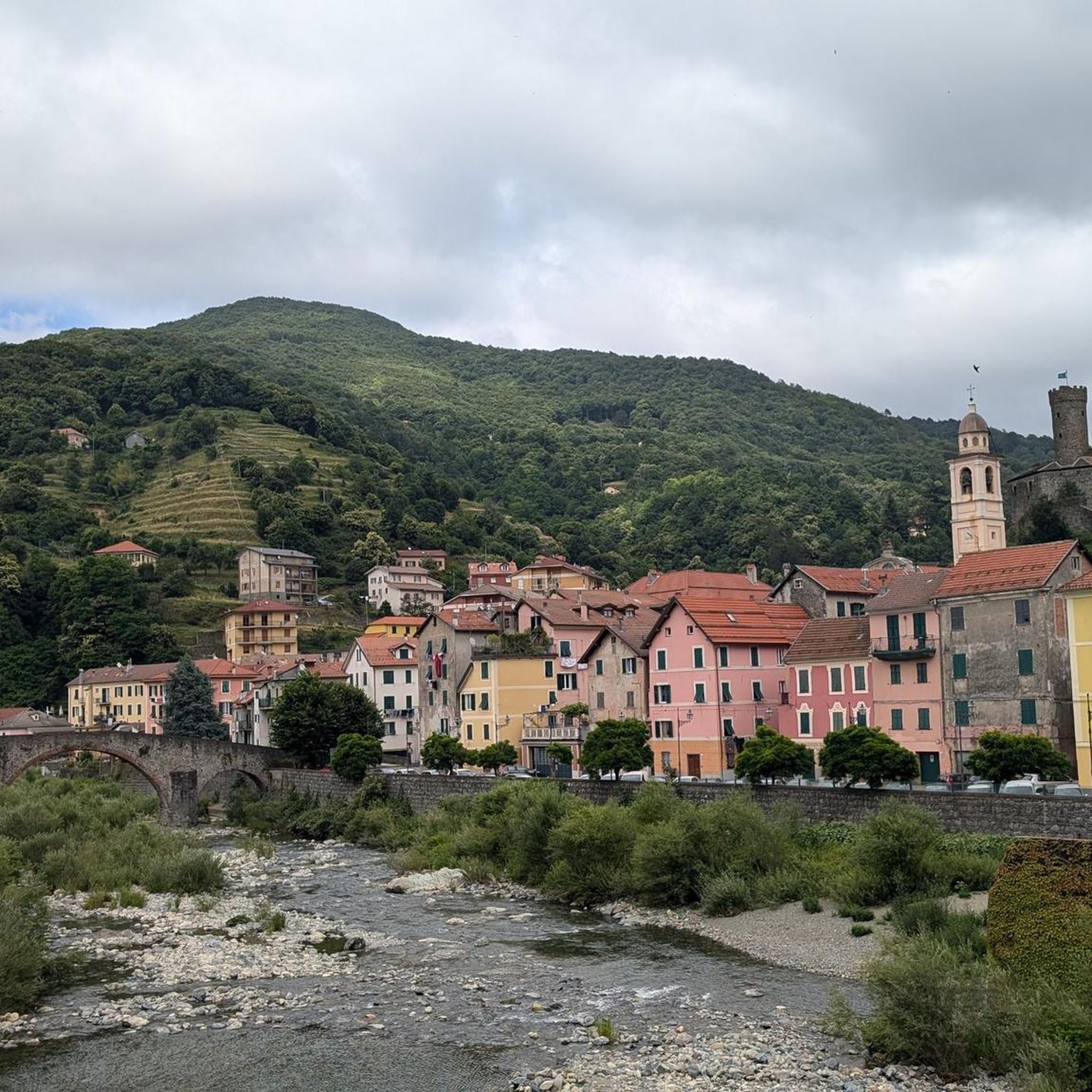
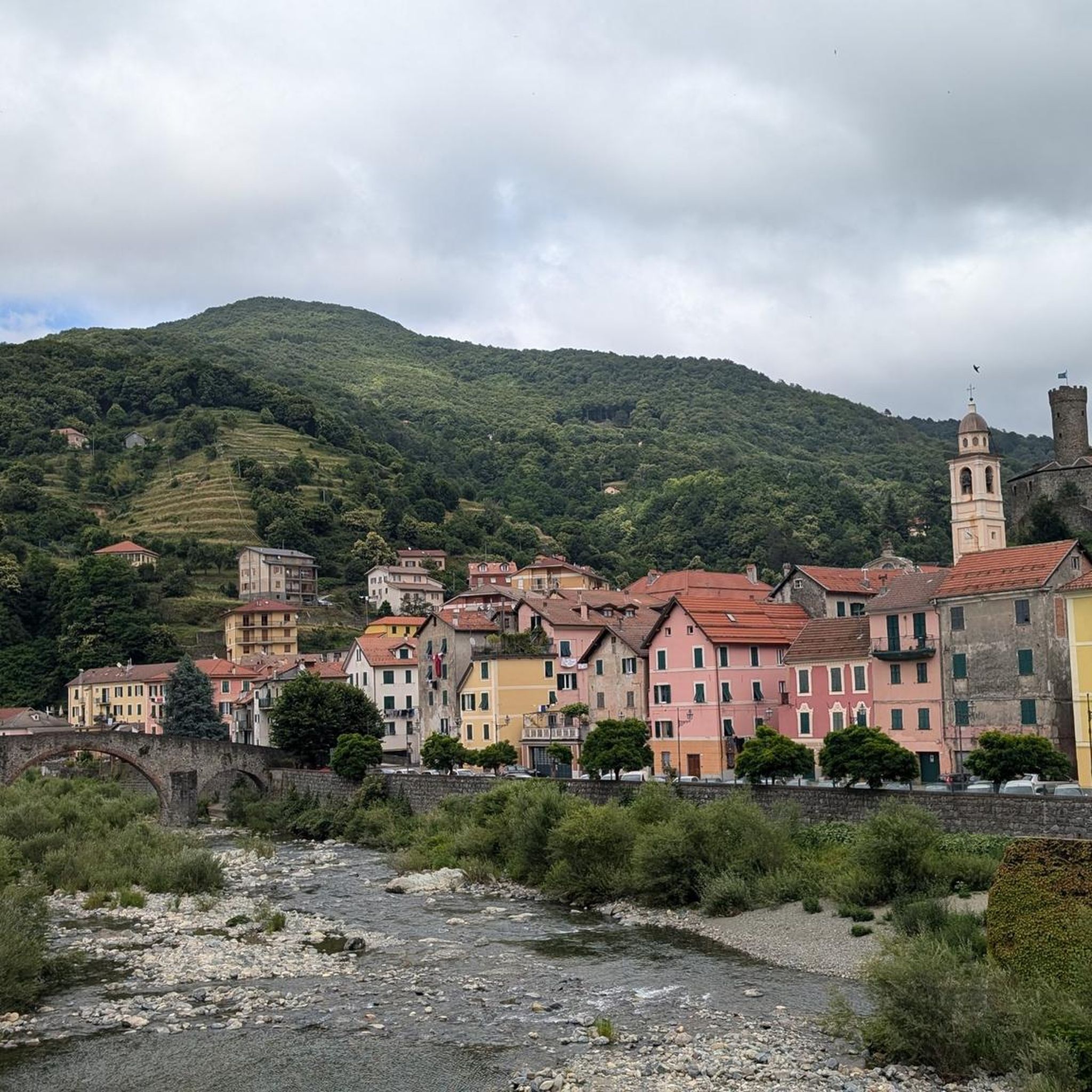
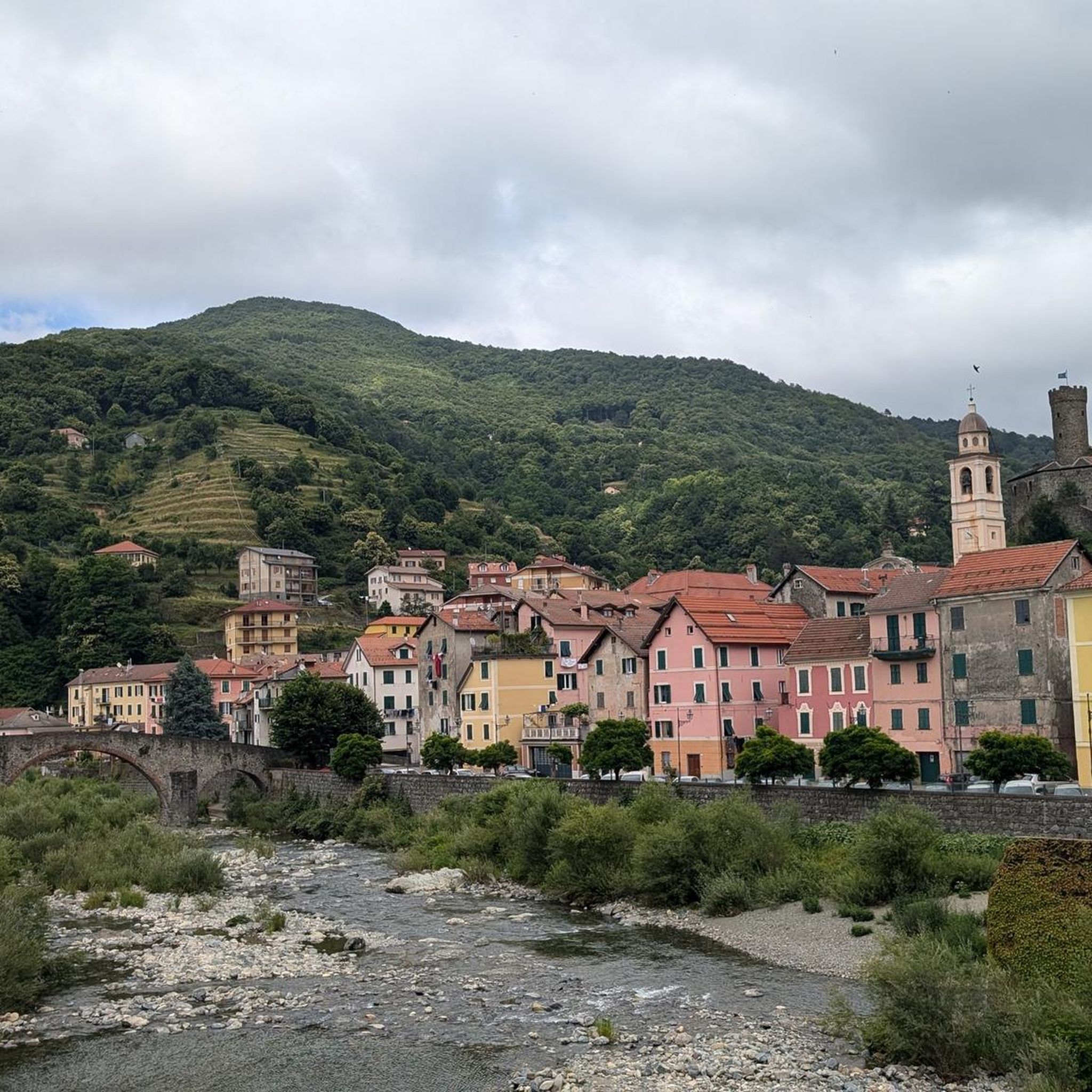
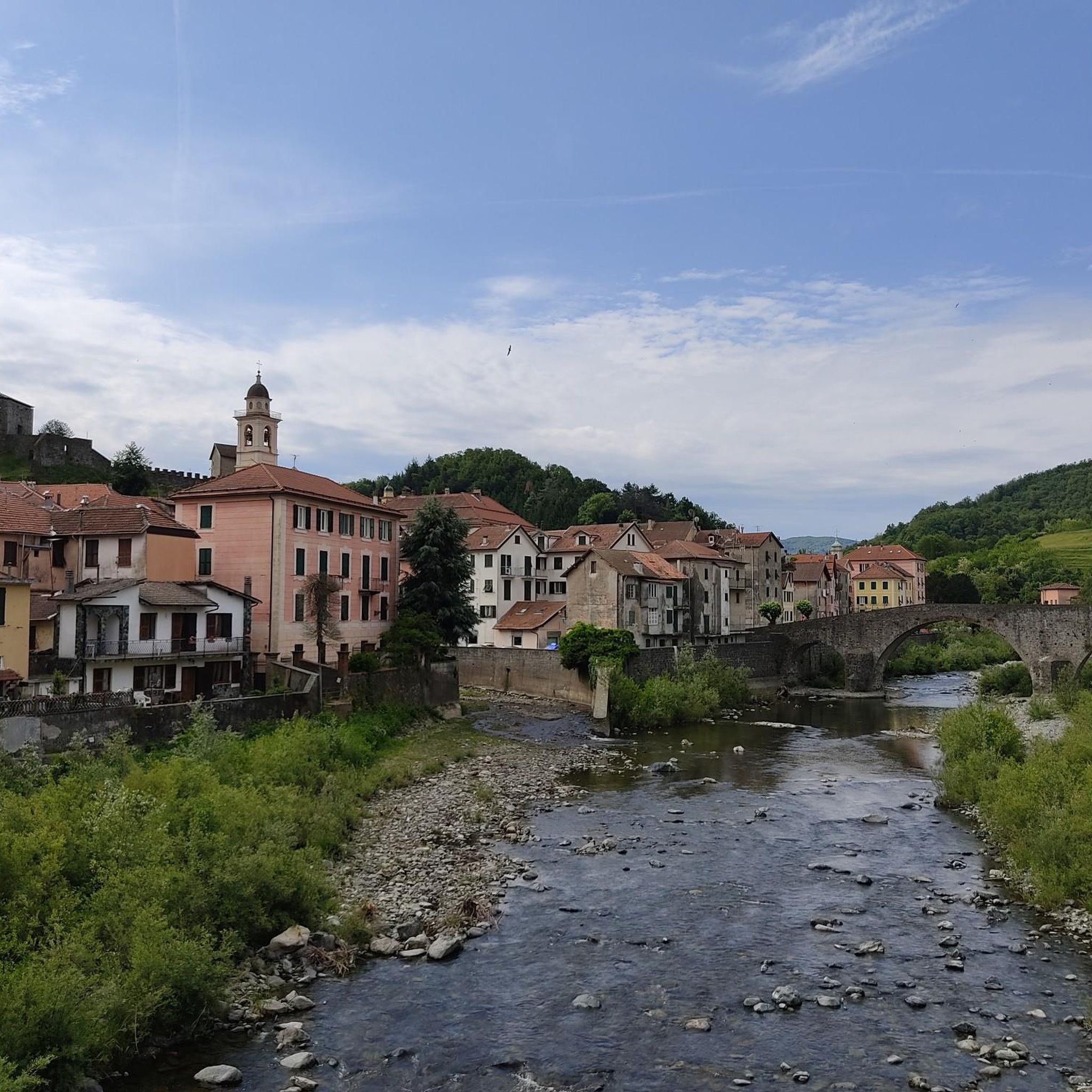
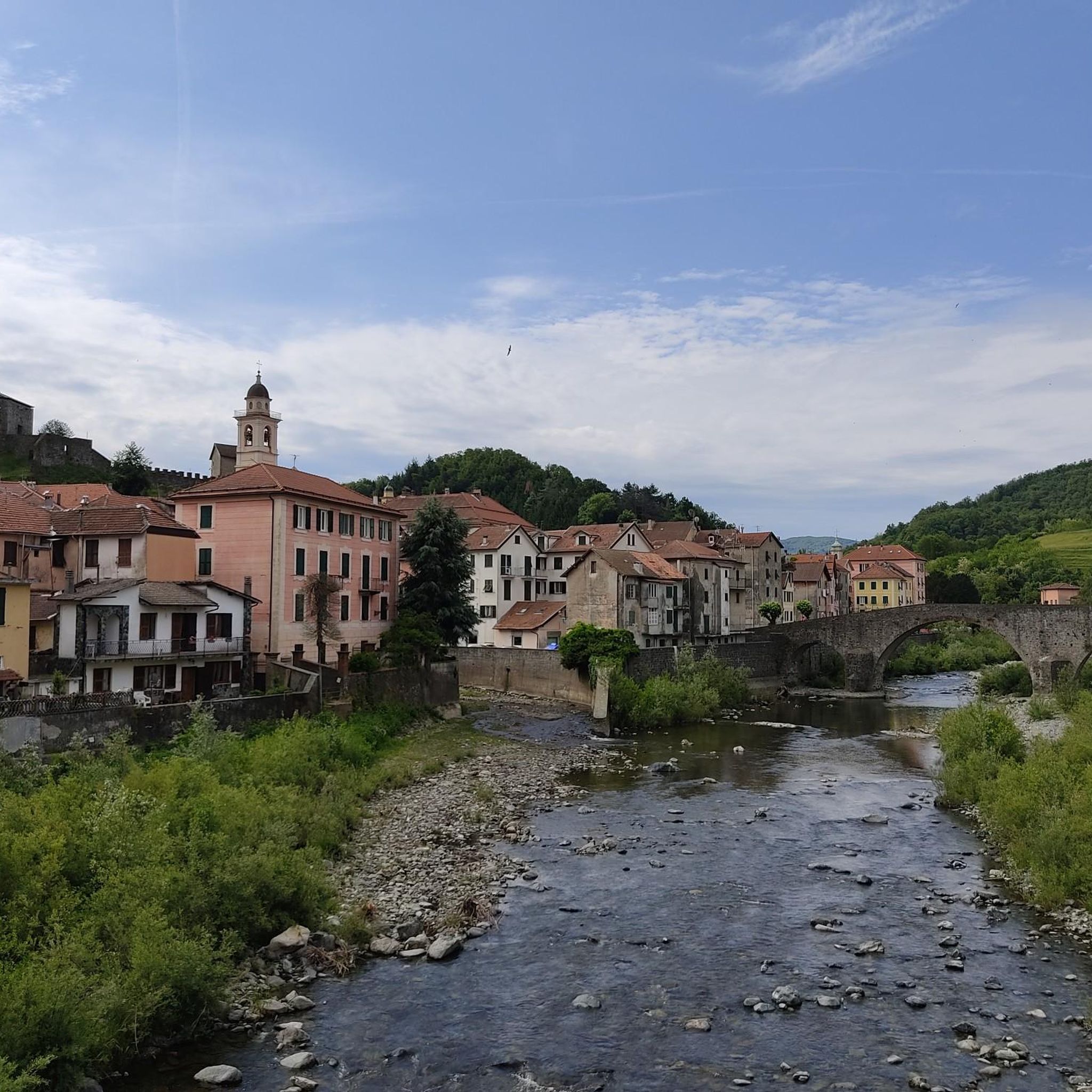
Attractions and places to see around Campo Ligure include a blend of historical landmarks, cultural sites, and natural surroundings. This picturesque village is nestled in the Ligurian hills of Italy, offering a charming experience for explorers. The area is recognized for its medieval core and unique artisan traditions. Visitors can explore diverse landscapes, from mountain peaks to historical fortifications.
Best attractions and places to see around Campo Ligure
- The most popular attractions is Monte Reixa, a summit that offers…
Last updated: May 9, 2026
Monte Reixa
Highlight • Summit
Due to the characteristics of the …
Translated by Google •
Tip by

Argentea Hut
Highlight • Mountain Hut
Translated by Google •
Tip by

Sign up now to discover places like this
Get recommendations on the best single tracks, peaks, & plenty of other exciting outdoor places.
Sign up for free
Passo del Turchino
Highlight • Mountain Pass
Translated by Google •
Tip by

Forte Geremia
Highlight • Historical Site
Translated by Google •
Tip by

Summit of Monte Figne
Highlight • Summit
Translated by Google •
Tip by

Sign up for free to discover even more attractions around Campo Ligure.
Sign up for free
Already have an account?
Start today with a free account
Your next adventure awaits.
Login or Signup
Tips from the Community

The weather is not the best but the place is very beautiful
0
0
Very panoramic point from which you can see the sea!
0
0

It is usually open on weekends between May and September
0
0

A barren and wild environment that is worth the effort of the challenging difference in altitude that is faced immediately at the beginning of the route, then the excursion continues along the crest on panoramic ups and downs that offer views of the sea and the surrounding peaks.
0
0

The Argentea refuge, managed by volunteers from the CAI of Arenzano, is open for overnight stays every weekend from May to September and every day in August. For organized groups, there is the possibility of midweek openings by contacting the number 347 7115341
0
0

Alpine environment with splendid blooms in May. View from the sea to the Po Valley; the castles of Superba, Mount Beigua in the distance and the Gorzente lakes at the foot of this mountain. Advised.
0
0

Fort Geremia is a military fortress of the western Ligurian Apennines, which stands (at an altitude of 806 m above sea level) on the eastern fortress of Bric Geremia, a relief of the main Apennine ridge. It is located a very short distance from the Ligurian coast (7 km as the crow flies) and at the point where the Cerusa, Leiro and Stura valleys converge.
1
0

Dirt road that from Loc. Cappelletta (above Masone) leads to Forte Geremia. Interceptable from various points, hard surface with some stones (former mule track) in general however it remains pedalable with a little effort (with front you can't get off the bike), slopes not absurd but some sections at 10%, it pulls constant. Almost all the way through the woods, the descent is shaky but doable.
0
0
Frequently Asked Questions
What historical landmarks can I visit around Campo Ligure?
Campo Ligure is rich in history. You can explore the impressive Spinola Castle, dating back to the 14th century, which dominates the town's skyline. The Medieval Bridge over the Stura River, though reconstructed in the 19th century, marks a site where a bridge has stood for over a millennium. Additionally, Palazzo Spinola on Piazza Vittorio Emanuele showcases elegant architecture from the 14th to 17th centuries. For a military history perspective, visit Forte Geremia, a 19th-century military complex offering panoramic views and now serving as a visitor center for the Beigua Regional Natural Park.
Are there any museums or cultural sites in Campo Ligure?
Yes, Campo Ligure is known for its unique cultural offerings. The Museo della Filigrana (Filigree Museum) is a must-see, showcasing around two hundred pieces of filigree from various craftsmanship schools, reflecting Campo Ligure's status as the 'Italian Capital of Filigree'. You can also visit the Museo di Paleontologia e Mineralogia, which displays phosphorescent materials, ancient animal remains, and offers archaeology workshops. The Museo della Croce Rossa Italiana (Italian Red Cross Museum) details the history of the Red Cross during the World Wars.
What natural attractions and viewpoints are there near Campo Ligure?
The area around Campo Ligure boasts beautiful natural landscapes and stunning viewpoints. Monte Reixa is a popular summit with rounded, meadow-covered slopes, offering expansive and breathtaking views. Argentea Hut, located within the Parco del Beigua Natural Park, provides a unique view and is a great spot for an overnight stay. Another excellent viewpoint is Rocca Vaccaria, which offers beautiful vistas and is notably the closest point of the Apennine-Alpine chain to the sea.
What outdoor activities can I do around Campo Ligure?
Campo Ligure is an excellent base for outdoor enthusiasts. You can enjoy various activities, including hiking to summits like Monte Reixa or Rocca Vaccaria. The region is also popular for cycling, with routes passing through scenic areas. For specific routes, you can explore options like the Running Trails around Campo Ligure, MTB Trails around Campo Ligure, or Road Cycling Routes around Campo Ligure.
Are there family-friendly attractions or activities in the area?
Yes, Campo Ligure offers options for families. The Argentea Hut is noted as family-friendly and provides accommodation and refreshment services in a beautiful natural setting. The Museo di Paleontologia e Mineralogia offers archaeology workshops that can be engaging for children. Additionally, the Tugnin Garden, an open-air art gallery with wooden sculptures, provides a unique and accessible outdoor experience for all ages.
What is the best time to visit Campo Ligure for outdoor activities?
For enjoying the botanical gardens and general outdoor activities, the period from May to July is ideal, as the Pratorondanino Botanical Gardens are best visited during these months and are closed in winter. The Argentea Hut is open from May to September on weekends, making these months suitable for visits involving the hut. The region's natural beauty can be appreciated throughout spring, summer, and early autumn.
Where can I find accommodation or refreshments near the attractions?
Several attractions offer facilities for visitors. The Argentea Hut provides accommodation and refreshment services within the Parco del Beigua Natural Park. Similarly, Forte Geremia, now a visitor center, also offers overnight stays and catering, with a rustic restaurant serving Ligurian cuisine, especially on Sundays. Campo Ligure itself has various cafes, pubs, and accommodation options.
What is the significance of Passo del Turchino?
The Passo del Turchino is an Apennine pass that holds significant historical and sporting importance. It is a symbolic climb in the renowned Milan-Sanremo cycling race, marking the highest point of the 'Classicissima'. While now asphalted and less challenging for racers, it remains a notable landmark and features a memorial dedicated to cyclist Costante Girardengo. It's a popular spot for cyclists and offers scenic views.
Are there any unique or 'hidden gem' attractions in Campo Ligure?
Beyond the main historical sites, Campo Ligure offers a few unique spots. The Tugnin Garden, located just below the castle, is an open-air art gallery featuring wooden sculptures by local artist Gianfranco Timossi, set within a natural environment. This provides a tranquil and artistic experience. The Pratorondanino Botanical Gardens, initially a center for orchids, now host a wide array of trees and shrubs, offering a peaceful escape for nature lovers.
What are the surrounding natural parks near Campo Ligure?
Campo Ligure is ideally situated between two significant natural parks: the Beigua Regional Natural Park and the Capanne di Marcarolo Natural Park. The Beigua Regional Natural Park is Liguria's largest protected area and a UNESCO Global Geopark, recognized for its geological significance, fossils, and diverse ecosystems. These parks offer extensive opportunities for hiking, nature observation, and enjoying the region's beautiful natural landscape.
What do visitors enjoy most about the attractions around Campo Ligure?
Visitors particularly enjoy the expansive and breathtaking views from summits like Monte Reixa and Rocca Vaccaria, often describing them as 'crazy panoramas'. The unique location and views from Argentea Hut are also highly appreciated. The historical significance and panoramic coastal views from Forte Geremia, especially when combined with its rustic Ligurian cuisine, are also a highlight for many.
Most popular attractions around Campo Ligure

Get inspired with the komoot mobile app


Explore more
Still not found the Highlight you’re looking for? See guides of the top attractions in other regions:
