Attractions and Places To See around Carceri - Top 20
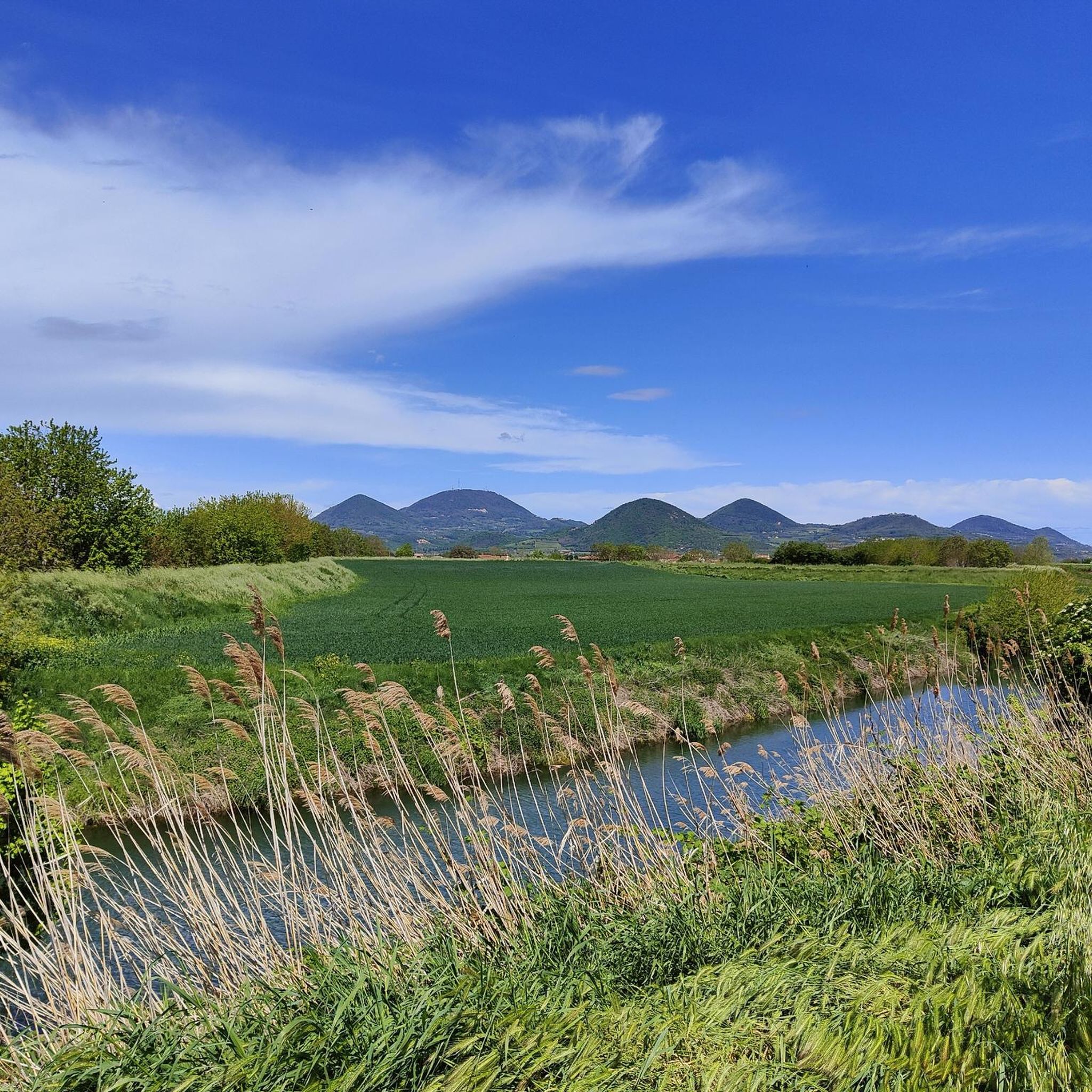
Best attractions and places to see around Carceri are primarily located within the Province of Padua, situated near the Euganean Hills. This region features a blend of historical sites, including ancient castles and medieval villages, alongside natural viewpoints. The landscape, shaped by its volcanic origin, offers diverse trails and scenic vistas. Visitors can explore both cultural heritage and natural beauty in this area.
Best attractions and places to see around Carceri
- The most popular attractions is Monselice Castle, a…
Last updated: November 20, 2026
Este Castle Gardens
Highlight • Castle
Translated by Google •
Tip by

Monselice Castle
Highlight • Castle
Tip by

Sign up now to discover places like this
Get recommendations on the best single tracks, peaks, & plenty of other exciting outdoor places.
Mottolone Plateau
Highlight • Viewpoint
Translated by Google •
Tip by

Arquà Petrarca
Highlight • Settlement
Translated by Google •
Tip by

Carrarese Castle, Este
Highlight • Castle
Translated by Google •
Tip by

Sign up for free to discover even more attractions around Carceri.
Already have an account?
Start today with a free account
Your next adventure awaits.

Tips from the Community

Arquà Petrarca is a renowned medieval village located in the heart of the Colli Euganei, in the province of Padua (Veneto). The town has about 1,800 inhabitants and is famous for having hosted the poet Francesco Petrarca during the last years of his life, who died there in 1374. Included among the most beautiful villages in Italy and awarded the Orange Flag by the Touring Club, it preserves a 14th-century urban layout made of cobbled streets and stone houses.
0
0
The Public Gardens of Este, located within the evocative walls of the Castello Carrarese in the province of Padua, are a large historical park ideal for walks and moments of relaxation. The area offers tree-lined avenues, well-kept green spaces, and a panoramic view of the ancient medieval fortifications.
0
0

The Public Gardens of Este, located in the heart of the town at the foot of the Euganean Hills, offer a fascinating green oasis enclosed within the imposing fourteenth-century walls of the Carrarese Castle. This historic park combines the solemnity of medieval architecture, with its towers and ramparts, with rich vegetation characterized by large lawns and majestic centuries-old trees, including imposing Lebanon cedars. Within the same area stands Palazzo Mocenigo, home to the National Atestino Museum, creating a perfect blend of nature, archaeology, and history. The garden has always been the ideal meeting place for relaxing walks, cultural events, and city flower shows, offering evocative views and a serene atmosphere in every season.
2
0
Arquà Petrarca is a charming medieval village nestled on the slopes of the Euganean Hills, considered one of the most fascinating villages in Italy. Its destiny is linked to the poet Francesco Petrarca, who chose it as his home to spend the last years of his life, attracted by the peace of the landscape. Divided between the upper and lower areas, the village retains an untouched atmosphere, characterized by stone alleys, ancient residences in Venetian Gothic style, and lush nature made of olive trees, vineyards, and jujube trees, the symbolic fruit of the place. Among the points of greatest interest are the poet's house, his tomb in red Verona marble placed on the parvis of the church of Santa Maria Assunta, and the 14th-century fountain. The village offers enchanting views of the Padan plain and is an unmissable destination for those seeking history, poetry, and food and wine excellences such as the famous jujube broth.
2
0

Beautiful village, Petrarch's buen retiro
3
0

Monselice Castle is a complex of buildings composed of four main nuclei, plus a fortress, all built and renovated between the 11th and 16th centuries. The oldest part, on the right as you enter the main doorway into the Corte Grande, is the Castelletto, with the adjoining Romanesque house, built between the 11th and 12th centuries. On the left stands the massive 13th-century Ezzelino Tower. In the center, Palazzo Marcello was built in the 15th century as a connecting nucleus between the two existing buildings. At the top of the hill stands a fortress built by Ezzelino III da Romano on the orders of Emperor Frederick II of Swabia. Finally, the castle library, located on the large esplanade in front of the Ezzelino Tower, was created in a pre-existing building from the late 16th century.
3
0


beautiful castle with large park and well maintained
2
0
Frequently Asked Questions
What historical attractions can I explore near Carceri?
The area around Carceri is rich in history. You can visit the impressive Monselice Castle, a military structure dating back to the 14th century, or the Carrarese Castle in Este. Don't miss Arquà Petrarca, a beautifully preserved medieval village where the poet Francesco Petrarca spent his final years. The 12th-century Abbey of Santa Maria delle Carceri, with its Renaissance cloister and ancient tower, is also a significant historical site.
Are there any museums near Carceri?
Yes, within the Abbey of Santa Maria delle Carceri, you'll find the Museo della Civiltà Contadina (Museum of Peasant Civilization). This museum showcases nearly 1500 objects, including tools and furnishings, reflecting the agricultural life of the region from the late 19th to early 20th centuries. Further afield, in Montegrotto Terme, you can visit the Museo Internazionale del Vetro d'Arte e delle Terme, which houses over 700 pieces of glass art.
Where can I find scenic viewpoints around Carceri?
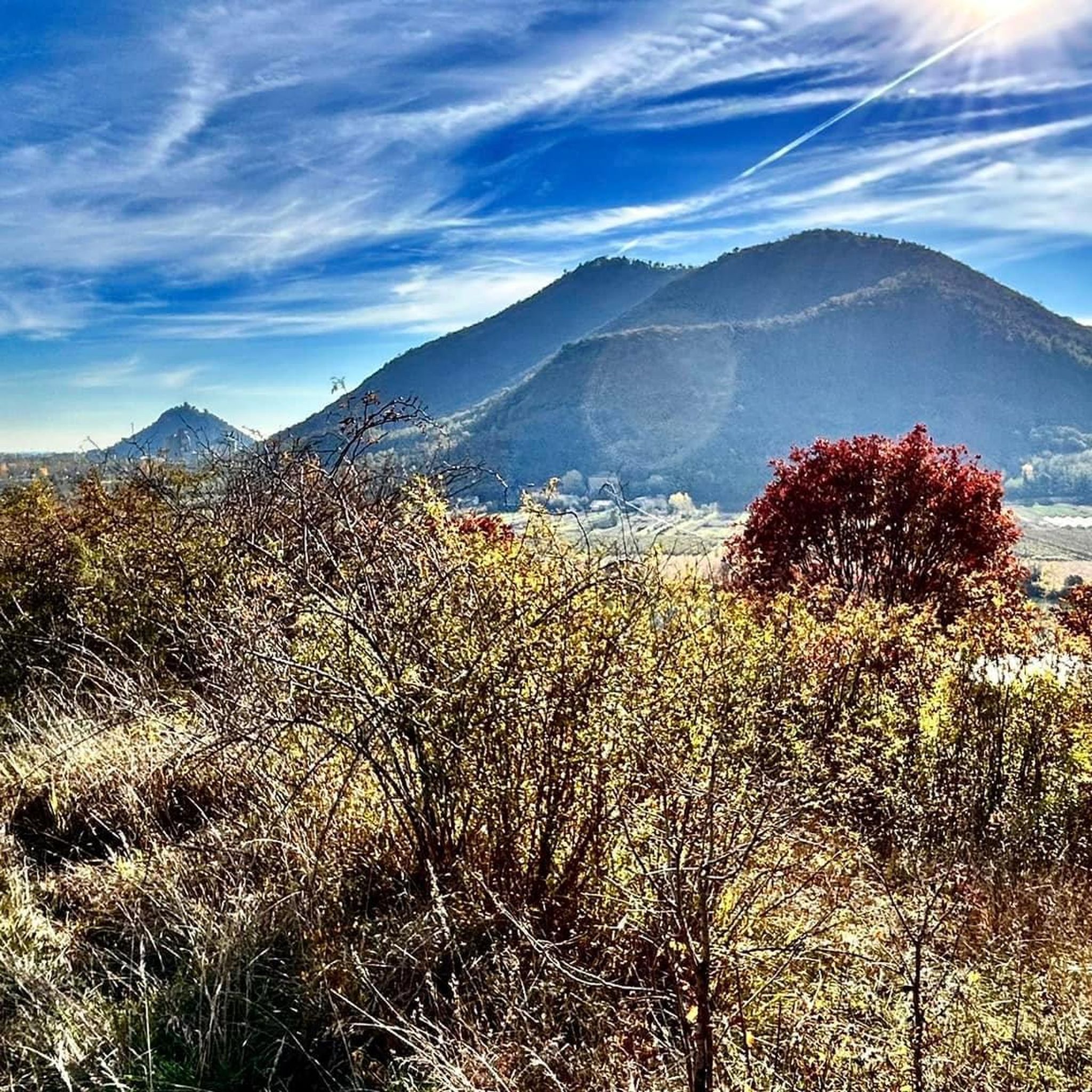
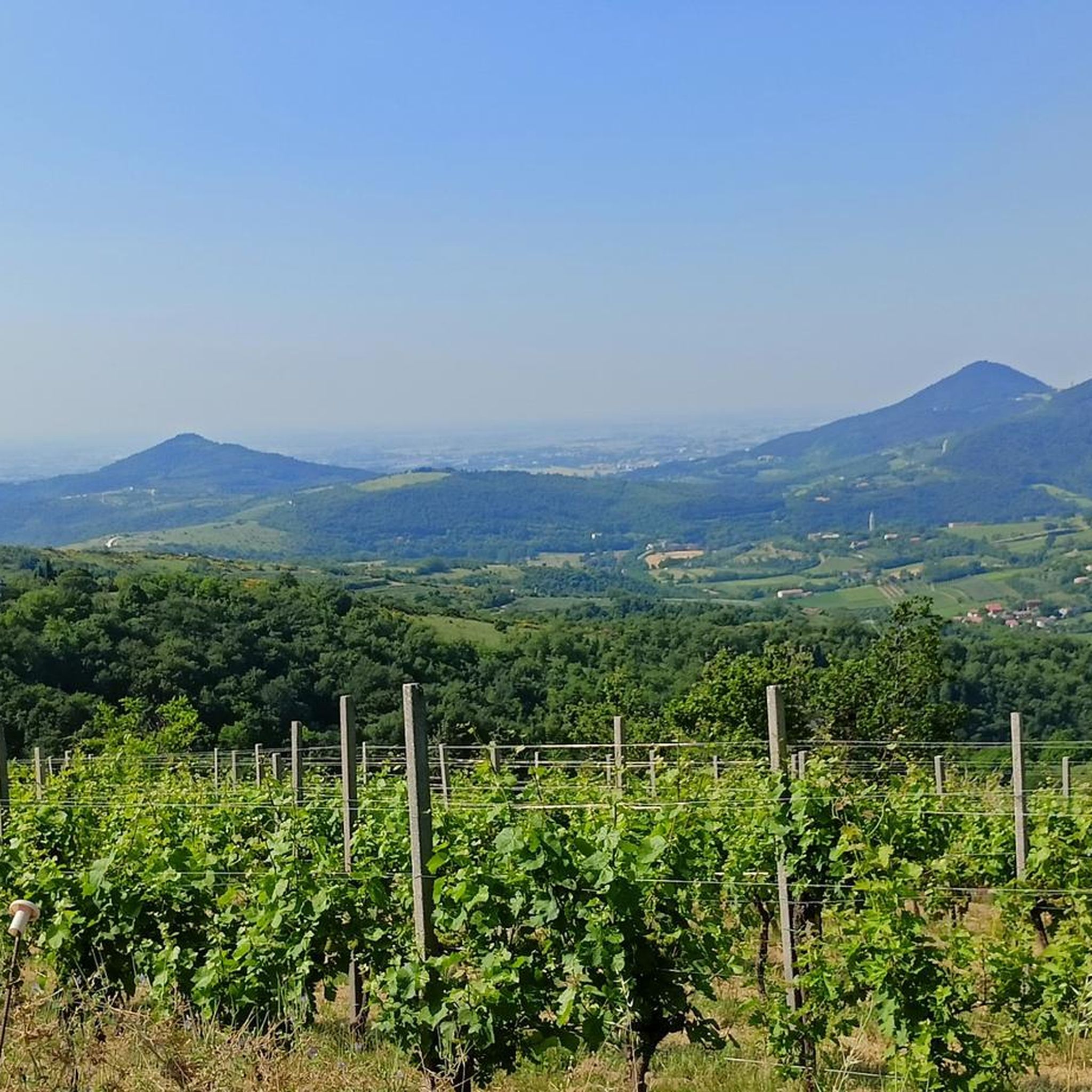
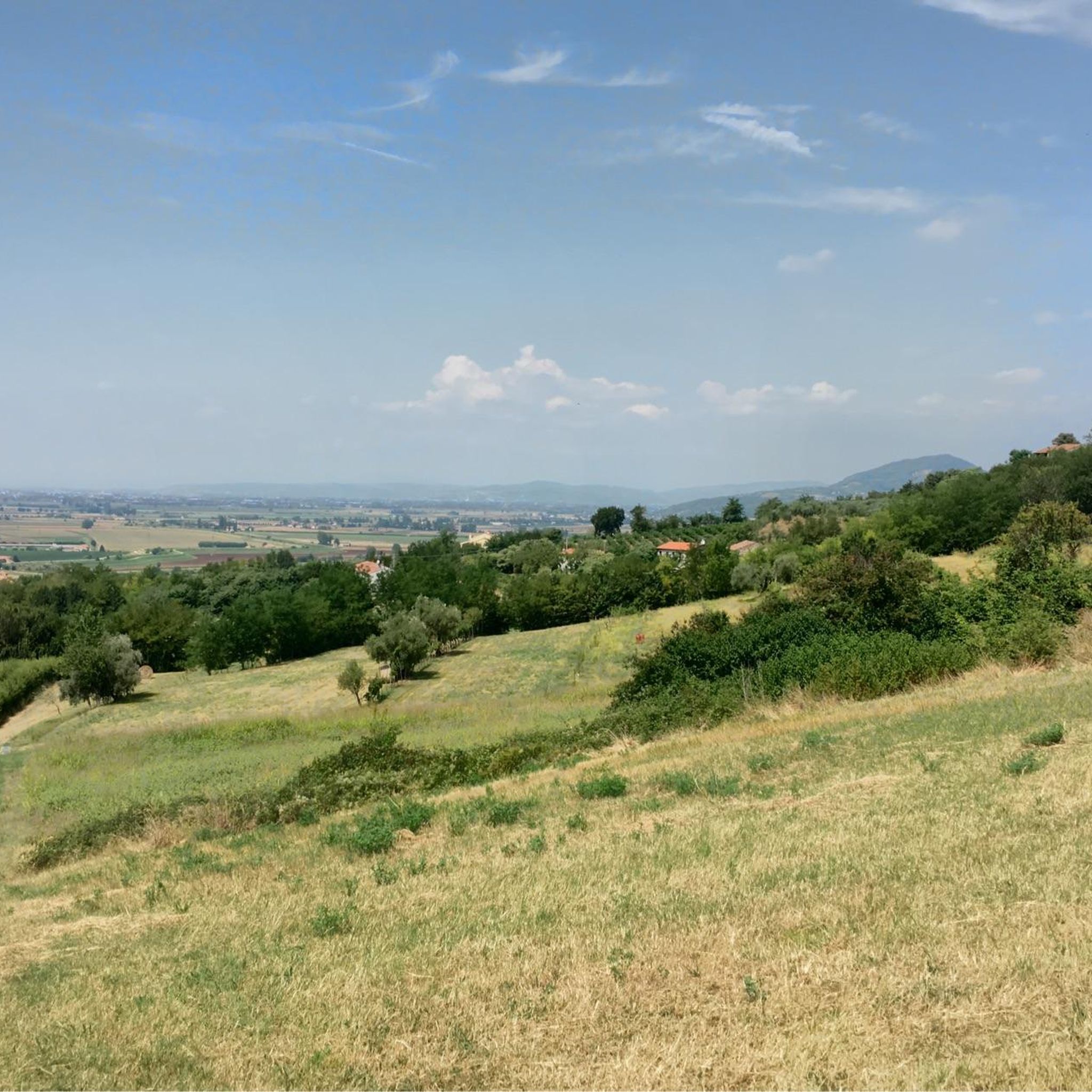
For breathtaking views, head to the Mottolone Plateau. This vast plain offers an almost 360-degree panorama and serves as a starting point for various trails. The Euganean Hills Regional Park, which surrounds Carceri, is full of elevated spots offering picturesque vistas of the volcanic landscape.
What outdoor activities can I do in the Euganean Hills near Carceri?
The Euganean Hills Regional Park offers a wide range of outdoor activities. You can explore numerous nature trails for hiking and walking. For cycling enthusiasts, there are many routes available, including gravel biking and mountain biking. You can find detailed routes and guides for gravel biking, MTB trails, and general cycling around Carceri.
Are there family-friendly attractions or activities near Carceri?
Absolutely! The medieval village of Arquà Petrarca is considered family-friendly, offering a charming historical experience. Many trails within the Euganean Hills Regional Park are suitable for families, providing opportunities for easy walks and enjoying nature. The Mottolone Plateau is also accessible and offers panoramic views that can be enjoyed by all ages.
What is the best time of year to visit Carceri and the Euganean Hills?
The Euganean Hills are beautiful year-round, but spring (April-May) and autumn (September-October) are particularly pleasant for outdoor activities like hiking and cycling, thanks to milder temperatures and vibrant natural colors. Summer can be warm, but still enjoyable, especially in the mornings or late afternoons. Winter offers a quieter experience, though some trails might be less accessible depending on weather conditions.
Can I visit the Abbey of Santa Maria delle Carceri?
Yes, the Abbey of Santa Maria delle Carceri is open to visitors. This historical religious complex, with parts dating back to the 12th century, features an entrance portico, the Augustinian portico, the Foresteria (guesthouse), a remodeled medieval church, and a Renaissance cloister. It also houses the Museo della Civiltà Contadina.
Are there any notable gardens or natural parks to visit?
Carceri is nestled within the Parco Regionale dei Colli Euganei (Euganean Hills Regional Park), which is characterized by its volcanic origin and numerous nature trails. Within this park, you can find the exquisite Giardino Barbarigo, described as one of Italy's most elegant gardens, featuring grand entrances, fountains, statues, and mazes.
What kind of food and drink options are available near Carceri?
The region around Carceri, particularly within the Euganean Hills, is known for its local produce and wines. In Arquà Petrarca, you can find charming spots like the Arqua Wine Shop, which offers refreshments in a medieval setting. Many local restaurants and cafes in the surrounding villages provide opportunities to taste regional specialties.
What do visitors enjoy most about the attractions around Carceri?
Visitors particularly appreciate the blend of history and natural beauty. The medieval charm of Arquà Petrarca, with its ancient streets and the house of Francesco Petrarca, is a favorite. The panoramic views from spots like the Mottolone Plateau are highly praised, as are the diverse trails for hiking and cycling within the Euganean Hills.
Are there dog-friendly trails or attractions in the Euganean Hills?
Many trails within the Euganean Hills Regional Park are suitable for walks with dogs, allowing you to explore the natural beauty together. It's always advisable to keep dogs on a leash and check for specific signage or regulations within certain protected areas or private properties. Generally, the open trails offer great opportunities for dog-friendly outings.
How can I reach the attractions around Carceri by public transport?
While some attractions might be accessible by local bus services connecting the smaller towns in the Province of Padua, having a car often provides more flexibility for exploring the Euganean Hills and its various sites, including the Abbey of Santa Maria delle Carceri and the more remote viewpoints. Check local bus schedules for specific routes to towns like Este or Monselice, which are closer to some highlights.
Most popular routes around Carceri
Most popular attractions around Carceri

Get inspired with the komoot mobile app


Explore more
Still not found the Highlight you’re looking for? See guides of the top attractions in other regions:
