Attractions and Places To See around Solesino - Top 20
Best attractions and places to see around Solesino include a blend of historical and cultural sites within the municipality and its immediate surroundings in the Province of Padua, Veneto. The area is characterized by its proximity to the Euganean Hills, offering a scenic backdrop of volcanic landscapes. Visitors can explore ancient churches, elegant gardens, and significant museums, alongside medieval villages and castles. This region provides a variety of interesting sites for those interested in history, culture, and natural beauty.
Best…
Last updated: November 20, 2026
Este Castle Gardens
Highlight • Castle
Translated by Google •
Tip by

Monselice Castle
Highlight • Castle
Tip by

Sign up now to discover places like this
Get recommendations on the best single tracks, peaks, & plenty of other exciting outdoor places.
Arquà Petrarca
Highlight • Settlement
Translated by Google •
Tip by

Carrarese Castle, Este
Highlight • Castle
Translated by Google •
Tip by

Arquà Petrarca village
Highlight • Settlement
Translated by Google •
Tip by

Sign up for free to discover even more attractions around Solesino.
Already have an account?
Start today with a free account
Your next adventure awaits.

Tips from the Community

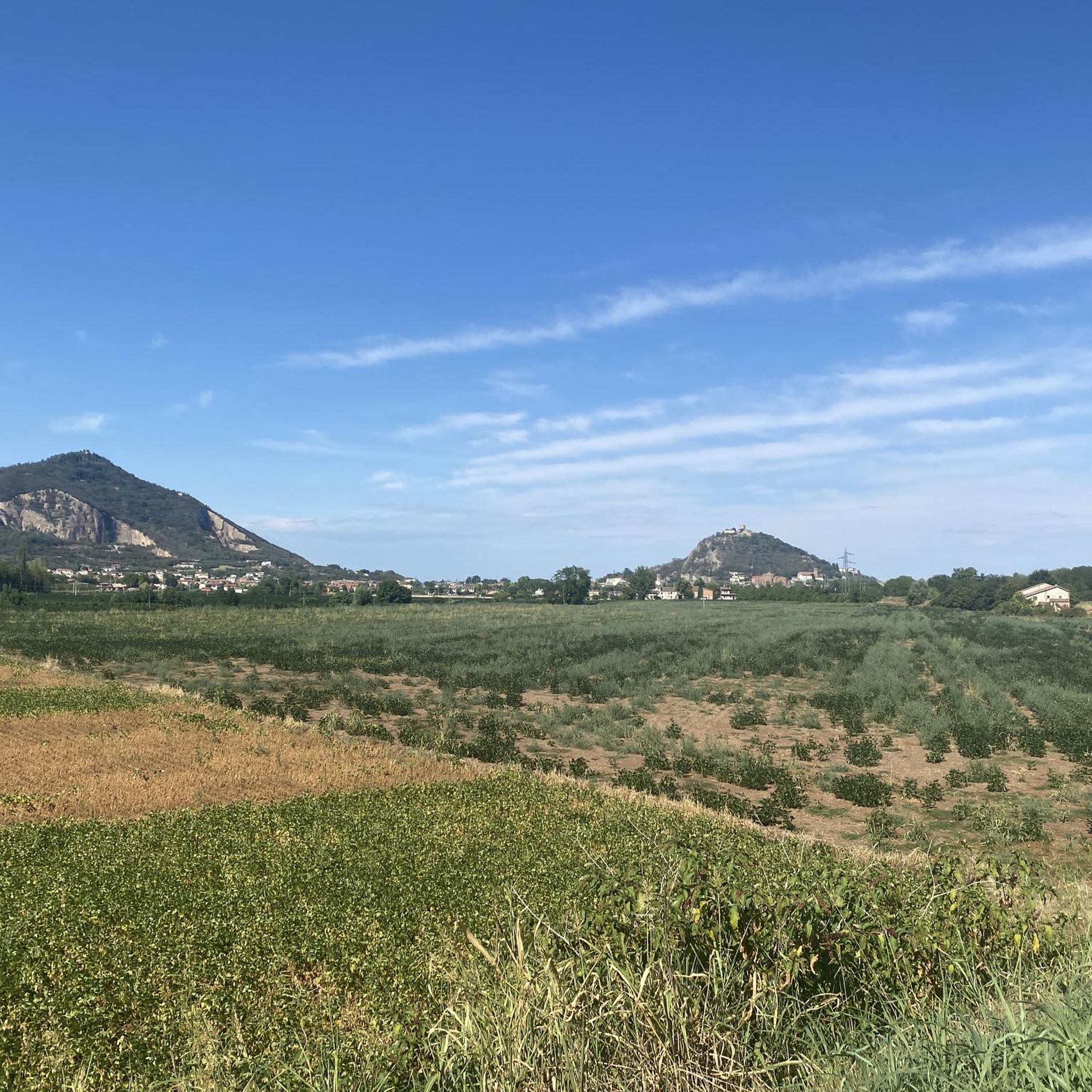
Arquà Petrarca is a renowned medieval village located in the heart of the Colli Euganei, in the province of Padua (Veneto). The town has about 1,800 inhabitants and is famous for having hosted the poet Francesco Petrarca during the last years of his life, who died there in 1374. Included among the most beautiful villages in Italy and awarded the Orange Flag by the Touring Club, it preserves a 14th-century urban layout made of cobbled streets and stone houses.
0
0
The Public Gardens of Este, located within the evocative walls of the Castello Carrarese in the province of Padua, are a large historical park ideal for walks and moments of relaxation. The area offers tree-lined avenues, well-kept green spaces, and a panoramic view of the ancient medieval fortifications.
0
0

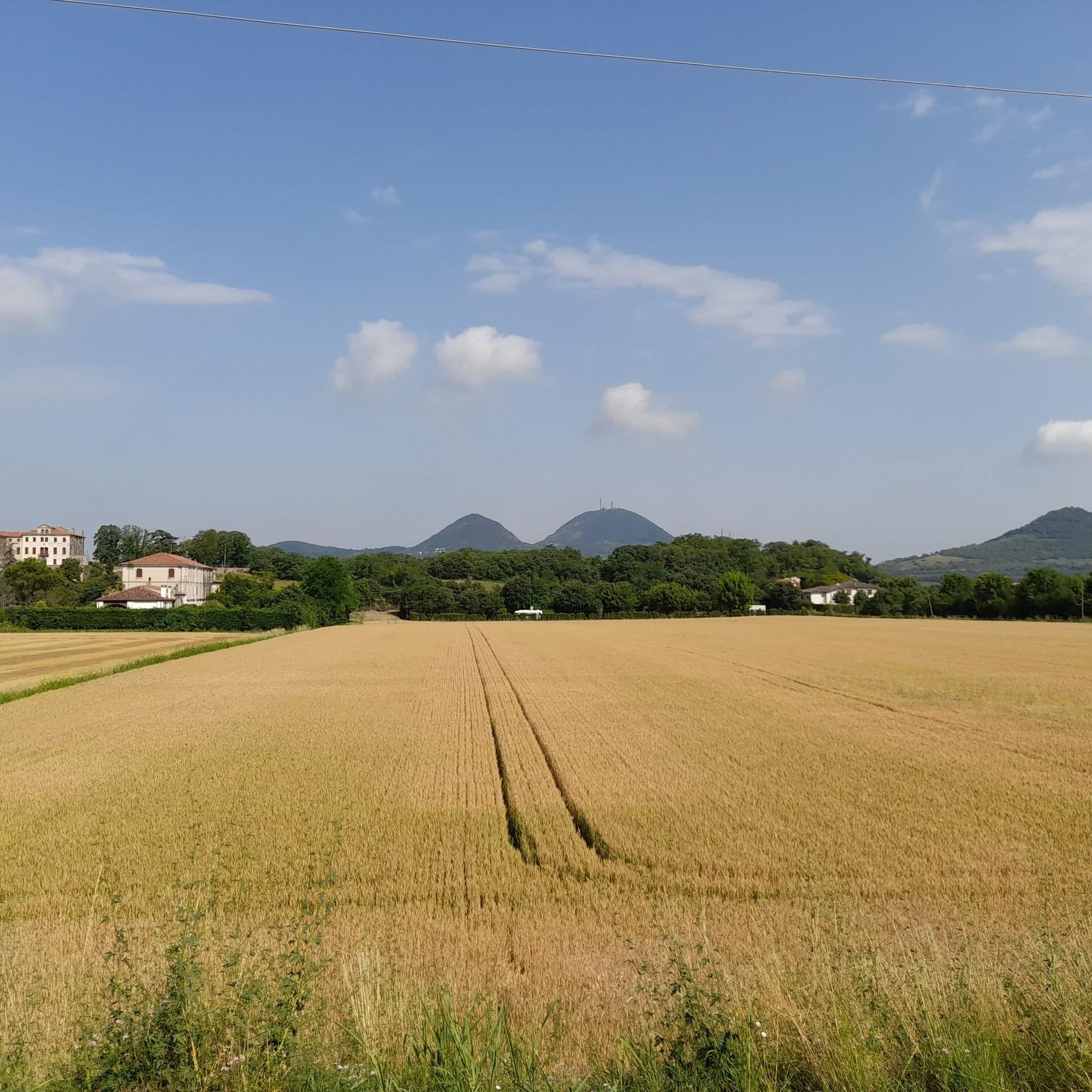
The Public Gardens of Este, located in the heart of the town at the foot of the Euganean Hills, offer a fascinating green oasis enclosed within the imposing fourteenth-century walls of the Carrarese Castle. This historic park combines the solemnity of medieval architecture, with its towers and ramparts, with rich vegetation characterized by large lawns and majestic centuries-old trees, including imposing Lebanon cedars. Within the same area stands Palazzo Mocenigo, home to the National Atestino Museum, creating a perfect blend of nature, archaeology, and history. The garden has always been the ideal meeting place for relaxing walks, cultural events, and city flower shows, offering evocative views and a serene atmosphere in every season.
2
0
Arquà Petrarca is a charming medieval village nestled on the slopes of the Euganean Hills, considered one of the most fascinating villages in Italy. Its destiny is linked to the poet Francesco Petrarca, who chose it as his home to spend the last years of his life, attracted by the peace of the landscape. Divided between the upper and lower areas, the village retains an untouched atmosphere, characterized by stone alleys, ancient residences in Venetian Gothic style, and lush nature made of olive trees, vineyards, and jujube trees, the symbolic fruit of the place. Among the points of greatest interest are the poet's house, his tomb in red Verona marble placed on the parvis of the church of Santa Maria Assunta, and the 14th-century fountain. The village offers enchanting views of the Padan plain and is an unmissable destination for those seeking history, poetry, and food and wine excellences such as the famous jujube broth.
2
0

Beautiful village to visit and taste the typical Venetian dishes.
0
0

Beautiful village, Petrarch's buen retiro
3
0

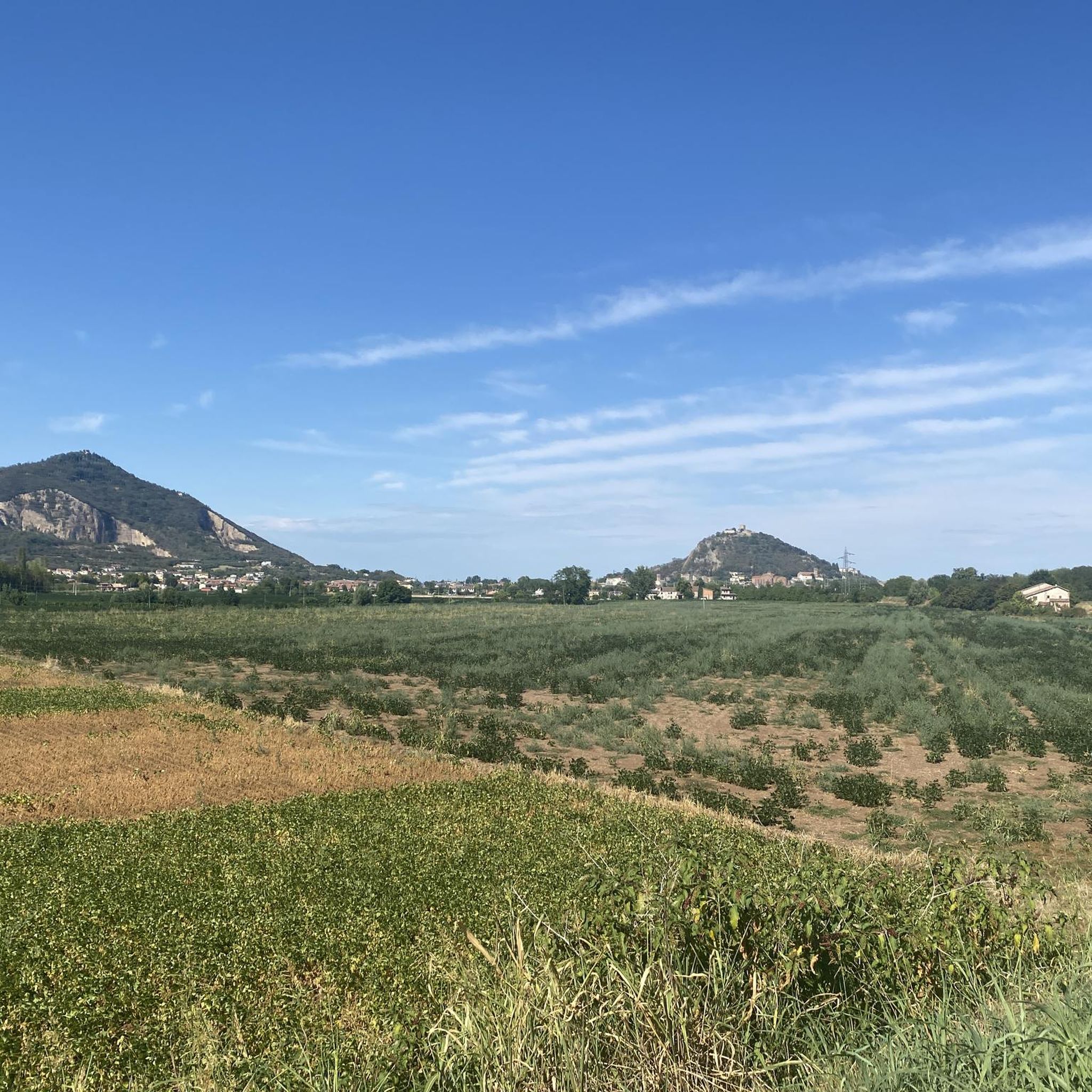
Monselice Castle is a complex of buildings composed of four main nuclei, plus a fortress, all built and renovated between the 11th and 16th centuries. The oldest part, on the right as you enter the main doorway into the Corte Grande, is the Castelletto, with the adjoining Romanesque house, built between the 11th and 12th centuries. On the left stands the massive 13th-century Ezzelino Tower. In the center, Palazzo Marcello was built in the 15th century as a connecting nucleus between the two existing buildings. At the top of the hill stands a fortress built by Ezzelino III da Romano on the orders of Emperor Frederick II of Swabia. Finally, the castle library, located on the large esplanade in front of the Ezzelino Tower, was created in a pre-existing building from the late 16th century.
3
0

Frequently Asked Questions
What historical sites can I visit near Solesino?
The region around Solesino is rich in history. You can explore the majestic Monselice Castle, an architectural complex with buildings from the 11th to 16th centuries. Another significant site is Carrarese Castle, Este, a military structure from the early 14th century with extensive medieval walls. Don't miss the medieval village of Arquà Petrarca, where the poet Francesco Petrarca spent his final years, and his house is now a museum.
Are there any castles to explore around Solesino?
Yes, there are several impressive castles. The most popular is Monselice Castle, a complex featuring Romanesque and 15th-century architecture. You can also visit Carrarese Castle, Este, known for its extensive medieval walls and picturesque Italian gardens. Further afield, you'll find Castello di Lispida, which originated as a monastery in 1150 and later became known for its wine production.
What natural features are prominent in the Solesino area?
Solesino is nestled near the beautiful Euganean Hills (Colli Euganei). These volcanic hills offer a scenic backdrop with extensive forests, vineyards, olive trees, and almond trees. The area is part of the Parco Regionale dei Colli Euganei (Euganean Hills Regional Park), providing unique natural landscapes for exploration.
What outdoor activities can I do near these attractions?
The Euganean Hills offer excellent opportunities for outdoor activities. You can enjoy road cycling, mountain biking, and touring bicycle routes. For example, there are moderate road cycling routes like the "Carrarese Castle of Este – Roverello Pass loop" and mountain biking trails such as the "Via Pajone White Road – View of the Euganean Hills loop from Solesino." You can find more details on these and other routes in the Road Cycling Routes around Solesino, MTB Trails around Solesino, and Cycling around Solesino guides.
Are there family-friendly attractions around Solesino?
Yes, several attractions are suitable for families. Arquà Petrarca, a charming medieval village, is considered family-friendly, offering a historical experience. The Carrarese Castle, Este, with its extensive gardens, is also a great spot for families to explore. Additionally, the Euganean Hills Regional Park provides natural settings for walks and picnics.
What cultural attractions are there in Solesino and its immediate surroundings?
In Solesino, you can visit the Oratorio della Madonna Nera, the town's oldest and most significant parish church. Nearby, the Museo Internazionale del Vetro d'Arte e delle Terme houses an impressive collection of glass art. The Museo Geopaleontologico "Cava Bomba" offers insights into geology and paleontology, housed in a restored 19th-century furnace.
What is the best time to visit Solesino for attractions?
The best time to visit Solesino for exploring its attractions and enjoying outdoor activities is generally during the spring (April to June) and autumn (September to October). During these seasons, the weather is pleasant for walking around historical sites and enjoying the natural beauty of the Euganean Hills, avoiding the peak heat of summer.
Are there any charming villages to visit near Solesino?
Absolutely. The medieval village of Arquà Petrarca is a must-see. Nestled in the Euganean Hills, it's famous for being the final home of the poet Francesco Petrarca and retains its ancient charm. It's often described as one of the most beautiful villages in Veneto.
Where can I find local food and drink near the attractions?
Many of the charming villages and towns near Solesino offer local culinary delights. In Arquà Petrarca, you'll find places like Arqua Wine Shop, where you can enjoy local products in a medieval setting. The main square in Este, near Carrarese Castle, also has good coffee shops and restaurants.
What do visitors enjoy most about the attractions around Solesino?
Visitors frequently praise the historical richness and natural beauty of the area. The medieval charm of villages like Arquà Petrarca and the impressive architecture of Monselice Castle are highly appreciated. Many also enjoy the scenic views and opportunities for outdoor activities within the Euganean Hills, often highlighting the well-preserved historical sites and the peaceful atmosphere.
Are there Roman archaeological sites nearby?
Yes, in nearby Montegrotto, you can visit the Teatro e Terme Romane (Roman Theater and Baths). This archaeological site, discovered between 1781 and 1788, features three large swimming pools and a small, restored theater, offering a glimpse into ancient Roman life.
Can I find elegant gardens to visit in the area?
Yes, the Giardino Barbarigo (Barbarigo Garden) is an elegant Italian garden situated among the Euganean Hills. It features a grand white stone entrance, known as Diana, and paths adorned with fountains, statues, and mazes, offering a beautiful and serene experience.
Most popular routes around Solesino
Most popular attractions around Solesino

Get inspired with the komoot mobile app


Explore more
Still not found the Highlight you’re looking for? See guides of the top attractions in other regions:
