The best cycling routes around Brugine
4.3
(569)
4,313
riders
272
rides
Touring cycling around Brugine is characterized by its predominantly flat terrain, making it accessible for various fitness levels. The region features a network of waterways, including the Adige River, Biancolino Canal, and the Brenta River, which define many of the routes. These paths often lead through agricultural landscapes and offer views of historical sites and natural features. The area provides connections to wider cycling networks like the Valsugana Cycle Path, offering diverse options for exploration.
Best touring cycling routes around…
Last updated: July 1, 2026
3.0
(1)
11
riders
37.5km
02:34
40m
40m
Moderate bike ride. Good fitness required. Mostly paved surfaces. Suitable for all skill levels.
5.0
(1)
17
riders
52.3km
02:57
60m
60m
Moderate bike ride. Good fitness required. Mostly paved surfaces. Suitable for all skill levels.

Sign up for free
9
riders
Easy bike ride. Great for any fitness level. Mostly paved surfaces. Suitable for all skill levels.
12
riders
Easy bike ride. Great for any fitness level. Mostly paved surfaces. Suitable for all skill levels.
5.0
(1)
10
riders
39.4km
02:21
50m
50m
Moderate bike ride. Good fitness required. Mostly paved surfaces. Suitable for all skill levels.
Get access to more routes and recommendations from other explorers.
Sign up for free
Already have an account?
Our route recommendations are based on thousands of hikes, rides, and runs completed by other people on komoot.
Start today with a free account
Your next adventure awaits.
Login or Signup

Tips from the Community

Located on viale Italia in Bovolenta, the Monument to the Fallen is a work of great emotional impact created by sculptor Rocco Mozzato and inaugurated in 1923. The sculptural group in Carrara marble and trachyte depicts the Motherland as a woman holding up a laurel wreath, flanked by a victorious soldier with a flag and a child symbolizing the future and rebirth. Unlike many contemporary works, it does not list individual names but celebrates the collective sacrifice of the soldiers from Bovolenta in the Great War through patriotic inscriptions. Since 2003, the site has also hosted a plaque in memory of Giorgio Perlasca, adding a further layer of civic and historical value to the place.
0
0

The Ponte del Bassanello in Padua is a strategic infrastructure on the Adriatic highway, crossing the Bacchiglione river, characterized by an air draft of 3.8 meters. The area is an important road and cycle-pedestrian junction, recently enhanced with a new walkway on via Goito and nature trails along the banks.
0
0

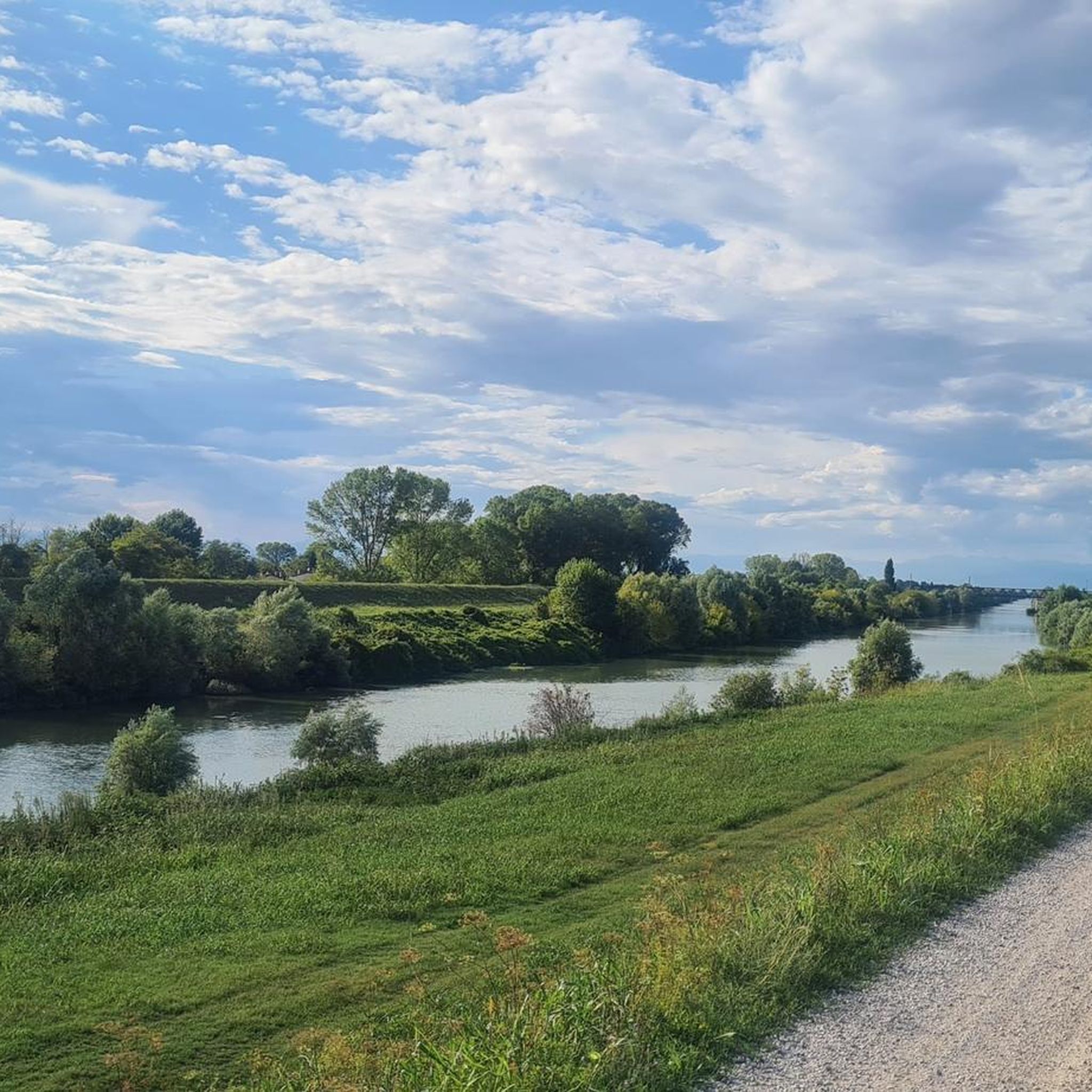
It is part of the cycle network that runs alongside the Brenta and other rivers in the direction of Venice or towards the mouth of the Brenta
2
0

The former sugar factory in Cartura bears witness to the area's former sugar industry.
0
0

There are many interesting things near the waterway
0
0

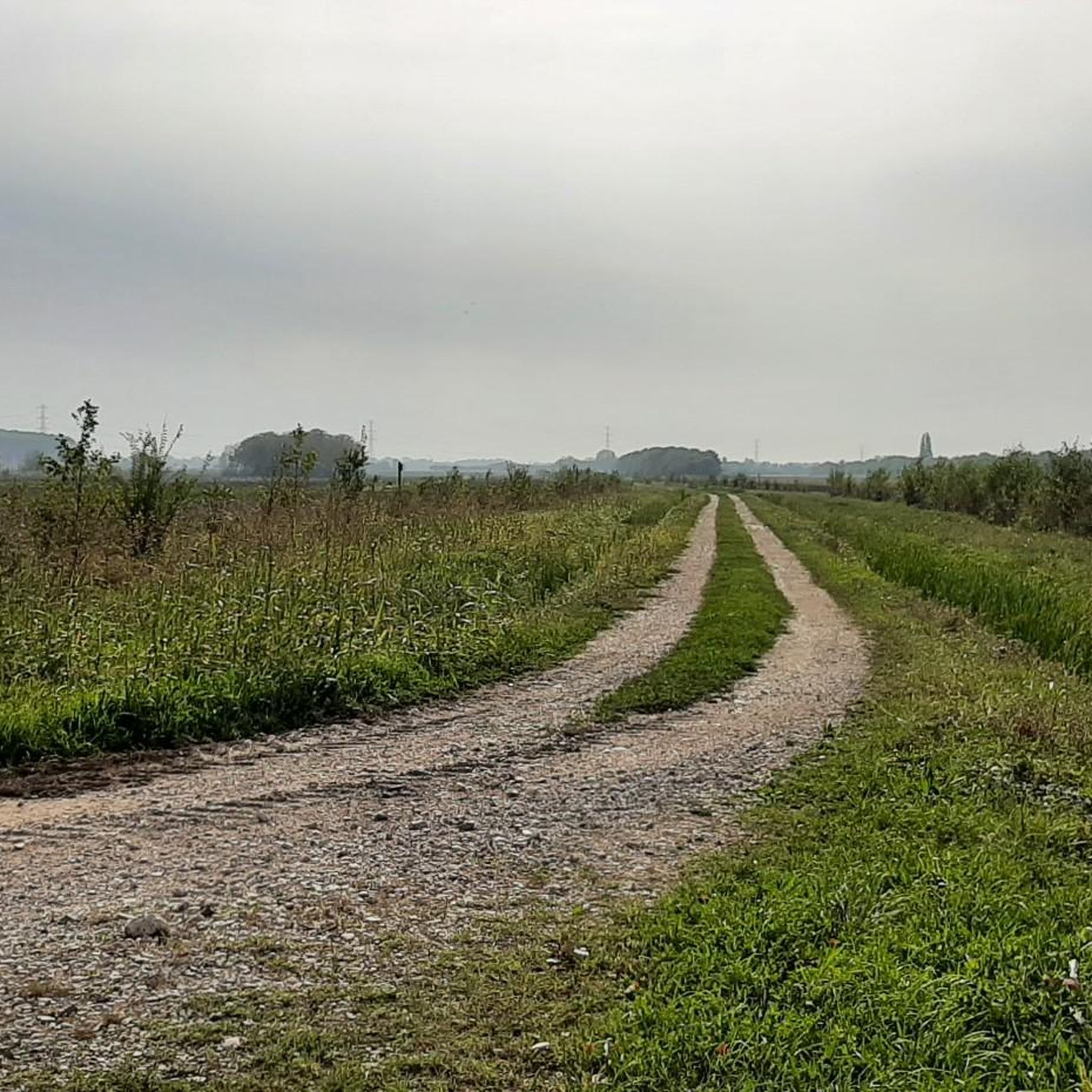
It's beautiful but it makes a mess when you ride a bike through it.
1
0

Great place to stop, lots of tables but not much space to park your bike if you don't have a stand.
2
0

As of September 5, 2025, the fountain was not working, although it had been active in the past. If you need it, there's a water dispenser in the same square selling (fresh!) still, lightly sparkling, and sparkling water for just 5 cents a liter.
0
0
Frequently Asked Questions
What is the general terrain like for touring cycling around Brugine?
The area around Brugine is predominantly flat, making it highly suitable for touring cycling. Routes often follow picturesque waterways like the Adige River, Biancolino Canal, and the Brenta River, traversing agricultural landscapes. This flat terrain makes it accessible for various fitness levels.
Are there any easy touring cycling routes suitable for beginners or families in Brugine?
Yes, Brugine offers many easy routes. For example, the Roncajette Canal Bridge – Canale Roncajette loop from Bovolenta is an easy 17.5-mile (28.1 km) trail that follows the Roncajette Canal, offering flat and scenic riding. The region has over 140 easy routes in total, perfect for a relaxed ride.
What kind of historical and natural attractions can I see along the cycling routes near Brugine?
Cycling routes around Brugine offer access to a rich array of historical and natural features. You can explore the medieval village of Pontemanco with its ancient Water Mill and the 17th-century Oratory of the Santissima Annunciata. Other notable sites include the grand Villa Pisani in Stra, often called the 'queen of Venetian villas,' and Villa Giovannelli Colonna. The confluence of the Brenta River and Piovego Canal also highlights the region's historical waterways.
Are there any more challenging touring cycling routes available near Brugine?
While much of the terrain is flat, there are options for more challenging rides. The Scaricatore Riverbank – Piazza dei Signori, Padua loop from Polverara is a difficult 25.0-mile (40.2 km) path that traverses riverbanks and extends towards the historic city of Padua, providing varied scenery and a more demanding experience. For those seeking even greater challenges, the nearby Euganean Hills offer mountain biking trails with more significant elevation changes.
What is the best time of year to go touring cycling in Brugine?
The flat terrain around Brugine makes it enjoyable for cycling across many seasons. Spring and autumn generally offer the most pleasant temperatures for touring cycling, with comfortable weather for longer rides. Summer can also be suitable, especially in the mornings or late afternoons, though it can be warmer.
Are there circular cycling routes around Brugine?
Yes, many routes around Brugine are designed as loops, allowing you to start and end in the same location. For instance, the Brenta Canal lock in Stra – Brenta River in Vigonovo loop from Brugine is a popular 23.6-mile (37.9 km) circular trail that explores the Brenta Canal and River area.
What do other touring cyclists enjoy most about cycling in Brugine?
The area is highly rated by the komoot community, with an average score of 4.3 stars from over 500 reviews. Reviewers often praise the picturesque canals, flat and easy-to-ride paths, and the opportunity to discover historical sites and natural beauty along the way.
Can I access wider cycling networks like the Valsugana Cycle Path from Brugine?
Yes, Brugine's location provides access to wider cycling networks. The region connects to the Brenta River path, which is part of the broader Valsugana Cycle Path network. The Valsugana Cycle Path is an 80 km route connecting Lake Caldonazzo with Bassano del Grappa, known for its easy, mostly flat path and services for cyclists. You can find more information about the Valsugana Cycle Path on visitvalsugana.it.
Is there parking available for cyclists near the routes in Brugine?
While specific parking areas for each route are not always highlighted, many starting points for routes in and around Brugine, especially in towns like Bovolenta, Polverara, or Piove di Sacco, offer public parking facilities. It's advisable to check local parking options for your chosen starting point.
Are there any routes that follow the Brenta River or Canal?
Absolutely. The Brenta River and Canal are central to many touring cycling routes in the region. A great example is the Brenta Canal lock in Stra – Brenta River in Vigonovo loop from Brugine, which takes you directly along these historic waterways, offering scenic views and a glimpse into the area's cultural heritage.
How many touring cycling routes are there in total around Brugine?
There are over 270 touring cycling routes available around Brugine, offering a wide variety of options for different skill levels and preferences.
Are there places to stop for refreshments or accommodation along the cycling routes?
While specific cafes or accommodations are not listed for every route, the towns and villages along the cycling paths, such as Pontemanco or Piove di Sacco, often have local cafes, restaurants, and guesthouses where cyclists can stop for refreshments or find accommodation. The region is well-equipped to welcome visitors.
Most popular attractions around Brugine

Get inspired with the komoot mobile app


Explore more
Browse the best Cycling routes in other regions.
