Attractions and Places To See around Fara Gera D'Adda - Top 20
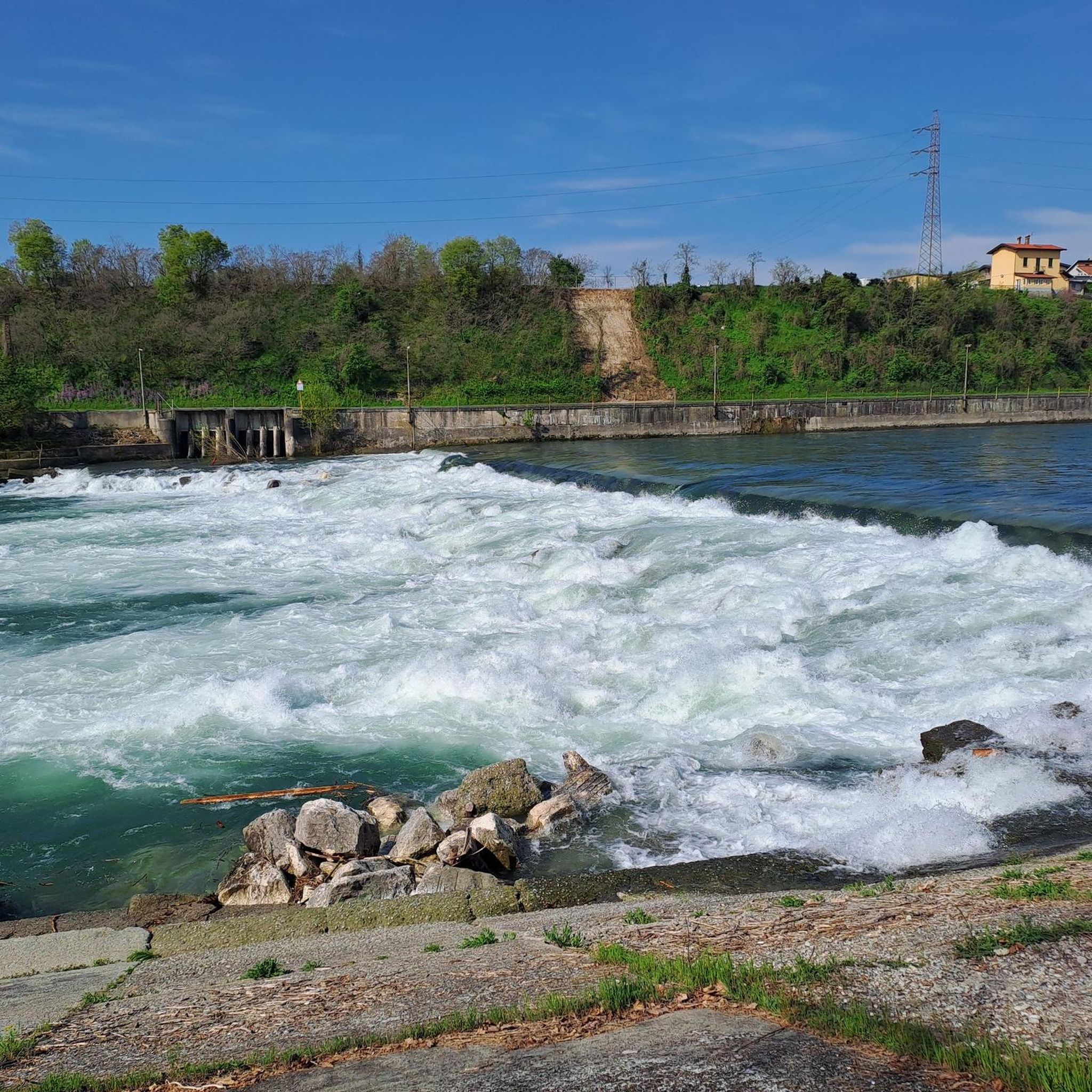
Best attractions and places to see around Fara Gera D'Adda include a blend of historical, cultural, and natural sites. The municipality is situated along the Adda River, a significant natural feature known for its scenic banks and commitment to environmental preservation. The area also features the Naviglio Martesana, offering cycling paths that connect various towns and showcase the region's industrial heritage. This territory, part of the Bergamo plain, combines alluvial gravels with historical agricultural and industrial landscapes.
Best attractions and…
Last updated: August 30, 2026
Martesana Canal
Highlight • Cycleway
Translated by Google •
Tip by

Naviglio Martesana Cycle Path Between Bellinzago Lombardo and Inzago
Highlight (Segment) • Cycleway
Translated by Google •
Tip by

Sign up now to discover places like this
Get recommendations on the best single tracks, peaks, & plenty of other exciting outdoor places.
Sign up for free
The Rudun Water Wheel, Groppello d'Adda
Highlight • Monument
Translated by Google •
Tip by

Naviglio Martesana Towpath
Highlight (Segment) • Cycleway
Translated by Google •
Tip by

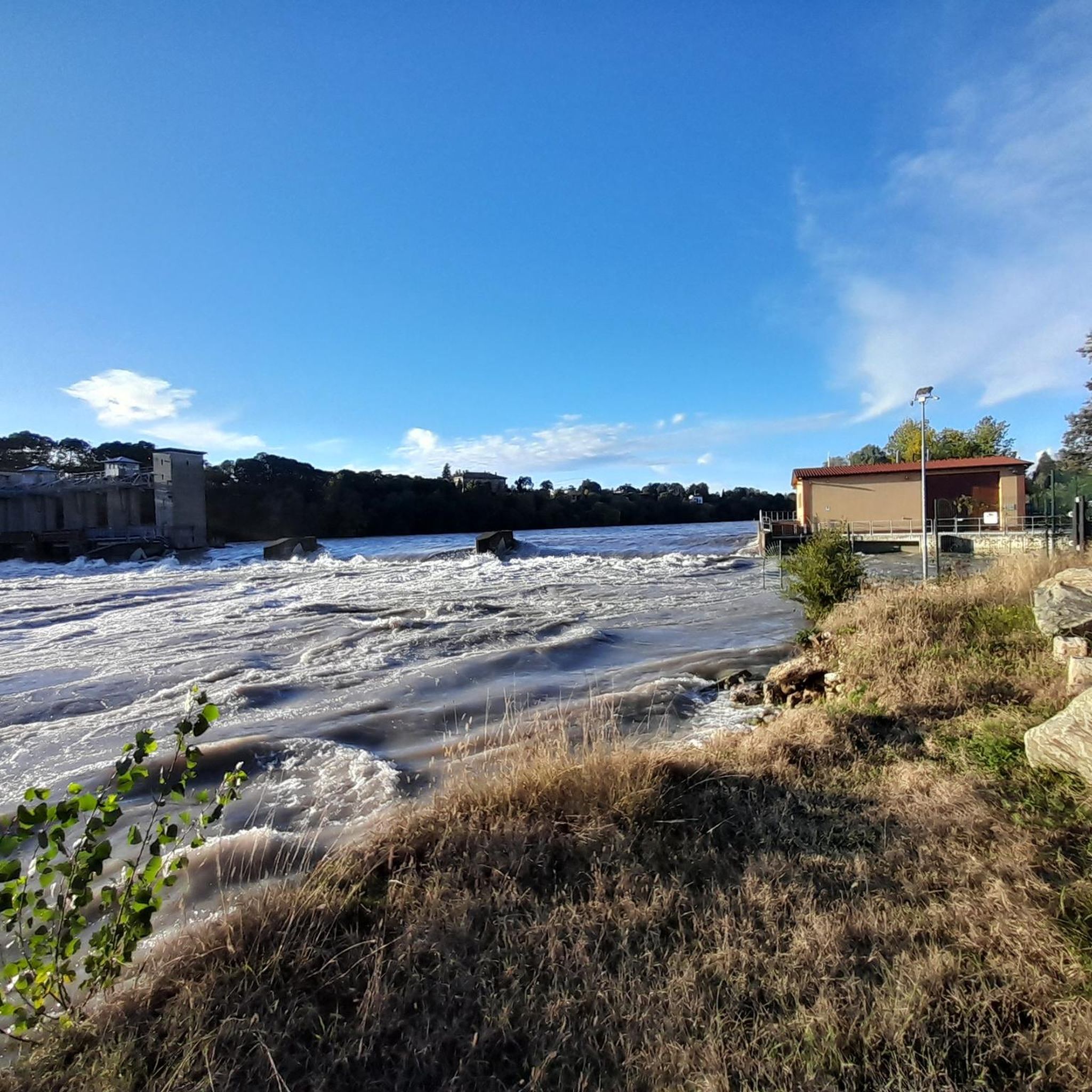
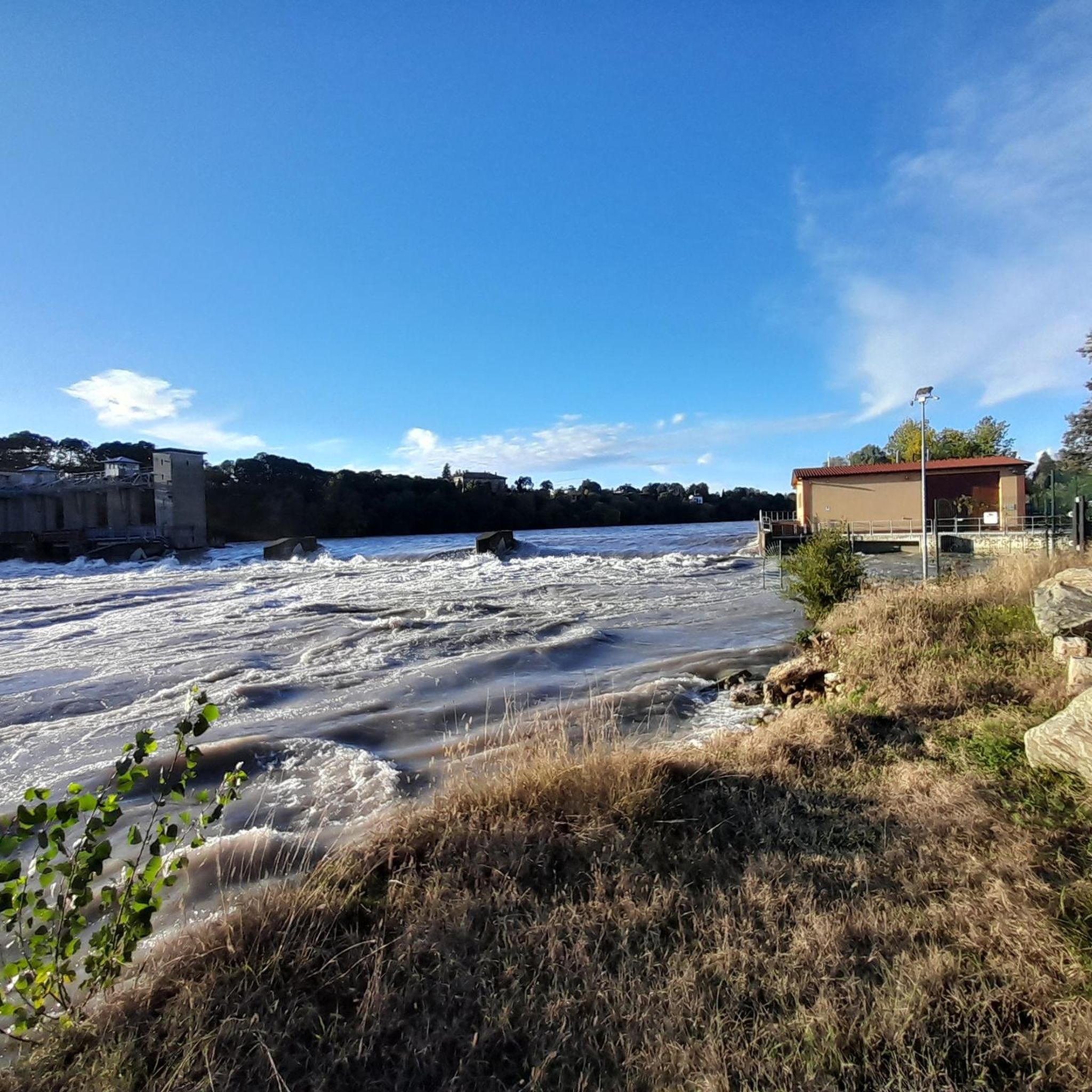
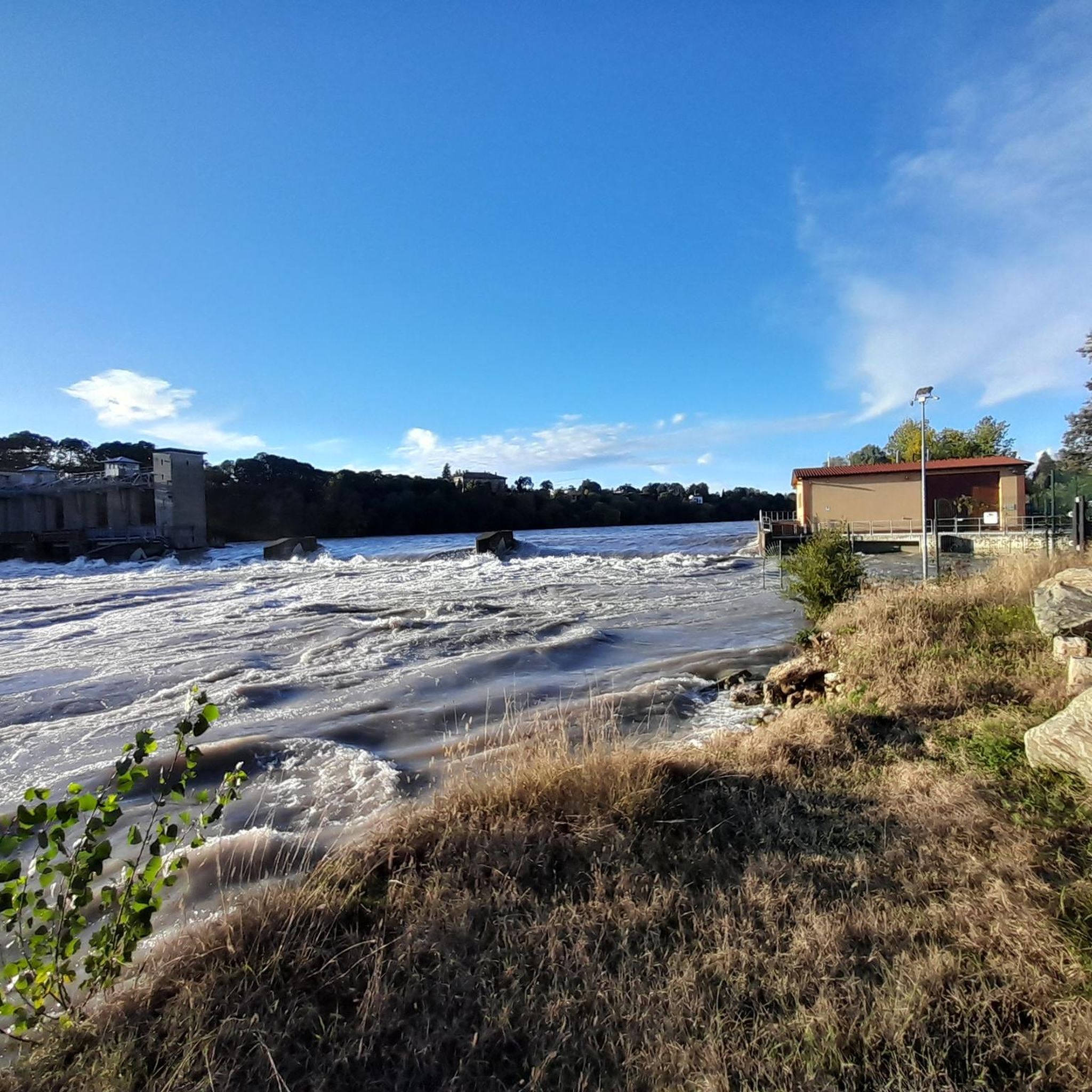
Taccani Hydroelectric Power Plant and Trezzo Castle Tower
Highlight • Historical Site
Translated by Google •
Tip by

Sign up for free to discover even more attractions around Fara Gera D'Adda.
Sign up for free
Already have an account?
Start today with a free account
Your next adventure awaits.
Login or Signup

Tips from the Community

The section of the Naviglio Martesana cycle path between Bellinzago Lombardo and Inzago is a flat, entirely asphalted stretch without technical difficulties, ideal for cycle tourists of all levels. This specific rural fragment runs for about 3-4 kilometers along the Martesana canal in a protected area.
1
0
The Naviglio della Martesana, initially known as Naviglio Piccolo, is one of the Milanese canals that connects Milan with the course of the Adda river through the municipalities of Martesana. Commissioned in the 15th century by Francesco Sforza, it was used for irrigating the countryside but also represented the ambitious project of connecting Milan with Lake Como and thus with the Alps and Ticino. The Naviglio della Martesana is a place rich in history and beauty, a heritage for everyone that, however, today is still little known and protected. Along the Naviglio runs a rather busy cycle path, which allows you to admire the landscape and cultural beauties, such as the rich flora, fauna, or the numerous historic villas, including the Renaissance Villa Melzi d’Eril in Vaprio d’Adda.
1
0

It's nice, relaxing to pedal away from traffic for many kilometers. Thanks to whoever created it for all of us,
1
0

Nice gravel ride, from Gessate to Cremona. 95% on paved cycle paths and dirt road in the woods along the Adda. The first stretch from Cassano to Lodi is very nice, all in the woods, several single tracks with tall grass or "cycle path" but with a dirt surface. The river is almost always nearby. From Lodi to Cremona all on paved cycle path, elevated on cultivated fields and more exposed to the wind. Stops in Lodi, Pizzighettone and Cremona for visits. Return by train.
2
0

Always current engineering works
5
0

Large wheel on the bank of the Naviglio Martesana, popularly called "rudun", was built by Cardinal Federico Borromeo in 1618 to raise the water from the canal and bring it to the kitchens of the palace as well as irrigating the vegetable gardens and gardens of the villa.
5
0

beautiful stretch of cycle path along the Martesana
3
0
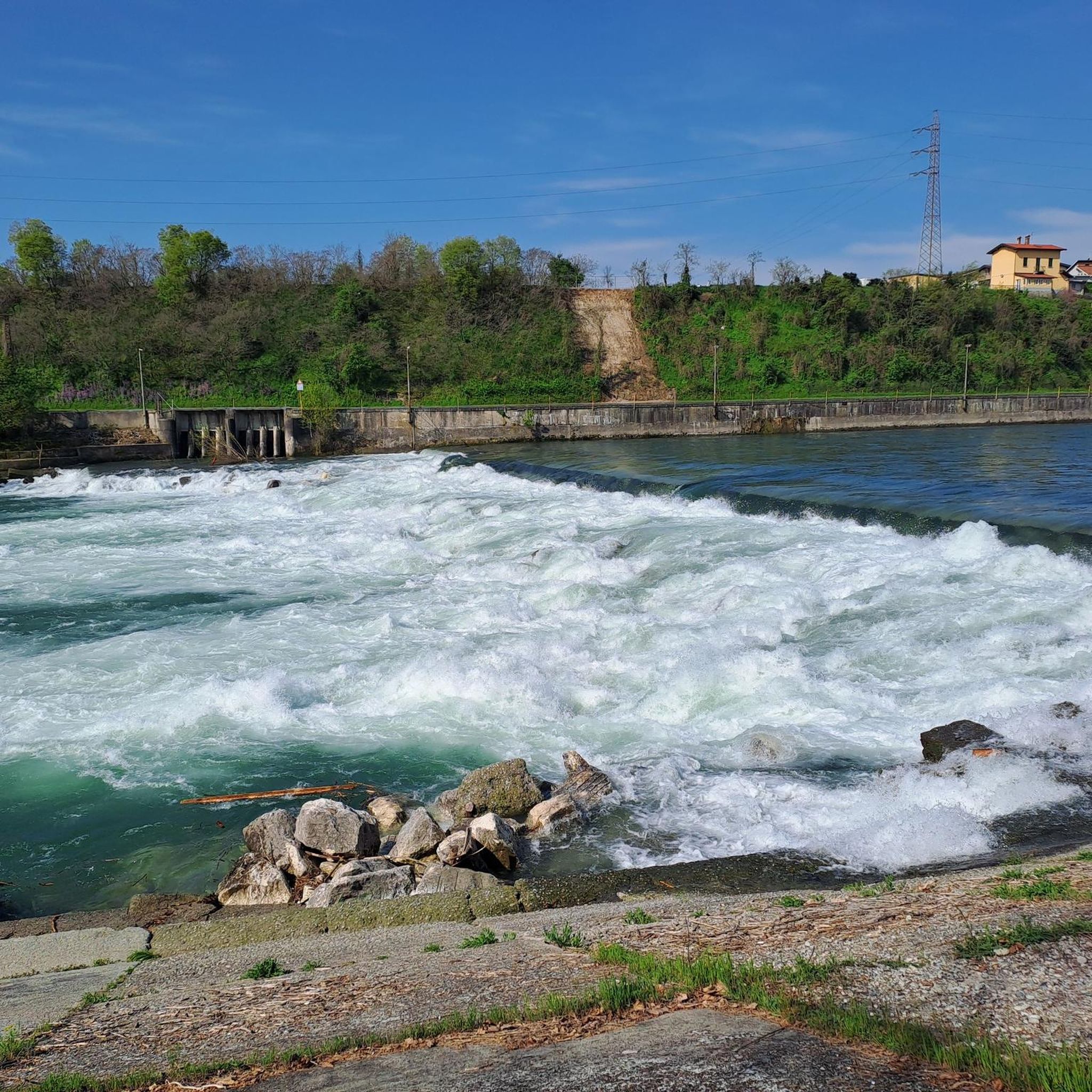
«[...] A canal was built from the castle of Trezzo to the city, and it was called della Martesana, the county that passes through. [...]» The Naviglio della Martesana, also known as Naviglio Piccolo, is one of the Milanese canals that connects Milan with the Adda river from which it receives its waters in Concesa just downstream of Trezzo sull'Adda.
4
0
Frequently Asked Questions
What cycling routes can I explore around Fara Gera d'Adda?
The region offers excellent cycling opportunities, particularly along the Adda River and the Naviglio Martesana. You can enjoy routes like the easy 'Groppello Water Wheel – Martesana Canal loop from Cassano d'Adda' or the more moderate 'Groppello Water Wheel – Adda River loop from Groppello d'Adda'. The Martesana Canal itself is a popular cycle way connecting Milan with the Adda River, offering a mix of paved and dirt roads. For more options, check out the Cycling around Fara Gera d'Adda guide.
Are there any significant historical sites to visit in the area?
Yes, Fara Gera d'Adda and its surroundings are rich in history. A notable site is the Taccani Hydroelectric Power Plant and Trezzo Castle Tower, an architectural marvel that has generated clean energy for over a century, with the ruins of a 14th-century castle nearby. You can also visit the Rudun Water Wheel in Groppello d'Adda, an imposing 17th-century hydraulic wheel on the Naviglio Martesana.
What natural features can I enjoy around Fara Gera d'Adda?
The primary natural feature is the Adda River, which defines much of the landscape. Its banks are known for their beauty and commitment to environmental preservation. You can also explore the Gera d'Adda territory, characterized by alluvial gravels and a blend of natural and human-influenced landscapes. The area along the Adda River and Naviglio Martesana offers scenic views and opportunities for wildlife spotting.
Are there family-friendly attractions or activities available?
Many attractions in the region are suitable for families. The Rudun Water Wheel, Groppello d'Adda, the Martesana Canal, and the Taccani Hydroelectric Power Plant and Trezzo Castle Tower are all considered family-friendly. The extensive cycling paths along the Naviglio Martesana and Adda River also provide safe and enjoyable outdoor activities for all ages.
Where can I go for a walk or hike near Fara Gera d'Adda?
There are several walking and hiking paths available. You can try the 'Roggia Vailata – Vaprio d'Adda Bridge loop from Fara Gera d'Adda' or the 'Groppello d'Adda – Senator Borletti After-Work Club loop from Fara Gera d'Adda', both offering moderate difficulty. For an easier option, consider the 'Roggia Vailata loop from Fara Gera d'Adda'. These routes allow you to experience the riverside landscapes and local villages. Find more details in the Hiking around Fara Gera d'Adda guide.
What is the best time of year to visit Fara Gera d'Adda?
The region is enjoyable throughout much of the year. However, during warmer months, there are restrictions regarding activities like fires, unauthorized parking, and glass containers along the Adda River to ensure safety and environmental protection. Spring and autumn generally offer pleasant weather for outdoor activities like cycling and hiking, with lush scenery.
What do visitors particularly enjoy about the attractions here?
Visitors frequently praise the scenic beauty of the Adda River and the well-maintained cycle paths, especially the Martesana Canal, often described as one of Italy's most beautiful. The blend of historical sites like the Taccani Hydroelectric Power Plant and Trezzo Castle Tower with the tranquil natural environment is also highly appreciated, offering panoramic and relaxing experiences.
Are there any lesser-known historical or cultural gems to discover?
Beyond the main highlights, the area holds several cultural gems. The Church of San Giorgio, an imposing Lombard Gothic church with a 16th-century bell tower, and the Parish Church of S. Alessandro, a neoclassical structure incorporating 6th-century remains, offer insights into the region's religious history. The former National Linen and Hemp Mill also reflects the area's industrial past.
Can I find running trails around Fara Gera d'Adda?
Yes, there are several running trails available. You can challenge yourself with the 'Towpath of the Martesana Canal – Vaprio d'Adda loop from Fara Gera d'Adda' which is considered difficult, or opt for moderate routes like the 'Naviglio della Martesana loop from Fara Gera d'Adda' and 'Vaprio d'Adda loop from Fara Gera d'Adda'. These trails offer varied distances and scenery for runners. More options can be found in the Running Trails around Fara Gera d'Adda guide.
Is there an old bridge with good views in the vicinity?
Yes, the Old Bridge of Brembate on the Brembo River is a historical Roman-era pebble bridge that offers excellent views of the river. It's a great spot for photography and enjoying the tranquil waters.
Are there any restrictions or important information for visiting the Adda River area?
Yes, to ensure environmental preservation and safety, especially during warmer months, there are restrictions along the Adda River. These may include prohibitions on fires, unauthorized parking, and the use of glass containers. It's always advisable to check local regulations before your visit to ensure a smooth and respectful experience.
Most popular routes around Fara Gera D'Adda
Most popular attractions around Fara Gera D'Adda

Get inspired with the komoot mobile app


Explore more
Still not found the Highlight you’re looking for? See guides of the top attractions in other regions:
