The best road cycling routes around Pettorazza Grimani
4.2
(108)
2,167
riders
142
rides
Road cycling around Pettorazza Grimani is characterized by its flat terrain and serene landscapes, making it ideal for road cyclists. The region is situated along the Adige River cycling path, offering routes with picturesque views as the river flows towards the sea. This area provides a unique riding experience with a landscape that gradually transitions to a coastal feel. Its strategic location in Veneto also connects it to broader cycling opportunities within the region.
Best road cycling routes around Pettorazza…
Last updated: May 20, 2026
49
riders
Moderate road ride. Good fitness required. Mostly well-paved surfaces and easy to ride.
47
riders
57.9km
02:18
70m
70m
Moderate road ride. Good fitness required. Mostly well-paved surfaces and easy to ride.

Sign up for free
4.0
(9)
36
riders
Moderate road ride. Good fitness required. Mostly well-paved surfaces and easy to ride.
3.0
(1)
24
riders
Moderate road ride. Great for any fitness level. Some segments of this route may be unpaved and difficult to ride.
17
riders
Moderate road ride. Great for any fitness level. Some segments of this route may be unpaved and difficult to ride.
Get access to more routes and recommendations from other explorers.
Sign up for free
Already have an account?
Our route recommendations are based on thousands of hikes, rides, and runs completed by other people on komoot.
Start today with a free account
Your next adventure awaits.
Login or Signup
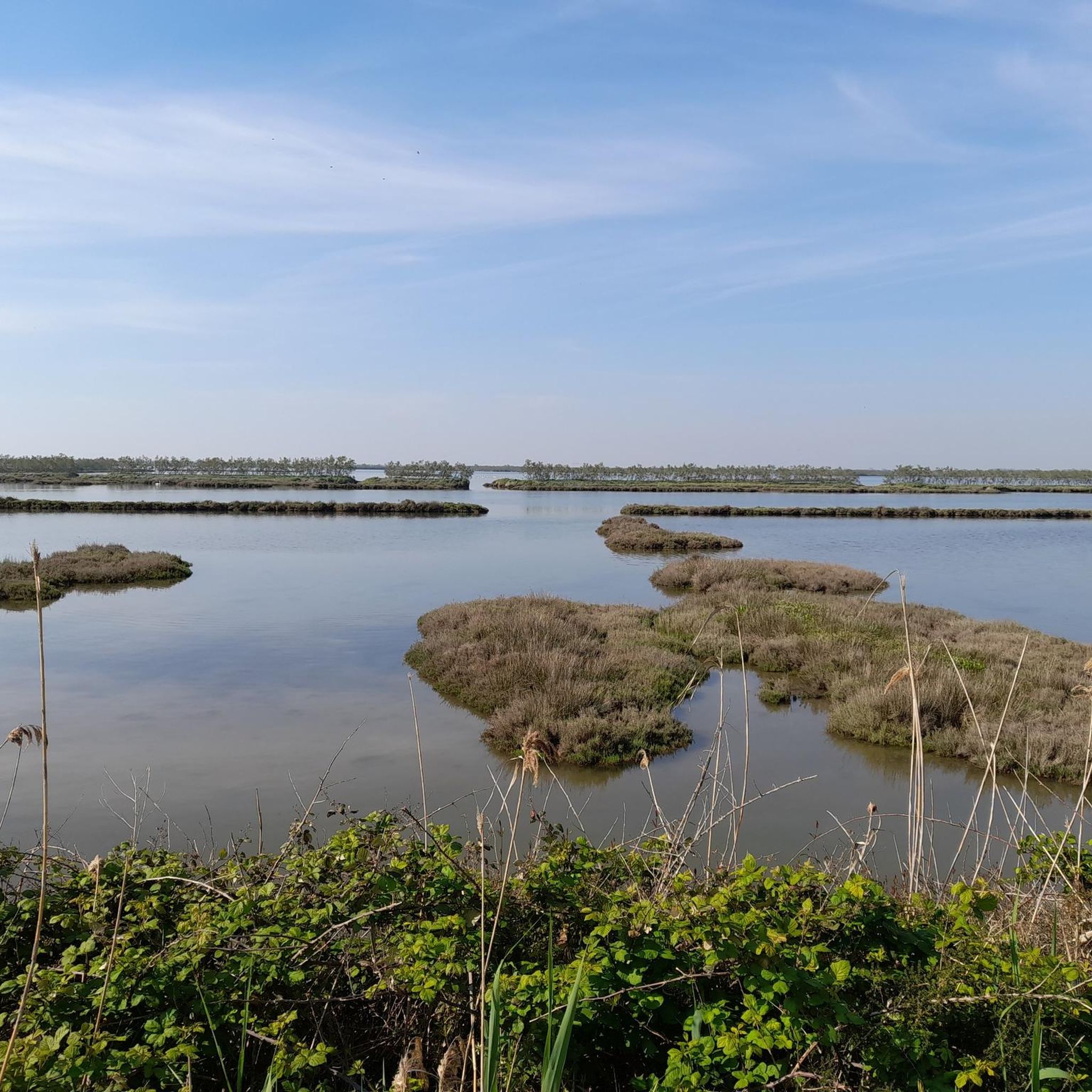
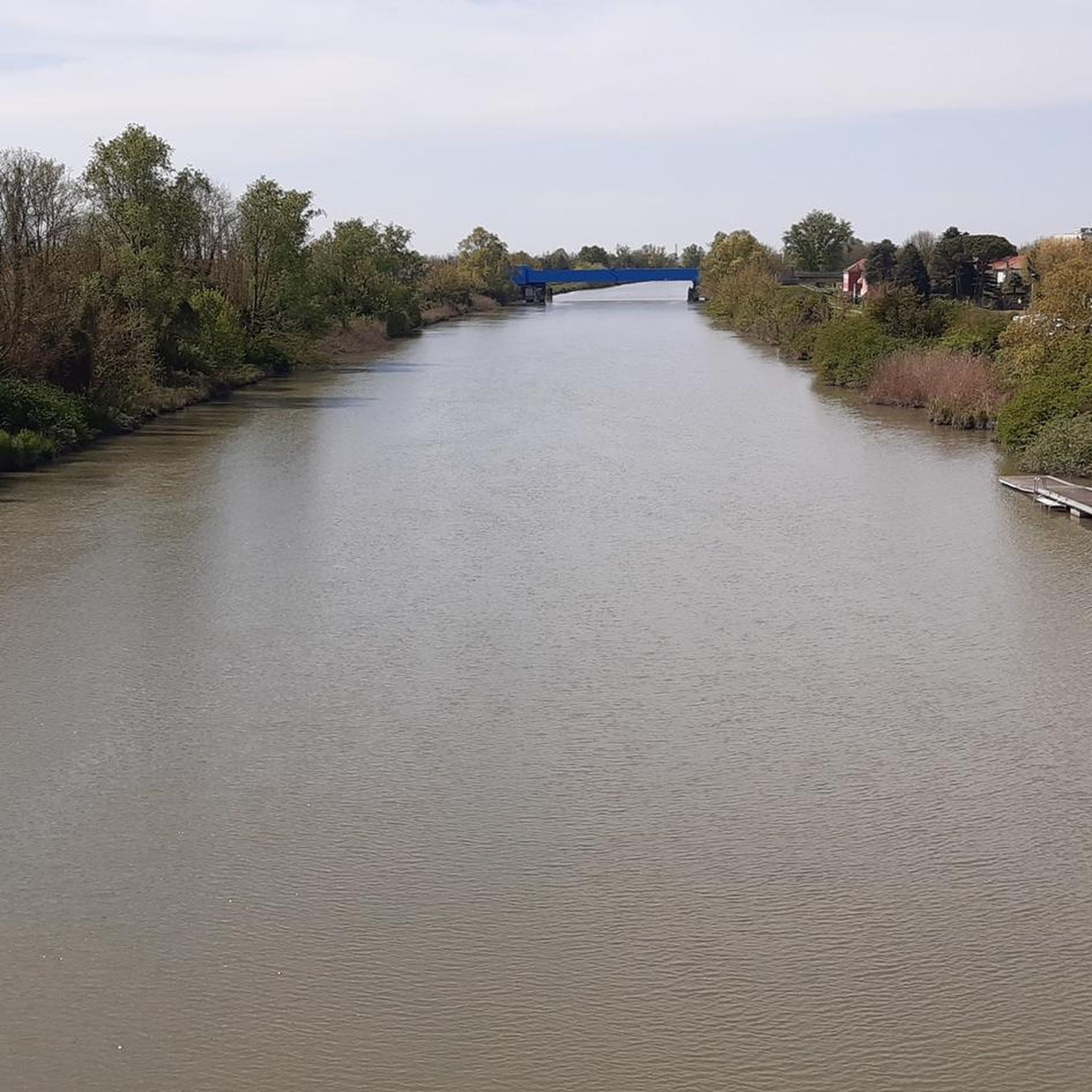
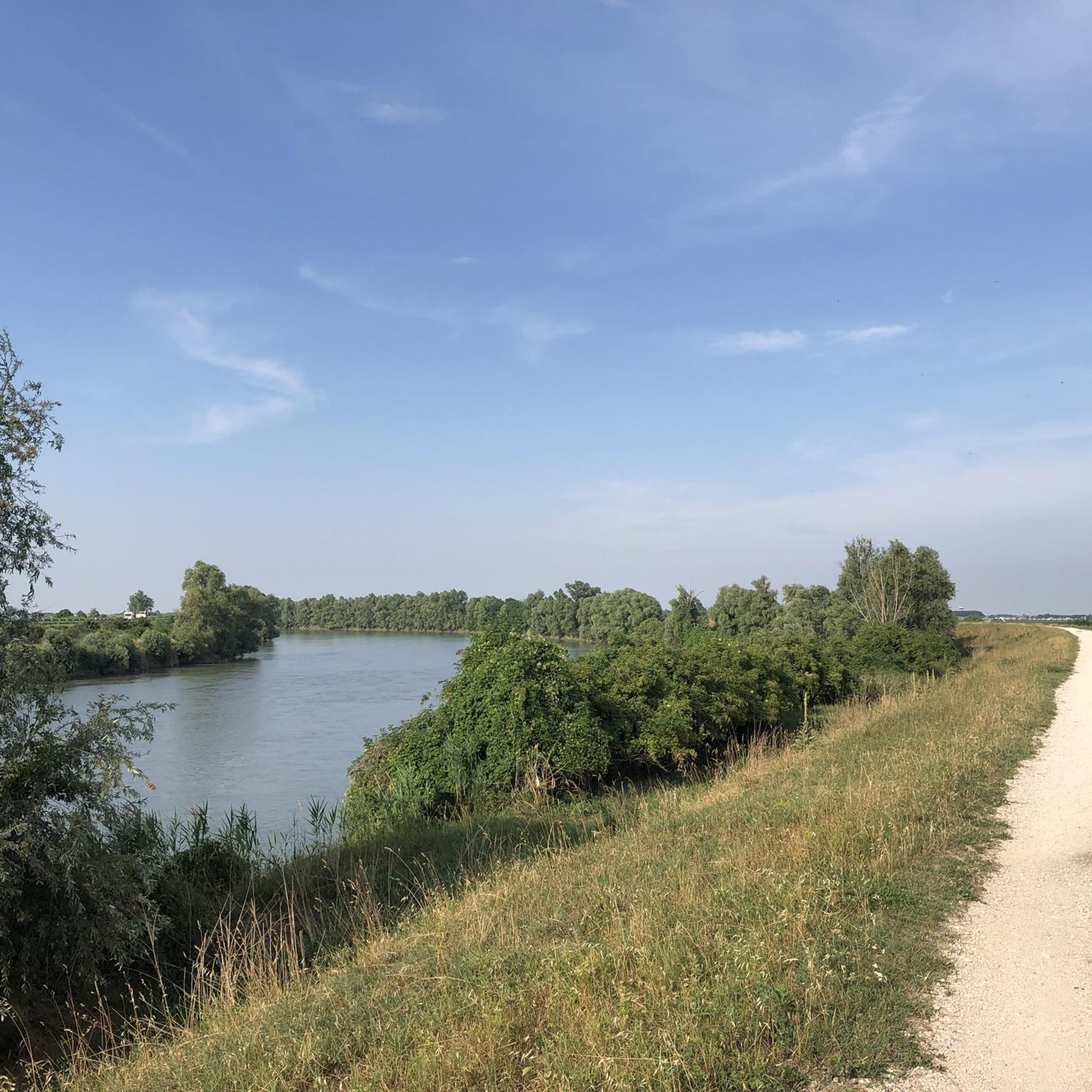

Tips from the Community

Spectacular route, especially if done in spring.
0
0

The Canal Vena is the most picturesque and vital waterway of Chioggia, often described as the city's "Grand Canal". What makes it unique are its nine bridges, each with its own history and physiognomy, connecting the side foundations and allowing passage between the alleys. The most majestic is undoubtedly the Ponte di Vigo, located at the northern end of the canal, towards the lagoon. Built of marble in 1685, it represents the monumental gateway to the city: with its imposing staircase and elegant decorations, it offers a spectacular view stretching from the canal to the nearby island of Pellestrina. The other eight bridges, such as the Ponte di San Giacomo or the Ponte Caneva, follow one another along the route, offering postcard-perfect glimpses between moored boats and historic markets. These crossings are not just architectural structures, but the beating heart of Chioggia life, where the Venetian atmosphere blends with the authenticity of the fishing village.
0
0

One of the major projects completed during the Fascist era is the Sottomarina Dam, which, together with the Ca' Roman Dam built a few years earlier, completes the mouth of the Port of Chioggia. Construction began in the years following the First World War. Like the Murazzi (sea walls), the dam was constructed of brick and boulders of local Istrian stone and, in addition to finally completing the entrance to the Port of Chioggia, also allowed for a further expansion of the beach. The inauguration, as mentioned, took place in the midst of the Fascist regime on April 28, 1935, in the presence of the Duke of Aosta. The dam was immediately embraced by the local population, especially the residents of Sottomarina, a popular destination for their walks, so much so that many refer to it as "Sailors' Square." Text / Source: Lidi di Chioggia https://www.lididichioggia.it/la-diga-murazzi/
15
0
The Dam and the Walls, Sottomarina The Dam and the Walls The Walls are Istrian stone walls built by the Republic of Venice starting in the late 18th century to protect the inhabited centers of the lagoon from marine erosion. They are divided into three sections: one on the island of Lido, a second on the island of Pellestrina as far as Cà Roman, and a third along the coast of Sottomarina, running from Forte San Felice to the center of Sottomarina at a height of approximately 1200 meters. The famous War of Chioggia led to the complete destruction of Sottomarina, which became an uninhabited area, exposed to the sea without any protection and subject to frequent flooding. Reconstruction, which included the construction of the Walls, did not begin until 1600. The Walls along Via San Felice were more than 5 kilometers long and over 300 meters wide. They were built from square stones, primarily Istrian stone, erected on stilts extending to the Pellestrina coast and, of course, the Sottomarina coast. Initially, given the scale of the project and the lack of adequate equipment, construction seemed impossible, so it took thirty-eight years to complete in 1770. Legend has it that the inscription "Ausu romano, aere veneto" (With Roman boldness, with Venetian money) was already in place. The inscription is still visible when passing by on the Chioggia-Pellestrina vaporetto. The Murazzi ceased to function between the late 19th and early 20th centuries when the receding sea revealed an unexpected beach, thus forming a symbolic dividing line between "old" and "new" Sottomarina. Today, the Murazzi di Sottomarina are located about one kilometer from the sea: this has allowed for a large-scale revival of coastal tourism. The Murazzo now connects the entire Venetian coast, especially the outer islands, like a cordon, leaving only the three bays open, thus preserving the lagoon's waters. Text / Source: Lidi di Chioggia https://www.lididichioggia.it/la-diga-murazzi/
15
0

beginning of the Chioggia territory
0
0

Despite the Garmin, the exit from Chioggia is difficult. Take the signposted road to Ravenna.
0
0

A small fish market between the church and the water. It's worth a stroll. It's open every morning.
2
0

Chioggia has retained its old flair and is not overcrowded - definitely worth a visit.
1
0
Frequently Asked Questions
How many road cycling routes are available around Pettorazza Grimani?
There are over 130 road cycling routes around Pettorazza Grimani, offering a wide range of options for cyclists of all levels. The komoot community has explored these routes over 2000 times.
What is the general terrain like for road cycling in Pettorazza Grimani?
The terrain around Pettorazza Grimani is predominantly flat, making it ideal for road cycling. Routes often follow the Adige River, providing serene riverside views that gradually transition to a coastal feel as you head towards the sea.
Are there routes suitable for beginners or families?
Yes, Pettorazza Grimani offers many easy routes perfect for beginners and families. There are 41 easy routes available, such as the Scolo Tartaro – View of the Adige River loop from Cavarzere centro, which provides a pleasant ride with minimal elevation gain.
What kind of views can I expect on the road cycling routes?
You can expect picturesque views along the Adige River, with landscapes that slowly change to a coastal feel. Many routes feature open countryside, and you might also encounter natural features like the Oasi del Gorgo Leze.
Are there challenging road cycling routes in the area?
While the region is generally flat, there are a couple of routes classified as difficult for those seeking a greater challenge. The majority of routes are moderate, offering a good balance of distance and effort.
Are there any circular road cycling routes?
Yes, many of the road cycling routes around Pettorazza Grimani are circular. For instance, the Adige Riverbank Trail – Adige River Underpass loop from Cavarzere centro is a popular 48.5 km loop that follows the Adige River.
What natural features can I see along the cycling routes?
The most prominent natural feature is the Adige River itself, which many routes follow. You can also visit the Oasi del Gorgo Leze, a natural oasis where you can enjoy the local environment.
Are there historical or cultural landmarks to explore while cycling?
Absolutely. The region has a rich history. You can explore local attractions such as the Santuario della Beata Vergine delle Grazie, the architectural complex of Villa Grimani, or the Piazza Vittorio Emanuele II and Clock Tower in Cavarzere.
What do other road cyclists enjoy the most about road cycling in Pettorazza Grimani?
The area is highly rated by the komoot community, with an average score of 4.2 stars from over 120 reviews. Cyclists often praise the flat terrain, the serene riverside scenery, and the unique experience of riding towards a coastal landscape.
What is the best time of year for road cycling in Pettorazza Grimani?
The Veneto region generally offers pleasant cycling conditions from spring through autumn. Summer can be warm, but the flat terrain and riverside breezes can make for enjoyable rides. Always check local weather conditions before heading out.
Are there any routes that connect to broader cycling networks?
Pettorazza Grimani's strategic location in Veneto means it connects to broader cycling opportunities. You can find routes that link to other significant paths like the Green Tour, and even routes leading towards major cities such as Padua and Vicenza, or the Euganei and Berici Hills.
Can I find routes that explore the area around Cavarzere?
Yes, several routes explore the area around Cavarzere. A popular choice is the Monument to Flavio Busonera – Ponte Dolfina loop from Cavarzere, a moderate 55.8 km path that features open landscapes and local points of interest.
Are there any routes that start from Baricetta?
Indeed, Baricetta serves as a starting point for several routes. The Roadbike loop from Baricetta is a well-liked 39.5 km trail that takes you through the flat countryside.
Most popular routes around Pettorazza Grimani
Most popular attractions around Pettorazza Grimani

Get inspired with the komoot mobile app


Explore more
Browse the best Road cycling routes in other regions.
