Attractions and Places To See around Portogruaro - Top 20
Attractions and places to see around Portogruaro include a variety of historical sites, natural features, and architectural landmarks. Situated along the Lemene River, the town features canals and historic buildings, earning it the moniker "little Venice of the hinterland." The area offers a blend of medieval origins, Renaissance art, and archaeological insights from nearby Roman settlements. Its landscape is characterized by rivers, forests, and well-preserved historic town centers.
Best attractions and places to see around Portogruaro
- The most popular attractions is Casoni of Caorle, a historical site that consists of traditional huts built of reeds and wood. These "V" shaped structures were historically used by local fishermen.
- Another must-see spot is Bosco delle Lame, a forest. It is considered a significant example of a lowland forest in Eastern Veneto, offering gravel and forest paths for exploration.
- Visitors also love Gate of Sesto al Reghena, a man-made monument. This historic gate serves as an entrance to the village of Sesto al Reghena, known for its ancient Benedictine abbey.
- Portogruaro is known for its historic architecture, archaeological sites, and scenic riverside paths. Visitors can explore medieval buildings, museums, and natural areas.
- The attractions around Portogruaro are appreciated by the komoot community, with more than 370 upvotes and 50 photos shared by visitors.
Last updated: July 6, 2026
Casoni of Caorle
Highlight • Historical Site
Translated by Google •
Tip by

Tagliamento Cycle Path in Pertegada
Highlight • Cycleway
Tip by

Sign up now to discover places like this
Get recommendations on the best single tracks, peaks, & plenty of other exciting outdoor places.
Sign up for free
Bevazzana Swing Bridge
Highlight • Bridge
Translated by Google •
Tip by

Gate of Sesto al Reghena
Highlight • Monument
it.m.wikipedia.org/wiki/Sesto_al_Reghena
Translated by Google •
Tip by

Casoni of Caorle
Highlight • Structure
Translated by Google •
Tip by

Sign up for free to discover even more attractions around Portogruaro.
Sign up for free
Already have an account?
Start today with a free account
Your next adventure awaits.
Login or Signup

Other adventures around Portogruaro

Tips from the Community

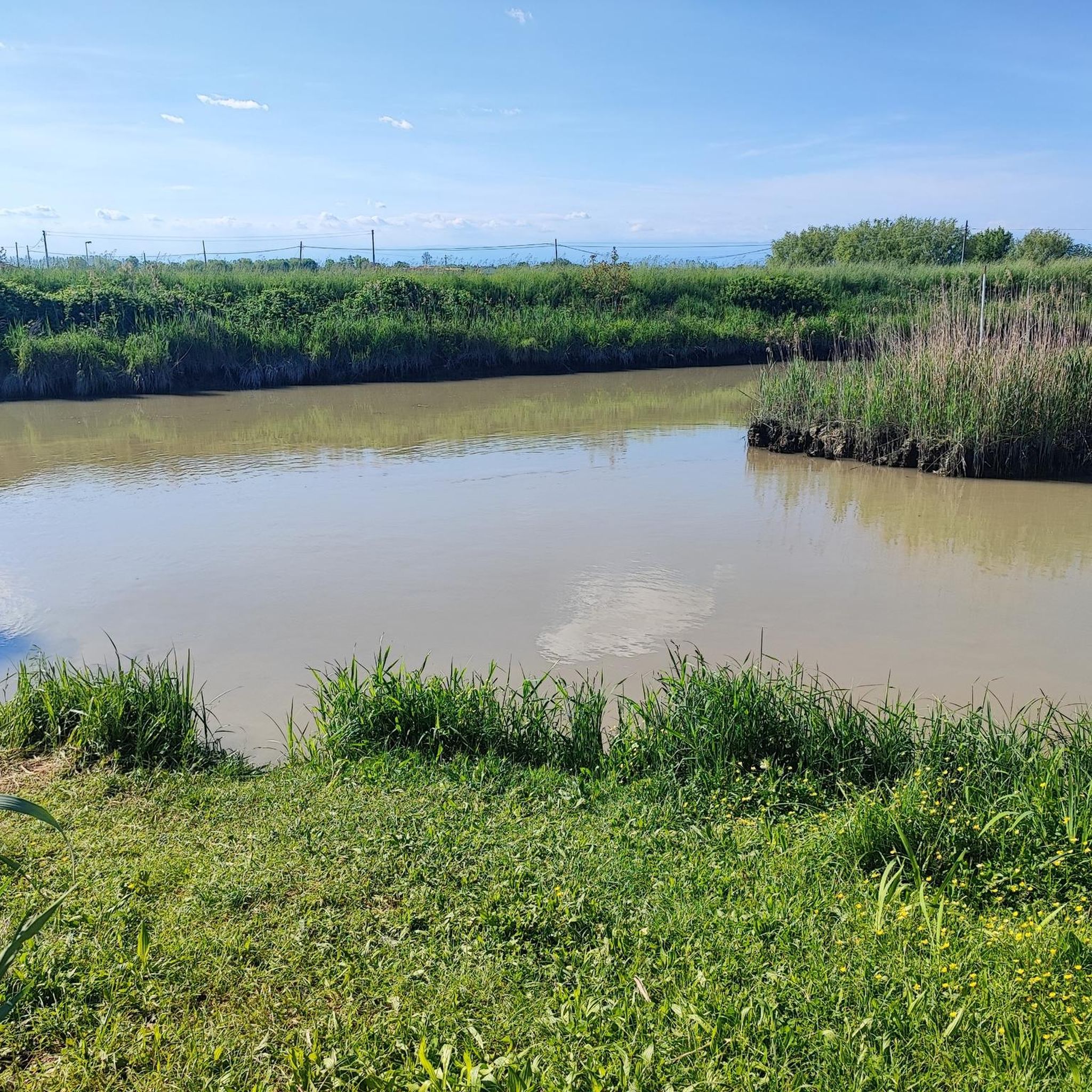
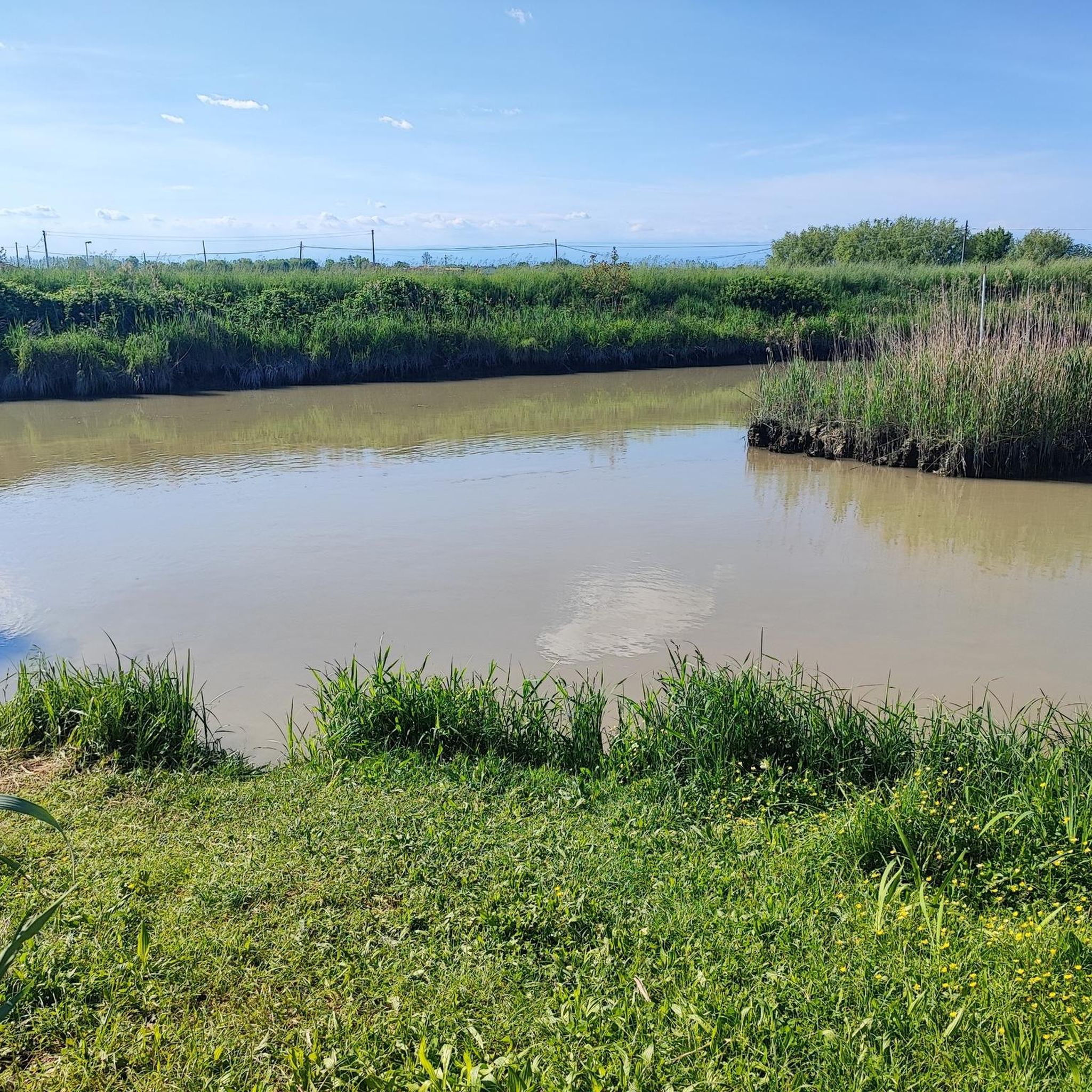
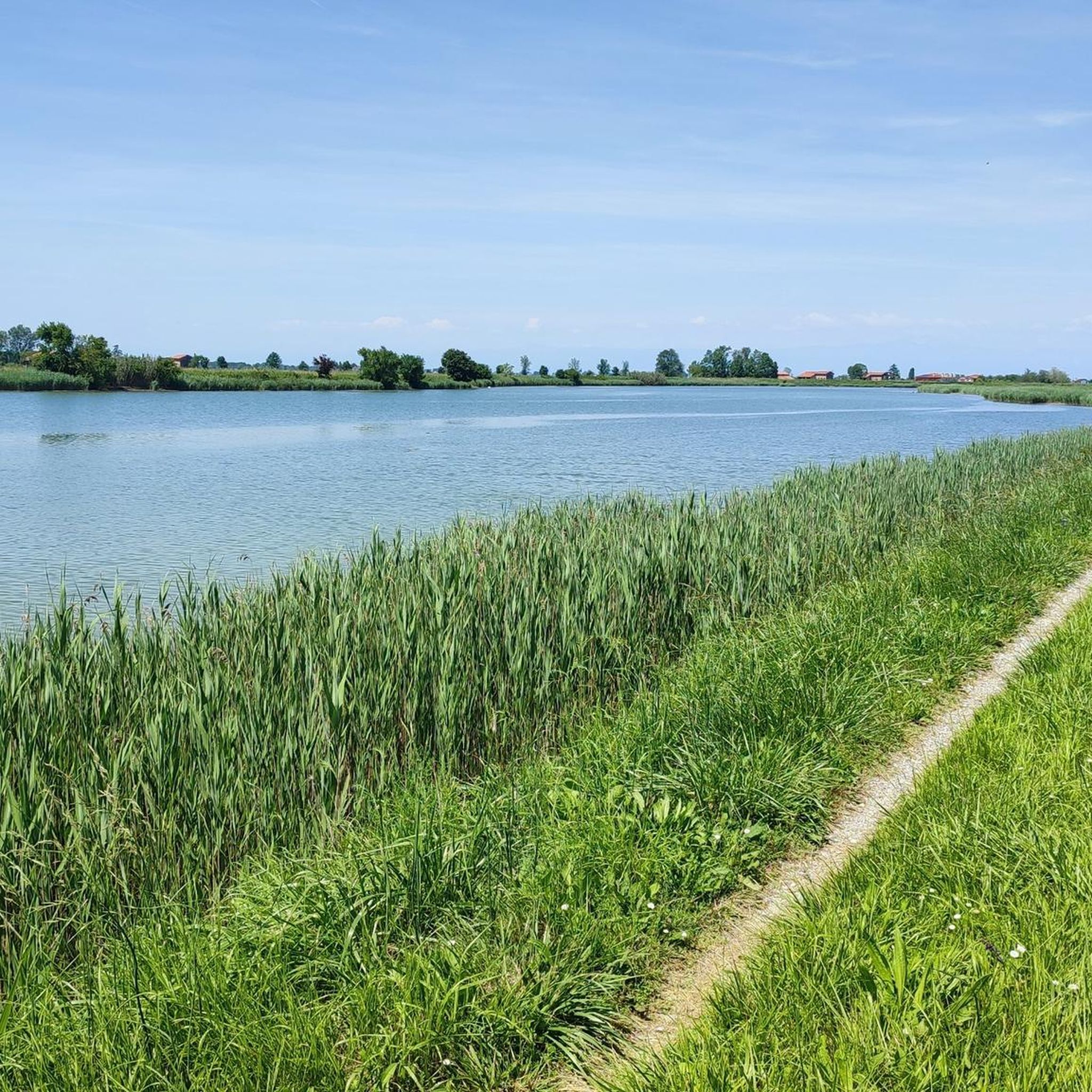
Romantic cycle path along the dam through the reed belt with a view of many "Casoni". The route is more single-track than cycle path. Caution in the summer months due to the blackberry bushes, which easily overgrow the path and lay thorns that are disliked by bike tires.
0
0

The Casoni di Caorle are the iconic rural dwellings made of wood and reeds that dot the lagoon and the Isola dei Pescatori. These structures, dating back centuries, represent the heart of the ancient lagoon civilization: once they were the permanent or seasonal homes of fishermen, designed to be insulated from the cold and resistant to humidity thanks to the sloping roof and the absence of a central chimney. Today, in addition to being an identity symbol of the territory, many casoni have been restored to preserve the memory of a rural world also sung by Ernest Hemingway. Immersed in a protected landscape, they are reachable via picturesque cycling routes or boat excursions, offering a timeless scenario suspended between land and water.
0
0

There are several huts along this path
0
0


Abbey and village absolutely worth visiting for the historical importance and the charm of the small village.
15
0

Founded in 730-735, it belonged to the Benedictines from 762. In 899 the Hungarians ruined it, but the abbey rose again in the 10th century and was fortified. From 1441 to 1786 it was a commendation and returned to being an abbey in 1921. The abbey church took shape between the 12th and 13th centuries, to be substantially restructured in the 15th century; in the 20th century it underwent a series of restorations (1905-1914, 1932 and 1981). The vestibule is completely frescoed with the Inferno Cycle, the Paradise Cycle and the San Michele Cycle, works dating back to around 1450 and which are attributed to the workshop of Antonio da Firenze. From the vestibule you pass into the atrium, with three Romanesque naves, characterized by a massive 15th-century ceiling and 13th-century frescoes. Wikipedia
18
0
Piazza Castello in the village of Sesto al Reghena with the town hall.
15
0
Frequently Asked Questions
What historical sites can I explore in Portogruaro?
Portogruaro boasts a rich history. You can visit the impressive 13th-century Gothic Town Hall (Palazzo Municipale) in Piazza della Repubblica, or see the 19th-century Duomo di Sant'Andrea with its distinctive leaning bell tower. Don't miss the 12th-century Sant'Andrea Watermills, which are iconic symbols of the town's medieval past. The nearby village of Sesto al Reghena also features the historic Gate of Sesto al Reghena, leading to an ancient Benedictine abbey.
Are there any notable museums in Portogruaro?
Yes, Portogruaro offers several museums. The Museo Nazionale Concordiese houses significant artifacts from the nearby Roman city of Concordia Sagittaria, including mosaics and statues. You can also explore the Portogruaro Town Museum, located in the ancient Torre di Sant'Agnese, which delves into the history of the town and its territory. For those interested in natural history, there's the "Michele Gortani" Paleontological Museum.
What unique architectural features can I see in Portogruaro?
Portogruaro is often called a "little Venice of the hinterland" due to its canals and historic architecture. You'll find arcaded streets like Corso Martiri della Libertà and Via Seminario, lined with Gothic and Renaissance buildings. The town's main square, Piazza della Repubblica, features a 15th-century well-curb adorned with two cranes, a symbol of the city. The Sant'Andrea Watermills, built directly over the Lemene River, are also a unique sight.
Where can I learn about the ancient Roman history of the area?
To delve into the ancient Roman history of the region, visit the Museo Nazionale Concordiese. This important archaeological museum displays a vast collection of artifacts, including mosaics, inscriptions, statues, and ceramics, all excavated from the nearby Roman city of Concordia Sagittaria.
What natural areas are worth visiting near Portogruaro?
The town is built along the scenic Lemene River, offering charming canalside views. For a more extensive natural experience, explore Bosco delle Lame, a significant lowland forest in Eastern Veneto with gravel and forest paths. It's an excellent spot for quiet walks and observing local flora and fauna. The Municipal Park (Parco della Pace) also provides a green space for relaxation within the town.
Are there opportunities for wildlife spotting around Portogruaro?
Yes, particularly in natural areas like Bosco delle Lame. This forest is home to squirrels, hares, foxes, pheasants, marsh harriers, swans, and roe deer. It's also an important repopulation area for birds, with as many as 300 species nesting there, making it a great spot for birdwatching.
What family-friendly attractions are available in the Portogruaro area?
Families can enjoy exploring the historic Casoni of Caorle, traditional fishermen's huts made of reeds and wood, which offer a glimpse into local heritage. The Bosco delle Lame forest provides easy gravel and forest paths suitable for family walks and cycling. Many of the town's historic sites, like the Town Hall and Watermills, are also accessible and interesting for all ages.
Are there any wheelchair-accessible attractions near Portogruaro?
The Bevazzana Swing Bridge is noted as wheelchair-accessible, providing a pedestrian and cycle crossing over the Tagliamento Canal. While many of Portogruaro's historic centers feature cobbled streets, the main squares and some riverside paths may offer easier access. It's always advisable to check specific venue accessibility beforehand.
When is the best time of year to visit Portogruaro for outdoor activities?
The spring and autumn months are generally ideal for outdoor activities in Portogruaro. The weather is pleasant for exploring the town's historic sites, walking along the Lemene River, or cycling through areas like Bosco delle Lame. Autumn, in particular, offers magical colors in the natural landscapes.
What outdoor activities, like hiking or cycling, can I do near Portogruaro?
Portogruaro is a great base for outdoor activities. You can find numerous routes for cycling, running, and hiking. For cycling, consider routes like "Portogruaro – Via dei Casoni loop" or "Portogruaro – Casoni of Caorle loop." Hikers can enjoy paths such as "Basilica Apostolorum (4th Century Roman Basilica) loop" or "Porta San Giovanni loop." You can find more details and routes on the Cycling around Portogruaro, Running Trails around Portogruaro, and Hiking around Portogruaro guide pages.
Are there specific cycling routes recommended around Portogruaro?
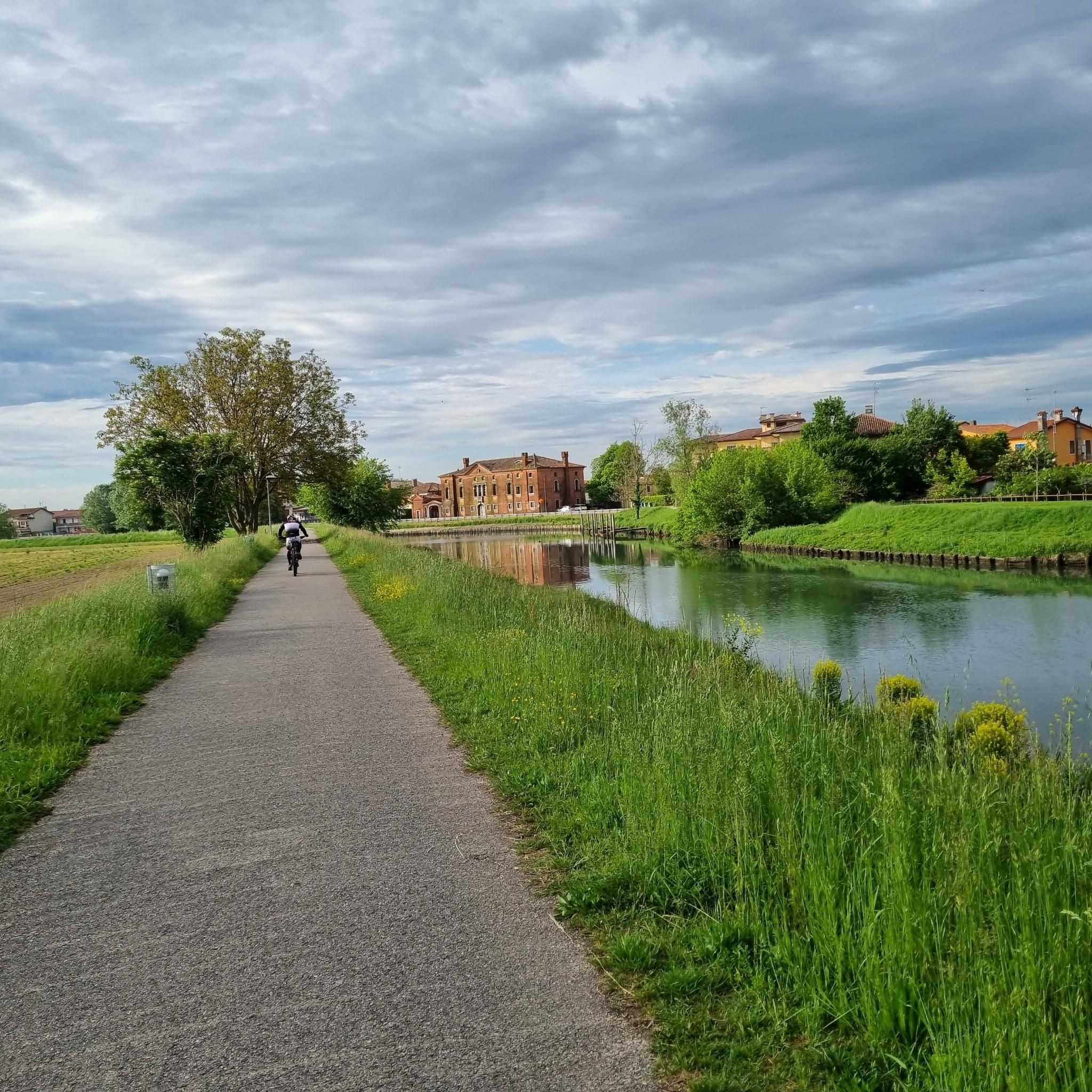
Yes, the area offers several cycling routes. The Tagliamento Cycle Path in Pertegada is a beautiful segment of rural road transformed into a cycle path, running for over 10 km along the east bank of the Tagliamento river. Other popular routes include the "Portogruaro – Via dei Casoni loop" and the "Portogruaro – Casoni of Caorle loop." Find more options on the Cycling around Portogruaro guide page.
Can I find good running trails in Portogruaro?
Absolutely! Portogruaro offers several running trails, many of which follow the scenic Lemene River. Popular routes include the "Portogruaro – Lemene River in Portovecchio loop" and the "Basilica Apostolorum (4th Century Roman Basilica) – Portogruaro’s historic canals loop." These trails vary in difficulty from moderate to difficult. For a comprehensive list, check the Running Trails around Portogruaro guide page.
Are there any lesser-known historical sites or "hidden gems" in the Portogruaro region?
Beyond the main attractions, consider visiting the Hamlet of Summaga, located within the municipality of Portogruaro. It's home to a wonderful old Benedictine abbey featuring frescoes from the Old and New Testaments, with some chapel frescoes dating back to the mid-11th century. This offers a quieter, yet historically rich, experience.
Most popular routes around Portogruaro
Most popular attractions around Portogruaro

Get inspired with the komoot mobile app


Explore more
Still not found the Highlight you’re looking for? See guides of the top attractions in other regions:
