Attractions and Places To See around Ponte Di Piave - Top 20
Best attractions and places to see around Ponte Di Piave include a blend of historical sites, cultural experiences, and natural features. This municipality in the province of Treviso, Italy, is largely shaped by the Piave River, offering a landscape rich with vineyards and resurgence courses. The area provides opportunities to explore ancient river ports, historical churches, and extensive cycling paths. Visitors can discover a variety of points of interest reflecting the region's history and natural environment.
Best attractions and places…
Last updated: July 20, 2026
Fossalta di Piave Floating Bridge
Highlight (Segment) • Bridge
Translated by Google •
Tip by

TV3 GiraMonticano Cycle Path
Highlight • Cycleway
Translated by Google •
Tip by

Sign up now to discover places like this
Get recommendations on the best single tracks, peaks, & plenty of other exciting outdoor places.
Sign up for free
Old River Port of Noventa di Piave
Highlight • Historical Site
The origin of the river port …
Translated by Google •
Tip by
Ponti di Tremeacque
Highlight • Bridge
Translated by Google •
Tip by
Oderzo
Highlight • Settlement
Oderzo
Commercial center in the heart of Veneto
The inconspicuous and yet important trading town of Oderzo northeast of Treviso is surprisingly pretty. The small town has …
Translated by Google •
Tip by

Sign up for free to discover even more attractions around Ponte Di Piave.
Sign up for free
Already have an account?
Start today with a free account
Your next adventure awaits.
Login or Signup

Tips from the Community

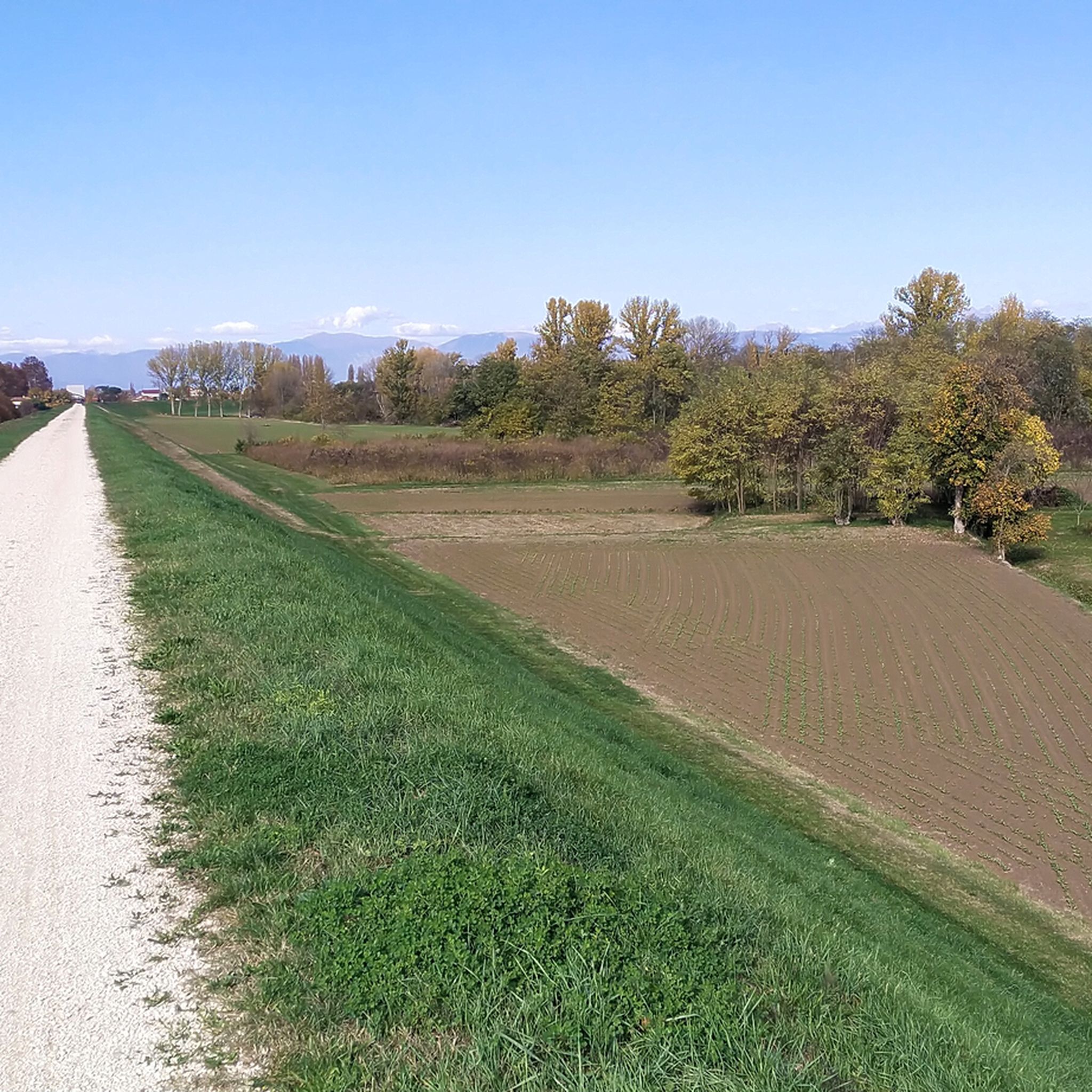
tv3 is endless it seems to never end, but it pedals well and without hiccups
0
0

The Tremacque bridge between the provinces of Treviso and Pordenone.
5
0
Some beautiful views of the city of Oderzo. https://it.wikipedia.org/wiki/Oderzo
5
0

A former port site, lovingly transformed into a park, with historical images. A must-see, and not just for historians.
2
0
Some suggestive corners of the beautiful city of Oderzo in the province of Treviso.
9
0
Beautiful pontoon bridge, there are few of them in Italy, which connects the towns of Fossalta di Piave and Noventa di Piave.
30
0
Beautiful pontoon bridge (one of the few in Italy) that connects Fossalta di Piave and Noventa di Piave.
32
0

Bridges at the confluence of two rivers: Livenza and Meduna, not far from each other.
2
0
Frequently Asked Questions
What historical sites can I explore around Ponte Di Piave?
Ponte Di Piave offers several historical sites. You can visit the Old River Port of Noventa di Piave, a park at the site of a 10th-century port. The Mosaic of the Baptistery of Peace commemorates the fallen of the Great War. Other notable sites include the House of Culture Goffredo Parise, various historic churches like San Bonifacio Martyr and San Nicolò, and an ancient pirogue recovered from the Piave River.
What cycling opportunities are available in the Ponte Di Piave area?
The region is excellent for cycling, with numerous paths along the Piave River. A popular option is the TV3 GiraMonticano Cycle Path, a 25 km route connecting Fontanelle to Motta di Livenza, which integrates with other regional routes. The 'grava' (riverbed) of the Piave River also features extensive cycle paths. For more challenging rides, you can explore various MTB trails or gravel biking routes, such as the Piave Vecchia Cycle Path.
Are there any family-friendly attractions or activities in Ponte Di Piave?
Yes, several attractions are suitable for families. The Old River Port of Noventa di Piave is a park with historical images, offering space for exploration. The Mosaic of the Baptistery of Peace is a significant monument that can be visited by all ages. Additionally, the numerous pedestrian and cycle paths along the Piave River provide safe and enjoyable outdoor activities for families.
What natural features define the landscape around Ponte Di Piave?
The landscape is primarily shaped by the Piave River and its 'grava' (riverbed), which is rich with pedestrian and cycle paths. The area also boasts extensive vineyards, numerous resurgence courses fed by the Piave basin, and woods with natural springs. You can also find an equipped botanical garden in the Negrisia area and the unique Palù area with its wet meadows.
Where can I find unique bridges or crossings near Ponte Di Piave?
You can experience the Fossalta di Piave Floating Bridge, a private pontoon bridge that allows crossing the Piave River. Another interesting spot is the Ponti di Tremeacque, a beautiful pedestrian and bicycle crossing consisting of two narrow, ancient steel cage bridges built in 1922, offering a unique contrast with the rural environment.
What is the significance of the Piave River in this region?
The Piave River is central to the region's identity, influencing its landscape, history, and economy. It defines the 'grava' riverbed with its paths, feeds the resurgence courses, and has been vital for trade, as seen with the ancient river port. The river also plays a role in the area's viticultural tradition, particularly for the 'Raboso Piave' wine, and holds historical significance related to the First World War.
Are there opportunities for wine tourism in Ponte Di Piave?
Yes, the area is renowned for its winemaking tradition, influenced by Benedictine monks since the 11th century. Visitors can explore numerous vineyards and taste local wines. The region is particularly known for 'Raboso Piave,' a precious red wine from an ancient indigenous vine that thrives along the Piave River banks.
What kind of running trails are available near Ponte Di Piave?
For runners, there are several options for moderate loops. You can find running trails starting from Negrisia, Ponte di Piave, Venetian Plain, and Levada, typically ranging from 8 to 10 kilometers. There's also a 'Piave River Beaches loop' from Ponte di Piave.
What is the House of Culture Goffredo Parise?
The House of Culture Goffredo Parise was the last home of the acclaimed writer Goffredo Parise and now functions as a museum. It preserves his archives, original furniture, and a valuable collection of contemporary art, featuring works by artists such as Schifano, De Pisis, Fioroni, Ceroli, and Chia, offering a glimpse into his life and artistic connections.
Can I find any historical churches in the Ponte Di Piave area?
Yes, the region is home to several historic churches. These include the beautiful Church of San Bonifacio Martyr in Levada, dating back to the 10th century, the 15th-century Oratory Church of the Addolorata di Borgo Sottotreviso, and the 17th-century Church of San Nicolò, which features a neoclassical style.
What is the best time to visit Ponte Di Piave for outdoor activities?
The mid-season (spring and autumn) is generally recommended for outdoor activities like cycling and walking. During these times, the weather is pleasant, and you can enjoy the paths along the Piave River and through vineyards without the intense heat of summer. Some cycle paths, like the TV3 GiraMonticano, are mostly on embankments without shade, making cooler seasons more comfortable.
Are there any areas for wildlife spotting or unique ecosystems?
The Palù Area, characterized by wet meadows and ditches, represents a unique ecosystem resulting from reclamation work by Benedictine monks in the 13th century. This area, along with the woods and springs, offers potential for observing local flora and fauna. The Piave River itself is also a natural habitat for various species.
Most popular routes around Ponte Di Piave
Most popular attractions around Ponte Di Piave

Get inspired with the komoot mobile app


Explore more
Still not found the Highlight you’re looking for? See guides of the top attractions in other regions:
