The best walks and hikes around Portobuffolè
4.3
(152)
853
hikers
59
hikes
Hiking around Portobuffolè offers exploration within a historic village setting in the province of Treviso, characterized by its location along the Livenza River. The region features tranquil countryside, ancient waterways, and gentle topography. These elements provide a serene backdrop for outdoor activities, with accessible paths suitable for various fitness levels. The area's natural environments and historical significance contribute to a rich hiking experience.
Best hiking trails around Portobuffolè
- The most popular hiking route is Mausoleum of Villa Varda loop from…
Last updated: July 9, 2026
3.8
(6)
93
hikers
3.58km
00:55
10m
10m
Easy hike. Great for any fitness level. Easily-accessible paths. Suitable for all skill levels.
4.0
(6)
28
hikers
11.1km
02:49
20m
20m
Moderate hike. Good fitness required. Easily-accessible paths. Suitable for all skill levels.

Sign up for free
4.5
(4)
15
hikers
4.85km
01:14
10m
10m
Easy hike. Great for any fitness level. Easily-accessible paths. Suitable for all skill levels.
12
hikers
5.94km
01:30
10m
10m
Easy hike. Great for any fitness level. Easily-accessible paths. Suitable for all skill levels.
4.0
(2)
5
hikers
9.04km
02:17
10m
10m
Moderate hike. Good fitness required. Easily-accessible paths. Suitable for all skill levels.
Get access to more routes and recommendations from other explorers.
Sign up for free
Already have an account?
Our route recommendations are based on thousands of hikes, rides, and runs completed by other people on komoot.
Start today with a free account
Your next adventure awaits.
Login or Signup

Tips from the Community

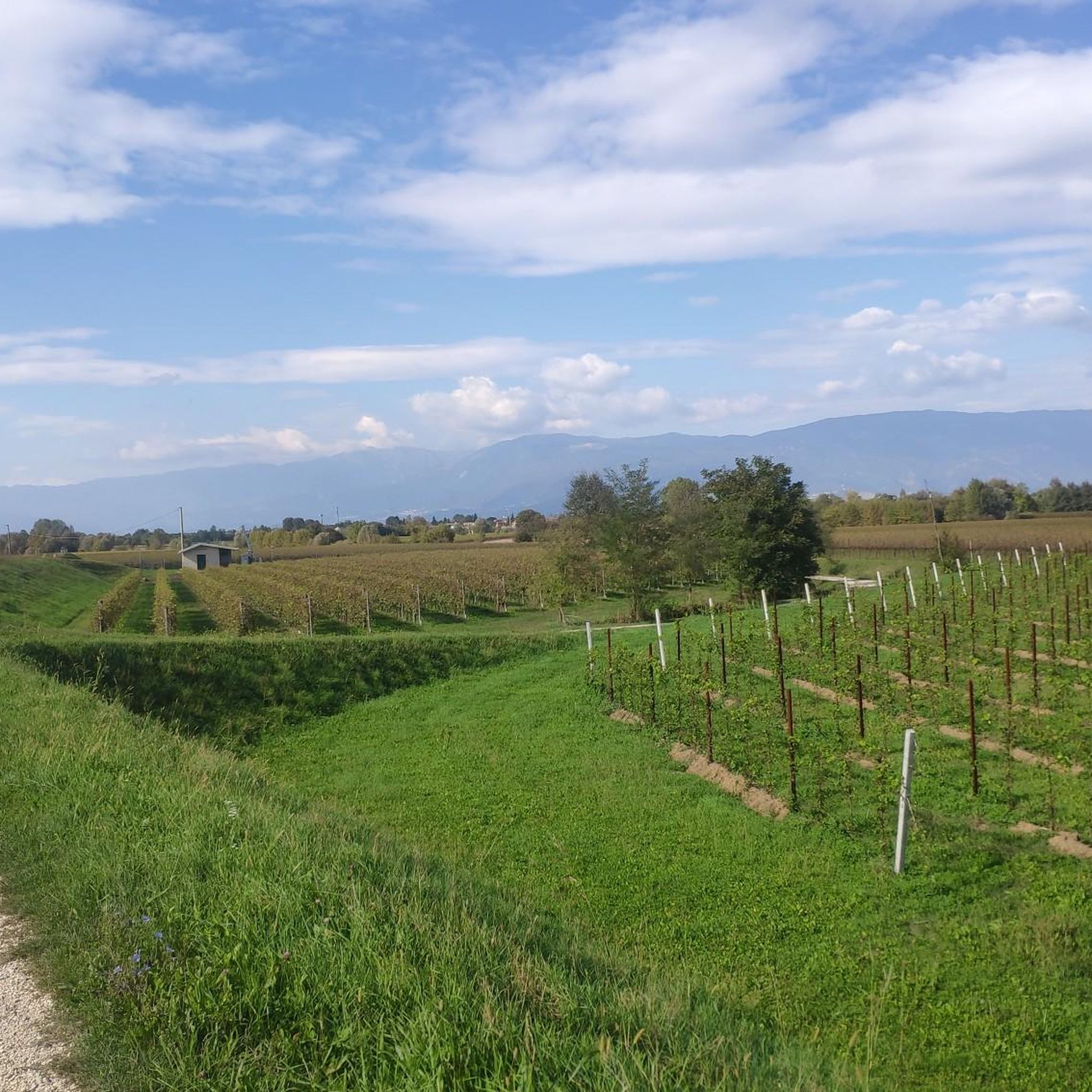
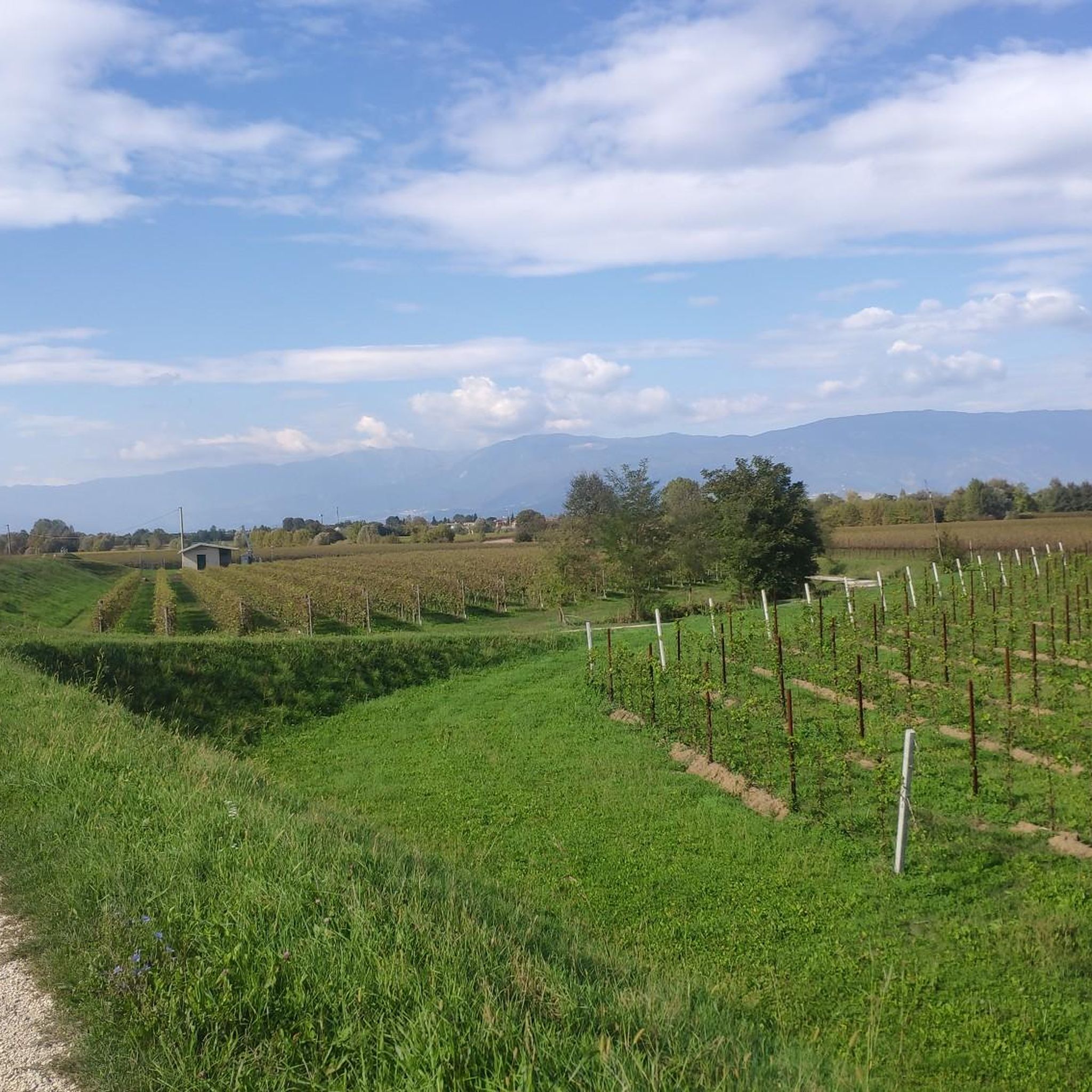
tv3 is endless it seems to never end, but it pedals well and without hiccups
0
0

Villa Varda is a Venetian villa located in the municipality of Brugnera (PN). The name Varda (Guarda) has Germanic origins, designating an observation post, aptly suited to this location on the left bank of a wide bend of the Livenza River. The structure dates back to the 15th century, when the noble Mazzoleni family from Bergamo acquired vast tracts of land in the area and built their residence there. In 1670, Fabio Mazzoleni, the last erudite member of the family, annexed a chapel to the villa, nestled in the greenery of the park, in which he planned his own burial place. Due to lack of heirs, the villa was left to Ottavio Negri, Fabio's uncle, but later passed to numerous owners, including the Morpurgos. In the mid-19th century, this family, in addition to restoring the buildings, also gave the park its current appearance, at Charles's behest, in keeping with the then-current trend for English-style parks. From 2016 to 2017, the complex underwent restoration work by the Maccan family. The architectural restoration has provided a splendid and functional space for public use, perfect for cultural initiatives. Villa Varda appears as a stately home immersed in its large park, which extends along the banks of the Livenza River. The property retains architecturally valuable structures: an orangery topped by a stone balustraded terrace, a neo-Gothic chapel, an icehouse (remodeled in 1932, when a crenellated tower was added), and a mausoleum serving as a burial site. The park currently features a diverse array of trees that differ from the original layout, with many centuries-old imported specimens. Among the trees, noteworthy are a libocedron (Libocedrus decurrens) growing in front of the villa, a pagoda tree (Sophora japonica) on the riverbank, some photina (Photinia serrulata), some Virginia junipers (Juniperus virginiana), and Nepalese pines (Pinus wallichiana). https://www.villavarda.it/
1
0

Villa Toderini, Villa Toderini De Gajardis Ferracini Jelmoni Ton Bonicelli, is a Venetian villa in Codognè (TV), located in the center of the Borgo Municipio area. Villa Toderini dates back to the 18th century, when the noble Toderini de Gagliardis family entrusted the project probably to Gerolamo Frigimelica. The villa is remembered for having hosted Ugo Foscolo, who composed poems in Codognè. Today, in excellent condition, Villa Toderini is a private residence, which can only be visited externally, by appointment.
14
0
The center of Lutrano. https://it.m.wikipedia.org/wiki/Lutrano
21
0
A graceful chapel built in Villa Varda.
13
0
Villa Toderini (full name: Villa Toderini De Gajardis Ferracini Jelmoni Ton Bonicelli) is a Venetian villa in Codognè (TV), located in the center of the Borgo town hall. It dates back to the eighteenth century, when the noble Toderini de Gagliardis family probably entrusted the project to Gerolamo Frigimelica. Even if certain documents are lacking, scholars still favor the paternity of Gerolamo Frigimelica, of which that of Codognè would be the only villa designed and completed. The villa is remembered for hosting Ugo Foscolo, who composed poems in Codognè.
23
0
The church of Lutrano has been called "ancient" since 1500. The current church was enlarged and restored between 1832 and 1850. Two naves were added to the church in 1913, by Vincenzo Rinaldo. In 1918, after the Austrian invasion, the bell tower was undermined: a third of the aisle was ruined, the baptistery broken, two large doors were broken, the doors of the sacristy and all the windows; the walls of the wings are broken in various parts and pieces of the floor and ceiling are missing. The bell tower was rebuilt higher than the old one and in Romanesque style, 55 meters high (among the highest in the area).
25
0

Shortly before arriving in Codognè you come across a stupendous 18th century villa which deserves a stop: Villa Toderini. https://it.wikipedia.org/wiki/Villa_Toderini
3
0
Frequently Asked Questions
How many hiking trails are available around Portobuffolè?
There are over 50 hiking routes available around Portobuffolè, offering diverse options for exploration. These include 32 easy routes, 23 moderate routes, and 1 more challenging trail.
What types of landscapes can I expect to see while hiking near Portobuffolè?
Hiking around Portobuffolè offers a mix of riverside paths along the Livenza River and open countryside views. The region is characterized by pleasant natural environments and a rich historical backdrop, providing a blend of nature and culture.
Are there any easy, family-friendly hiking options in the area?
Yes, Portobuffolè offers several easy routes suitable for families. An excellent option is the Mausoleum of Villa Varda loop from Brugnera, which is 3.5 km long and takes about 53 minutes to complete, exploring scenic surroundings with minimal elevation gain.
Can I find circular hiking routes around Portobuffolè?
Many of the trails around Portobuffolè are designed as loops, allowing you to start and end in the same location. For example, the Mausoleum of Villa Varda loop from Maron is a moderate 10.7 km trail that takes you through countryside paths.
What historical landmarks or attractions can I see along the hiking trails?
The region is rich in history. You can combine your hike with cultural exploration, such as the Oderzo – Archaeological Area Roman Forum loop from Fontanelle, which passes through varied landscapes and historical sites. Within Portobuffolè itself, you can explore the Civic Tower and the historic Duomo.
What do other hikers say about the trails in Portobuffolè?
The trails in Portobuffolè are highly rated by the komoot community, with an average score of 4.1 stars from over 140 reviews. Hikers often praise the well-maintained paths and the blend of natural beauty with historical interest.
Are there any trails that pass by notable villas or estates?
Yes, several routes explore the surroundings of historic villas. The Villa Toderini loop from Codognè is a moderate 9 km option, and multiple trails, like the Mausoleum of Villa Varda loop from San Cassiano di Livenza, take you near the Villa Varda Mausoleum.
Is Portobuffolè a good destination for combining hiking with other outdoor activities?
Absolutely. Besides hiking, the region is popular for cycling. The TV3 GiraMonticano cycle-pedestrian path, for instance, offers a 25 km itinerary that connects to other local routes, allowing you to discover the natural beauty along the Livenza and Meduna rivers.
What is the best time of year to go hiking in Portobuffolè?
Portobuffolè offers pleasant hiking conditions for much of the year. Spring and autumn generally provide mild temperatures and beautiful scenery, ideal for exploring both the natural paths and the historic village. Summer can be warm, but riverside trails offer some respite.
Are there options for parking near the trailheads in Portobuffolè?
Given Portobuffolè's designation as one of 'The Most Beautiful Villages of Italy,' parking facilities are typically available to accommodate visitors. Specific parking details for individual trailheads can often be found on the respective route pages on komoot.
Can I reach Portobuffolè and its hiking trails using public transport?
Portobuffolè is a well-regarded village, and while specific public transport links to every trailhead might vary, the village itself is accessible. For detailed public transport information to Portobuffolè, it's advisable to check local bus schedules for the Treviso province.
Most popular routes around Portobuffolè
Most popular attractions around Portobuffolè

Get inspired with the komoot mobile app


Explore more
Browse the best Hikes in other regions.
