The best running trails around Fregona
4.4
(7)
454
runners
33
runs
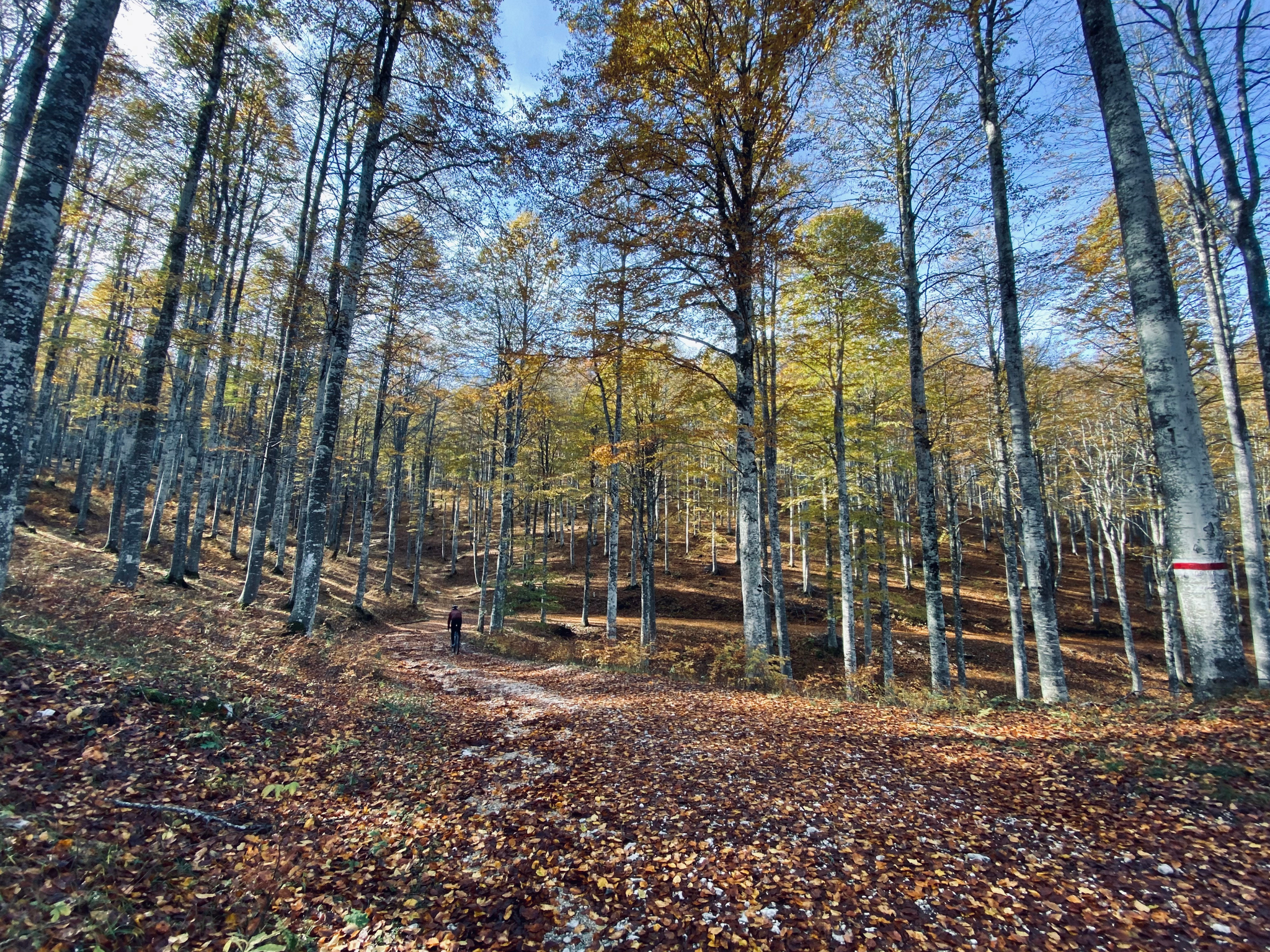
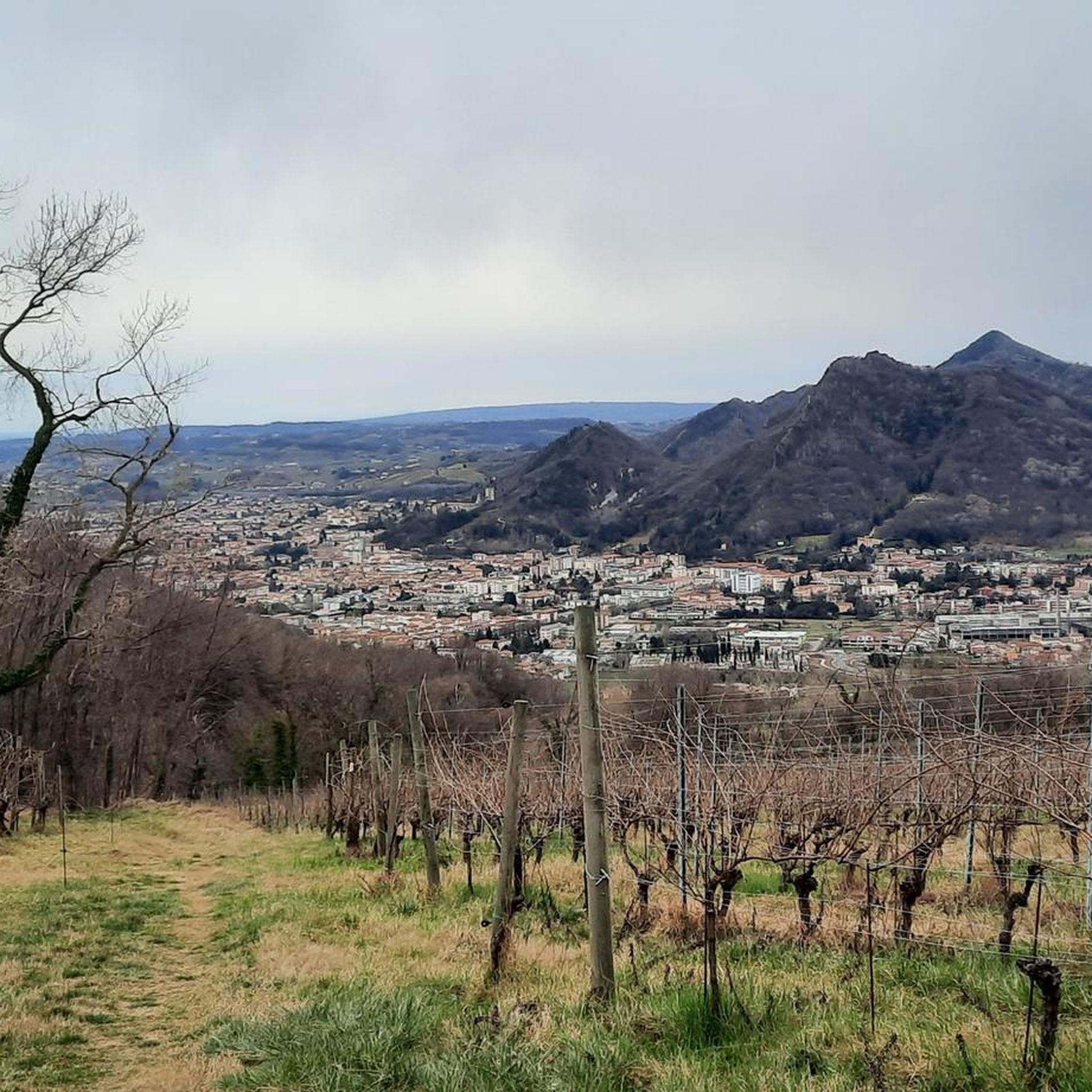
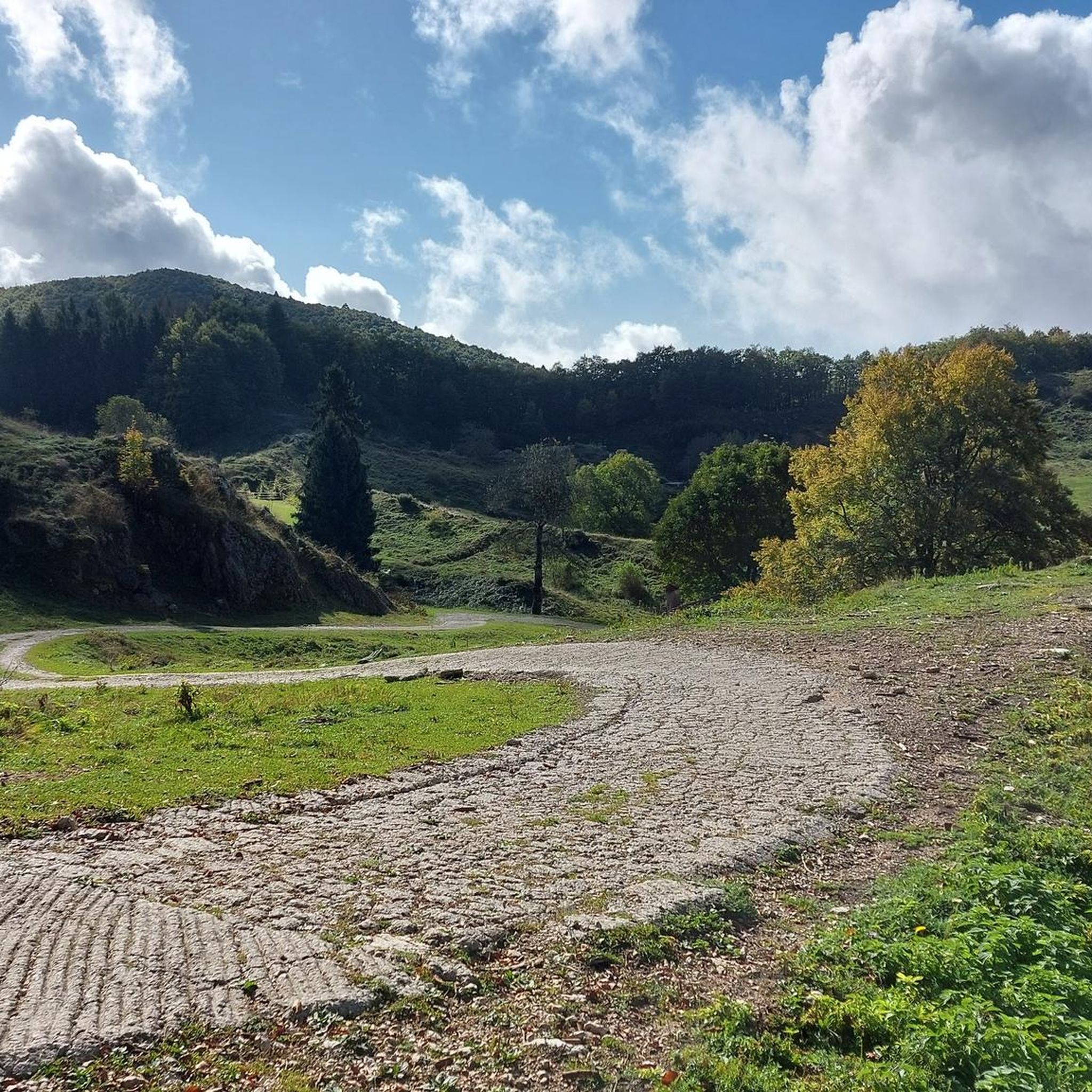
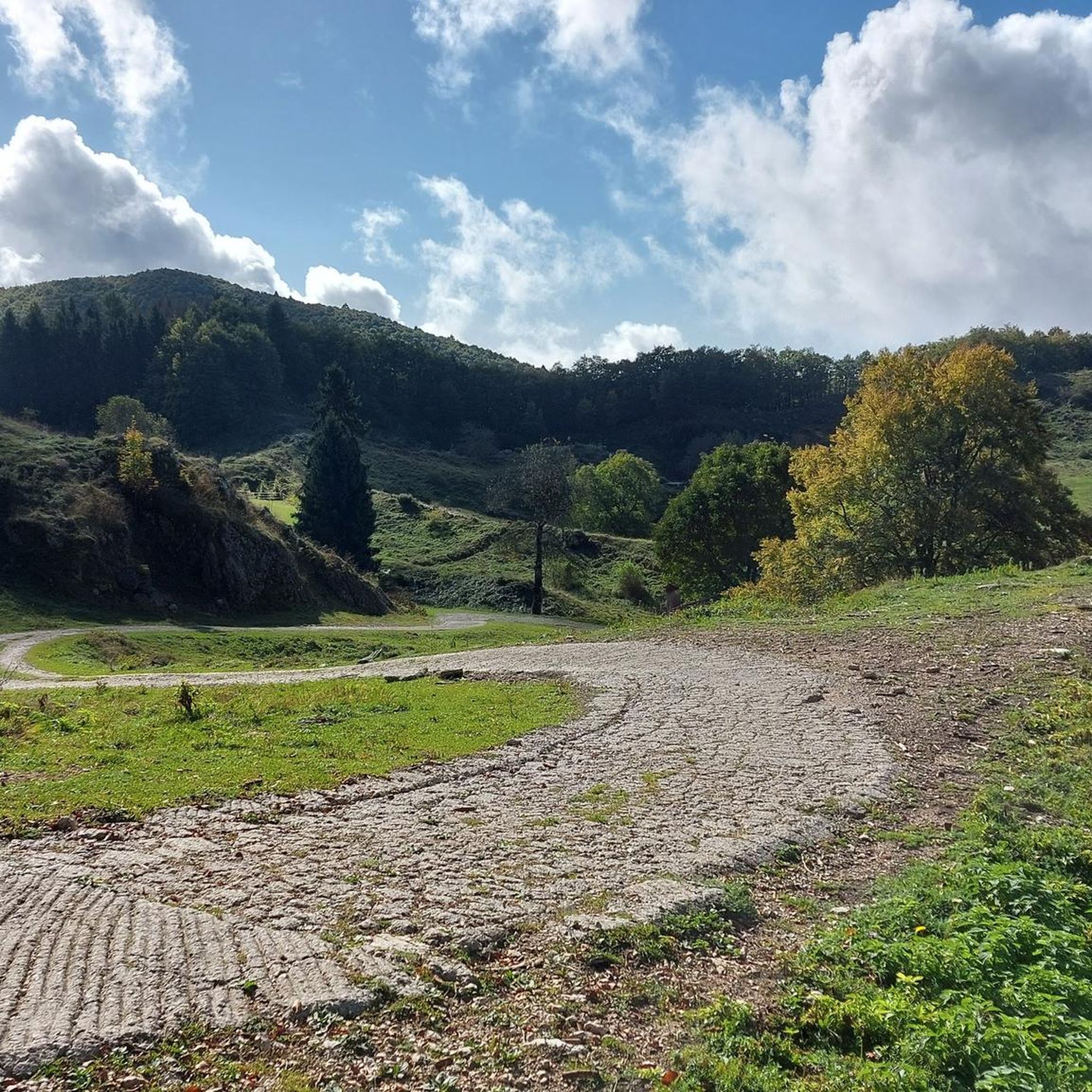
Jogging around Fregona offers diverse natural landscapes, characterized by extensive forests, picturesque lakes, and varied terrain. The region features numerous trails that wind through captivating natural areas, providing a scenic backdrop for physical activity. From challenging ridge paths to comfortable forest tracks, Fregona's geography supports a range of running experiences.
Best jogging routes around Fregona
- The most popular jogging route is Monte Pizzoc Nature Trail H3, a 2.9 miles (4.6 km) trail that takes 53 minutes to complete. This…
Last updated: October 10, 2026
1
runners
4.61km
00:53
310m
310m
Jogging the difficult 2.9-mile Monte Pizzoc ring tour offers panoramic views from Piazza della Pace and a challenging 1002 feet of elevation
5.0
(2)
42
runners
17.1km
03:10
1,290m
1,290m
Hard run. Very good fitness required. Sure-footedness, sturdy shoes and alpine experience required.

66
runners
26.1km
03:27
570m
570m
Hard run. Very good fitness required. Sure-footedness, sturdy shoes and alpine experience required.
36
runners
Hard run. Very good fitness required. Sure-footedness, sturdy shoes and alpine experience required.
26
runners
18.5km
02:46
1,150m
1,150m
Hard run. Very good fitness required. Sure-footedness, sturdy shoes and alpine experience required.
Get access to more routes and recommendations from other explorers.
Already have an account?
Our route recommendations are based on thousands of hikes, rides, and runs completed by other people on komoot.
Start today with a free account
Your next adventure awaits.


Other adventures around Fregona

Tips from the Community

Its history intertwines nature, folklore, and wartime events: 1. The formation and legend of "will-o'-the-wisps" The name Bus de la Lum derives from a mysterious phenomenon that for centuries fueled legends and popular tales. The folklore: Shepherds and locals told of strange little flames or bluish glows that danced above the cave entrance during summer nights. Popular belief attributed these lights to the presence of witches (eàne or anguane) or restless spirits. The scientific explanation: In reality, the cave had been used since time immemorial to dispose of the carcasses of animals that died on the plateau's farms. The decomposition of organic matter generated methane and hydrogen phosphide gases which, upon contact with air, produced small and harmless will-o'-the-wisps. 2. The events of the Second World War Between 1943 and 1945, the Cansiglio Plain was a strategic stronghold of the Italian Resistance, garrisoned by partisans of the "Garibaldi" Brigade (and other local formations) against the Nazi-Fascist occupying forces. During the harshest phases of the conflict and in the dramatic months of roundups and executions at the end of the war, the Bus de la Lum was used as a natural mass grave. The bodies of German soldiers, fascists, and Republicans captured in combat or roundups, as well as civilians accused of collaborationism or espionage, were thrown into the chasm. In the post-war period, amidst explorations and speleological recoveries, the cavity was the subject of heated historiographical and political debates regarding the precise number and identities of the people who fell into the well. 3. The site today Today the Bus de la Lum is recognized as a place of memory. The entrance to the abyss is protected and fenced for safety reasons, flanked by a large metal cross and a plaque in memory of all the nameless fallen.
0
0

The Cansiglio Forest hides a myriad of sinkholes, pits, and swallow holes of all sizes, due to the karst morphology of the territory: the rain dissolves the limestone rock, slowly but inexorably forming these natural chasms and fissures on the ground. The Bus de la Lum is an abyss characterized by a single large vertical entrance shaft 180m high, which then develops into a very large and articulated underground complex. The depth of the shaft is best appreciated out of season, because in summer the lush vegetation tends to partially obscure the view. According to ancient beliefs, it is the dwelling of the Anguane or Anduane, fierce and evil witches, toothless, with long rusty nails instead of hair and sharp fangs, who kidnapped and ate children! They gathered at the bottom of the cave, lighting fires, whose glows rose to the surface, visible at night to the shepherds of the area: hence the name 'Buco della Luce' (Hole of Light). In reality, the legend has a grain of truth: on hot summer nights, will-o'-the-wisps could indeed be formed by the decomposing carcasses of livestock dead from illness, which it was customary to throw into the Buso. During World War II, the cavity was sadly used by partisans as a foiba, to dispose of the bodies of fascists and nazis, but also of civilians: over the years, several bodies and bones have been found during explorations. https://it.wikipedia.org/wiki/Bus_de_la_Lum
0
0
The Cimbri population, of Germanic origin, settled in the Venetian mountains as early as the Middle Ages, also reaching the Asiago Plateau. Between the late 18th and 19th centuries, some families moved from here to Cansiglio, attracted by the great availability of timber and the job opportunities offered by the forest. The Cimbri were indeed skilled woodcutters and artisans. Thus, several small settlements were born, including Vallorch, founded in 1850. It is today the best-preserved and reconstructed village, after having been destroyed during both the First and Second World Wars, and it preserves the characteristic wooden houses with typical Nordic architecture. https://it.wikipedia.org/wiki/Vallorch
0
0

The Chapel of San Floriano, located at an altitude of 1,176 meters on the Cadolten karst plateau, is a small and evocative sacred building nestled among the pastures and woods of Cansiglio. This small church, reachable through pleasant hikes starting from Passo della Crosetta or Monte Pizzoc, represents a precious testimony to the area's historical pastoral vocation and the deep religiosity that once bound the shepherds to the territory during the alpine grazing period. The building is dedicated to Saint Florian, traditionally invoked as a protector against fires. This devotion was fundamental for the local shepherds, whose huts ('casere') and dwellings ('casoni'), characterized by wooden and reed roofs, were extremely vulnerable to fire. Today, the chapel is a beloved destination for hikers and cyclists seeking peace, nature, and historical memory.
1
0

Together with Pian Cansiglio and Cornesega, Valmenera is one of the three depressions that make up the central part of the Cansiglio Plateau. The largest in terms of area. This evocative basin is particularly known for its cold microclimate, where record thermal inversions are recorded with temperatures that, in the winter months, can drop to extreme levels. A historical peak was reached in March 2005, when ARPA Veneto analyses recorded a temperature of -35.4°C. Located in the municipal territory of Tambre (BL), it has a wide and flat bottom, called Piano di Valmenera. It represents a typical polje, whose slopes are largely covered by arboreal vegetation; the western slopes, on the other hand, are characterized by meadows, with rather degraded herbaceous vegetation, due to exploitation in the form of mowing and grazing. The dairy farm of the same name, which today operates as a farm stay, is in fact surrounded by 74 hectares of meadows used for grazing its own livestock. Up to here, through the Campon valley, came a tongue of the ancient and vast Piave Glacier. The Piano di Valmenera and part of the basin are part of the "Pian di Landro-Baldassarre" Oriented Nature Reserve.
3
0
La Briglia (or Le Briglie) is a locality north of Sonego, at the end of Via Cal de Casal. It is a geographical landmark that takes its name from the water intake works on the Carron stream, the starting point of numerous trails on the southern slope of Mount Pizzoc. A convenient parking area is located here.
1
0

Very beautiful if the sky is clear, very suggestive if it is cloudy
0
0

Pizzoc is a mountain in the Treviso Prealps. It reaches 1,565 meters above sea level, making it one of the highest points in the municipality of Fregona and the province of Treviso, to which it belongs.
0
1
Frequently Asked Questions
How many running routes are available around Fregona?
Fregona offers a wide selection of running routes, with over 40 trails to explore. These routes cater to various fitness levels, providing diverse options for your outdoor adventures.
Are there challenging running trails in Fregona for experienced runners?
Yes, Fregona is known for its more demanding trails. The majority of routes, over 30, are classified as difficult. For instance, the Candaglia Forest Road – Valmenera loop from Capanna Genziana is a challenging 26 km run with significant elevation gain, perfect for those seeking a rigorous workout.
What kind of natural scenery can I expect on the jogging routes in Fregona?
Jogging in Fregona immerses you in diverse natural landscapes. You'll find extensive beech forests, picturesque lakes like Lake Santa Croce and Lake Morto, and captivating natural caves such as Grotte del Caglieron. Many routes offer scenic views, including the View of the Pian del Cansiglio – Vallorch Cimbrian Village loop.
Are there any circular running routes in the Fregona area?
Yes, many of the running routes in Fregona are circular, allowing you to start and end at the same point. Examples include the challenging Monte Pizzoc Nature Trail H3 and the Agnelezza Ridge loop from Osigo, which both offer varied terrain and stunning views.
What are some notable landmarks or attractions I might see while running in Fregona?
Beyond the natural beauty, you can encounter various points of interest. The region features natural caves like Grotte del Caglieron and the Source of the Gorgazzo. Some routes also pass by mountain huts, such as the Vallorch Alpine Hut, offering a glimpse into the local culture and history.
What is the best time of year for running in Fregona?
Fregona offers enjoyable running conditions across multiple seasons. The extensive forests, particularly the beech woods, provide pleasant shade in warmer months. However, given the challenging nature of many trails, spring and autumn often provide ideal temperatures and vibrant scenery for exploring the region's diverse terrain.
Are there any long-distance running options in Fregona?
Absolutely. For those looking for longer runs, Fregona has several routes that extend over 10 kilometers. The Candaglia Forest Road – Valmenera loop, for example, is a substantial 26 km trail, while the View of the Pian del Cansiglio – Vallorch Cimbrian Village loop covers nearly 17 km, offering endurance challenges amidst beautiful landscapes.
Can I find places to eat or rest near the running trails?
Yes, Fregona and its surroundings offer options for refreshments and rest. You can find various huts and restaurants, such as the La Casera Restaurant by Pippo or the Vallorch Alpine Hut, which are often located near popular routes or within easy reach, providing a perfect stop during or after your run.
What do other runners say about the trails in Fregona?
The running routes in Fregona are highly regarded by the komoot community, boasting an average rating of 4.6 stars from over 580 runners. Users frequently praise the varied terrain, the immersive forest experiences, and the challenging nature of the trails, making it a rewarding destination for outdoor enthusiasts.
Are there any running routes that offer panoramic viewpoints?
Many trails in Fregona provide stunning panoramic views, especially those that traverse ridges or higher elevations. The View of the Pian del Cansiglio – Vallorch Cimbrian Village loop is specifically highlighted for its scenic vistas, allowing runners to enjoy expansive landscapes during their activity.
What makes Fregona a unique destination for running?
Fregona stands out for its unique combination of diverse natural features. The region offers a blend of challenging ridge paths, serene forest tracks through ancient beech woods, and picturesque lakes. This variety, coupled with historical and natural attractions like the Grotte del Caglieron, provides a rich and engaging experience for runners of all levels.
Most popular routes around Fregona
Most popular attractions around Fregona

Get inspired with the komoot mobile app


Explore more
Browse the best Running Trails & Routes in other regions.
