The best cycling routes around Strass im Zillertal
4.6
(4490)
38,856
riders
252
rides
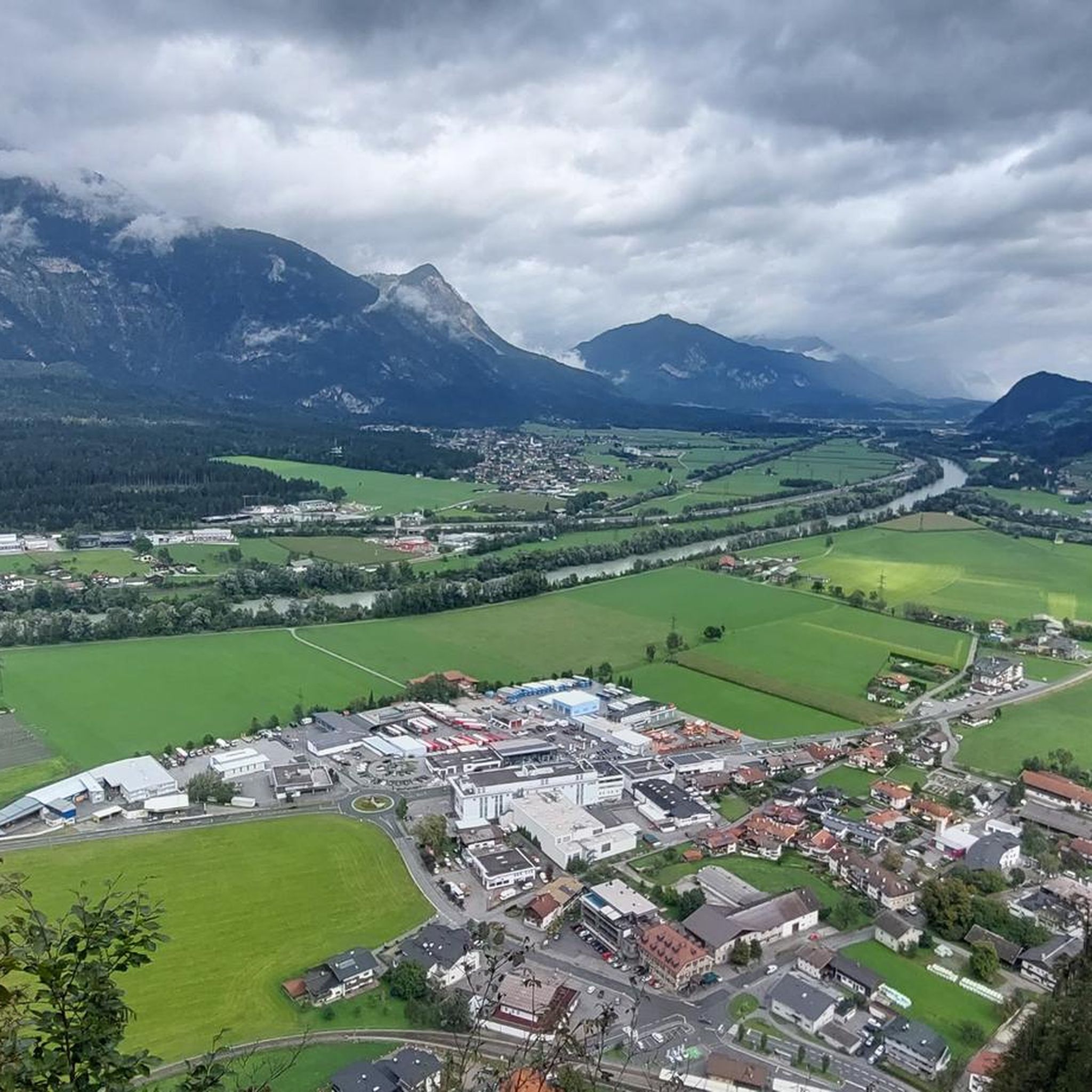
Touring cycling around Strass im Zillertal is characterized by its location at the entrance to the Ziller Valley, offering routes that follow the Ziller River. The terrain primarily features a wide valley floor, flanked by rising mountain slopes. Dedicated cycle paths are common, providing accessible routes through agricultural land and past small villages. This region provides a mix of relatively flat valley trails and more challenging ascents into the surrounding hills.
Best touring cycling routes around Strass im Zillertal
- The…
Last updated: October 8, 2026
4.7
(122)
916
riders
30.6km
01:53
120m
20m
Easy bike ride. Great for any fitness level. Mostly paved surfaces. Suitable for all skill levels.
4.5
(60)
418
riders
Moderate bike ride. Good fitness required. Mostly paved surfaces. Suitable for all skill levels.

4.7
(15)
275
riders
54.3km
03:53
990m
990m
Hard bike ride. Very good fitness required. Mostly paved surfaces. Suitable for all skill levels.
4.9
(14)
161
riders
60.7km
04:27
1,120m
1,120m
Hard bike ride. Very good fitness required. Mostly paved surfaces. Suitable for all skill levels.
4.6
(13)
139
riders
36.2km
02:32
540m
540m
Hard bike ride. Very good fitness required. Mostly paved surfaces. Suitable for all skill levels.
Get access to more routes and recommendations from other explorers.
Already have an account?
Our route recommendations are based on thousands of hikes, rides, and runs completed by other people on komoot.
Start today with a free account
Your next adventure awaits.
Popular around Strass im Zillertal
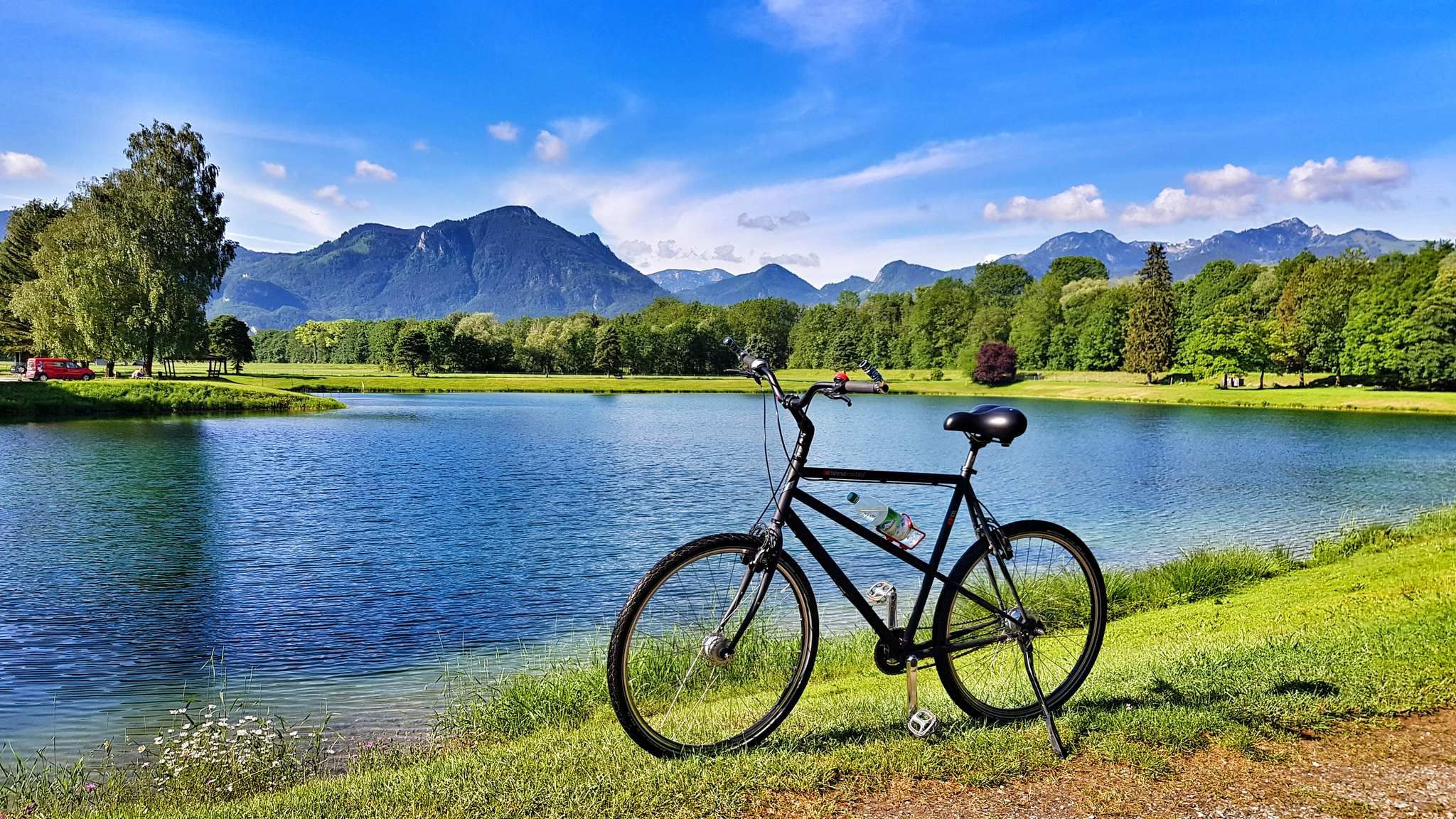
The Inn Cycle Path – From a babbling brook to a mighty river
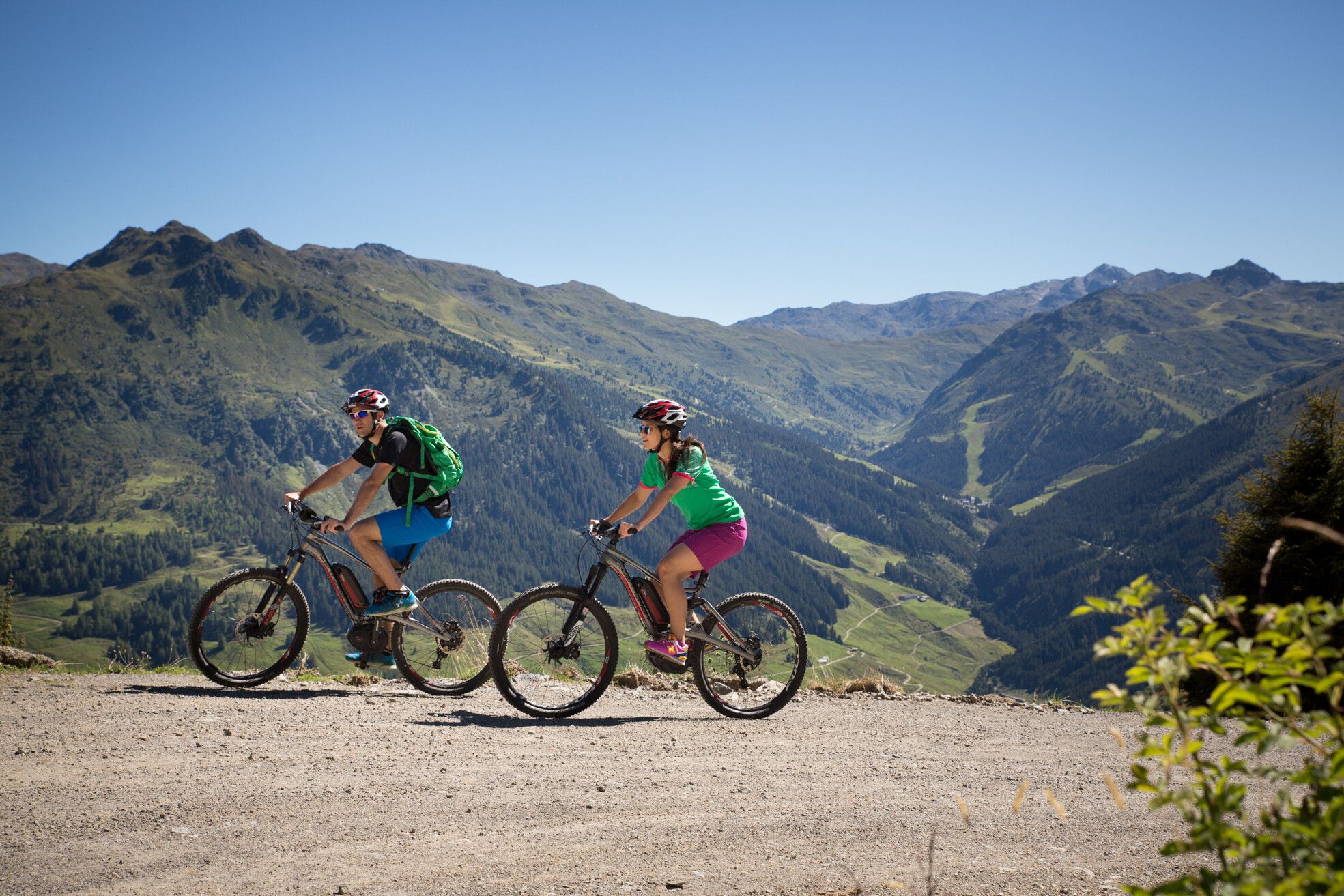
MTBing in Austria’s Zillertal Valley – explore the Fügen-Kaltenbach region
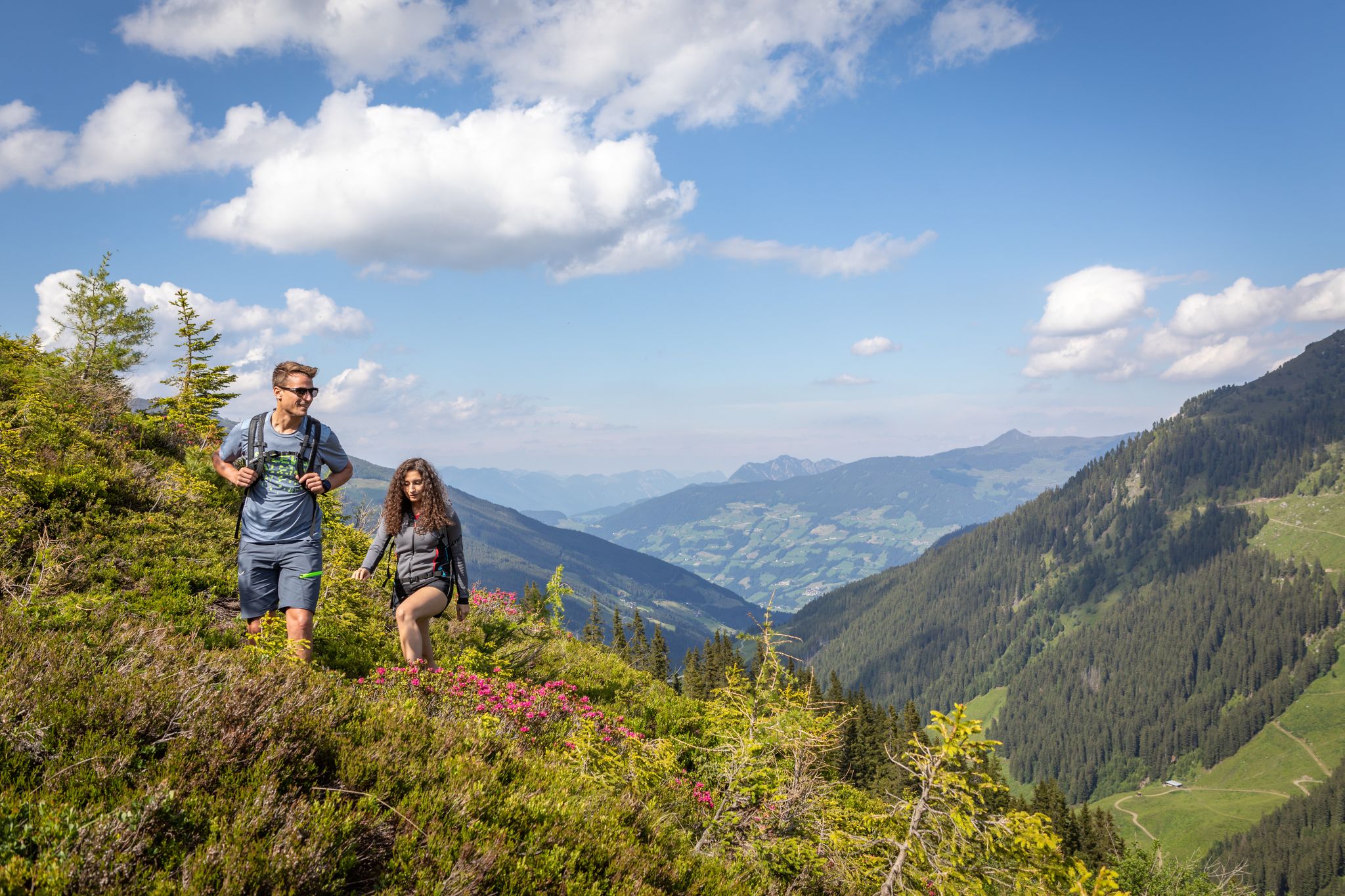
15 hikes in Austria’s Zillertal Valley – exploring the Fügen-Kaltenbach region
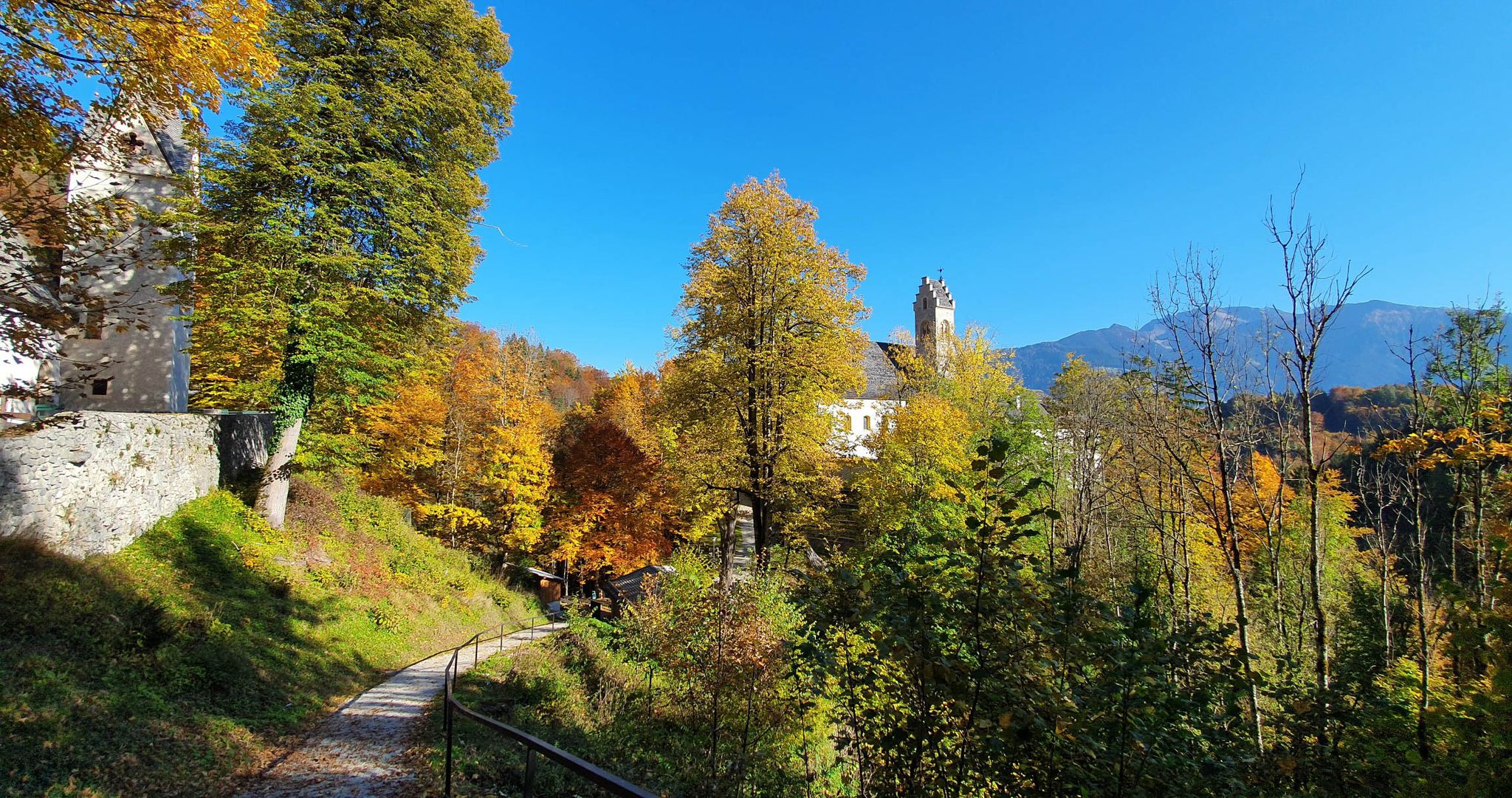
Vibrant colours and epic views – autumn in the Inn and Ziller valleys
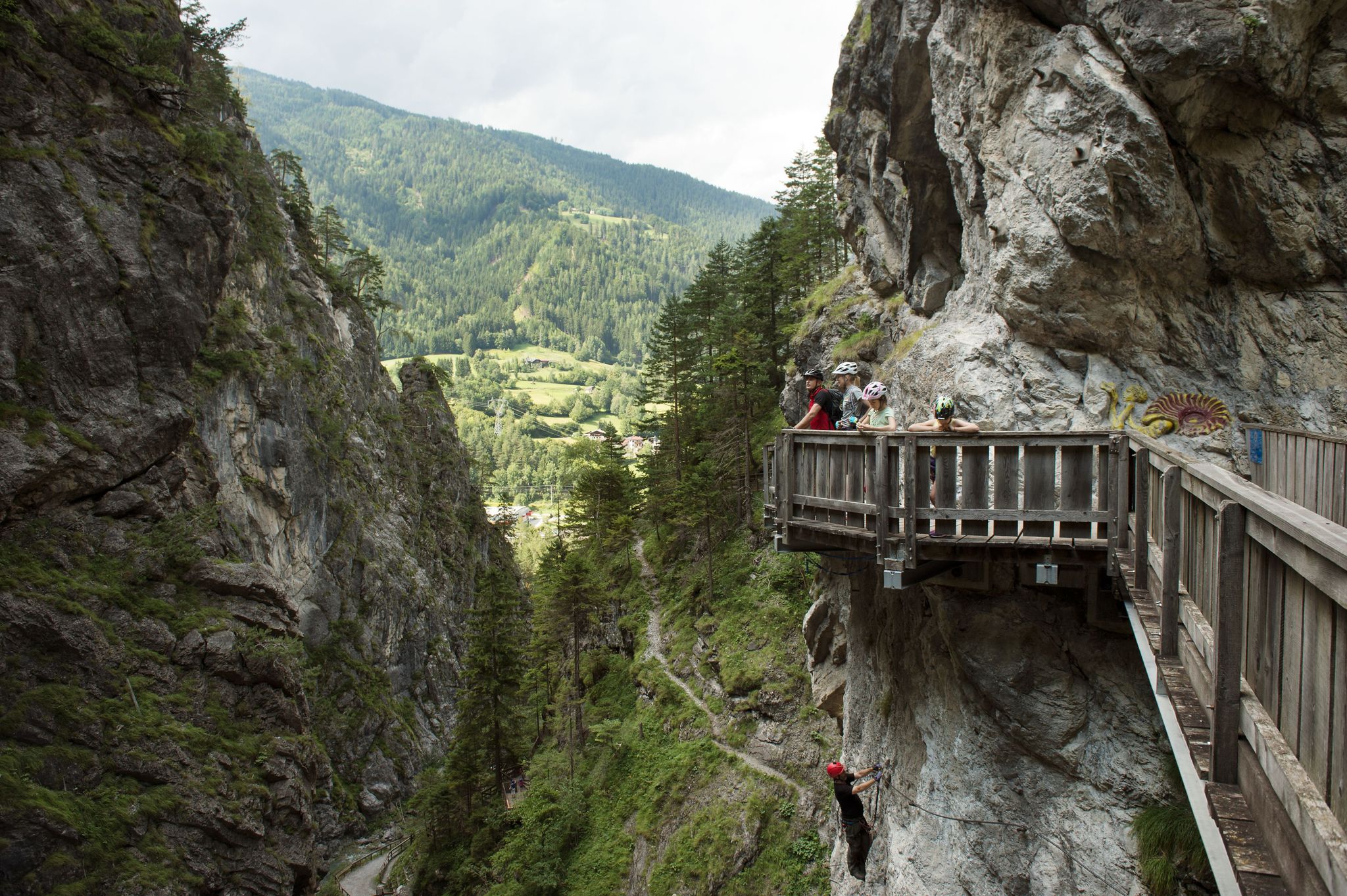
Natur, Spaß und Erholung – Radtouren für Familien in Tirol
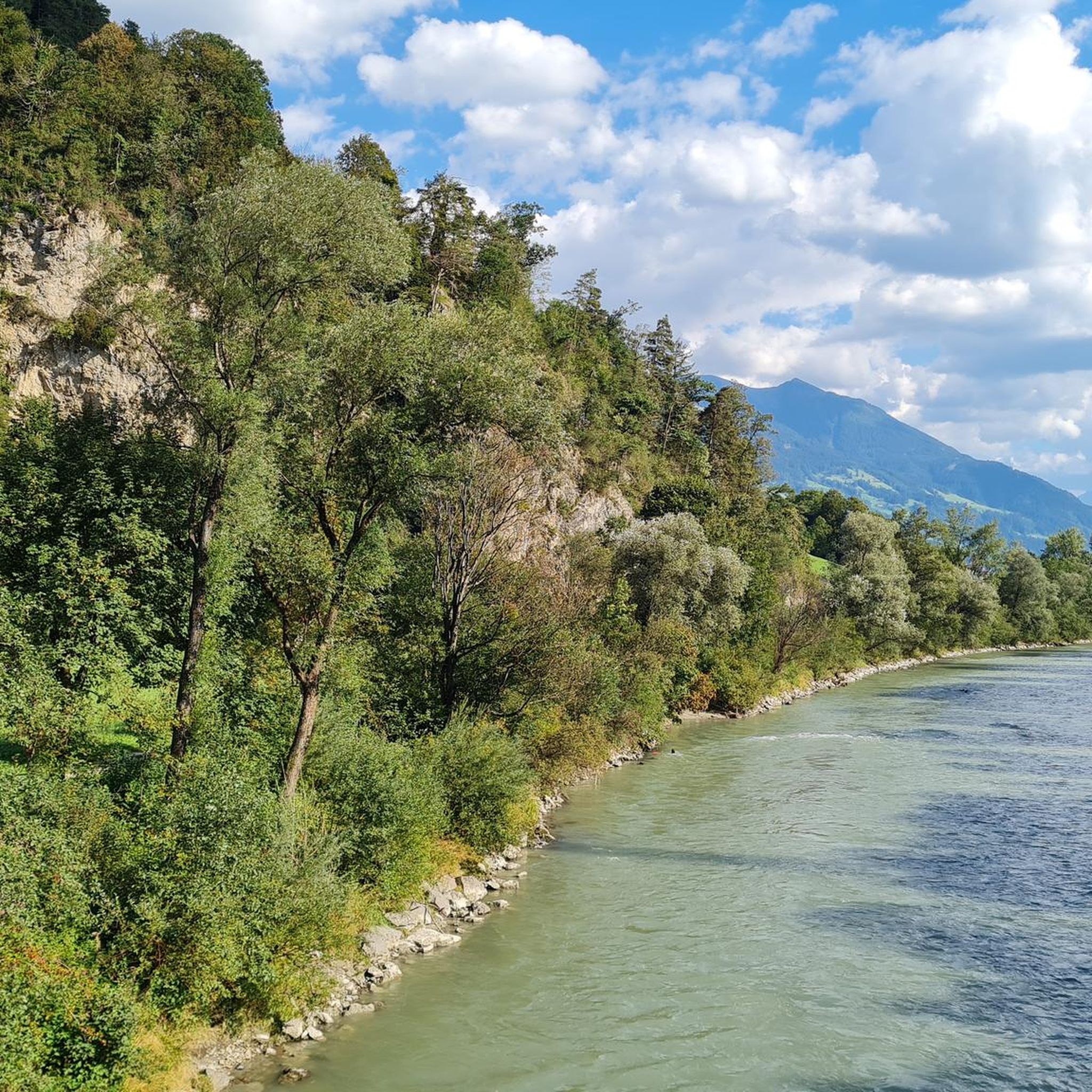
MTB Trails around Strass im Zillertal
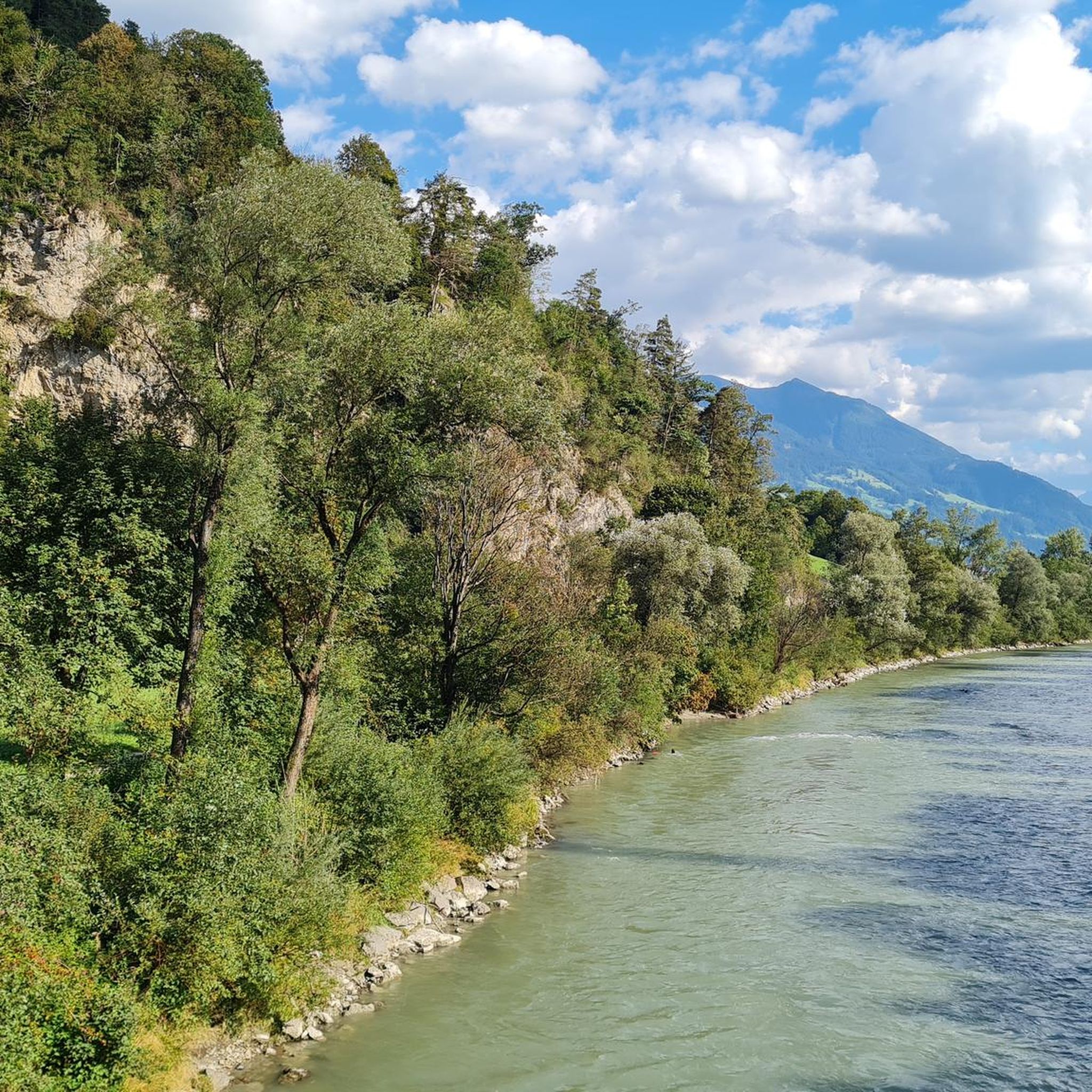
Hiking around Strass im Zillertal
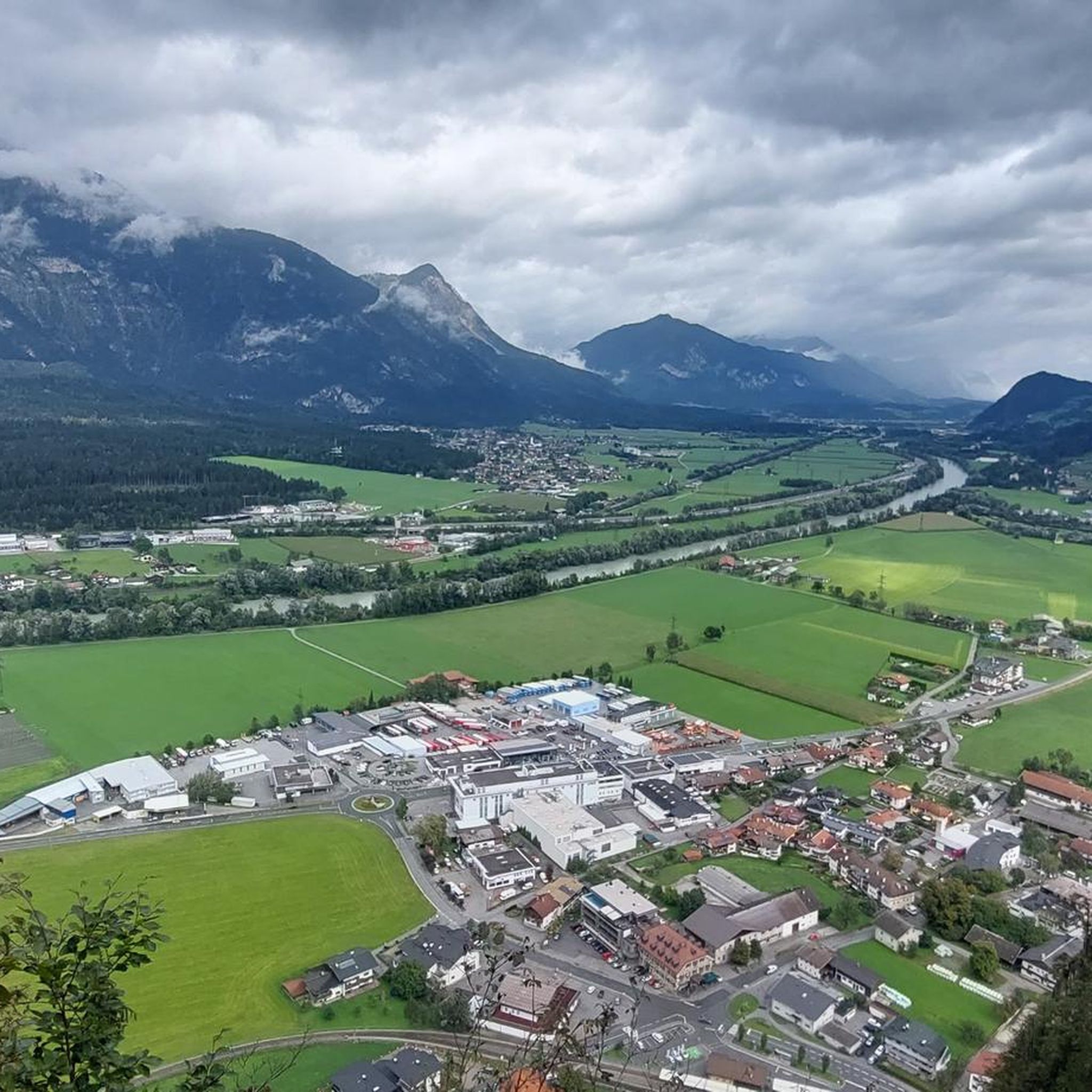
Road Cycling Routes around Strass im Zillertal

Gravel biking around Strass im Zillertal
Running Trails around Strass im Zillertal
Other adventures around Strass im Zillertal


Tips from the Community

The Ache river offers many attractions: especially the Kaiserklamm with its spectacular gorge is worth seeing. In many places, people also like to come just to swim, to cool off with their feet in the water. There is always information about the historical drift - the transport of wood via water - and of course also culinary stop-off points.
0
0

Kloster St. Martin in Gnadenwald That St. Martin in Gnadenwald was chosen as one of our places of power is actually self-evident. When you arrive there, you can already feel the special aura of this place. First and foremost, St. Martin is a place of recreation - both physical and spiritual. In our fast-paced times, "coming to rest" is extremely important. The Cretan or classical stone labyrinth located to the left below the monastery is a symbol of the human life path. Labyrinths have existed in many cultures for more than 5000 years and are shaped by the need for inner peace and a sense of home. Text / Source: Hall-Wattens Tourismus, Unterer Stadtplatz 19, Hall in Tirol https://www.hall-wattens.at/de/st-martin-in-gnadenwald.html
14
0
History of St. Martin in Gnadenwald As early as the 11th century, a hunting lodge with a chapel in honor of St. Martin is said to have stood on the site of the present-day monastery. The first documented mention dates from 1337 in a will of the Tyrolean master of the hunt, Heinrich von Rottenburg. A second mention occurred in 1382. Around the same time or not long after, a hermitage was also founded here, inhabited by two lay brothers. The daughter Magdalena Getzner of the wealthy Hall citizen Jörg Perl entered the monastery of St. Magdalena in Halltal together with her daughter in 1486. This was possible because her father donated a considerable sum annually to the monastery of St. Magdalena. The daughter of Magdalena Getzner, also named Magdalena, had health problems, probably a mental disability, which is why the bishop allowed her to leave the monastery of St. Magdalena and settle in a healthy location in monastic habit. Magdalena Getzner and her daughter now chose St. Martin in Gnadenwald as their new place of residence. This is evidenced by a document from 1497 from the parish archive of Baumkirchen. In addition, some sisters followed them to St. Martin, so that a monastery was established there, of which Magdalena Getzner the Elder became the abbess. On October 7, 1520, the Augustinian monastery in St. Martin in Gnadenwald burned down. The 30 nuns found refuge in the St. Salvator chaplaincy in Hall and remained there until 1566. The era of the Peasants' Wars and the Reformation was not an age for rebuilding burnt-down monasteries. Thus In 1826, the entire church was renovated, and in 1836 it received a new high altar with an altarpiece, presumably by Arnold Schöpf. The frescoes by Milldorfer remained. During the Nazarene period, the small monastery received its Christmas nativity scene with figures over 80 cm tall. In 1935, the Tertiary Sisters from Hall moved into the long-vacant cells and have run a guesthouse for visitors there since 1939. This was a valuable place of refreshment for pilgrims during their journey. Unfortunately, the rental business was discontinued in 2019, and the Tertiary Sisters no longer live in the monastery. Text / Source: Hall-Wattens Tourismus, Unterer Stadtplatz 19, Hall in Tirol https://www.hall-wattens.at/de/st-martin-in-gnadenwald.html
14
0
If I'm interpreting this correctly, you have a view of several castles or fortresses from this vantage point. However, anyone looking for Lichtwerth Castle will only find it in a few of the uploaded pictures. Most of the images show Kropfsberg Castle, which stands on a hill jutting out into the Inn Valley and is largely a ruin. Lichtwerth, on the other hand, sits in the middle of a meadow on the plain and is well-preserved. To clear up any confusion: Beyond Lichtwerth, on the other side of the main road, more towards Brixlegg, is the larger Matzen Castle, which is now a hotel and also houses an upscale restaurant in its courtyard. It also boasts a large, beautiful park.
1
0

Imposing castle in the Inn Valley
0
0
Town Hall / Trading House, Schwaz The Schwaz Town Hall, built in 1970, was originally constructed between 1500 and 1509 by the Stöckl family of industrialists. After their bankruptcy, it was acquired in 1563 by the Tyrolean sovereign. From then on, it served as the seat of the mining authority. Following the decline of mining in Schwaz, the building was sold to the merchant Bartholomäus Penz. He commissioned Christoph Anton Mayr to paint the facade in 1760. In 1916, Ludwig Penz created the bronze figure of Georg von Frundsberg on the right corner of the building. Text / Source: Silberregion Karwendel Tourism Association, Schwaz https://silberregion-karwendel.com/de/ https://qr.schwaz.at/hauserverzeichnis/rathaus-schwaz/
16
0

Too bad, unfortunately too narrow and not paved.
2
0
Unpaved Inn cycle path.
1
0
Frequently Asked Questions
How many touring cycling routes are available around Strass im Zillertal?
There are over 260 touring cycling routes in the Strass im Zillertal area. This includes a diverse range of options, with approximately 60 easy routes, 60 moderate routes, and over 130 difficult routes, catering to various skill levels.
Are there easy touring cycling routes suitable for beginners or families?
Yes, Strass im Zillertal offers several easy touring cycling routes, many of which follow the relatively flat Ziller River valley. A prime example is the Zillertal cycle path, which is 19.0 miles (30.6 km) long and generally takes under two hours to complete, making it ideal for a relaxed ride.
What is the best time of year for touring cycling in Strass im Zillertal?
The best time for touring cycling in Strass im Zillertal is typically from late spring through early autumn (May to October). During these months, the weather is generally mild, and the valley paths are clear. While some routes may be accessible in winter, many higher-elevation trails can be affected by snow and ice.
Are there any challenging touring cycling routes for experienced riders?
Absolutely. For experienced touring cyclists seeking a challenge, routes like the The cycle bridge near Rotholz – Walderalm loop from Rotholz offer significant elevation gains. This particular route is 37.7 miles (60.7 km) long with over 1,100 meters of ascent, leading towards alpine pastures and providing a demanding ride.
Are there circular touring cycling routes in the area?
Yes, many touring cycling routes around Strass im Zillertal are designed as loops, allowing you to start and end at the same point. An example of a challenging circular route is the Grünangerl Chapel – Brandenberger Ache loop from Münster-Wiesing, which covers 33.8 miles (54.4 km) and includes varied terrain.
What kind of natural attractions can I see along the touring cycling routes?
The region offers stunning natural beauty. Along some routes, you might encounter impressive gorges such as the Wolf Gorge or the Tiefenbach Gorge. There are also viewpoints offering panoramic vistas, like the View of Lake Achensee from Zwölferkopf, and even waterfalls, such as the Waterfall in the Klamm.
Are there any routes that offer good viewpoints?
Many routes in the Strass im Zillertal area provide excellent viewpoints, especially those that ascend into the surrounding hills. For example, the Brandenberger Ache – View of the Valley loop from Münster-Wiesing offers scenic vistas as it traverses varied terrain with significant elevation changes.
What do other touring cyclists say about the routes in Strass im Zillertal?
The touring cycling routes around Strass im Zillertal are highly regarded by the komoot community, holding an average rating of 4.6 stars from over 3,700 reviews. Cyclists often praise the well-maintained cycle paths, the diverse scenery ranging from river valleys to alpine pastures, and the variety of routes suitable for all skill levels.
Is public transport accessible for reaching touring cycling trails?
Yes, public transport in the Ziller Valley is generally good. The Zillertalbahn train line runs through the valley, connecting Strass im Zillertal with other towns. Many stations are close to cycle paths, making it convenient to start or end your ride at different points. Buses also serve the region, often with bike transport options, though it's advisable to check schedules and availability in advance.
Where can I find parking for touring cycling routes in Strass im Zillertal?
Parking is typically available in and around Strass im Zillertal, particularly near the main train station or designated public parking areas in the village. Many trailheads along the Ziller Valley cycle path also have small parking lots. For specific routes, it's recommended to check the route details on komoot for suggested starting points and parking information.
Are there any routes that pass by interesting historical or cultural landmarks?
While many routes focus on natural landscapes, some may pass by charming chapels or traditional Tyrolean villages. For instance, the Tree-Lined Avenue – Grünangerl Chapel loop from Rotholz includes the Grünangerl Chapel, offering a glimpse into local cultural heritage amidst your ride.
Most popular routes around Strass im Zillertal
Most popular attractions around Strass im Zillertal

Get inspired with the komoot mobile app


Explore more
Browse the best Cycling routes in other regions.
