Attractions and Places To See around Santa Lucia Di Piave - Top 20
Best attractions and places to see around Santa Lucia Di Piave. This town in the province of Treviso, Italy, is known for its historical significance, tracing back to Roman times and serving as a strategic crossing point along the Via Claudia Augusta Altinate. The area is characterized by its agricultural landscapes, proximity to the Piave River, and cultural sites. Visitors can explore a blend of historical landmarks, natural features, and scenic routes within the Veneto countryside.
Best attractions and places…
Last updated: May 9, 2026
Castello di San Salvatore (Susegana)
Highlight • Castle
Translated by Google •
Tip by

View of Susegana
Highlight • Viewpoint
Translated by Google •
Tip by

Sign up now to discover places like this
Get recommendations on the best single tracks, peaks, & plenty of other exciting outdoor places.
Sign up for free
La Tradotta Cycle and Pedestrian Path
Highlight • Cycleway
Translated by Google •
Tip by

Collalto Castle
Highlight • Castle
Translated by Google •
Tip by

Conegliano Castle
Highlight • Castle
Translated by Google •
Tip by
Sign up for free to discover even more attractions around Santa Lucia Di Piave.
Sign up for free
Already have an account?
Start today with a free account
Your next adventure awaits.
Login or Signup

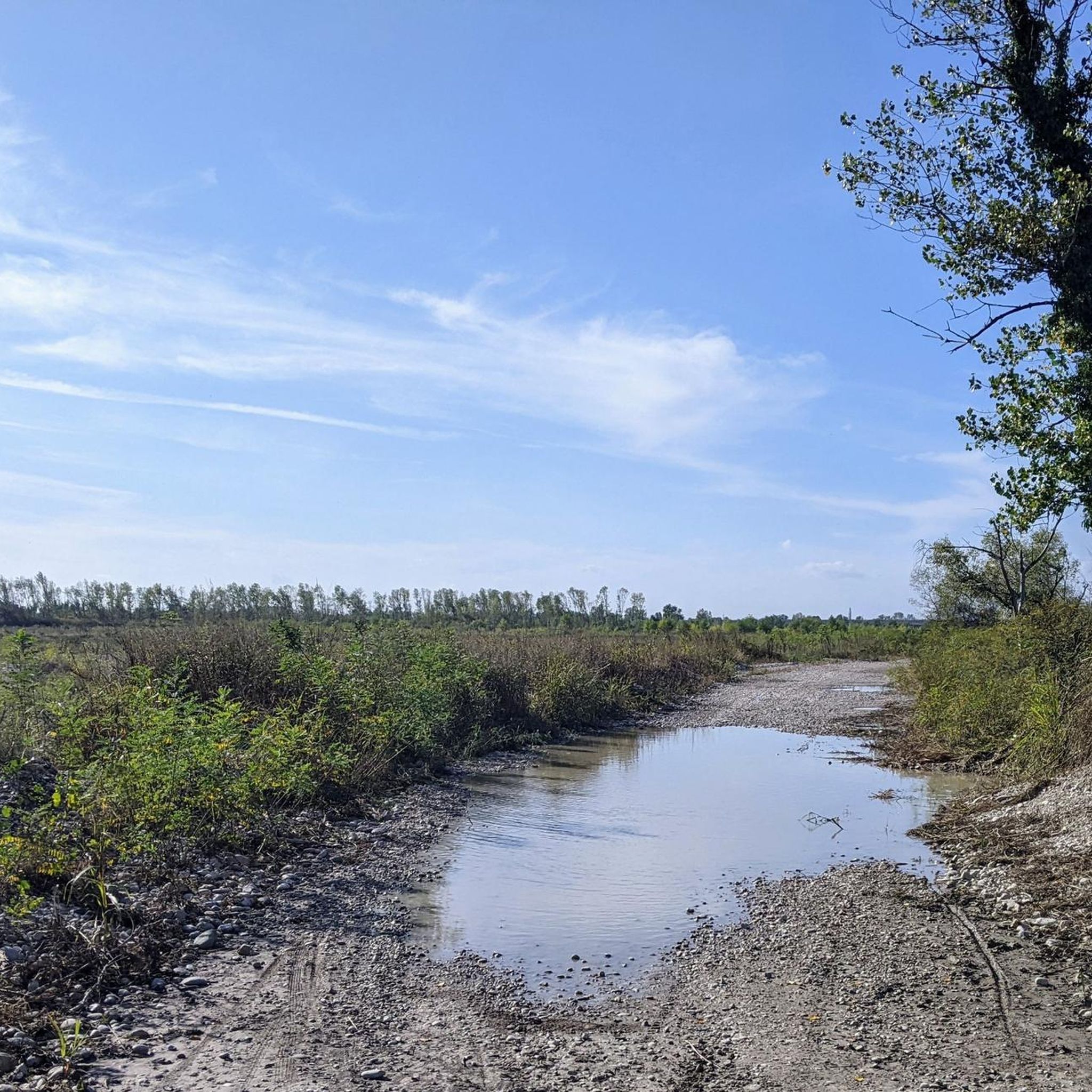
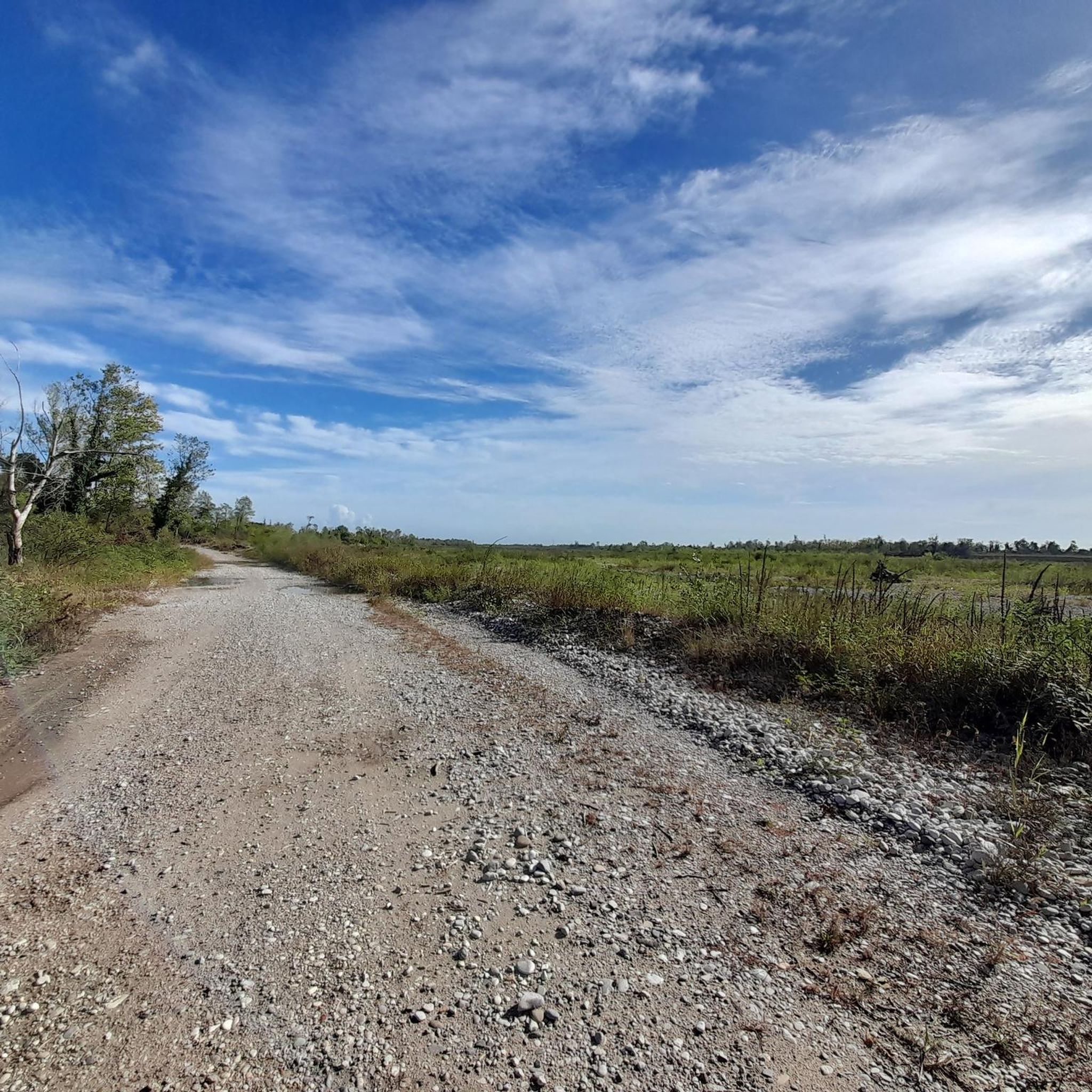
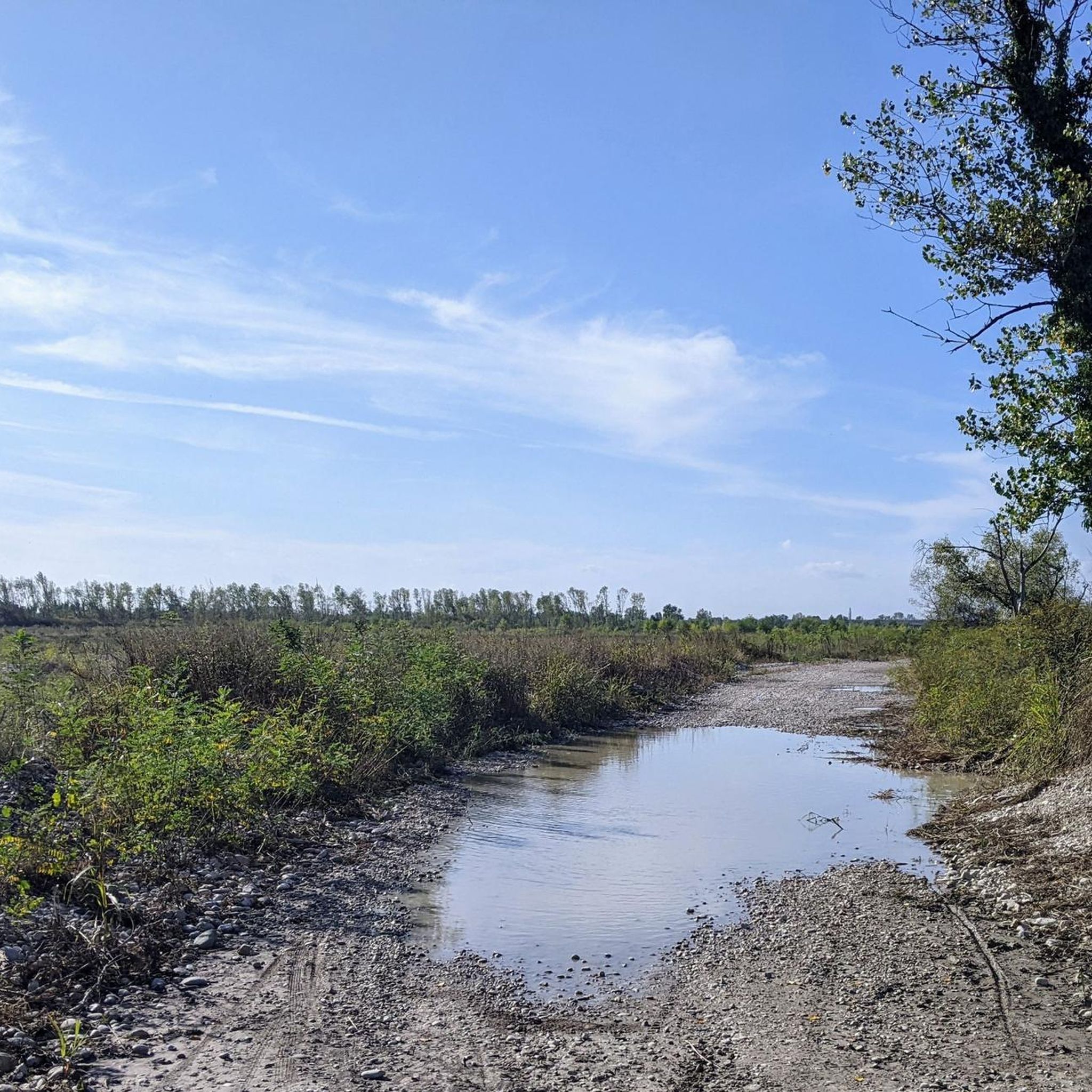
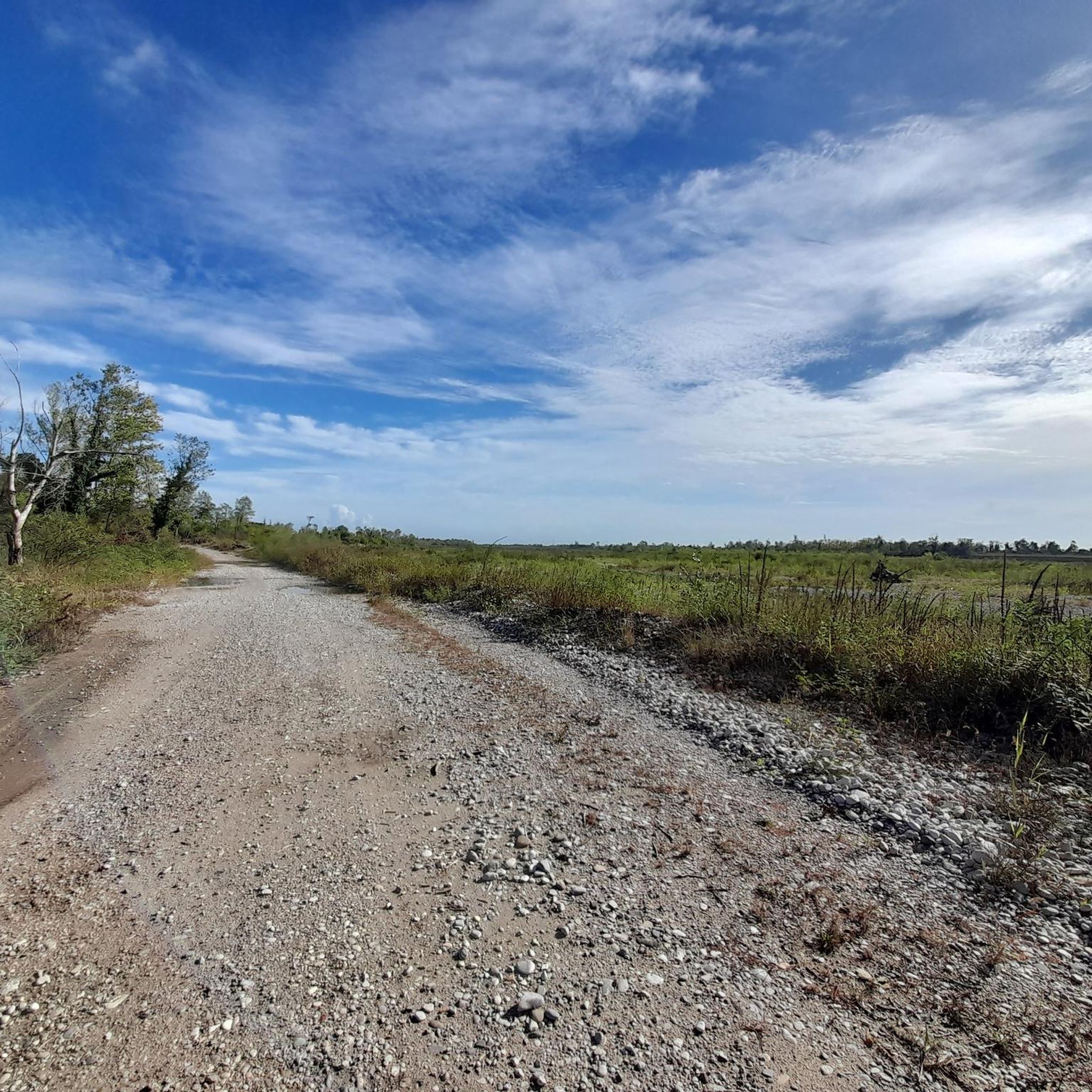
Tips from the Community

Located on the summit of Colle di Giano, the Castle of Conegliano is the historical emblem of the city and a privileged sentinel over the Venetian plain. Of the ancient medieval complex, the strategic heart of the village since the 12th century, the Bell Tower stands out today, the only surviving element along with part of the walls and the Guard Tower. Inside, the Civic Museum houses a precious collection ranging from archaeological finds to important pictorial works. From the top of the tower, the view is breathtaking: on clear days, the gaze sweeps from the rooftops of the historic center, adorned by the frescoed facades of via XX Settembre, to the crests of the Prealps and the Prosecco vineyards. Reachable via charming cobbled streets or staircases immersed in greenery, the castle is not just a monument, but a meeting place where history blends with the beauty of the Treviso landscape.
0
0
The "La Tradotta" cycle path is a suggestive 20-kilometer cycle and pedestrian route that follows the track of the old Montebelluna-Susegana military railway. The name derives from the trains that, during the Great War, transported troops and supplies towards the Piave front. The route, predominantly flat and immersed in greenery, connects Montebelluna to Nervesa della Battaglia, running along the slopes of Montello. Along the way, you will encounter the remains of old signal boxes and stations, as well as historical monuments and educational panels that recount the events of 1917-18. It is an ideal itinerary for families and history enthusiasts, offering a direct link between modern slow mobility and the memory of the Treviso territory.
0
0

Historically suggestive. A bit boring and dusty.
0
0

Conegliano Castle dominates the city from its hilltop position. The first document mentioning it dates back to 1016 AD, but the structure reached its maximum extension in the fourteenth century, thanks to the influence of the Scaligeri and Carraresi rulers.
0
0

A very evocative place. Inside there is a church and in the adjacent building a beautiful nativity scene has been set up (Christmas 2025).
0
0

La Tradotta is a cycle/pedestrian path, inaugurated in June 2020 and approximately 18.5 km long, which connects Montebelluna to Nervesa della Battaglia, passing through the municipalities of Montebelluna, Volpago del Montello and Giavera del Montello. This cycle/pedestrian path was built on the old “La Tradotta” Montebelluna-Susegana railway line, built at the beginning of the last century for military purposes. Ferrovie dello Stato began designing the route in 1914 while the official opening was in 1916, following the First World War, due to the heavy damage suffered, it was reopened in 1920. In 1966 it was finally suppressed although during the 1970s it was used for replacement runs between Montebelluna and Conegliano. The route can be done without difficulty as it is completely flat and therefore suitable for all ages and needs.
0
1

The internal square of the Castle
0
0
Frequently Asked Questions
What historical sites can I explore in and around Santa Lucia Di Piave?
Santa Lucia Di Piave is rich in history. You can visit the neo-Gothic church dedicated to Santa Lucia, the Sanctuary of the Madonna, and the recently restored Palazzo Ancillotto, which now serves as the town hall. Further afield, the impressive San Salvatore Castle in Susegana and Conegliano Castle offer glimpses into the region's medieval past. Don't miss the former Abbey of Santa Maria di Pero along the Piave River or the interactive King's Bombers School Museum in Mandre.
Are there any natural features or scenic spots to visit?
Yes, the area boasts several natural attractions. The Piave River itself is a significant feature, with areas like Passo Barca popular in summer. You can also explore the "Three Waters" Trail starting from Palazzo Ancillotto, or the Natural Path Le Volpere along the left bank of the Piave, known for its unique conglomerate wall and Mesolithic settlements. The Sources of the Meolo River are also a tranquil spot to discover.
What cycling and walking paths are available near Santa Lucia Di Piave?
For cycling and walking, the La Tradotta Cycle and Pedestrian Path is a popular choice. This 16 km route follows a former military railway line, offering a traffic-free experience. Additionally, the "Three Waters" Trail and the Natural Path Le Volpere provide scenic walking opportunities. For more extensive routes, you can find various cycling and running trails around the area, such as those listed in the Cycling around Santa Lucia Di Piave guide.
What outdoor activities can I do in the region?
The region offers a variety of outdoor activities, particularly cycling and running. You can explore numerous routes through the agricultural landscapes and along the Piave River. For specific ideas, check out the Running Trails around Santa Lucia Di Piave or the Gravel biking around Santa Lucia Di Piave guides for detailed routes and difficulty levels.
Are there family-friendly attractions or activities in Santa Lucia Di Piave?
Families can enjoy the interactive exhibits at the King's Bombers School Museum. The La Tradotta Cycle and Pedestrian Path is also suitable for family bike rides or walks, being traffic-free. During certain times of the year, the medieval fair commemoration offers entertainment and a glimpse into historical life that can be engaging for all ages.
What is the best time to visit Santa Lucia Di Piave?
The best time to visit depends on your interests. For outdoor activities like cycling and walking, spring and autumn offer pleasant temperatures. Summer is popular for enjoying the Piave River, especially at Passo Barca, and for attending local events like the medieval fair commemoration. The region's agricultural landscapes, particularly the Prosecco wine production areas, are beautiful throughout the warmer months.
What unique cultural experiences can I find in Santa Lucia Di Piave?
Santa Lucia Di Piave is historically known for its ancient trading fair, particularly for horses, dating back to the Middle Ages. A medieval fair commemoration is still organized, featuring goods typical of the 14th century, local produce, and entertainment. The historic Filanda, once a spinning mill, has also been repurposed into an exhibition space, offering a unique cultural venue.
What do visitors enjoy most about the castles near Santa Lucia Di Piave?
Visitors frequently praise the breathtaking panoramic views from both San Salvatore Castle and Conegliano Castle. San Salvatore is noted for its impressive medieval architecture, elegant setting for events, and the feeling of stepping back in time. Conegliano Castle, with its surviving Bell tower and parts of the ancient cathedral, offers a strategic vantage point over the city and surrounding area.
Are there any viewpoints offering scenic vistas of the region?
Absolutely. The castles themselves, such as View of Susegana (part of the San Salvatore Castle complex) and Conegliano Castle, provide excellent panoramic views of the surrounding plains and vineyards. The elevated positions of these historical sites make them ideal for appreciating the Veneto countryside.
What is the historical significance of the Piave River in this area?
The Piave River holds immense historical importance, particularly as a pivotal front during World War I. Its strategic location meant it played a crucial role in military operations. Beyond its wartime history, the river has shaped the local landscape and economy for centuries, influencing settlement patterns and agricultural development.
Can I find any ancient or archaeological sites?
While not extensively highlighted, the Natural Path Le Volpere along the Piave River features evidence of Mesolithic settlements, indicating human presence in the area from ancient times. The town's origins also trace back to Roman times, having been a strategic crossing point along the Via Claudia Augusta Altinate.
Most popular routes around Santa Lucia Di Piave
Most popular attractions around Santa Lucia Di Piave

Get inspired with the komoot mobile app


Explore more
Still not found the Highlight you’re looking for? See guides of the top attractions in other regions:
