The best walks and hikes around Rivamonte Agordino
4.3
(2540)
15,420
hikers
211
hikes
Hiking around Rivamonte Agordino offers diverse landscapes within the UNESCO Dolomites World Natural Heritage Site and the Belluno Dolomites National Park. The region features dramatic elevation changes, ranging from 412 meters to 2,232 meters, creating environments from riparian areas to broadleaf and conifer forests, alpine shrublands, and high-altitude rocky walls. The Cordevole River also carves a narrow natural canyon, adding to the area's natural features.
Best hiking trails around Rivamonte Agordino
- The most popular hiking route is Rifugio Furio Bianchet…
Last updated: July 7, 2026
4.5
(49)
285
hikers
18.9km
08:10
1,060m
1,060m
Hard hike. Very good fitness required. Sure-footedness, sturdy shoes and alpine experience required.
3.5
(2)
12
hikers
29.8km
09:15
2,380m
2,380m
Hard hike. Very good fitness required. Sure-footedness, sturdy shoes and alpine experience required.

Sign up for free
1
hikers
33.4km
09:25
2,510m
2,510m
Hard hike. Very good fitness required. Sure-footedness, sturdy shoes and alpine experience required.
5.0
(1)
7
hikers
25.1km
06:55
410m
410m
Hard hike. Very good fitness required. Easily-accessible paths. Suitable for all skill levels.
5.0
(1)
3
hikers
16.7km
05:54
850m
850m
Hard hike. Very good fitness required. Mostly accessible paths. Sure-footedness required.
Get access to more routes and recommendations from other explorers.
Sign up for free
Already have an account?
Our route recommendations are based on thousands of hikes, rides, and runs completed by other people on komoot.
Start today with a free account
Your next adventure awaits.
Login or Signup
Tips from the Community

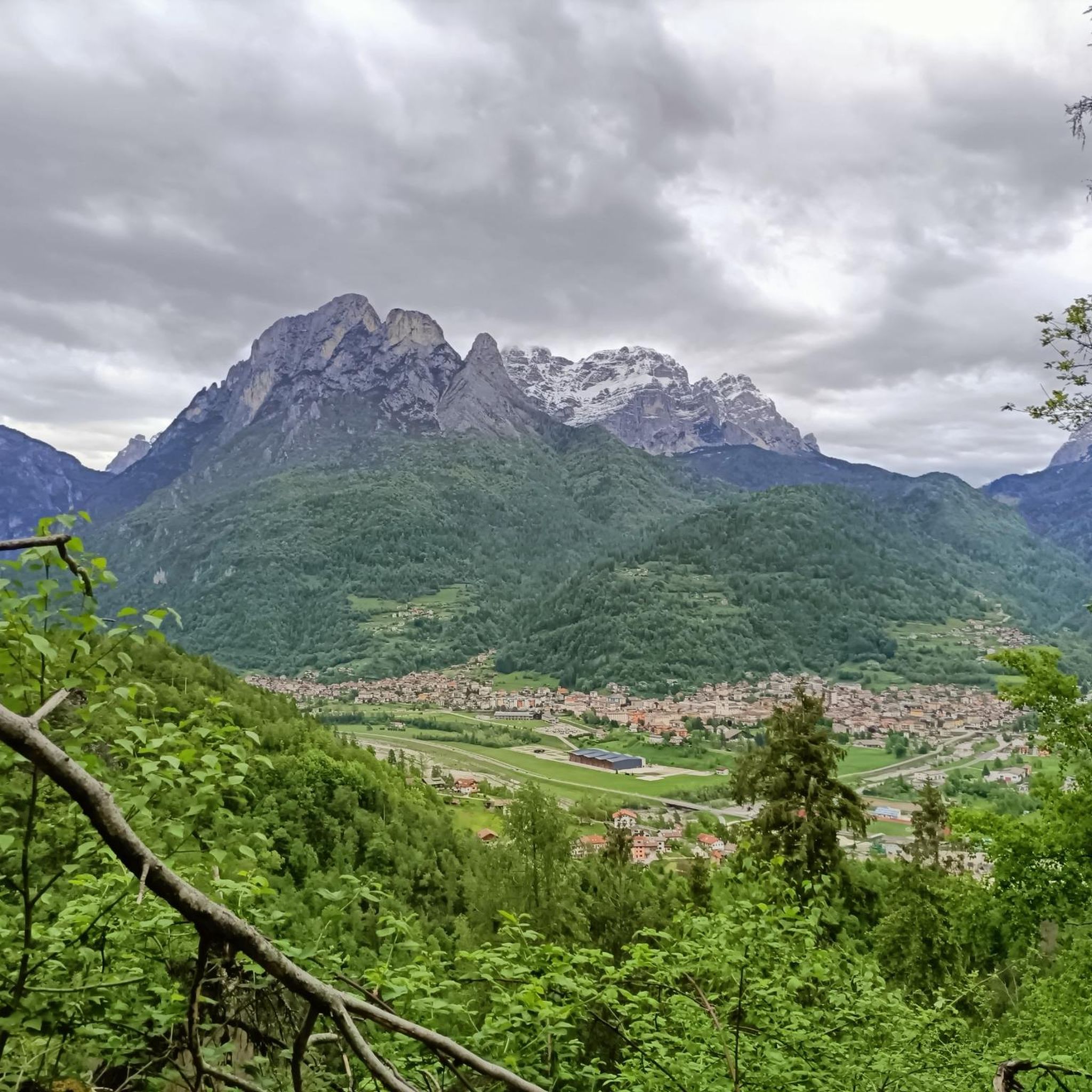
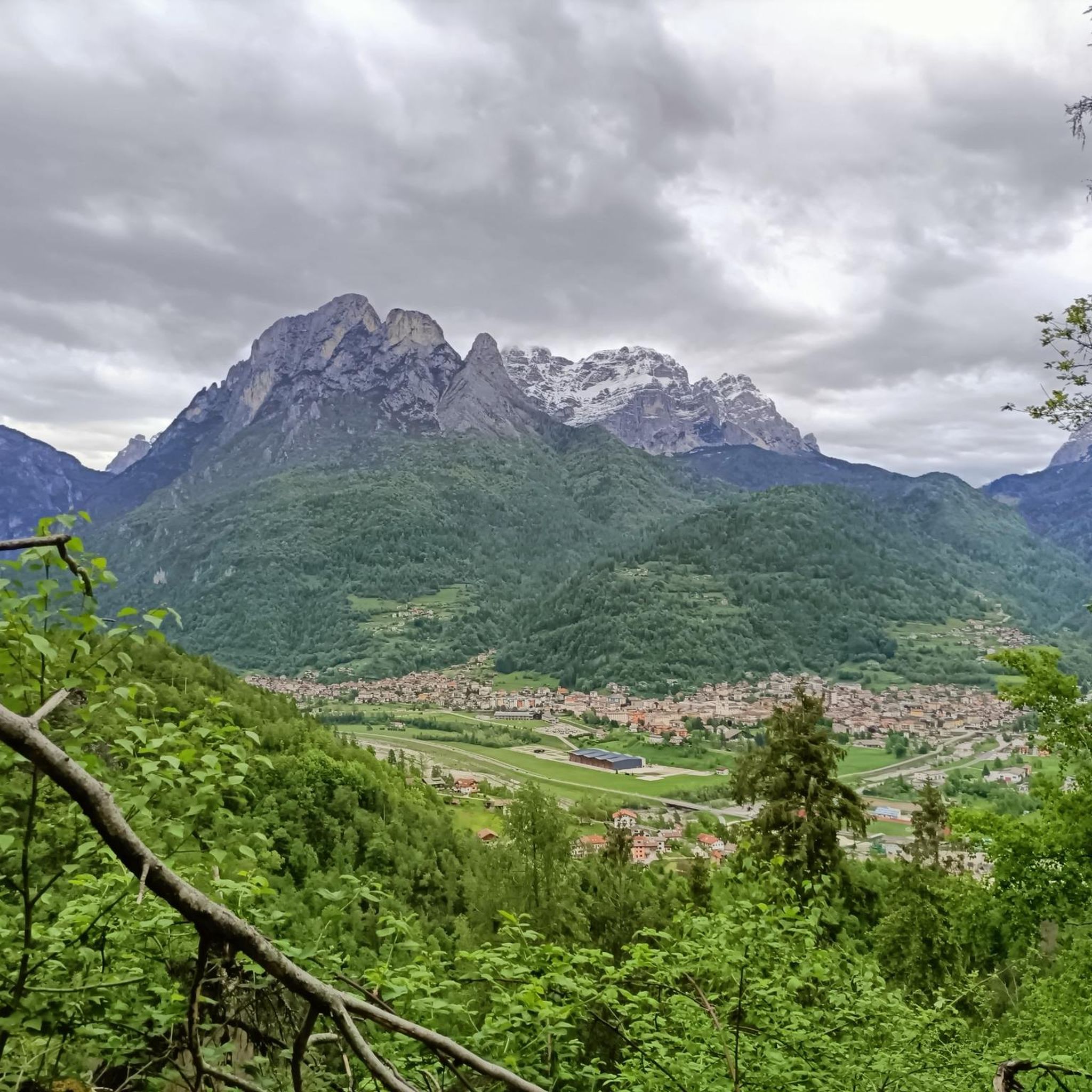
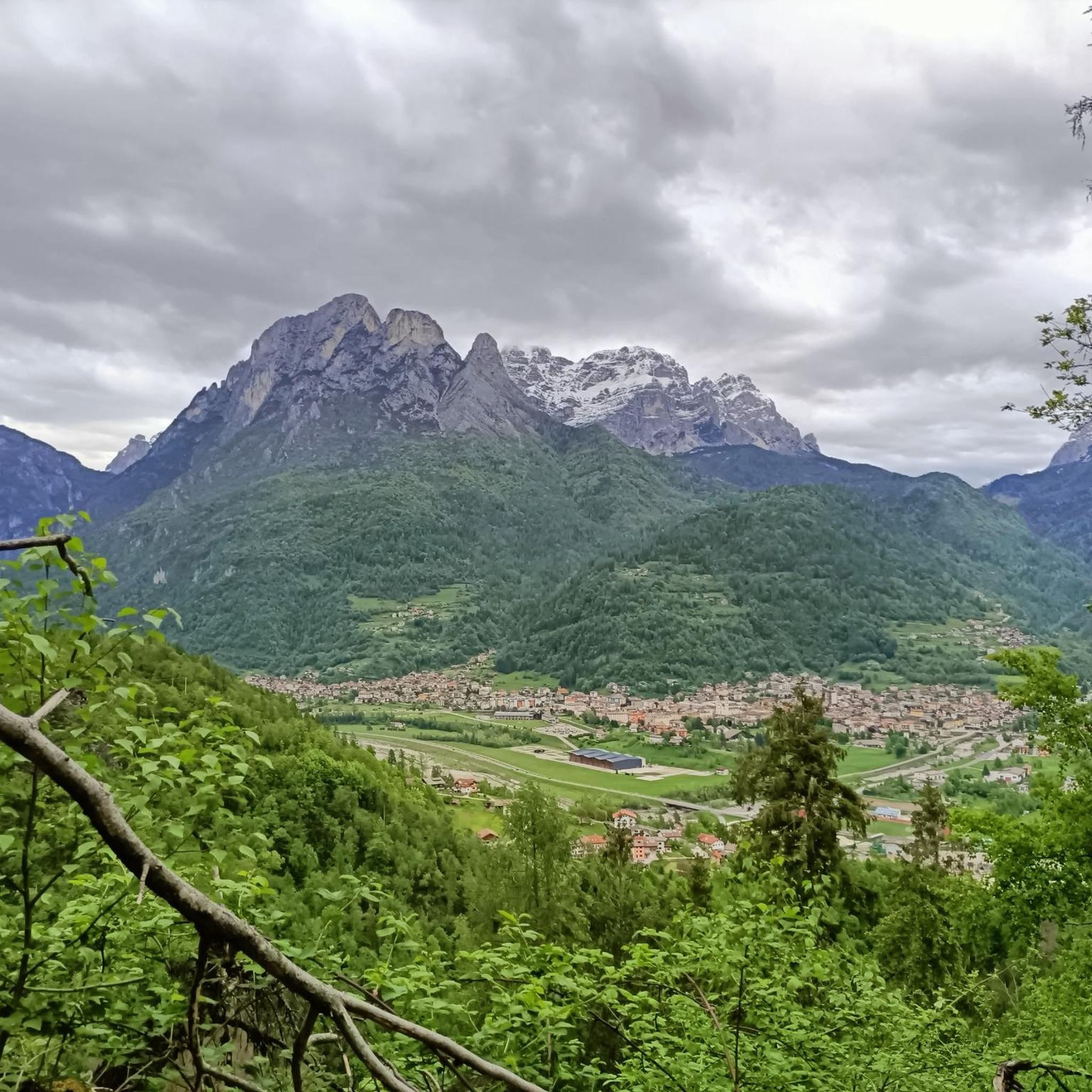
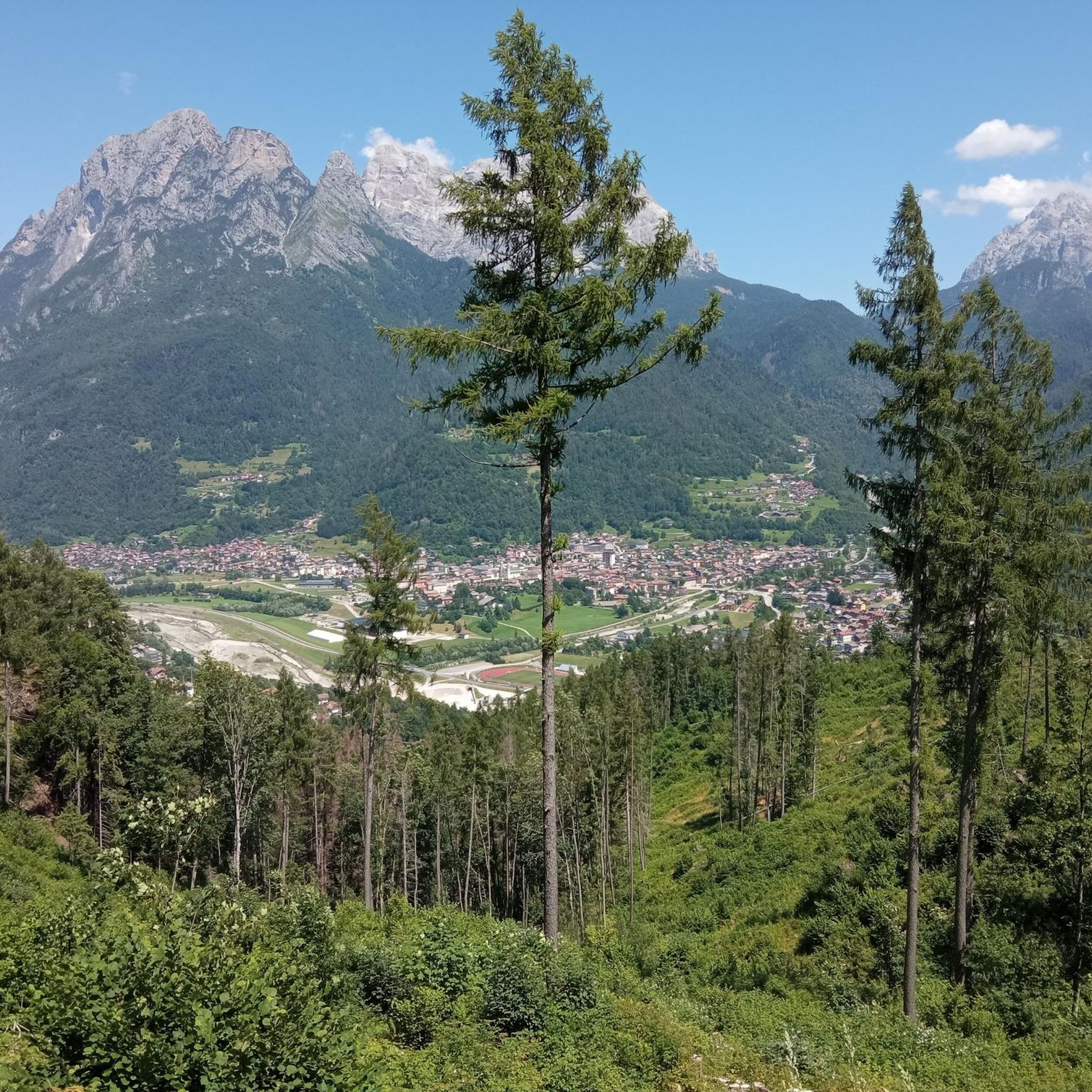
El Broi, the church of Santa Maria Nascente, the Crotta-De Manzoni villa and the view of the peaks surrounding Agordo
0
0
graffiti focused on the themes of peasant life, childhood and the inhabitants of the hamlets (Parech, Toccol, Prompicai)
0
0
beautiful path that connects the mining site of Valle Imperia with Agordo, following the course of the Cordevole stream. view of Framont and Moiazza
0
0

The Bianchet refuge is the last support point together with the 7° Alpini refuge on the Alta Via n°1.
0
0

Col di Prà (843 m above sea level), with the scattered houses of the localities of Cadene, Molin and Toc, is a hamlet of the municipality of Taibon Agordino, in the province of Belluno, located at the bottom of the Valle di San Lucano. The small village is an important access point to the Pale di San Martino through the Val d’Angheraz and is dominated by the mountain groups of the Pale di San Lucano, to the orographic left of the Tegnas Torrent, and by the famous northern edge of the Agnèr which, with its 1,500-meter drop, represents the largest rock face in all the Dolomites, second in the entire Alpine arc only to the legendary north face of the Eiger, in Switzerland. Along the main road is the fascinating Church dedicated to the Saint, whose foundation date is unknown but which appears to stand on the foundations of a fourteenth-century oratory. The church, with a nave, two altars and a permanent custodian, appears for the first time in official documents in 1512. Traditionally it housed the remains of the Saint and his disciple Blessed Vazza, and was the object of great devotion and pilgrimages especially between the 16th and 17th centuries. In 1630 a heavy avalanche broke away from the walls of the Pale di San Lucano above and destroyed it; it was rebuilt in 1635 but it was only the first of many similar accidents, given the shape of the valley. To overcome the problem, starting in the 18th century, a large brick wedge was built upstream of the Church of San Lucano, with the function of dampening the destructive effect of avalanches. In its troubled history the church has undergone several architectural changes, not least the one following the heavy flood of 1966 which seriously damaged its furnishings and its front part. Thanks to the restoration work carried out in the 1970s, some precious 17th-century frescoes are still visible on its walls. It is said that San Lucano, the Saint with the bear, carried out his pastoral activity here from the year 430 until his death. He spent most of his time in the locality of Col di Prà, in extreme poverty and in ascetic retreat, abandoning solitude only to chase away snakes and to convert the local people. This legend, like many others, has its roots in a fact that is not random but concrete: in the San Lucano Valley there are very few snakes, which are relatively widespread in the rest of the Alps. https://primierohiking.com
0
0

one of the many World War I Bunkers on Mount Celo, part of the "yellow line", the last line of defense of the Italian army in case of a breakthrough to the north by the Austro-Hungarian army and subsequently expanded during the Second World War by the Todt organization as part of the alpenfestung (alpine redoubt). Characteristic is the structure with two entrances.
0
0

Beautiful little village in the San Lucano Valley, with a magnificent view of the impressive walls of Agner and the Pale di San Lucano
0
0

Very worth seeing, you have to see it
0
0
Frequently Asked Questions
How many hiking trails are available around Rivamonte Agordino?
Rivamonte Agordino offers a wide selection of hiking opportunities, with over 200 routes recorded on komoot. These range from easy walks to challenging mountaineering routes, catering to various skill levels.
What is the best time of year to go hiking in Rivamonte Agordino?
The best time for hiking in Rivamonte Agordino is generally from late spring through early autumn (May to October). During these months, the weather is more stable, and trails are typically free of snow, allowing access to the diverse landscapes from valley floors to high-altitude rocky walls. Winter hiking is possible but requires specific gear and experience due to snow and ice conditions.
Are there any easy hiking trails suitable for beginners in Rivamonte Agordino?
Yes, Rivamonte Agordino offers a selection of easier trails. Out of the over 200 routes, 23 are classified as easy, providing accessible options for beginners or those looking for a more relaxed walk amidst the stunning Dolomite scenery.
Are there challenging routes for experienced hikers in Rivamonte Agordino?
Absolutely. Rivamonte Agordino is known for its dramatic elevation changes and offers 75 difficult routes for experienced hikers. Trails like Alta Via 1: Schiara Circuit, a 29.8 km path with significant elevation gain, require excellent training and alpine experience. Another challenging option is the Rifugio Pian de Fontana — loop tour, which leads through high-altitude terrain.
What kind of landscapes can I expect to see while hiking in Rivamonte Agordino?
Hiking in Rivamonte Agordino offers incredibly diverse landscapes. You'll traverse environments ranging from riparian areas along the Cordevole River, through broadleaf and conifer forests, to alpine shrublands, meadows, and dramatic high-altitude rocky walls. The region is part of the UNESCO Dolomites World Natural Heritage Site and the Belluno Dolomites National Park, ensuring breathtaking panoramic views of various Dolomite systems.
Are there any waterfalls or natural pools to discover on hikes?
Yes, the area around Rivamonte Agordino features beautiful water features. You can explore highlights such as the Soffia Gorge and Waterfall, the Cadini del Brenton Natural Pools, and the Soffia Waterfall. These spots offer refreshing breaks and picturesque scenery along your routes.
What historical sites or landmarks can I explore while hiking?
Rivamonte Agordino is rich in history. You can visit the Valle Imperina Mining Center, which has been restructured into a museum, offering insights into the area's industrial past. Some routes, like stages of the Cammino delle Dolomiti, pass by historical elements such as World War I bunkers. Mountain passes like Duran Pass also hold historical significance and offer stunning views.
Are there mountain huts along the trails for breaks or overnight stays?
Yes, several mountain huts serve as excellent points for rest, refreshments, or even overnight stays. Notable options include the Bruto Carestiato Hut and the Treviso Hut in Val Canali. These huts are often located in dramatic settings and provide a welcoming stop for hikers.
What do other hikers appreciate most about the trails in Rivamonte Agordino?
The trails in Rivamonte Agordino are highly rated by the komoot community, with an average score of 4.4 stars from over 2,300 reviews. Hikers frequently praise the dramatic elevation changes, the diverse forests, and the breathtaking high-altitude rocky walls. The extensive views of various Dolomite systems are also a consistent highlight for visitors.
Are there family-friendly hiking options in Rivamonte Agordino?
While many routes feature significant elevation changes, there are easier trails suitable for families. The Belluno Dolomites National Park, which covers a portion of Rivamonte Agordino, offers well-organized trails that can be explored with children. Look for routes classified as 'easy' for the most family-friendly experiences.
Can I bring my dog on the hiking trails in Rivamonte Agordino?
Generally, dogs are allowed on many hiking trails in Rivamonte Agordino, especially outside protected areas. However, within the Belluno Dolomites National Park, there might be specific regulations regarding dogs, often requiring them to be on a leash to protect wildlife. Always check local signage or park guidelines before heading out with your dog.
Are there circular hiking routes available?
Yes, Rivamonte Agordino offers several circular hiking routes. A notable example is the Rifugio Pian de Fontana — loop tour, which provides a comprehensive experience of the high-altitude terrain. Many other trails can also be combined to form circular walks, allowing you to return to your starting point.
What are the parking options for trailheads in Rivamonte Agordino?
Parking is generally available at or near many popular trailheads in Rivamonte Agordino. Specific parking areas can be found in villages like La Muda or near attractions such as the Valle Imperina Mining Center. It's advisable to check the starting point of your chosen route for detailed parking information, especially during peak season.
Is public transport available to reach hiking trailheads?
Public transport options in Rivamonte Agordino are limited but can connect you to some areas. Buses serve the main villages, and some routes might have stops near trailheads. For more remote starting points, a car is often recommended. For detailed schedules and routes, it's best to consult local transport services or the official tourism website for the Agordino area: visitagordino.com.
Most popular routes around Rivamonte Agordino
Most popular attractions around Rivamonte Agordino

Get inspired with the komoot mobile app


Explore more
Browse the best Hikes in other regions.
