Top 20 Mountain Passes around Borca Di Cadore
Best mountain passes around Borca Di Cadore are found in the heart of the Dolomites, providing access to the Italian Alps. This region is characterized by its mountainous terrain, offering a base for exploring various passes. The area features a landscape of peaks and valleys, making it suitable for outdoor activities.
Best mountain passes around Borca Di Cadore
- The most popular mountain passes is Giau Pass, a mountain pass that is a starting point for walks and offers ample parking. It is known for its numerous hairpin turns and spectacular panoramic views of peaks like Ra Gusela.
- Another must-see spot is Ambrizzola Pass, a mountain pass located at 2,277 meters above sea level. Visitors can expect a crossroads of various paths and a panorama of Mount Pelmo and the surrounding mountains, serving as a strategic connection hub for high-altitude itineraries including the Alta Via 1.
- Visitors also love Staulanza Pass, a mountain pass located at an altitude of 1,766 meters. This pass is special for its position between Monte Pelmo and Monte Civetta, with many hiking trails starting from this location.
- Borca Di Cadore is known for challenging climbs, scenic viewpoints, and hiking trails. The area offers a variety of mountain passes suitable for different activities and skill levels.
- The mountain passes around Borca Di Cadore are appreciated by the komoot community, with over 1200 upvotes and more than 470 photos shared.
Last updated: July 10, 2026
Giau Pass
Highlight • Mountain Pass
Translated by Google •
Tip by

Forcella Marcoira
Highlight • Mountain Pass
Translated by Google •
Tip by

Sign up now to discover places like this
Get recommendations on the best single tracks, peaks, & plenty of other exciting outdoor places.
Sign up for free
Ambrizzola Pass
Highlight • Mountain Pass
Translated by Google •
Tip by

Col dei Baldi
Highlight • Summit
A great run in this area is the loop-shaped course between Col dei Baldi and Piani di Pezzé. It is also possible to reach the hill with a cable car that leaves from Piani di Pezzé.
Translated by Google •
Tip by
Staulanza Pass
Highlight • Mountain Pass
Translated by Google •
Tip by

Sign up for free to discover even more mountain passes around Borca Di Cadore.
Sign up for free
Already have an account?
Start today with a free account
Your next adventure awaits.
Login or Signup
Tips from the Community

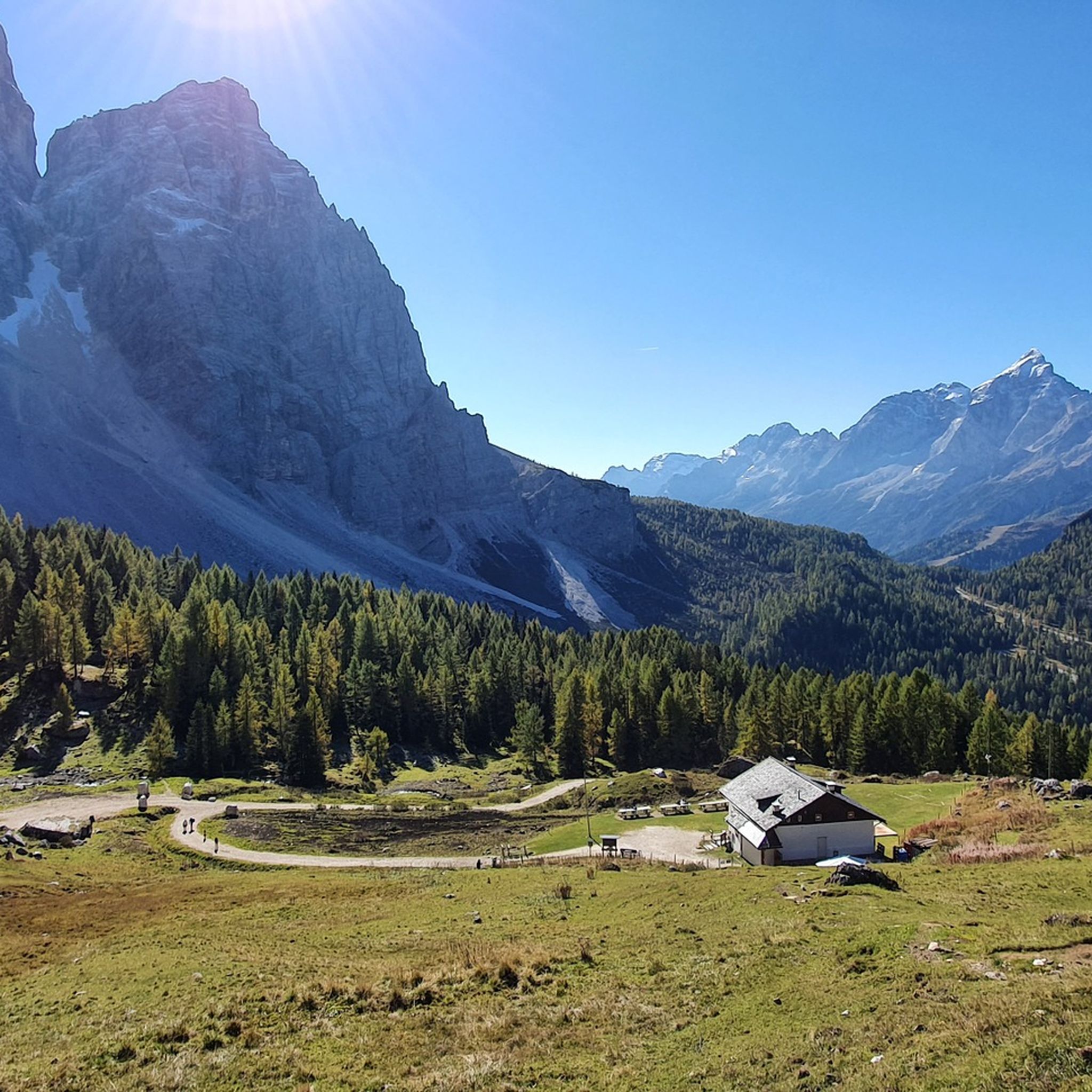
The Staulanza Pass (1,766 m above sea level) is a Dolomite mountain pass located between the slopes of Mount Crot (Civetta Group) and those of Pelmetto (Pelmo Massif). It belongs to the municipality of Val di Zoldo, near the borders with Selva di Cadore and Borca di Cadore. It is crossed by the SP 251 road, which connects the Val di Zoldo with the Val Fiorentina. The Staulanza refuge stands at the pass. The pass is a convenient starting point for hikes around Pelmo, Civetta, and Croda da Lago.
1
0


This is a popular spot due to the arrival point of a ski lift, which has partially damaged this hill. It offers excellent 360° views and is a strategic point for many pedestrian and cycling routes.
0
0


Surefootedness is very important here. There's a lot of scree in places.
0
0

Forcella Ambrizzola (2277 m) is located between several high altitude itineraries, between the Staulanza pass, the Giau pass and Lake Federa.
0
0

Be careful, on June 13 there was still snow on the scree section. The place is very dangerous with the snow and the path is not visible because it is hidden under the layer of snow. Choose to do this hike in the other direction if there is still snow on the trail! Otherwise very beautiful hike with magnificent landscapes.
4
0

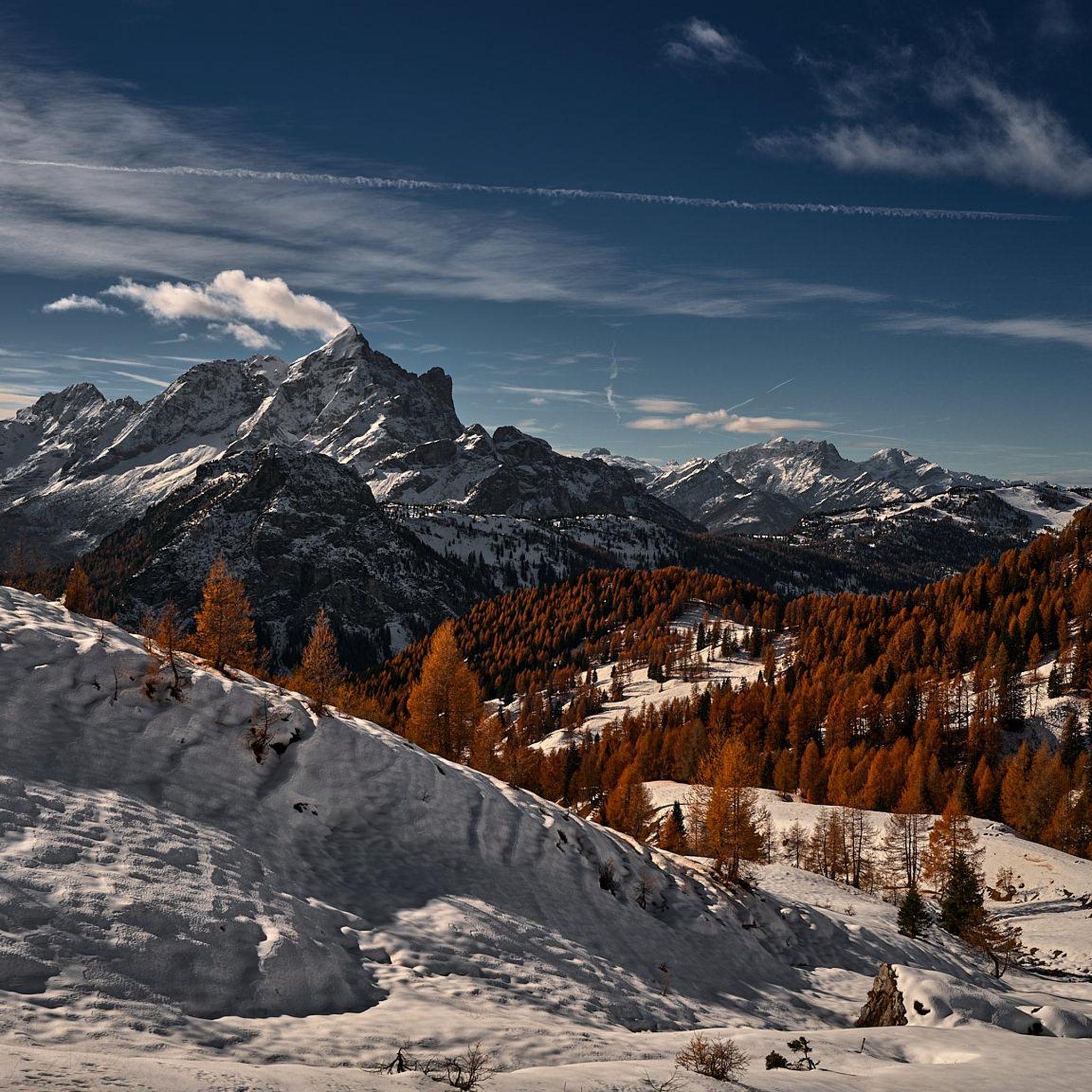
Nestled within the embrace of the Dolomite peaks, Passo Staulanza stands as a testament to the raw beauty of the Alta Via n.1. This mountain pass, a jewel along the hiking trail, offers a gateway to the ethereal landscapes that define the Dolomites. As trekkers ascend to Passo Staulanza, they are greeted by panoramic vistas that stretch across the rugged terrain. The pass is a convergence point of valleys and ridges, a place where the air is crisp, and the silence is interrupted only by the occasional breeze. The Dolomite giants, with their towering spires and rugged cliffs, create a dramatic backdrop against the sky.
1
0
Frequently Asked Questions
What are some mountain passes around Borca Di Cadore suitable for different skill levels?
The region offers a variety of passes. For challenging climbs, Giau Pass is known for its numerous hairpin turns and demanding ascent, popular with cyclists and experienced hikers. Passo Falzarego offers a significant climb but is generally considered less challenging than Giau. For intermediate experiences, Staulanza Pass is a great option with many hiking trails starting from its location. Passo Duran also involves a challenging climb, particularly for cyclists.
Are there family-friendly mountain passes or activities near Borca Di Cadore?
Yes, some passes offer amenities and easier access. Giau Pass is considered family-friendly, offering ample parking and opportunities for pleasant walks. Many passes also serve as starting points for trails that can be adapted for various family abilities. For instance, the area around Col dei Baldi offers a cable car access and a loop-shaped course between Col dei Baldi and Piani di Pezzé, which can be enjoyable for families.
What is the best time of year to visit the mountain passes around Borca Di Cadore?
The best time to visit the mountain passes for hiking and cycling is typically from late spring (May/June) through early autumn (September/October). During these months, the weather is generally milder, and the passes are clear of snow, offering optimal conditions for outdoor activities and panoramic views. Some passes may offer winter activities, but conditions can be challenging.
What kind of hiking opportunities are available near these mountain passes?
The mountain passes around Borca Di Cadore are integral to extensive hiking networks. For example, Giau Pass is crossed by the famous Alta Via 1. Staulanza Pass is part of the 'Around Monte Pelmo' trail and the AV1 Segment N. You can find various routes, including challenging mountaineering loops and moderate hikes, by exploring the Hiking around Borca Di Cadore guide and the Mountain Hikes around Borca Di Cadore guide.
Are there good cycling routes that incorporate the mountain passes?
Absolutely. Many passes in the region are legendary among cyclists. Giau Pass has been featured multiple times in the Giro d'Italia and the Maratona dles Dolomites. Passo Duran offers scenic routes for cycling enthusiasts as part of tours around the Civetta-Moiazza Group. Passo Fedaia is also frequently included in cycling tours. For gravel biking options, check out the Gravel biking around Borca Di Cadore guide.
Where can I find parking and trailheads for hiking near the passes?
Many of the popular passes offer ample parking. For instance, Giau Pass is known for its generous parking facilities, making it a convenient starting point for walks. Staulanza Pass also provides parking, with numerous hiking trails directly accessible from the pass.
Which mountain passes offer the best viewpoints or cafes?
Several passes are renowned for their views and amenities. Giau Pass offers spectacular panoramic views, particularly of peaks like Ra Gusela, and has opportunities to enjoy food. Ambrizzola Pass provides a wonderful panorama of Mount Pelmo and the surrounding mountains. Staulanza Pass boasts magnificent views of Monte Pelmo and houses a refuge. Col dei Baldi offers a 360° Dolomite panorama and a retreat for breaks.
Are there any mountain passes with historical significance near Borca Di Cadore?
Yes, Passo Falzarego is particularly rich in history. Located at 2,109 meters, it features World War I ruins nearby, offering opportunities for short hikes to former wartime hospitals. From the top, visitors can admire views of Lagazuoi, a significant site during WWI, providing a unique blend of natural beauty and historical context.
What makes Passo Fedaia unique among the passes?
Passo Fedaia, at 2,057 meters, is unique for its fantastic views of the Marmolada Glacier during its descent. The Marmolada is the highest peak in the Dolomites, making the views from Passo Fedaia particularly impressive and a highlight for many visitors, especially those on cycling tours.
Can I find less-trafficked or 'hidden gem' passes around Borca Di Cadore?
While many passes are well-known, some offer a quieter experience. Passo Cibiana, at 1,530 meters, is generally less frequented and allows access to the Cadore area, passing through the charming hamlet of Fornesighe. Its road can be narrow, adding to its secluded feel. Forcella Marcoira is another less-known pass that offers a magical experience, leading towards Lake Sorapis.
What do visitors enjoy most about the mountain passes around Borca Di Cadore?
Visitors consistently praise the spectacular panoramic views, the challenging yet rewarding climbs for cyclists, and the extensive network of hiking trails. The opportunity to enjoy something to eat at passes like Giau Pass, the strategic connection hubs for high-altitude itineraries like Ambrizzola Pass, and the unique positions between iconic peaks like Monte Pelmo and Monte Civetta at Staulanza Pass are frequently highlighted as favorite aspects.
Are there any winter activities or considerations for visiting the passes in colder months?
While the region is known for winter sports, many mountain passes can be challenging or inaccessible during heavy snow. Some areas, like Col dei Baldi, are accessible via cable car and serve as ski lift arrival points, offering winter activities. However, for hiking or cycling, it's crucial to check current weather and snow conditions, as paths can be dangerous or hidden under snow, especially at higher altitudes like Forcella Marcoira.
Most popular routes around Borca Di Cadore
Most popular attractions around Borca Di Cadore

Get inspired with the komoot mobile app


Explore more
See even more epic mountain passes by checking out these guides around Borca Di Cadore:
