Top 20 Natural Monuments around Garbagnate Monastero
Best natural monuments around Garbagnate Monastero are found in a region characterized by its hilly terrain and proximity to the Parco Regionale della Valle del Lambro. This area in the Province of Lecco, Italy, features diverse natural landscapes, including lakes, valleys carved by rivers, and extensive wooded areas. The region offers numerous routes for exploring its natural features and points of interest.
Best natural monuments around Garbagnate Monastero
- The most popular natural monuments is Monte Barro Summit View, a summit that offers views of the surrounding lakes. It is a popular vantage point with a ridge path.
- Another must-see spot is Cypress Peak, a viewpoint known for its cypress trees. This location provides scenic views and is described as a natural sanctuary.
- Visitors also love San Tomaso Chapel, a religious building offering panoramic views of Lake Como. It is a popular spot for a break and to enjoy the scenery.
- Garbagnate Monastero is known for its diverse natural monuments, including summits, viewpoints, and significant natural sites like the Stagni di Brongio. The area offers a variety of natural monuments to see and explore, from panoramic peaks to protected wetland areas.
- The natural monuments around Garbagnate Monastero are appreciated by the komoot community, with more than 490 upvotes and over 340 photos shared by visitors.
Last updated: July 10, 2026
Monte Barro Summit View
Highlight • Summit
Translated by Google •
Tip by

Cypress Peak
Highlight • Viewpoint
Translated by Google •
Tip by
Sign up now to discover places like this
Get recommendations on the best single tracks, peaks, & plenty of other exciting outdoor places.
Sign up for free
Oasis of Galbusera Bianca
Highlight • Natural Monument
Translated by Google •
Tip by

San Tomaso Chapel
Highlight • Religious Site
Very nice, bear in mind that the pools end halfway through the itinerary so either you stop first or end the tour and go back up again for a while.
Greetings.
D.
Translated by Google •
Tip by

Second Horn (Monte Barro)
Highlight • Summit
Translated by Google •
Tip by

Sign up for free to discover even more natural monuments around Garbagnate Monastero.
Sign up for free
Already have an account?
Start today with a free account
Your next adventure awaits.
Login or Signup
Popular around Garbagnate Monastero


Tips from the Community

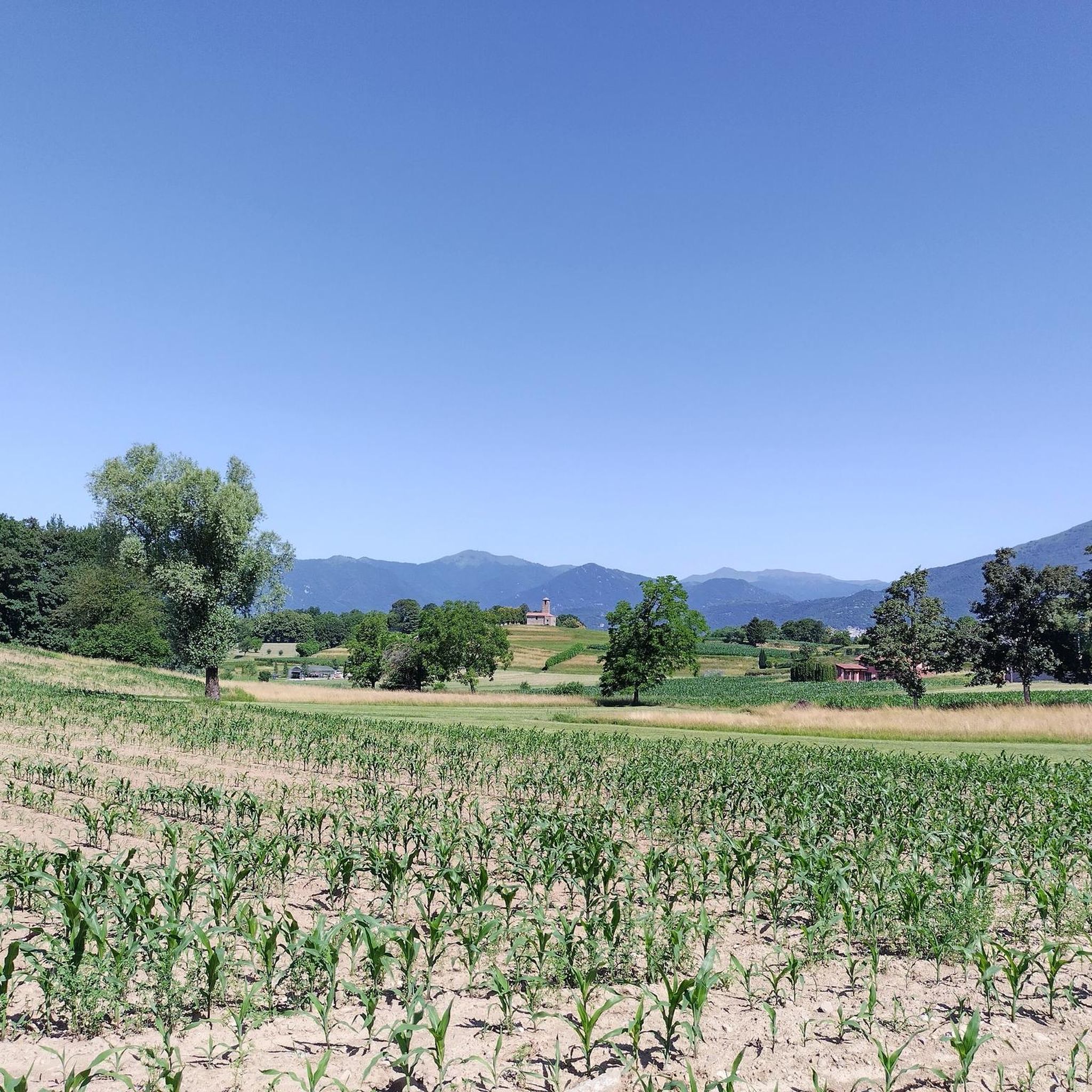
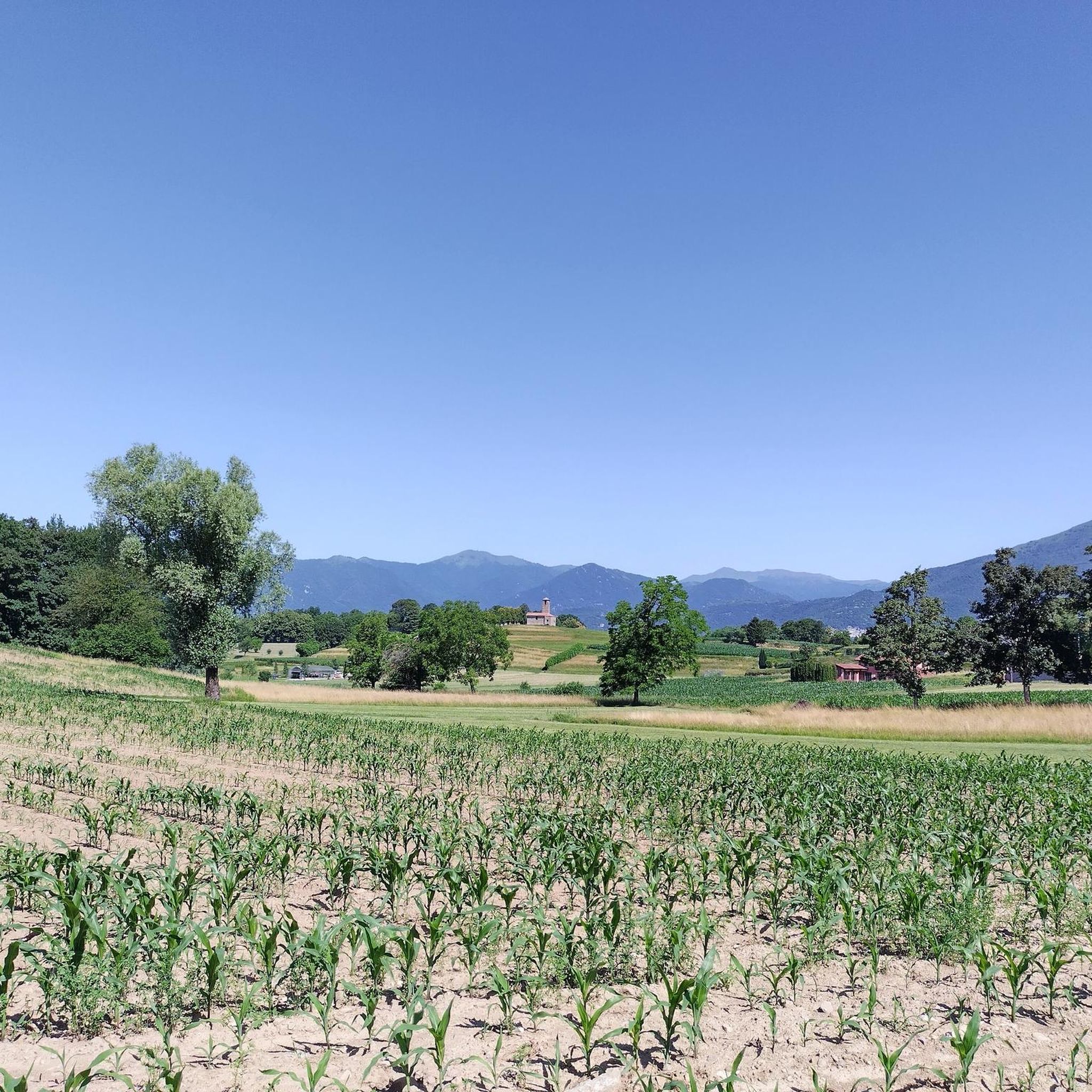
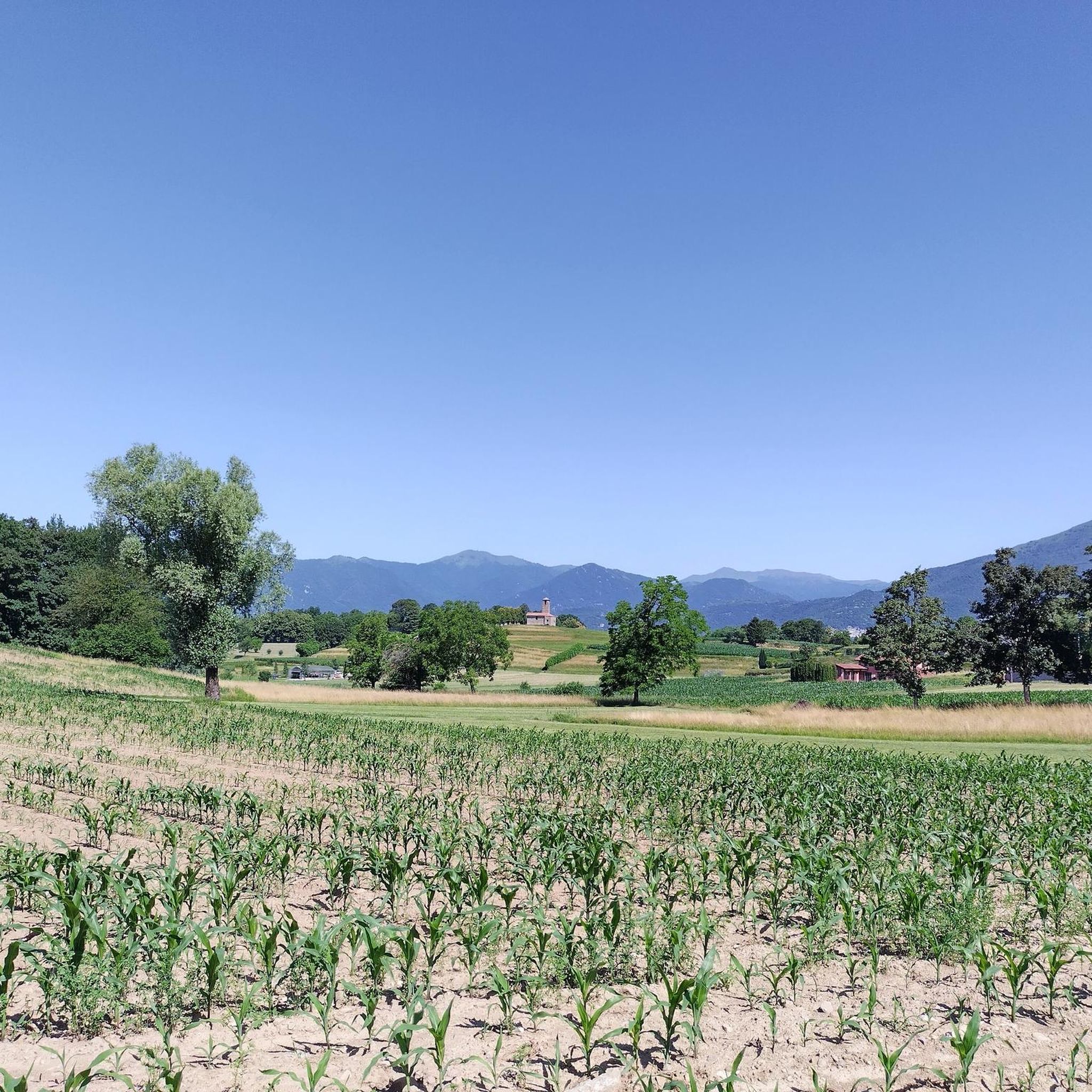
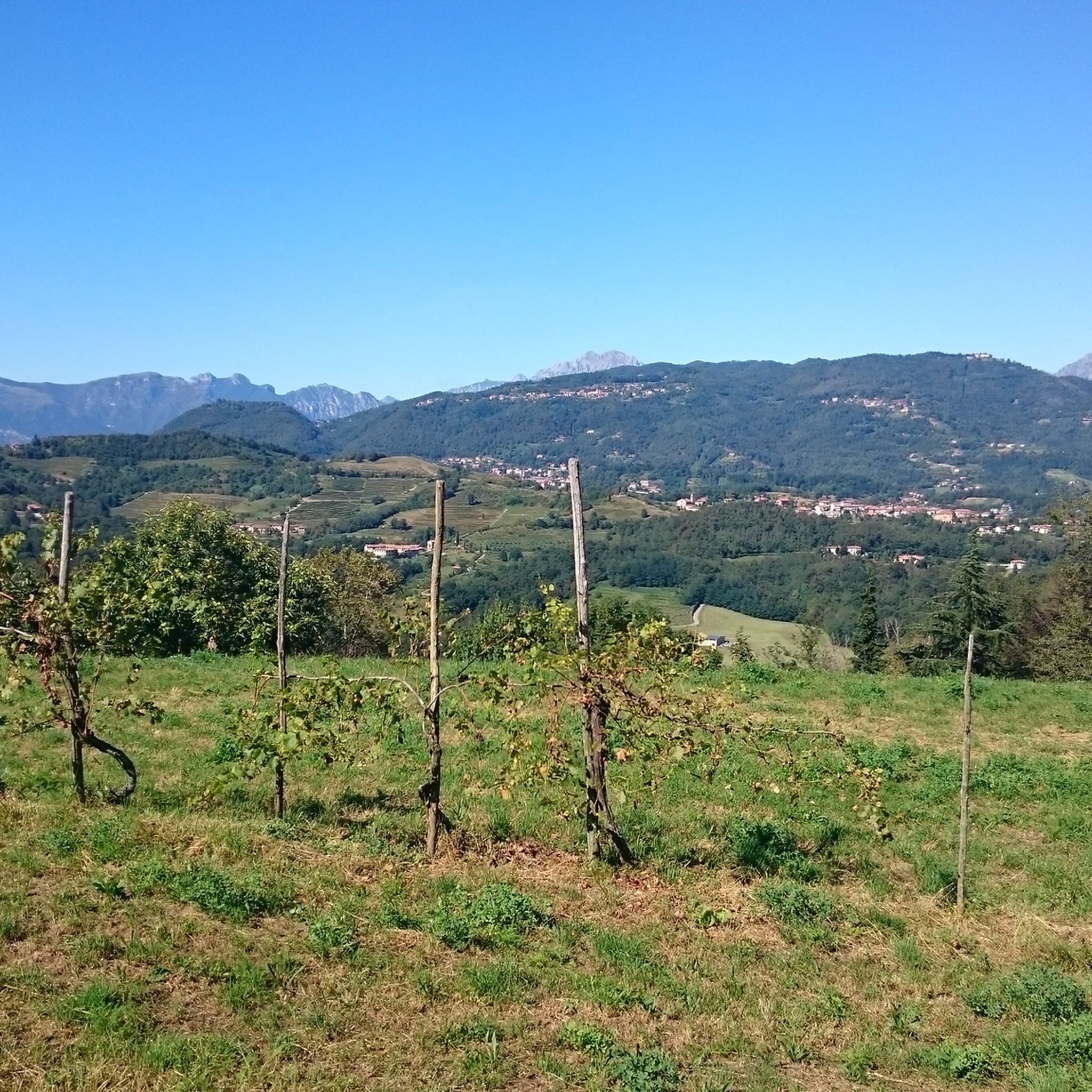
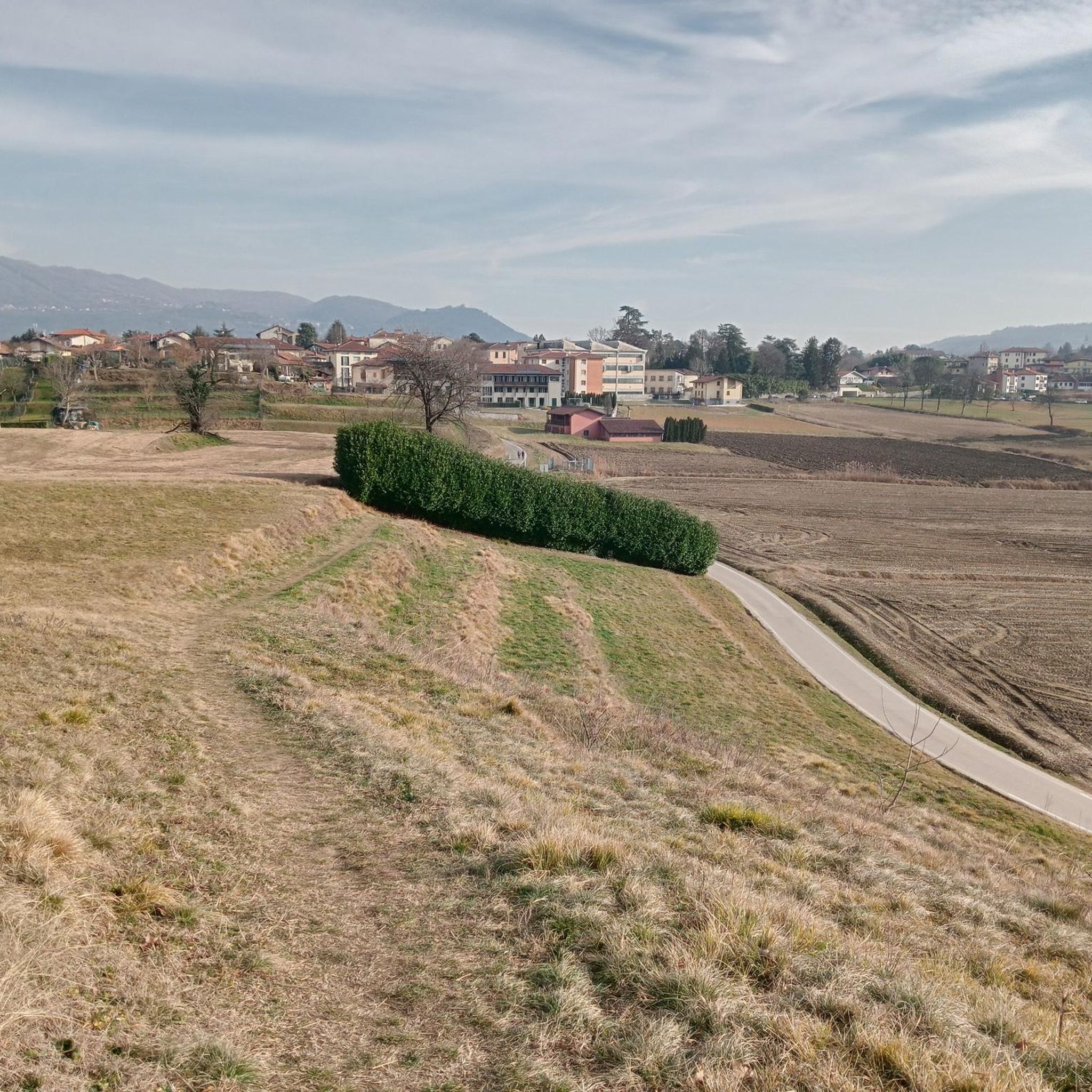
Very popular destination, at the door of a simple excursion. Large meadow, where you can stop in company and enjoy an excellent panorama immersed in nature.
0
0

follow the path that continues beyond to cross the three peaks of the pyramids
1
0


route also suitable for families
0
0

Certainly the most beautiful place to stop on a tour of Curone.
0
0

To reach Secondo Corno, you generally start from Galbiate, following the Via dell'Oliva to a car park located at about 345 metres above sea level. From here, the path climbs steeply through the woods, leading to Primo Corno (768 metres), continues with a short descent to Secondo Corno (791 metres), and finally descends to Terzo Corno (820 metres) before reaching the summit of Monte Barro (922 metres). The route is suitable for hikers with good physical preparation and offers an immersive experience in nature, with the possibility of observing a rich biodiversity and enjoying unique panoramic views. It is particularly appreciated in spring and autumn, when the climate is mild and the vegetation is particularly lush. For further details on the route and the characteristics of Secondo Corno, you can consult the official website of the Parco del Monte Barro.
1
0

On a clear day, a truly breathtaking view
0
1

Be careful, it is forbidden to ride a bike from the top of the cypress trees. If the guards (who are looking through binoculars) catch you, you will be fined. In itself, it is worth going up on foot. The place is shrouded in legend. The hill of the cypress trees, a sort of natural sanctuary surrounded by 12 cypress trees. In 2001, through aerial surveys, a very bizarre coincidence was noticed. The area has 3 stepped pyramids, of equal slope, arranged quite close together, as if to simulate an astronomical observatory or a sacred-religious place. The first of the three pyramids is precisely that of the cypresses. Once you reach the top, you can enjoy a beautiful view, there is a sort of small stone altar and it is already a good place to take some photographs. Then you begin to gently descend along path 11 and you can reach the second of the pyramids of Montevecchia, the pyramid of Belvedere Cereda. It is a bare pyramid, very suggestive that allows you to observe the Curone park from the highest point. It is thought that the Celts used the pyramid as an astronomical observatory.
0
0
Frequently Asked Questions
What kind of natural features can I expect to see around Garbagnate Monastero?
The region around Garbagnate Monastero is rich in diverse natural landscapes, largely influenced by the Parco Regionale della Valle del Lambro. You can explore areas with lakes, such as the protected Lake Alserio, valleys carved by rivers and streams, and extensive wooded areas. Notable features include panoramic summits offering lake views, unique geological formations like the Giant's Kettle, and tranquil ponds that are home to protected species.
Where can I find the best panoramic views of the surrounding lakes?
For breathtaking panoramic views, consider visiting Monte Barro Summit View, which offers expansive vistas of the surrounding lakes. Another excellent spot is the Monte Cornizzolo Summit Cross, known for its wide-ranging views of Lake Como, Pusiano, Annone, and Garlate. The San Tomaso Chapel also provides a beautiful panoramic point overlooking Lake Como.
Are there any unique natural sites or hidden gems to discover?
Yes, the area holds several unique natural sites. Cypress Peak, also known as Cima dei Cipressi, is a natural sanctuary surrounded by 12 cypress trees, shrouded in legend and offering scenic views. The Stagni di Brongio (Brongio Ponds) near the Brongio hamlet are a significant naturalistic site, home to protected species like the Lataste's frog and Italian crayfish, providing a peaceful environment for observing local flora and fauna.
Are there family-friendly natural monuments around Garbagnate Monastero?
Absolutely. Several natural monuments are suitable for families. Cypress Peak is very easy to reach and offers a calm, serene experience. The Giant's Kettle on the Geological Trail is a beautiful path immersed in nature, easy even for those with small children. The Oasis of Galbusera Bianca is another family-friendly option, offering a magical and enchanted place to explore.
What outdoor activities can I do near these natural monuments?
The region offers a variety of outdoor activities. You can explore numerous hiking trails, such as those found in the hiking guide for Garbagnate Monastero, with routes like the 'Church of San Martino loop'. For runners, there are dedicated running trails, including loops around Lake Pusiano. Gravel biking enthusiasts can find challenging routes like the 'Tetto Brianzolo Summit – Oasis of Galbusera Bianca loop' in the gravel biking guide.
Are there any natural monuments with historical or cultural significance?
Yes, some natural sites also carry historical or cultural importance. Cypress Peak (Cima dei Cipressi) is not only a natural sanctuary but also has legends suggesting it might have been an astronomical observatory or a sacred-religious site for the Celts. The Oasis of Galbusera Bianca is also noted for its historical aspects, alongside its natural beauty.
What is the best time to visit the natural monuments around Garbagnate Monastero?
The best time to visit largely depends on the activity. Spring and autumn generally offer pleasant temperatures for hiking and exploring, with vibrant foliage or blooming flora. Summer is ideal for enjoying the lakes and longer daylight hours, though some trails might be more crowded. Winter hiking is possible, especially on lower-altitude trails, but higher summits like Monte Cornizzolo can be exposed to strong winds.
What kind of wildlife can I observe in the natural areas?
The natural areas, particularly within the Parco Regionale della Valle del Lambro and specific sites like the Stagni di Brongio, are home to diverse wildlife. At the Stagni di Brongio, you can observe protected species such as the Lataste's frog and the Italian crayfish. The park's varied habitats, including forests and wetlands, support a range of birds, amphibians, and small mammals.
Are there any natural monuments that offer facilities like restaurants or accommodation?
Yes, the Oasis of Galbusera Bianca is a natural monument that also features a restaurant and accommodation options, making it a convenient spot for a longer visit or a meal amidst nature.
What do visitors enjoy most about the natural monuments in this region?
Visitors frequently praise the stunning panoramic views, especially from summits like Monte Barro Summit View and Monte Cornizzolo. The tranquility and natural beauty of places like Cypress Peak are also highly appreciated. Many enjoy the well-maintained trails and the opportunity to connect with nature, often highlighting the peaceful atmosphere and the chance to observe local flora and fauna.
Are there any geological features worth exploring?
Yes, the Giant's Kettle on the Geological Trail is a prominent geological feature. This trail is truly splendid, featuring waterfalls, bridges, and small lakes, with the 'Marmitta dei Giganti' (Giant's Kettle) being a highlight. The sound of the river flowing along the path adds to the pleasant and relaxing experience.
How accessible are the natural monuments by public transport?
While Garbagnate Monastero itself is a small municipality, accessing some natural monuments by public transport might require a combination of train and bus services, often followed by a walk. It's advisable to check local bus schedules and routes in advance, especially for destinations further into the Parco Regionale della Valle del Lambro. Many visitors opt for personal vehicles or cycling to reach trailheads.
Most popular routes around Garbagnate Monastero
Most popular attractions around Garbagnate Monastero

Get inspired with the komoot mobile app


Explore more
Extend your search for the best caves by checking out these guides of the top ones around Garbagnate Monastero:
