The best cycling routes around Stulln
4.5
(2720)
11,818
riders
25
rides
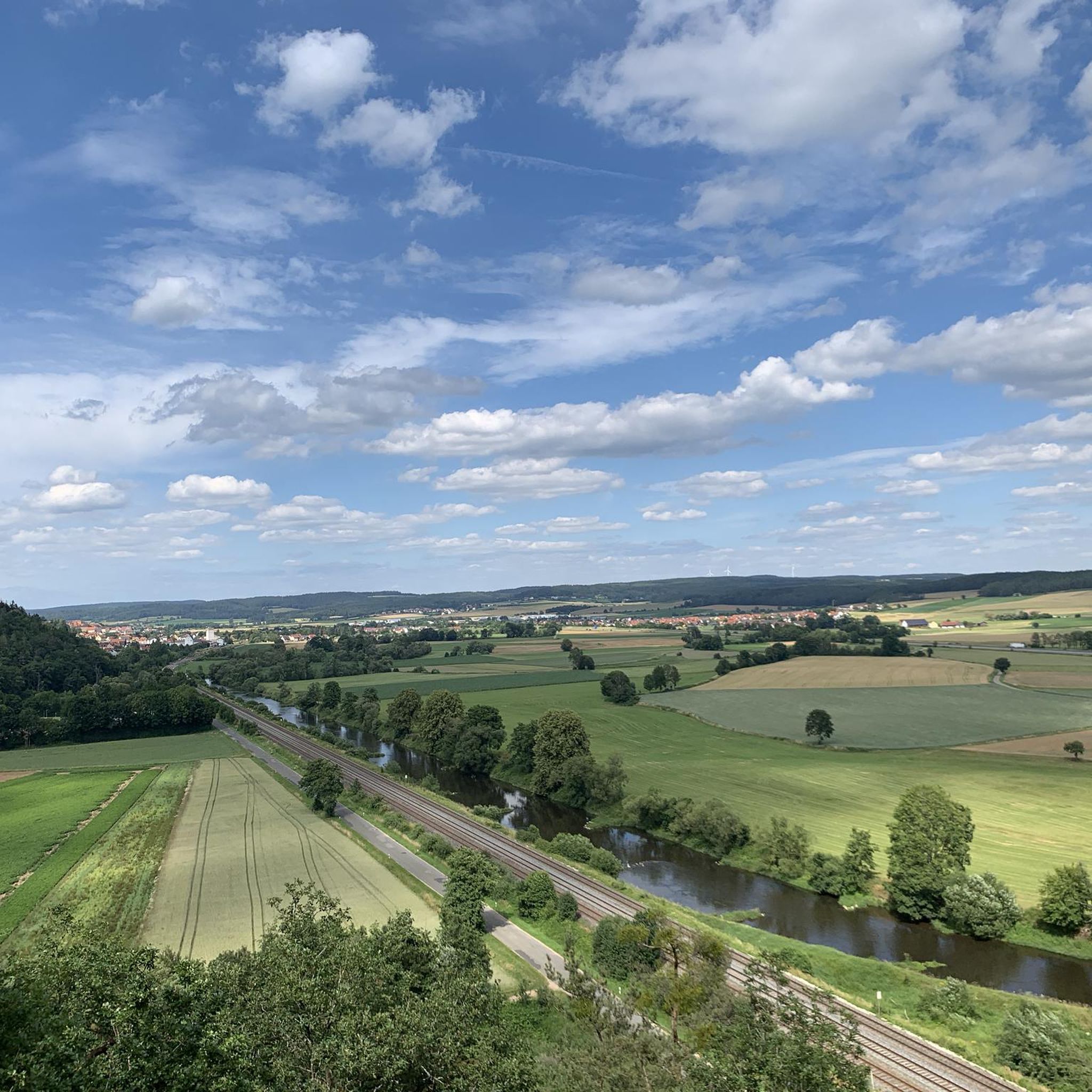
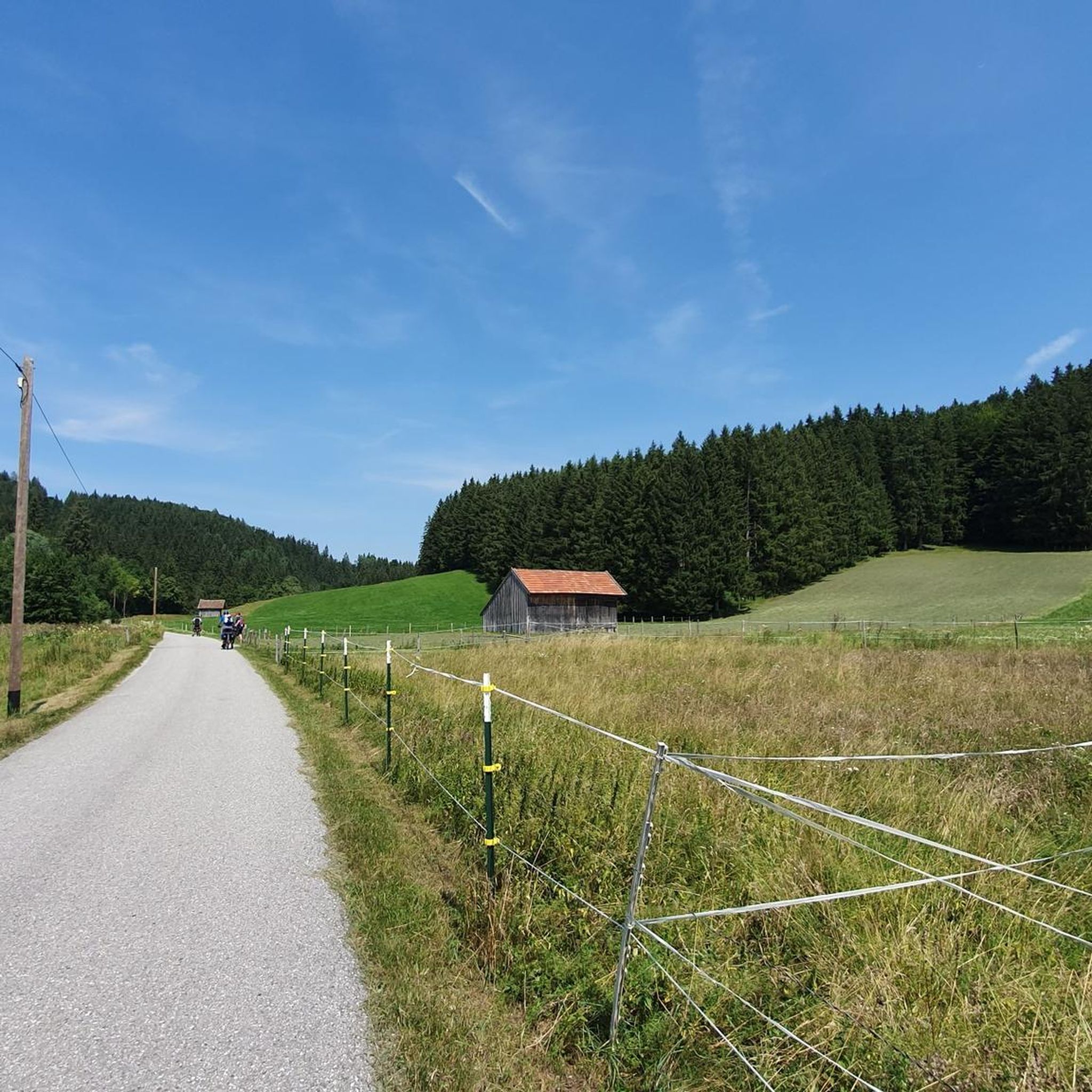
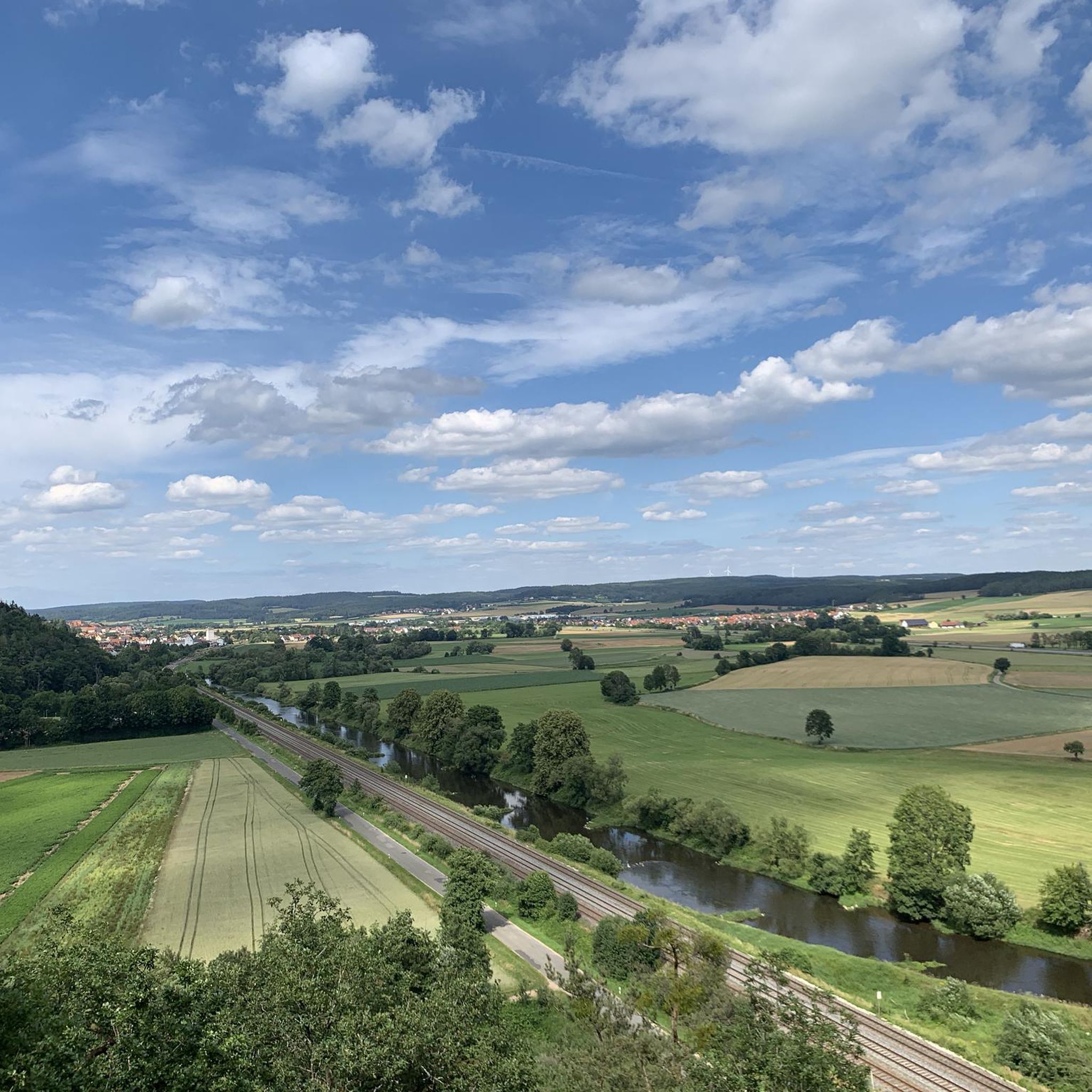
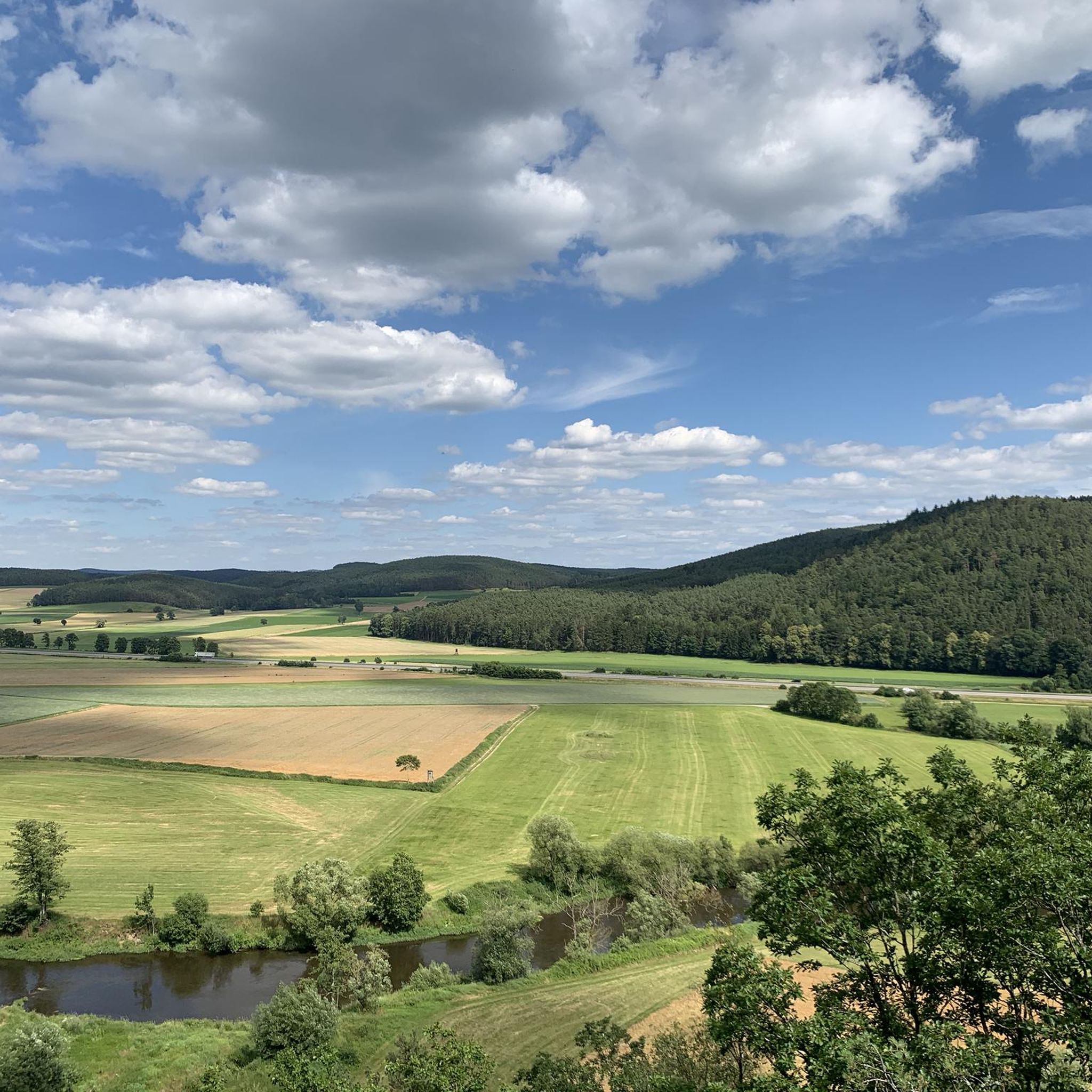
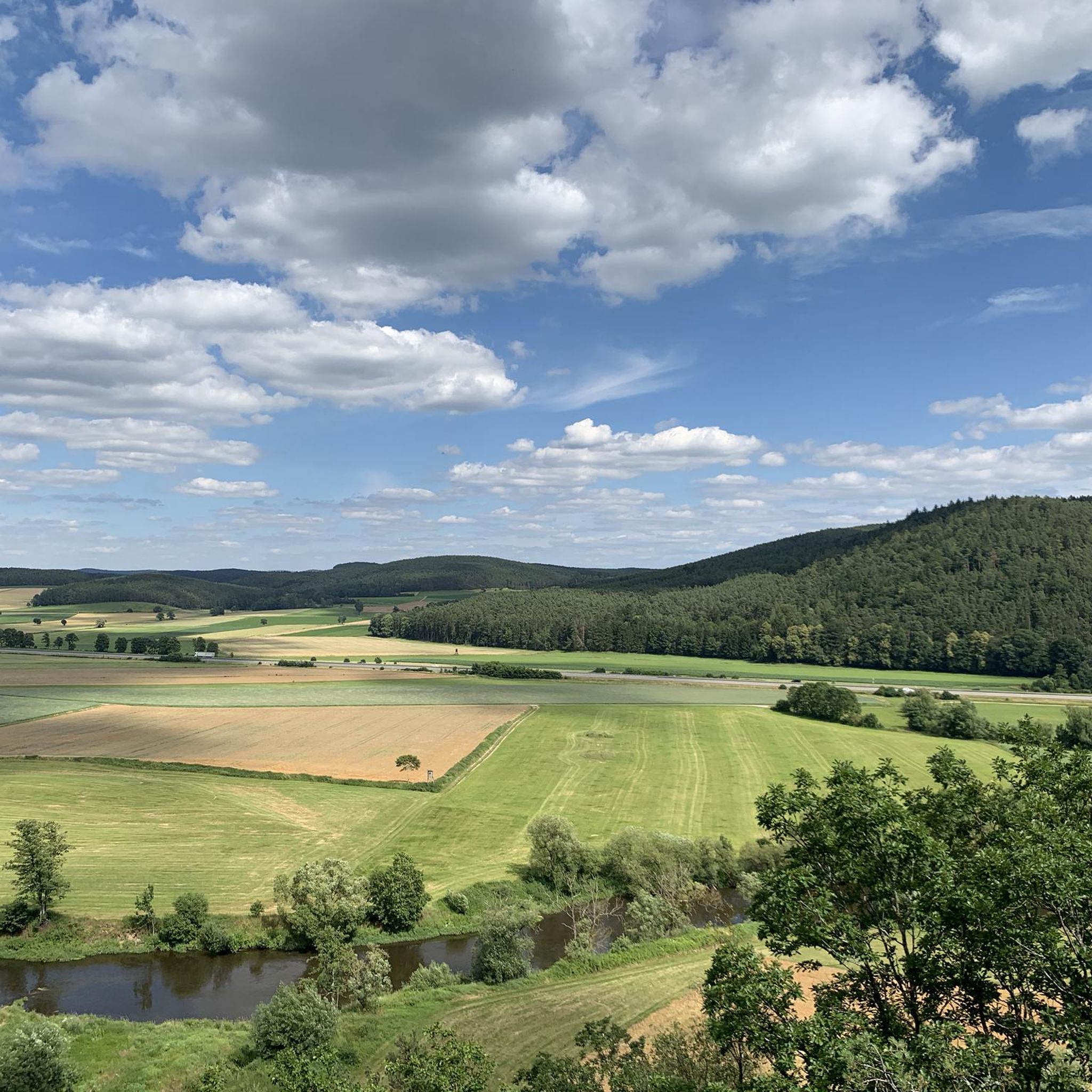
Touring cycling around Stulln offers routes through the picturesque landscape of Bavaria, Germany. The region is characterized by rolling hills, green meadows, and cool, leafy woods, situated at the foot of the Upper Palatinate Jura. Cyclists can explore numerous bicycle routes that often follow rivers and pass by lakes like Lake Murner and Brückelsee, providing scenic paths through the countryside. This area provides an ideal setting for touring cyclists seeking routes with varied elevation profiles and natural features.
Best touring…
Last updated: October 27, 2026
4.6
(54)
315
riders
Moderate bike ride. Good fitness required. Mostly paved surfaces.
4.5
(13)
36
riders
Easy bike ride. Mostly paved surfaces.

4.3
(14)
25
riders
11.8km
00:41
70m
70m
Easy bike ride. Mostly paved surfaces.
5.0
(2)
16
riders
47.2km
03:18
360m
360m
Hard bike ride. Good fitness required. You may need to push your bike for some segments of this route.
10
riders
Easy bike ride. Mostly paved surfaces.
Get access to more routes and recommendations from other explorers.
Already have an account?
Our route recommendations are based on thousands of hikes, rides, and runs completed by other people on komoot.
Start today with a free account
Your next adventure awaits.
Tips from the Community

Autumn is fast approaching and the landscape is changing day by day
0
0


Unfortunately, it's just a scrapyard now, with signs 'Private property, no trespassing'!
0
1
A wonderful area with many sights
1
0
The step has since been removed again!!
0
0

Moos Castle Moos was the seat of the noble family of Moos. Otto von Moß is mentioned as a witness in documents in 1121, Hermann von Moße in 1126, Otto von Mose in 1166, and Friedrich Mosaer in 1190. The service in which this family served and their coat of arms are unknown. Presumably, there was no stone manor at that time, but rather a motte-and-bailey castle built on a hill. The Moos family appears until the end of the 12th century, after which their trail disappears. In the first half of the 14th century, Moos was already a Hofmark (a type of manor). The Nortweiner family, who were wealthy landowners in the area, are mentioned as its owners. In the mid-15th century, Moos came into the possession of Jörg Kastner; the subsequent ownership history is unclear. The estate moved to the center of Bavarian history when Elector Maximilian had the city of Amberg surrendered to him at Moos Castle on October 8, 1621, after the Battle of White Mountain. Thus, the estate reverted from the Electorate of the Palatinate to Bavaria. Due to heavy debt, the estate passed to the government in Amberg, and various owners followed. In 1904, all the property belonging to the castle was demolished. A year later, Leonhard Bernreuther acquired the castle and renovated it in exemplary fashion. It then passed to the Uwe Herrmann family. The newly renovated castle is a three-story solid building with a hipped roof, dormer windows, and simple stucco detailing. The building dates back to the Late Gothic period; it may have previously been a fortified house. In 1738, it was rebuilt with the exception of the four main walls. Until the reconstruction, it was a defensive structure with one-meter-thick walls on the ground floor and narrow slits instead of windows. Two windows remain on the east side. There, on the first floor, is an exposed Late Gothic window with a straight lintel and dressed stonework, as well as a latrine bay window. A ring wall with numerous keyhole-shaped loopholes hewn from dressed stone and four projecting corner towers from the first construction phase surrounds the castle. It is approximately three meters high and 80 cm thick. The tall spires were added during the last renovation (1982–1984). The former moat can still be seen as a strip of barren land on the south and east sides. Access to the complex is from the north; a bridge once stood here, the inner section of which could be raised. Source: Excerpts from www.wikipedia.de
2
0
Frequently Asked Questions
How many touring cycling routes are available around Stulln?
There are over 25 touring cycling routes around Stulln, offering a variety of experiences through the picturesque landscape of Bavaria. These routes cater to different skill levels, with 14 easy, 9 moderate, and 2 difficult options.
What kind of landscape can I expect while cycling in Stulln?
The Stulln region, situated at the foot of the Upper Palatinate Jura, is characterized by its beautiful landscape of rolling hills and verdant meadows. Many routes follow river valleys, providing scenic paths through the countryside and past picturesque villages.
Are there any easy touring cycling routes suitable for beginners or families?
Yes, Stulln offers several easy touring cycling routes. An excellent option is the Brensdorf Cycling Junction – Forsterweiher Lake loop from Upper Palatinate, an easy 7.0-mile (11.2 km) trail that takes about 42 minutes to complete, leading through verdant meadows and past water features. Another easy choice is the Forsterweiher Lake – Schwarzenfeld Castle loop from Upper Palatinate, a 5.7-mile (9.2 km) trail.
What are some popular routes that offer scenic views or points of interest?
For scenic views, consider the moderate View of Murner See – Ponds Near Holzhaus loop from Upper Palatinate. This 17.1-mile (27.5 km) path offers beautiful views of Lake Murner and passes by local ponds. Another route, the View of Nabburg loop from Upper Palatinate, provides lovely vistas of the historic town of Nabburg.
What is the best time of year to go touring cycling in Stulln?
The prime seasons for touring cycling in Stulln are spring and summer. During these months, the landscape is in full bloom and vibrantly green, offering the most pleasant views and comfortable weather conditions for outdoor activities.
Are there any circular touring cycling routes in the Stulln area?
Yes, many of the touring cycling routes around Stulln are designed as circular loops, allowing you to start and end at the same point. Examples include the Schwarzenfeld Castle – Brensdorf Cycling Junction loop from Upper Palatinate, which is an easy 7.8-mile (12.5 km) ride, and the Brensdorf Cycling Junction – Forsterweiher Lake loop from Upper Palatinate.
What kind of attractions or landmarks can I explore along the cycling routes?
The Stulln area is rich in natural beauty and historical sites. Along your routes, you might encounter beautiful lakes such as Lake Murner and Brückelsee. You can also discover impressive castles like Schwarzenfeld Castle, which is featured on some routes, or the historic Stein Castle on the Pfreimd.
What do other touring cyclists say about the routes in Stulln?
The touring cycling routes in Stulln are highly rated by the komoot community, with an average score of 4.4 stars from over 2500 reviews. Cyclists often praise the varied terrain, the picturesque river valleys, and the overall natural beauty of the Upper Palatinate region.
Are there any routes that pass by the Schwandorf Lake District?
Yes, some routes in the Stulln area will bring you close to or through parts of the Schwandorf Lake District, offering opportunities to enjoy the serene waterscapes. The View of Murner See – Ponds Near Holzhaus loop from Upper Palatinate is a good example, providing views of Lake Murner, a key part of this district.
What is the general difficulty level of touring cycling in Stulln?
Touring cycling in Stulln offers a good mix of difficulty levels. While the region features rolling hills, there are plenty of easy routes suitable for a relaxed ride. Out of 25 routes, 14 are classified as easy, 9 as moderate, and only 2 as difficult, making it accessible for most cyclists.
Can I expect to find places to rest or have a break along the routes?
The region around Stulln is known for its picturesque villages, which often provide pleasant settings for breaks. While specific cafes or pubs are not detailed for every route, the presence of these villages along the paths suggests opportunities for refreshments and rest stops.
Most popular attractions around Stulln

Get inspired with the komoot mobile app


Explore more
Browse the best Cycling routes in other regions.
