The best mountain hikes around Vittorio Veneto
5.0
(2)
24
hikers
3
hikes
Mountaineering routes around Vittorio Veneto are situated within Italy's Veneto region, primarily in the Treviso Pre-Alps, which feature mountainous terrain ranging between 700 and 2,200 meters. This area offers a diverse landscape of picturesque hills, lush forests, and significant peaks like Monte Pizzoc (1,565m) and Monte Altare (1,406m). The region also serves as a gateway to the Dolomites, providing a wide array of mountaineering opportunities. Valleys such as Val Lapisina, marked by glacial activity, add to the varied terrain.
Best…
Last updated: July 19, 2026
5.0
(1)
11
hikers
9.90km
03:39
560m
560m
Moderate mountaineering route. Good fitness required. Mostly accessible paths. Sure-footedness required.
5.0
(1)
3
hikers
5.24km
01:46
220m
220m
Moderate mountaineering route. Great for any fitness level. Mostly accessible paths. Sure-footedness required.

Sign up for free
3
hikers
10.6km
05:42
970m
970m
Hard mountaineering route. Very good fitness required. Sure-footedness, sturdy shoes and alpine experience required.
3
hikers
9.44km
05:33
980m
980m
Hard mountaineering route. Very good fitness required. Sure-footedness, sturdy shoes and alpine experience required.
2
hikers
7.73km
03:20
570m
580m
Moderate mountaineering route. Good fitness required. Mostly accessible paths. Sure-footedness required.
Our route recommendations are based on thousands of hikes, rides, and runs completed by other people on komoot.
Start today with a free account
Your next adventure awaits.
Login or Signup
Popular around Vittorio Veneto
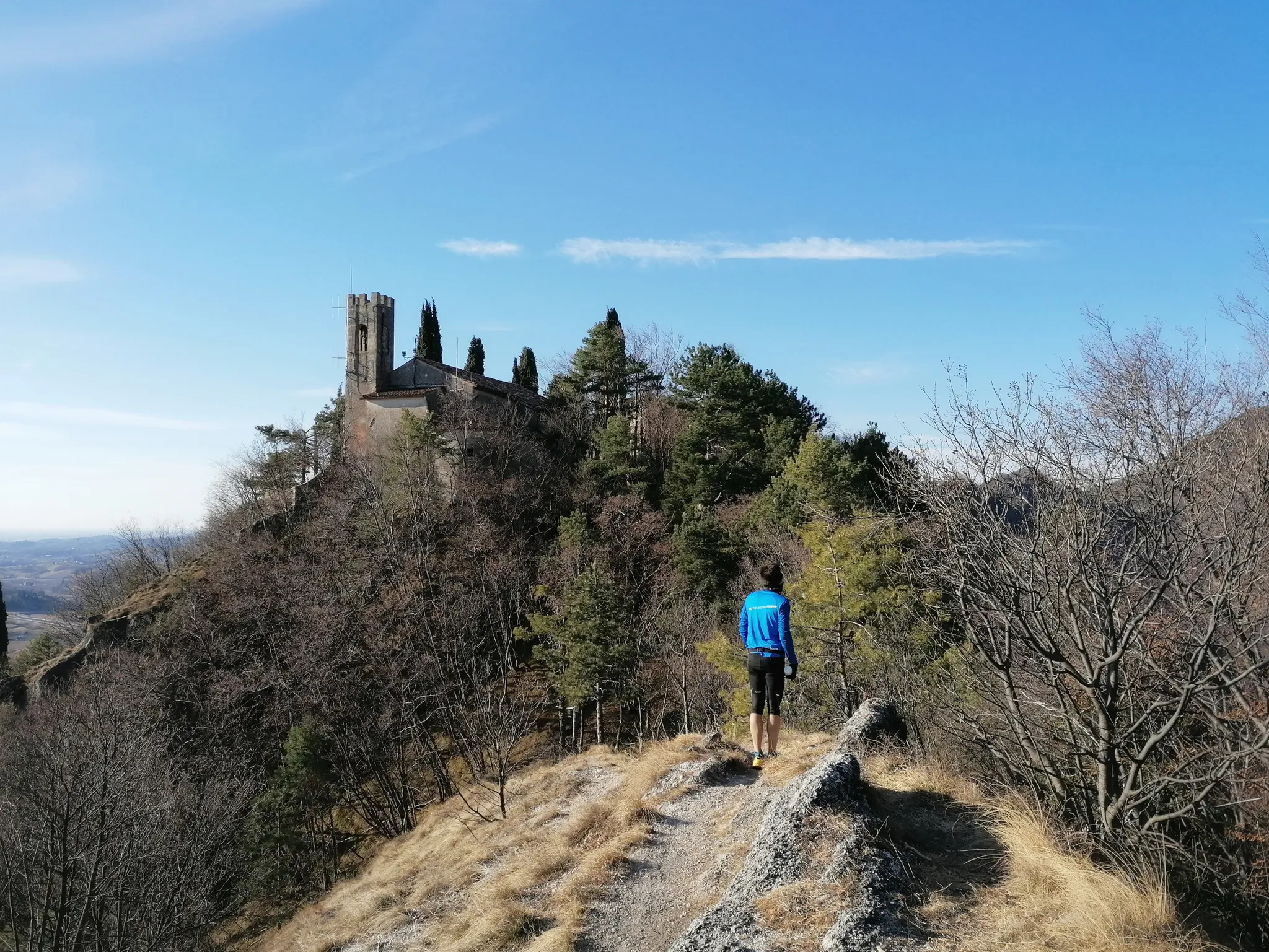
800 years of history from Gemona to Padua – Cammino di Sant'Antonio
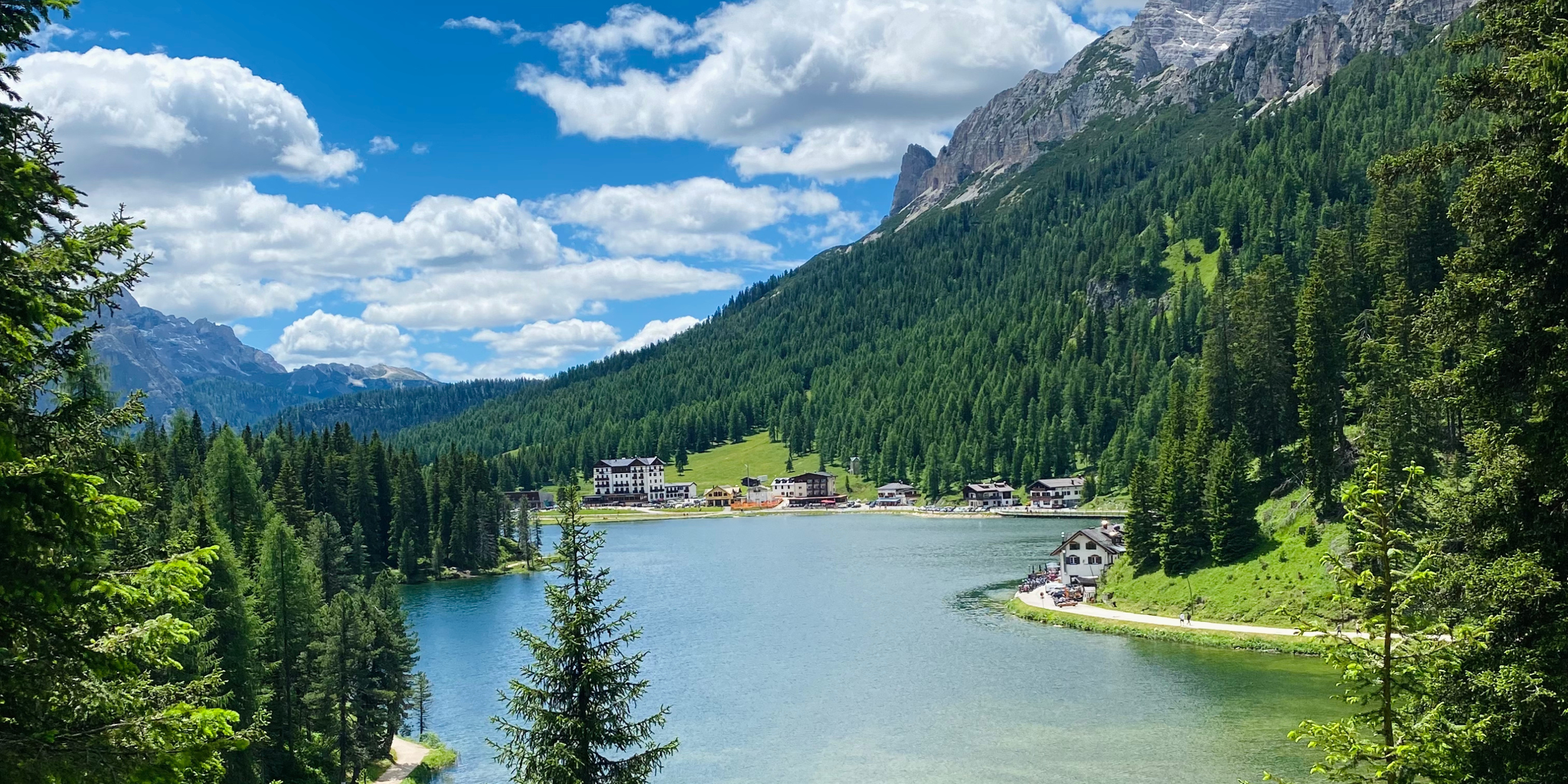
Cycling from sea to mountains – Venice to Cortina d'Ampezzo
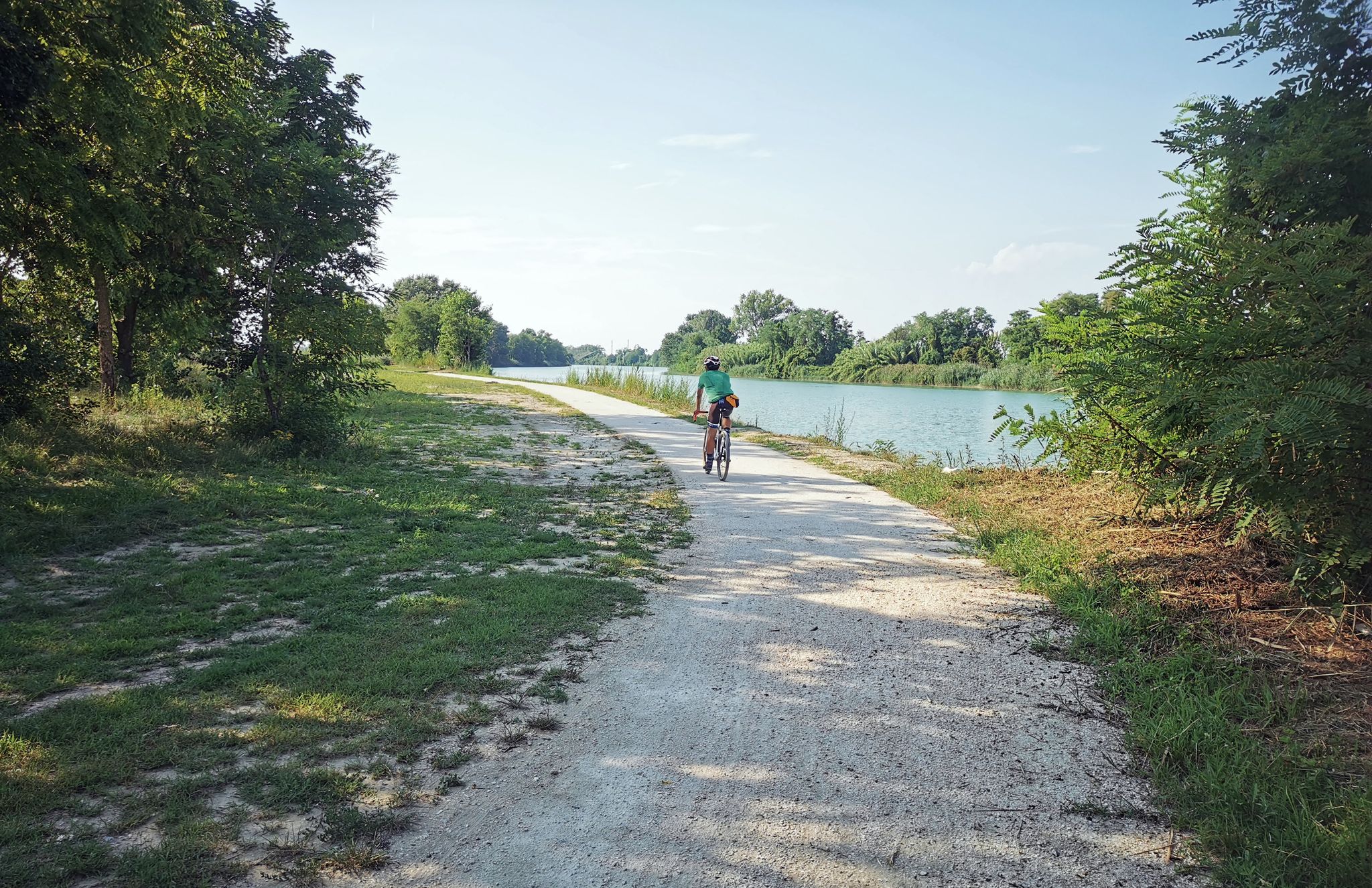
Italian Gravel – up and down dirt roads in Veneto
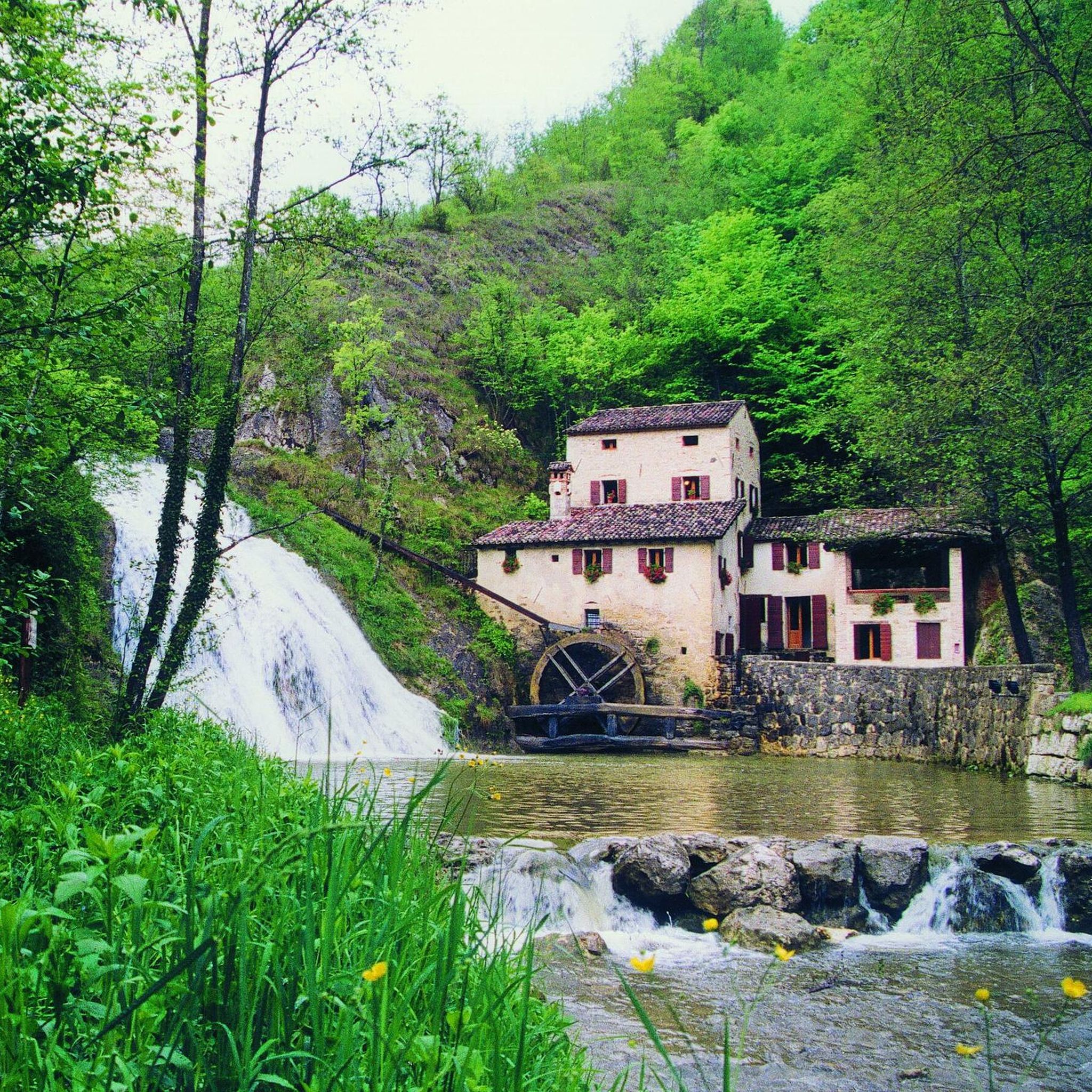
Hiking around Vittorio Veneto
MTB Trails around Vittorio Veneto
Road Cycling Routes around Vittorio Veneto
Cycling around Vittorio Veneto
Running Trails around Vittorio Veneto
Gravel biking around Vittorio Veneto
Other adventures around Vittorio Veneto


Tips from the Community

The summit of Passo San Boldo between the provinces of Treviso and Belluno.
12
0

There is no second time. Built in 100 days.
3
0

The Bivacco Marsini, also known as Casinet de Och, is a cozy refuge located at 370 meters above sea level on the hills of Refrontolo, in the heart of the Prosecco hills of Treviso. Restored from an old rural stone structure thanks to the commitment of volunteers, it offers a ground floor with a stove and a wooden loft for rest, as well as an outdoor area equipped with tables and a barbecue that offers a splendid panoramic view. The most frequented itinerary to reach it starts from the suggestive Molinetto della Croda and develops along an easy loop of about 8 kilometers with 300 meters of elevation gain, walkable in just over two hours via the CAI 1050 trail. This excursion, suitable for everyone and accessible in every season, perfectly combines nature, local history, and beautiful hilly views, representing the ideal destination for a relaxing half-day outing.
0
0


Panoramic summit, easily reachable from the Loff bivouac.
0
0

The bivouac is well-maintained and in a great location. Unfortunately, I encountered a rainy day with low clouds.
0
0

Besides being a beautiful climb, it is a masterpiece of road engineering.
3
0
Frequently Asked Questions
What is the overall difficulty of mountaineering routes around Vittorio Veneto?
The mountaineering routes in the Vittorio Veneto area primarily feature moderate challenges. All four routes listed in this guide are rated as moderate, offering a good balance for those with some experience. The region's diverse terrain, from the Treviso Pre-Alps to areas near the Dolomites, provides varied ascents and descents.
Are there any circular mountaineering routes available?
Yes, many mountaineering routes in the Vittorio Veneto area are designed as loops. For instance, you can explore the San Boldo Pass – Loff Bivouac loop from San Boldo, which is a moderate 6.1-mile (9.9 km) trail. Another option is the Cima delle Vacche loop from Tambre, a moderate 5.0-mile (8.1 km) path offering panoramic vistas.
What kind of landmarks or viewpoints can I expect to see on these routes?
The mountaineering routes around Vittorio Veneto offer numerous scenic viewpoints and historical landmarks. From Monte Pizzoc (1,565m), you can enjoy excellent views of the Alpago Mountains and the Veneto Dolomites, and on clear days, even the Gulf of Trieste. Monte Altare (1,406m) features visible trenches and fortifications from World War I. Additionally, you might encounter natural attractions like the Molinetto della Croda or the Caglieron Caves, which are just 15 minutes from Vittorio Veneto.
Are there any family-friendly mountaineering options near Vittorio Veneto?
While many mountaineering routes require a certain level of fitness, some areas offer more accessible trails suitable for families. For example, the Lapisina Valley features easy loop trails around Lago Morto. The Cansiglio Plateau, a short drive away, also provides an 'extraordinary outdoor gym' with hundreds of trails, including easier loops through sunny meadows and forests, which can be suitable for families looking for less strenuous options.
What is the best time of year for mountaineering in Vittorio Veneto?
The best time for mountaineering in Vittorio Veneto is generally from spring through autumn. During these seasons, the weather is more stable, and trails are typically clear of snow, making for safer and more enjoyable ascents. The lush forests and clearings along ridges like Agnelezze are particularly beautiful in spring and early summer, while autumn offers vibrant foliage.
Can I find routes that lead to mountain huts or bivouacs?
Yes, some routes in the area lead to mountain shelters. For example, the Rifugio Semenza – Bivacco Lastè loop from Tambre is a 5.9-mile (9.4 km) trail that takes you through mountainous landscapes, often completed in about 4 hours 53 minutes, and includes these resting points. Monte Pizzoc also hosts the Rifugio Città di Vittorio Veneto, providing a convenient stop for hikers.
Are there any routes that offer views of lakes or water features?
Absolutely. The Lapisina Valley, marked by the Paleopiave glacier, is home to several lakes, including Lago Morto and Lago di Santa Croce. While mountaineering routes might not always directly skirt these lakes, the region's topography means you can often enjoy views of these serene water bodies from higher elevations. Easy loop trails are also available around Lago Morto for a more direct experience.
What are the longer or more challenging mountaineering routes in the area?
For those seeking more challenging experiences, the Vittorio Veneto area offers routes with significant elevation gain. The Bivacco Lastè – Rifugio Semenza loop from Tambre is a difficult 10.5-kilometer (6.5-mile) route with nearly 1,000 meters of elevation gain, taking around 5 hours 40 minutes. Additionally, Vittorio Veneto is the finishing point of the challenging Dolomites High Route no. 6, known as 'The Way of Silence,' which is recommended for experienced and well-trained hikers.
Are there any historical or cultural points of interest along the mountaineering trails?
Yes, the region is rich in history. Monte Altare, for instance, is known for its World War I battle sites, with trenches and fortifications still visible. The Sant'Augusta Path, starting from Serravalle Cathedral, leads to the Sanctuary of Santa Augusta, offering both a cultural experience and panoramic views. Many trails also reveal ancient hermitages and charming medieval villages, adding a cultural dimension to your outdoor adventure.
What do other mountaineers say about the routes in Vittorio Veneto?
The mountaineering routes in Vittorio Veneto are highly regarded by the komoot community, with an impressive average rating of 5.0 stars from over 5 reviews. More than 70 mountaineers have explored this varied terrain using komoot, often praising the diverse landscapes, from picturesque hills and lush forests to significant peaks, and the well-maintained trail network.
Are there any routes that offer views of the sea?
Yes, from certain high points in the region, you can catch glimpses of the sea on clear days. Col Visentin (1,765m), the highest elevation of the Nevegal range, is known for offering the 'first countable sea view' in clear conditions. Challenging paths leading to Col Visentin start directly from the city and reward climbers with splendid panoramas that can extend to the Gulf of Trieste and the Venice Lagoon.
Can I find routes that are shorter in duration for a quick outing?
While many mountaineering routes are longer, there are options for shorter excursions. For example, the Molinetto della Croda loop from Refrontolo is a moderate 3.3-mile (5.2 km) route that can be completed in about 1 hour 45 minutes, making it suitable for a quicker mountaineering experience.
Most popular routes around Vittorio Veneto
Most popular attractions around Vittorio Veneto

Get inspired with the komoot mobile app


Explore more
Browse the best Mountain Hikes & Routes in other regions.
