Attractions and Places To See around Mareno Di Piave - Top 20
Best attractions and places to see around Mareno Di Piave include historical sites and natural landscapes in the Province of Treviso, Italy. This picturesque municipality is closely linked to the Piave River, which has played a crucial role in its development and history. The area is characterized by vineyards and offers diverse points of interest for visitors exploring the surrounding Veneto region. Mareno Di Piave serves as a base for discovering both local landmarks and nearby significant attractions.
Best attractions…
Last updated: July 20, 2026
Castello di San Salvatore (Susegana)
Highlight • Castle
Translated by Google •
Tip by

San Salvatore-Collalto
Highlight (Segment) • Castle
Translated by Google •
Tip by
Sign up now to discover places like this
Get recommendations on the best single tracks, peaks, & plenty of other exciting outdoor places.
Sign up for free
La Tradotta Cycle and Pedestrian Path
Highlight • Cycleway
Translated by Google •
Tip by

Conegliano Castle
Highlight • Castle
Translated by Google •
Tip by

Among the Prosecco vineyards
Highlight • Trail
Translated by Google •
Tip by

Sign up for free to discover even more attractions around Mareno Di Piave.
Sign up for free
Already have an account?
Start today with a free account
Your next adventure awaits.
Login or Signup

Tips from the Community

Located on the summit of Colle di Giano, the Castle of Conegliano is the historical emblem of the city and a privileged sentinel over the Venetian plain. Of the ancient medieval complex, the strategic heart of the village since the 12th century, the Bell Tower stands out today, the only surviving element along with part of the walls and the Guard Tower. Inside, the Civic Museum houses a precious collection ranging from archaeological finds to important pictorial works. From the top of the tower, the view is breathtaking: on clear days, the gaze sweeps from the rooftops of the historic center, adorned by the frescoed facades of via XX Settembre, to the crests of the Prealps and the Prosecco vineyards. Reachable via charming cobbled streets or staircases immersed in greenery, the castle is not just a monument, but a meeting place where history blends with the beauty of the Treviso landscape.
0
0
The "La Tradotta" cycle path is a suggestive 20-kilometer cycle and pedestrian route that follows the track of the old Montebelluna-Susegana military railway. The name derives from the trains that, during the Great War, transported troops and supplies towards the Piave front. The route, predominantly flat and immersed in greenery, connects Montebelluna to Nervesa della Battaglia, running along the slopes of Montello. Along the way, you will encounter the remains of old signal boxes and stations, as well as historical monuments and educational panels that recount the events of 1917-18. It is an ideal itinerary for families and history enthusiasts, offering a direct link between modern slow mobility and the memory of the Treviso territory.
0
0
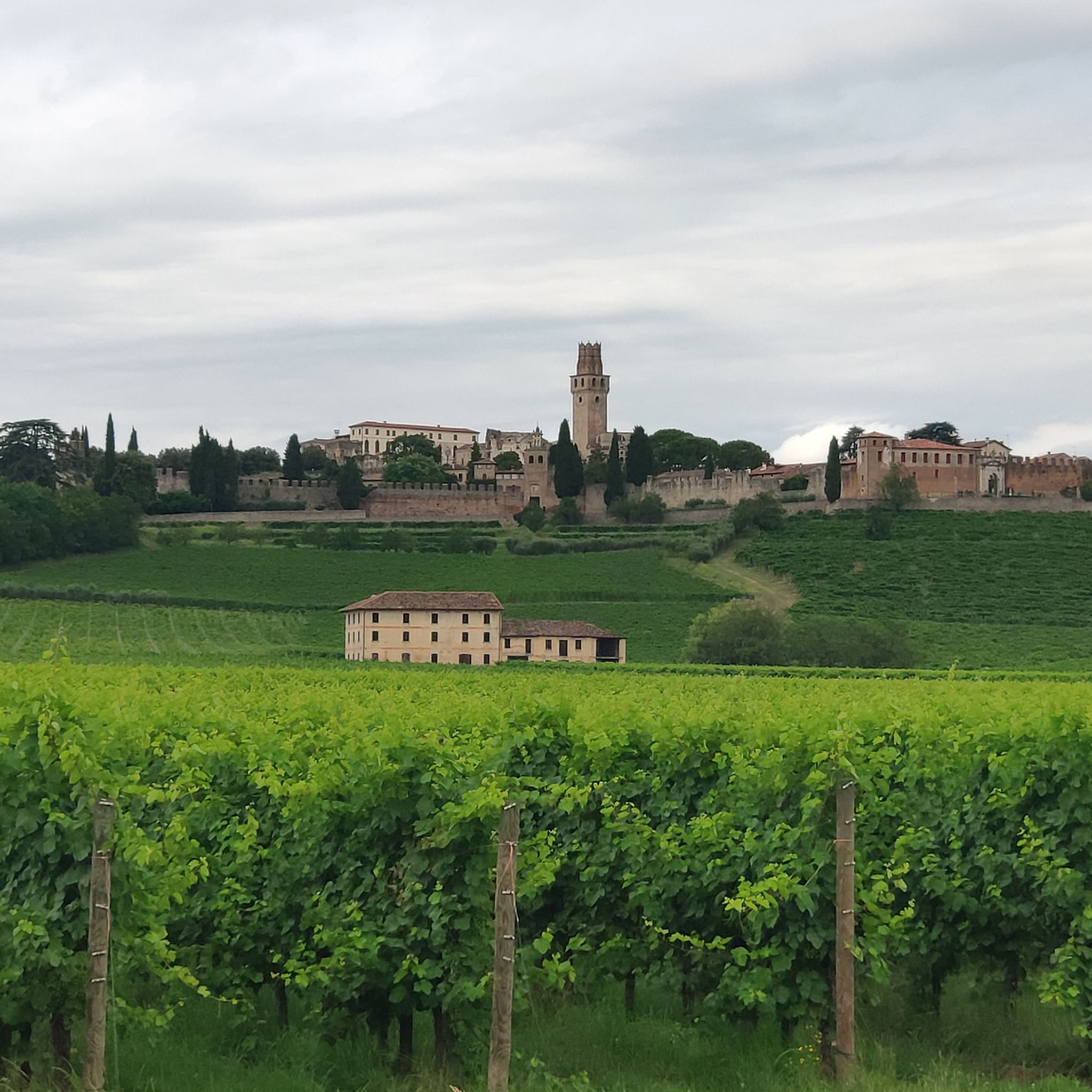
The Castello di San Salvatore, which dominates the town of Susegana, is one of the most imposing late medieval fortifications in Italy and the symbol of the power of the Counts of Collalto. Built starting from the 13th century, it transformed over time into a lavish Renaissance residence, becoming a cultural center of international importance. Despite the very serious damage suffered during the Great War, when it was on the Piave front line, the castle has been carefully restored by the Collalto family. Today, it welcomes visitors with its crenellated walls and splendid hanging garden, offering a breathtaking view of the Prosecco hills and testifying to eight centuries of aristocratic history amidst art, battles, and excellent wine-making traditions.
0
0

Historically suggestive. A bit boring and dusty.
0
0

The castle can be visited! Every first Wednesday of the month with prior online registration.
0
0

Conegliano Castle dominates the city from its hilltop position. The first document mentioning it dates back to 1016 AD, but the structure reached its maximum extension in the fourteenth century, thanks to the influence of the Scaligeri and Carraresi rulers.
0
0

Unfortunately it cannot be visited
0
0

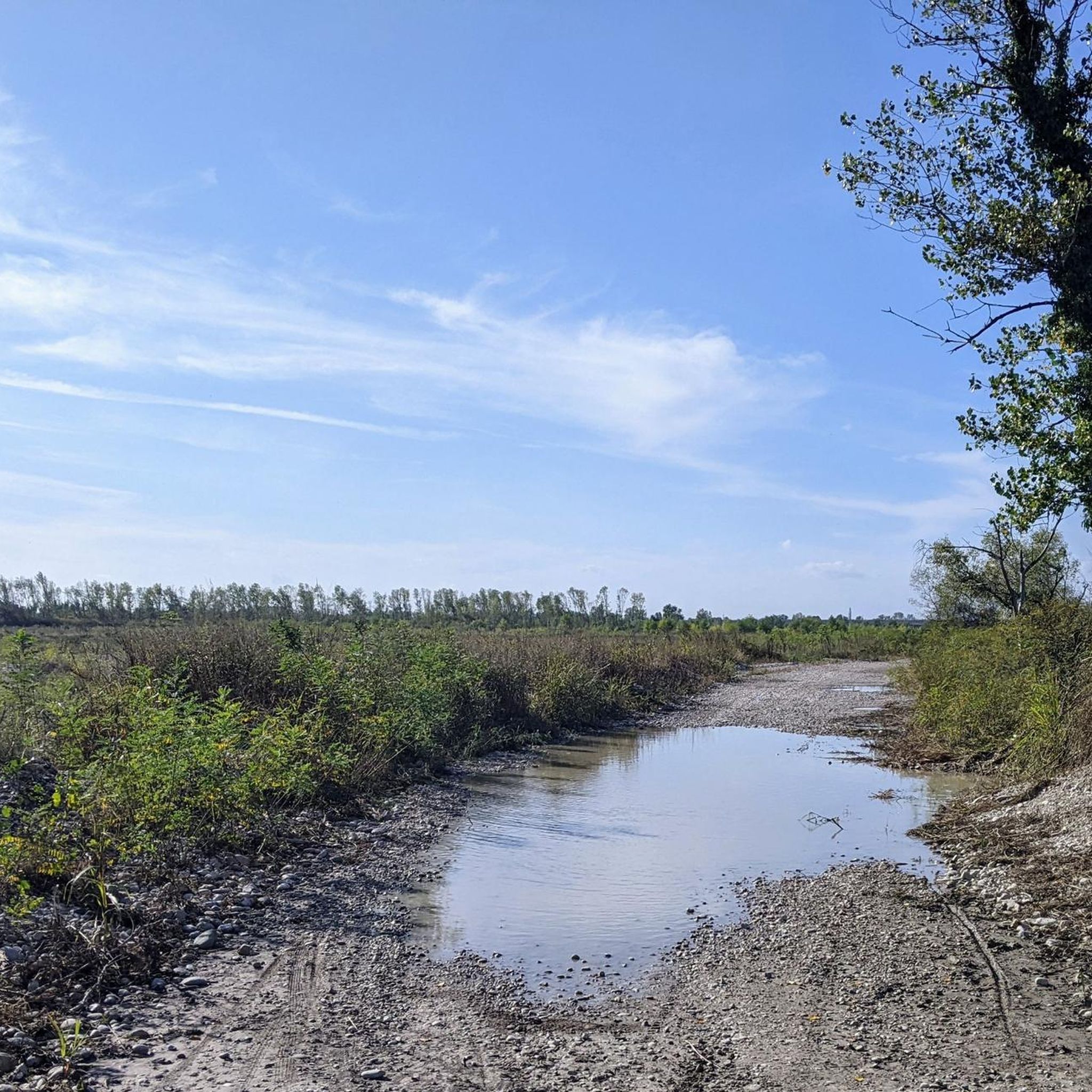
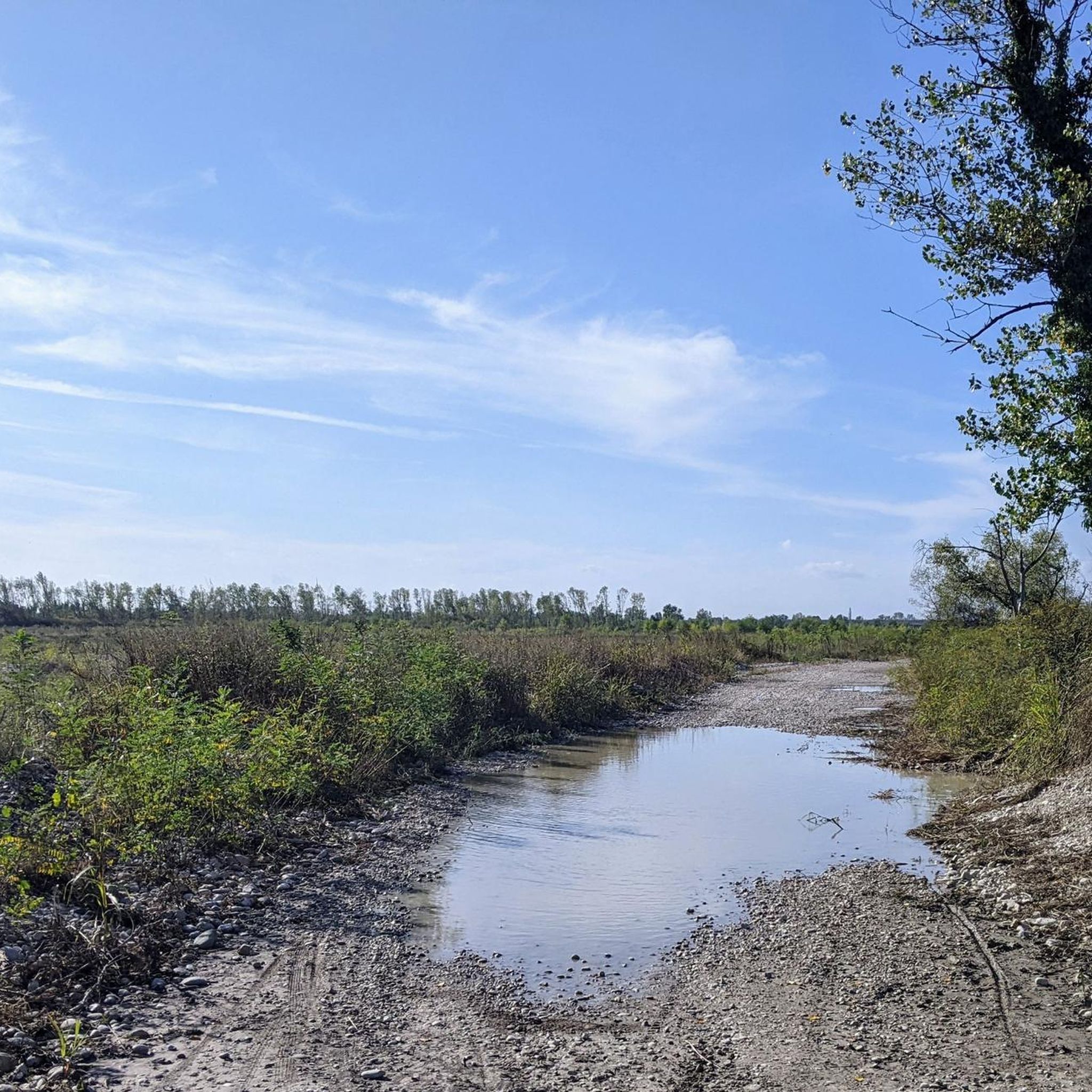
La Tradotta is a cycle/pedestrian path, inaugurated in June 2020 and approximately 18.5 km long, which connects Montebelluna to Nervesa della Battaglia, passing through the municipalities of Montebelluna, Volpago del Montello and Giavera del Montello. This cycle/pedestrian path was built on the old “La Tradotta” Montebelluna-Susegana railway line, built at the beginning of the last century for military purposes. Ferrovie dello Stato began designing the route in 1914 while the official opening was in 1916, following the First World War, due to the heavy damage suffered, it was reopened in 1920. In 1966 it was finally suppressed although during the 1970s it was used for replacement runs between Montebelluna and Conegliano. The route can be done without difficulty as it is completely flat and therefore suitable for all ages and needs.
0
1
Frequently Asked Questions
What historical sites can I explore in Mareno di Piave and its surroundings?
Mareno di Piave offers a rich historical context, particularly with its connection to the Piave River during World War I. Within the town, you can visit the Parish Church of Saints Peter and Paul, which houses valuable artworks and partially preserved frescoes. Nearby, you'll find impressive castles such as San Salvatore Castle in Susegana, a former defensive fortress turned elegant residence, and Conegliano Castle, which features a civic museum. The ruins of Collalto Castle also offer a poignant glimpse into the region's past.
Are there any natural features or scenic landscapes to enjoy near Mareno di Piave?
Yes, Mareno di Piave is deeply connected to the scenic Piave River, which is central to its identity. The surrounding Veneto countryside is characterized by extensive vineyards, offering picturesque views, especially in the broader Prosecco Hills region. These areas provide beautiful backdrops for walks and drives.
What cycling and walking paths are available around Mareno di Piave?
A notable option is La Tradotta Cycle and Pedestrian Path. This 16 km long route follows the original path of a military railway line between Montebelluna and Conegliano, making it completely flat and accessible for all ages, perfect for running or cycling without traffic. For more cycling adventures, you can explore various road cycling routes and gravel biking routes in the area.
Are there family-friendly attractions or activities in the Mareno di Piave area?
The La Tradotta Cycle and Pedestrian Path is an excellent family-friendly option, being flat and traffic-free, suitable for cycling and walking with children. Exploring the grounds of castles like San Salvatore Castle can also be engaging for families, offering historical insights and scenic views.
What outdoor activities, like cycling or running, can I do near these attractions?
Beyond the La Tradotta path, the region around Mareno di Piave offers diverse outdoor activities. You can find numerous road cycling routes, including scenic loops through vineyards. For those who prefer off-road adventures, there are challenging gravel biking trails, some exploring the Piave River Trail. Runners can also discover various running trails, including moderate loops from Mareno di Piave itself.
What do visitors particularly enjoy about the attractions around Mareno di Piave?
Visitors frequently praise the breathtaking views from historical sites like San Salvatore Castle and Conegliano Castle, often describing them as 'fabulous' and offering panoramic vistas of the plain and surrounding hills. The La Tradotta Cycle and Pedestrian Path is also highly appreciated for being a traffic-free route suitable for running and cycling.
Can I visit any castles near Mareno di Piave?
Absolutely. The region is home to several significant castles. The most prominent is San Salvatore Castle in Susegana, an impressive medieval fortress that became a noble residence. Another must-see is Conegliano Castle, located on Colle di Giano, which houses a civic museum. Additionally, the ruins of Collalto Castle offer a historical perspective on the area's past.
What is the significance of the Piave River to Mareno di Piave?
The Piave River is integral to Mareno di Piave, as reflected in the town's name. Historically, it served as a crucial defensive line during World War I, shaping the town's past. Today, it remains a significant natural feature, contributing to the region's scenic beauty and offering opportunities for outdoor activities along its banks.
Are there any cultural events or unique experiences in Mareno di Piave?
While Mareno di Piave is a smaller town, Villa Brandolini in the municipality occasionally hosts cultural events such as literary and musical evenings. The broader Prosecco Hills region, which includes areas near Mareno di Piave, is also known for wine-related tourism and events like the 'Goblets of Stars' festival in Conegliano, celebrating the local wine culture.
What kind of art can be found in the historical sites?
The Parish Church of Saints Peter and Paul in Mareno di Piave houses a considerable number of valuable artworks, including a painting by Francesco Beccaruzzi and a ceiling painted by Antonio Canal. Of particular interest are the partially preserved frescoes depicting scenes from the Passion of Christ. Conegliano Castle's civic museum also features works by notable artists such as Giambattista Pittoni and Palma il Giovane.
Is there a best time of year to visit Mareno di Piave for outdoor activities?
The spring and autumn months generally offer the most pleasant weather for outdoor activities like cycling, walking, and exploring historical sites, with comfortable temperatures and beautiful landscapes. Summer can be warm, but still suitable for early morning or late afternoon excursions. Winter is cooler, but can still be enjoyable for cultural visits.
Most popular routes around Mareno Di Piave
Most popular attractions around Mareno Di Piave

Get inspired with the komoot mobile app


Explore more
Still not found the Highlight you’re looking for? See guides of the top attractions in other regions:
