Attractions and Places To See around Mongardino - Top 20
Best attractions and places to see around Mongardino include serene hilly landscapes and notable landmarks near Mongardino. This tranquil comune in Piedmont offers a peaceful atmosphere, with many historical and cultural sites found in its vicinity, particularly in the nearby city of Asti. The region provides opportunities to explore natural features and historical architecture.
Best attractions and places to see around Mongardino
- The most popular attractions is San Martino Alfieri Castle, a castle that was built starting in 1696…
Last updated: July 7, 2026
San Martino Alfieri Castle
Highlight • Castle
Translated by Google •
Tip by

Viatosto Church and View of the Hills of Asti
Highlight • Religious Site
Translated by Google •
Tip by

Sign up now to discover places like this
Get recommendations on the best single tracks, peaks, & plenty of other exciting outdoor places.
Sign up for free
Costigliole d'Asti Castle
Highlight • Castle
Translated by Google •
Tip by

Govone Castle
Highlight • Castle
Translated by Google •
Tip by

Piazza San Secondo
Highlight • Settlement
Translated by Google •
Tip by
Sign up for free to discover even more attractions around Mongardino.
Sign up for free
Already have an account?
Start today with a free account
Your next adventure awaits.
Login or Signup
Tips from the Community

A beautiful castle complex and two churches, set against a panoramic backdrop of the Asti hills.
0
0

It rises in Astesana, in the tourist area called "Le Colline dei Fiumi", on the watershed of the Tanaro and Borbore rivers, controlling the important ridge line that connected Asti to Roero.
0
0

The Collegiate Church of San Secondo is one of the oldest Gothic churches in Asti. With the adjacent municipal seat and opposite the square of the same name, it forms the heart of the city. Dedicated to San Secondo, patron saint of the city, it was built according to tradition on the site of his martyrdom and burial. The exact time of its foundation is not known, the oldest document mentioning the church dates from August 1, 880. Don't forget to visit the Crypt: Interpretation: The pre-Romanesque layout of the church cannot be reconstructed in any way, except by the presence of the crypt; the oldest part dates from the 6th/7th century, consisting of four small columns surmounted by Corinthian imitation capitals with a double order of leaves. Two side walls and two wrought iron gates border the "cella confessionis", within which is located the sixteenth century reliquary, in silver, with the bones of the martyr from Asti.
2
1

Heart of ancient Asti, characterized by the medieval church of San Secondo next to the eighteenth-century town hall (the building is actually sixteenth-century, but the façade was rebuilt in the eighteenth century by the architect Benedetto Alfieri). In one corner there is the Palazzo del Podestà, the seat of civil power in the Middle Ages. A short distance away are Piazza Alfieri, Via Cavour with its towers and churches from different eras, and Corso Alfieri, the backbone of the ancient city.
5
0
The castle, configured in a single and imposing square volume, reveals evident architectural stylistic differences, originating from the layout choices undertaken in the 17th century by the legitimate owners. Starting from 1625, the Asinari nobles shared the rank of "counts of Costigliole" with the noble Verasis family. This complex was therefore divided between two feudal lords, who, with autonomous determination, gave rise to transformations and embellishments on subjective bases. The northern part of the manor, pertaining to the Asinari, retains the appearance derived from the interventions of the second half of the eighteenth century, duly inspired by the architectural canons propagated by Benedetto Alfieri. At the same time, the external aspect of the southern part, pertaining to the Verasis, constitutes an interesting example of neo-medieval stylistic re-proposition, dating back to the first decades of the 19th century.
5
0

Strada Mazzola in its (almost) final part before the outlet on the Valmanera road.
0
0
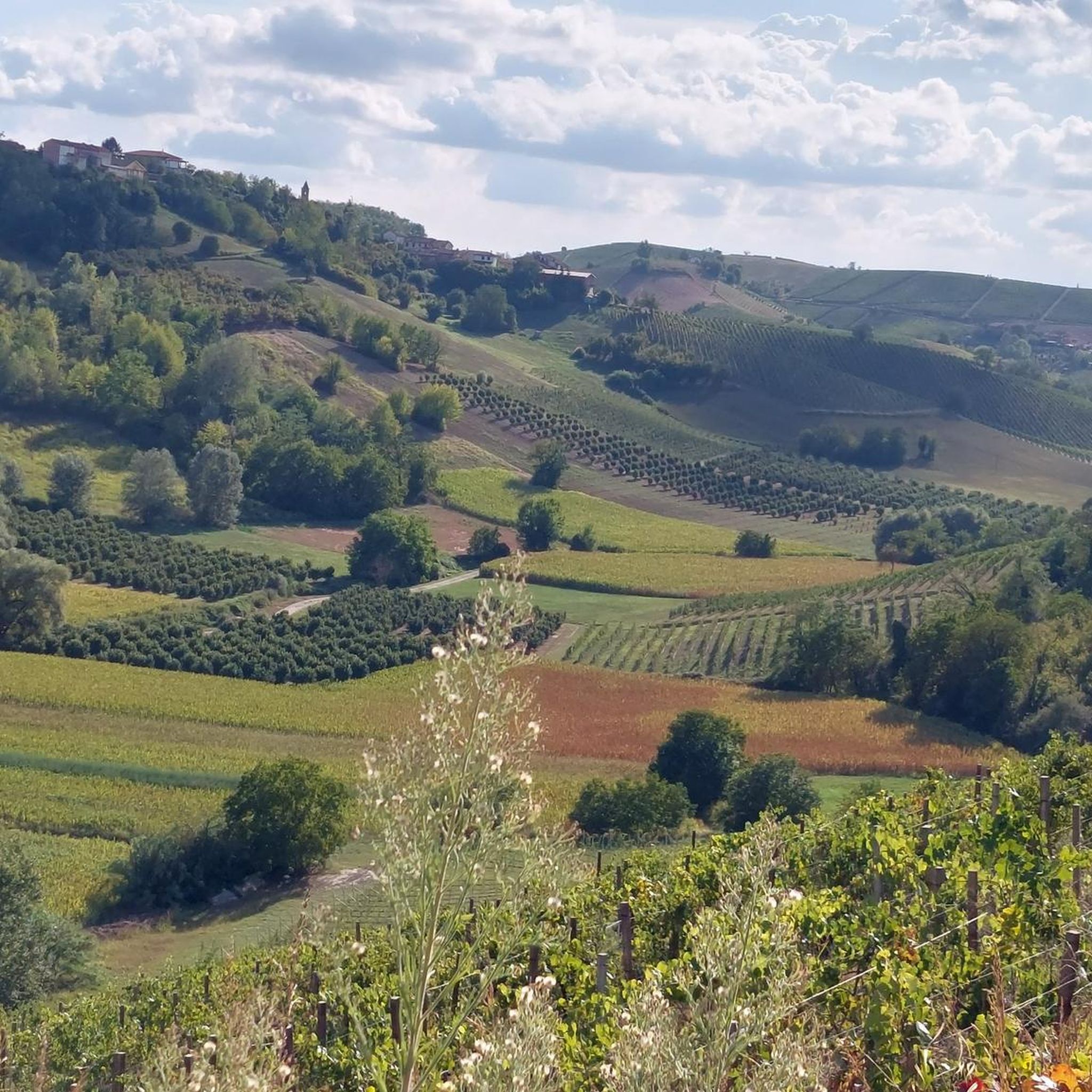
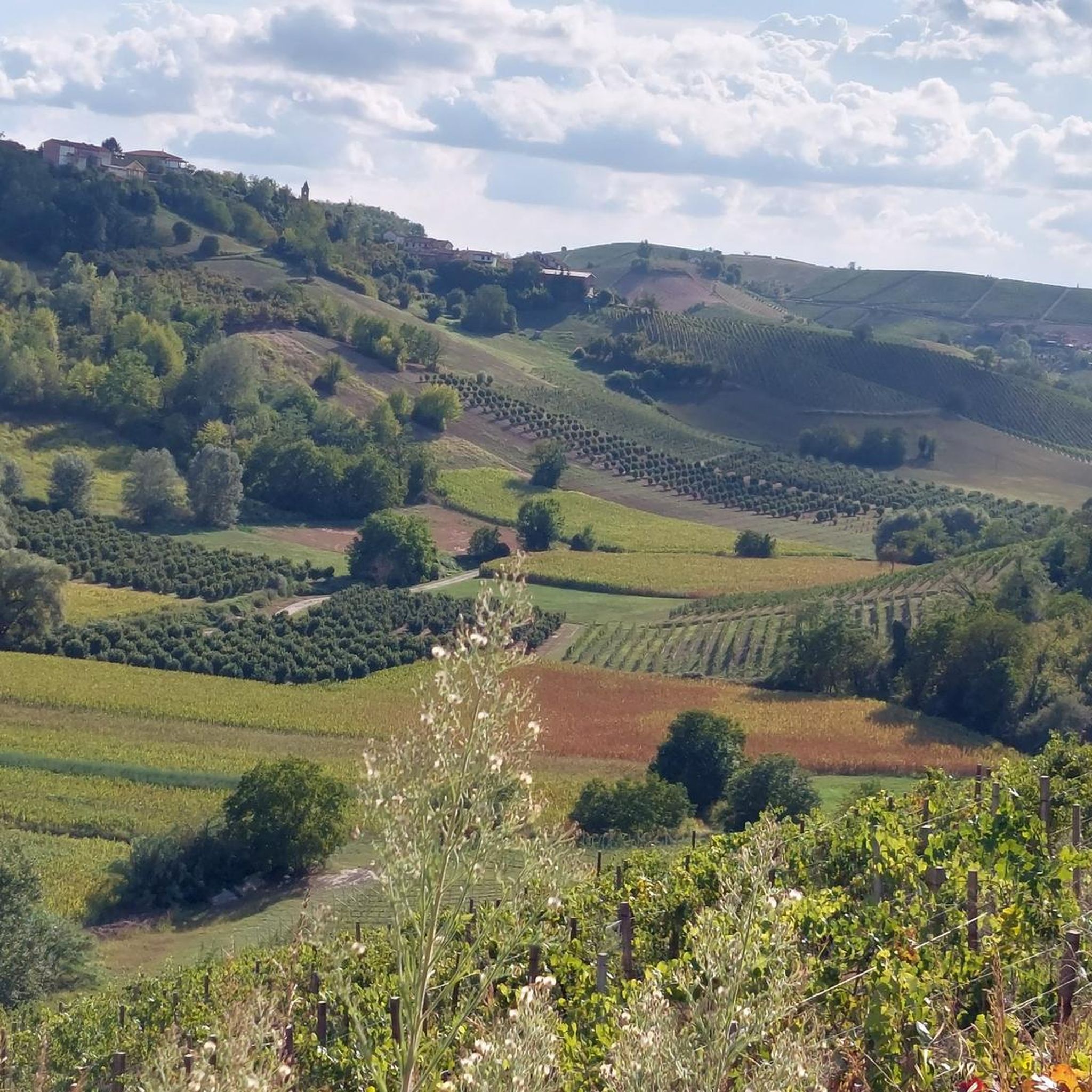
Image taken from the top of the first micro-tear that comes after the square. Viatosto is and will always remain a perfect place for those who love walking or cycling.
0
0
After the small square of the bar, take the road that goes up. There are actually two strappetti, one after the other in sequence but short and feasible, after which the road forks and if you keep to the right, you take strada Mazzola. Within 1.5 km you return to the foot of the small hill for Viatosto. Nice little street, very very quiet.
0
0
Frequently Asked Questions
What historical castles can I visit near Mongardino?
The region around Mongardino is rich in historical castles. You can explore the baroque San Martino Alfieri Castle, built as a summer residence for the Alfieri family. Another significant site is Govone Castle, a UNESCO heritage site and former Savoy residence, which offers guided tours. Additionally, the imposing Costigliole d'Asti Castle, with its distinct architectural styles, is one of the grandest in the Asti area.
Are there any notable religious sites or churches to visit?
Yes, several significant religious sites are located nearby. The Collegiate Church of Saint Secondo in Asti is a medieval church featuring valuable artworks and an intricately carved choir. You can also visit the Viatosto Church, which blends Romanesque and Gothic elements and offers a wonderful view of Asti and its surrounding hills.
What kind of natural landscapes can I expect around Mongardino?
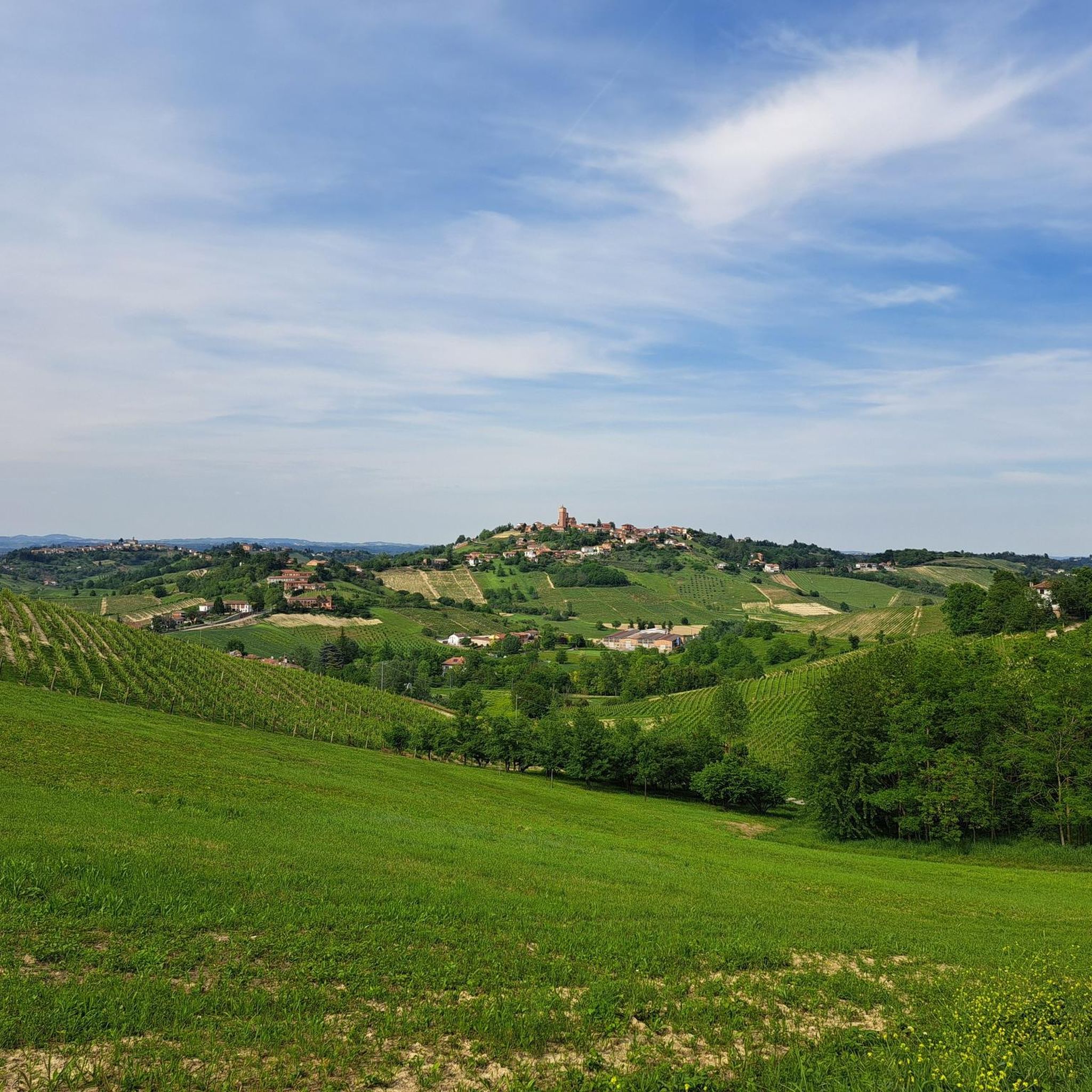
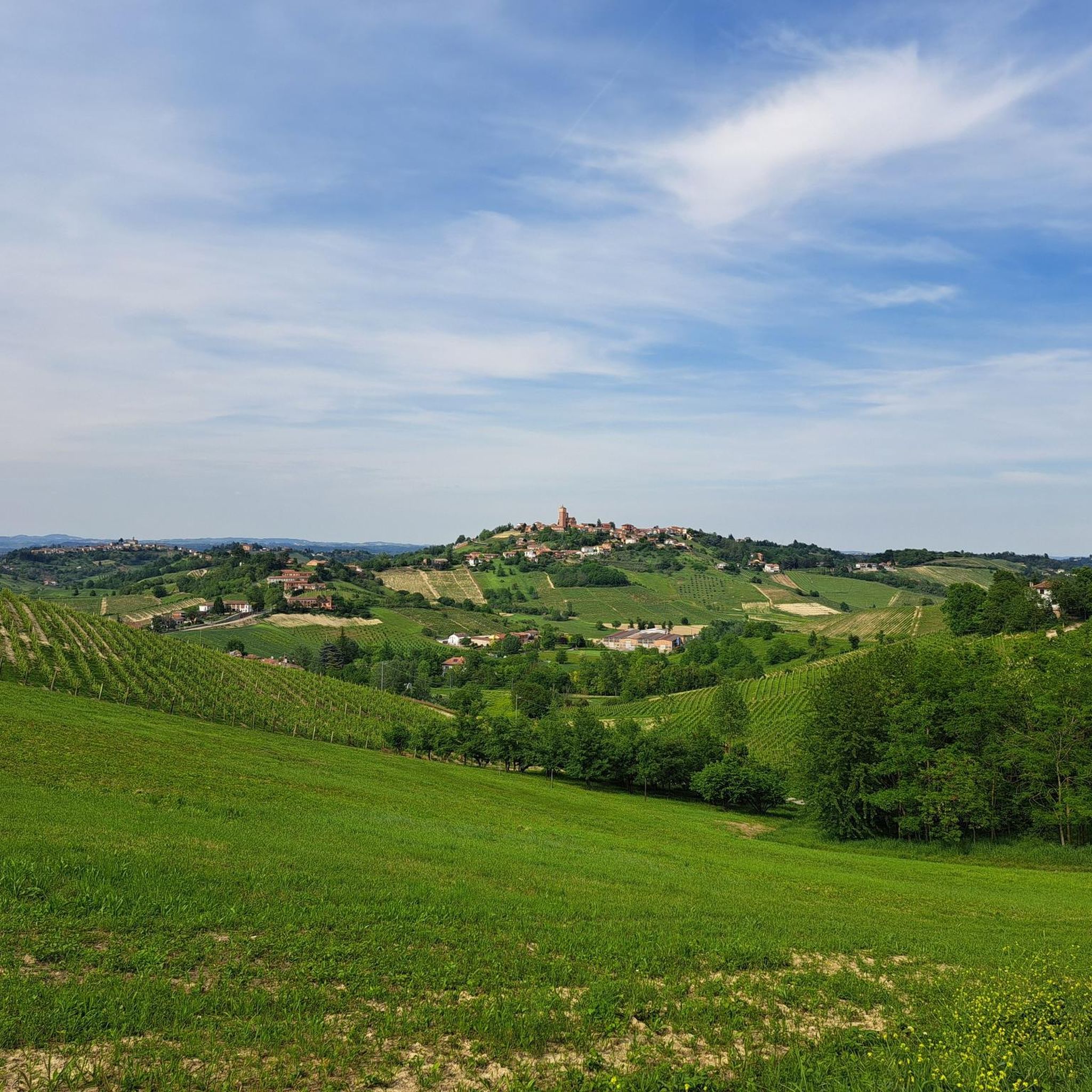
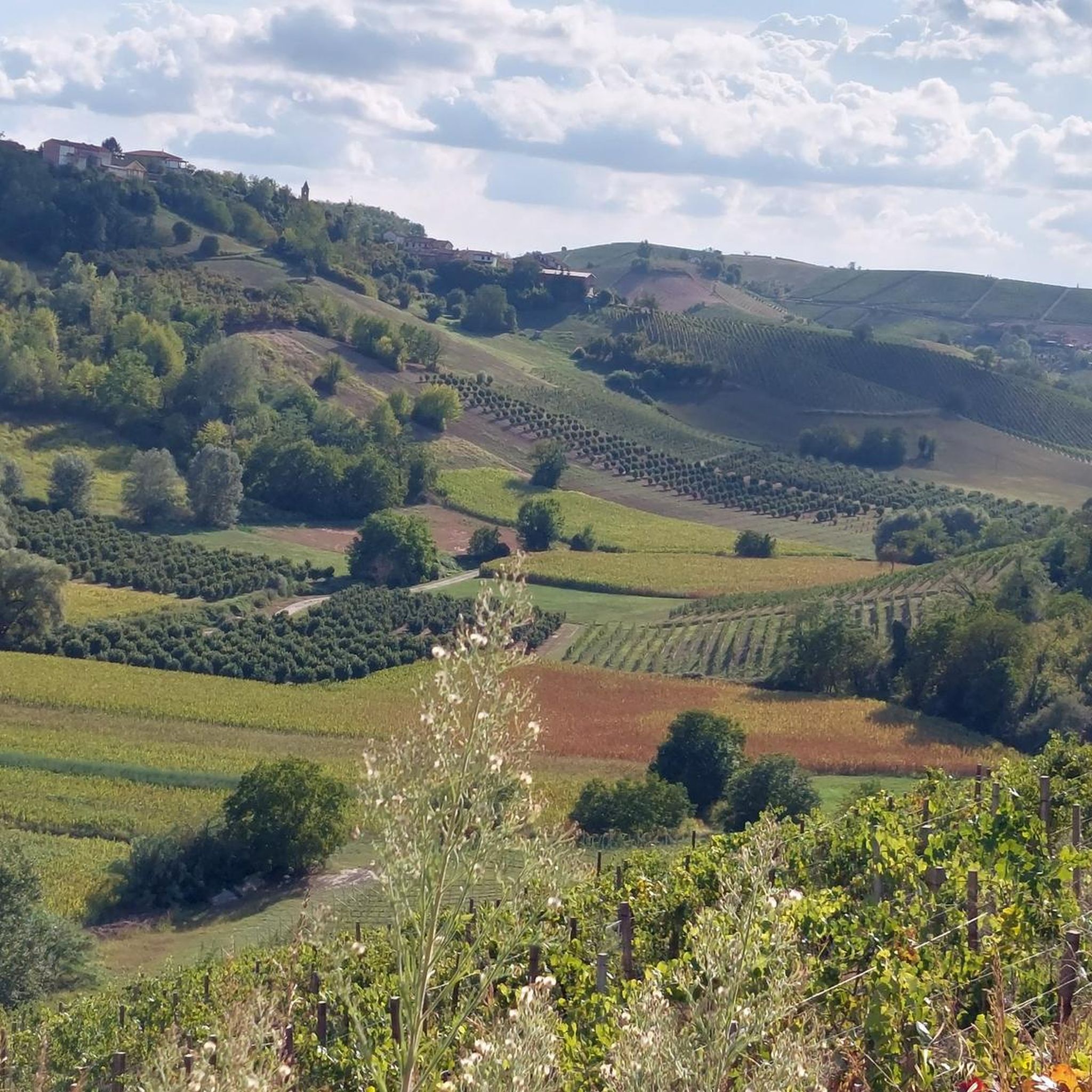
Mongardino is nestled among serene hilly landscapes, offering a peaceful atmosphere and a strong connection with nature. The region is characterized by picturesque hills, ideal for those seeking relaxation and scenic views. The broader area is also known for its wine production, with vineyards dotting the landscape.
What outdoor activities are popular near Mongardino?
The hilly terrain around Mongardino is perfect for various outdoor activities. You can find numerous routes for hiking, cycling, and running. For specific trails, explore the Hiking around Mongardino, Cycling around Mongardino, and Running Trails around Mongardino guides.
Are there family-friendly attractions in the Mongardino area?
Many of the historical sites are suitable for families. Castles like San Martino Alfieri Castle, Govone Castle, and Costigliole d'Asti Castle are often enjoyed by all ages. The Viatosto Church also offers a pleasant outing with its views. Additionally, the region's easy hiking and cycling routes can be great for family adventures.
Where can I find the best viewpoints around Mongardino?
For magnificent views, head to the churchyard of the Viatosto Church, located about 3 km from Asti. From here, you can enjoy a wonderful panorama of the city of Asti and its surrounding hills, and on a clear day, even the Alps. Many of the castles, being on hilltops, also offer excellent vantage points.
What do visitors enjoy most about the attractions near Mongardino?
Visitors particularly appreciate the blend of historical grandeur and natural beauty. The castles are praised for their rich history and architecture, while the churches offer cultural insights and often stunning views. The peaceful, hilly landscapes provide a relaxing escape, making the area popular for both cultural exploration and outdoor activities.
Are there any easy hiking trails suitable for a leisurely walk?
Yes, there are several easy hiking options. For example, the 'Agriturismo I Suri loop from Mongardino' is an easy 4.7 km route. You can find more details and other suitable trails in the Hiking around Mongardino guide.
What is the best time of year to visit Mongardino and its attractions?
The region is beautiful throughout much of the year. Spring and autumn offer pleasant temperatures for outdoor activities like hiking and cycling, with vibrant colors in the vineyards. Summer is also popular, though it can be warmer. Visiting during these seasons allows you to fully enjoy both the natural landscapes and the historical sites.
Can I explore the Asti wine area near Mongardino?
Absolutely. The broader region around Mongardino is renowned for its wine production. While specific wineries are not detailed here, the area offers numerous opportunities to visit local vineyards and experience the rich winemaking culture of Piedmont.
Are there any hidden gems or less-known spots worth discovering?
While Mongardino itself is tranquil, the charm often lies in discovering the smaller, less-frequented paths through its hilly landscapes. The Viatosto Church, though mentioned, offers a peaceful retreat with its stunning views, often feeling like a hidden gem just outside Asti. Exploring the local villages and their small churches can also reveal delightful surprises.
What kind of architecture can I expect to see in the region?
The architecture in the Mongardino area primarily showcases medieval and baroque styles, particularly evident in the numerous castles and churches. You'll find structures like the San Martino Alfieri Castle with its baroque design, and the Viatosto Church blending Romanesque and Gothic elements. The Costigliole d'Asti Castle also displays distinct architectural modifications from the 17th century.
Most popular routes around Mongardino
Most popular attractions around Mongardino

Get inspired with the komoot mobile app


Explore more
Still not found the Highlight you’re looking for? See guides of the top attractions in other regions:
