Top 14 Castles around Monteriggioni
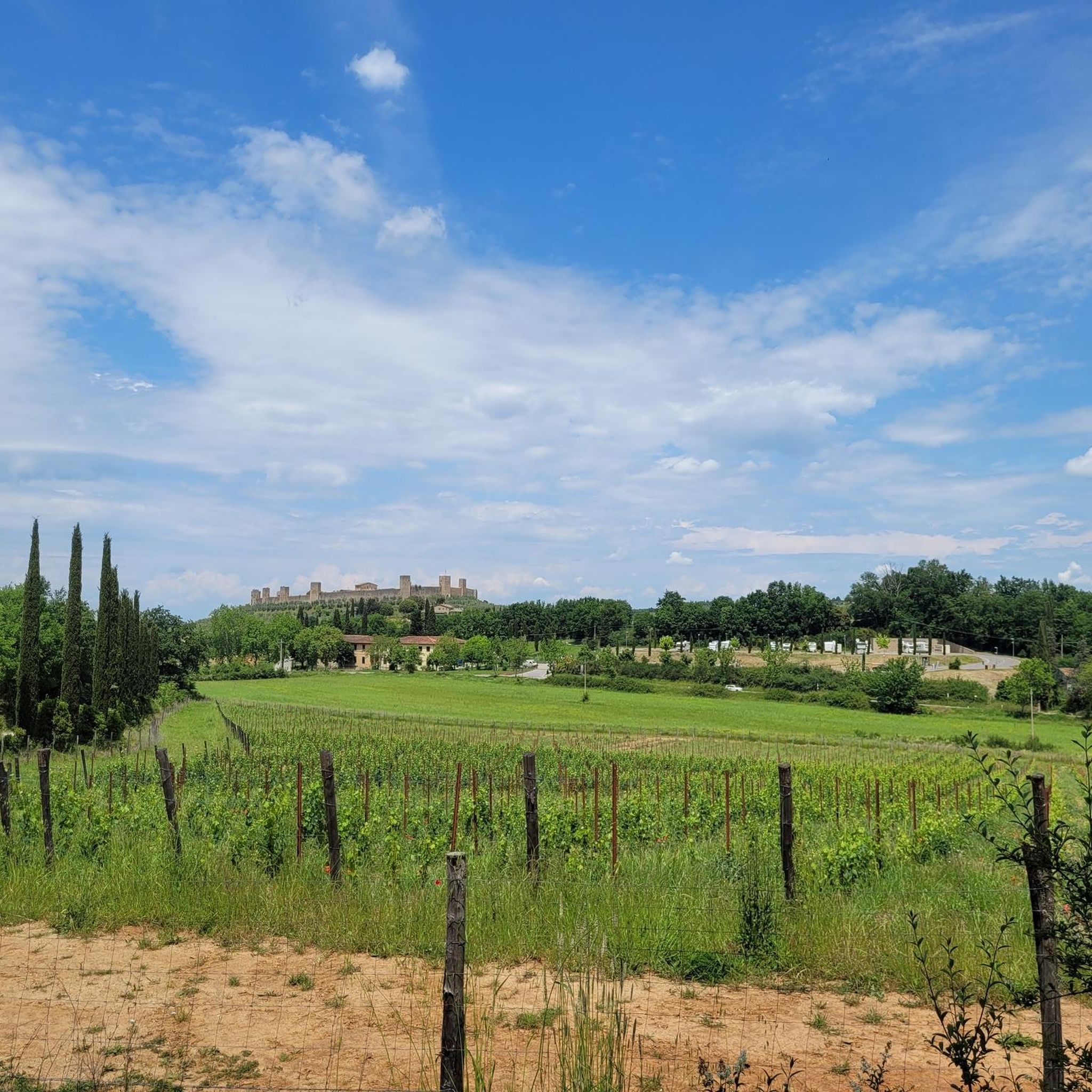
Best castles around Monteriggioni refers to the remarkably preserved medieval fortified village itself, a prime example of medieval defensive architecture in Tuscany. This hilltop settlement is encircled by a circular curtain wall, approximately 570 meters long, built between 1213 and 1219. Its strategic location historically controlled important trade and pilgrimage routes, offering panoramic views of the surrounding Chianti region and the Elsa Valley. The village retains its original 13th-century structure with narrow, cobblestone streets and a central square.
Best castles…
Last updated: July 1, 2026
Monteriggioni Castle
Highlight • Castle
Translated by Google •
Tip by

Monteriggioni — Walled Village
Highlight • Historical Site
Translated by Google •
Tip by

Sign up now to discover places like this
Get recommendations on the best single tracks, peaks, & plenty of other exciting outdoor places.
Sign up for free
Castellina in Chianti
Highlight • Settlement
Translated by Google •
Tip by

Medici Fortress of Siena
Highlight • Historical Site
Translated by Google •
Tip by

Fonterutoli Village
Highlight • Settlement
Because Fonterutoli has belonged to the Marchesi Mazzei since 1435, the few houses and the …
Translated by Google •
Tip by

Sign up for free to discover even more castles around Monteriggioni.
Sign up for free
Already have an account?
Start today with a free account
Your next adventure awaits.
Login or Signup
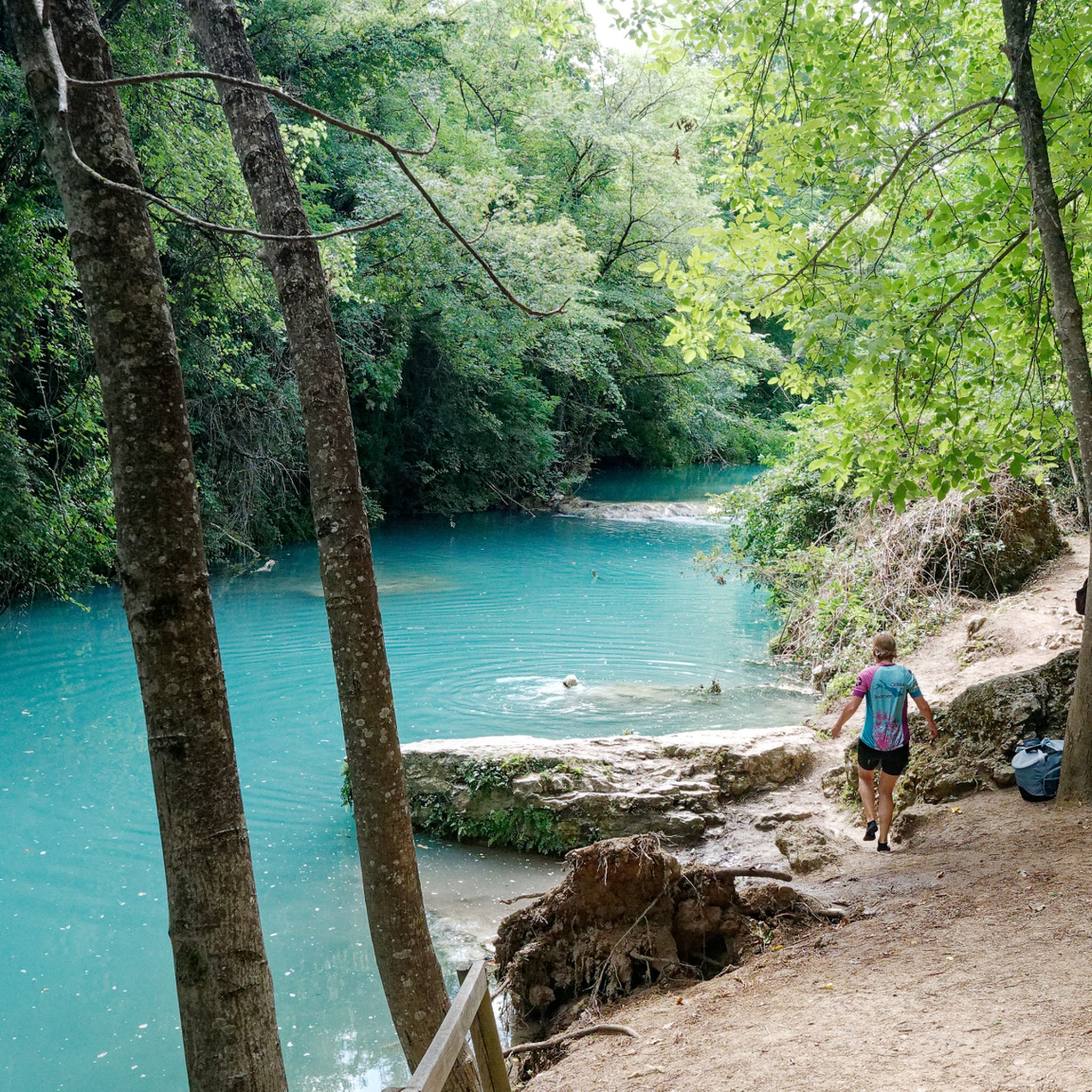
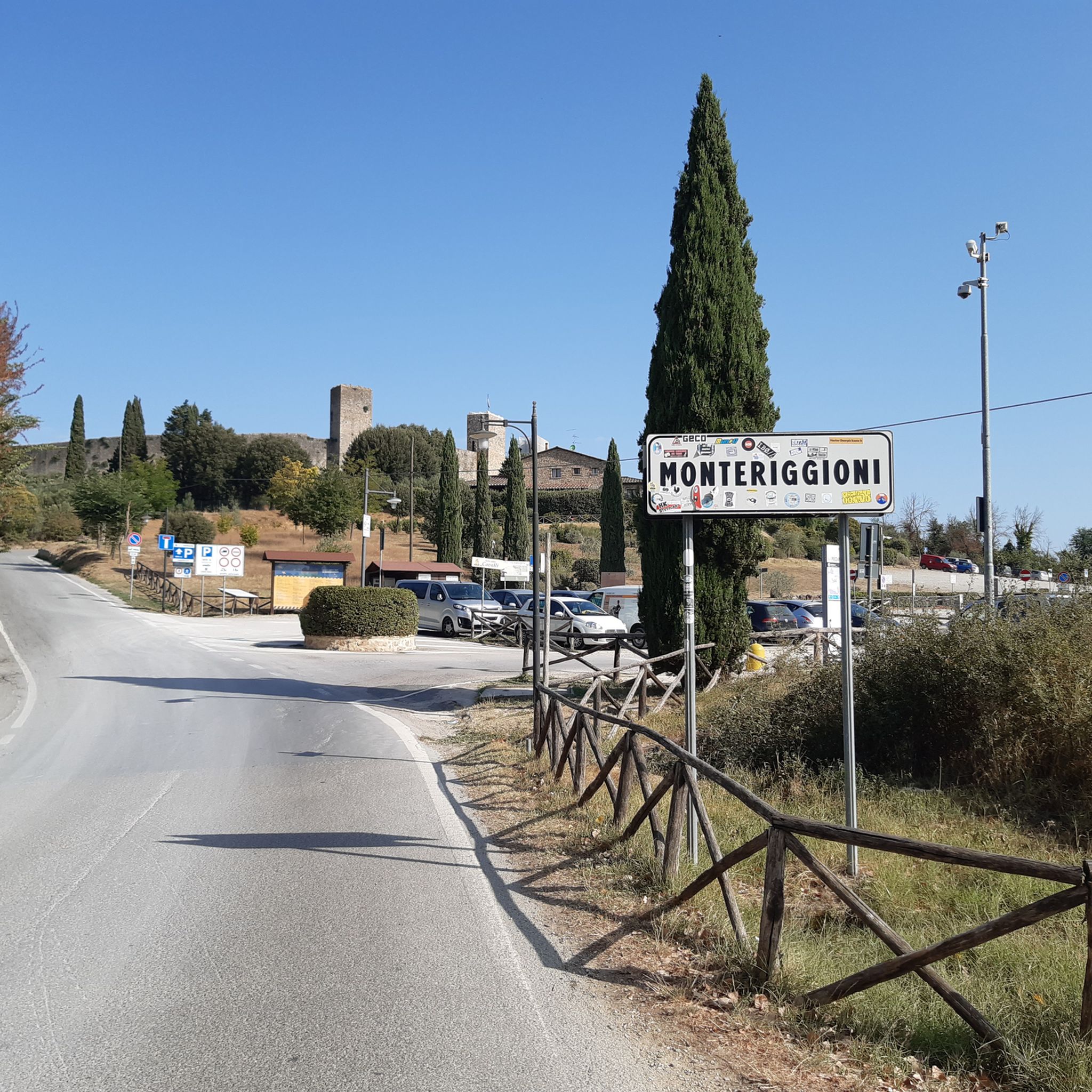
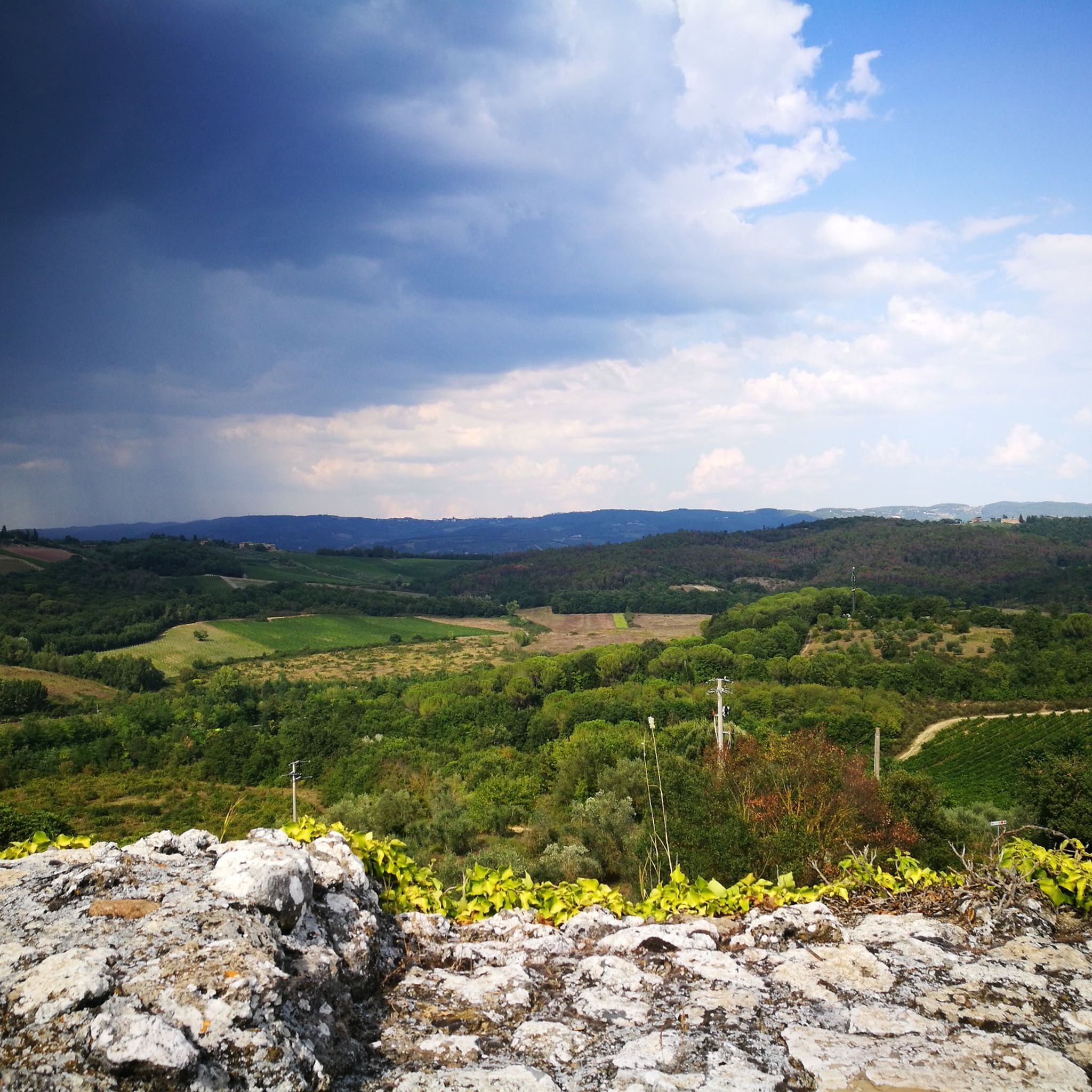
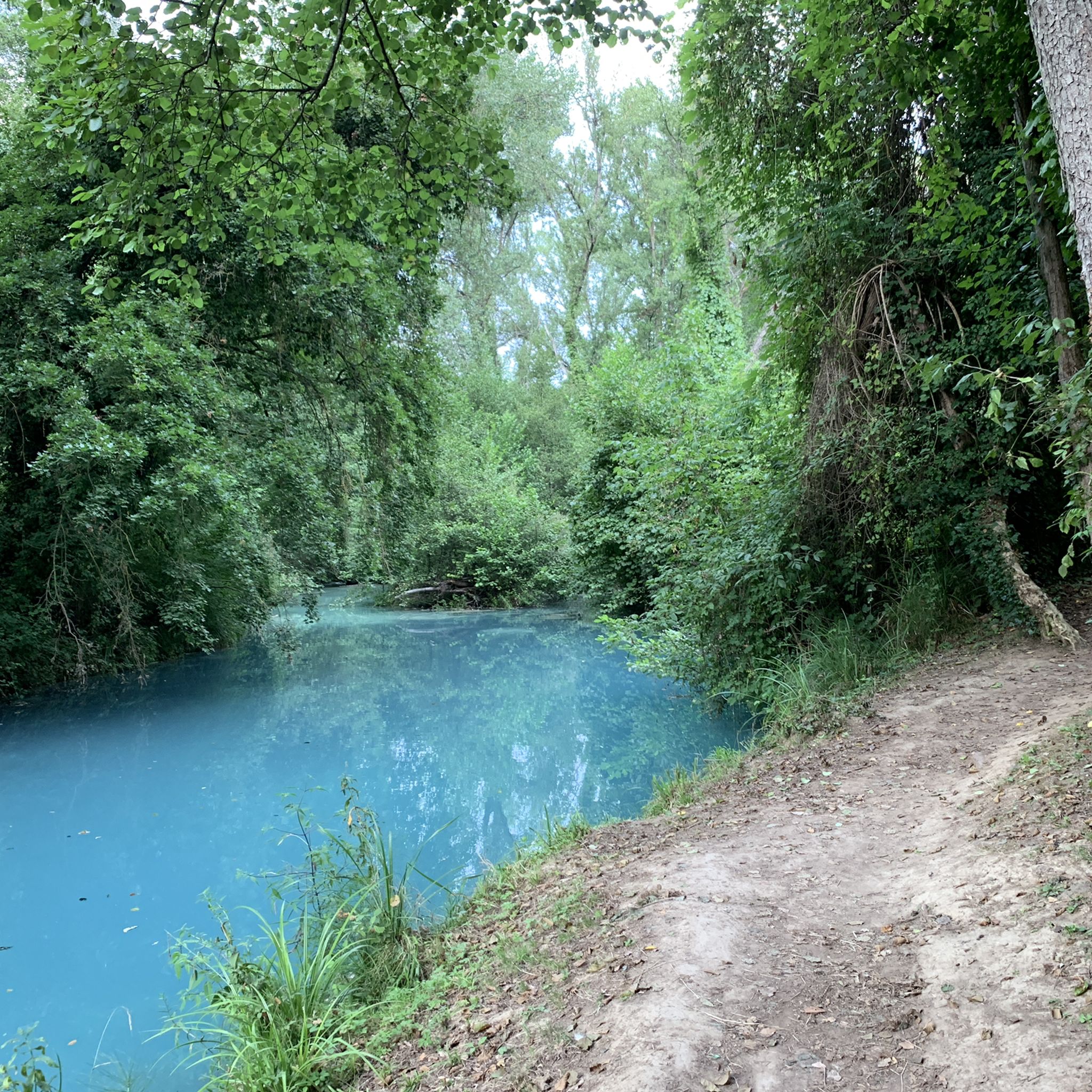

Tips from the Community

Really beautiful loop tour, given the places it's hard not to be, but unfortunately we discovered that the track leads onto an impassable private property, please check where it stops to turn back! "Adventurous" alternative. Everything else magnificent! Staggia, Monteriggioni, the farms all very characteristic.
1
0

Stunning walled village in the Siena area
1
0

Immerse yourself in the mood!!!! You'll be speechless when you enter this village!
1
0

everything to look at
1
0

needless to say stop, it seems obvious to me that it deserves at least a visit. the entrance to the castle is free and inside there are bars and restaurants
1
0
fonterutoli is a beautiful place, it is worth stopping and visiting, there is also a good bar
0
0

Classic fortress walled city highlighting the long conflict between Florence and Siena - estalished in 1126, mentioned by Dante in the Inferno
1
0

The Medici Fortress was built between 1561 and 1563 at the behest of Cosimo I de' Medici on the ground where the Spanish citadel previously stood. The architect Baldassarre Lanci originally gave it an L-shape and later transformed it into a square structure. The brick fortress consists of wedge walls at the corners, on which the Medici travertine coat of arms is placed. Since 1937 the structure has been converted into a public garden. In summer, open-air cinema is offered on the grandstand. A nice playground and a really good fitness course with great equipment invite you to linger and attract a number of athletes.
0
0
Frequently Asked Questions
What makes Monteriggioni unique among fortified sites in Tuscany?
Monteriggioni is celebrated for its exceptional preservation as an entire medieval fortified village, rather than just a single castle structure. Its almost perfectly preserved circular curtain wall, built between 1213 and 1219, and its 14 square-based towers make it a distinct example of medieval defensive architecture. Visitors often feel like they are stepping back in time due to its intact 13th-century structure, narrow cobblestone streets, and central Piazza Roma.
Can visitors walk along the walls of Monteriggioni?
Yes, visitors can walk along elevated sections of Monteriggioni's impressive walls. This offers breathtaking panoramic views of the surrounding Chianti region and the Elsa Valley, providing a unique perspective of the Tuscan countryside.
What historical significance does Monteriggioni hold?
Monteriggioni was strategically built by the Sienese between 1213 and 1219 as a crucial defensive outpost against rival Florence. Its location on a hilltop overlooking the Via Cassia and Via Francigena allowed it to control important trade and pilgrimage routes. Its imposing towers famously inspired Dante Alighieri, who mentioned Monteriggioni in his Divine Comedy.
Are there other notable fortified sites or 'castles' to visit near Monteriggioni?
Beyond Monteriggioni itself, you can explore other significant historical sites. Castellina in Chianti is a charming medieval village in the Chianti Classico area. Further afield, the Medici Fortress of Siena offers 15th-century fortifications with panoramic views, and Staggia Castle is an impressive medieval fortress with a rich history of conflict between Florence and Siena.
What kind of outdoor activities can I do near Monteriggioni's fortified sites?
The area around Monteriggioni is excellent for outdoor activities, especially cycling and mountain biking. You can find numerous routes for touring bicycles, mountain bikes, and road cycling. For example, there are challenging touring bicycle routes like the 'Beautiful view on San Gimignano – Monteriggioni Castle loop' and various MTB trails including 'Sui sentieri della Gran Fondo Monteriggioni'. You can explore more options on the Cycling around Monteriggioni, MTB Trails around Monteriggioni, and Road Cycling Routes around Monteriggioni guide pages.
Are there family-friendly activities at Monteriggioni or nearby fortified villages?
Yes, Monteriggioni itself is considered family-friendly, offering an immersive medieval atmosphere that can captivate children. The Monteriggioni Castle and Medieval Village are great for exploration. The small size makes it easy to navigate for families. Nearby, the Medici Fortress of Siena also has a park and fitness machines, making it suitable for families.
What is the best time of year to visit Monteriggioni and its surrounding fortified villages?
The best time to visit is generally during the spring (April-May) and autumn (September-October) when the weather is pleasant for exploring and the Tuscan landscape is at its most beautiful. Summers can be hot, but the village hosts a renowned Medieval Festival every July, which transforms the area with craftsmen and knights, offering a unique experience. Winters are quieter but can be chilly.
How long should I plan for a visit to Monteriggioni?
Monteriggioni is relatively small and easy to explore on foot. A visit to the village itself, including walking the walls and exploring the central square, can typically take 2-3 hours. If you plan to visit the Monteriggioni in Arme Museum or enjoy a meal, you might extend your stay to half a day. It's a popular destination for day trips from Siena and Florence.
Is Monteriggioni accessible by public transport, and what about parking?
Monteriggioni is a popular destination, and while public transport options exist to nearby towns, direct access might require a short taxi or bus connection. For those driving, parking is available outside the village walls. It's advisable to check local transport schedules and parking availability, especially during peak season. For more detailed travel information, you might consult official regional tourism sites like Visit Tuscany.
Are there cafes or restaurants within Monteriggioni?
Yes, the village retains its charm with several cafes and restaurants, particularly around Piazza Roma. Historically, this central square served as a large vegetable garden during sieges, but today it's the heart of village life where visitors can enjoy local Tuscan cuisine and refreshments.
Is Monteriggioni dog-friendly?
Many parts of Monteriggioni, being an open-air medieval village, are generally dog-friendly, especially for walks through the streets and around the exterior of the walls. However, access to specific buildings, museums, or restaurants may vary. It's always best to check with individual establishments or look for signage regarding pet policies.
What kind of views can I expect from Monteriggioni?
From Monteriggioni, especially from the elevated sections of its walls, you can expect stunning panoramic views of the classic Tuscan countryside. This includes rolling hills, vineyards, olive groves, and distant medieval towns, offering picturesque photo opportunities of the Chianti region and the Elsa Valley.
What do visitors particularly enjoy about Monteriggioni?
Visitors consistently praise Monteriggioni for its exceptional state of preservation and the distinct feeling of stepping back into the Middle Ages. The intact walls, historic buildings, and quaint streets create a unique and enchanting atmosphere. Many also highlight the breathtaking panoramic views of the Tuscan countryside from the walls and the charm of the central Piazza Roma.
Most popular routes around Monteriggioni
Most popular attractions around Monteriggioni

Get inspired with the komoot mobile app


Explore more
Looking for the best castles somewhere else? Discover other guides around Monteriggioni:
