Attractions and Places To See around Bivona - Top 20
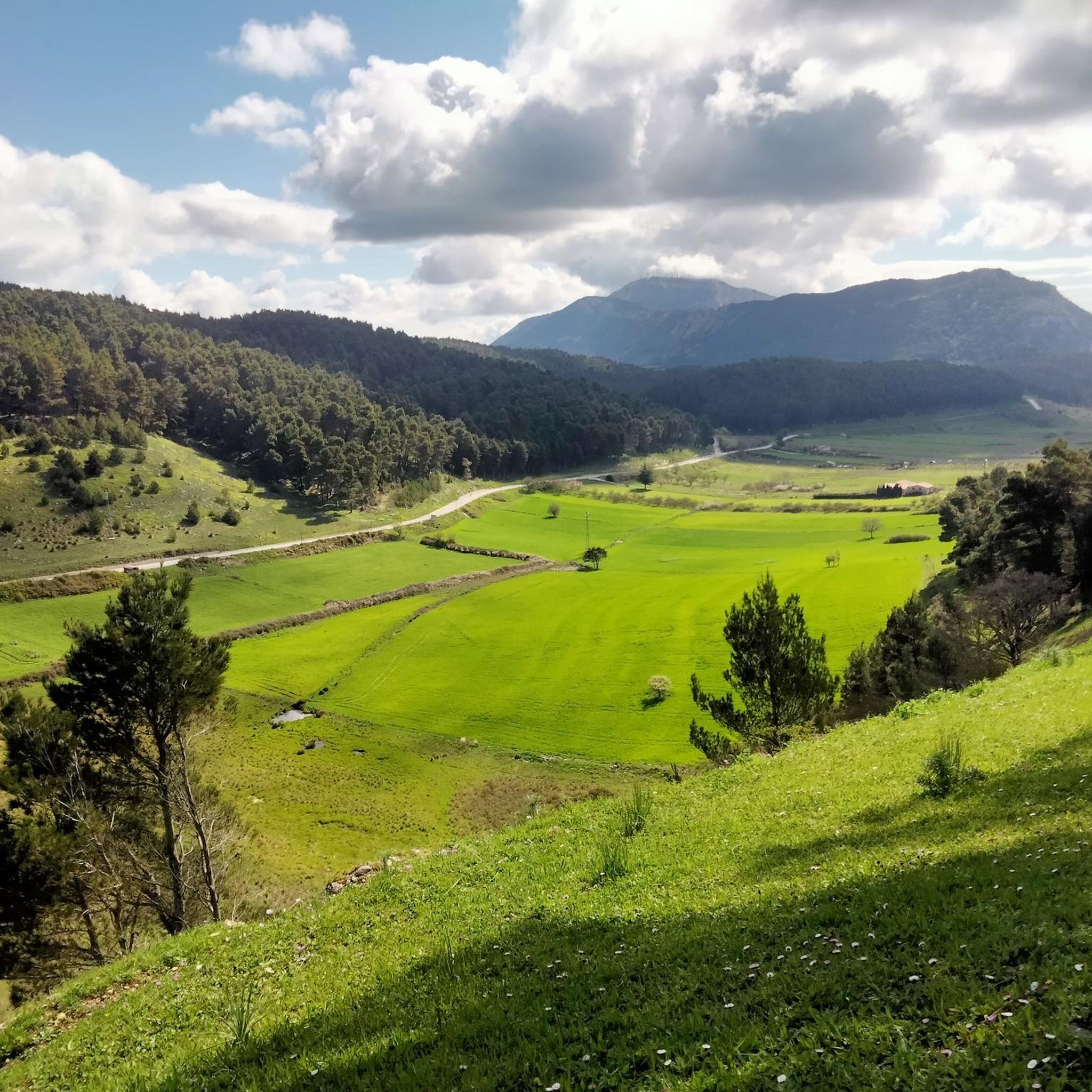
Best attractions and places to see around Bivona are found within the Sicani Mountains in Sicily's Agrigento hinterland. This historic town offers a blend of historical, cultural, and natural attractions. Bivona is situated within the lush Sicani Mountains, providing a natural landscape. The area preserves its medieval past with ancient palaces and stone alleys, alongside significant natural features like Lake Magazzolo.
Best attractions and places to see around Bivona
- The most popular attractions is Saint Rosalia Hermitage at Quisquina,…
Last updated: November 21, 2026
Lake Magazzolo and Castello Dam
Highlight (Segment) • Lake
Translated by Google •
Tip by

Prizzi to Castronovo di Sicilia Nature Trail
Highlight (Segment) • Trail
Translated by Google •
Tip by

Sign up now to discover places like this
Get recommendations on the best single tracks, peaks, & plenty of other exciting outdoor places.
Fountain of Santo Stefano Quisquina
Highlight • Settlement
Translated by Google •
Tip by

Prizzi
Highlight • Settlement
Translated by Google •
Tip by

Saint Rosalia Hermitage at Quisquina
Highlight (Segment) • Religious Site
The story of Santa Rosalia is a mix of evidence and legends, reconstructions and faith. Her life moves between Palermo and Santo Stefano …
Translated by Google •
Tip by

Sign up for free to discover even more attractions around Bivona.
Already have an account?
Start today with a free account
Your next adventure awaits.
Tips from the Community

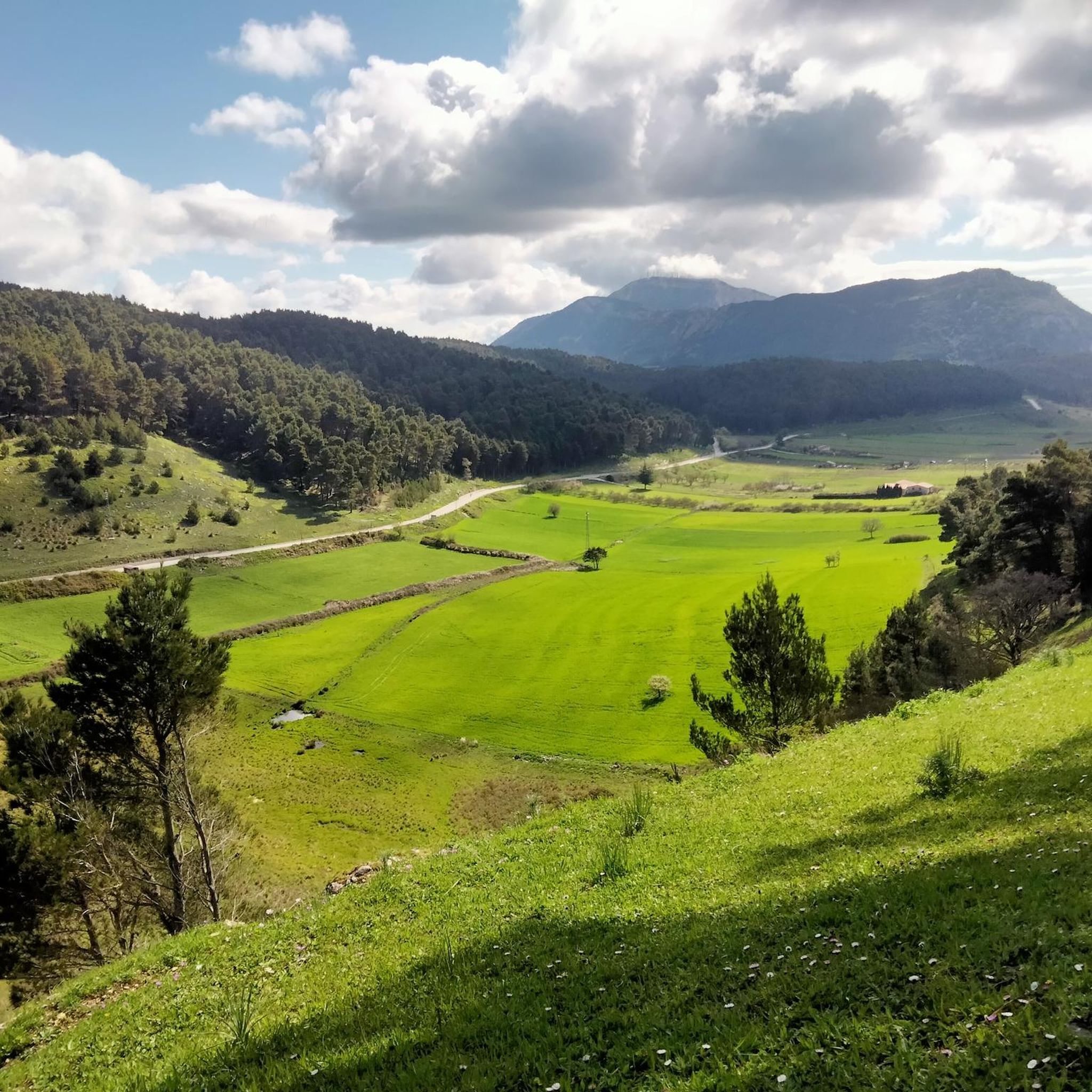
The route that connects Prizzi to Castronovo di Sicilia, about 11 km long, is an authentic journey of discovery between two mountain villages steeped in history. Suitable for hikers who love long panoramic crossings, this trail passes through uncontaminated natural environments, among pastures, woods and ridges with open views of the Sicani Mountains. The departure from Prizzi, an ancient village perched on a hill at over 900 meters above sea level, immediately offers spectacular views. It continues on a path that alternates gentle ups and downs, crossing hills and plains that were once frequented by shepherds and wayfarers. Arriving in Castronovo di Sicilia, the landscape slowly changes, revealing the rounded shapes of the valleys and the signs of the ancient Arab-Norman settlement. A route rich in scenic charm and cultural value, which connects two communities once united by exchanges, fairs and markets. Route difficulty: Medium – Requires good resistance for duration and mountain environment. Travel tips: • Perfect for mid-seasons, when the weather is cool and the colors are intense. • Bring trekking poles, water and a map. • Ideal for nature lovers, photography and long walks.
0
0

The Hermitage: the story of S. Rosalia The story of Santa Rosalia is a mix of evidence and legends, reconstructions and faith. Her life moves between Palermo and Santo Stefano Quisquina, between princely palaces and small caves protected by mountains, and it is the life of a young woman who dedicates herself to faith by renouncing principles and luxuries. There are few certain things about her short existence: the cave where she spent twelve years, and the one in which she died a few years later. Rosalia lived in the 12th century; born in Palermo to Count Sinibaldo and Maria Guiscarda, her father planned a future for her worthy of her noble origins. She was about twelve or fourteen when she ran away from home to avoid marrying the prince they had chosen for her, and for twelve years (1150 - 1162) she hid in a small cave sheltered by the thick forest of Quisquina, in the province of Agrigento. Don't imagine a young girl walking alone for a hundred kilometers before finding a shelter: the cave in question is a very specific choice, since the Serra Quisquina belongs to her father and she knows well how thick it is and, therefore, suitable for hiding her. It should not be thought that the Saint lived inside this cave in absolute solitude: in those centuries of flourishing hermitism, in fact, those who decided to leave behind comforts and riches to seek God in the sol Tudino and in prayer would retreat to a cave or a cell, but almost always in the vicinity of a church or a convent, both to have religious assistance from the nearby monks and to follow the liturgical functions. And this also applies to Santa Rosalia: we know, in fact, that at the time of the Saint there existed (as early as the year 1000) a convent of Basilian monks, of which there are still remains today in the countryside of Melia. After this period of penance, Rosalia decided to return to Palermo, where she was allowed by Queen Margherita (wife of the King of Sicily William I), moved by the young woman's religious vocation, to move to a cave on Mount Pellegrino where she would continue to live in prayer and solitude until her death. The cult of Santa Rosalia was already widespread in the years immediately following her death, but only after 1624, the year in which the bones of the Saint found on Mount Pellegrino and carried in procession through the streets of Palermo freed the city from the plague, was the sanctity of Rosalia officially recognized. Tradition has it that Rosalia appeared in a dream to a seriously ill woman, Girolamo Gatto, promising her recovery if she went to Mount Pellegrino and indicating the exact point where her bones were buried. The search began, and on July 15, 1624 the bones were found. The commission of theologians and doctors, established by Cardinal Giannettino Doria to examine the remains found, reached an initially disappointing conclusion because the bones seemed to belong to more than one body. But a second miracle occurred: a man, Vincenzo Bonelli, a soap maker, after his wife died of the plague, fled to Mount Pellegrino and there Saint Rosalia appeared to him, who ordered him to tell the cardinal not to doubt the authenticity of the relics and to carry them in procession through the city; only in this way would the plague end. And so it happened. The feast, which is celebrated every year in Palermo around July 15, is nothing other than the historical reenactment of that miraculous event. In the same year 1624, forty days after the discovery of the bones of Saint Rosalia on Mount Pellegrino, an inscription in archaic Latin was found at the entrance to the Quisquina cave, attributed to Saint Rosalia herself: "Ego Rosalia Sinibaldi Quisquinae et Rosarum domini filia amore Domini mei Jesu Christi in hoc antro habitari decrevi" (I Rosalia Sinibaldi, daughter of the Lord of Quisquina and of the Mount of Roses, for the love of my Lord Jesus Christ, have decided to live in this cave.
6
0

Prizzi is a Sicilian municipality known to most for being "the land of the devils". In fact, during the Easter period there is the characteristic ritual of the "ballu di diavuli", a mix of the sacred and the profane which takes place in the maze of narrow streets of the town. The numerous murals that cover the city are also beautiful.
3
1

Formerly known as Santo Stefano di Melia and then Santo Stefano di Bivona, Santo Stefano Quisquina assumed its current name in 1863. Surrounded by the Sicani mountains, it boasts important monuments such as the hermitage of Santa Rosalia and the Mother Church. With rich natural and architectural resources, it represents a significant piece of Sicilian heritage.
1
0

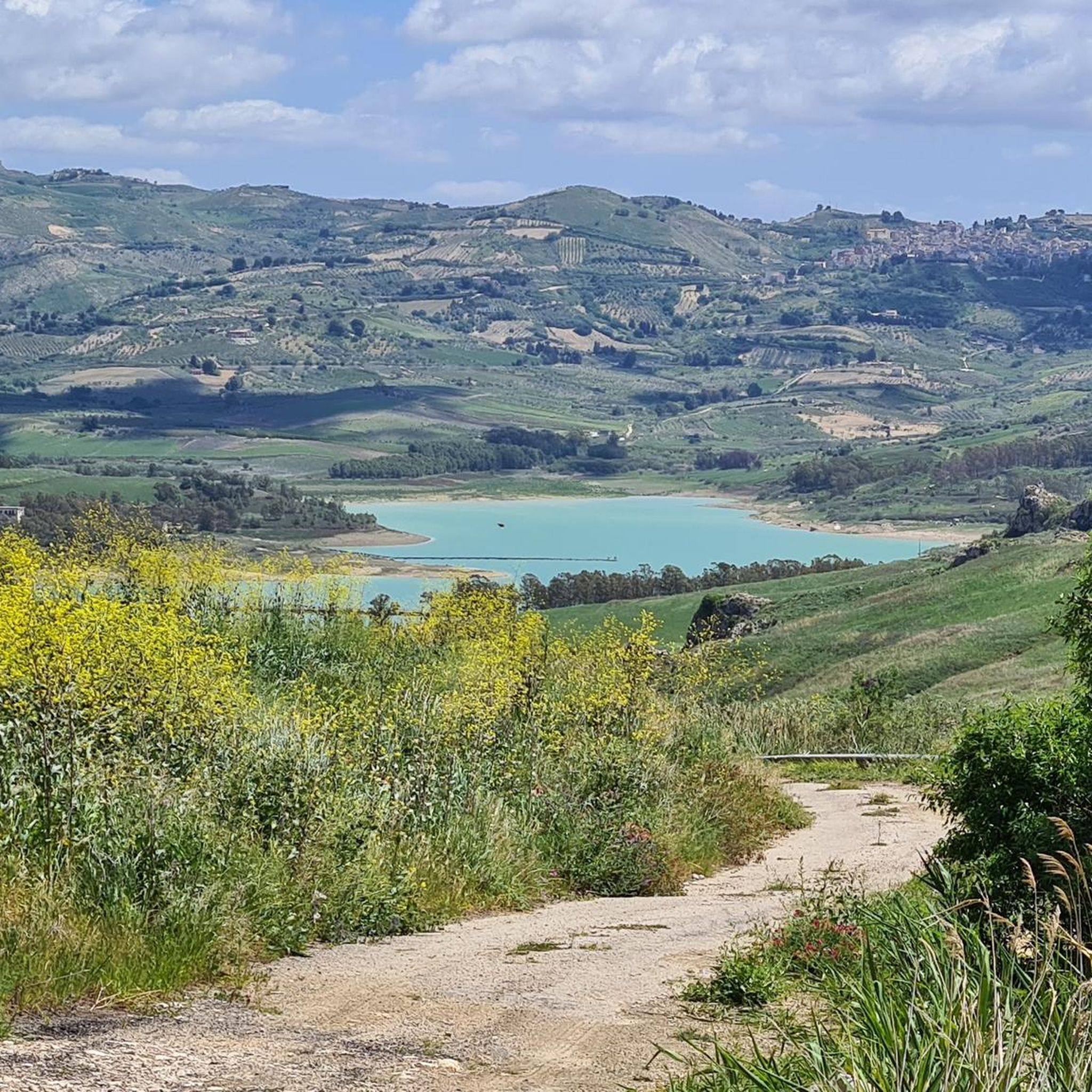
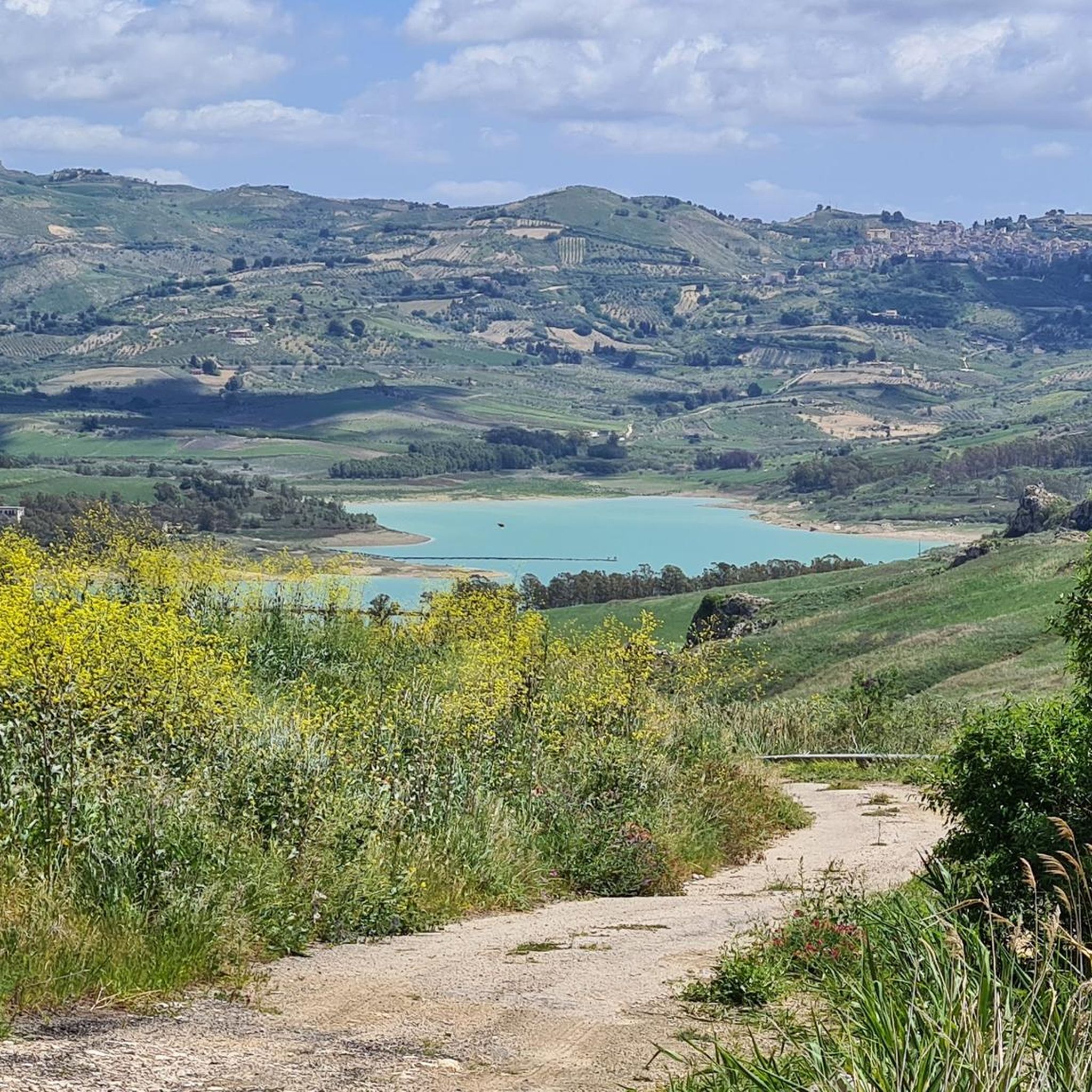
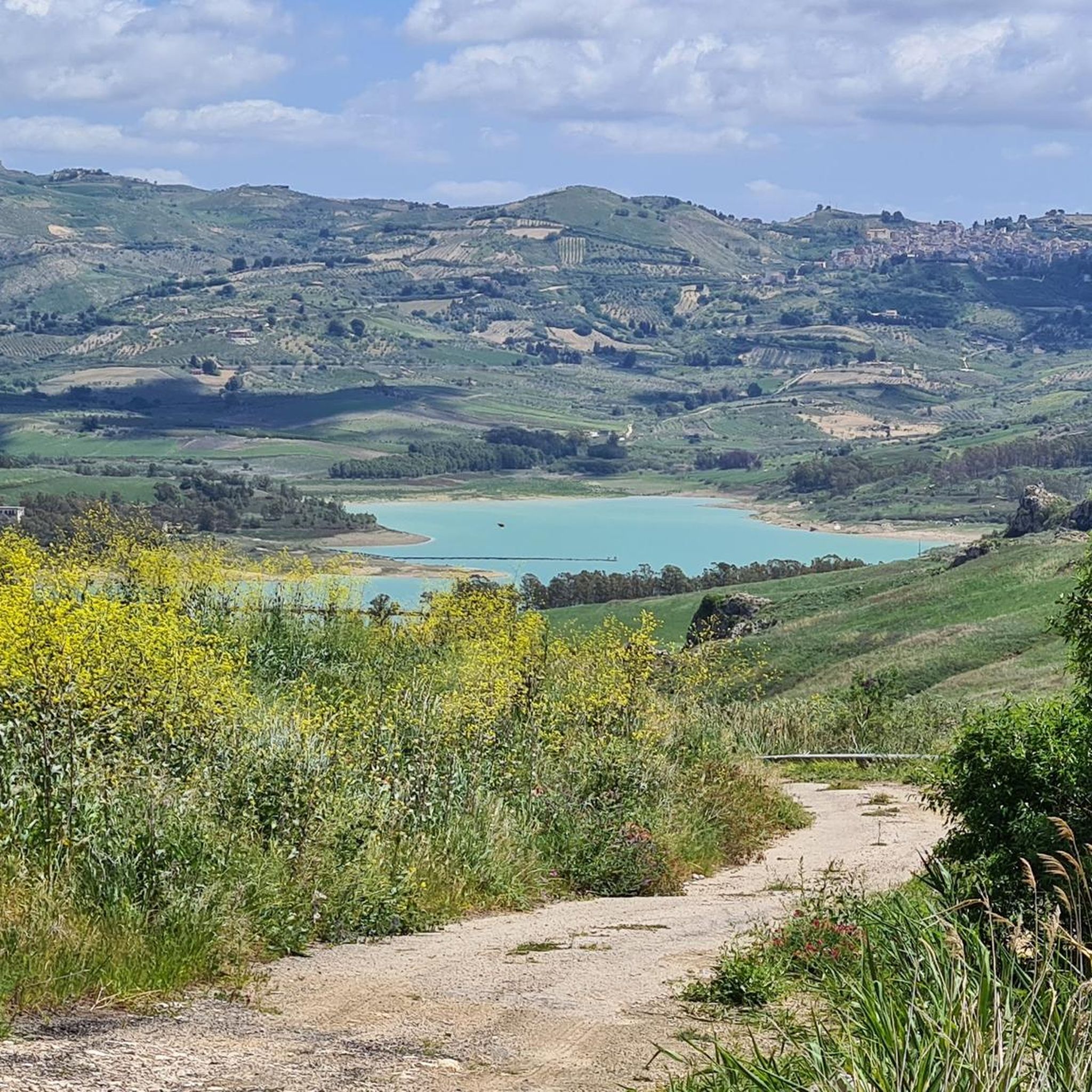
The Magazzolo Lake is an artificial lake formed by the damming of the Magazzolo river through the Castello dam. The project dates back to the late sixties but it took ten years to build this dam between 1975 and 1985. The waters of this lake are used for civil and agricultural use and serve various municipalities in the province of Agrigento.
2
0

Along the third stage of the Sicily Divide you cross the Magazzolo lake before arriving in Bivona. The artificial lake is a leisure place for the locals and a panoramic point that every Divider will want to photograph. On the official website you can find more info on the Sicily Divide itinerary for gravel bikes from Trapani to Catania and from Palermo to Catania: https://sicilydivide.it/
1
1
Frequently Asked Questions
What historical sites can I explore in Bivona?
Bivona's rich history is evident in its well-preserved historic center, featuring ancient palaces and stone alleys with visible Arab influences. Key historical sites include the Mother Church of St. John the Baptist, which houses valuable art and a 14th-century Gothic-Chiaramonte portal, the Capuchin Convent, and the Church of Santa Rosalia, significant for its connection to the saint. You can also see the 18th-century Clock Tower and traces of the 14th-century Medieval Castle.
What natural attractions are there around Bivona?
Bivona is nestled within the lush Sicani Mountains, offering a landscape rich in natural beauty. You can visit Lake Magazzolo and Castello Dam, an artificial lake used for civil and agricultural purposes. The area also includes part of the Oriented Nature Reserve of Palazzo Adriano Mountains and Sosio Valley, known for ancient fossil finds. Monte delle Rose, one of Sicily's highest peaks, dominates the town, and the Canfuto State-owned Campground offers scenic views of the Magazzolo Valley.
Are there family-friendly attractions in Bivona?
Yes, several attractions around Bivona are suitable for families. Lake Magazzolo and Castello Dam is a leisure spot for locals and offers panoramic views. The settlement of Fountain of Santo Stefano Quisquina is also considered family-friendly, boasting natural and architectural resources. The surrounding countryside provides ideal opportunities for walks and outdoor activities for all ages.
What cultural experiences does Bivona offer?
Bivona offers a deep dive into authentic Sicilian culture. The town's historic center showcases its medieval and Arab heritage. Nearby, the municipality of Prizzi is famous for its unique 'ballu di diavuli' ritual during Easter and its numerous murals. Bivona is also renowned for its agricultural tradition, particularly its iconic PGI Pesca Bivona peaches, which are a highlight in summer.
Are there hiking trails near Bivona?
Absolutely! The Sicani Mountains provide excellent opportunities for hiking. You can find various routes, including moderate trails like the 'Eremo di Santa Rosalia alla Quisquina – loop in the Parco dei Monti Sicani' or the 'San Filippo, Monte Pernice, and Monte delle Rose Ridgeline Trail'. For more options and detailed routes, explore the Hiking around Bivona guide.
Can I go cycling around Bivona?
Yes, the region around Bivona is suitable for cycling, with routes catering to different difficulty levels. You can find moderate tours like 'Lago Pian del Leone and Santo Stefano Quisquina Loop' or more challenging ones such as the 'Sicani Mountains Loop: Palazzo Adriano to Sambuca di Sicilia'. For a comprehensive list of cycling routes, refer to the Cycling around Bivona guide.
What is the significance of Saint Rosalia in Bivona?
Saint Rosalia holds significant importance in Bivona. The Church of Santa Rosalia in town houses a statue of the saint and remains of the 'sacred oak' from the Bivona cave where she lived as a hermit. Bivona is noted for having the oldest cult in Sicily related to Santa Rosalia. Additionally, the Saint Rosalia Hermitage at Quisquina, located nearby, marks the cave where she spent much of her life.
What is the best time to visit Bivona for outdoor activities?
The Sicani Mountains offer a pleasant climate for outdoor activities, especially during spring and autumn when temperatures are mild. Summer is also popular, particularly for enjoying the famous PGI Pesca Bivona peaches. For specific outdoor activities like hiking, checking local weather conditions is always recommended.
What do visitors enjoy most about the attractions around Bivona?
Visitors appreciate the blend of historical, cultural, and natural attractions. The serene beauty of the Sicani Mountains and sites like Lake Magazzolo and Castello Dam are popular for their panoramic views. The historical depth of places like the Saint Rosalia Hermitage at Quisquina and the unique cultural traditions found in towns like Prizzi also receive high praise from the komoot community.
Are there any unique local products or traditions in Bivona?
Yes, Bivona is particularly famous for its agricultural tradition, especially the PGI Pesca Bivona (Bivona Peach), which attracts visitors during the summer months. Culturally, the nearby municipality of Prizzi is known for its distinctive 'ballu di diavuli' ritual during Easter, a fascinating mix of sacred and profane traditions.
What is the significance of the Sanctuary of Madonna dell'Olio?
The Sanctuary of Madonna dell'Olio, built in the 16th century, is named for a mineral oil that once surfaced there. This oil was believed to possess healing properties, making the sanctuary a site of historical and spiritual importance in the region.
What is the Oriented Nature Reserve of Palazzo Adriano Mountains and Sosio Valley known for?
Part of Bivona's territory lies within the Oriented Nature Reserve of Palazzo Adriano Mountains and Sosio Valley. This reserve is particularly notable for containing Sicily's oldest fossil finds and significant archaeological discoveries dating back to the Copper Age, offering insights into the region's ancient past.
Most popular attractions around Bivona

Get inspired with the komoot mobile app


Explore more
Still not found the Highlight you’re looking for? See guides of the top attractions in other regions:
