The best cycling routes around San Vito Al Tagliamento
4.3
(622)
2,929
riders
42
rides
Touring cycling around San Vito al Tagliamento offers diverse landscapes, from flat countryside to areas with slight elevation changes. The region, part of Friuli Venezia Giulia, is characterized by lush Friulian countryside and woodlands, providing a verdant backdrop for cycling. The Tagliamento River, a significant natural feature, offers scenic routes along its banks. Historic towns and villages are often integrated into the cycling routes, blending natural beauty with cultural exploration.
Best touring cycling routes around San Vito Al Tagliamento
- The…
Last updated: October 10, 2026
4.5
(2)
9
riders
20.0km
01:22
30m
30m
Easy bike ride. Great for any fitness level. Mostly paved surfaces. Suitable for all skill levels.
4.6
(14)
39
riders
Easy bike ride. Great for any fitness level. Mostly paved surfaces. Suitable for all skill levels.

4.1
(9)
29
riders
Moderate bike ride. Good fitness required. Mostly paved surfaces. Suitable for all skill levels.
4.6
(7)
45
riders
Hard bike ride. Good fitness required. You may need to push your bike for some segments of this route.
4.3
(3)
24
riders
Moderate bike ride. Good fitness required. Mostly paved surfaces. Suitable for all skill levels.
Get access to more routes and recommendations from other explorers.
Already have an account?
Our route recommendations are based on thousands of hikes, rides, and runs completed by other people on komoot.
Start today with a free account
Your next adventure awaits.

Tips from the Community

The historic center of Portogruaro, defined as the "little Venice of the mainland", develops elegantly along the banks of the Lemene river. The beating heart is Piazza della Repubblica, where the characteristic pillars of the Gothic brick Town Hall and the unusual leaning bell tower of the Cathedral of Sant'Andrea stand out. Strolling under the long medieval and Renaissance arcades, you can admire frescoed palaces in Venetian style that testify to the city's glorious commercial past. One of the most evocative views is offered by the Mulini di Sant'Andrea, located right in the city center, where the water wheels still turn above waters populated by swans. Here, wrought iron bridges and weeping willows create a romantic atmosphere that harmoniously combines monumental architecture with river vitality.
1
0

A very interesting settlement from the 17th century. In the 19th century, Count Alvise Mocenigo decided to establish an "ideal city" under his name. Unlike similar projects, Mocenigo designed a settlement with infrastructure intended to make the community self-sufficient. Therefore, in addition to traditional agriculture (which was expanded by introducing innovative techniques, for example in rice and sugar beet cultivation), he attempted to integrate an industrial sector (particularly the textile industry) that could draw on locally produced resources. The landscape was thus reshaped and reclaimed, with dry areas alternating with moist soils, regulated by an efficient canal system that is still in operation today. In terms of urban planning, buildings were erected for residential purposes (the low farmhouses are still visible today) and for industrial purposes (bakery, rice mill, blast furnace, mill). Cultural activities were also added with the founding of a famous printing press, which operated in Alvisopoli until 1814 and was then moved to Venice. Source: Wikipedia
1
0
A wonderful route along the Lemene over a wooden footbridge.
1
0
A great unpaved trail through the forest and along the Lago delle Premarine. The border between Veneto and Friuli-Venezia Giulia runs through the middle of the lake.
1
0
A very interesting 17th-century settlement. In the 19th century, Count Alvise Mocenigo decided to build an "ideal city" bearing his name. Unlike similar projects, Mocenigo designed a settlement with infrastructure intended to make the community self-sufficient. Therefore, in addition to traditional agriculture (which was expanded by introducing innovative techniques, for example in rice and sugar beet cultivation), he attempted to integrate an industrial sector (particularly the textile industry) that could draw on locally produced resources. The landscape was thus reshaped and reclaimed, alternating dry areas with humid soils, regulated by an efficient canal system that is still in operation today. In terms of urban planning, buildings were erected for residential purposes (the low farmhouses can still be seen today) and for industrial purposes (bakery, rice mill, blast furnace, mill). Added to this were cultural activities with the founding of a famous printing house, which operated in Alvisopoli until 1814 before being moved to Venice. Source: Wikipedia
1
0


Portogruaro, a characteristic town of medieval origin, crossed by the Lemene river.
0
0
Frequently Asked Questions
Are there family-friendly cycling routes around San Vito al Tagliamento?
Yes, the region offers many easy routes suitable for families, with minimal elevation gain. For instance, Paîs di Rustic Amour: Itinerary 4 - City, Woods and Castles is an easy 12.4-mile trail that blends natural beauty with cultural discovery through cities, woods, and castles.
What kind of terrain can I expect on touring cycling routes in San Vito al Tagliamento?
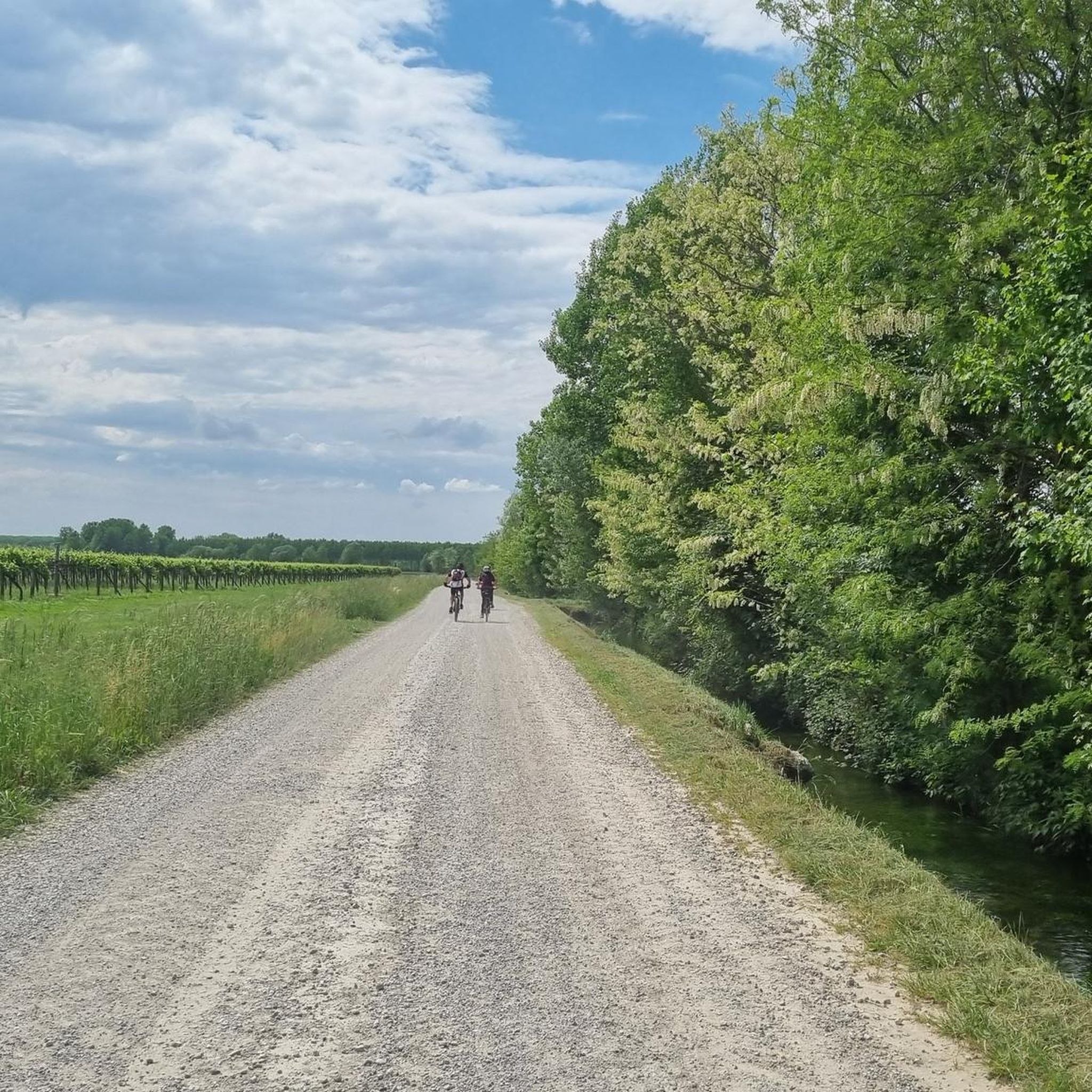
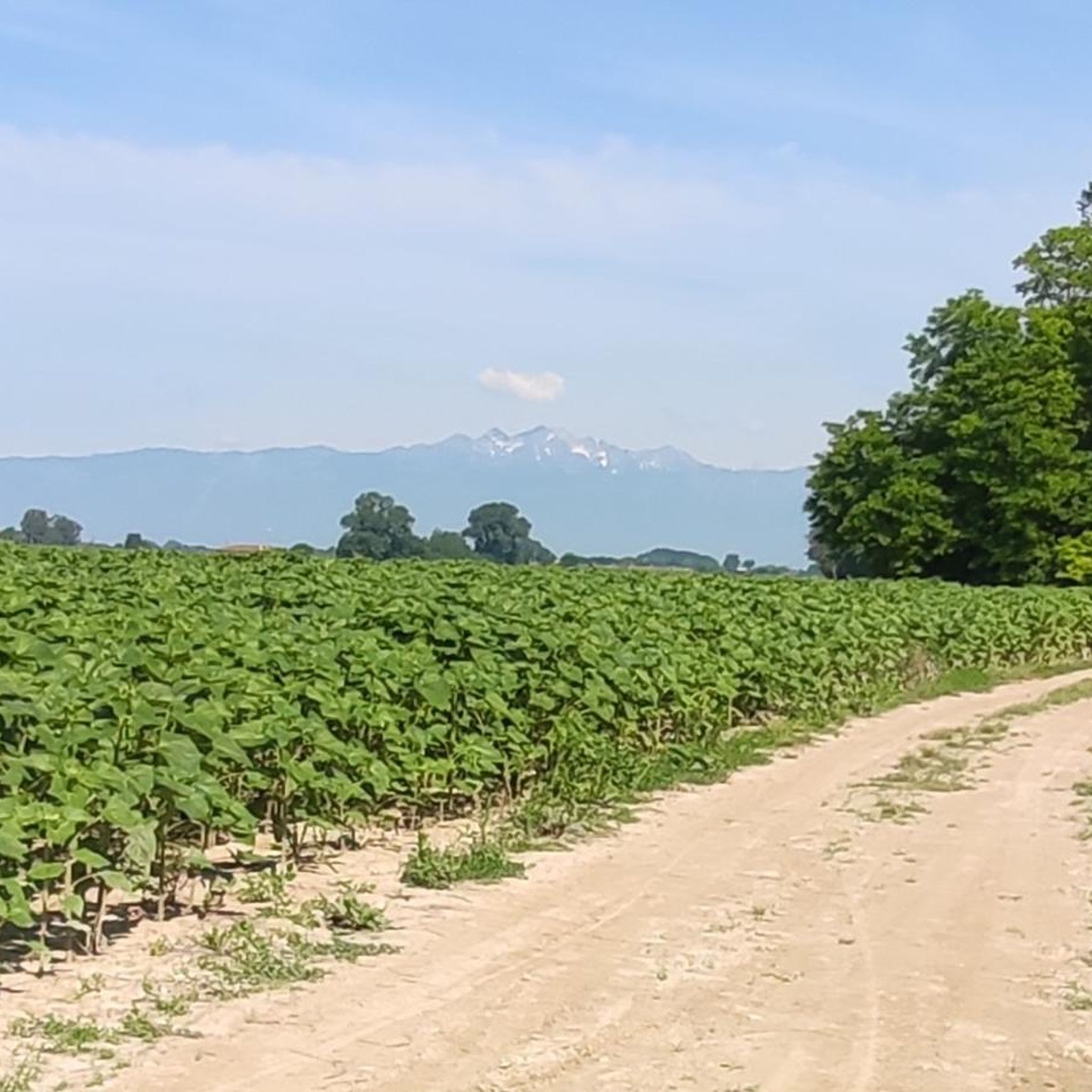
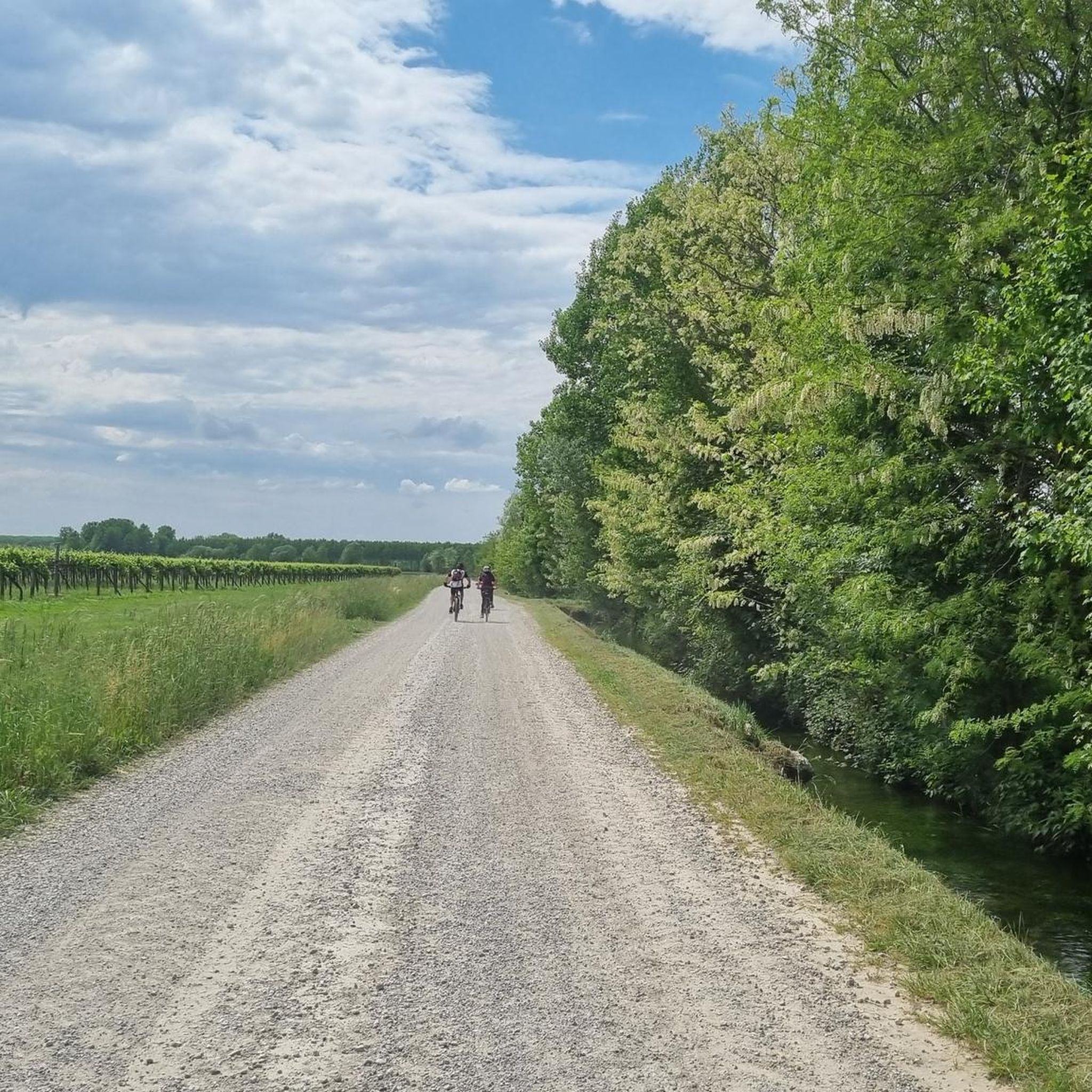
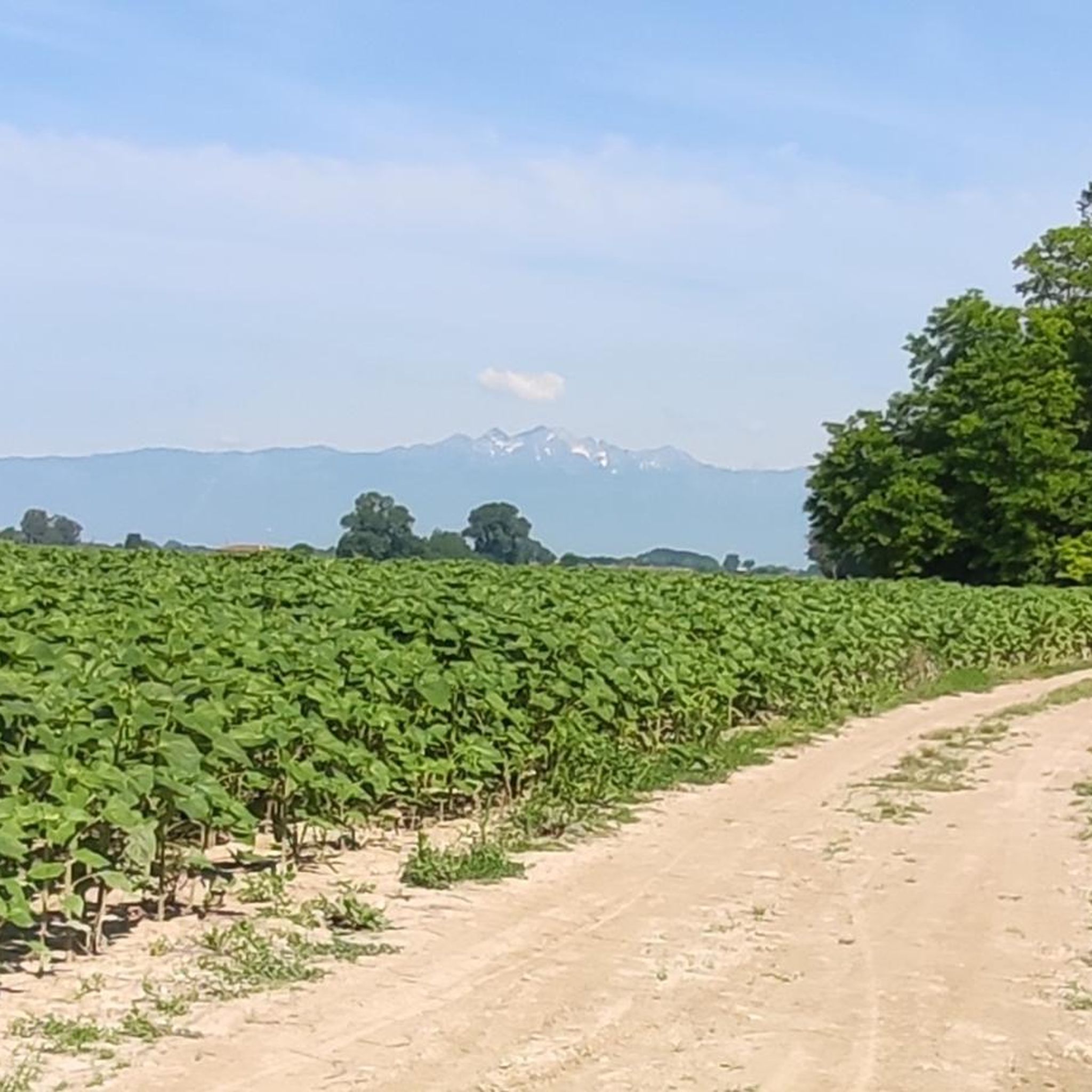
The routes around San Vito al Tagliamento offer diverse landscapes. You'll find everything from flat countryside paths to areas with slight elevation changes. Many routes follow the banks of the Tagliamento River, while others weave through lush Friulian countryside, woodlands, and historic towns. Both paved and some unpaved segments are available.
Are there circular touring cycling routes available?
Yes, several routes are designed as loops, allowing you to start and end in the same location. Examples include the Gate of Sesto al Reghena – Stalis Mills loop from San Vito al Tagliamento and the Lemene River in Portovecchio – Alvisopoli loop from San Vito al Tagliamento.
What historical or cultural sites can I explore while cycling?
Many cycling itineraries are designed to pass through charming cities, ancient woods, and past historic castles. You can discover locations like the 'city of mosaics,' Spilimbergo, with its castle and Cathedral of Santa Maria Maggiore. Routes also connect to other historical towns like Sesto al Reghena with its abbey. San Vito al Tagliamento itself is a town rich in history, blending medieval and Renaissance influences.
What are some notable natural features along the cycling routes?
The most prominent natural feature is the Tagliamento River, often called the 'king of European Alpine rivers,' offering scenic views and a unique ecological experience along its largely natural course. The region is also characterized by lush Friulian countryside and woodlands, providing a verdant backdrop for your rides.
What do other touring cyclists say about the routes in San Vito al Tagliamento?
The touring cycling routes in San Vito al Tagliamento are highly rated by the komoot community, with an average score of 4.5 stars from over 190 reviews. Cyclists often praise the diverse landscapes, the blend of natural beauty with cultural exploration, and the variety of routes suitable for different ability levels.
What are some interesting places to see near the cycling paths?
Along and near the cycling paths, you can explore various attractions. Highlights include the historic Villa Manin, the impressive Gate of Sesto al Reghena, and the charming settlement of Valvasone. For natural beauty, consider visiting Parco delle Risorgive di Codroipo or the Fontana di Venchieredo.
Are there routes that connect to coastal areas?
Yes, some routes extend towards the Adriatic Sea. For example, you can find journeys that follow the Tagliamento River towards coastal destinations like Lignano Sabbiadoro, offering a varied landscape that transitions from riverbanks to beaches.
How many touring cycling routes are available in the San Vito al Tagliamento area?
There are over 30 touring cycling routes available around San Vito al Tagliamento, catering to various skill levels. This includes 18 easy routes, 14 moderate routes, and a couple of more challenging options.
What is a good route for a more challenging touring cycling experience?
For those seeking a more challenging ride, the San Vito al Tagliamento – Roggia Belgrado loop from San Vito al Tagliamento is a difficult 28-mile (45.2 km) trail that offers a more demanding experience with greater elevation changes.
What is the best time of year for touring cycling in San Vito al Tagliamento?
May and June are particularly popular months for cycling in the region, offering pleasant weather conditions to explore the diverse landscapes and cultural sites.
Can I find routes that offer a blend of natural and cultural exploration?
Absolutely. Many routes are designed to offer both. For instance, the Stalis Mills – Gate of Sesto al Reghena loop from San Vito al Tagliamento is a moderate 21.8-mile (35.1 km) route that allows you to explore both the natural environment and cultural heritage of the area.
Most popular routes around San Vito Al Tagliamento
Most popular attractions around San Vito Al Tagliamento

Get inspired with the komoot mobile app


Explore more
Browse the best Cycling routes in other regions.
