Attractions and Places To See around Paularo - Top 20
Best attractions and places to see around Paularo are found in the Carnia region, nestled in an open basin surrounded by mountains. This area offers a blend of natural beauty, historical landmarks, and cultural experiences. Paularo is recognized as a Mountaineering Village due to its natural landscapes and opportunities for high-altitude hiking. Visitors can explore impressive mountain ranges, ancient palaces, and unique cultural sites.
Best attractions and places to see around Paularo
- The most popular attractions is Alpe Adria Cycle…
Last updated: July 6, 2026
Alpe Adria Cycle Path – Pontebbana Railway Section
Highlight • Cycleway
Translated by Google •
Tip by

Tunnel on the Alpe Adria Cycle Path
Highlight • Cycleway
I've now also ridden the "newest" section to Carnia in September 2025. 👍🙏🚲🌝
Translated by Google •
Tip by

Sign up now to discover places like this
Get recommendations on the best single tracks, peaks, & plenty of other exciting outdoor places.
Sign up for free
Rattendorfer Alm
Highlight • Mountain Hut
Showing Translation
Tip by

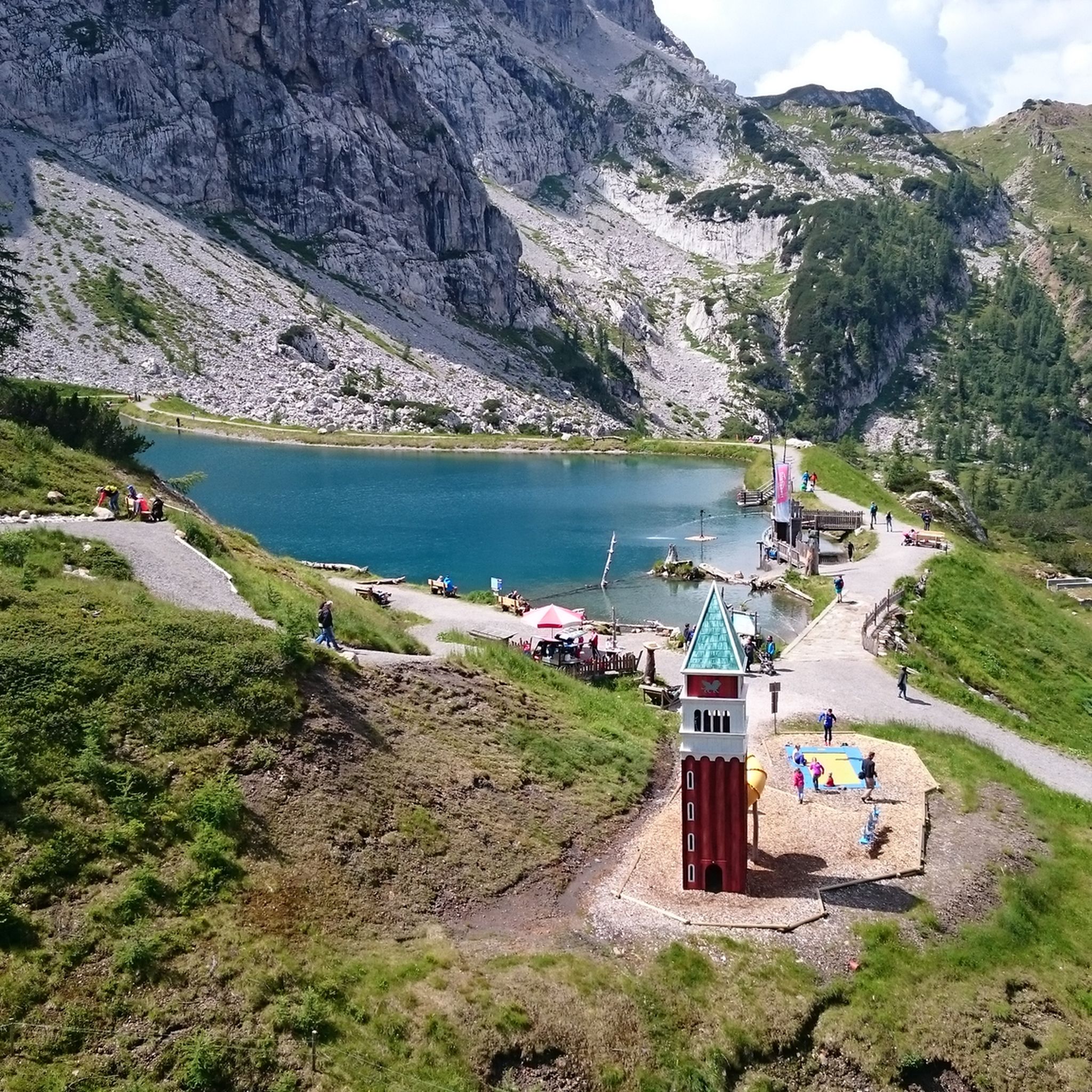
Zollnerseehütte
Highlight • Mountain Hut
Showing Translation
Tip by

Section of the Alpe Adria cycle path near Pontebba
Highlight (Segment) • Cycleway
We used this one day before.
The tunnels, of course, with automatic lighting …
Translated by Google •
Tip by
Sign up for free to discover even more attractions around Paularo.
Sign up for free
Already have an account?
Start today with a free account
Your next adventure awaits.
Login or Signup



Tips from the Community

The former railway line with its many tunnels is simply brilliant!
4
1

…a worthwhile destination with very good cuisine!! 🥾😋🍺
3
0


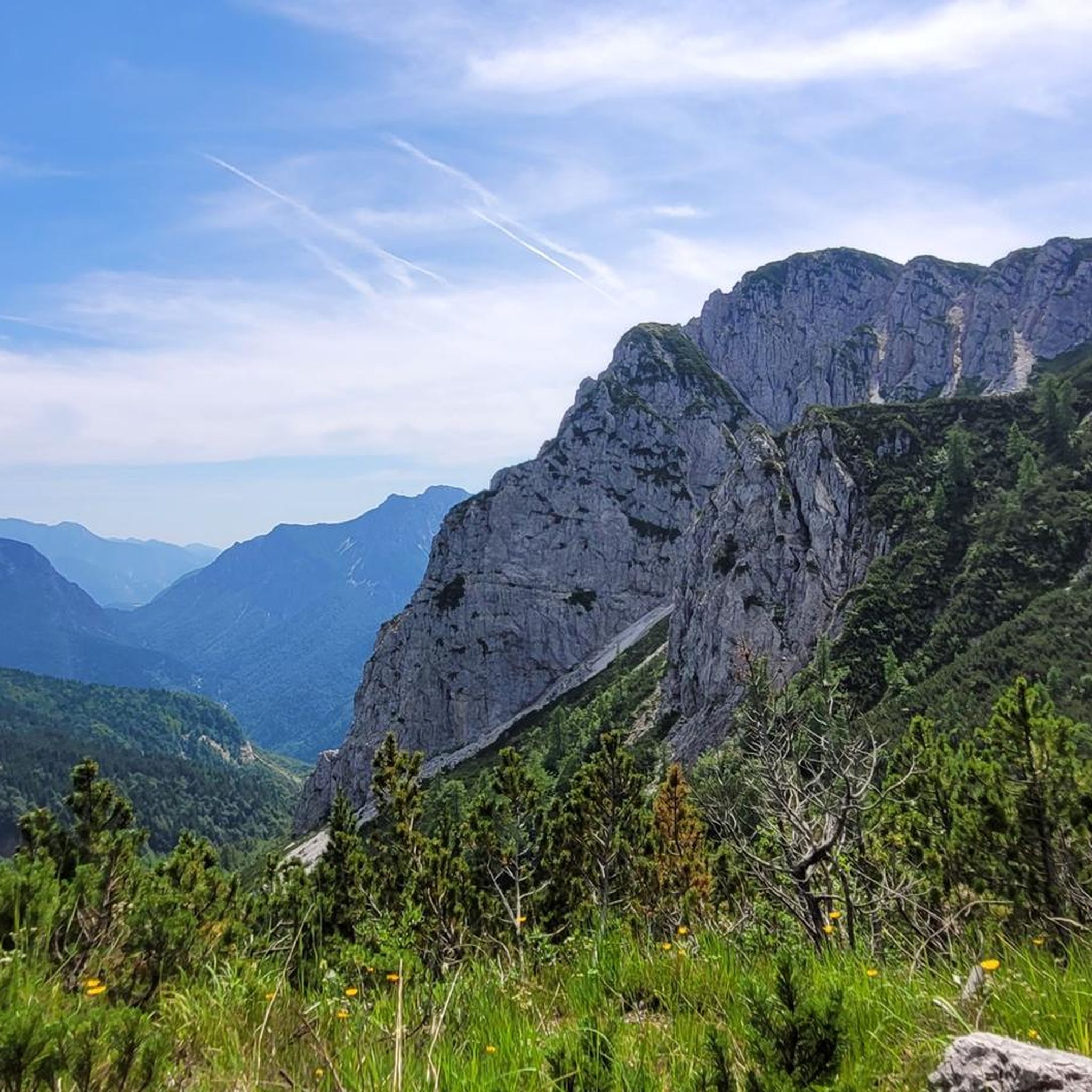
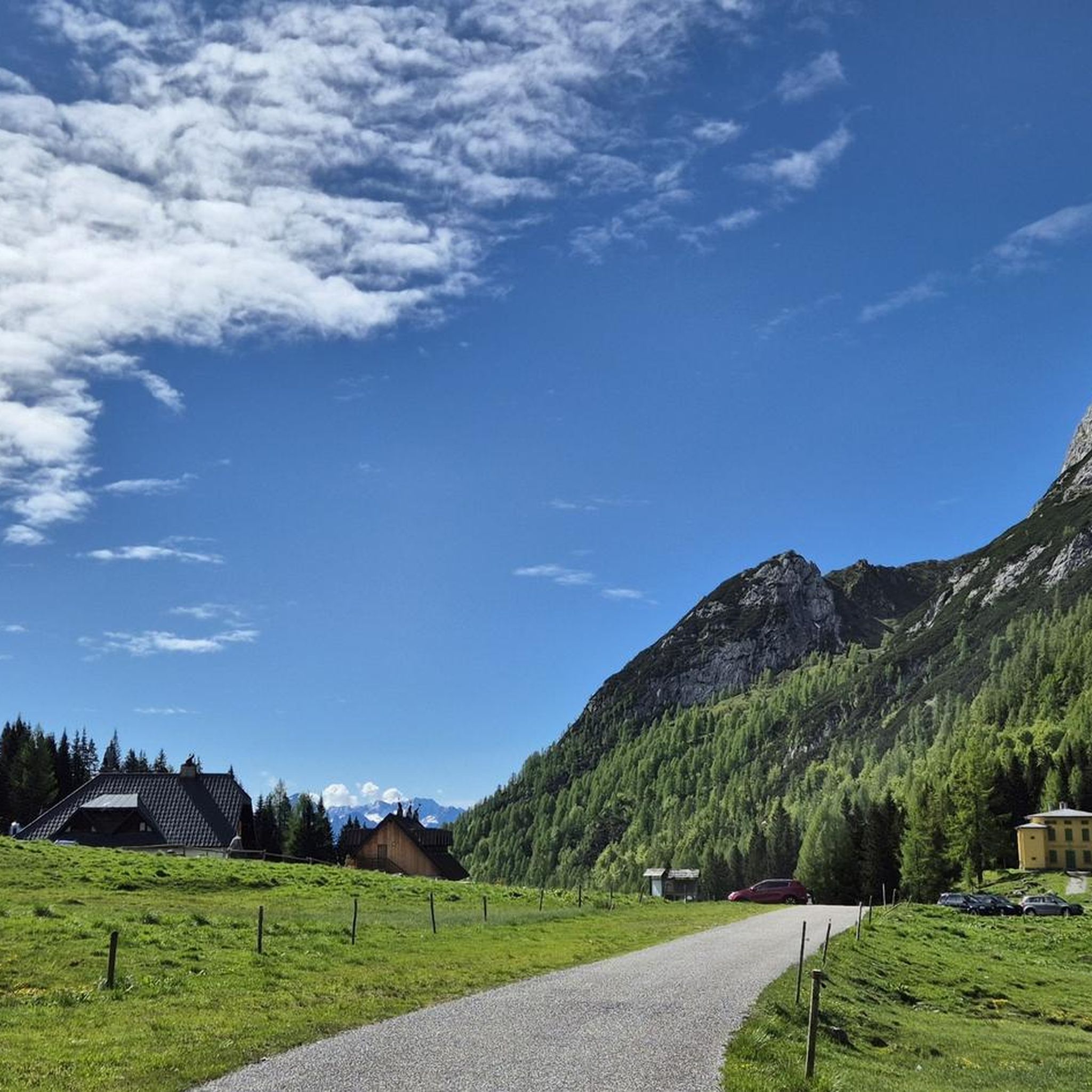
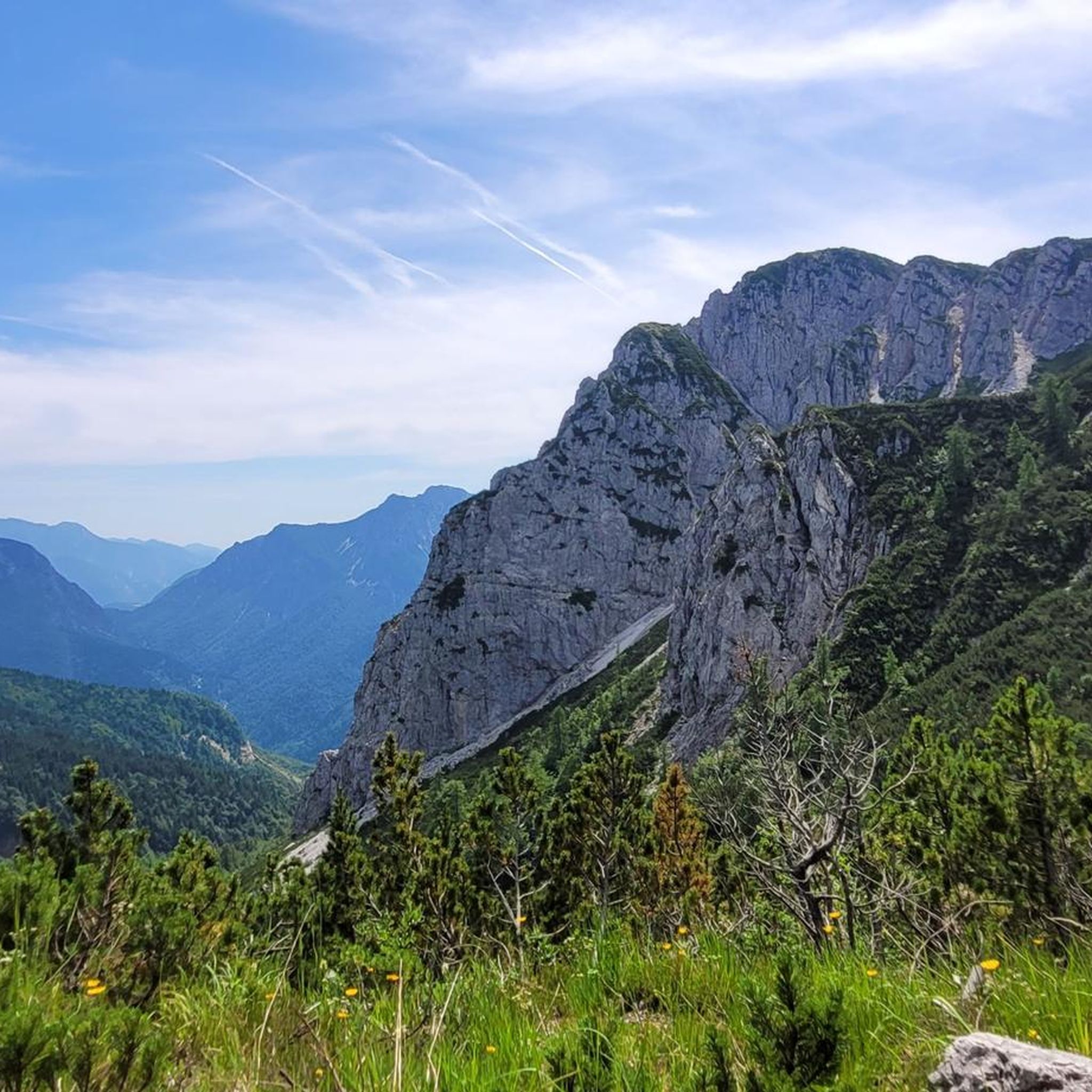
The Rattendorfer Alm in the Carnic Alps is surrounded by idyllic alpine meadows where cows graze in summer. The homemade cheese is particularly popular. The hut can be reached by car, mountain bike and on foot. You can also stay overnight here. More information is available at https://rattendorferalm.at/index.php
2
0

Be sure to turn on the lights in the tunnels
4
0

Currently, the last tunnel sections on this fantastic railway cycle path. I've now also ridden the "newest" section to Carnia in September 2025. 👍🙏🚲🌝
6
0

beautiful cycle path on the old railway line.
5
0

many cycle paths on the path
3
1
Frequently Asked Questions
What are the main natural attractions to explore around Paularo?
Paularo is surrounded by impressive mountains like Monte Sernio, Tersadia, and Zermula, offering numerous hiking opportunities. You can also discover beautiful lakes such as Lake Dimon and Lago Avostanis, as well as waterfalls like Salino Waterfall and "das Glirs" Waterfall. Don't miss the ancient "La Palme" Fir Tree in the Zermula forest, a unique natural wonder.
What historical and cultural sites can I visit in Paularo?
Paularo boasts several historical palaces, including the 16th-century Palazzo Calice-Screm, a prototype of the traditional Carnian house. The 18th-century Palazzo Linussio Fabiani, once home to a textile magnate, and Palazzo Scala, which houses the unique "La Mozartina" museum of musical instruments, are also notable. The Rattendorfer Alm, a hut at 1,535 meters, also has historical significance.
Are there family-friendly activities or attractions in the Paularo area?
Yes, the region offers several family-friendly options. The Alpe Adria Cycle Path – Pontebbana Railway Section is excellent for families, featuring 22 tunnels and scenic bridges. The Tunnel on the Alpe Adria Cycle Path also provides an enjoyable cycling experience with automatic lighting. Many alpine pastures, like Rattendorfer Alm, are accessible and offer local treats.
What kind of cycling routes are available near Paularo?
The area around Paularo is fantastic for cycling. You can explore sections of the Alpe Adria Cycle Path, such as the Pontebbana Railway Section, known for its tunnels and bridges. For more challenging rides, consider routes like the "Via delle Ex Caditoie – Carnia Cycle Path loop" or the "Passo Duron Summit – View of the Paularo Valley loop." Find more options on the Cycling around Paularo guide.
Where can I find hiking trails around Paularo?
Paularo, recognized as a Mountaineering Village, offers numerous hiking trails. You can find routes ranging from moderate to difficult, including the "Forest track to Rifugio Fabiani through wildflower meadows" or the challenging "Historic WWI Alpine Trail to Sella di Aip." For a comprehensive list, check the Hiking around Paularo guide.
What is the best time of year to visit Paularo for outdoor activities?
The best time to visit Paularo for hiking and outdoor activities is generally from late spring to early autumn (May to October), when the weather is mild and trails are clear. During summer, the alpine pastures are active, and you can enjoy local dairy products. Winter offers opportunities for snow-related activities, though some higher trails may be inaccessible.
Are there any unique museums or cultural centers in Paularo?
Yes, Paularo is home to the "La Mozartina" museum within Palazzo Scala, which houses a unique collection of musical instruments, primarily keyboards. Additionally, the Ecomuseo i Mistîrs, located in the former church of Sant'Antonio, showcases the valley's natural features and traditional trades, preserving its historical and cultural memory.
Can I find places to eat or stay overnight near the attractions?
Yes, several huts and alpine pastures (malghe) in the mountains offer regional dishes and sometimes accommodation. The Rattendorfer Alm, for instance, provides regional food, rooms, or dormitories. The Zollnersee Hut is another excellent destination known for its cuisine.
What are some significant religious sites in Paularo?
Paularo features several important churches. The Parish Church of Saints Vito, Modesto, and Crescenzia Martiri, built in 1772, is notable for its frescoes. The Church of Santa Maria Maggiore in Dierico, with a 16th-century bell tower and frescoes, also houses a remarkable wooden altar from 1522.
Are there any archaeological sites in the area?
Yes, the hamlet of Misincinis is known for archaeological finds, including the remains of a necropolis dating back to the 7th century BC, offering a glimpse into the ancient history of the region.
What makes the geology of Paularo unique?
The territory around Paularo is renowned for its rich fossil deposits, particularly in limestone from the Devonian period (350 million years ago) found in areas like Monte Zermula. Even older rocks from the Uqua Formation, dating back 450 million years, can be found around Casera Valbertad, making them some of the oldest in Carnia.
What do visitors enjoy most about the attractions around Paularo?
Visitors particularly appreciate the stunning mountain scenery and the well-maintained cycle paths, especially the sections of the Alpe Adria Cycle Path with its tunnels and bridges. The welcoming atmosphere and regional dishes at alpine huts like Rattendorfer Alm are also highly praised. The blend of natural beauty and historical sites offers a diverse experience.
Most popular routes around Paularo
Most popular attractions around Paularo

Get inspired with the komoot mobile app


Explore more
Still not found the Highlight you’re looking for? See guides of the top attractions in other regions:
