Attractions and Places To See around Firenzuola - Top 20
Best attractions and places to see around Firenzuola include a blend of historical landmarks, cultural sites, and natural features. This municipality is nestled in the Tuscan-Romagna Apennines, offering a diverse landscape for exploration. The area is known for its rugged natural environment, historical significance, and unique local stone. Visitors can discover ancient Roman roads, medieval fortresses, and scenic mountain passes.
Best attractions and places to see around Firenzuola
- The most popular attractions is Remains of the Military Flaminia, a…
Last updated: July 6, 2026
Remains of the Military Flaminia
Highlight • Historical Site
Translated by Google •
Tip by

Pian di Balestra — Countryside on the Via degli Dei
Highlight • Natural
Translated by Google •
Tip by

Sign up now to discover places like this
Get recommendations on the best single tracks, peaks, & plenty of other exciting outdoor places.
Sign up for free
Emilia-Romagna–Tuscany Border Marker
Highlight • Monument
Translated by Google •
Tip by

Burnt Inn Pass
Highlight • Mountain Pass
Translated by Google •
Tip by
Lake Brasimone
Highlight • Lake
Also, on the lakeshore, …
Tip by

Sign up for free to discover even more attractions around Firenzuola.
Sign up for free
Already have an account?
Start today with a free account
Your next adventure awaits.
Login or Signup
Popular around Firenzuola
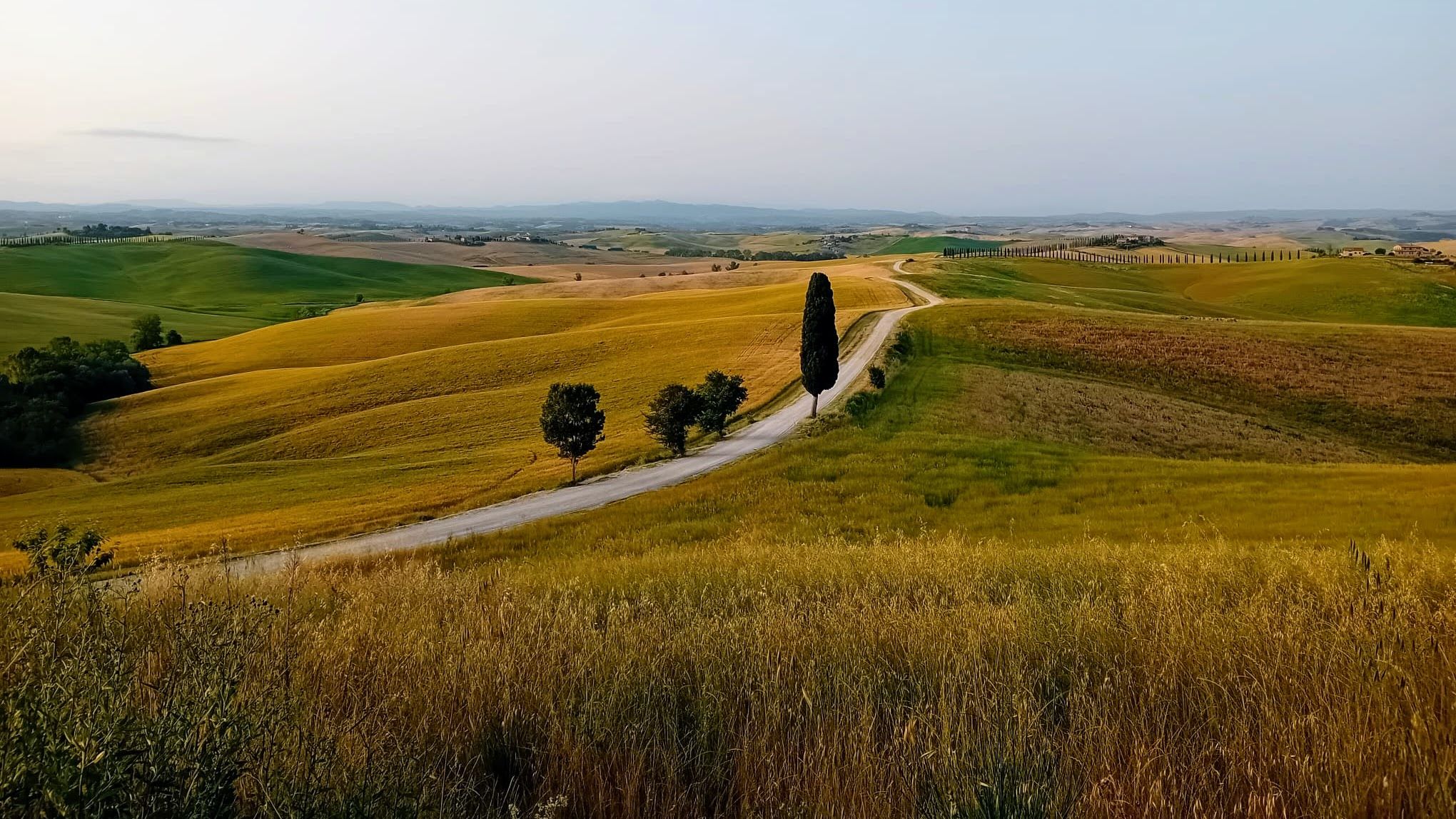
Tuscany by bike – history, cypresses and the Strade Bianche
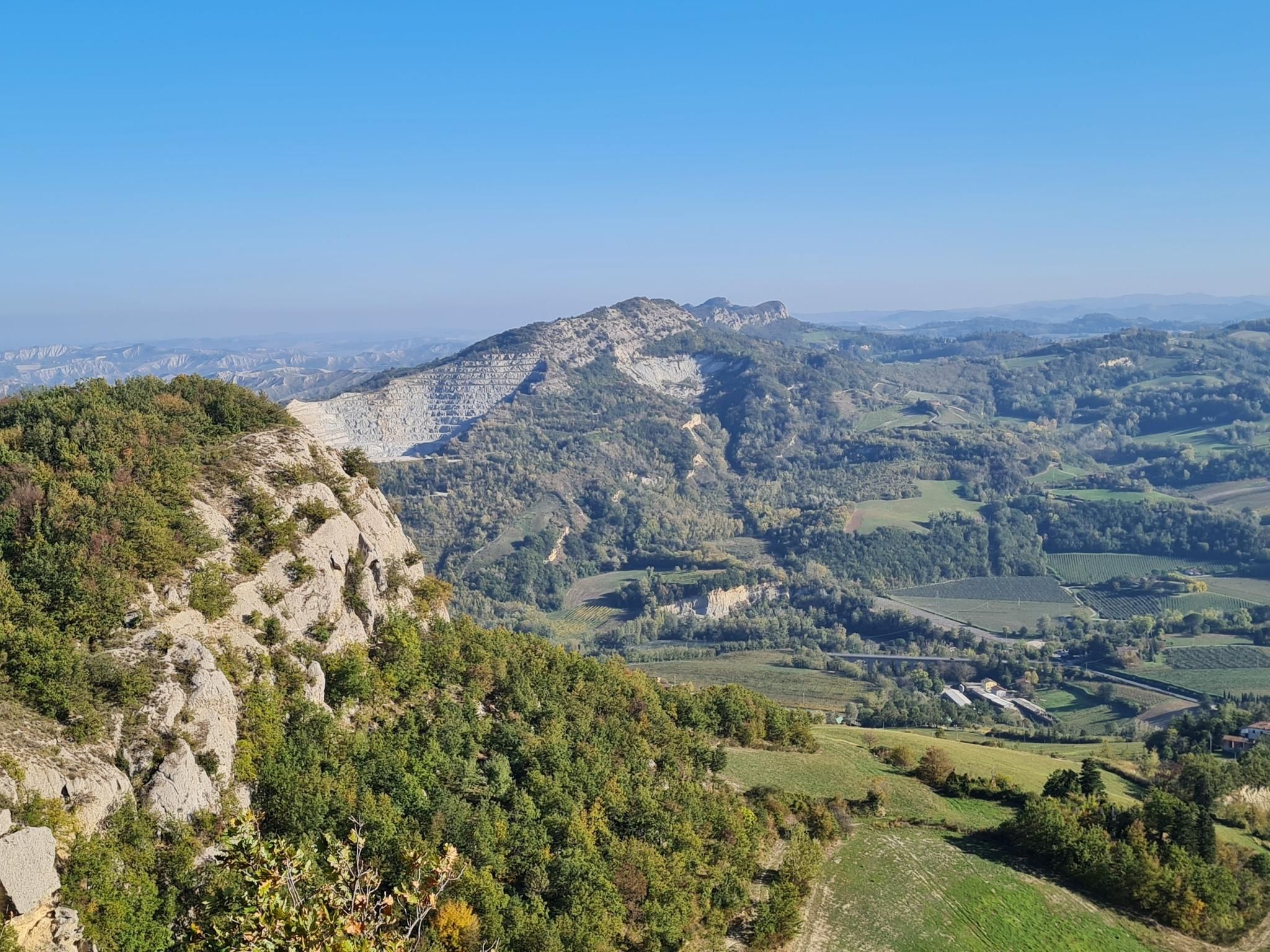
Lake Brasimone to Marradi – Alta Via dei Parchi (part 3)
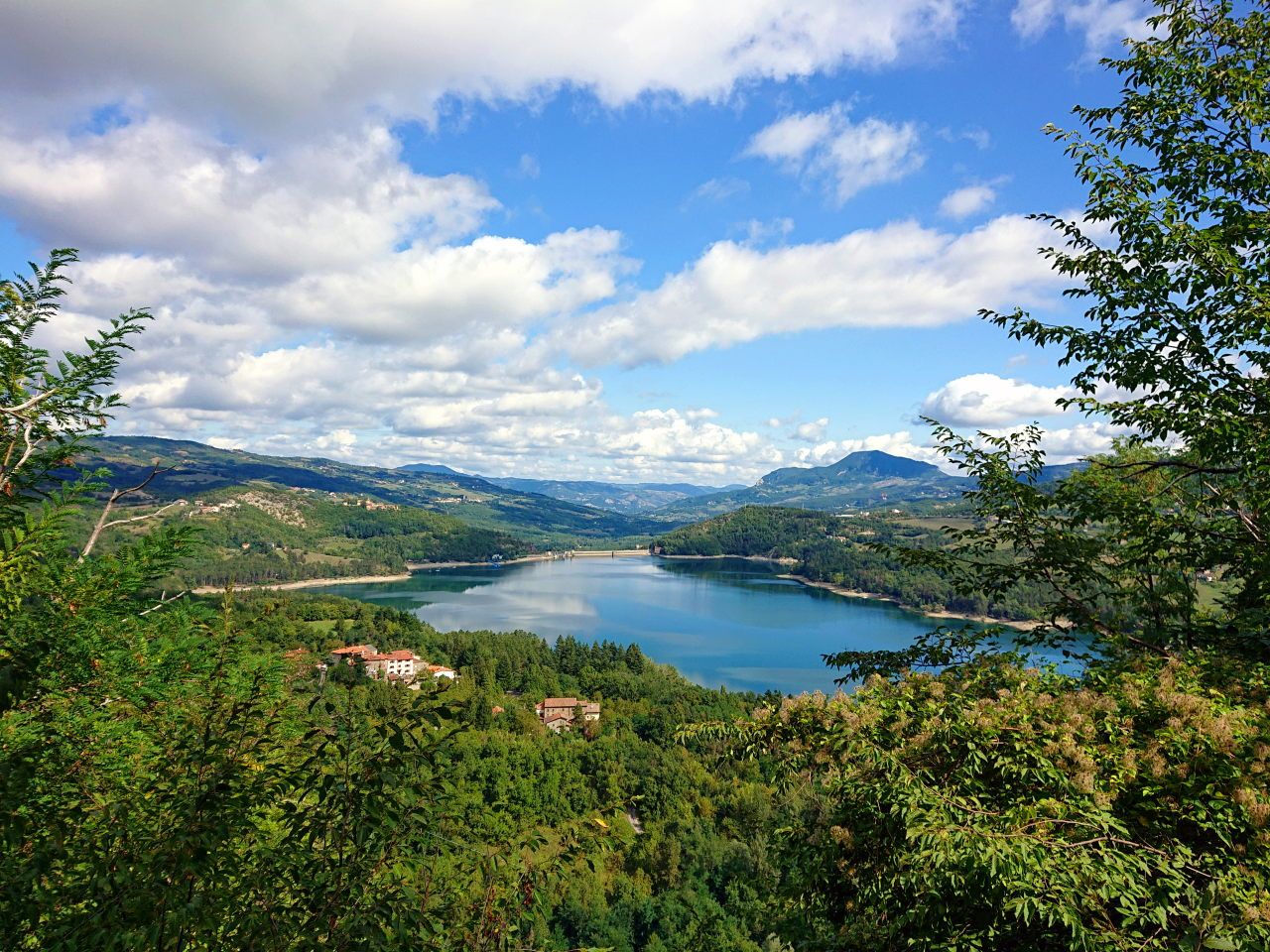
Interiora - A Journey into the Remote Areas of Italy
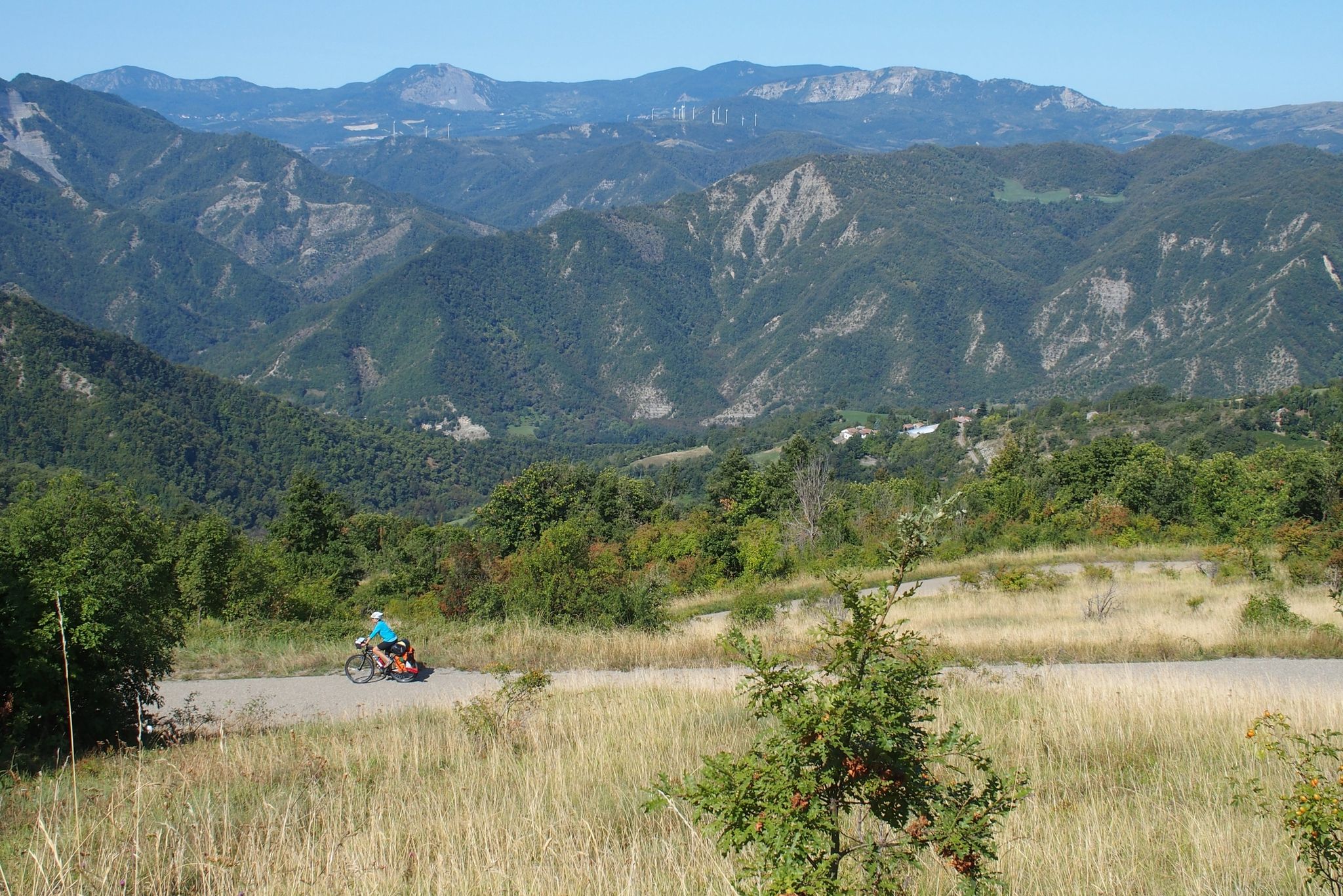
Eastern Mugello – up and down in the Apennines
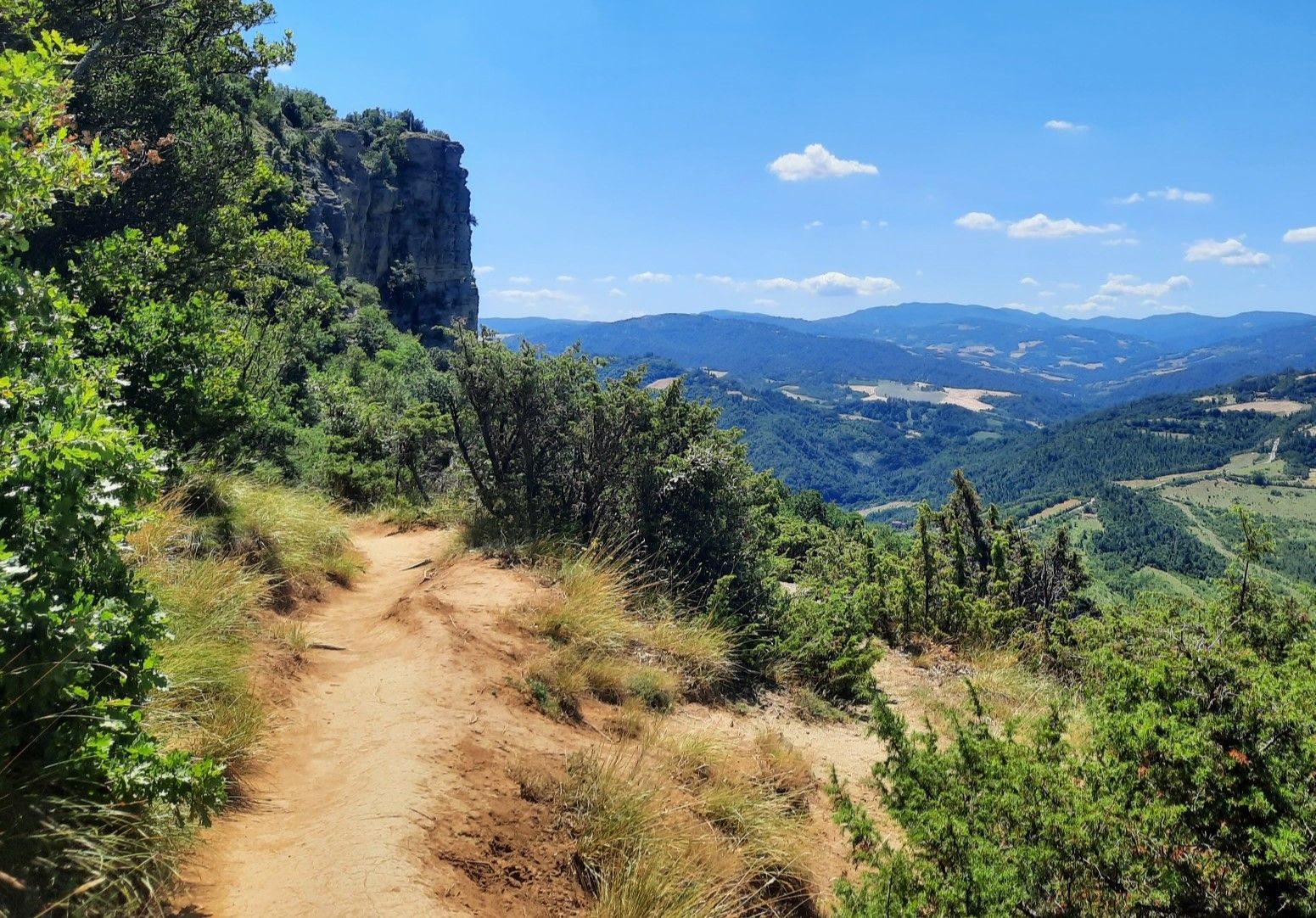
Bologna to Florence through the Apennines — the Via degli Dei
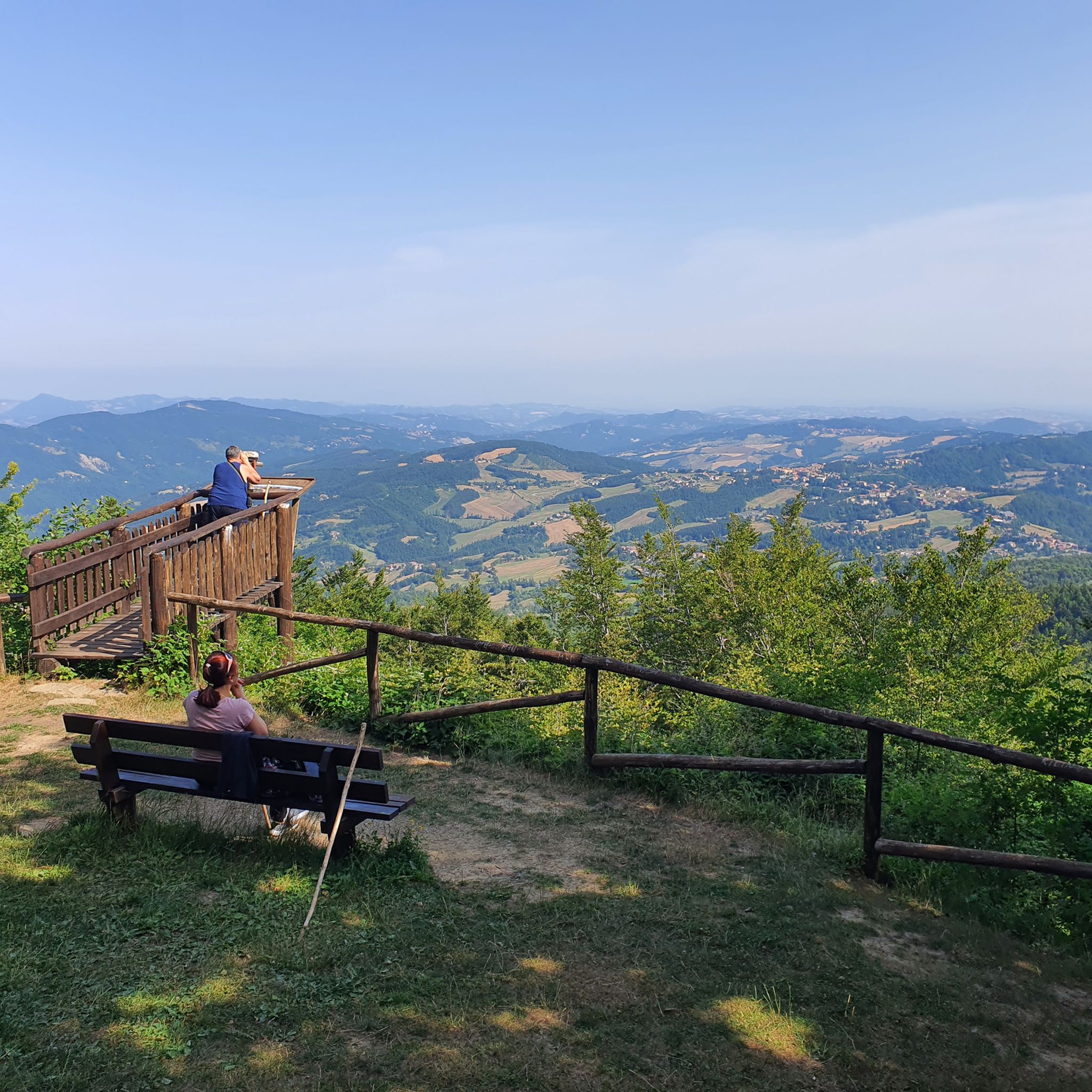
Hiking around Firenzuola
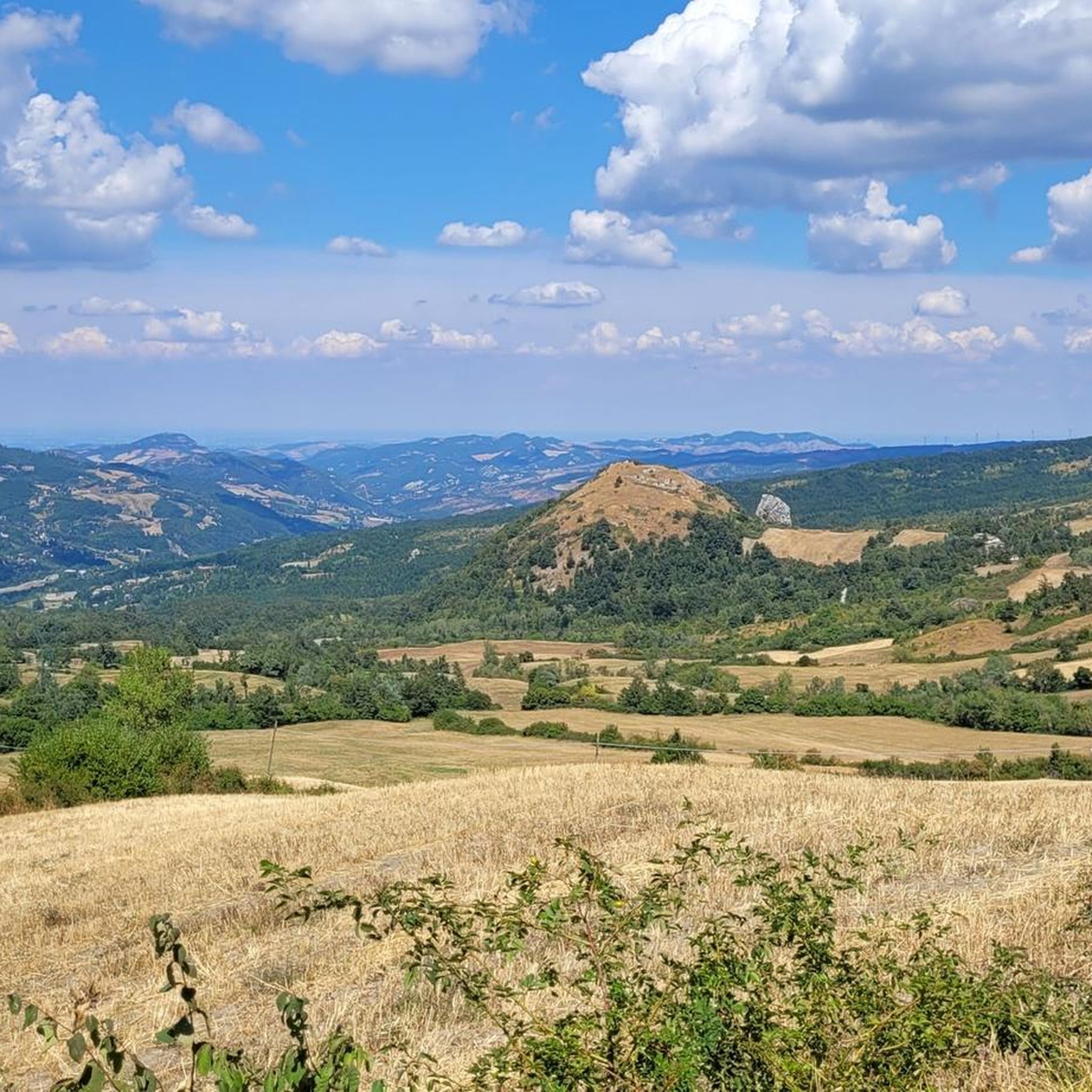
Road Cycling Routes around Firenzuola
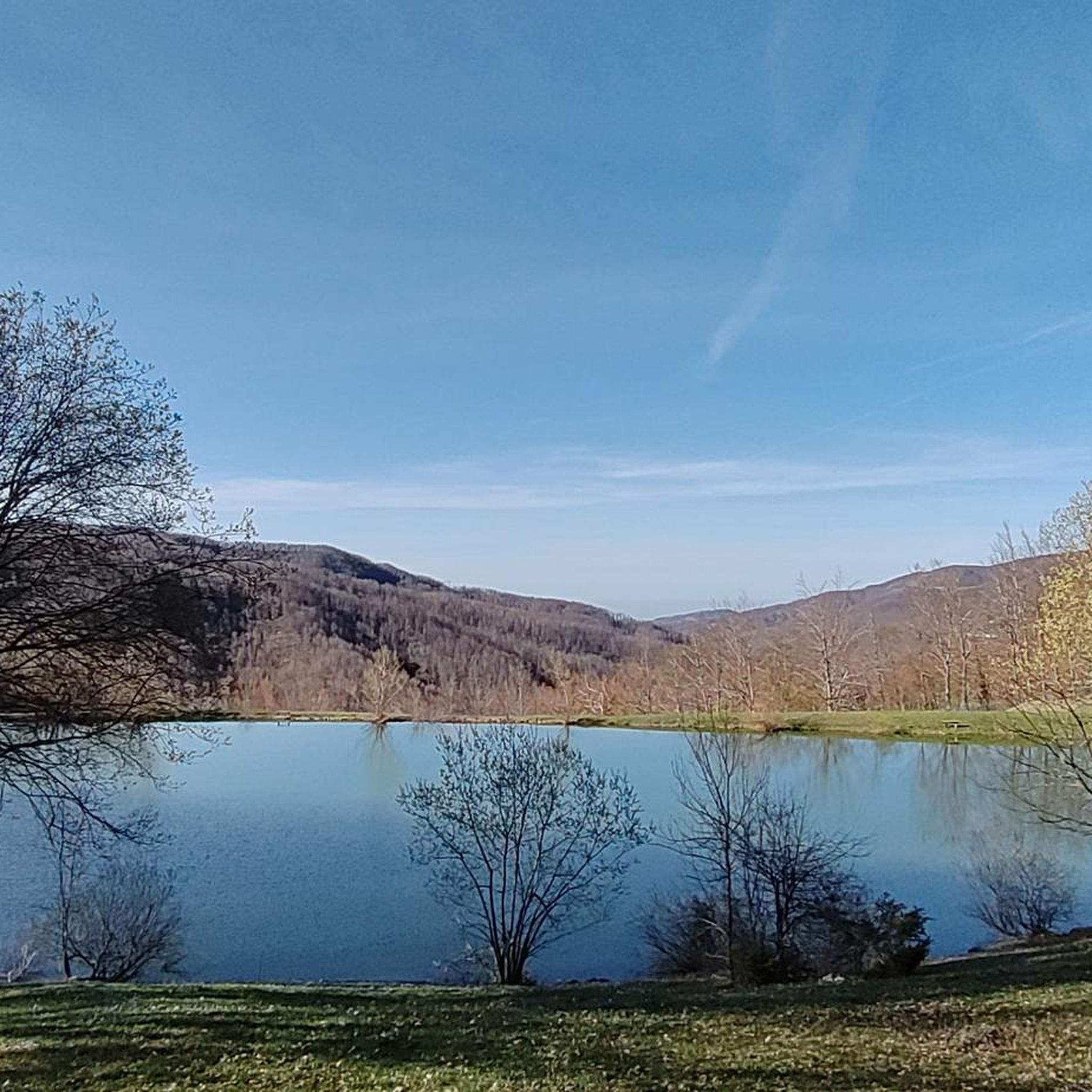
Running Trails around Firenzuola
MTB Trails around Firenzuola
Cycling around Firenzuola
Other adventures around Firenzuola


Tips from the Community

The Lago del Brasimone (also known as the Scalere basin) is a splendid artificial lake located in the Bolognese Apennines, within the municipal territory of Camugnano. It is situated at about 800 meters above sea level and is entirely included in the Regional Park of the Suviana and Brasimone Lakes.
0
0

a walk not to be missed!
0
0


already done twice and always beautiful
0
0

In the Middle Ages it was the highway that connected northern Italy with the south (in particular trade with Milan and the Church with Rome)
1
0

Along the Via degli Dei (Way of the Gods), you'll find the remains of the Flaminia Militare, an ancient Roman road built in 187 BC to connect Bologna to Arezzo. Hidden for centuries, it was rediscovered in the 1970s by two passionate hikers. Today, well-preserved sections of the original pavement can still be seen, nestled in the Apennine woods. Walking along it means traversing a true piece of history, on a journey that combines nature, archaeology, and memory.
1
0
recommended for the wonder of the woods and the super marked path
0
0

Borders as they should be. Nothing more than a stone by the wayside.
0
0
Frequently Asked Questions
What historical landmarks can I explore in Firenzuola?
Firenzuola and its surroundings are rich in history. You can visit the medieval Rocca di Firenzuola, which now serves as the town hall and houses the Museum of "Pietra Serena". The area also features significant war cemeteries, such as the Germanic Cemetery at Futa Pass and the Santerno Valley War Cemetery. Don't miss the ancient Remains of the Military Flaminia, an ancient Roman road built in 187 BC, which connected Bologna to Arezzo.
Are there any unique natural features to see around Firenzuola?
Yes, the region offers several distinctive natural features. The Pian di Balestra — Countryside on the Via degli Dei provides scenic views along the famous hiking trail. You can also discover the Sasso di San Zanobi, a notable rock formation near the Passo della Raticosa, and the Pietra Serena Quarries, which highlight the local grey sandstone used in Florentine architecture. The Oasi di Covigliaio is another natural spot where you might spot muflons.
What cultural sites are available for visitors in Firenzuola?
Firenzuola offers several cultural insights. The Museum of "Pietra Serena" is located within the Rocca di Firenzuola, celebrating the local stone and its master-cutters. The Abbey of San Pietro a Moscheta hosts the Museum of the Historical Landscape of the Apennines. Additionally, you can visit the Spazio Culturale “La Guerra e La Memoria” for documents and military materials from the World Wars, or the Historical-Ethnographic Museum in Bruscoli for traditional farm tools and war records.
What kind of outdoor activities can I do near Firenzuola's attractions?
The rugged Apennine Mountains around Firenzuola are perfect for outdoor enthusiasts. You can explore numerous panoramic points via hiking trails. The hiking guide for Firenzuola features routes like the 'Croce dell'Alpe Ridge Walk' or sections of the 'Alta Via dei Parchi'. For cycling, the Raticosa Pass is a popular meeting point, offering scenic rides along the "Futa Road." You can also find gravel biking routes and running trails in the area.
Are there any family-friendly attractions or activities in Firenzuola?
While many attractions cater to general interest, the Alidosi Bridge in Castel del Rio is noted as family-friendly, offering a light route for a pleasant walk. Exploring the town center, rebuilt with a regular layout and wide central plaza, can also be a pleasant family activity. The natural landscapes and easier sections of hiking trails, such as those mentioned in the hiking guide, can also be suitable for families.
What is the Via degli Dei and does it pass through Firenzuola?
The Via degli Dei, or "Path of the Gods," is an ancient Roman road that is now a popular long-distance hiking trail. It indeed passes through Firenzuola, offering a journey through history and nature. Hikers often encounter sections like Pian di Balestra — Countryside on the Via degli Dei, which provides views of the ancient Flaminia Militare. It's a significant route for those looking to experience the Apennines on foot.
Where can I find historical sites related to World War II in the Firenzuola area?
The Firenzuola region holds several poignant sites related to World War II. The Germanic Cemetery at Futa Pass is a significant historical site, holding the graves of over 31,000 Wehrmacht soldiers. Nearby, the Santerno Valley War Cemetery contains the remains of approximately 300 Allied soldiers. Additionally, the Spazio Culturale “La Guerra e La Memoria” and the Historical-Ethnographic Museum in Bruscoli exhibit documents and military materials from both World War I and World War II.
What do visitors enjoy most about the attractions around Firenzuola?
Visitors frequently appreciate the blend of history and nature. Many enjoy discovering ancient Roman routes like the Remains of the Military Flaminia and the scenic beauty of the Apennines, especially along the Via degli Dei. The sense of history, combined with the opportunity for outdoor exploration and meeting fellow travelers, is often highlighted in visitor tips.
Are there any interesting bridges or architectural marvels in the region?
Yes, the Alidosi Bridge in the municipality of Castel del Rio is a notable architectural marvel. Commissioned in 1499, this singular arch bridge has a span of 42 meters and connects Castel del Rio to hamlets on the slopes of Mount Guasteto. It was built to symbolize the power and stability of the Alidosi family and remains an impressive sight.
Can I see the border between Emilia-Romagna and Tuscany near Firenzuola?
Yes, you can. There is an Emilia-Romagna–Tuscany Border Marker, a cippo that delimits the border between the two regions (Bologna - Florence). It's a popular spot for a photo when passing through, often found in wooded stretches not far from the Flaminia Militare.
What is the best time of year to visit Firenzuola for outdoor activities?
The Tuscan-Romagna Apennines are generally pleasant for outdoor activities from spring through autumn. Spring offers blooming landscapes, while autumn provides vibrant foliage. Summer is also suitable, especially for higher elevation trails, though it can be warmer. Always check local weather conditions before planning your trip.
Are there any 'ghost villages' or abandoned settlements to explore?
Yes, the region around Firenzuola offers a unique opportunity to explore ancient, abandoned settlements. These "ghost villages" like Borgo di Brento Sanico and Borgo di Castiglioncello have been reclaimed by vegetation and provide an adventurous experience for those interested in historical exploration and natural reclamation.
What is the significance of the Pietra Serena stone in Firenzuola?
Firenzuola is renowned for its "pietra serena," a distinctive grey sandstone that has been widely used in Florentine architecture. The local quarries are part of the area's landscape and history, and the Museum of "Pietra Serena" within the Rocca di Firenzuola celebrates the master stone-cutters and the historical use of this important local material.
Most popular attractions around Firenzuola

Get inspired with the komoot mobile app


Explore more
Still not found the Highlight you’re looking for? See guides of the top attractions in other regions:
