Attractions and Places To See around Borghetto Lodigiano - Top 20
Best attractions and places to see around Borghetto Lodigiano offer a glimpse into the rich architectural and cultural heritage of the Lodigiano region. Situated within the agricultural landscape of the Province of Lodi, this area connects to local river systems like the Lambro, Po, and Adda. The region features historical buildings and traditional farmsteads, providing insights into its past. Visitors can explore a variety of sites reflecting the area's history and natural setting.
Best attractions and places to see around…
Last updated: October 23, 2026
Victory Square, Lodi
Highlight • Historical Site
Translated by Google •
Tip by

Lodi Cathedral
Highlight • Religious Site
Translated by Google •
Tip by

Sign up now to discover places like this
Get recommendations on the best single tracks, peaks, & plenty of other exciting outdoor places.
Villa Litta Carini
Highlight • Historical Site
Translated by Google •
Tip by

Sigeric's Ford on the Via Francigena
Highlight • Historical Site
Translated by Google •
Tip by
Lambro River crossing
Highlight • Bridge
The Lambro is a river in the Italian region of Lombardy. The total length of the river is approximately 130 kilometers.
The source of the Lambro, …
Translated by Google •
Tip by
Sign up for free to discover even more attractions around Borghetto Lodigiano.
Already have an account?
Start today with a free account
Your next adventure awaits.

Tips from the Community

The Cathedral with the Clock Tower occupies the east side of Piazza della Vittoria, and the facades of houses and palaces frame its facade. The square, as a civic and religious center, as we see it today, was formed in different periods. The construction site of the Duomo was organized according to the methods of the time, i.e. by tracing the perimeter directly on the ground and then starting with the construction of the apse area. The so-called "stepped" facade suggests the division of the internal space, in which the central nave is higher and wider than the two side aisles. In the center of the facade, in the upper part, is the aedicule containing a bronze copy of the statue of San Bassiano, the original in copper and gold patina is kept inside the main nave of the cathedral. The central part of the facade is occupied by the rose window which, besides being a typically decorative element, allows for good internal lighting.
0
0
Around the rose window and the slopes of the roof, the decoration with interwoven arches and polychrome majolica cups of Byzantine derivation is to be observed. Below the rose window, two Renaissance stone windows have been created. The "candelabra" columns and the side coats of arms refer to the motifs of humanistic culture. The most characteristic element of this facade is the protiron. In the lunette above the portal are depicted the Redeemer, the crowned Madonna, and Saint Bassiano imploring. On the pilasters of the horizontal architrave are depicted Adam and Eve and, below, two other figures that recall the vices of man. The portal is framed by spiral columns, and the decorations surrounding the portal arch consist of naturalistic decorative motifs derived from the Lombard school, with shoots, spirals, and aquatic plant leaves. Finally, the small roof that frames and shelters the portal is supported by stylophoric lions.
0
0

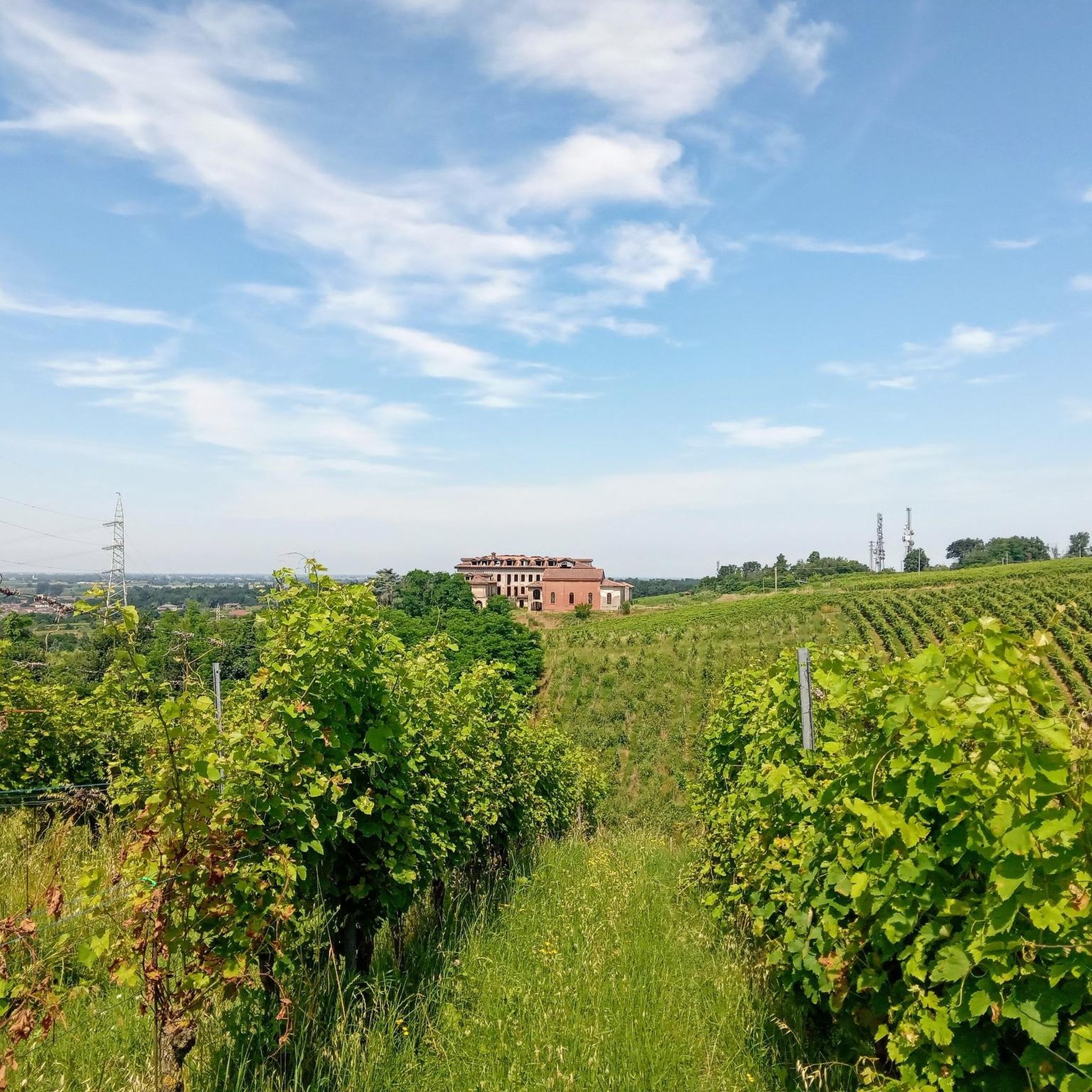
The villa was built according to its original design by Count Antonio Cavazzi della Somaglia, VIII Count and Baron of Somaglia, to showcase the power of his family, in an area where he owned several lands and estates. The count entrusted the design to architect Giovanni Ruggeri. Upon his death in 1688, Antonio bequeathed the villa to his great-nephew Antonio Dati, who subsequently assumed the title of Count of Somaglia. Dati oversaw the expansion of the palace, transforming it into a majestic residence intended as a holiday resort and meeting place for great figures of 18th-century Italian literature and culture, but he never lived to see the work completed, which was completed by his son Antonio Giovanni Battista in 1749.
2
0

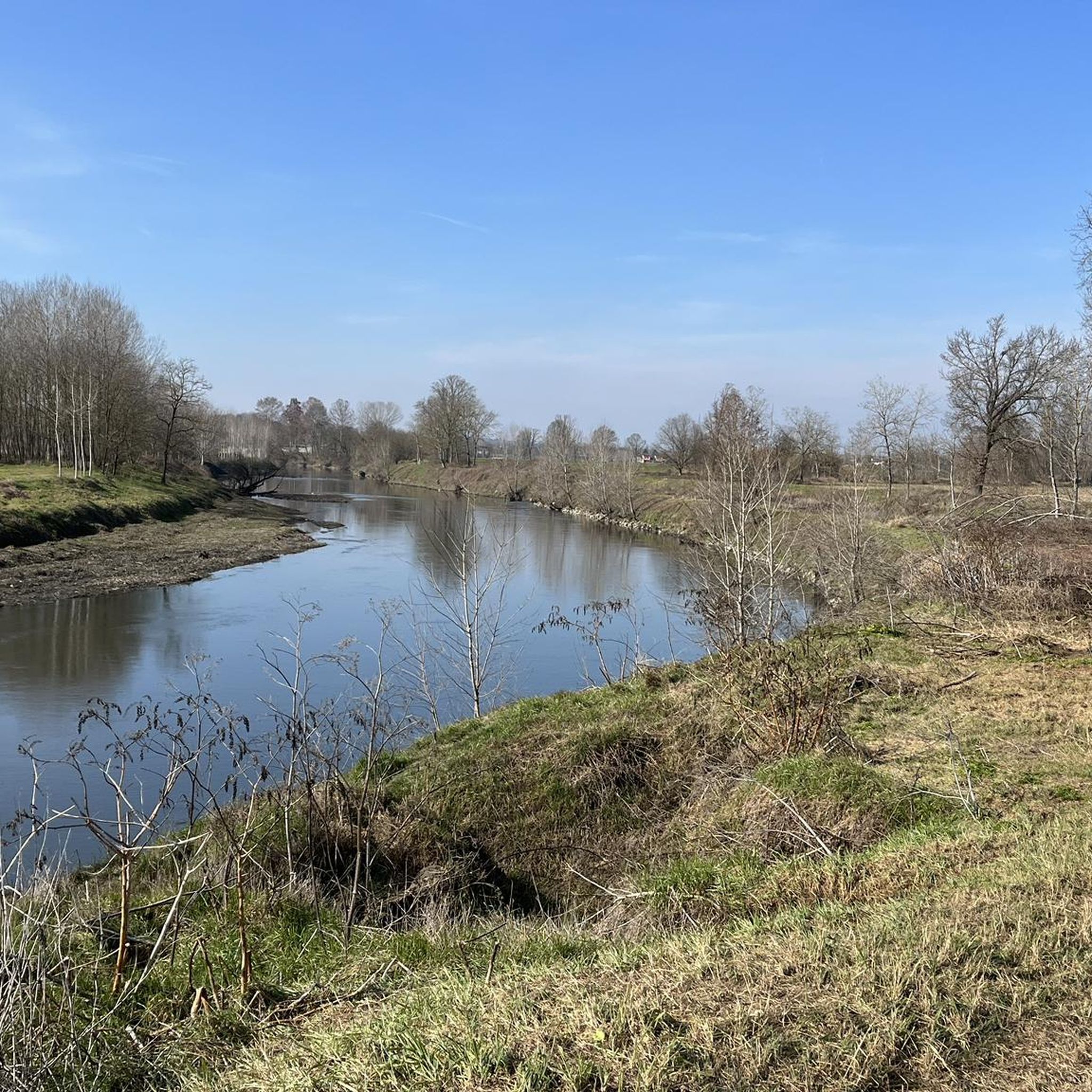
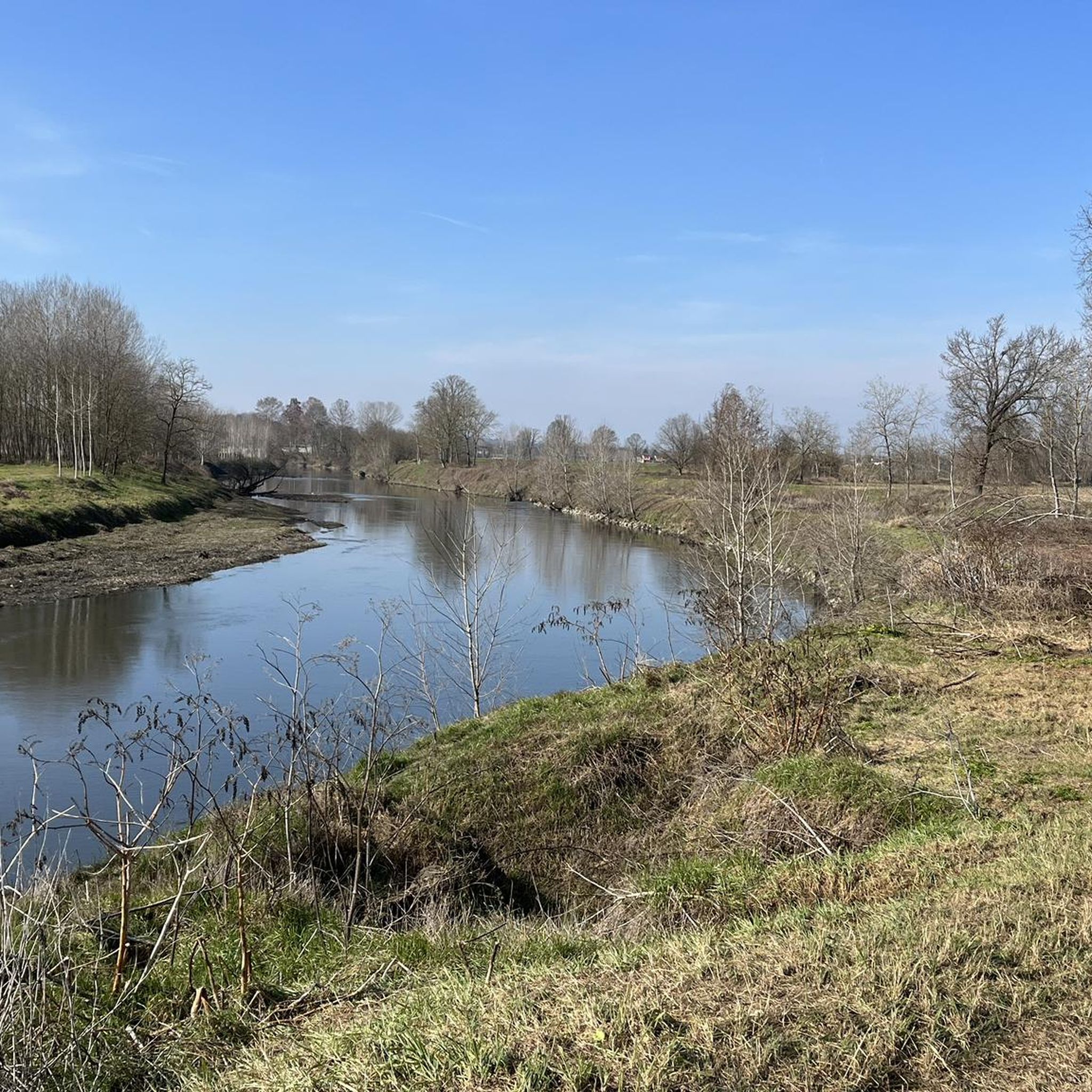
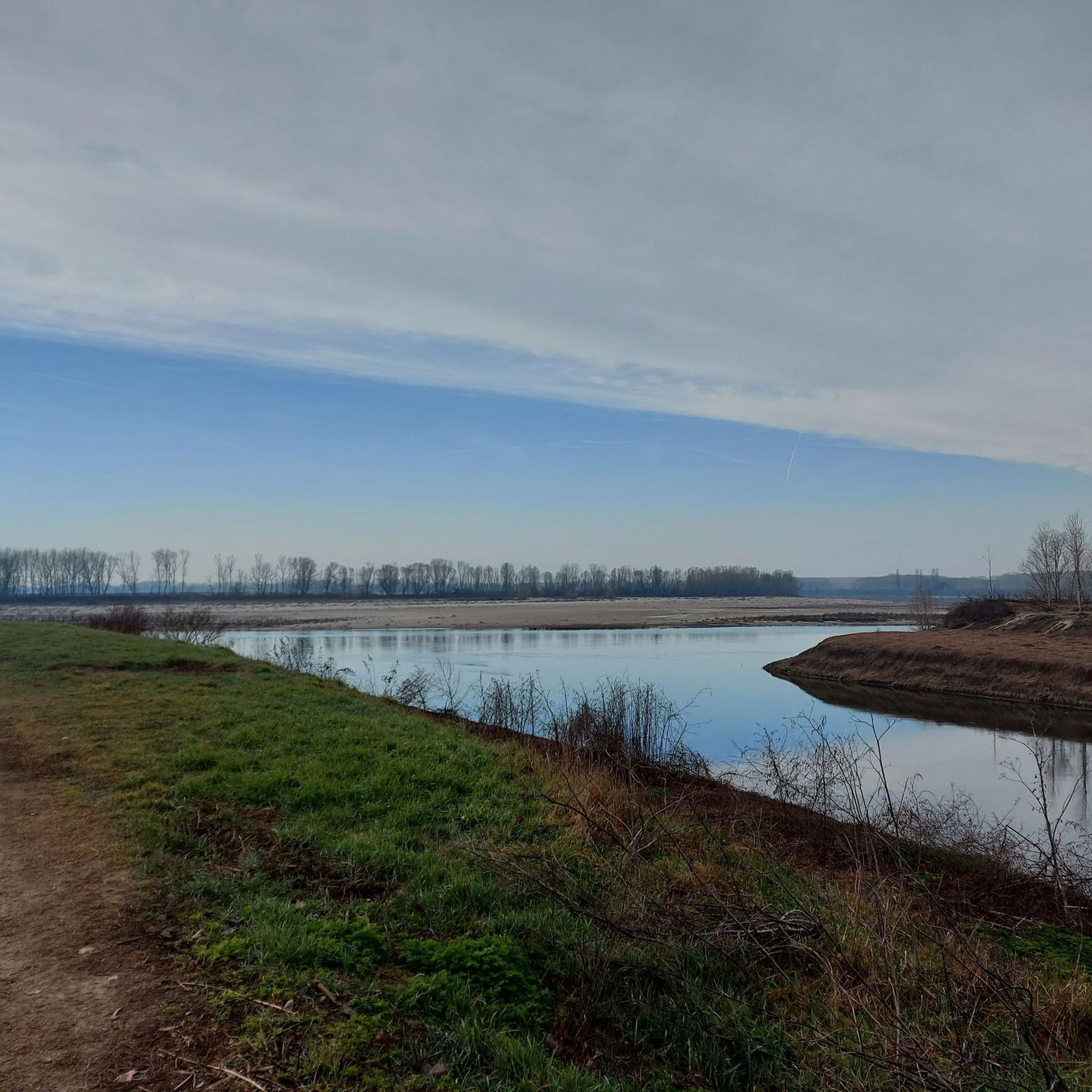
An idyllic spot for a rest and a picnic! We soak up the peace and quiet. From here, it's supposedly possible to take a boat across, just as pilgrims did in the Middle Ages. It's probably busier here in the summer.
2
0
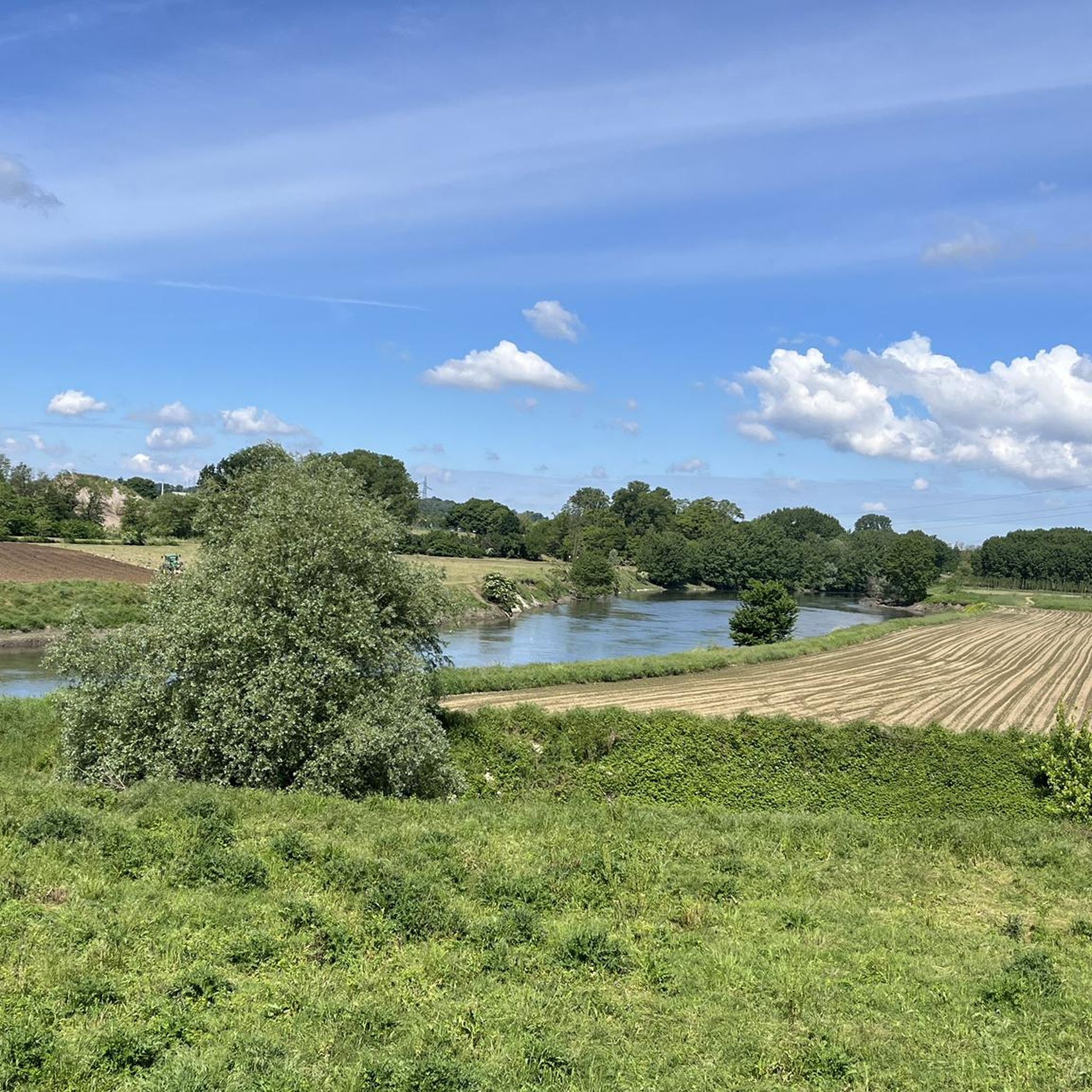
I don't know when they will be finished but a cycle bridge is being planned downstream from the road bridge and it will avoid the stretch of SS 234, to date (March 2025) the foundations have been laid on both banks then we'll see...
2
0

Beautiful photo of the bridge over the Del Lambro🤩... And enjoy the rest days😎... The last week is starting🤪...
1
0

nice square with bars and restaurants
1
0

Period residence from the mid-17th century built by the well-known architect Giovanni Ruggeri, Villa Litta Carini is today considered a national historical and artistic asset by the Belle Arti. Frequented by illustrious figures such as King Umberto I and Giacomo Puccini, our palace will envelop you with its magnificent atmospheres and will enchant you with its evocative beauty.
1
0
Frequently Asked Questions
What historical sites can I explore in and around Borghetto Lodigiano?
The area boasts a rich historical heritage. You can visit significant architectural sites such as Victory Square, Lodi, which houses the Cathedral and municipal palace. Other notable historical attractions include Chignolo Po Castle, known as the 'Versailles of Lombardy', and San Colombano Castle. Within Borghetto Lodigiano itself, Palazzo Rho is a prominent landmark, and numerous historic complexes and traditional farmsteads like Ca' di Fra' and Cascina Barbavara offer a glimpse into the past.
Are there any notable architectural landmarks within Borghetto Lodigiano itself?
Yes, Borghetto Lodigiano is home to several significant architectural sites. Palazzo Rho, located in Piazza Carlo Alberto Dalla Chiesa, is a prominent landmark with a history dating back to after 1481, featuring elegant arched biforas and decorative terracotta frames. The municipality also contains various religious structures and historic complexes, many documented by Lombardia Beni Culturali.
What religious buildings can I visit in the area?
The region features several religious buildings. The Lodi Cathedral is the oldest sacred building in Lodi, a remarkable example of Lombard-Emilian Romanesque style. Within Borghetto Lodigiano, you can find the Church of S. Bartolomeo, the Church of S. Giuseppe, and the Church of S. Rocco, along with numerous chapels such as the Chapel della Barazzina and Chapel della Madonna.
What natural features characterize the Borghetto Lodigiano area?
Borghetto Lodigiano is situated on the left slope of the Lambro river, within the broader Lodigiano area, which is defined by significant river systems like the Po and Adda. This creates a flat landscape typical of the Po Valley, conducive to activities like cycling and walking. The Adda Sud Park, a protected natural area, is also within the Lodi province, offering diverse landscapes including wooded areas and wetlands.
Are there opportunities for outdoor activities like cycling or running near Borghetto Lodigiano?
Absolutely! The flat landscape of the Po Valley makes it ideal for outdoor activities. There are various routes for mountain biking, running, and gravel biking. For detailed routes, you can explore options like the 'MTB Trails in the Park of S. Colombano' or 'Villa Rho loop from Borghetto Lodigiano' for running. You can find more information on these activities in the MTB Trails around Borghetto Lodigiano, Running Trails around Borghetto Lodigiano, and Gravel biking around Borghetto Lodigiano guides.
What kind of terrain can I expect on trails around Borghetto Lodigiano?
The terrain around Borghetto Lodigiano is primarily characterized by the flat landscape of the Po Valley. This makes many trails suitable for easy cycling, running, and walking, often following riverbanks or agricultural paths. While generally flat, some routes might include gentle ascents, particularly around areas like the hill of S. Colombano, which is known for its vineyards.
Are there family-friendly attractions in the Borghetto Lodigiano area?
Yes, several attractions are suitable for families. Victory Square, Lodi, with its historical significance and surrounding cafes, is a pleasant spot. The Lodi Cathedral offers an educational experience about Lombard-Emilian Romanesque architecture. Castles like Chignolo Po Castle and San Colombano Castle can also be engaging for older children interested in history.
What do visitors enjoy most about the attractions near Borghetto Lodigiano?
Visitors frequently praise the historical depth and architectural beauty of the region. For instance, Victory Square, Lodi, is loved for its well-preserved ancient town square atmosphere and the opportunity to relax at outdoor cafes. The Lodi Cathedral is appreciated for its unique blend of Romanesque and Gothic styles. Chignolo Po Castle is highly recommended for its ancient history and interesting medieval and Renaissance tours.
What is the best time to visit Borghetto Lodigiano for outdoor activities?
The best time for outdoor activities in Borghetto Lodigiano, given its flat landscape and river systems, is typically during the spring (April to June) and autumn (September to October). During these seasons, the weather is generally mild and pleasant, ideal for cycling, running, and exploring historical sites without the intense heat of summer or the chill of winter.
Are there any castles to visit in the vicinity of Borghetto Lodigiano?
Yes, the area is home to impressive castles. You can visit Chignolo Po Castle, often called the 'Versailles of Lombardy,' with its main tower dating back to the Lombards. Another significant site is San Colombano Castle, which has a rich history of transformations under various owners, including Frederick I and the Visconti-Sforzas.
Can I find any unique historical complexes or traditional farmsteads to explore?
Beyond the main landmarks, the region around Borghetto Lodigiano is dotted with unique historical complexes and traditional farmsteads (cascine). These include sites like Ca' di Fra' - complesso, Cascina Barbavara - complesso, Cascina Ca' de' Tavazzi - complesso, and Cascina Panisacco - complesso. You can also find historic mills such as Mulino Barazzina - complesso, offering a glimpse into the area's agricultural past.
What is Villa Litta Carini and where is it located?
Villa Litta Carini, sometimes referred to as the 'little Versailles of the Lodi area,' is an ancient noble villa dating back to the second half of the 17th century. Located in Orio Litta, it is considered a national historical and artistic heritage. The villa is known for its magnificent atmosphere, frescoed ceilings, and well-kept gardens, and has hosted illustrious visitors like King Umberto I and Giacomo Puccini.
Most popular routes around Borghetto Lodigiano
Most popular attractions around Borghetto Lodigiano

Get inspired with the komoot mobile app


Explore more
Still not found the Highlight you’re looking for? See guides of the top attractions in other regions:
