Attractions and Places To See around San Pietro Viminario - Top 20
Best attractions and places to see around San Pietro Viminario include a mix of historical landmarks and natural features. This comune in the Province of Padua, Italy, is characterized by its ancient architecture and scenic rural landscapes. Visitors can explore significant cultural sites like historic churches and villas, alongside opportunities for outdoor activities on nature trails. The area offers a blend of historical insights and natural beauty.
Best attractions and places to see around San Pietro Viminario
- The most popular…
Last updated: May 9, 2026
Monselice Castle
Highlight • Castle
Tip by

Mottolone Plateau
Highlight • Viewpoint
Translated by Google •
Tip by

Sign up now to discover places like this
Get recommendations on the best single tracks, peaks, & plenty of other exciting outdoor places.
Sign up for free
Battaglia Terme Canal
Highlight • River
Translated by Google •
Tip by

Arquà Petrarca
Highlight • Settlement
Translated by Google •
Tip by

Valsanzibio Gardens
Highlight • Natural Monument
Translated by Google •
Tip by

Sign up for free to discover even more attractions around San Pietro Viminario.
Sign up for free
Already have an account?
Start today with a free account
Your next adventure awaits.
Login or Signup
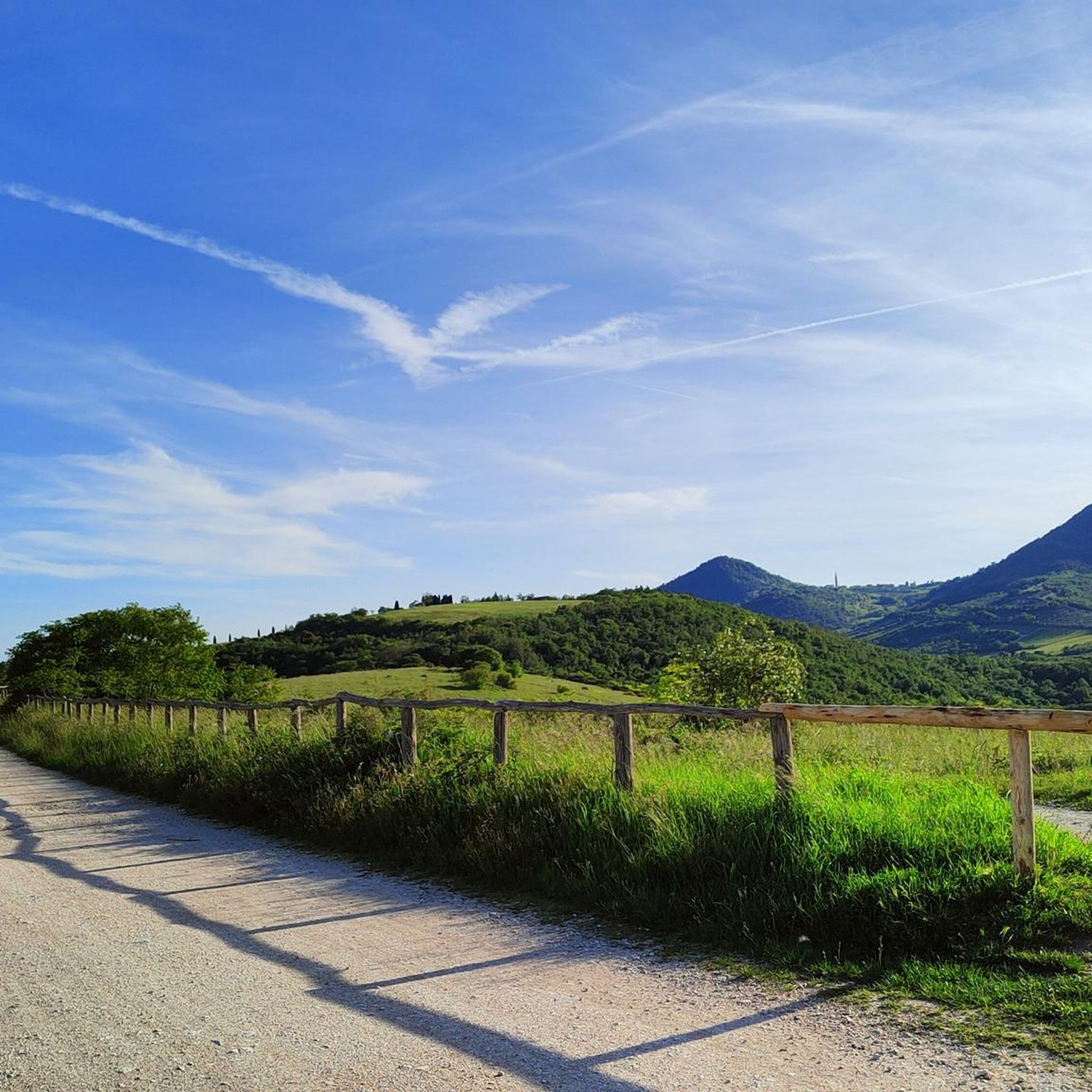
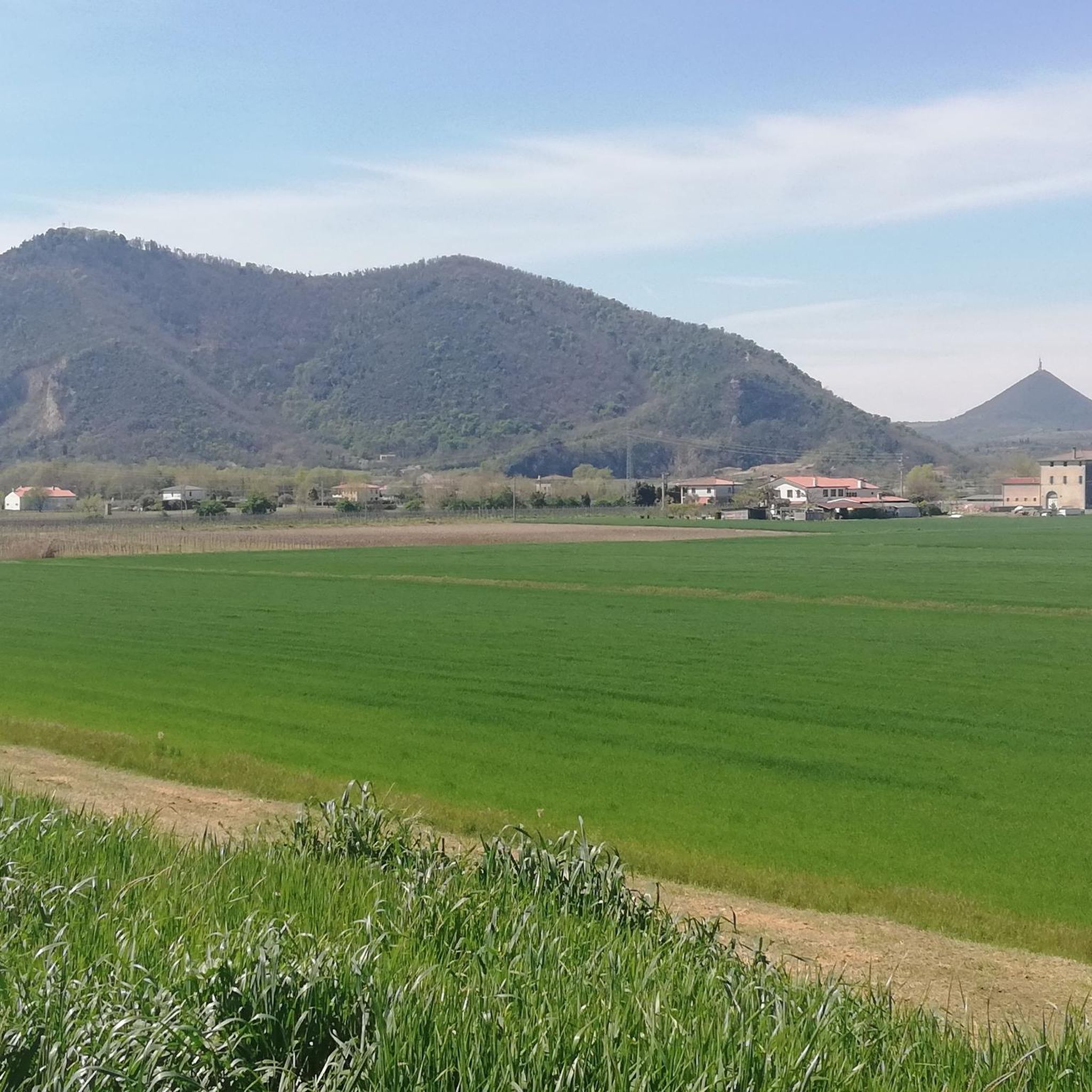
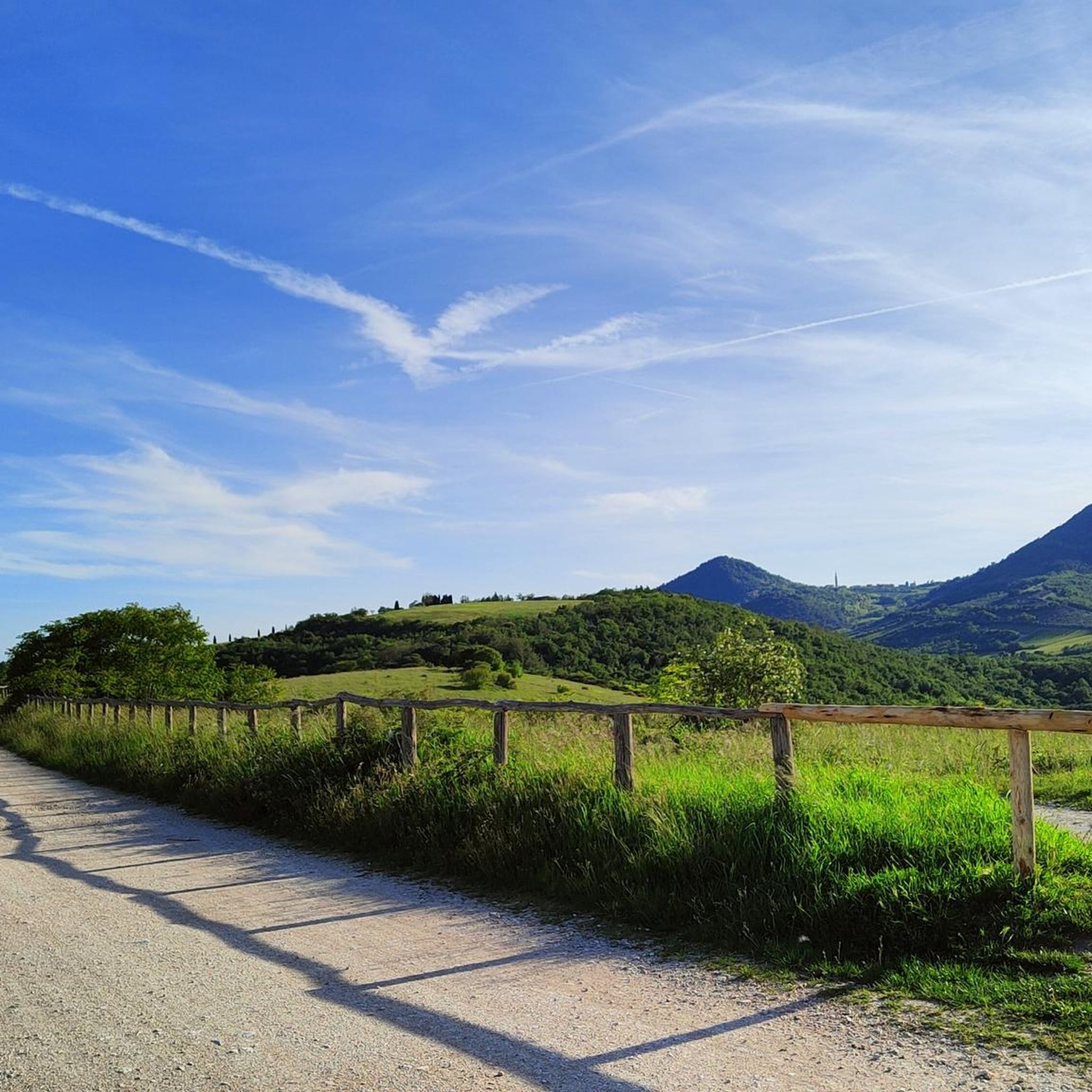

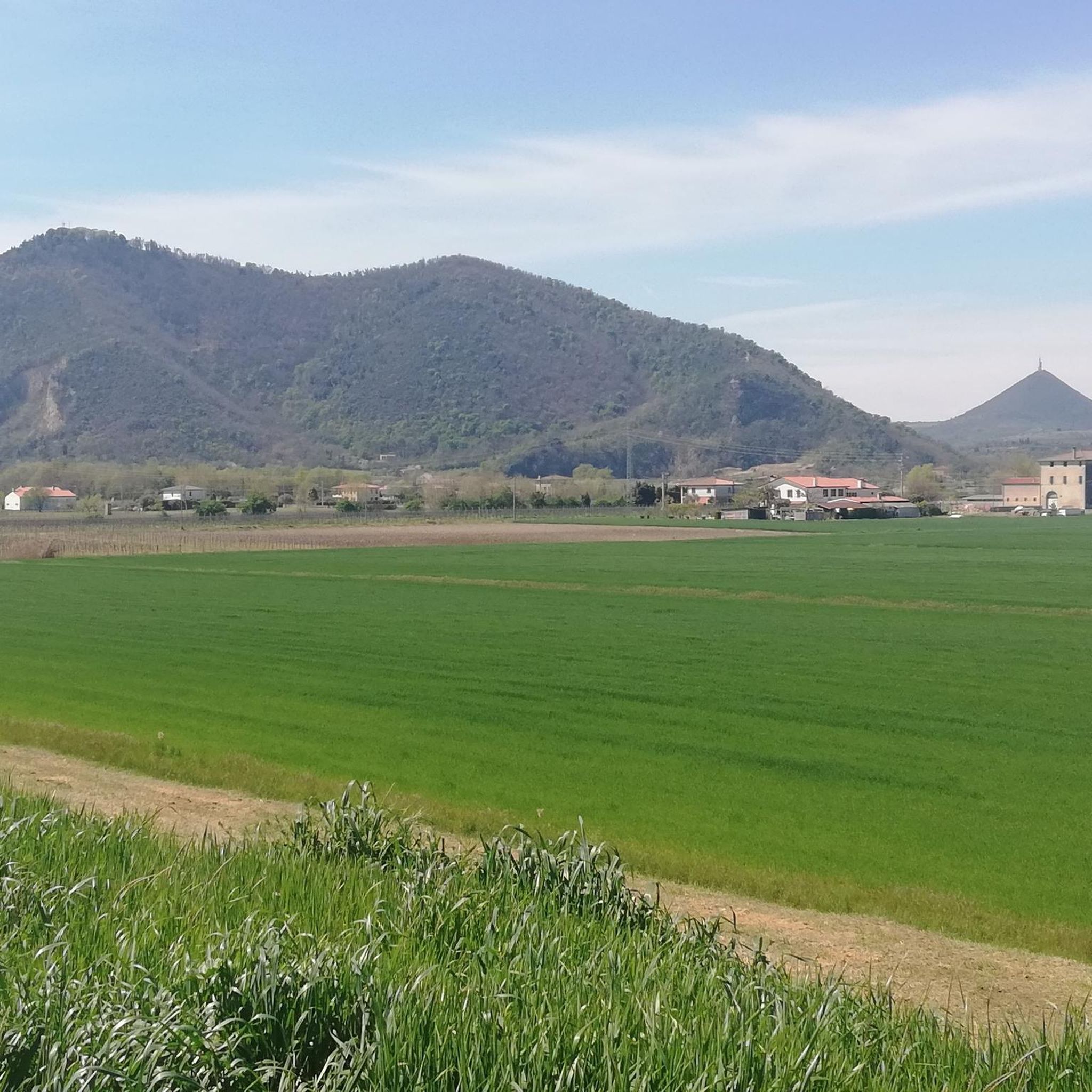
Tips from the Community

A magical place in the heart of the Euganei Hills.
0
0

Valsanzibio was brought to splendor in the second half of the 17th century by the Venetian nobleman Zuane Francesco Barbarigo and his son Antonio following a solemn vow made in 1631 to escape the plague (1630/31). The eldest son, Gregory, a cardinal and future saint, inspired the lofty symbolism of the monumental layout by the papal architect and fountain designer Luigi Bernini and wanted the garden of Valsanzibio to be a monumental emblem of the path to perfection that leads man from Error to Truth, from Ignorance to Revelation. Over sixty statues, mostly by Merengo, and an equal number of smaller sculptures are integrated into the architecture, waterfalls, fountains, and water features on 15 hectares of unspoiled hillside nature.
1
0

Beautiful village, Petrarch's buen retiro
2
0

Monselice Castle is a complex of buildings composed of four main nuclei, plus a fortress, all built and renovated between the 11th and 16th centuries. The oldest part, on the right as you enter the main doorway into the Corte Grande, is the Castelletto, with the adjoining Romanesque house, built between the 11th and 12th centuries. On the left stands the massive 13th-century Ezzelino Tower. In the center, Palazzo Marcello was built in the 15th century as a connecting nucleus between the two existing buildings. At the top of the hill stands a fortress built by Ezzelino III da Romano on the orders of Emperor Frederick II of Swabia. Finally, the castle library, located on the large esplanade in front of the Ezzelino Tower, was created in a pre-existing building from the late 16th century.
3
0

There is also a charging station. Super!!!!!!
3
0

A holiday classic. The facades are impressive.
2
0
A typical Italian small town. Fits the holiday mood.
4
0

Simply fantastic The view from Calaone is very beautiful
3
0
Frequently Asked Questions
What historical and cultural sites can I visit in San Pietro Viminario?
San Pietro Viminario offers a rich historical experience. You can explore the Chiesa di San Pietro Apostolo, an 11th-century parish church with valuable artworks and Romanesque features. Another significant religious site is the Chiesa di San Matteo Apostolo in Vanzo, known for its 14th-century Gothic architecture. The historic center itself boasts ancient architecture, and you can also visit Arquà Petrarca, a charming medieval village where the poet Francesco Petrarca spent his last years.
Are there any notable architectural sites in the area?
Yes, beyond the historic churches, San Pietro Viminario is home to Villa Giustiniani in the hamlet of Vanzo. This Palladian-style villa, built in the second half of the 17th century, is a significant example of Venetian architecture from that period, expanded upon an existing 15th-century building.
What kind of outdoor activities can I do in San Pietro Viminario?
The area is a paradise for outdoor enthusiasts, offering nature trails through breathtaking landscapes, cultivated fields, and vineyards. Cycling is a popular activity, with itineraries like the one starting from the San Matteo Apostolo parish church. For more structured routes, you can find various options for cycling, MTB, and running around San Pietro Viminario.
Where can I find scenic viewpoints in the region?
For panoramic views, head to Mottolone Plateau, which offers evocative, almost 360-degree vistas and serves as a starting point for several trails. Another excellent spot is the Monte Ceva Summit Cross, providing a wonderful 360-degree panorama, though its last stretch is quite challenging and requires appropriate footwear.
Are there hiking trails suitable for different skill levels?
Yes, the region offers a variety of trails. While the path to Monte Ceva Summit Cross is challenging in its final section, requiring good footwear, other trails around Mottolone Plateau cater to various levels of difficulty. The Calto Callegaro Trail is noted as not too technical, making it suitable for intermediate users.
Are there family-friendly attractions or activities in San Pietro Viminario?
Many of the natural and historical sites are suitable for families. For instance, the Mottolone Plateau and Battaglia Terme Canal are considered family-friendly. Exploring the historic center and the charming village of Arquà Petrarca can also be an enjoyable experience for all ages.
When is the best time to visit San Pietro Viminario?
The region is generally pleasant for outdoor activities during spring and autumn. If you're interested in local culture and gastronomy, consider visiting between late June and early July to experience the annual Festa dei Peri (Pear Festival), where you can taste pear-based dishes and other local specialties.
Are there any local events or festivals in San Pietro Viminario?
Yes, San Pietro Viminario is known for its annual Festa dei Peri, or Pear Festival. This event typically takes place between late June and early July and offers visitors the chance to sample pear-based dishes and other local culinary delights, alongside musical and dancing evenings for an immersive cultural experience.
What do visitors enjoy most about San Pietro Viminario?
Visitors particularly appreciate the blend of historical charm and natural beauty. The panoramic views from spots like Mottolone Plateau and Monte Ceva Summit Cross are highly rated. The tranquility of the medieval village of Arquà Petrarca and the diverse trails for hiking and cycling also receive positive feedback from the komoot community.
Can I find cycling routes near the attractions?
Absolutely. The surrounding countryside is ideal for cycling. You can find numerous cycling routes, including options like 'Among Old Mills and Country Roads – Loop from Cartura' or 'Monte Mottolone Plateau – View of Valle San Giorgio loop from Cartura', which allow you to appreciate the rural landscape and local monuments.
What is the Battaglia Terme Canal and what can I see there?
The Battaglia Terme Canal is a significant waterway located between the Euganean Hills and the Po Valley. This area is notable for being the smallest municipality in the province of Padua by area and is characterized by its numerous canals. It has historical importance as a center for milling and paper production, and visitors can enjoy its scenic beauty and explore the surrounding Euganean hills.
Most popular routes around San Pietro Viminario
Most popular attractions around San Pietro Viminario

Get inspired with the komoot mobile app


Explore more
Still not found the Highlight you’re looking for? See guides of the top attractions in other regions:
