Attractions and Places To See around Strevi - Top 20
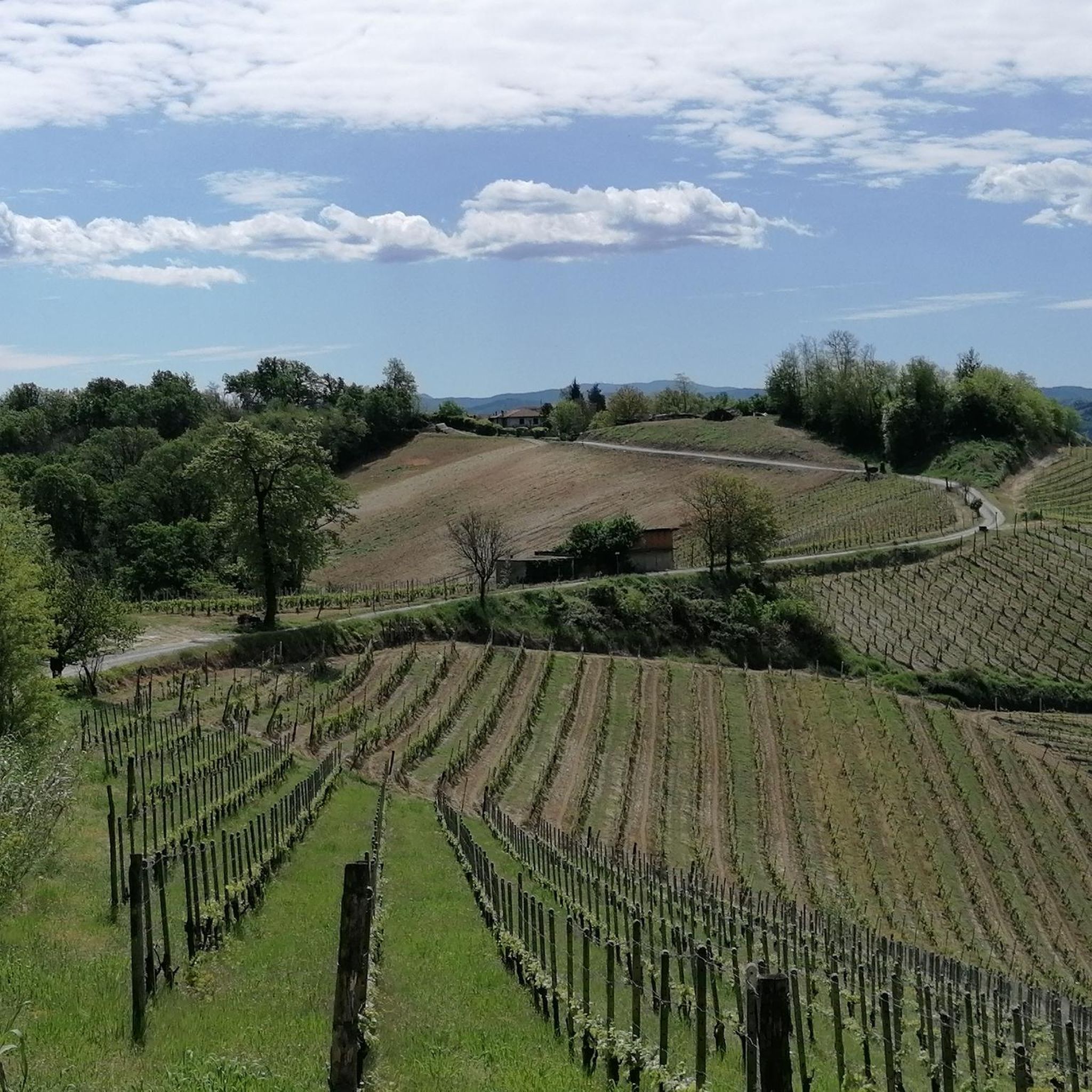
Attractions and places to see around Strevi are concentrated in the Monferrato hills, a region known for its wine production and historical significance. The area features a mix of ancient landmarks, natural thermal springs, and unique cultural sites. Strevi is situated amidst vineyards and is bordered by the Bormida River, offering diverse landscapes for exploration. This part of Italy provides insights into Roman history, medieval architecture, and viticultural traditions.
Best attractions and places to see around Strevi
- The most popular attractions is Roman Aqueduct of Acqui Terme, a historical_site that consists of remains of an ancient Roman aqueduct from the 1st century AD. This structure was approximately 13 km long and carried water from the Erro stream.
- Another must-see spot is La Bollente Hot Spring Fountain, a natural_monument. This octagonal shrine-temple is known for its sulphurous-saline-bromine-iodine water that gushes out at a temperature of 74.5°C.
- Visitors also love Vineyard of the Colorful Pencils, an other_man_made site. This vineyard features old wooden poles transformed into large colored pencils, creating a unique land art installation.
- Strevi is known for historical sites, natural monuments, and unique cultural installations. The area offers a variety of attractions, including ancient aqueducts, thermal springs, and artistic vineyards to see and explore.
- The attractions around Strevi are appreciated by the komoot community, with more than 100 upvotes and 46 photos shared by visitors.
Last updated: July 7, 2026
Roman Aqueduct of Acqui Terme
Highlight • Historical Site
Translated by Google •
Tip by

La Bollente Hot Spring Fountain
Highlight • Natural Monument
Translated by Google •
Tip by

Sign up now to discover places like this
Get recommendations on the best single tracks, peaks, & plenty of other exciting outdoor places.
Sign up for free
Abbey of Santa Giustina
Highlight • Religious Site
EXTERIOR: The tripartite facade, originally with salient features, has a tower in the central area, added in the 15th century. The surface is divided vertically by 8 pilasters that mitigate the mass and decorated in the upper part by hanging arches. The portal is very simple, without any stone or marble ornament.
The plant has a commissal cross, that is T-shaped. The transept in fact protrudes a lot and the three apses are grafted directly on its eastern side, which appear almost like towers that emerge, cylindrical, from the flat surface of the back wall.
main source: archeocarta.org/sezzadio-al-abbazia-di-santa-giustina
Translated by Google •
Tip by

Marchional Palace of Mombaruzzo
Highlight • Historical Site
Translated by Google •
Tip by

Vineyard of the Colorful Pencils
Highlight • Structure
Translated by Google •
Tip by
Sign up for free to discover even more attractions around Strevi.
Sign up for free
Already have an account?
Start today with a free account
Your next adventure awaits.
Login or Signup

Tips from the Community

Colored pencils instead of the usual poles, great idea.
20
0
Located in Borgo Basalone (also known as the new part), this 17th-century palace in typical Genoese style represents one of the few examples of Ligurian architecture in Piedmont. Commissioned by noblewoman Lelia Di Negro—niece of Ambrogio Di Negro, former Doge of Genoa—when, invested with the fiefdoms of the same name and becoming Marchioness of Mombaruzzo and Countess of Quaranti, she decided to move the marquis' palace from the fortified enclosure of the Castle to an even more dominant and spectacular location.
14
0

Thermal spring in the city center
0
0

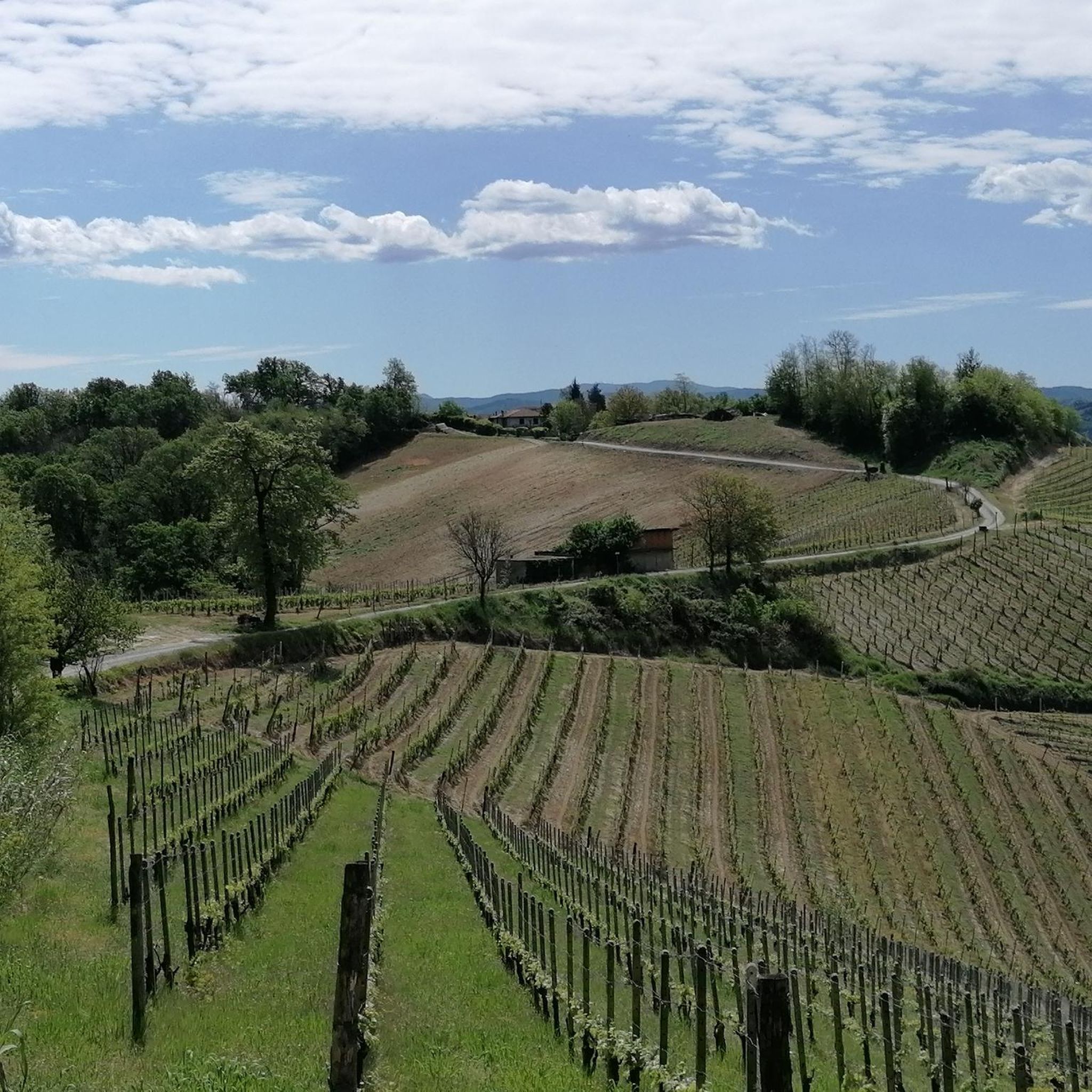
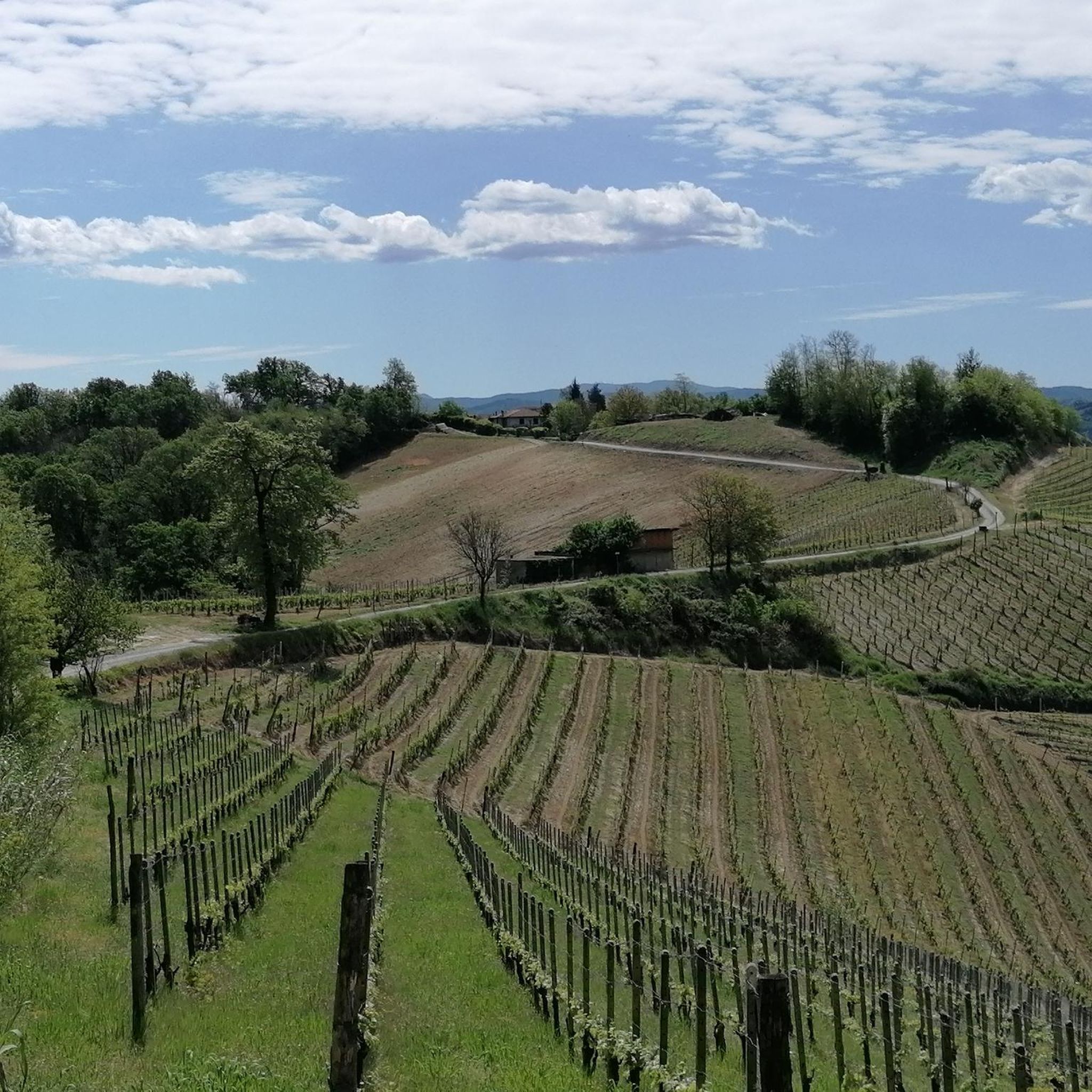
Excellent view of the vineyards
3
0

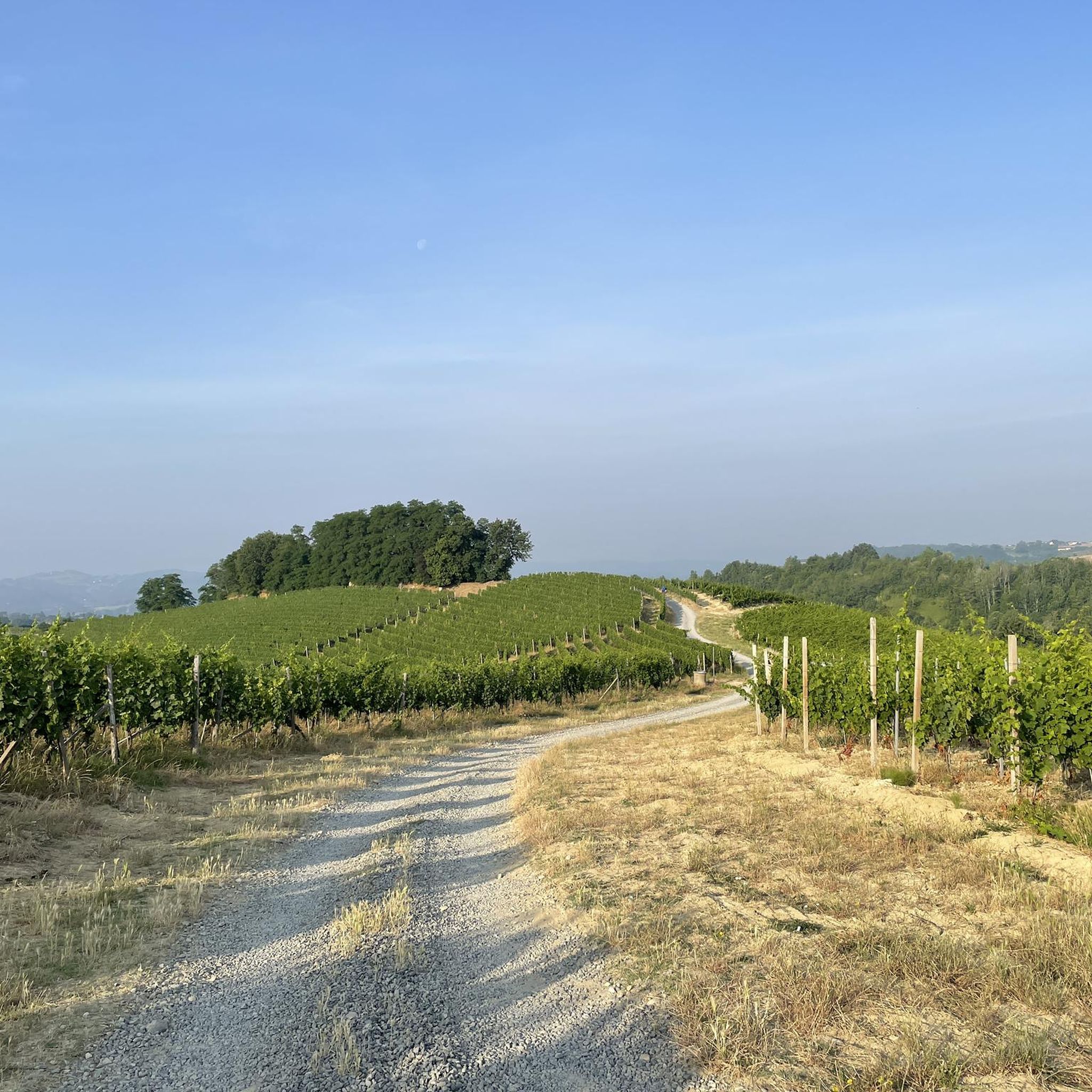
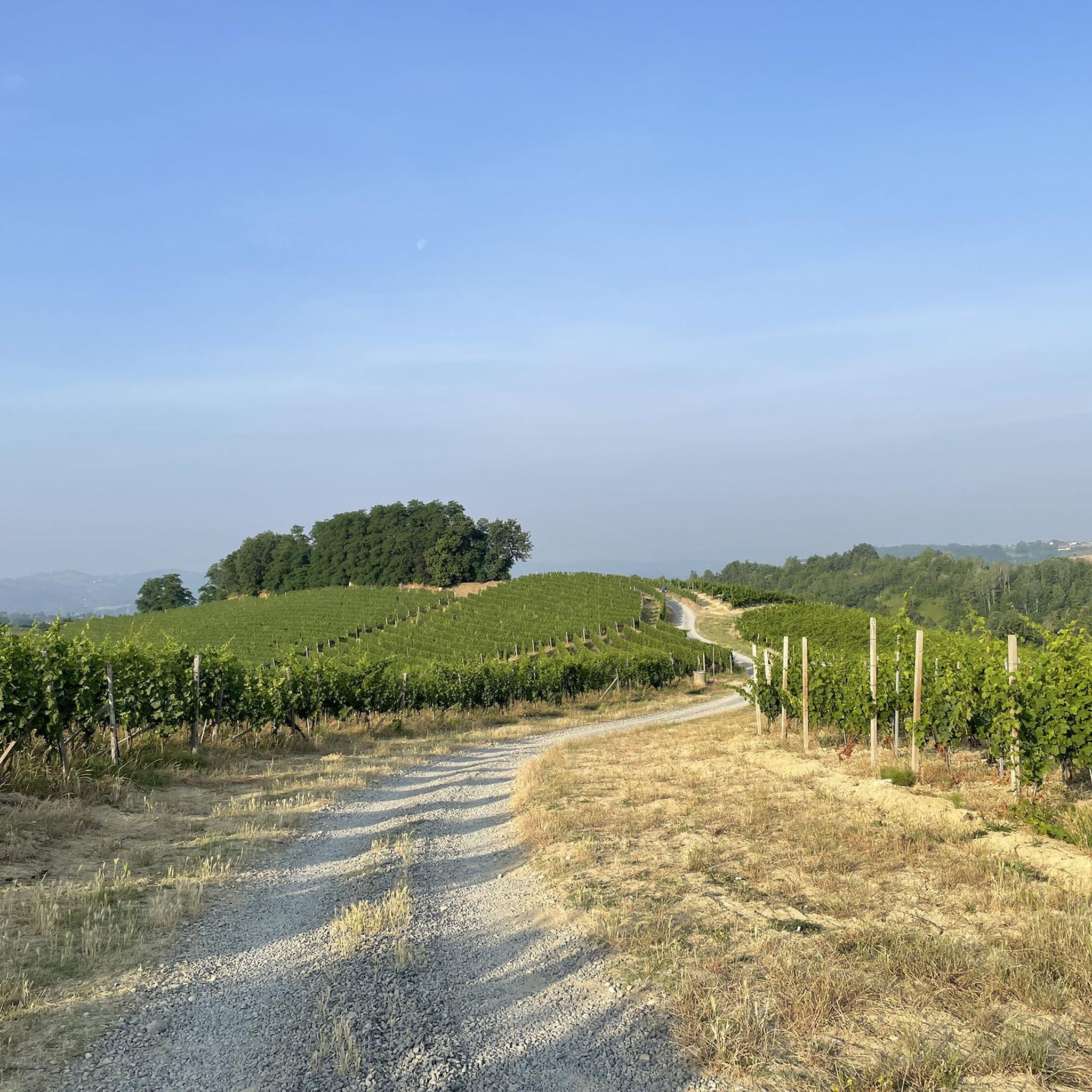
Cycle path out of the city
1
0

Thermal water fountain located in the center of an elegant square that well represents the nature of the city's waters
1
0

Remains of an ancient Roman aqueduct that ennoble our city, rich in history of the distant civilization of the Roman Empire. Many other remains scattered in the area testify to the importance of the spa since ancient times. In addition, the barbarism exercised over the decades by the various questionable thematic administrations has reduced it to a minimum, leaving the ancient splendor to total decay.
2
1

In the middle of downtown Acqui Terme, Piazza Bollente is probably the main attraction of the beautiful city. Here stands the small Greek fountain temple, Fontana della Bollente, built in 1879, from which 74.5 degree hot, sulphurous water gushes. In addition to sulphur, it also contains iodine, salt and bromine and is healing for the respiratory tract and bloodstream.
2
0
Frequently Asked Questions
What historical sites can I explore around Strevi?
Strevi and its surroundings are rich in history. You can visit the remains of the ancient Roman Aqueduct of Acqui Terme, dating back to the 1st century AD. Other notable historical landmarks include the Abbey of Santa Giustina, with origins from 722 AD, and the 17th-century Marchional Palace of Mombaruzzo, a rare example of Ligurian architecture in Piedmont. The town of Strevi itself features a medieval bridge and the Parish Church of San Michele Arcangelo, rebuilt in the 17th and 18th centuries.
Are there any natural attractions or unique landscapes near Strevi?
Yes, Strevi is nestled in the picturesque Monferrato Hills, surrounded by extensive vineyards. A prominent natural feature is La Bollente Hot Spring Fountain in nearby Acqui Terme, where sulphurous water gushes out at 74.5°C. You can also discover the unique Vineyard of the Colorful Pencils, an artistic installation where old vineyard poles are transformed into giant colored pencils.
What kind of outdoor activities can I do near Strevi?
The area around Strevi offers various outdoor activities. For hiking, you can explore trails like the 'Trail of the Tower of Visone' or routes leading from Visone to the Langhe Hills. Cyclists can enjoy tours such as the 'Sculptures of Montabone – Vineyards of Monferrato loop'. There are also running trails, including a loop from Strevi that passes the Bormida river. You can find more details and routes in the dedicated guides for hiking, cycling, and running around Strevi.
Are there family-friendly attractions in the Strevi area?
Many attractions around Strevi are suitable for families. The Roman Aqueduct of Acqui Terme offers an engaging historical experience, while La Bollente Hot Spring Fountain is a fascinating natural wonder. The whimsical Vineyard of the Colorful Pencils provides a fun and unique visual experience for all ages.
What is Strevi known for in terms of local products or culture?
Strevi is a principal winemaking commune, particularly famous for its Moscato Passito wine. The region's unique topography and soil contribute to the quality of its Muscat grapes, also used for Moscato d'Asti and Brachetto d'Acqui. Visitors can explore local wineries for tastings and learn about the viticultural traditions. The area also has a rich history, with its development into 'upper' and 'lower' villages reflecting its medieval past.
Can I visit any castles near Strevi?
Yes, the region boasts several historic castles. While Strevi Castle now serves as the municipal headquarters, you can find others nearby. These include Castello Pallavicino o di Morsasco, Castello Malaspina with its panoramic views of the Alps, Castello di Tagliolo which houses a winery, and Castello Casaleggio, offering historical architectural value.
What is the best time of year to visit Strevi and its attractions?
The Monferrato region, including Strevi, is particularly beautiful during spring (April-May) when the hills are lush and green, and in autumn (September-October) during the grape harvest, offering vibrant colors and wine-related events. The weather during these seasons is generally pleasant for exploring historical sites and enjoying outdoor activities.
Are there any museums or cultural collections in the vicinity?
In nearby Acqui Terme, you can visit the Museo Civico Archeologico, located in the Castle of Paleologi. This museum houses artifacts spanning from prehistoric times to the Renaissance. Additionally, the Town Hall in Strevi preserves a Raccolta Naturalistica, a collection of over 800 embalmed animal specimens.
What makes the Monferrato Hills around Strevi unique?
The Monferrato Hills are renowned for their distinctive landscape of rolling vineyards and their UNESCO World Heritage status. The specific clay-based soil on marl and limestone is ideal for cultivating Muscat grapes, making the region famous for its Moscato Passito wine. The area's natural beauty, combined with its rich viticultural heritage, creates a unique cultural and natural experience.
What do visitors particularly enjoy about the attractions around Strevi?
Visitors appreciate the blend of historical depth and natural beauty. The ancient Roman Aqueduct of Acqui Terme offers a glimpse into the past, while the unique thermal waters of La Bollente Hot Spring Fountain are a fascinating natural phenomenon. The artistic touch of the Vineyard of the Colorful Pencils also receives positive feedback for its creativity.
Are there any easy walking routes suitable for a leisurely stroll near Strevi?
Yes, there are several easy walking routes. For example, the 'Roman Aqueduct of Acqui Terme – Bollente Fountain loop from Acqui Terme' is an easy 3.5 km walk. Another option is the 'Belvedere di Alice Bel Colle – Belvedere of Alice Bel Colle loop from Ricaldone', which is about 5 km and also rated as easy. These routes are perfect for enjoying the local scenery without strenuous effort.
Most popular attractions around Strevi

Get inspired with the komoot mobile app


Explore more
Still not found the Highlight you’re looking for? See guides of the top attractions in other regions:
