Attractions and Places To See around Alzachèna/Arzachena - Top 20
Best attractions and places to see around Alzachèna/Arzachena is a region in northeastern Sardinia, known for its rich historical, cultural, and natural attractions. The area features numerous Nuragic and pre-Nuragic archaeological sites, alongside striking granite formations and Mediterranean scrub. It serves as a gateway to the Costa Smeralda, offering diverse experiences for visitors. The landscape provides opportunities to explore ancient burial sites, unique rock formations, and coastal areas.
Best attractions and places to see around Alzachèna/Arzachena
- The most popular attractions is Ponte della Maddalena (Caprera Causeway), a bridge that connects the island of Caprera to La Maddalena. Caprera is part of the La Maddalena Archipelago National Park, a protected marine and terrestrial area.
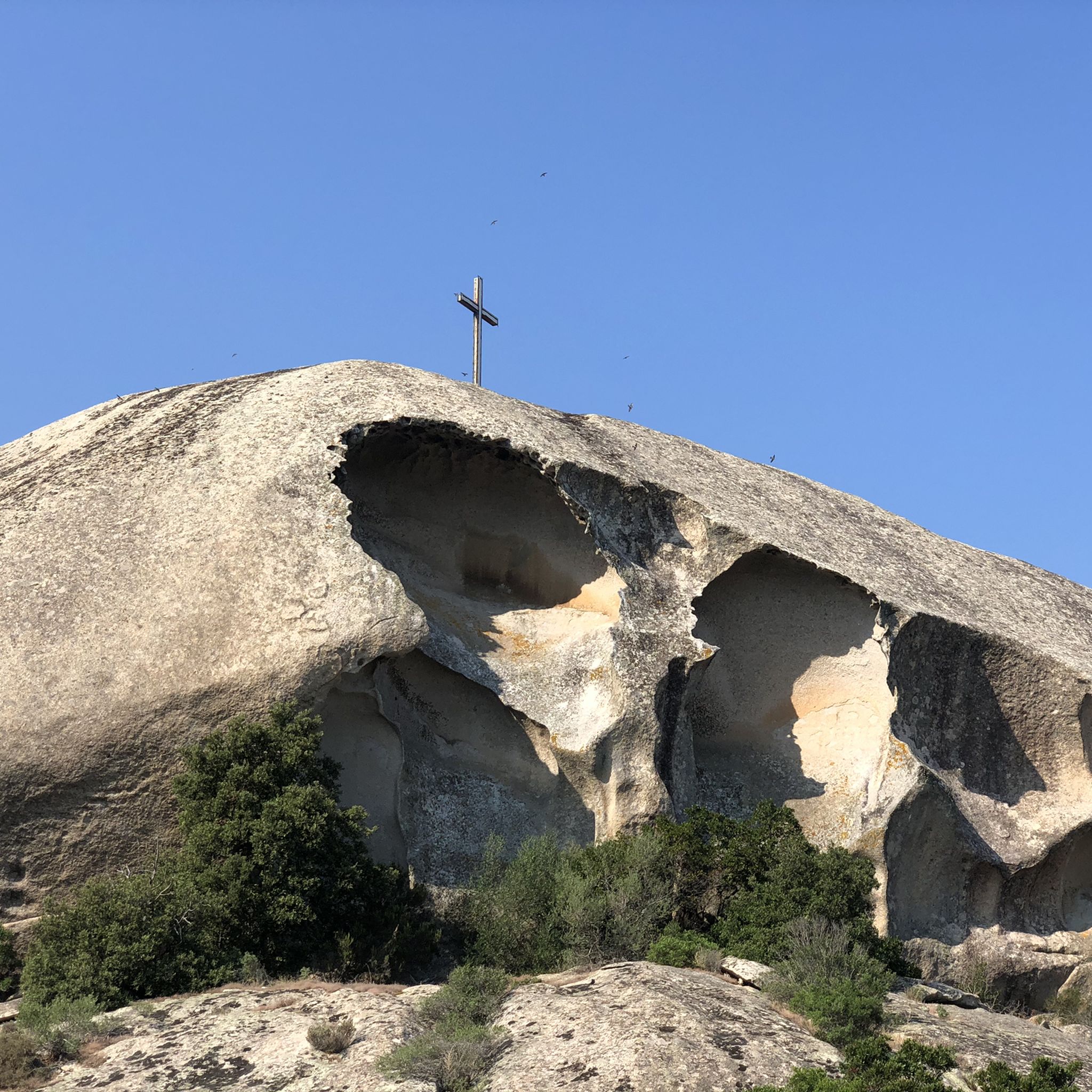
- Another must-see spot is Bear Rock (Roccia dell'Orso), a natural monument. It offers panoramic views and is considered one of the top places in Sardinia.
- Visitors also love Costa di Cannigione, a beach area with varied landscapes including mountains, hills, cliffs, and bays. This part of the island provides opportunities for outdoor activities.
- Alzachèna/Arzachena is known for its archaeological sites, natural monuments, and coastal areas. Visitors can explore a variety of attractions, from ancient Nuragic complexes to scenic beaches and unique rock formations.
- The attractions around Alzachèna/Arzachena are appreciated by the komoot community, with 224 upvotes and 397 photos shared across 77 highlights.
Last updated: August 30, 2026
Bear Rock (Roccia dell'Orso)
Highlight • Natural Monument
Translated by Google •
Tip by

Ponte della Maddalena (Caprera Causeway)
Highlight • Bridge
Translated by Google •
Tip by

Sign up now to discover places like this
Get recommendations on the best single tracks, peaks, & plenty of other exciting outdoor places.
Sign up for free
La Maddalena town center
Highlight • Settlement
Translated by Google •
Tip by

Cannigione Town Center
Highlight • Settlement
The small town of Cannigione is about five kilometers from the popular Costa Smeralda and has just under 800 inhabitants. A fishing village was founded here in the 19th century and gradually developed into a larger settlement. Cannigione is now one of the most popular holiday resorts on the Italian island of Sardinia. The great sandy beach in the bay of the Golfo di Arzachena is ideal for a family vacation because it slopes gently into the sea and thus allows children to swim safely. The town center with its shops and cozy cafes is perfect for strolling.
Text / Source: italien.de GmbH
italien.de/staedte/cannigione
Translated by Google •
Tip by

Cala Serena
Highlight • Beach
Translated by Google •
Tip by

Sign up for free to discover even more attractions around Alzachèna/Arzachena.
Sign up for free
Already have an account?
Start today with a free account
Your next adventure awaits.
Login or Signup
Popular around Alzachèna/Arzachena
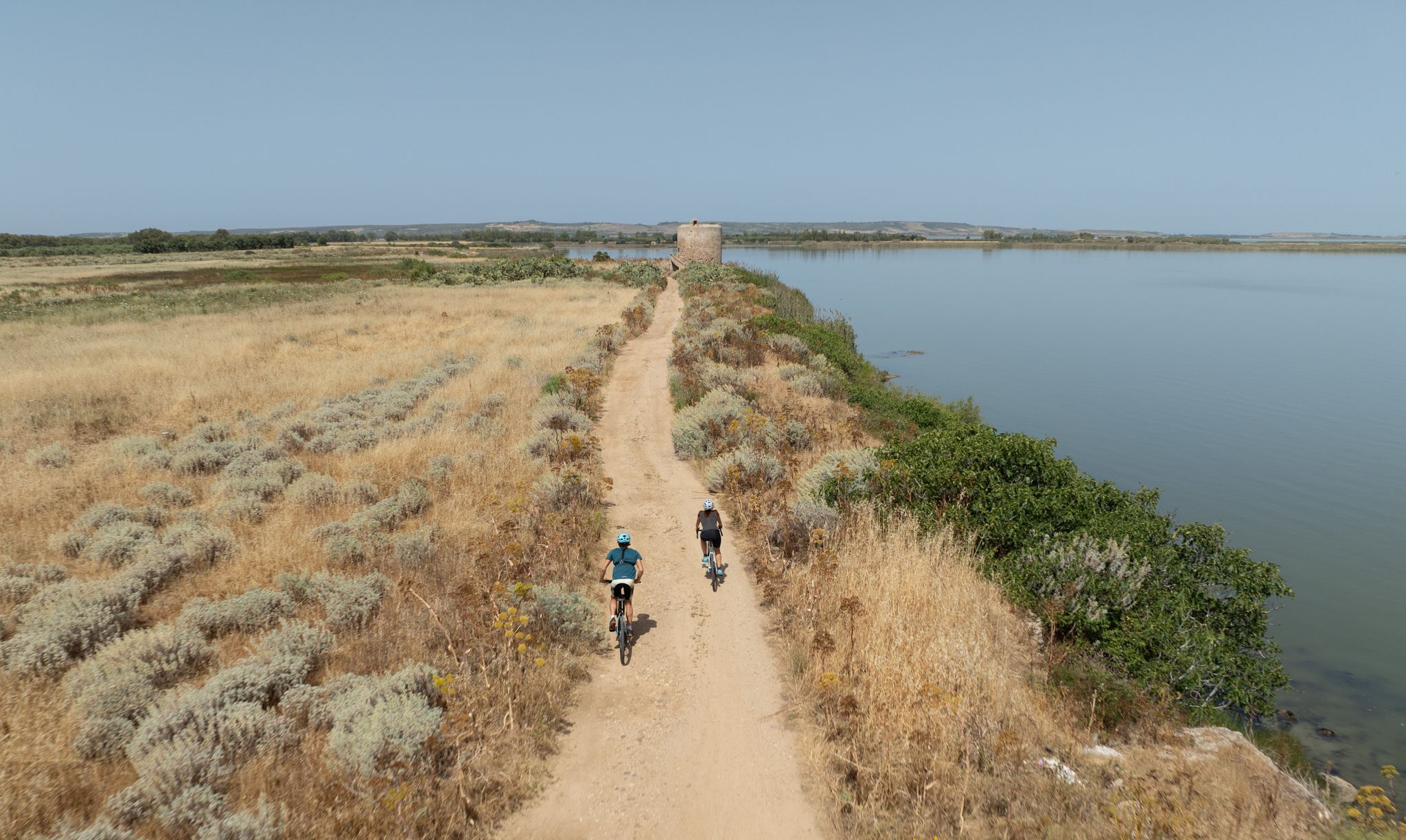
Discover wild Sardinia – 10 superb MTB Tours
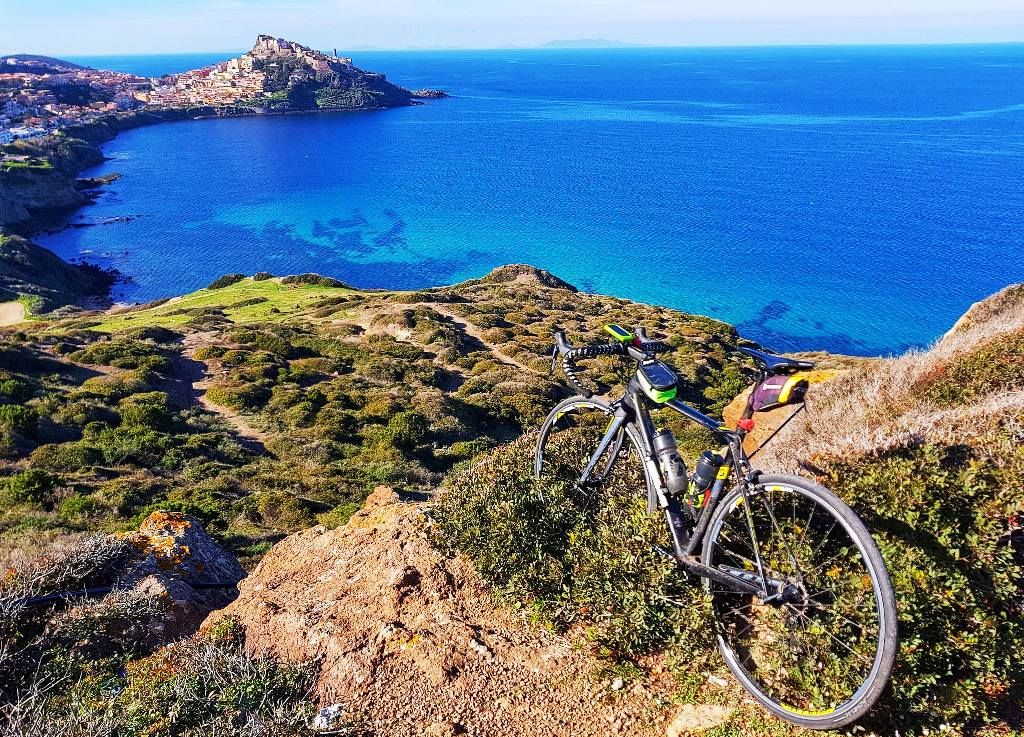
Sardinia by road bike – ten routes to discover the island
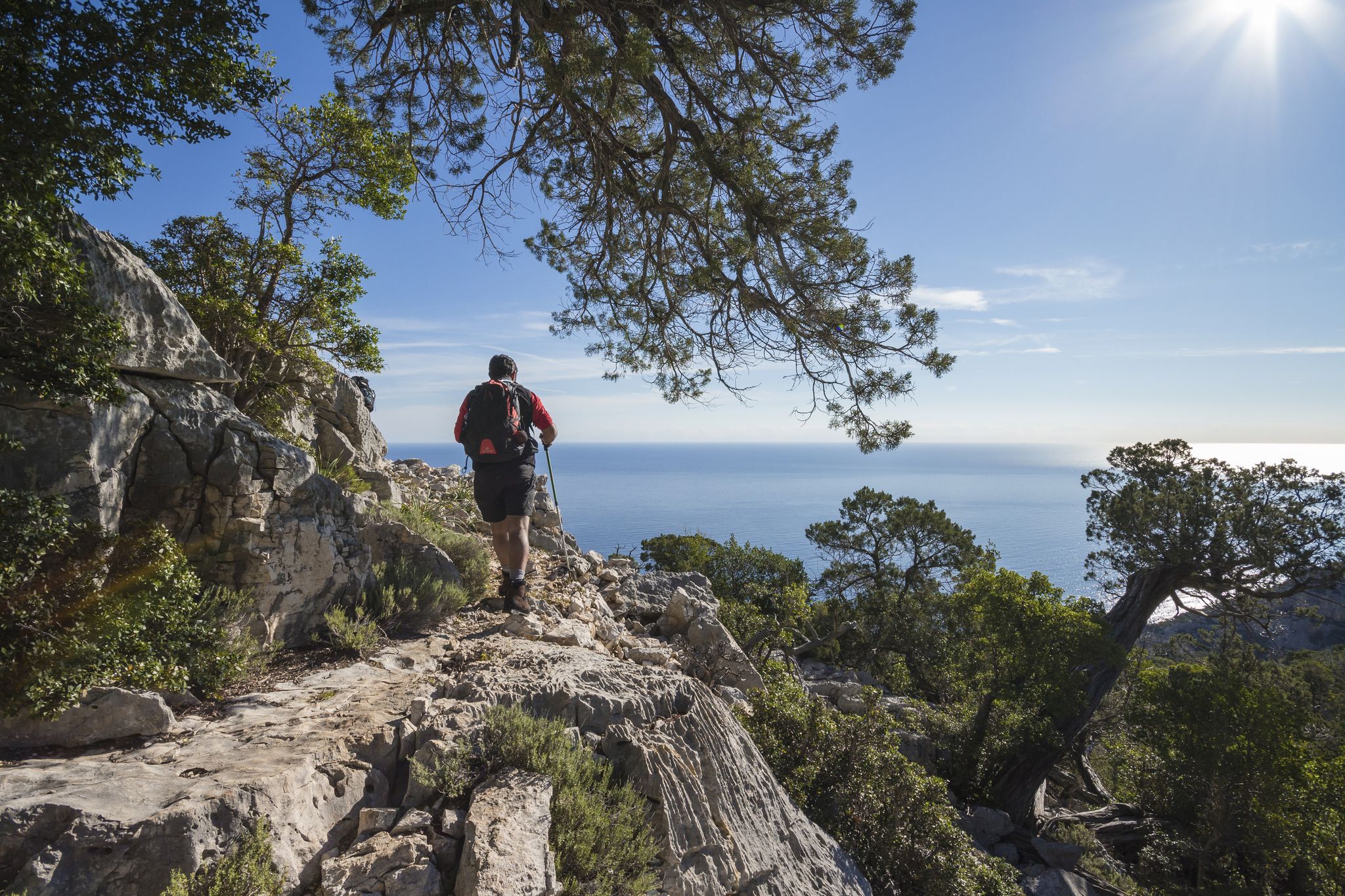
Magnificent Sardinia – day hikes overlooking the sea
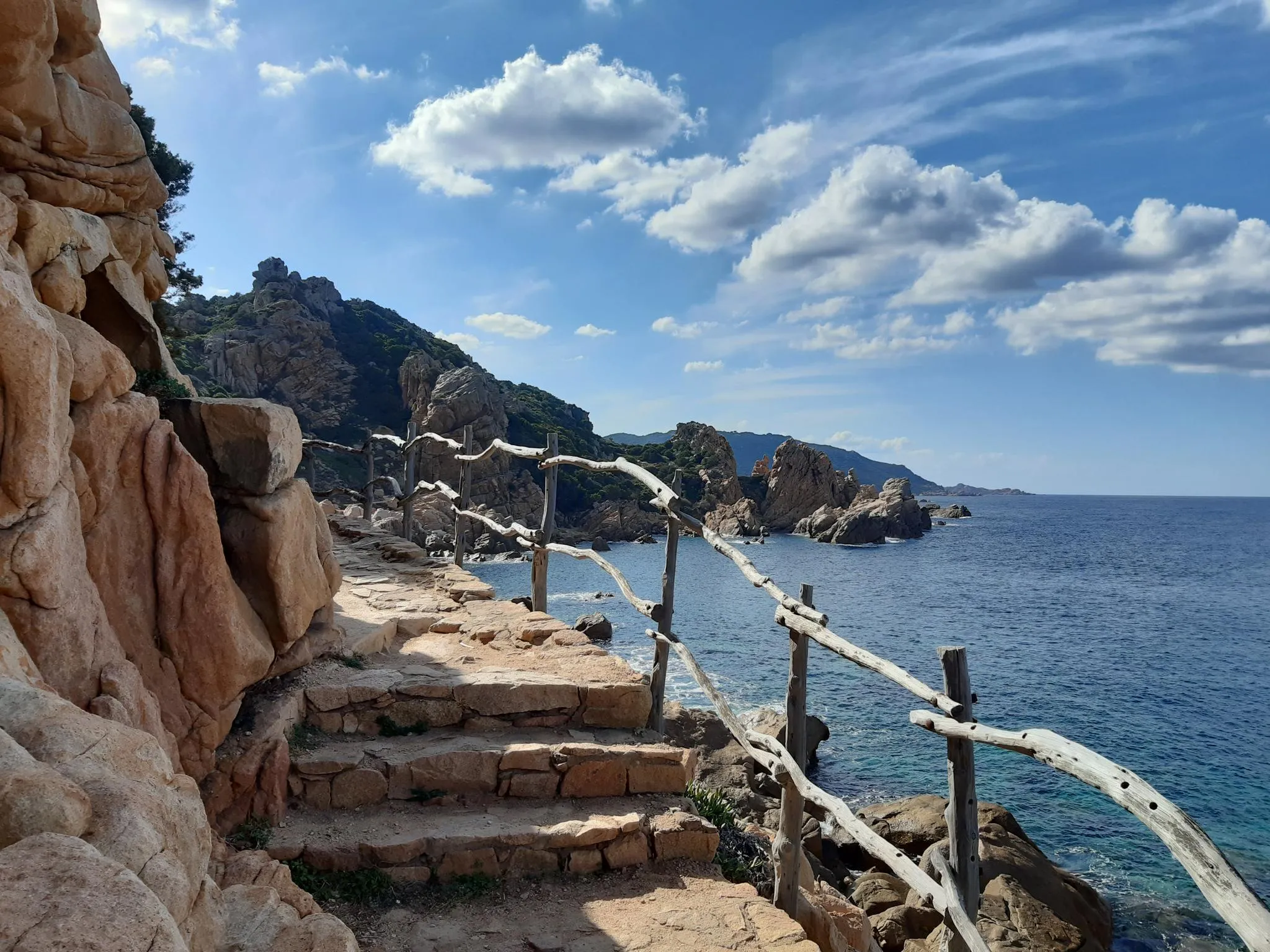
Budoni to Castelsardo on Italy's Via Gallura – Cammino 100 Torri
Hiking around Alzachèna/Arzachena
Road Cycling Routes around Alzachèna/Arzachena
Cycling around Alzachèna/Arzachena
MTB Trails around Alzachèna/Arzachena
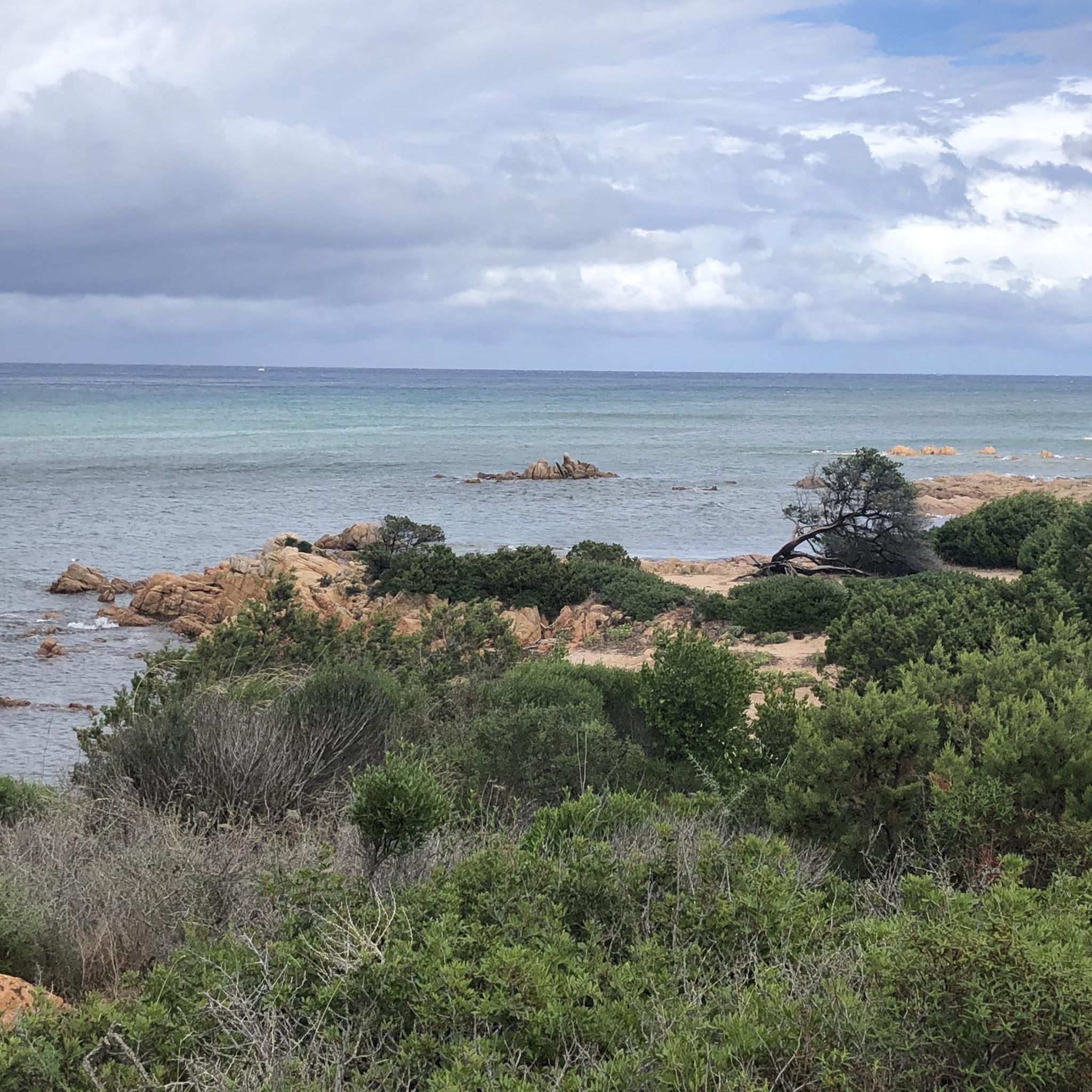
Running Trails around Alzachèna/Arzachena
Gravel biking around Alzachèna/Arzachena
Other adventures around Alzachèna/Arzachena


Tips from the Community

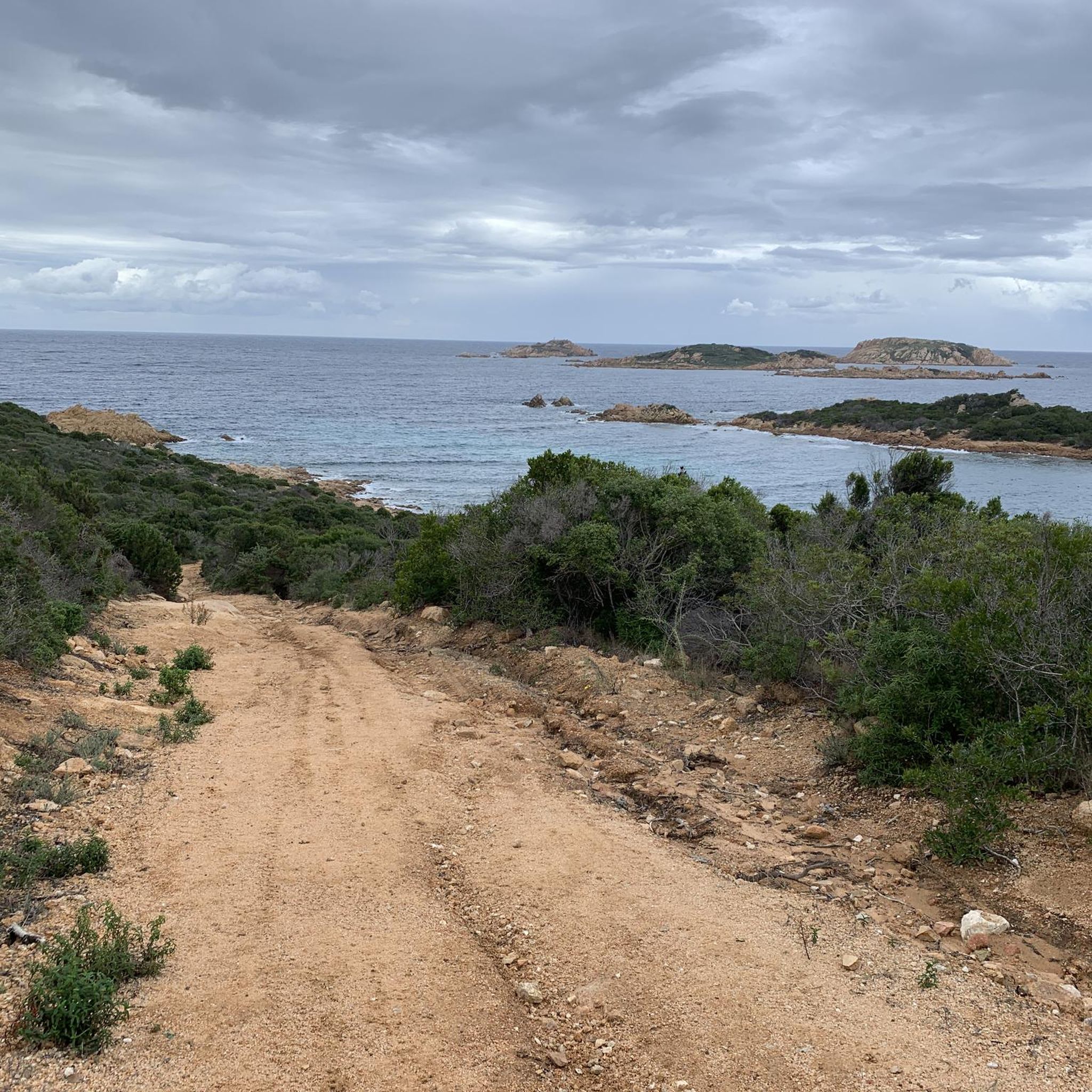
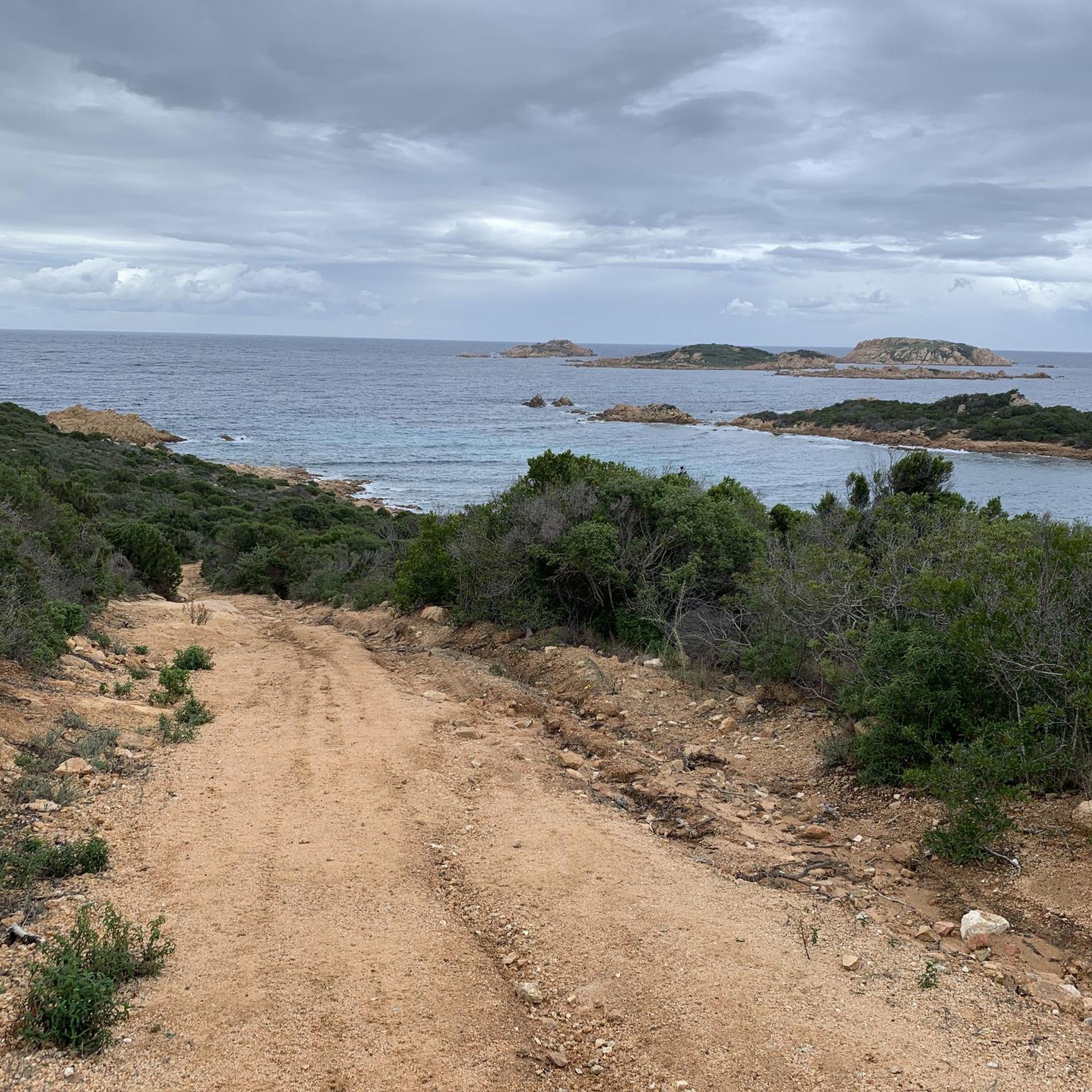
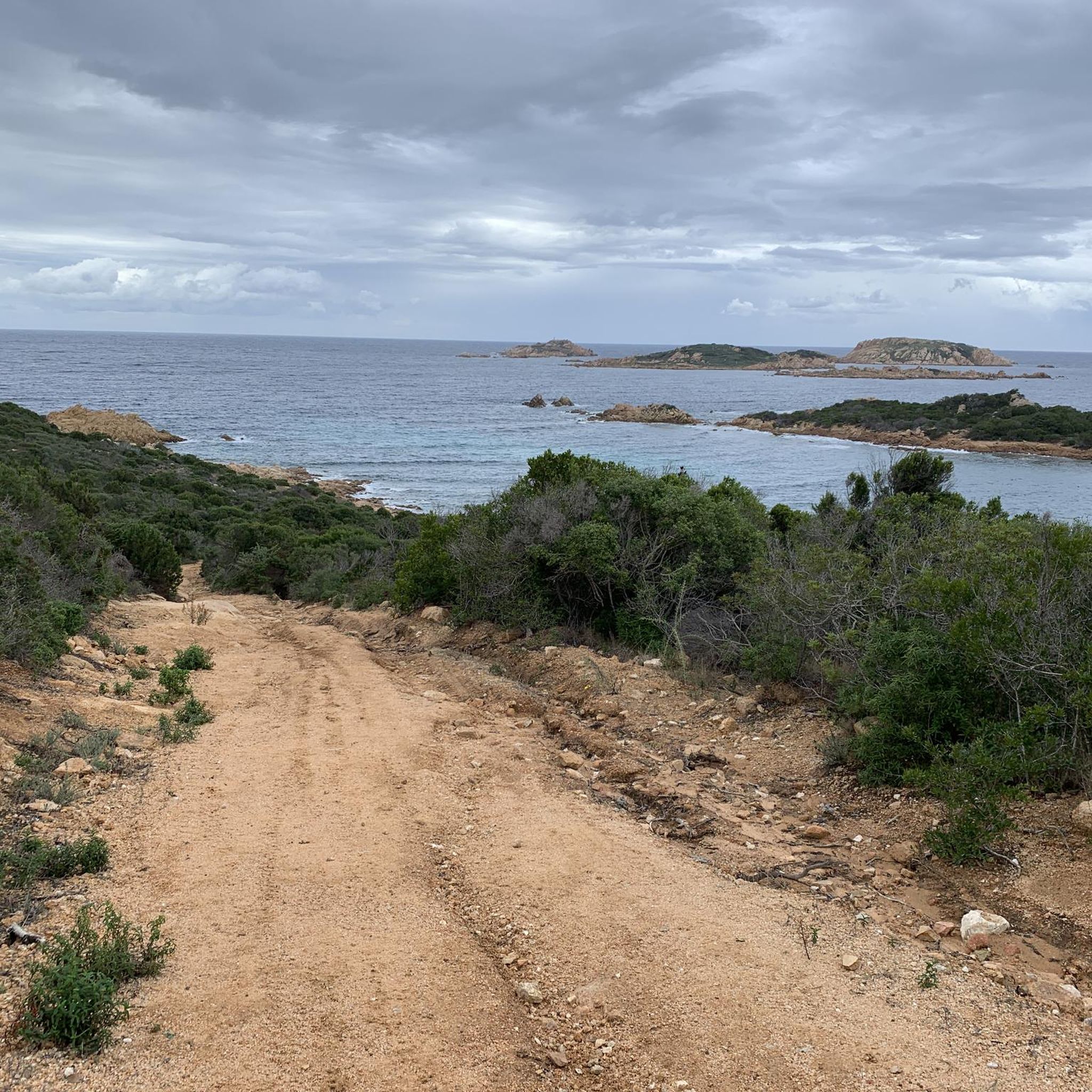
The bay was a dream, the bike path there was breakneck! We had to push and carry the bike more than we could ride, and definitely NO ONE has ever visited the three adjacent bays by bike (except us 😂😂). Please don't try this.
0
0

A municipality formed by some of the most famous and beautiful islands in Italy, the municipality of La Maddalena is located on the largest island of the archipelago, also called La Maddalena. The port and the historic center, in addition to the wonderful beaches, are unmissable here.
1
0

La Maddalena (The island was inhabited in prehistoric times) The island was inhabited in prehistoric times, but was abandoned after the fall of the Western Roman Empire until the 17th century, when a colony of shepherds settled here and founded the current municipality. Its strategically favourable location with the unavoidable passage through the Bocche di Bonifacio made the island a military outpost, as evidenced by the fortifications that can still be visited today. This was also an attraction for Napoleon Bonaparte, who was repelled in 1793 by the fleet commander Domenico Millelire, who was born here. For a long time the island was a base for the Italian and US Navy, which was finally disbanded in early 2008. The US submarines were stationed off Santo Stefano, the fourth largest island in the archipelago. Today La Maddalena is the seat of a non-commissioned officer school and the naval department. The only small town in the archipelago has over 11,000 inhabitants. Its harbor overlooks the town of Palau, which is a 15-minute ferry ride away. The cobbled streets of the old town are lined with palaces from the late 18th century and the parish church of Santa Maria Maddalena stands above it. The sacristy of this church houses the Diocesan Museum of Sacred Art, which exhibits the treasure of the patron saint. This includes the crucifix and two silver candlesticks that Admiral Nelson gave in 1804. It is a historical memorial of the city. In the small harbor of Cala Gavetta stands the statue of Giuseppe Garibaldi, who spent the last 26 years of his life on the island of Caprera, which is connected to La Maddalena by the 600 m long artificial strip of land known as Passo della Moneta. The second largest island in the archipelago was the "garden" of the hero of the two worlds, which is now famous for the Garibaldino Compendium, the most visited museum in Sardinia. The pristine green land is surrounded by beautiful bays, each one more beautiful than the next: Coticcio, the Tahiti of Sardinia, Cala dei Due Mari and Spiaggia del Relitto are particularly noteworthy. In Stagnali, a military base in the interwar period and now a center for environmental education, there is the Museo geomineralogico naturalistico, where rocks and rare minerals such as huge quartz crystals, beach sand and fossils can be seen. Text / Source: Sardegna Turismo.it https://www.sardegnaturismo.it/de/orte/north-east/la-maddalena
15
0
La Maddalena (granite and poplar formations over 45 km) The archipelago itself and the nature park are named after the only inhabited place on the largest island, a true paradise with countless scenic and historical-cultural treasures in the north-east of Sardinia: it is a dream destination for tourists from all over the world. A 45 km long panoramic road runs around the island and offers truly breathtaking views: granite and poplar formations border rugged sections, lonely gulfs, quiet bays, brilliant white beaches and turquoise blue sea as well as gentle hills that stretch into the hinterland. La Maddalena is the big sister of around 60 larger and smaller islands that form the largest archipelago in Gallura and Sardinia. In 1994 this area was declared a national park and is an untouched natural wonder in the heart of the Mediterranean. The island is the ideal destination for holidays in harmony with the treasures of nature: just 3 km from the residential area, paths through Mediterranean scrub lead to the fjord of Cala Francese, famous above all for the quarry of high-quality granite that has been a source of wealth for centuries. To the south, along the promenade of Padule, near a military fortress, stretches the Nido d'Aquila. Not far from there is Punta Tegge, another paradise of sand and polished rocks. To the north, bays with the finest white sand dunes amid rocks shaped by time: Cala Lunga, Monti d'Arena and Bassa Trinita, a beach dominated by a small church built in the 18th century, which is a place of deep devotion. To the east, you will be enchanted by the charming little bay of Spalmatore: cream-colored sand, bordered by Mediterranean scrub and impressive pink rocks. Text / Source: Sardegna Turismo.it https://www.sardegnaturismo.it/de/orte/north-east/la-maddalena
15
0
Cannigione SS, Sardinia on the Golfo di Arzachena The small town of Cannigione is about five kilometers from the popular Costa Smeralda and has just under 800 inhabitants. A fishing village was founded here in the 19th century and gradually developed into a larger settlement. Cannigione is now one of the most popular holiday resorts on the Italian island of Sardinia. The great sandy beach in the bay of the Golfo di Arzachena is ideal for a family vacation because it slopes gently into the sea and thus allows children to swim safely. The town center with its shops and cozy cafes is perfect for strolling. Text / Source: italien.de GmbH https://www.italien.de/staedte/cannigione
16
0

Cala Serena is worth a hike. A rocky path with beautiful views leads from Cala Garibaldi to the bay. Thanks to the somewhat difficult access, the bay is only sparsely visited. Particularly striking is the wetland with a lake and lush vegetation directly behind the beach. The bay is extremely beautiful for swimming: no rocks, but a wonderful fine sandy bottom with incredibly clear water that shines turquoise in the sun. Small silver fish with a distinctive black spot on the base of their tails populate the underwater world. The bay is shallow and deeply indented, making it ideal for children.
0
1

Beautiful stretch of coast, also with cycle paths
2
0

Brilliant beaches, beautiful streets, nice people. A visit is always recommended.
3
0
Frequently Asked Questions
What historical and archaeological sites can I explore in Arzachena?
Arzachena is rich in ancient history, particularly known for its Nuragic and pre-Nuragic archaeological sites. You can visit the extensive Archaeological Park of Arzachena, which includes the well-preserved Nuragic complex of Nuraghe La Prisgiona and several impressive Giants' Tombs like Coddu Vecchiu and Li Lolghi. Don't miss the Necropoli di Li Muri, the oldest burial site in the area, or the unique Nuraghe Albucciu, built into a natural granite outcrop. For more information on the archaeological park, you can visit italia.it.
Are there any unique natural landmarks or rock formations to see?
Absolutely! Arzachena is famous for its distinctive granite formations. A must-see is the Bear Rock (Roccia dell'Orso), a natural monument offering breathtaking panoramic views. Another iconic symbol of Arzachena is the Roccia del Fungo (Mushroom Rock), a fascinating mushroom-shaped rock formed by wind erosion, which also served as a shelter in Nuragic times.
What kind of outdoor activities are available near Arzachena's attractions?
The region around Arzachena offers diverse outdoor activities. You can find numerous routes for running, mountain biking, and gravel biking. For instance, there are moderate running trails like the 'From Porto Cervo to the Capo Ferro lighthouse' loop, or more challenging MTB routes such as 'Abbiadori: Monte Moro to the beaches of the Costa Smeralda'. Explore these and other routes on the Running Trails, MTB Trails, and Gravel Biking guide pages.
Which beaches are easily accessible from Arzachena?
While Arzachena is inland, it's a short drive to many stunning beaches along the Costa Smeralda. Popular options include Petra Ruja, known for its fine sand and clear waters, and the famous Spiaggia del Principe. Other beautiful spots include Capriccioli, Grande Pevero, and Liscia Ruja. You can also explore the varied landscapes and beaches around Costa di Cannigione.
Are there family-friendly attractions in the Arzachena area?
Yes, the region offers several family-friendly options. The gently sloping sandy beach in Cannigione Town Center is ideal for families with children. The Ponte della Maddalena (Caprera Causeway), connecting Caprera to La Maddalena, is part of a national park and offers opportunities for exploration. The historic center of Arzachena with its colorful streets and piazzas can also be enjoyable for a family stroll.
What cultural experiences can I find in Arzachena's town center?
The historic center of Arzachena is vibrant and offers a glimpse into traditional Sardinian life. You can wander through its stone houses and small piazzas, with Piazza Risorgimento being the social heart. Visit the Santa Maria della Neve Church, a typical Gallura religious structure, or the Santa Lucia Church, famous for its annually repainted rainbow staircase. There are also small museums like the Ethnographic – Mineralogic – Paleoanthropological Museum and La Scatola del Tempo, which tells the town's history.
What is the La Maddalena Archipelago, and how can I visit it?
The La Maddalena Archipelago is a stunning national park located near Arzachena, featuring several small islands like Soffi, Camere, and Mortorio. The main island, La Maddalena, has a charming town center and is connected to Caprera island by the Ponte della Maddalena (Caprera Causeway). You can reach the archipelago by ferry from Palau, a short drive from Arzachena, to explore its pristine beaches and natural beauty.
What is the best time of year to visit Arzachena?
The best time to visit Arzachena largely depends on your preferred activities. For enjoying the beaches and coastal areas, the summer months (June to August) are popular, though they can be crowded. For exploring archaeological sites and hiking, spring (April-May) and autumn (September-October) offer pleasant temperatures and fewer crowds, making it ideal for outdoor activities.
Can I find luxury experiences or upscale areas near Arzachena?
Yes, Arzachena serves as a gateway to the famous Costa Smeralda. Just a short drive away is Porto Cervo, considered the heart of the Costa Smeralda. It's renowned for its luxury boutiques, high-end yachts, and celebrity sightings, offering an upscale experience for those seeking glamour and sophistication.
Are there any wetlands or areas for wildlife spotting in the region?
Yes, the Gulf of Arzachena is an important wetland area in Sardinia. It is known for its special and suggestive flora and fauna, making it a good spot for nature enthusiasts interested in birdwatching or observing local wildlife in a unique natural habitat.
What do visitors enjoy most about the attractions around Arzachena?
Visitors frequently praise the diverse offerings of the region. Many are captivated by the breathtaking views from natural monuments like Bear Rock (Roccia dell'Orso) and the stunning beaches and varied landscapes of Costa di Cannigione. The rich historical sites, particularly the Nuragic complexes and Giants' Tombs, also receive high acclaim for their cultural significance and preservation.
Most popular routes around Alzachèna/Arzachena
Most popular attractions around Alzachèna/Arzachena

Get inspired with the komoot mobile app


Explore more
Still not found the Highlight you’re looking for? See guides of the top attractions in other regions:
