Attractions and Places To See around Alseno - Top 20
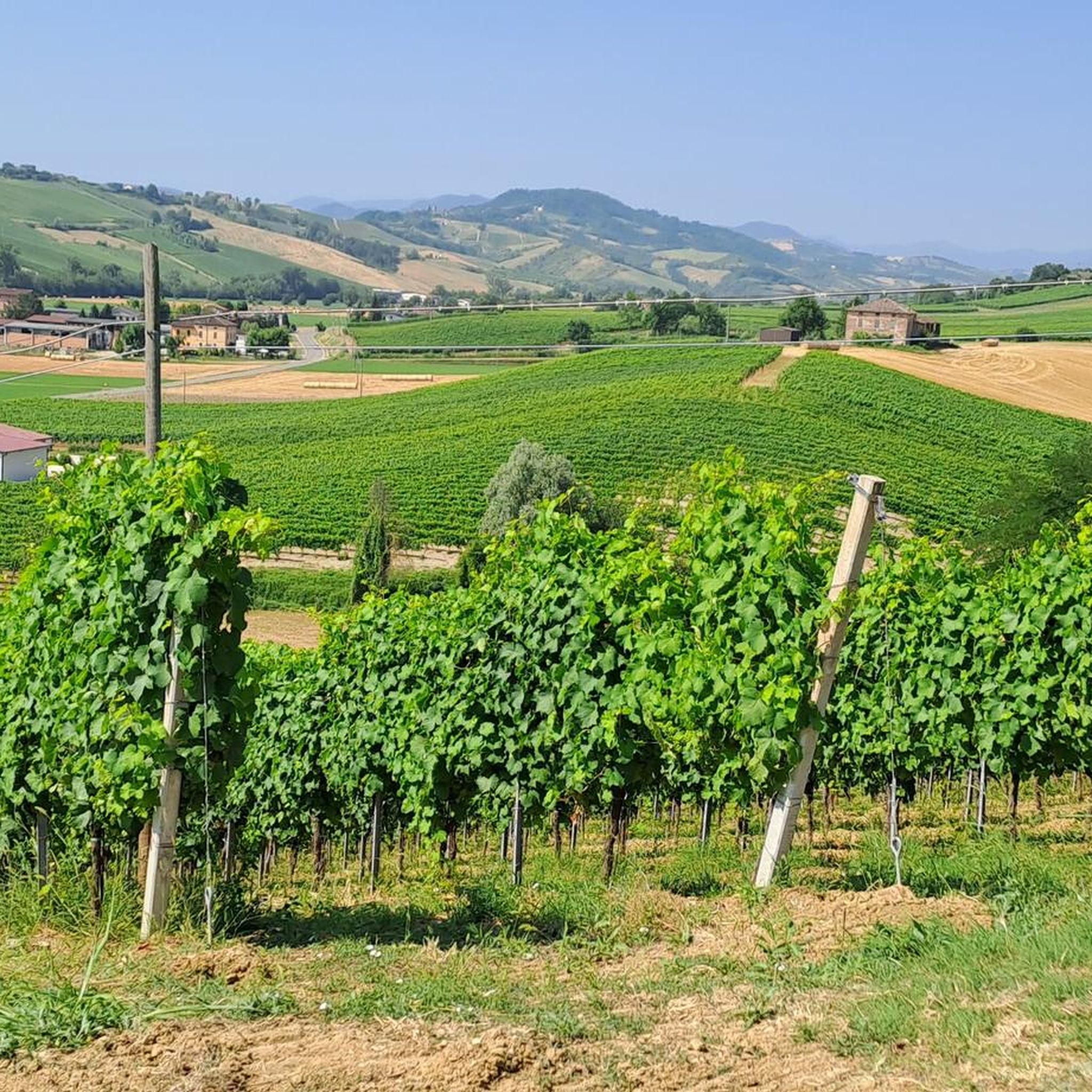
Best attractions and places to see around Alseno offer a blend of historical sites and scenic landscapes within Italy's Piacenza province. Situated in the Po Valley, Alseno's location along the ancient Via Emilia and the medieval Via Francigena highlights its rich past. Visitors can explore significant cultural heritage and enjoy the picturesque countryside. The area provides a gateway to understanding the region's historical and natural features.
Best attractions and places to see around Alseno
- The most popular attractions is Busseto…
Last updated: July 6, 2026
Busseto
Highlight • Settlement
Translated by Google •
Tip by

Abbey of Chiaravalle della Colomba
Highlight • Religious Site
Translated by Google •
Tip by
Sign up now to discover places like this
Get recommendations on the best single tracks, peaks, & plenty of other exciting outdoor places.
Sign up for free
Tabiano Castle
Highlight • Castle
Translated by Google •
Tip by

Keep of Vigoleno
Highlight • Castle
via Libertà s.n., 29010 Vigoleno PC
visitvigoleno.it
3297503774
Translated by Google •
Tip by

Church of San Michele Arcangelo, Montanaro
Highlight • Religious Site
Translated by Google •
Tip by
Sign up for free to discover even more attractions around Alseno.
Sign up for free
Already have an account?
Start today with a free account
Your next adventure awaits.
Login or Signup

Tips from the Community

Originally built between the 10th and 11th centuries, the castle was rebuilt in 1153 and expanded several times in the following centuries. With the exception of a few brief periods in the 12th and 14th centuries, the Pallavicino marquises maintained it almost uninterruptedly until their extinction in 1756. Assigned to the Sermattei family, the manor was purchased a few years later by the Landi cousins. Sold in 1882 to the Corazza family, the manor was renovated and transformed into an elegant stately home, rich in frescoes and stucco decorations. Since the early 21st century, the building, along with the surrounding village, has been used as a scattered hotel, with an adjoining farm. SOURCE: https://it.wikipedia.org/wiki/Tabiano_Castello
0
0

Wonderful abbey - a former Cistercian monastery - A dove dropped pieces of wood, thus determining the size of the abbey. Hence the name Colomba = dove
0
0


Very beautiful village, well worth a visit
2
0

This was one of the most important Cistercian centers in Italy. The church was built around 1135 according to the wishes of Saint Bernard of Claivaux and the Pallavicino family. Of the abbey complex, the Romanesque church with 14th- and 15th-century frescoes and the beautiful cloister have been preserved. The old facade of the basilica is still visible in the upper part, behind the 14th-century porch. The church consists of three naves with a transept following the classical plan of the primitive churches of the Cistercian order. The southern part of the transept has a beautiful staircase, which provides access to the monks' dormitory.
7
1
The Chiesa di San Michele Arcangelo is located in Montanaro, a hamlet of Carpaneto Piacentino. The building probably dates from before the year 1000 and has a special significance for the Lombards, who had a special veneration for the figure of the archangel. The church has undergone several renovations over the centuries, with the Baroque renovations from the 18th century determining its current appearance. The interior of the church consists of a single nave with two side chapels that are connected to each other. The internal decoration is partly the work of Alberto Aspetti, one of the most important experts in mural painting in Piacenza in the first half of the 20th century. In the apsidal area, the patron saint is depicted in a sculptural group: Saint Michael fighting the devil. The bell tower, which began in the Renaissance, was completed at the end of the 18th century.
7
0

Frequently Asked Questions
What historical sites can I visit in and around Alseno?
Alseno and its surroundings are rich in history. You can explore the significant Abbey of Chiaravalle della Colomba, a Cistercian monastery founded in 1136. In Alseno itself, the historic Castello Landi, though now a nursery school, has roots dating back to 1186. Just 4 km away, Castelnuovo Fogliani features a medieval castle transformed into a stately villa. Further afield, consider visiting Busseto, known as the birthplace of Giuseppe Verdi, or the impressive Visconti Fortress of Castell'Arquato.
Are there any castles to explore near Alseno?
Yes, the region boasts several historical castles. You can visit Tabiano Castle, built by the Pallavicino family, which offers guided tours. Another notable site is the Keep of Vigoleno, a beautiful village with a historical castle. The Visconti Fortress of Castell'Arquato is also a prominent attraction, allowing visitors to climb its main tower for panoramic views.
What is the significance of the Abbey of Chiaravalle della Colomba?
The Abbey of Chiaravalle della Colomba is one of Alseno's most significant cultural attractions, founded in 1136 by Saint Bernard of Clairvaux. It's a prime example of medieval Cistercian architecture and art. The abbey is particularly famous for its annual 'Infiorata,' a stunning flower carpet display held on the first Sunday of June for the Feast of Corpus Domini, a tradition nearly a millennium old.
What natural landscapes can I explore near Alseno?
Alseno is nestled in the picturesque Po Valley, offering scenic countryside views. While the immediate area is characterized by plains, its location provides a gateway to broader natural landscapes within Emilia-Romagna. The region is home to significant natural heritage, including the UNESCO-recognized Evaporitic Karst and Caves of Northern Apennines, and parts of the Tuscan-Emilian Apennines UNESCO MAB Reserve, which are accessible within the wider area.
Are there opportunities for outdoor activities like cycling or running?
Yes, the area around Alseno offers various routes for outdoor enthusiasts. For running, you can find trails like the 'Running loop from Abbazia di Chiaravalle della Colomba' or the 'Running loop from Castelnuovo Fogliani.' Cyclists can explore numerous routes, including gravel biking options like the 'View of Tabiano Castle – Tabiano Castle loop from Salsomaggiore Terme' or road cycling routes such as the 'Santuario di Lugagnano loop from Abbazia di Chiaravalle della Colomba.' You can find more details on these and other routes in the Running Trails around Alseno, Gravel biking around Alseno, and Road Cycling Routes around Alseno guides.
Where can I find hiking trails around Alseno?
While Alseno is in the Po Valley, its proximity to other areas offers hiking opportunities. The ancient Via Francigena, which passes through the area, provides historical walking paths. For more structured routes, consider exploring the nearby guides for outdoor activities. For example, the Running Trails around Alseno guide includes paths that can be adapted for walking, such as the 'Bridge over the Stirone River – Votive Chapel of Mary loop from Castello di Scipione'.
Are there family-friendly attractions in Alseno?
Many attractions in the Alseno area are suitable for families. The Abbey of Chiaravalle della Colomba offers a historical and architectural experience. The charming village of Vigoleno with its castle is also considered family-friendly. Additionally, Busseto, with its connection to Giuseppe Verdi, provides a cultural outing for all ages.
When is the best time to visit Alseno?
The best time to visit Alseno largely depends on your interests. For cultural events like the 'Infiorata' at the Abbey of Chiaravalle della Colomba, the first Sunday of June is ideal. Spring and early autumn generally offer pleasant weather for exploring historical sites and engaging in outdoor activities, avoiding the peak heat of summer. The region's culinary traditions can be enjoyed year-round.
What local specialties or food can I try in Alseno?
Alseno is renowned for its culinary traditions, especially its cured meats. Beyond the well-known Piacenza PDO varieties like coppa, salame, and pancetta, you can discover local specialties such as 'mariola' and 'goletta.' The region's unique climate also contributes to the production of 'Culaccia,' a prized cured ham.
What do visitors particularly enjoy about the attractions around Alseno?
Visitors frequently praise the historical and architectural richness of the area. The Abbey of Chiaravalle della Colomba is highlighted as one of the most important Cistercian centers in Italy, with its beautiful cloister and frescoes. The Keep of Vigoleno is described as a 'small, but beautiful village' well worth a visit, and the Tabiano Castle is appreciated for its historical significance and the scenic path leading to it. The attractions around Alseno have garnered over 90 upvotes from the komoot community.
What is the connection between Alseno and the Via Francigena?
Alseno holds historical significance due to its location along the ancient Via Emilia, which also formed a crucial part of the medieval Via Francigena pilgrim route. This ancient path connected Canterbury to Rome, and traces of its role as a vital passage for pilgrims are still visible in the area, making it a point of interest for those following historical routes.
Most popular attractions around Alseno

Get inspired with the komoot mobile app


Explore more
Still not found the Highlight you’re looking for? See guides of the top attractions in other regions:
